


Secondary sourcePainting
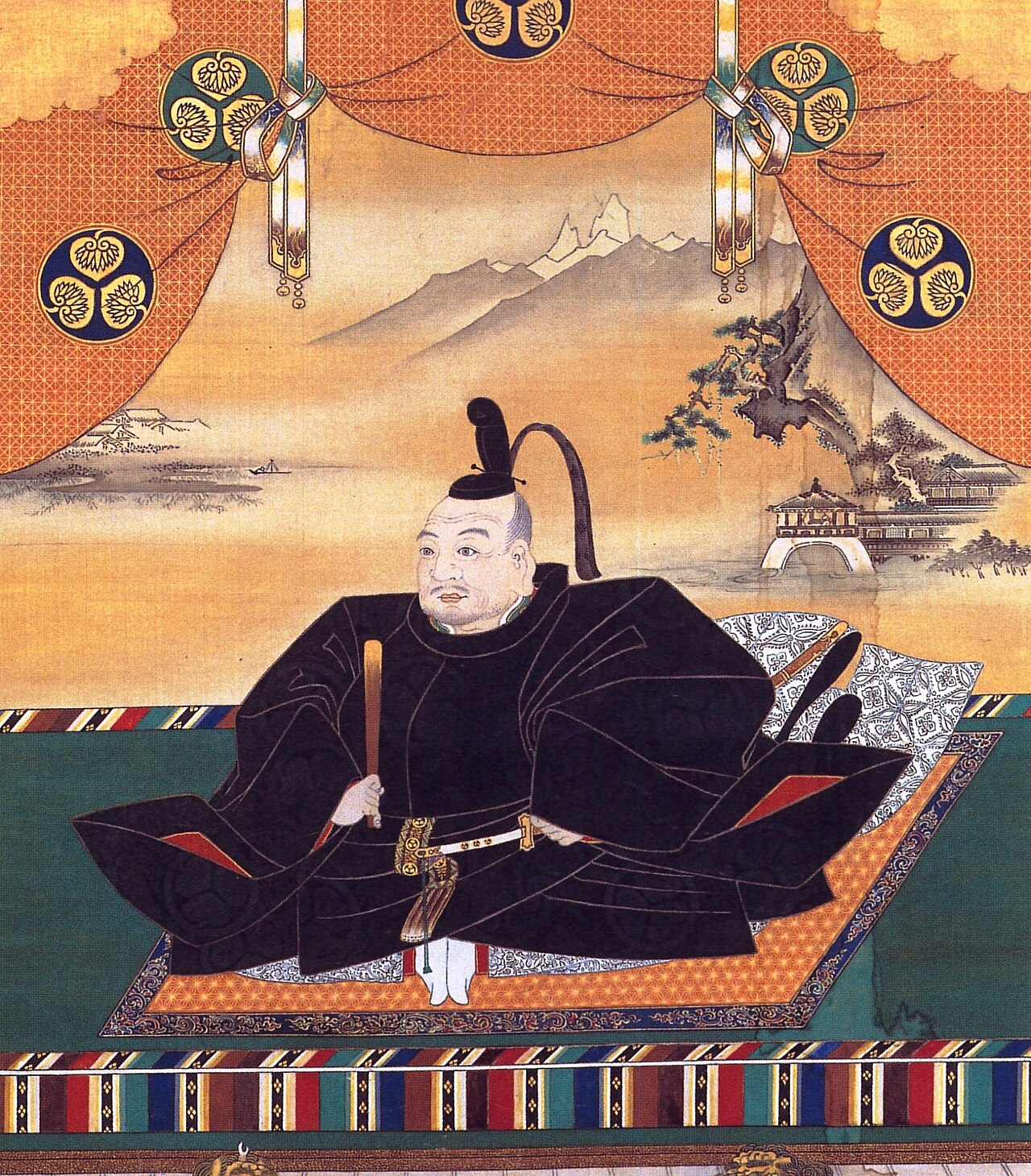
Portrait of Tokugawa Ieyasu
A seated formal portrait of the elderly Tokugawa Ieyasu in court dress, part of the official deified image promoted after his death.
This official posthumous portrait shows Ieyasu as the deified founder of the Tokugawa shogunate.
About this source
What it is
This painting shows Tokugawa Ieyasu seated in black formal robes with a tall lacquered hat, holding a fan, before a curtain decorated with the Tokugawa crest and a painted landscape behind him.
Why it matters
Portraits like this were produced to present Ieyasu not just as a historical ruler but as a dignified, almost sacred figure, fitting the cult that grew around him as a deity after his death. The formal pose and rich setting were meant to project authority and legitimacy for his descendants who continued to rule as shoguns.
Look closer
- What details in the clothing, posture, and background suggest power and status?
- Why might this image have been painted after Ieyasu's death rather than during his life?
- What is left out of a formal portrait like this that a more personal account might include?
This painting is part of the curated material that grounds the AI version of Tokugawa Ieyasu on Humy.ai — when students ask about related events, the AI can quote it and cite it.
More Tokugawa Ieyasu sources
Browse all 94 →Primary source
Kinchū narabini Kuge Shohatto
Tokugawa Ieyasu · 1615
 Document
Primary source
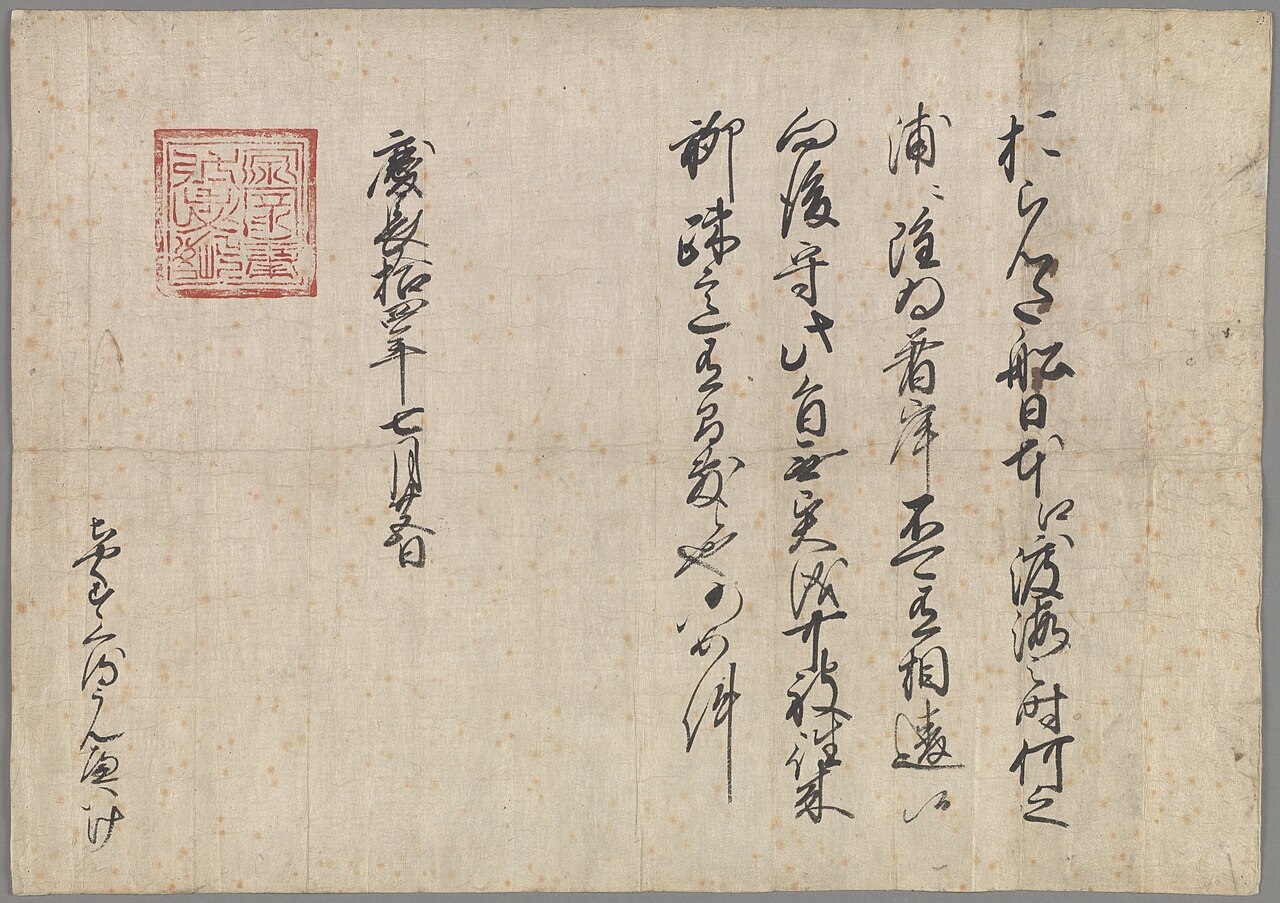
Trading Pass for Dutch Ships in Japan
Tokugawa Ieyasu · 24 August 1609
 Letter
Primary source
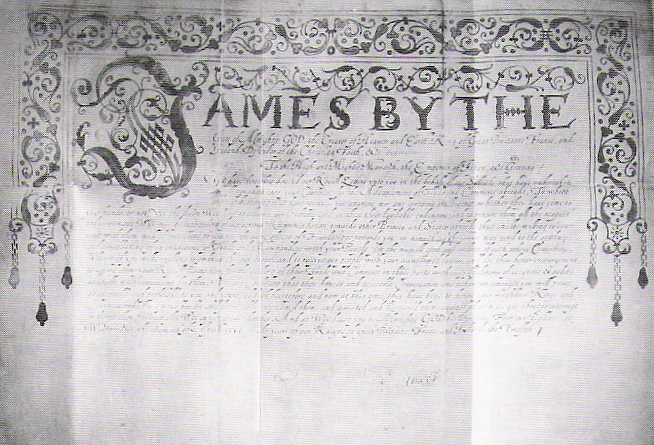
Letter of King James to Tokugawa Ieyasu
James VI and I · 1613
 Artifact
Secondary source
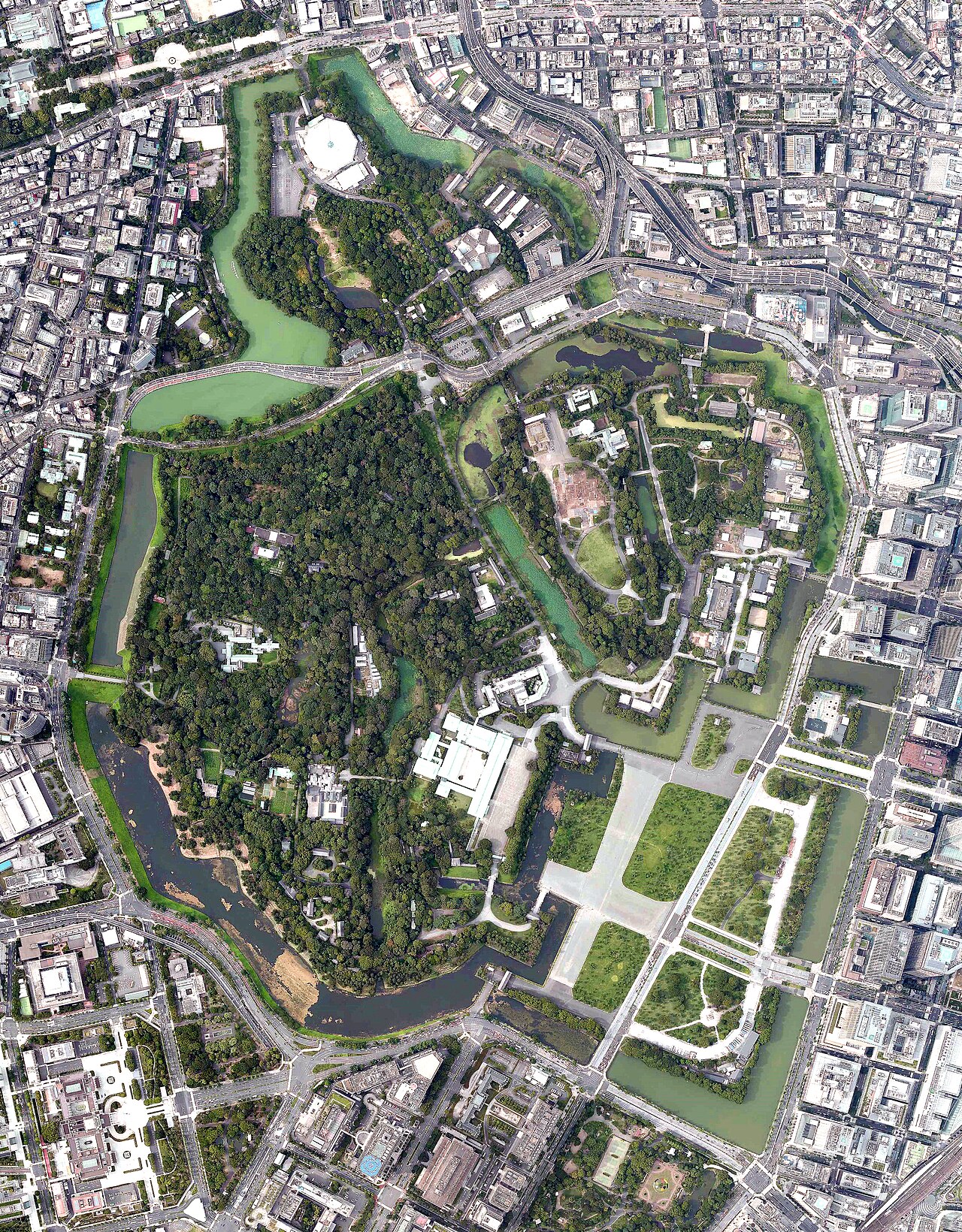
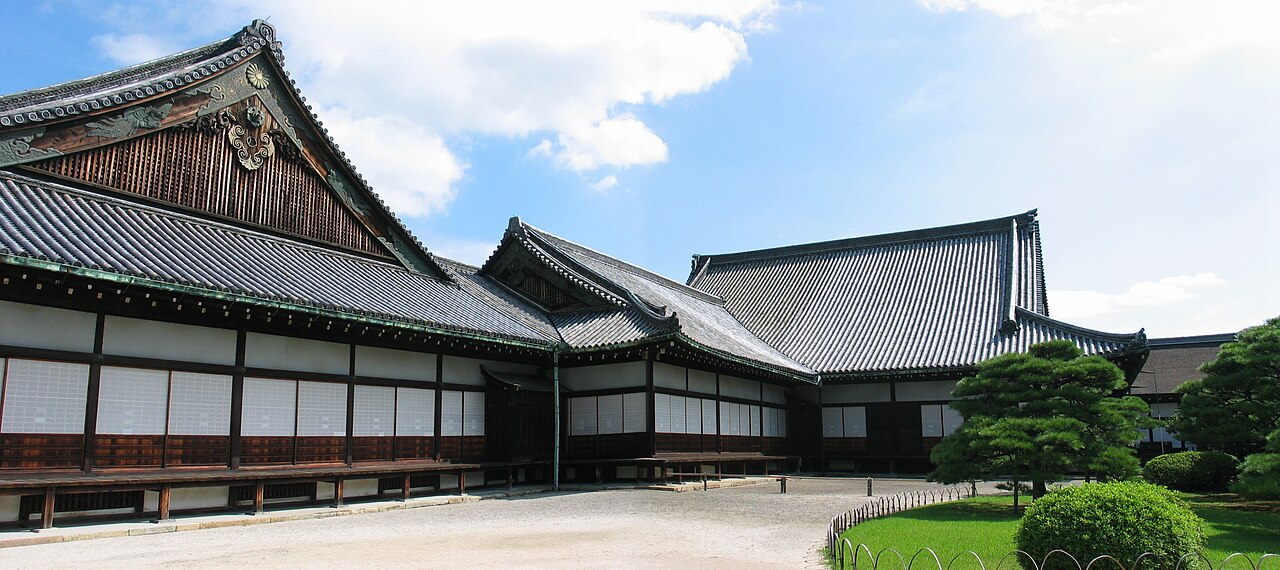
Edo Castle
Ōta Dōkan · 1457; expanded from 1590
Free account
Read every Tokugawa Ieyasu source
Sign up free →
Ready when you are
Start chatting with Tokugawa Ieyasu now.
20 messages free · No credit card · Available in 50+ languages.