


Secondary sourcePaintingc. 1525
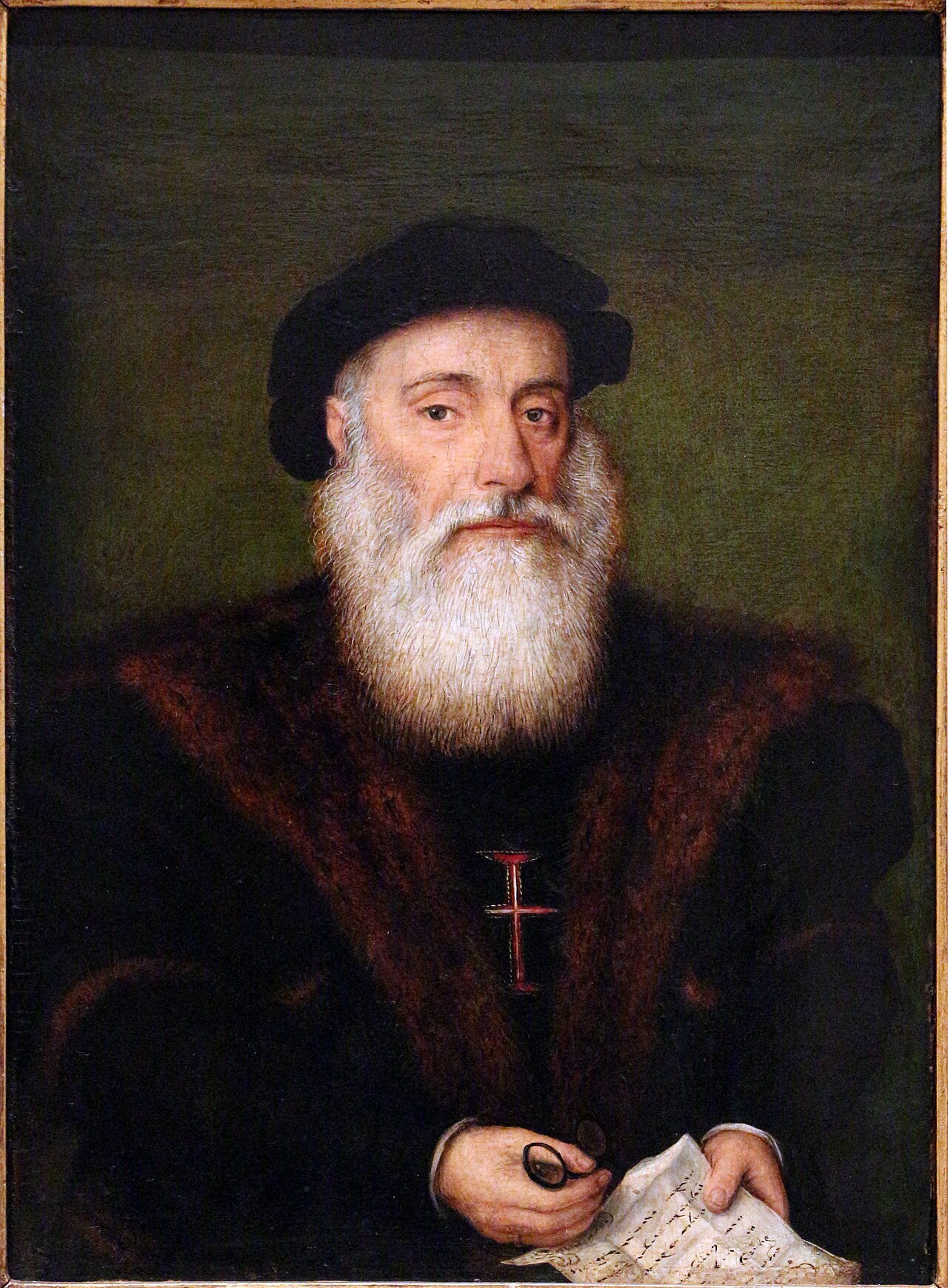
Portrait of Vasco da Gama
Anonymous · c. 1525
The earliest known painted portrait of da Gama, made shortly after his death, showing him as a knight of the Order of Christ.
This is believed to be the earliest surviving painted portrait of da Gama, made soon after his death.
About this source
What it is
This anonymous painting, made around 1525, shows an elderly bearded man wearing a dark robe with a fur collar and a red cross, the emblem of the Order of Christ. He holds spectacles and a folded letter. It is considered the earliest surviving painted likeness of Vasco da Gama.
Why it matters
Painted soon after da Gama's death, this portrait helped shape how later generations imagined him: not as a young adventurer but as an aged, honoured nobleman marked by religious and chivalric status. It shows how quickly image-making turned explorers into symbols of Portuguese power and faith.
Look closer
- What do the objects he holds—spectacles and a letter—suggest about how the painter wanted him remembered?
- Why might an artist choose to show an explorer as an old man rather than during his famous voyages?
- What can and can't a portrait like this tell us about a real historical person?
This painting is part of the curated material that grounds the AI version of Vasco da Gama on Humy.ai — when students ask about related events, the AI can quote it and cite it.
More Vasco da Gama sources
Meet the AI Vasco da Gama →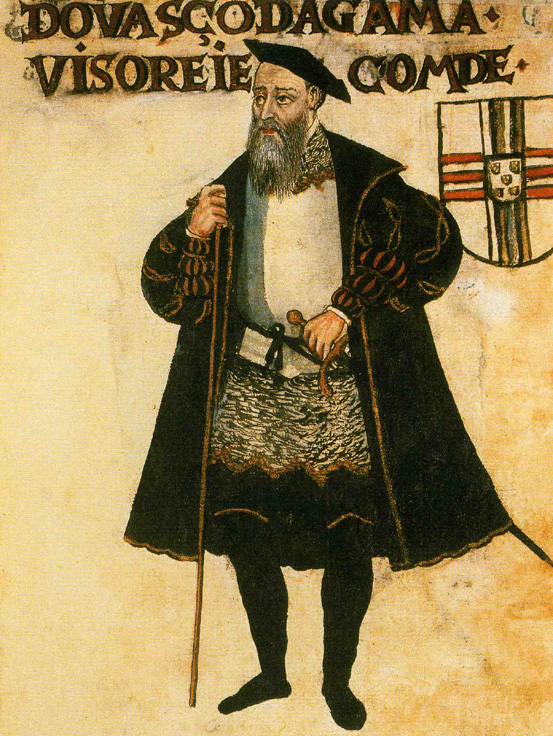 Painting
Secondary source
Vasco da Gama, Livro de Lisuarte de Abreu
Livro de Lisuarte de Abreu (compiler unknown) · c. 1565
 Document
Secondary source
Signature of Vasco da Gama
Vasco da Gama
 Artifact
Primary source
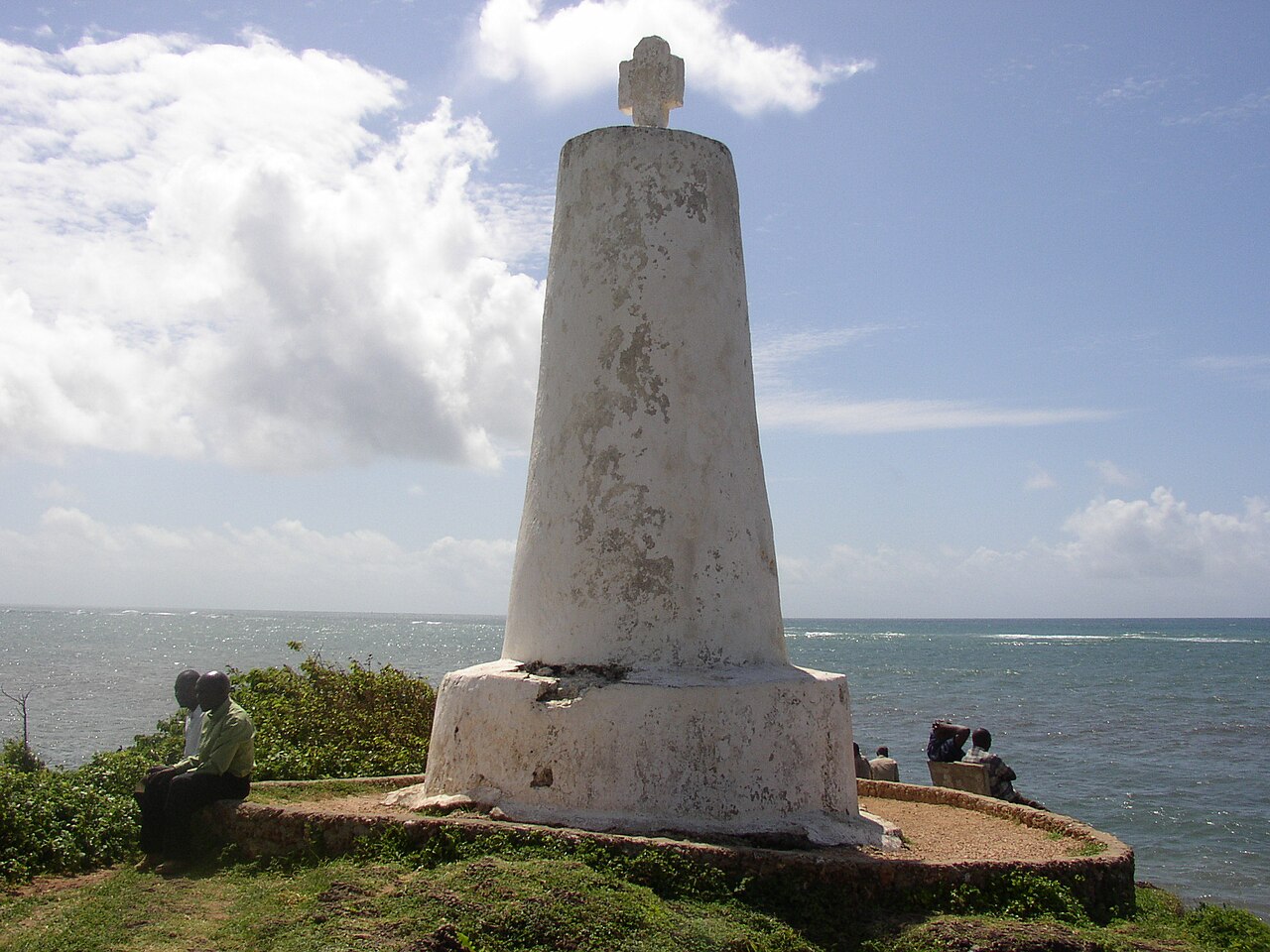
Vasco da Gama Pillar
1498 or 1499
 Document
Primary source
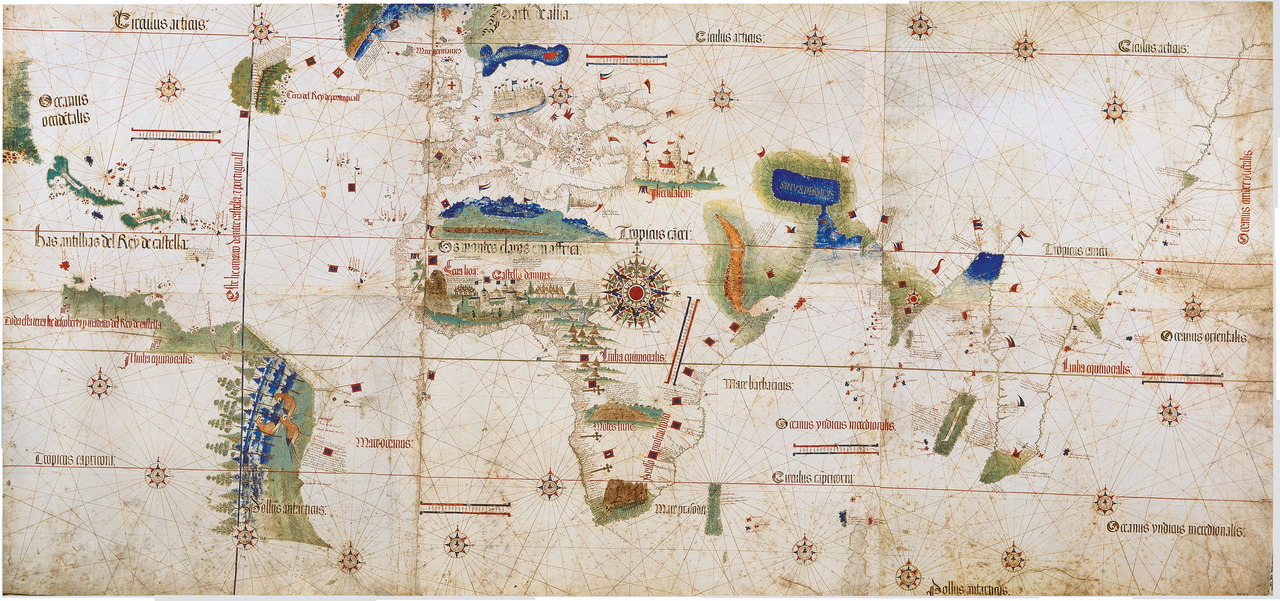
Cantino Planisphere
Anonymous Portuguese cartographer · 1502
 Artifact
Secondary source
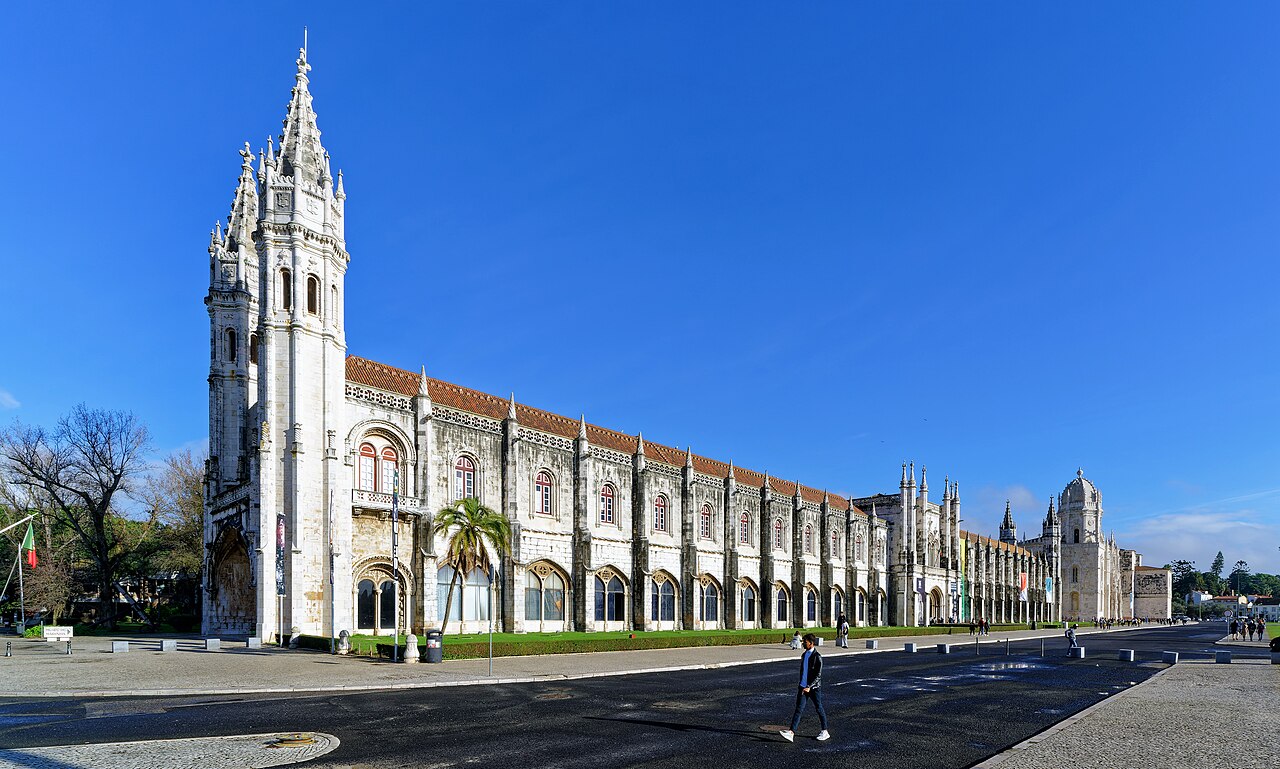
Jerónimos Monastery
Diogo de Boitaca · Begun 1501
Ready when you are
Start chatting with Vasco da Gama now.
20 messages free · No credit card · Available in 50+ languages.