





Dr. Michael Calvert
Assistant Superintendent, South Allegheny School District, Pennsylvania
Been using Humy in his district since 2024
“We enjoyed the program last year and used it frequently.”

AI Historical Figure
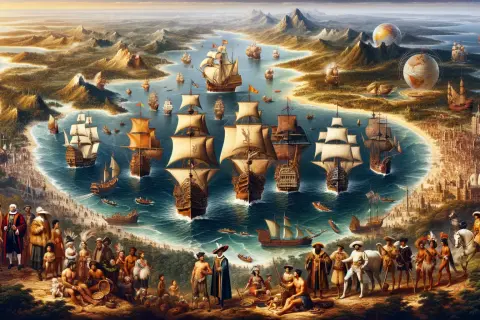
Portuguese explorer who discovered a sea route from Europe to India.
Chat with Vasco da Gama via text or voice — in 42 languages, drawing on a curated biography and 97 historical sources. Available 24/7.

Vasco da Gama
Online · responds in seconds
Hello — I'm Vasco da Gama. Portuguese explorer who discovered a sea route from Europe to India. What would you like to ask me?
20 messages free · No credit card · Powered by Humy.ai
Live preview · Switch between 42 languages above · Send a message to continue in the app
Multilingual
Ask Vasco da Gama questions in any language below, and the rest of Humy's app speaks it too. Pick yours to open the chat in that language.
Also in German (Austria), German (Switzerland), English (UK), English (Australia), English (Canada).
97 sources · 43 paintings · 15 artifacts · 12 books · 11 sculptures · 9 documents · 3 photographs · 2 letters · 1 newspaper article · 1 diary entry
Vasco da Gama doesn’t improvise from thin air. The AI is grounded in 97 curated historical sources students can inspect. Open any of them to see what informs the conversation.
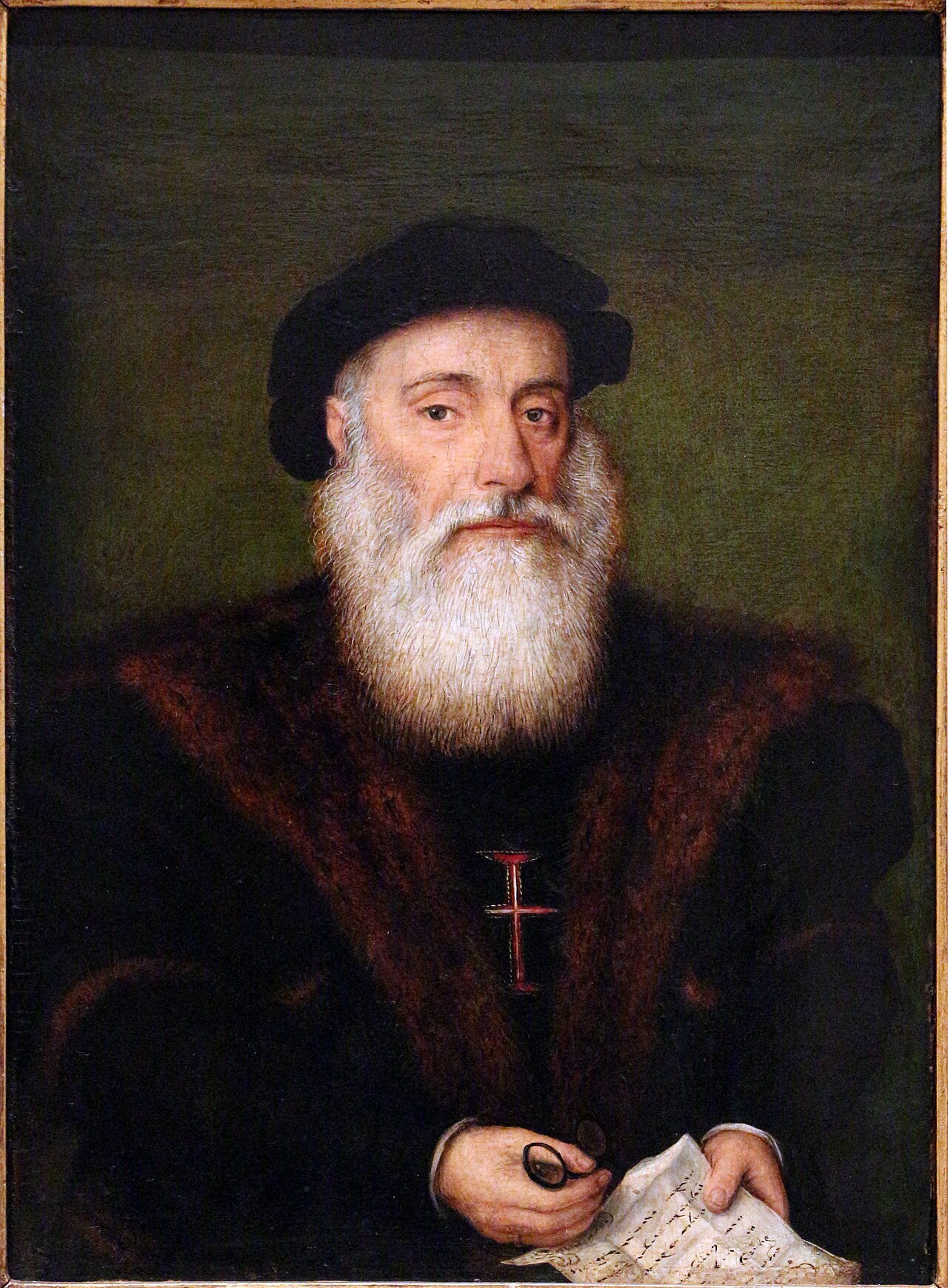 Painting
Secondary source
Anonymous · c. 1525
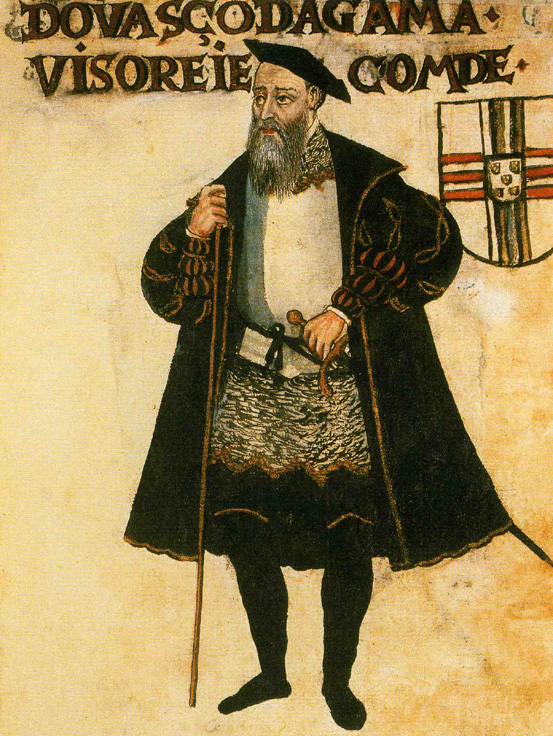 Painting
Secondary source
Livro de Lisuarte de Abreu (compiler unknown) · c. 1565
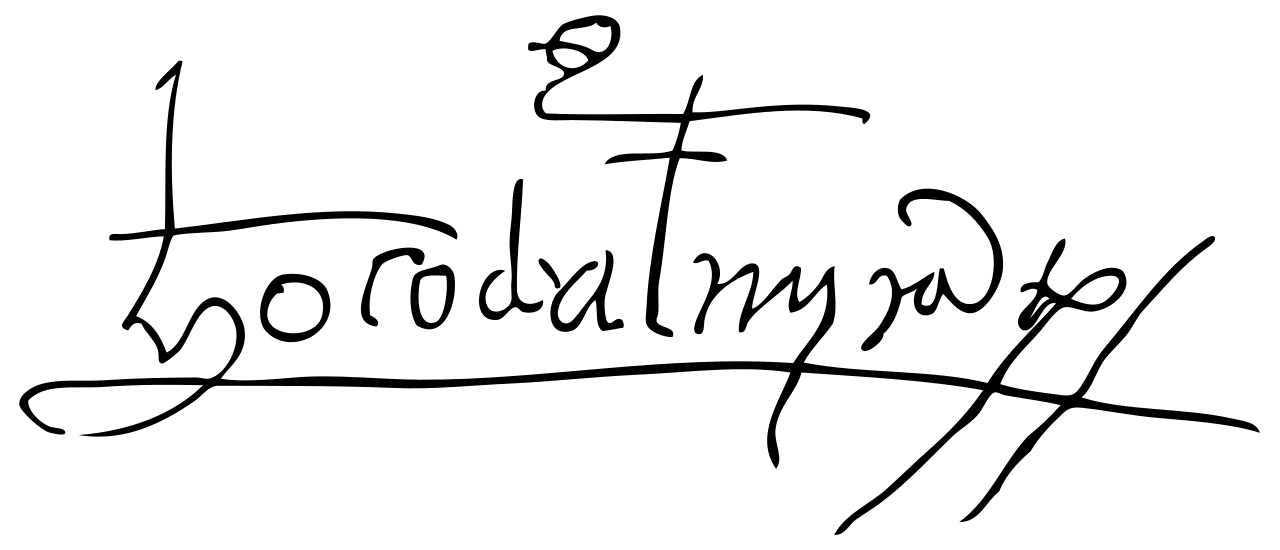 Document
Secondary source
Vasco da Gama
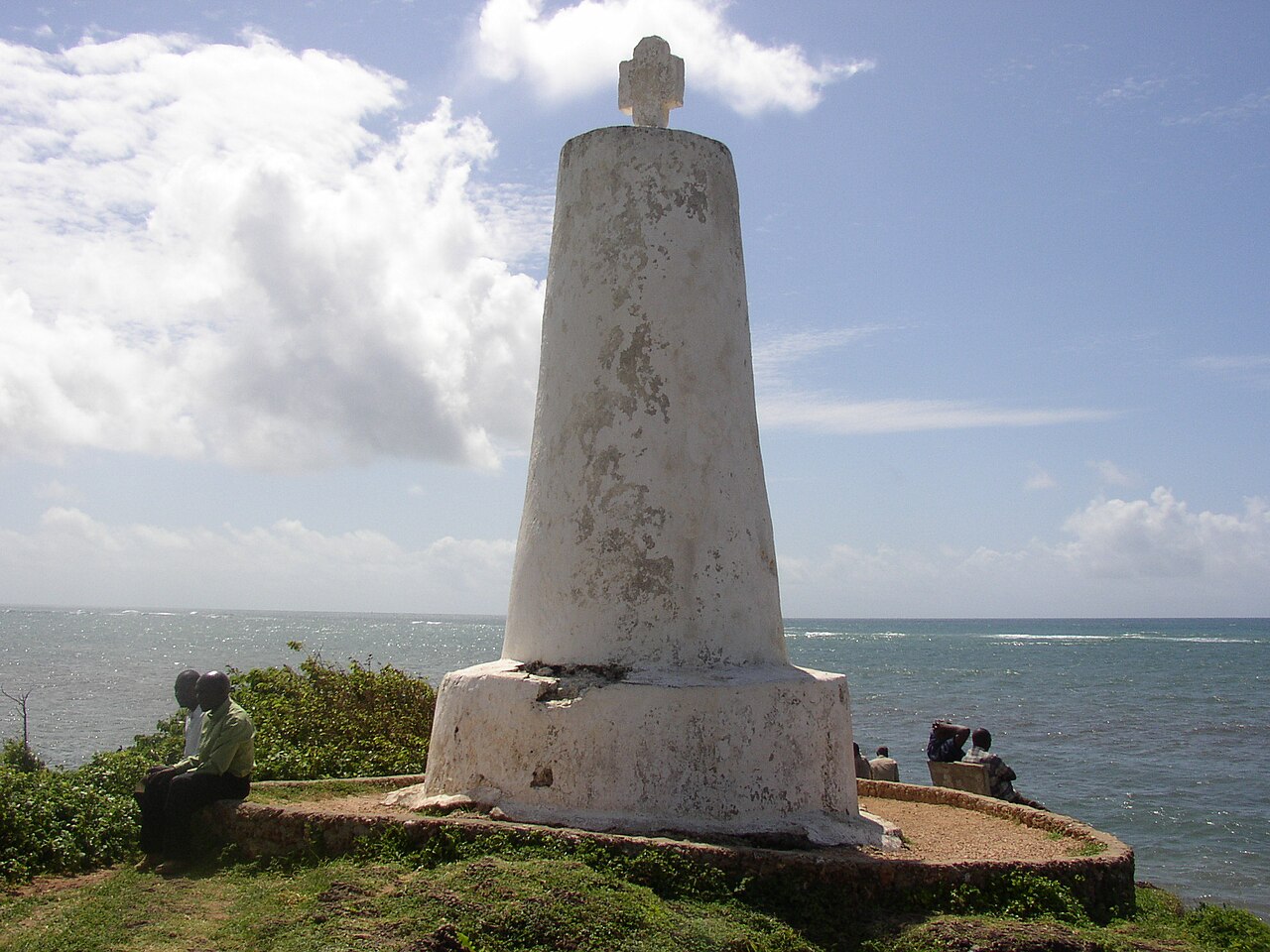 Artifact
Primary source
1498 or 1499
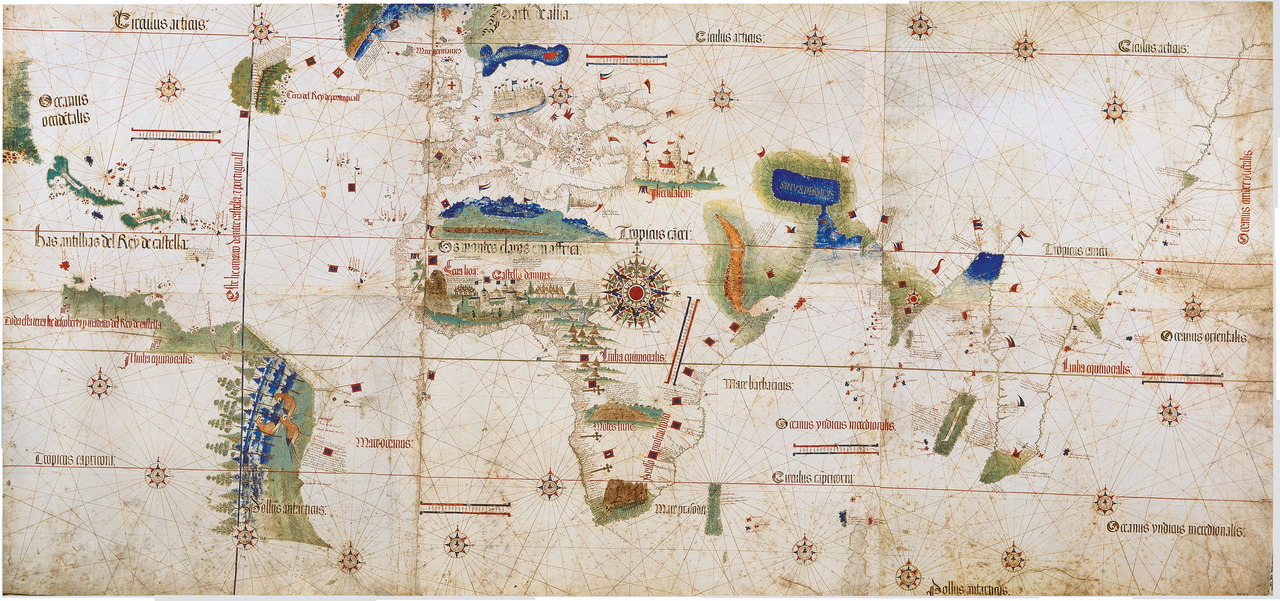 Document
Primary source
Anonymous Portuguese cartographer · 1502
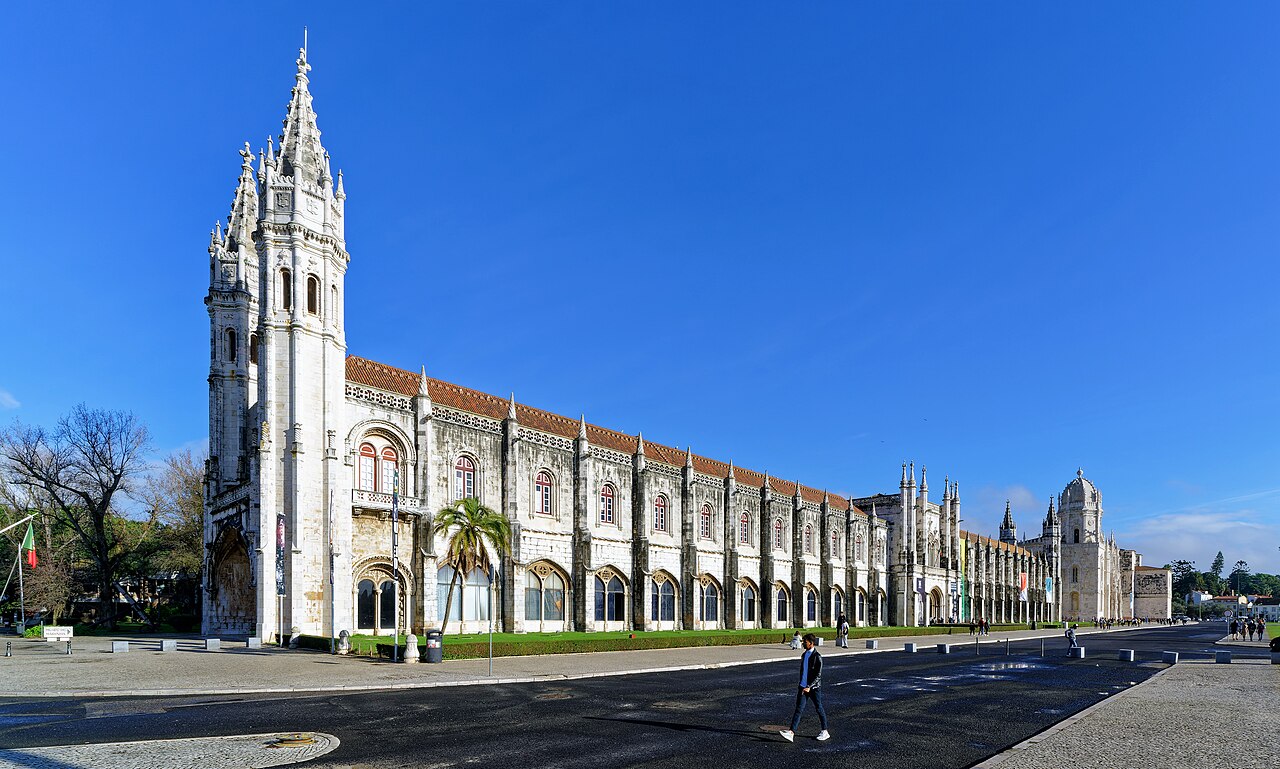 Artifact
Secondary source
Diogo de Boitaca · Begun 1501
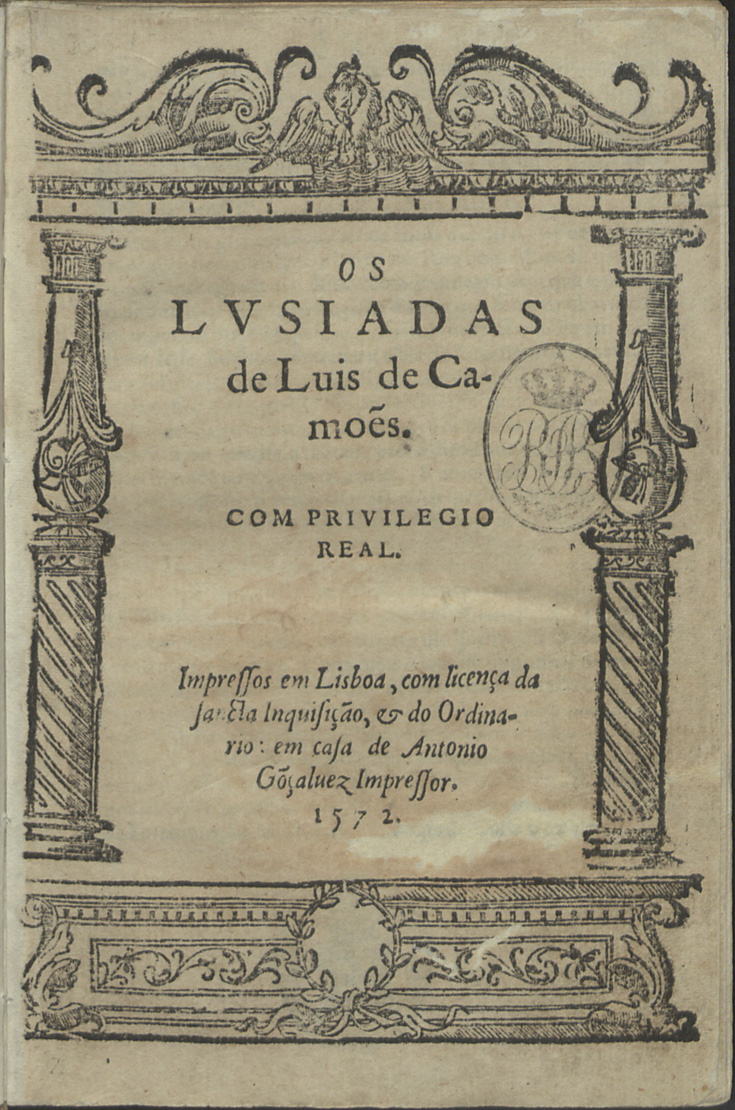 Book
Secondary source
Luís de Camões · 1572
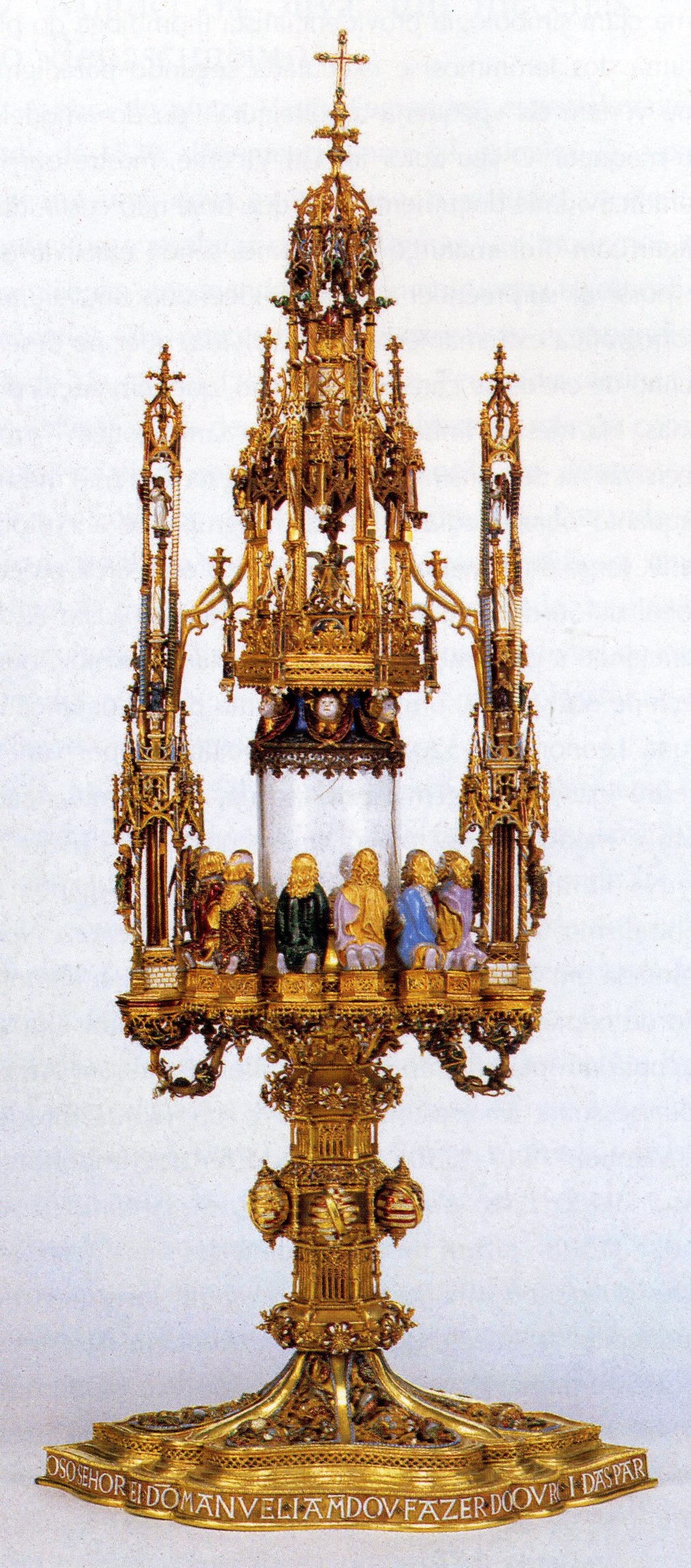 Artifact
Primary source
Gil Vicente · 1506
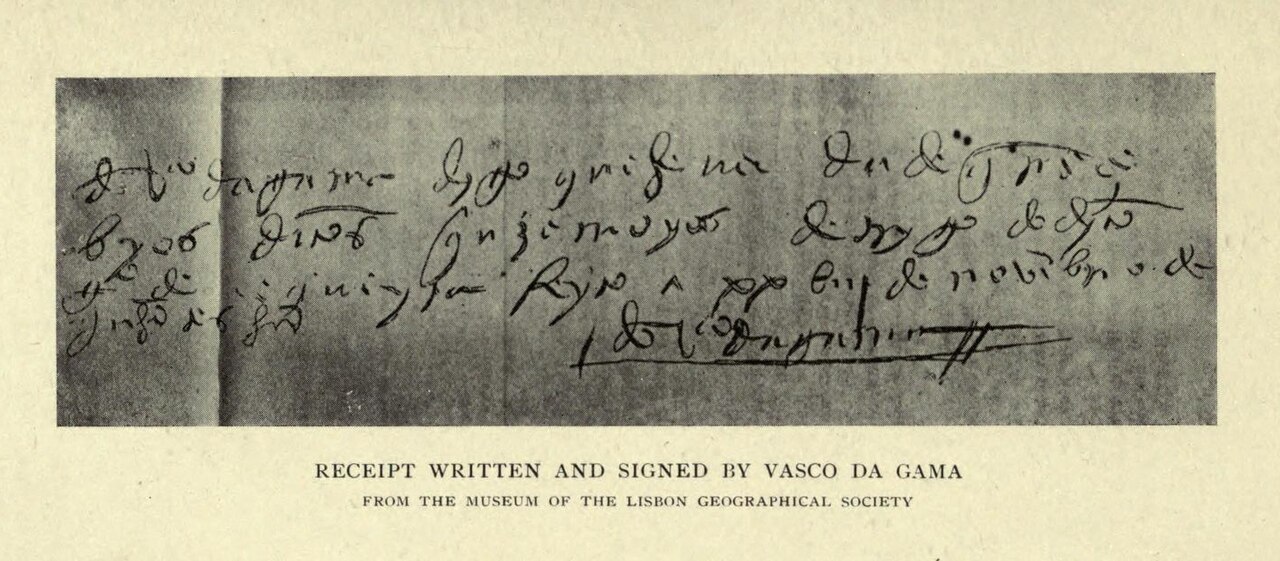 Document
Primary source
Vasco da Gama
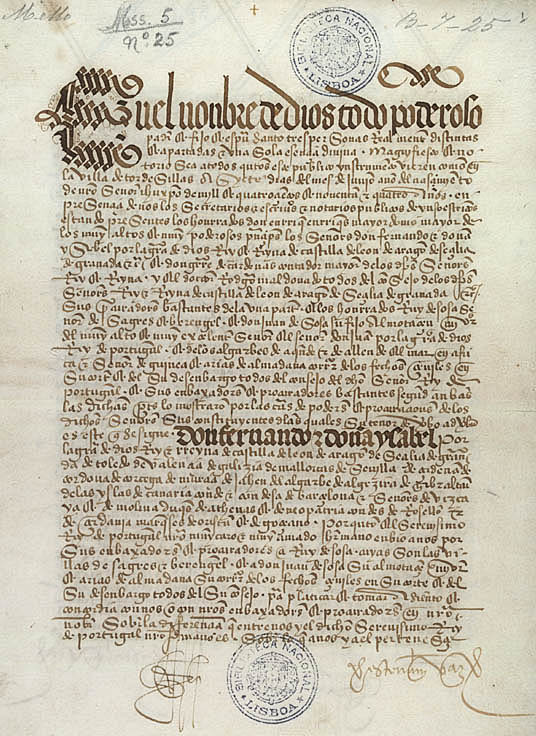 Document
Primary source
7 June 1494
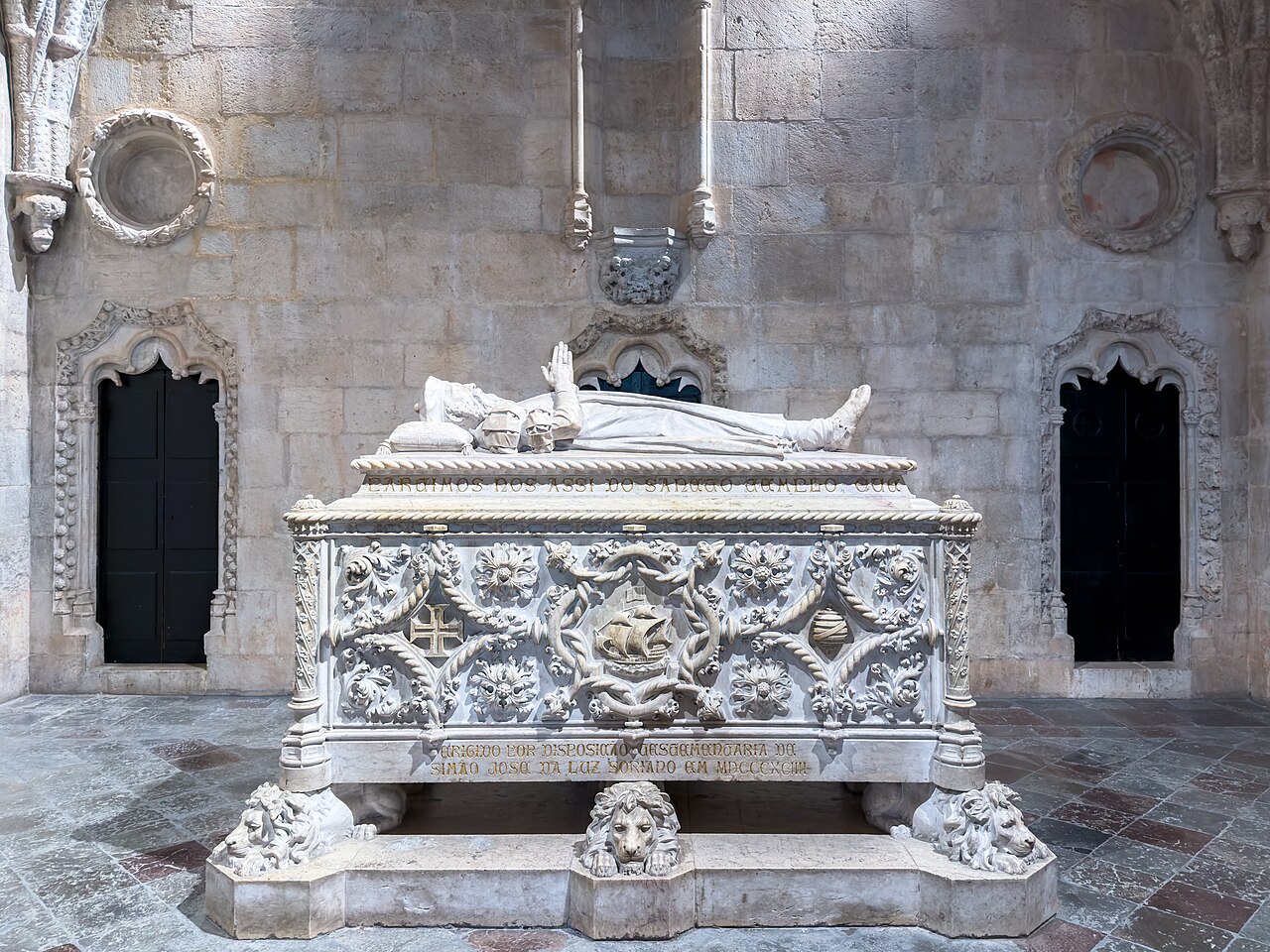 Sculpture
Secondary source
1880
 Book
Secondary source
Fernão Lopes de Castanheda · 1551
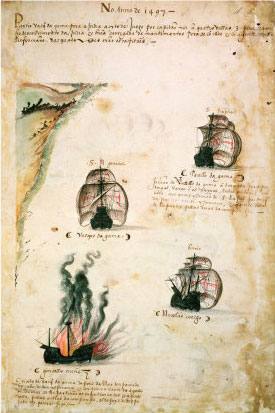 Document
Secondary source
Anonymous · c. 1568
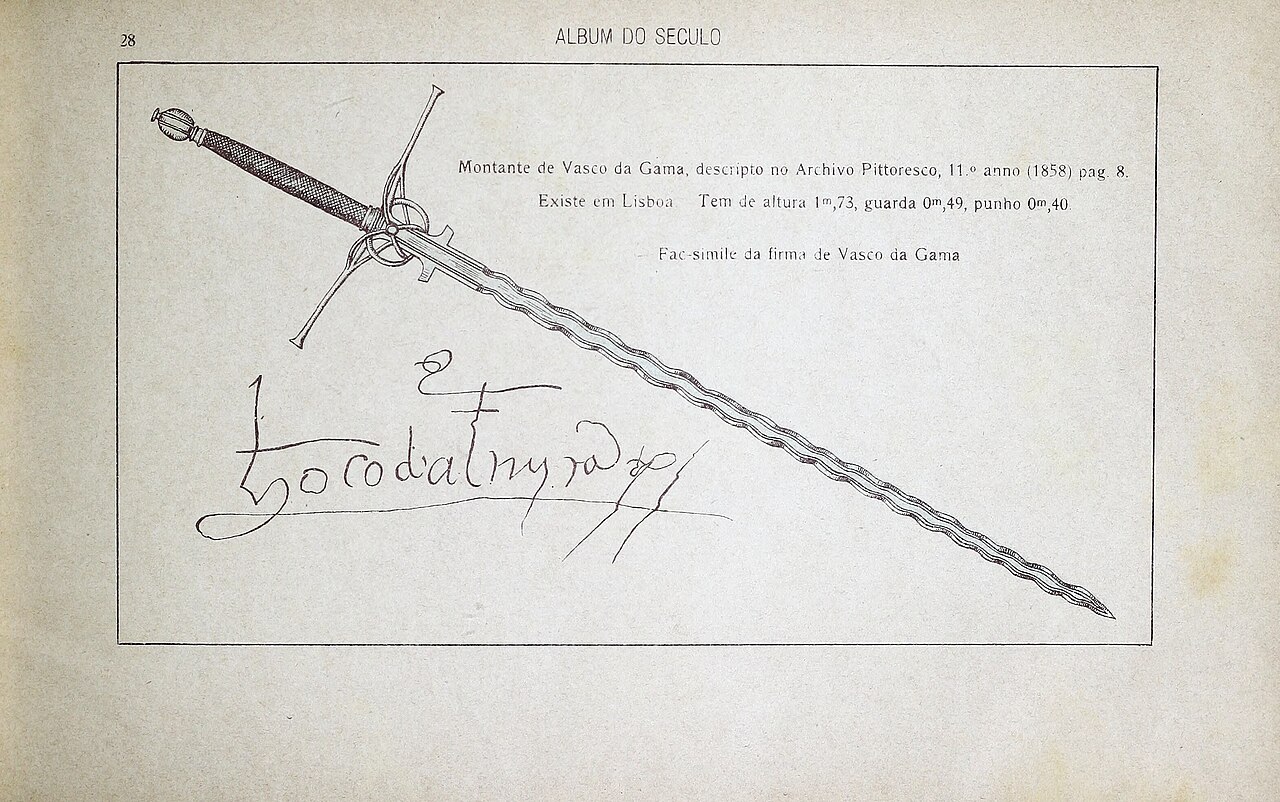 Artifact
Secondary source
Anonymous Unknown author
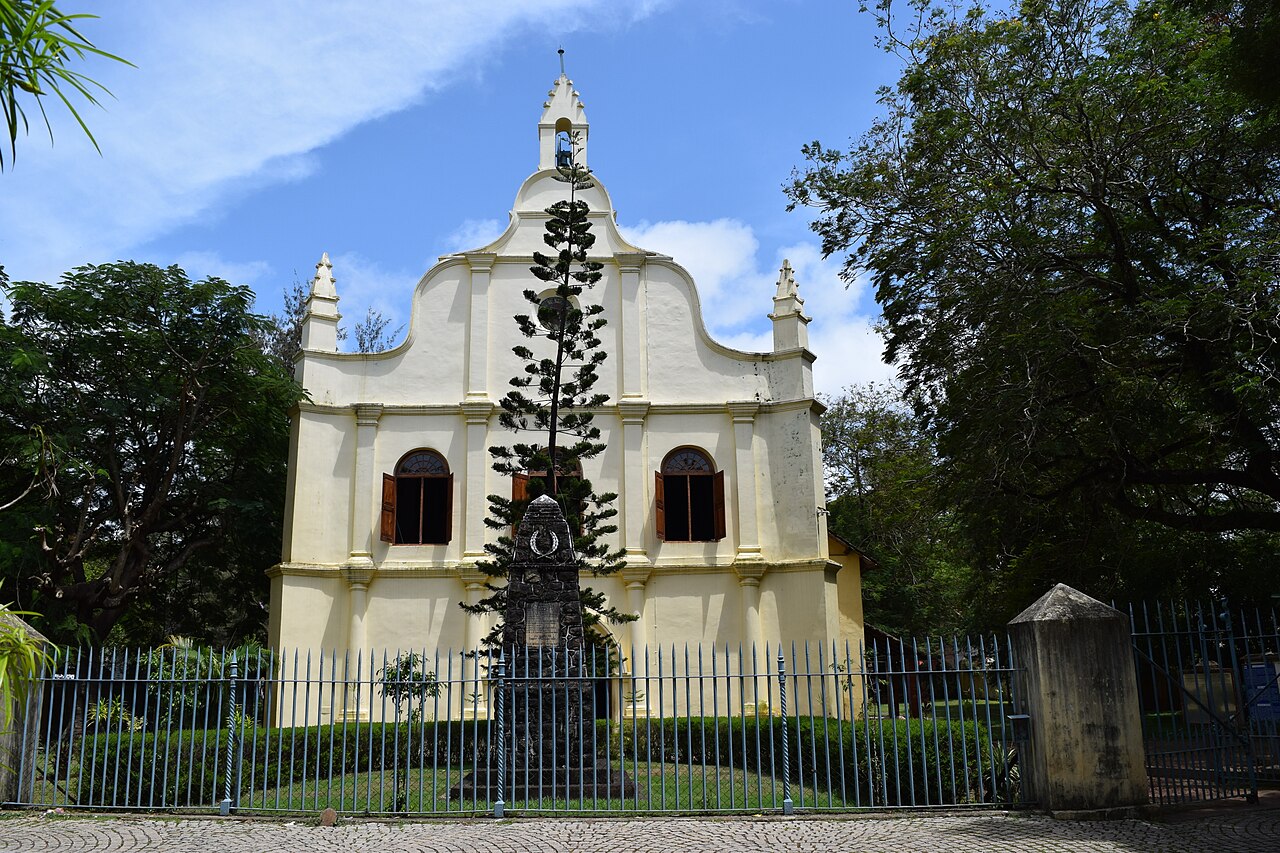 Artifact
Primary source
1503
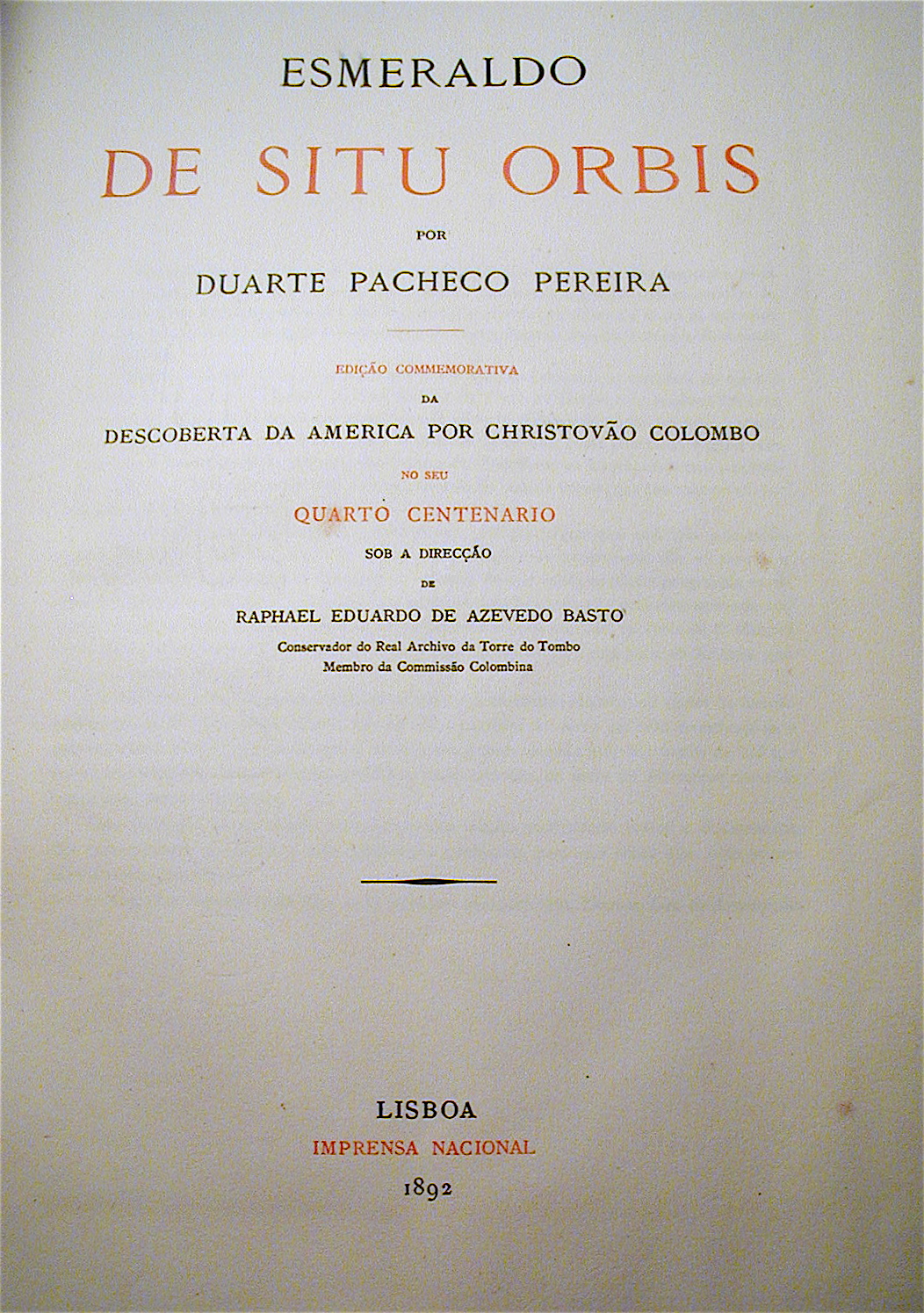 Book
Primary source
Duarte Pacheco Pereira · 1505-1508
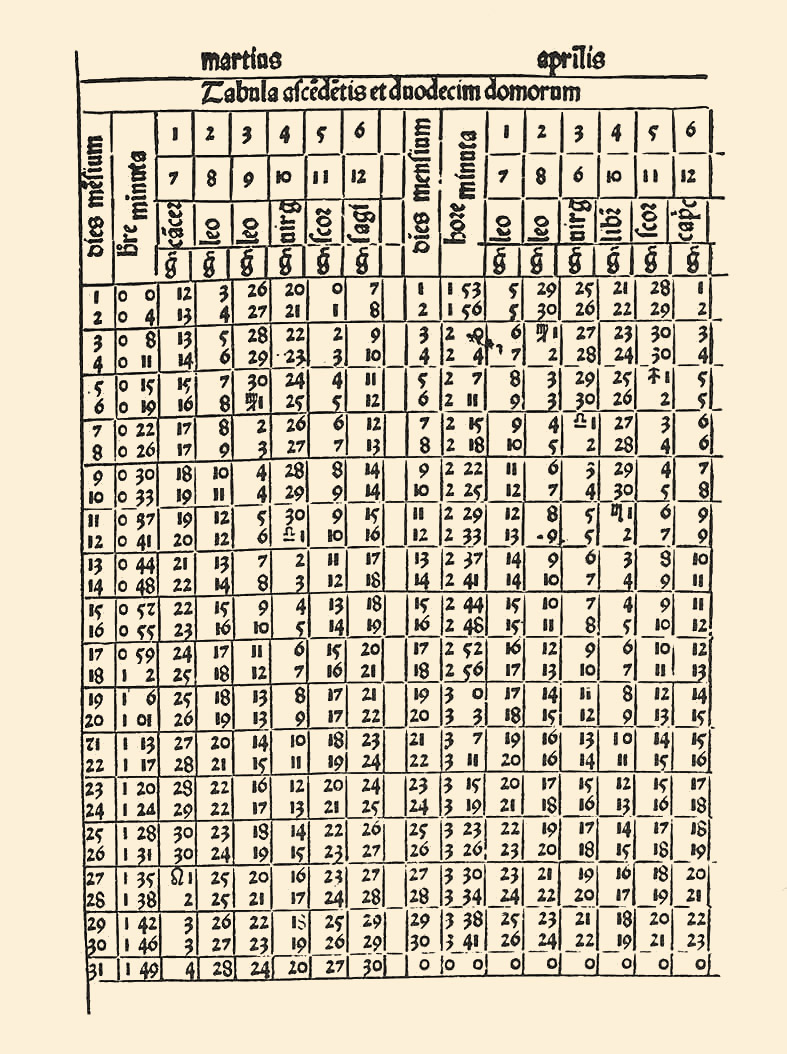 Book
Primary source
Abraham Zacuto · 1496
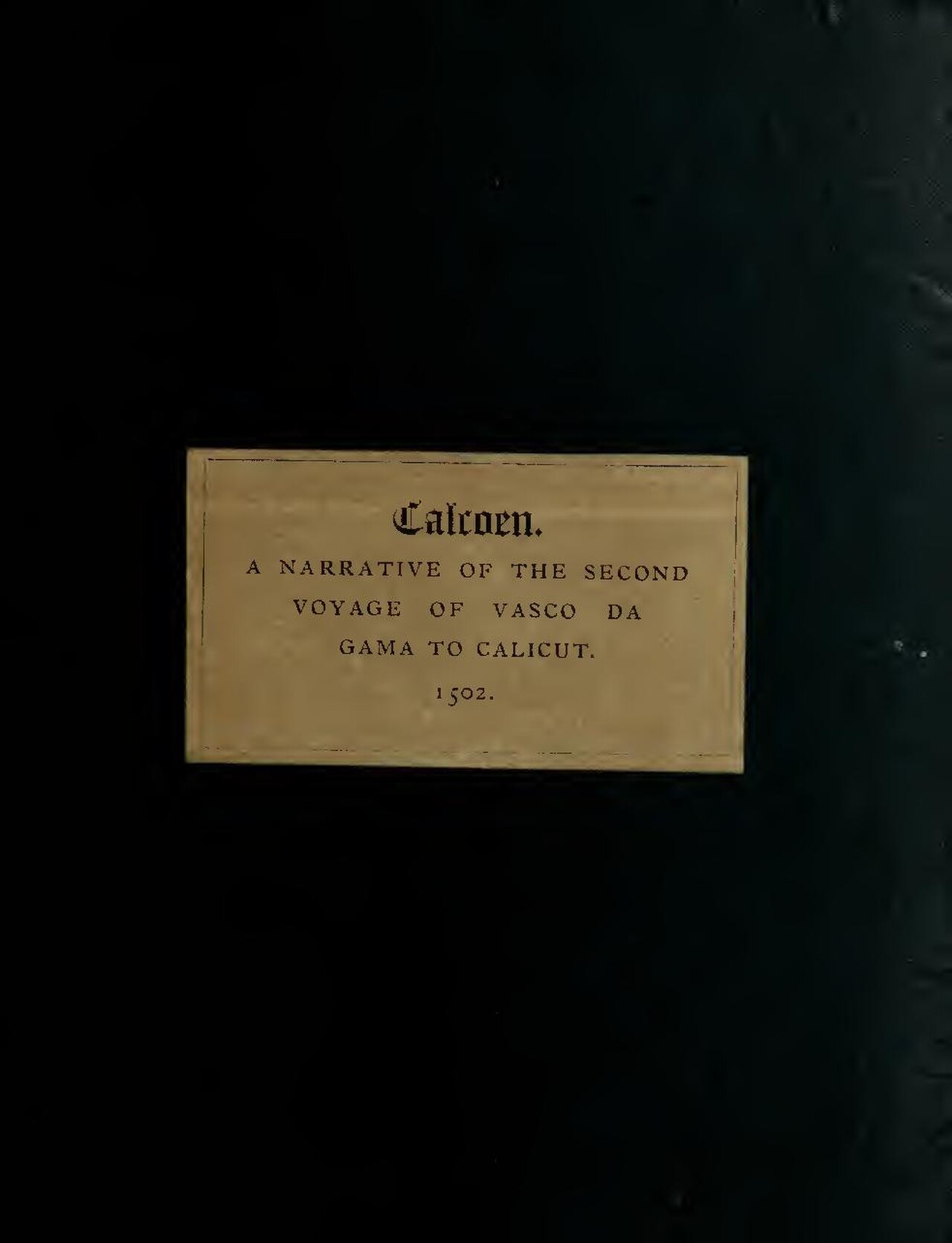 Book
Primary source
Anonymous Flemish sailor · c. 1504
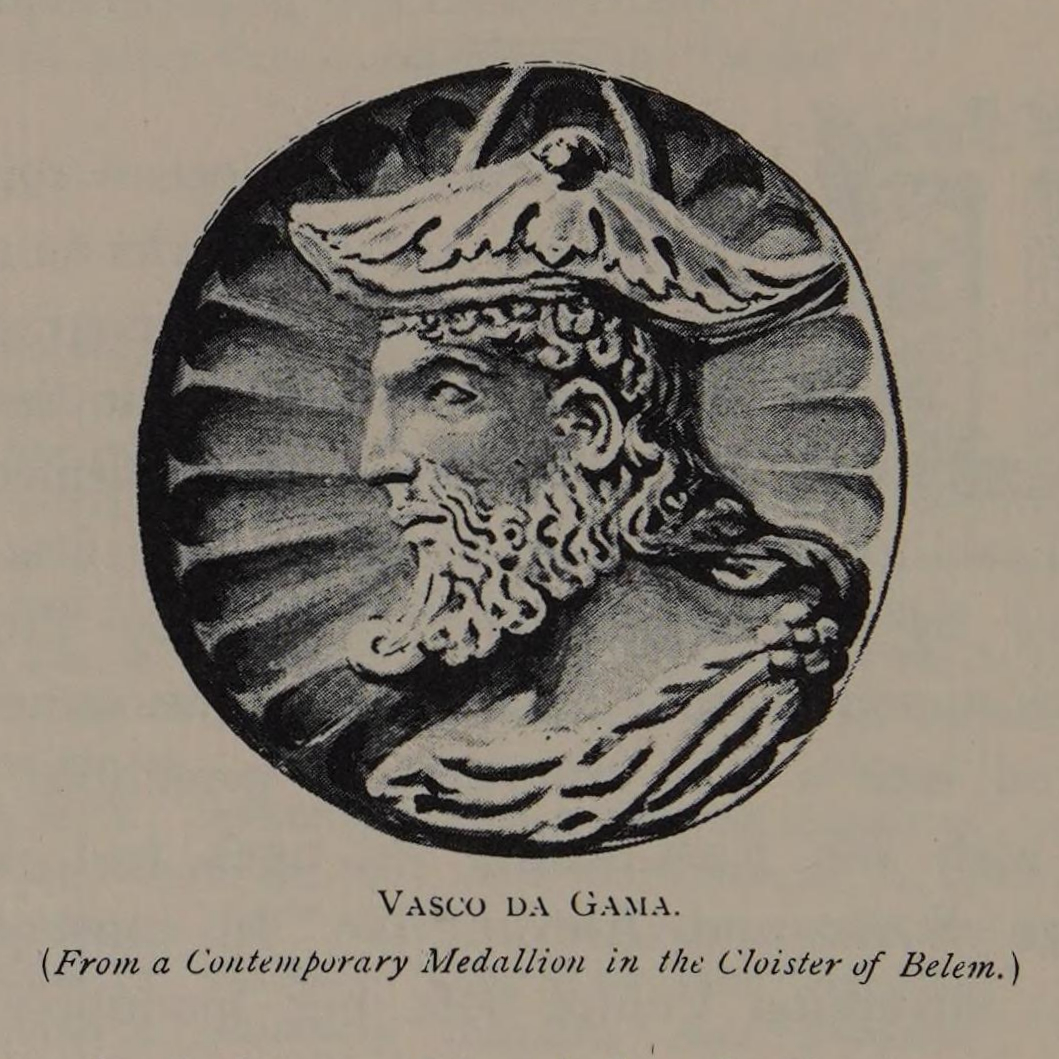 Sculpture
Secondary source
Anonymous
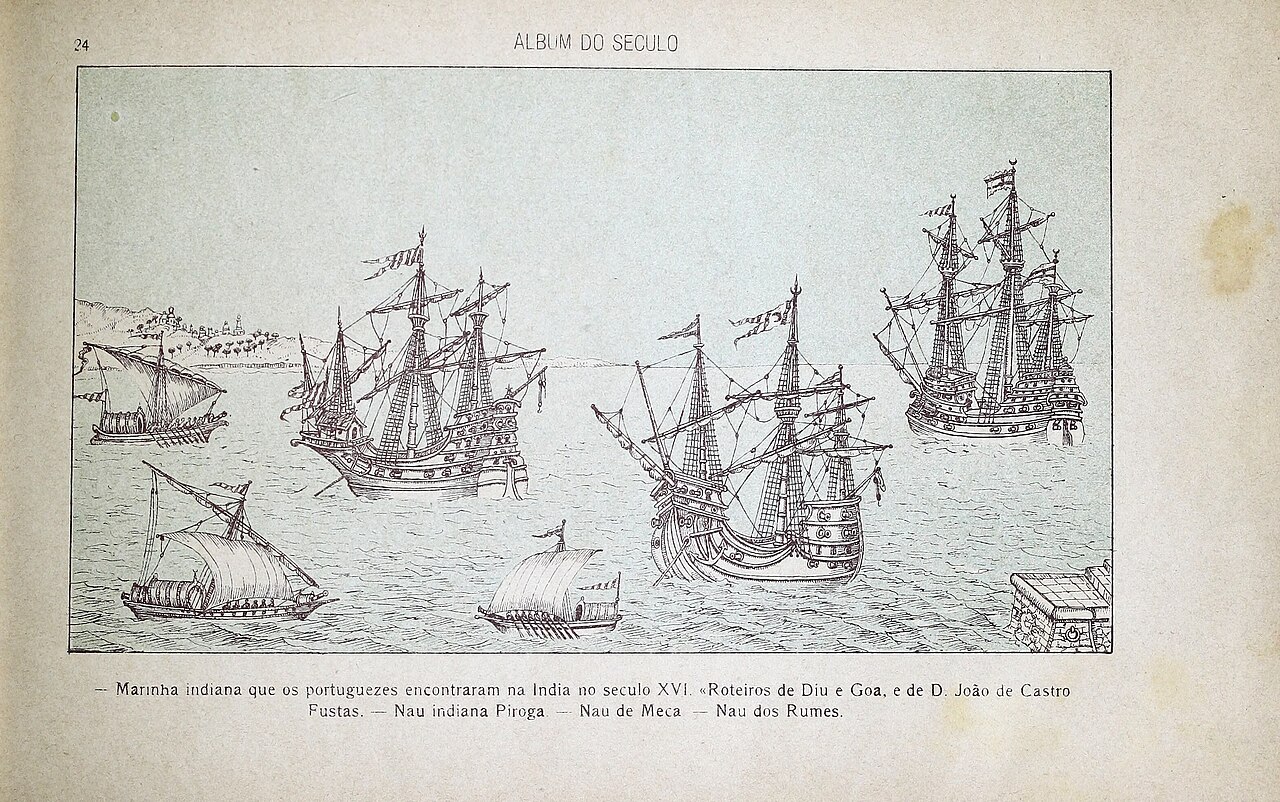 Painting
Secondary source
Anonymous · 16th century
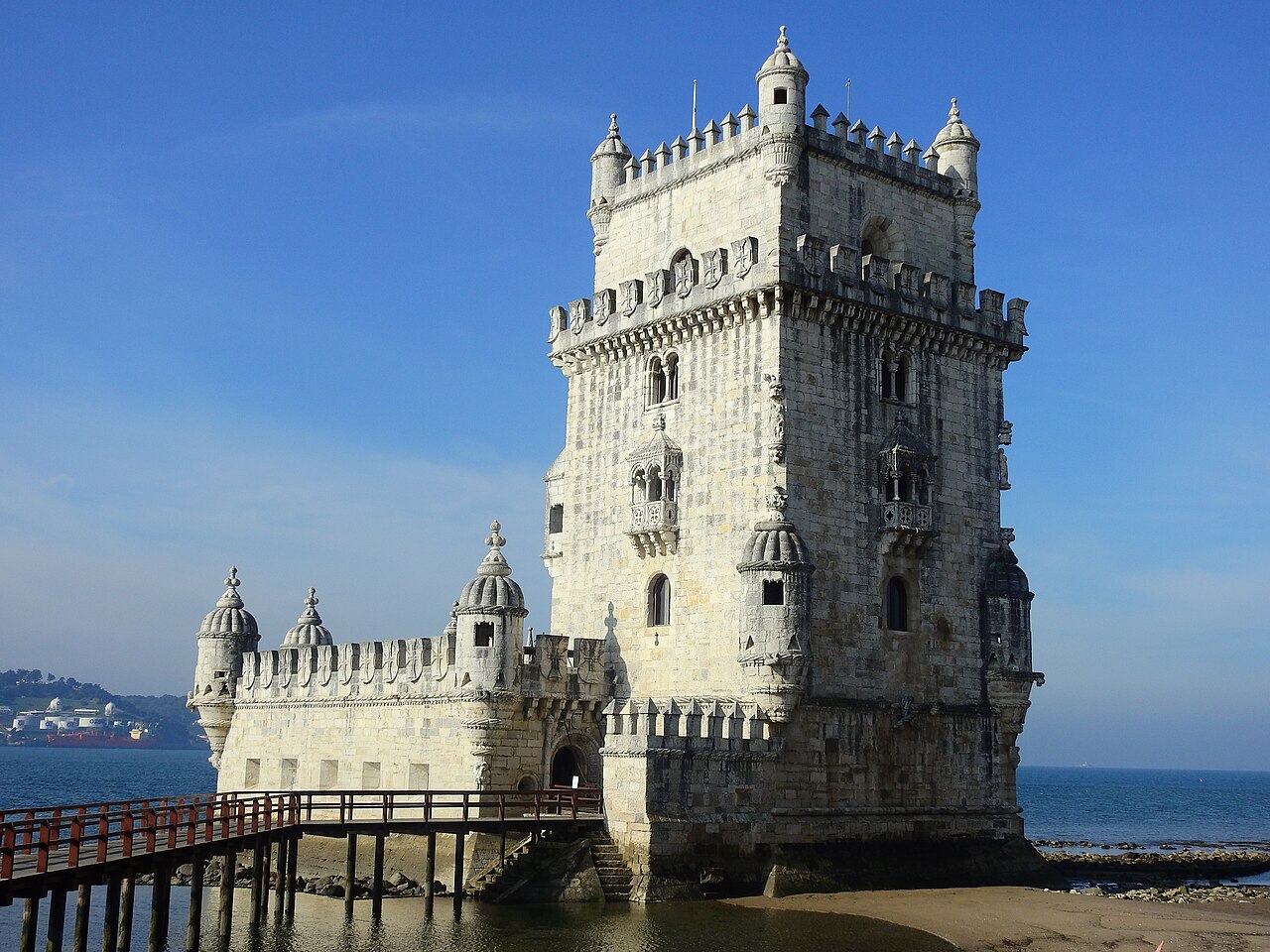 Artifact
Secondary source
Francisco de Arruda · 1515-1519
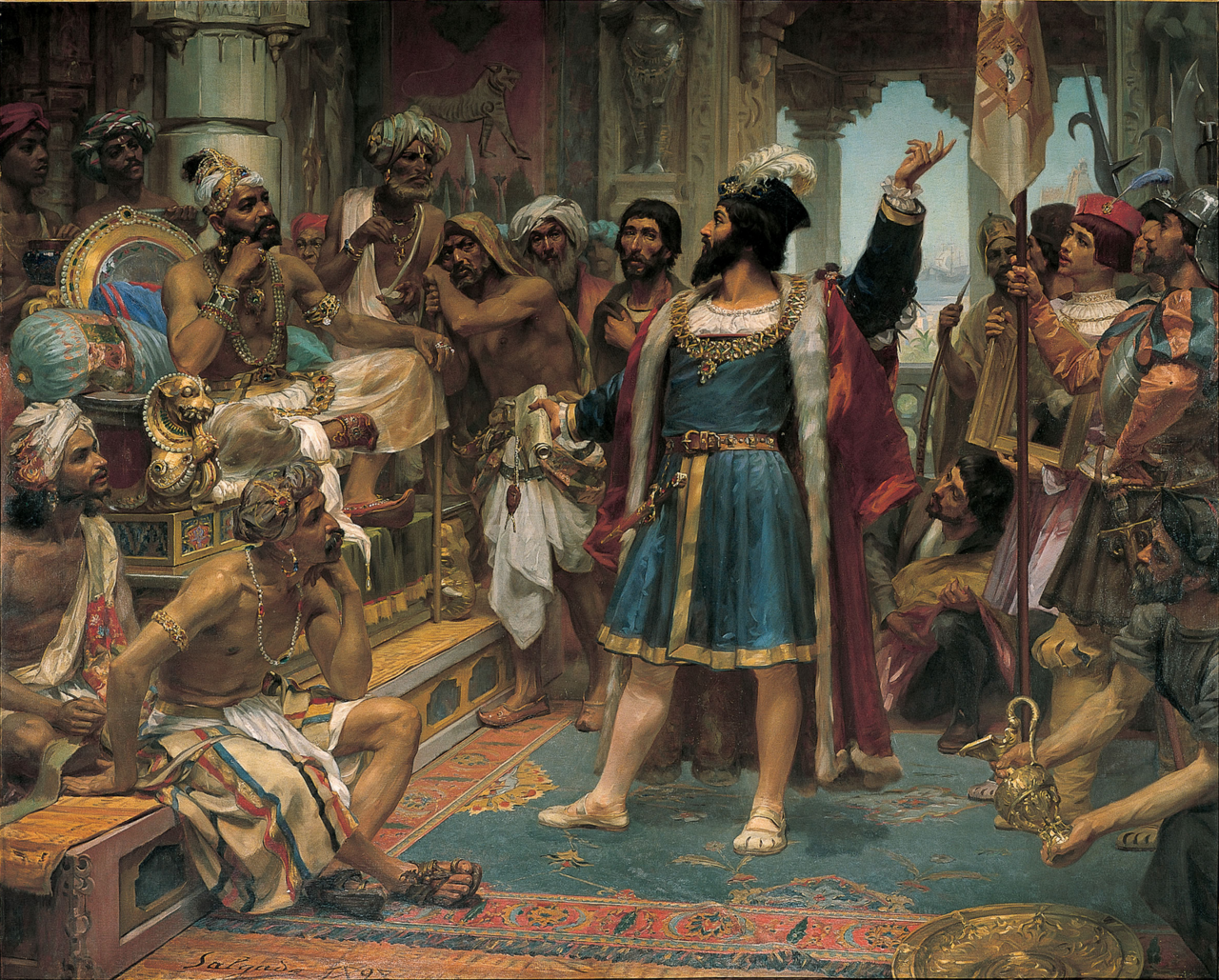 Painting
Secondary source
Veloso Salgado · 1898
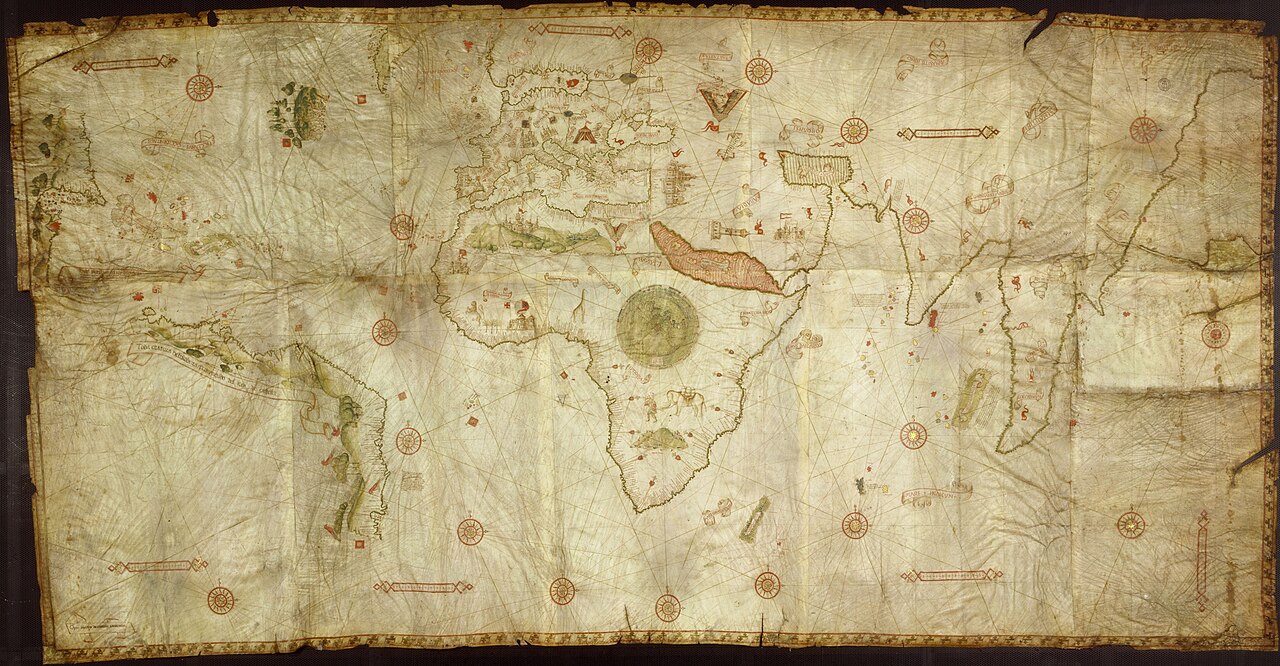 Document
Primary source
Nicolay de Caveri · c. 1505-1506
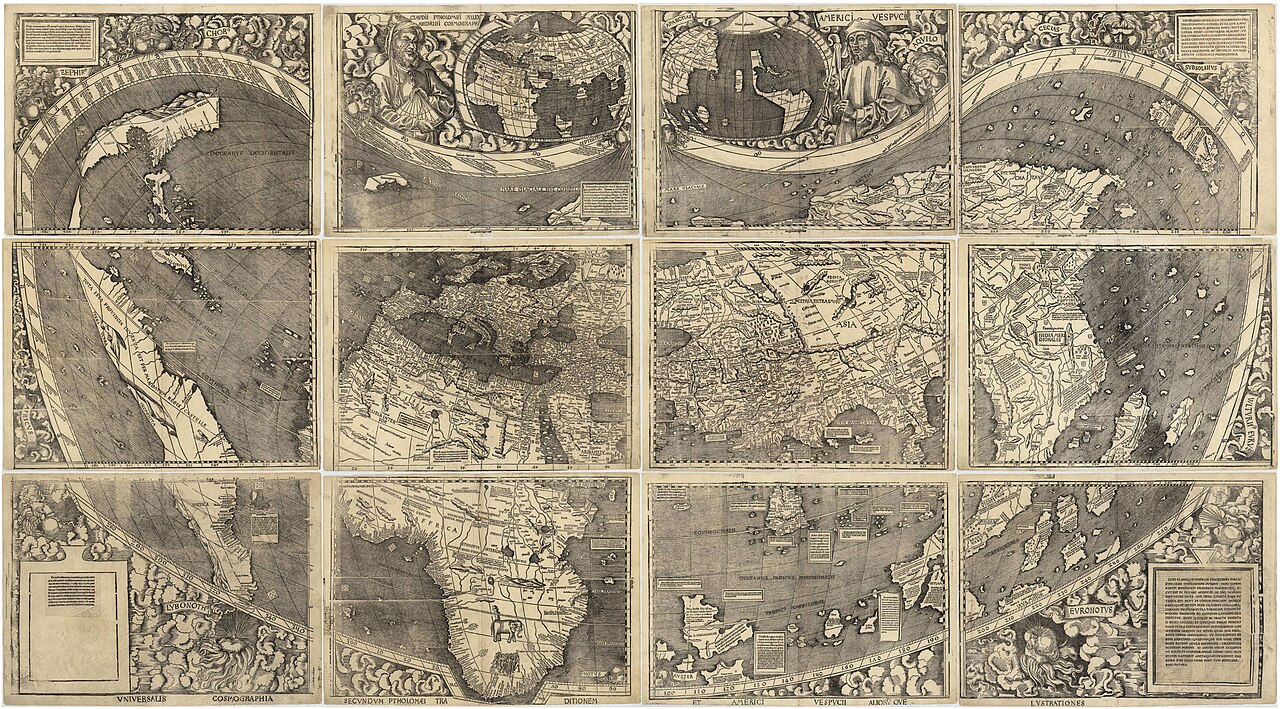 Document
Primary source
Martin Waldseemüller · 1507
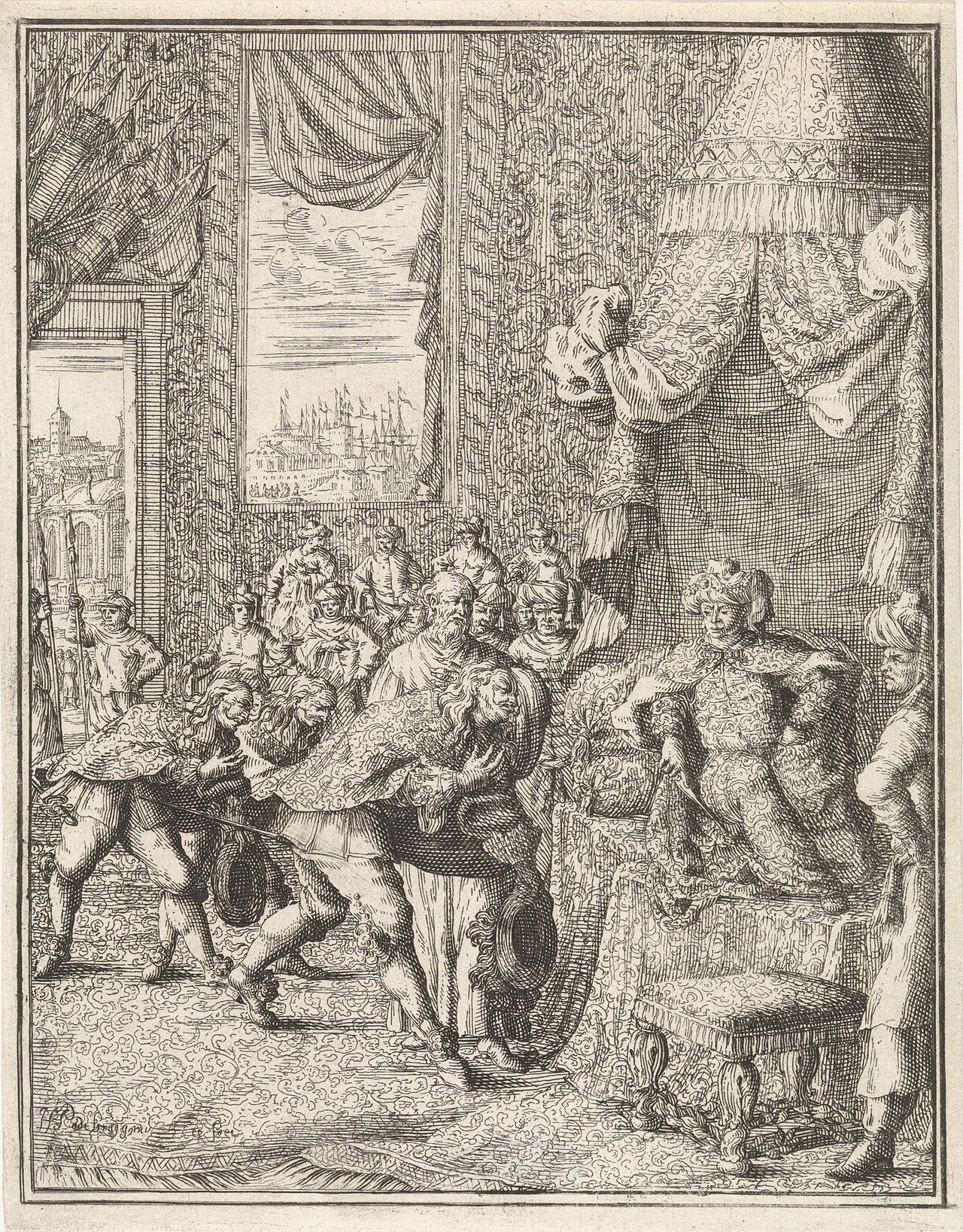 Painting
Secondary source
Herman Padtbrugge · 1676
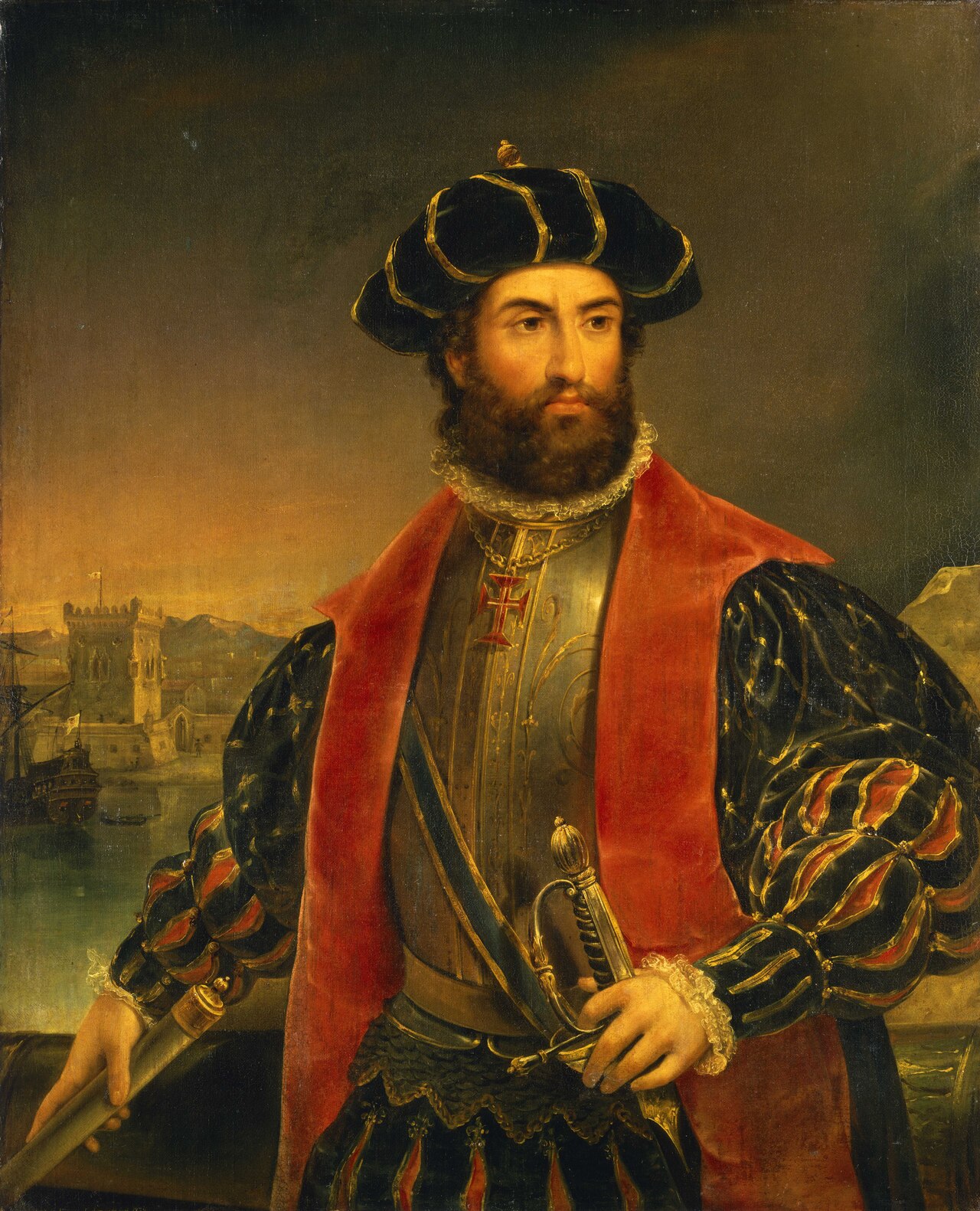 Painting
Secondary source
António Manuel da Fonseca · 1838
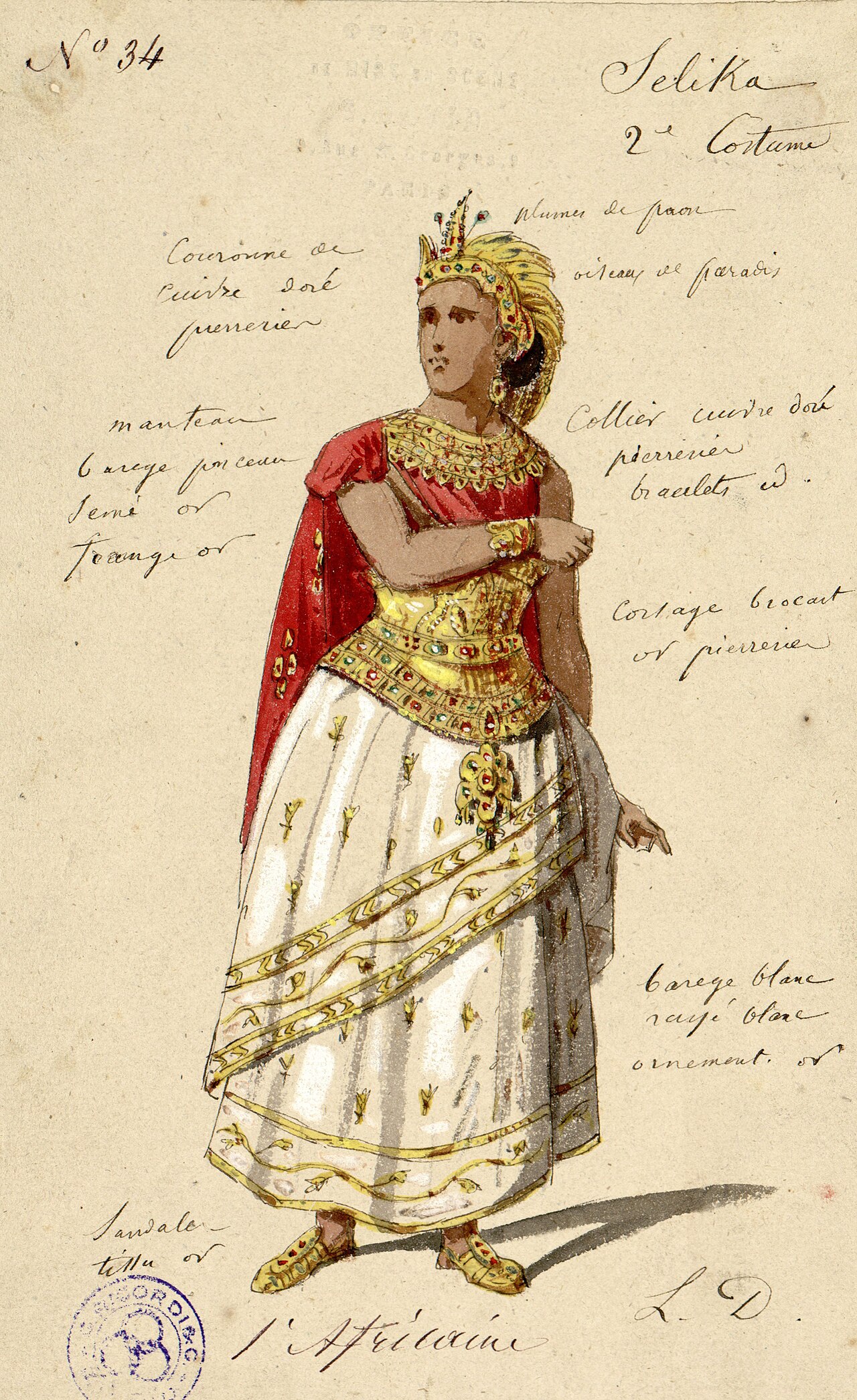 Artifact
Secondary source
Giacomo Meyerbeer · 1865 (begun 1837)
Secondary source
Paul Holzhausen · 1898
Secondary source
Gaspar Corrêa · 1869 (English translation of 16th-century text)
 Letter
Primary source
Alberto Cantino · 1502 (published 1889)
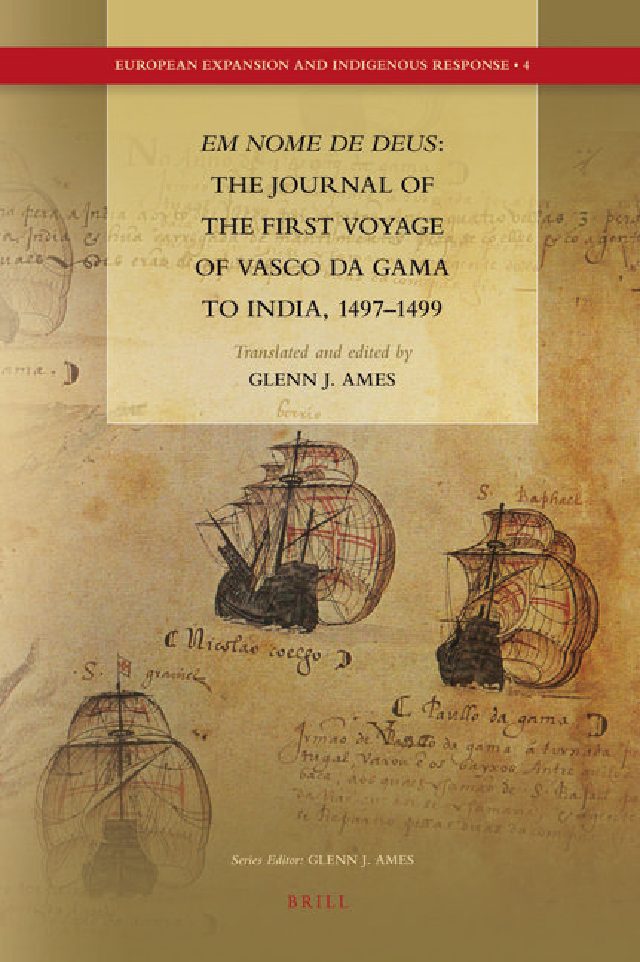 Diary entry
Primary source
Álvaro Velho or João de Sá (translated by Glenn J. Ames) · 1497-1499 (English translation 2009 printing of 1838 account)
 Book
Secondary source
K. G. Jayne · 1910
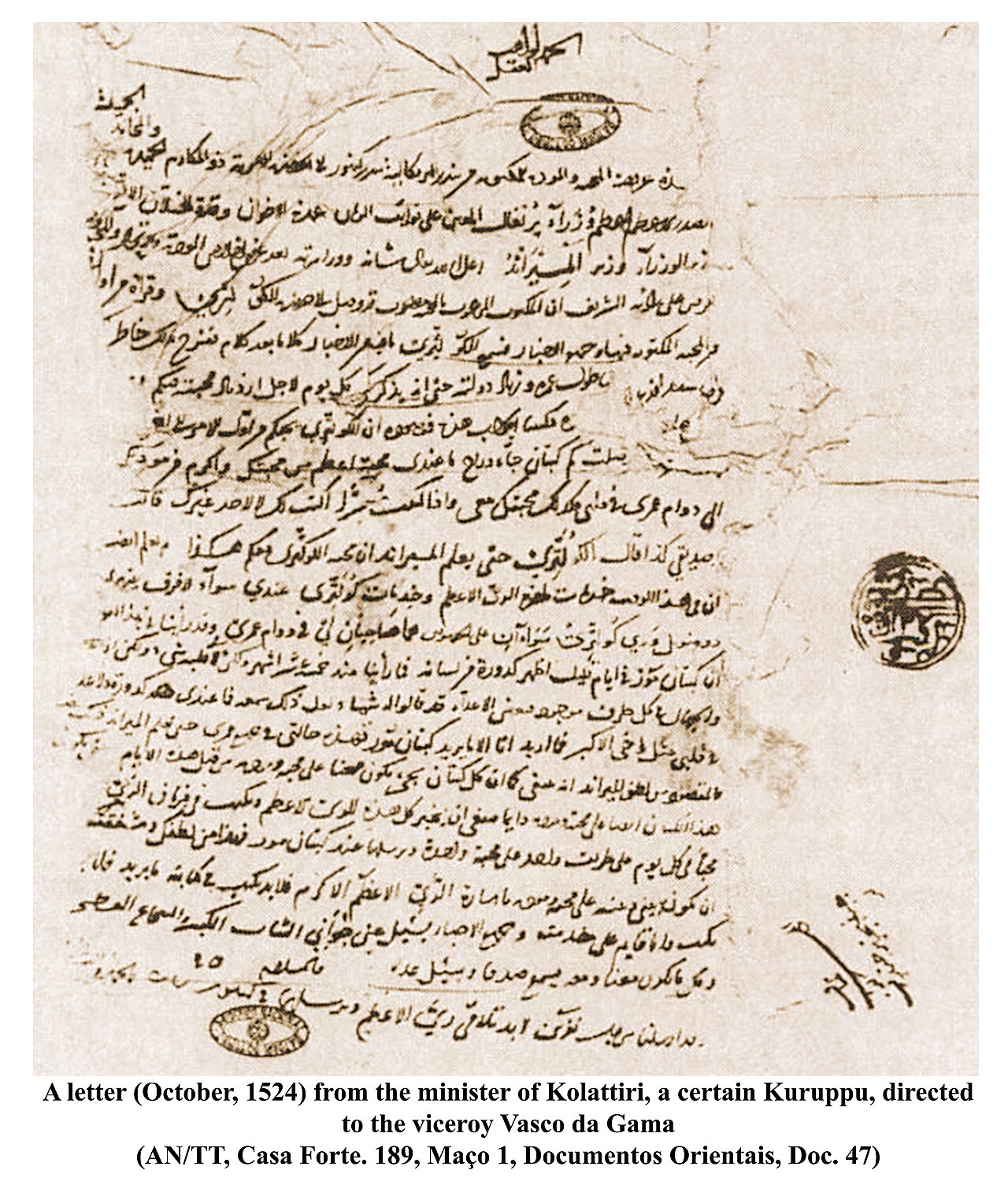 Letter
Primary source
Minister Kuruppu · 1524
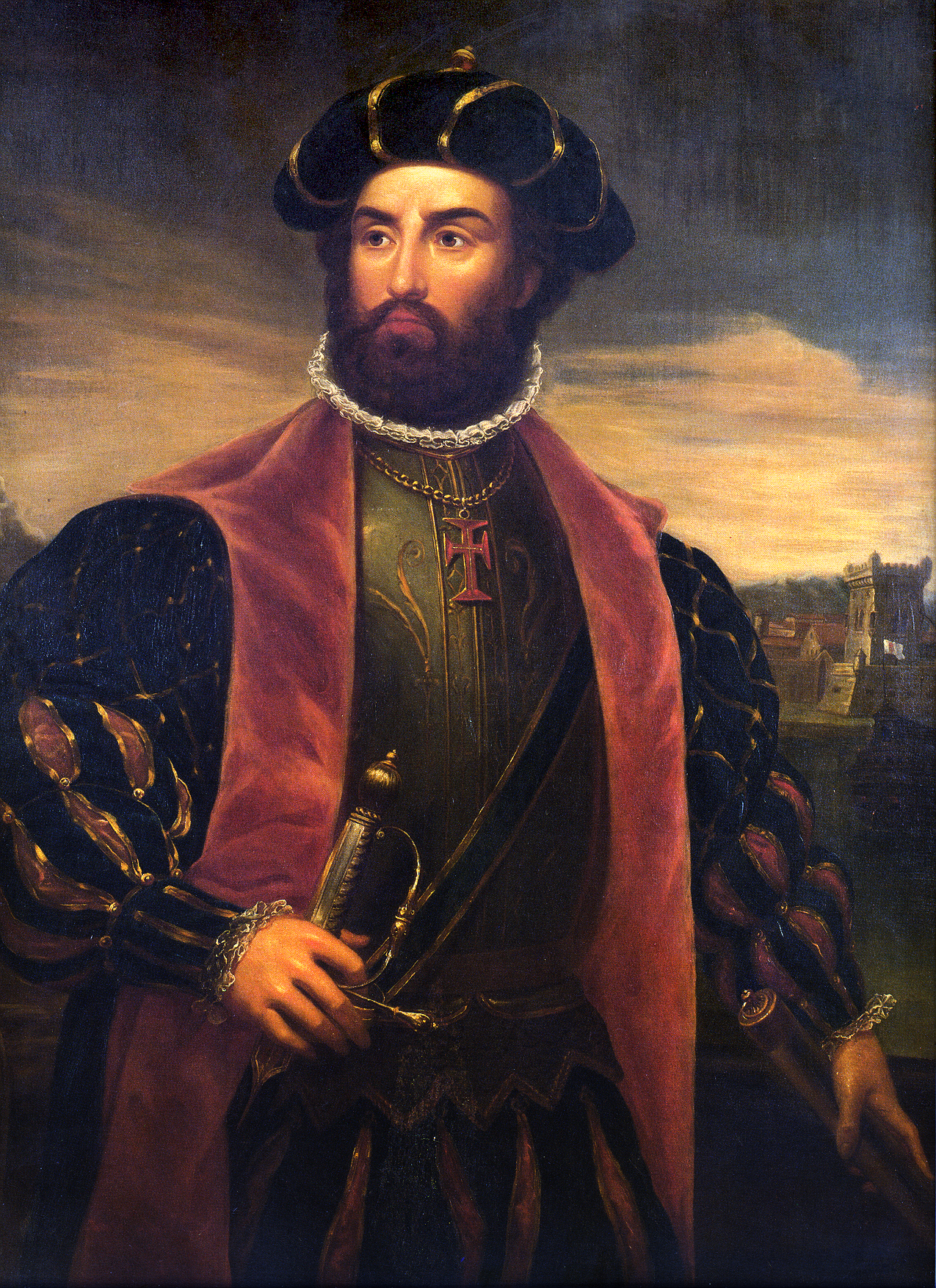 Painting
Secondary source
António Manuel da Fonseca · 1838
 Book
Secondary source
Antonio Zeferino Candido · 1898
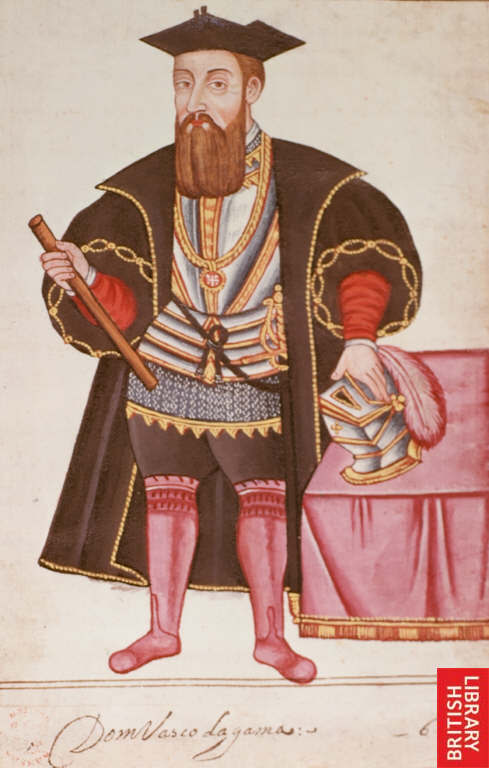 Painting
Secondary source
Pedro Barretto de Resende · 1646
Primary source
Luís de Camões · 1655 (English translation)
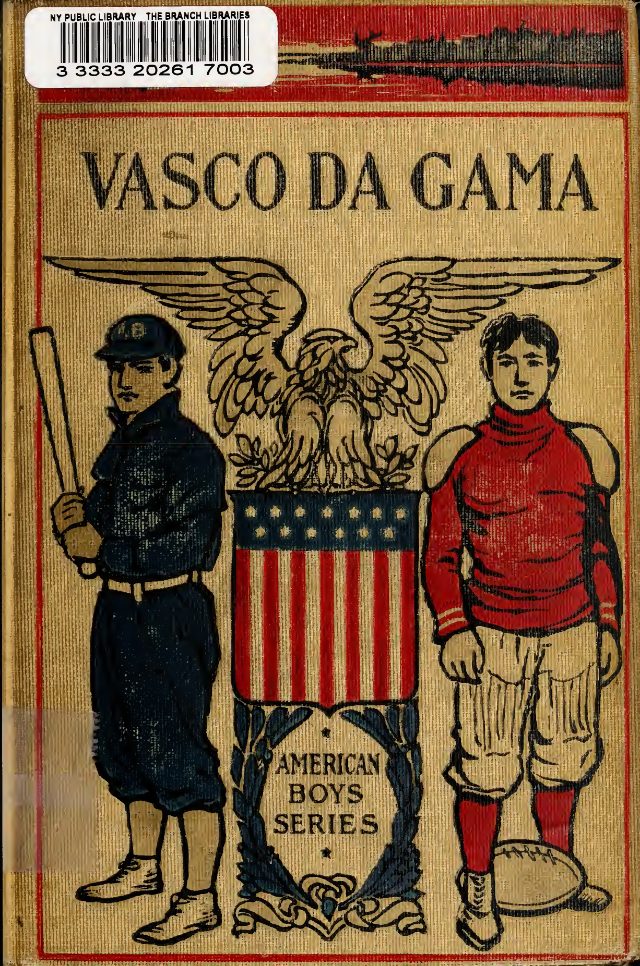 Book
Secondary source
George M. Towle · 1878
Tertiary source
1911
Tertiary source
Otto Hartig · 1913
Secondary source
Joseph Jacobs · 1916
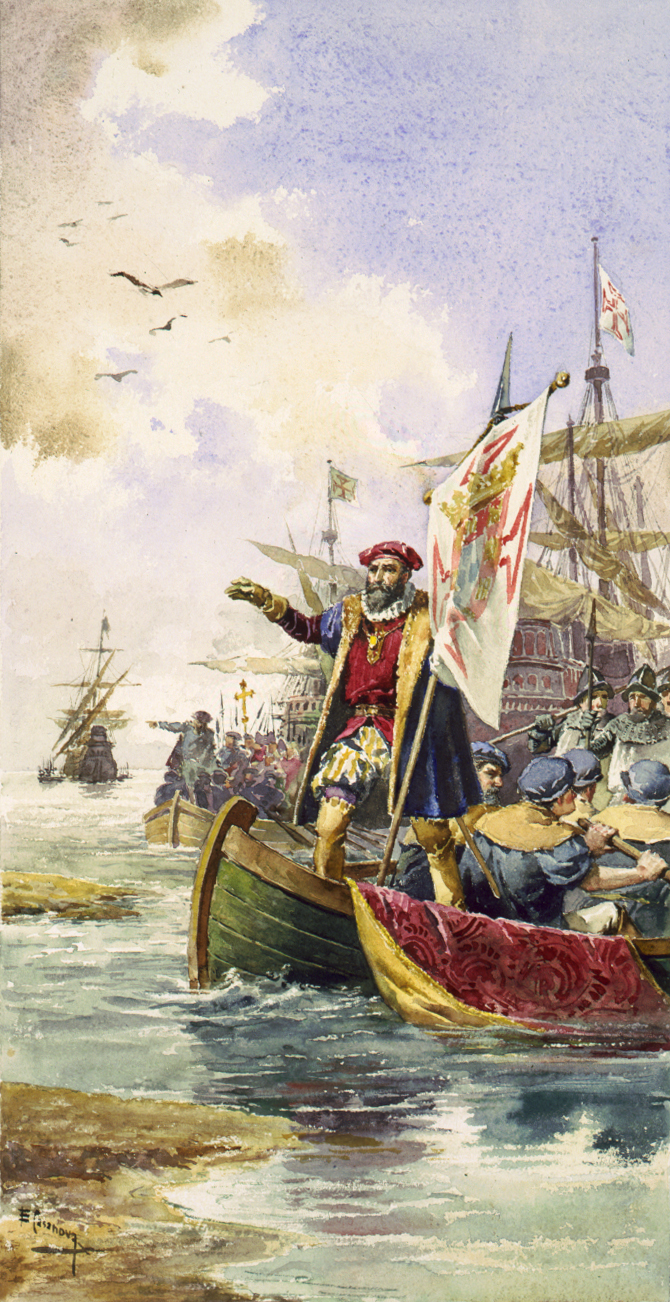 Painting
Secondary source
Ernesto Casanova · c. 1880
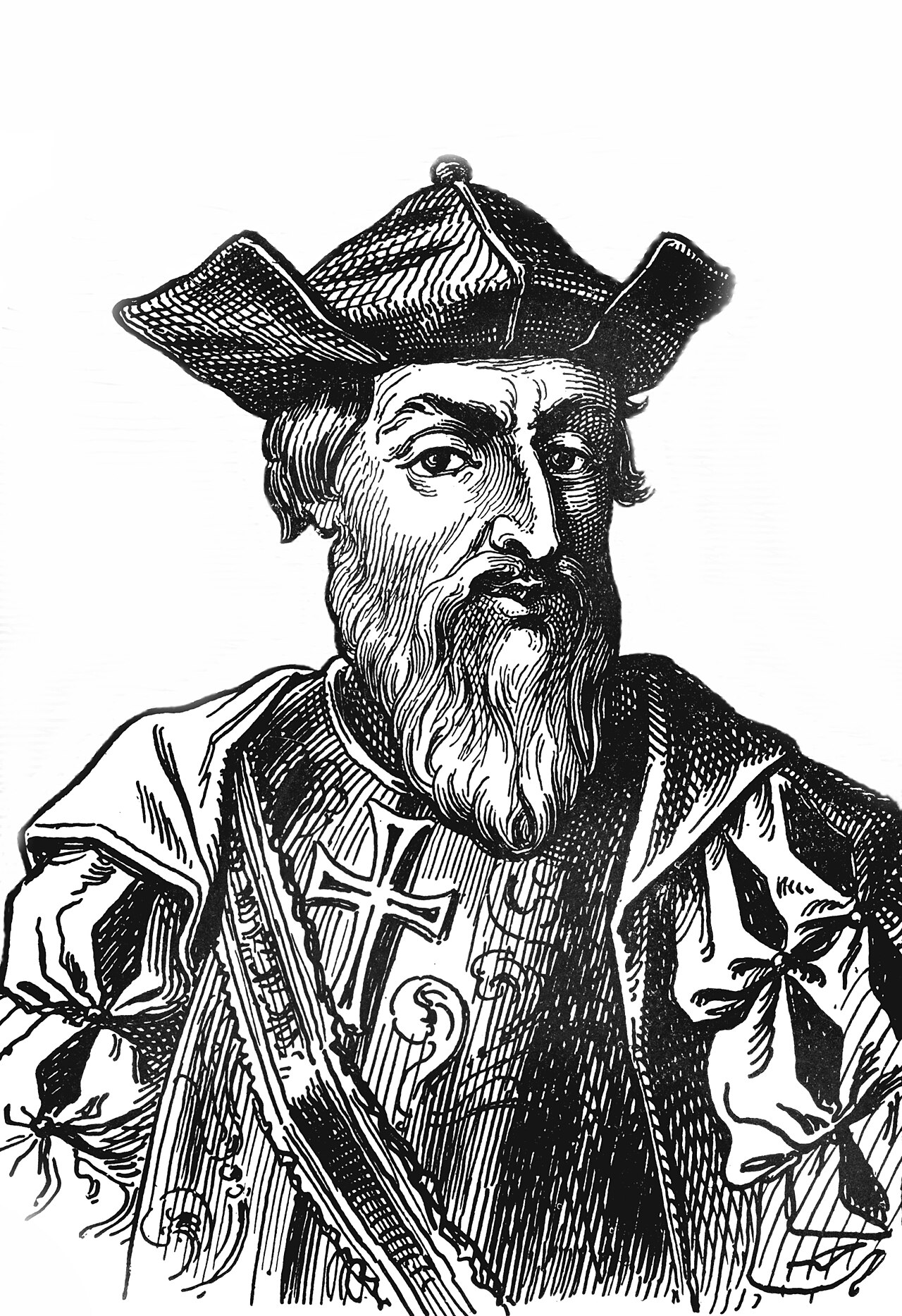 Painting
Secondary source
Scribner's Sons · c. 1913
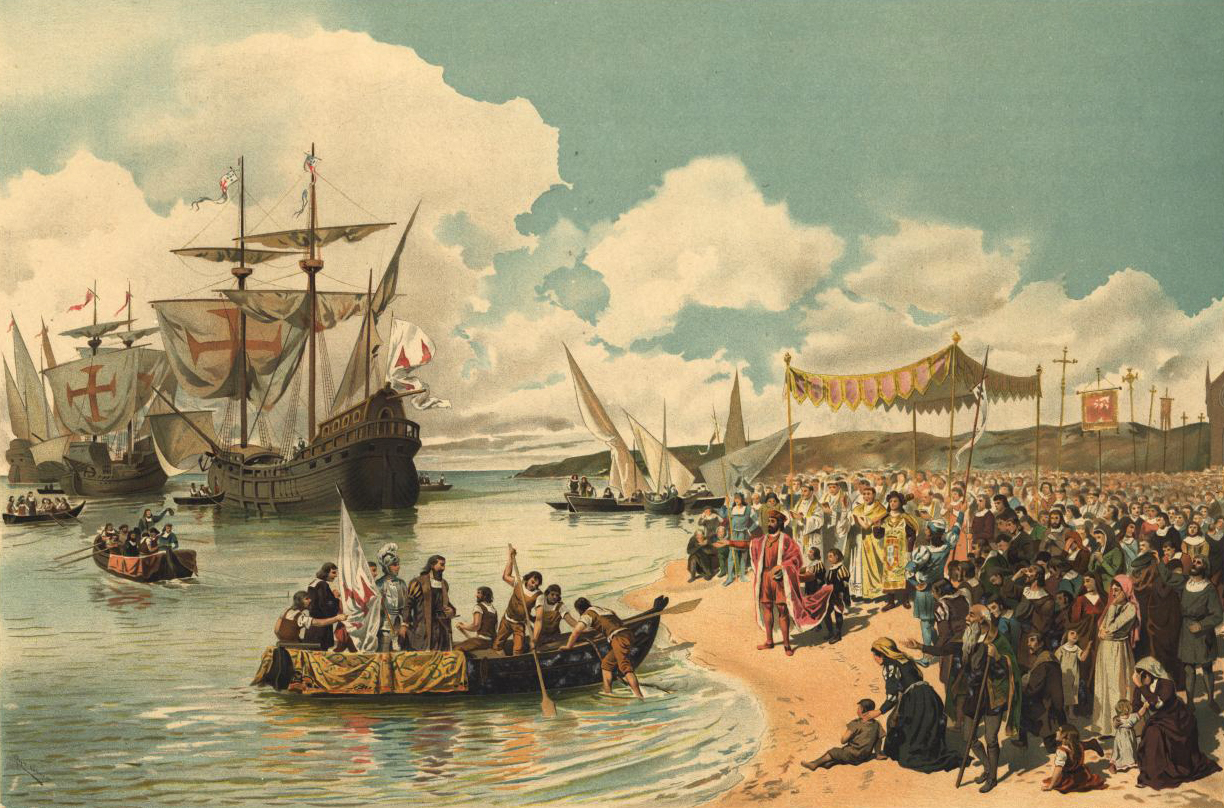 Painting
Secondary source
Roque Gameiro · c. 1900
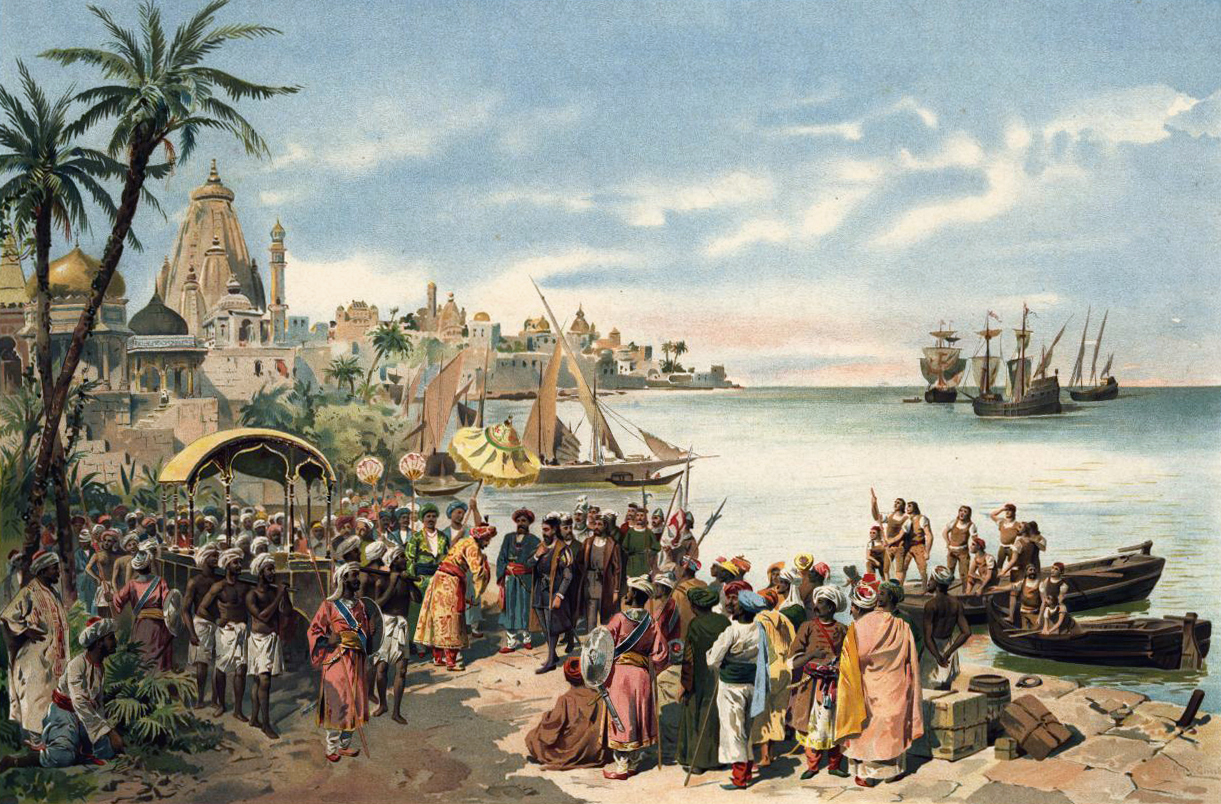 Painting
Secondary source
Roque Gameiro · c. 1900
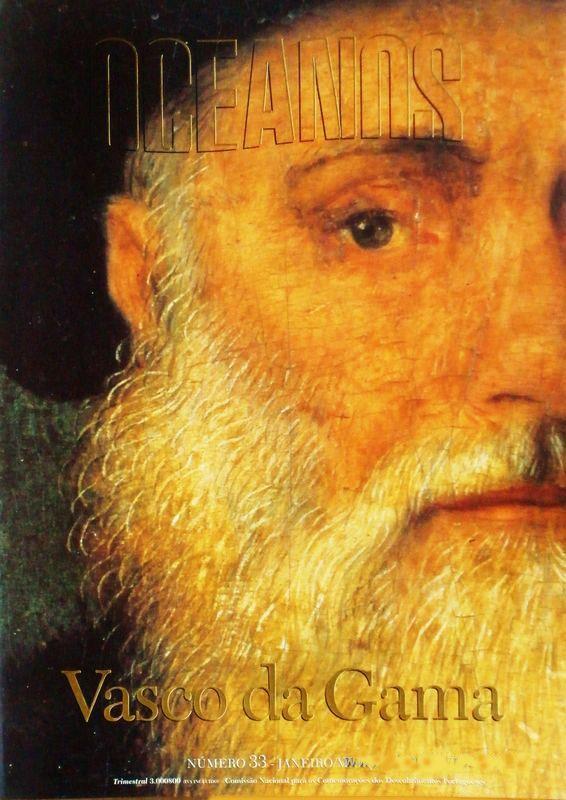 Painting
Primary source
Unknown · 16th century
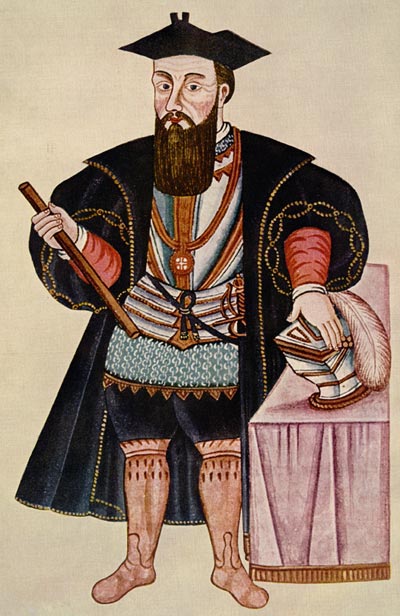 Painting
Secondary source
Unknown · circa 1635
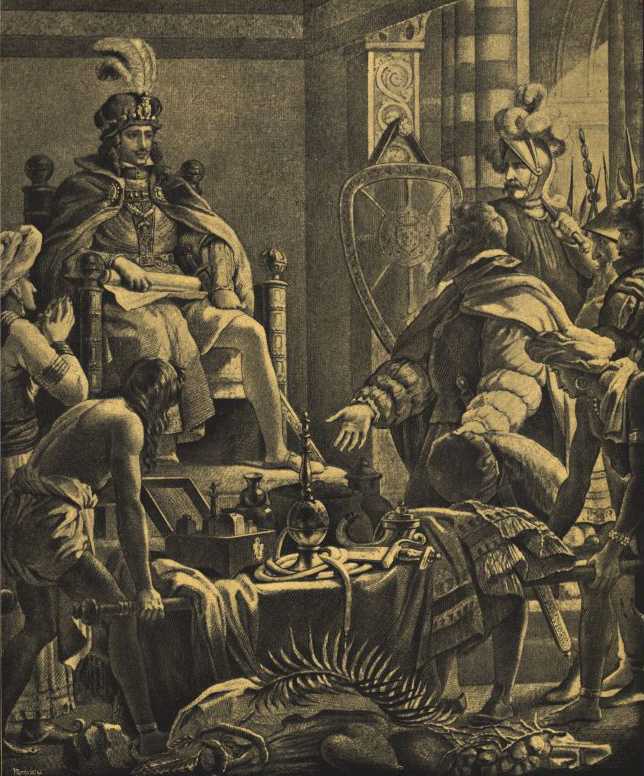 Painting
Secondary source
Unknown · circa 1900
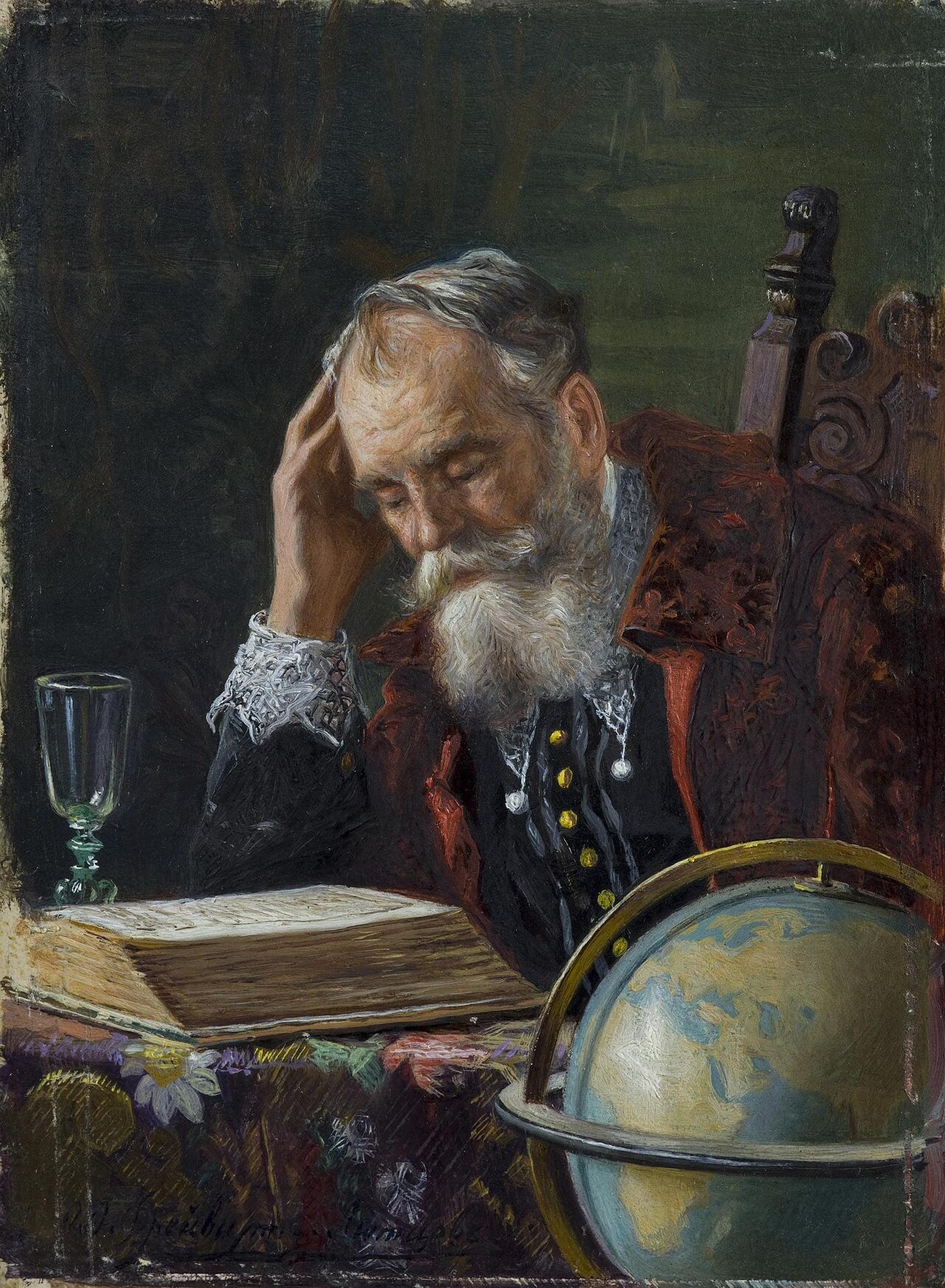 Painting
Secondary source
Oskar Freiwirth-Lützow · between 1901 and 2000
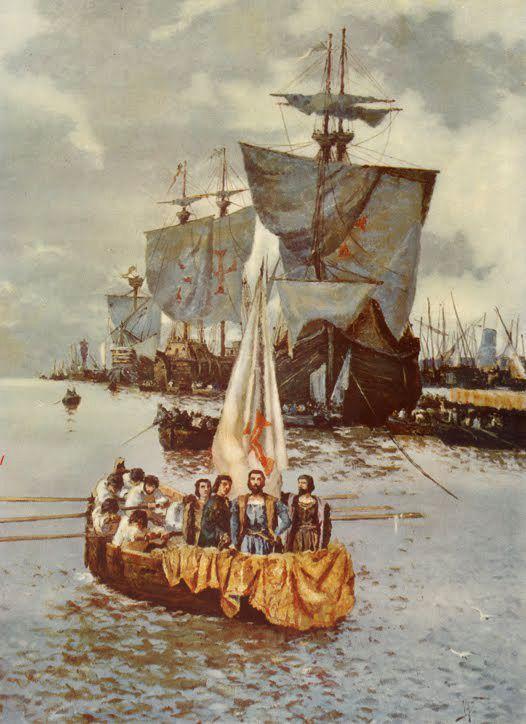 Painting
Secondary source
João Vaz · circa 1900
 Book
Secondary source
Luis Vidart Schuch · 1895
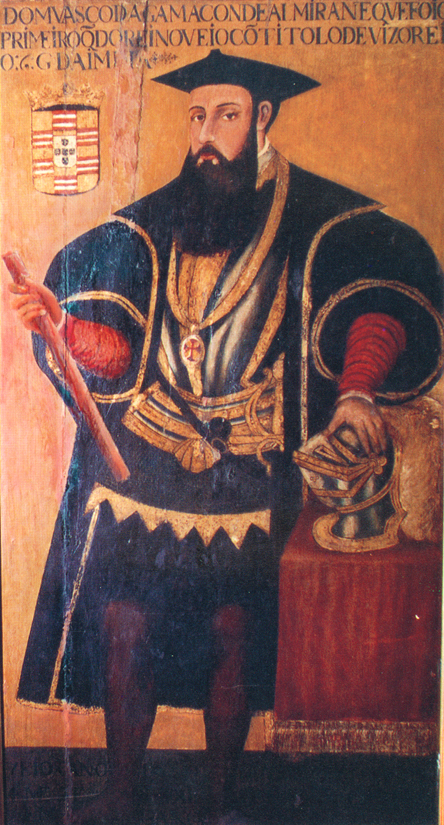 Painting
Secondary source
Unknown · 16th century
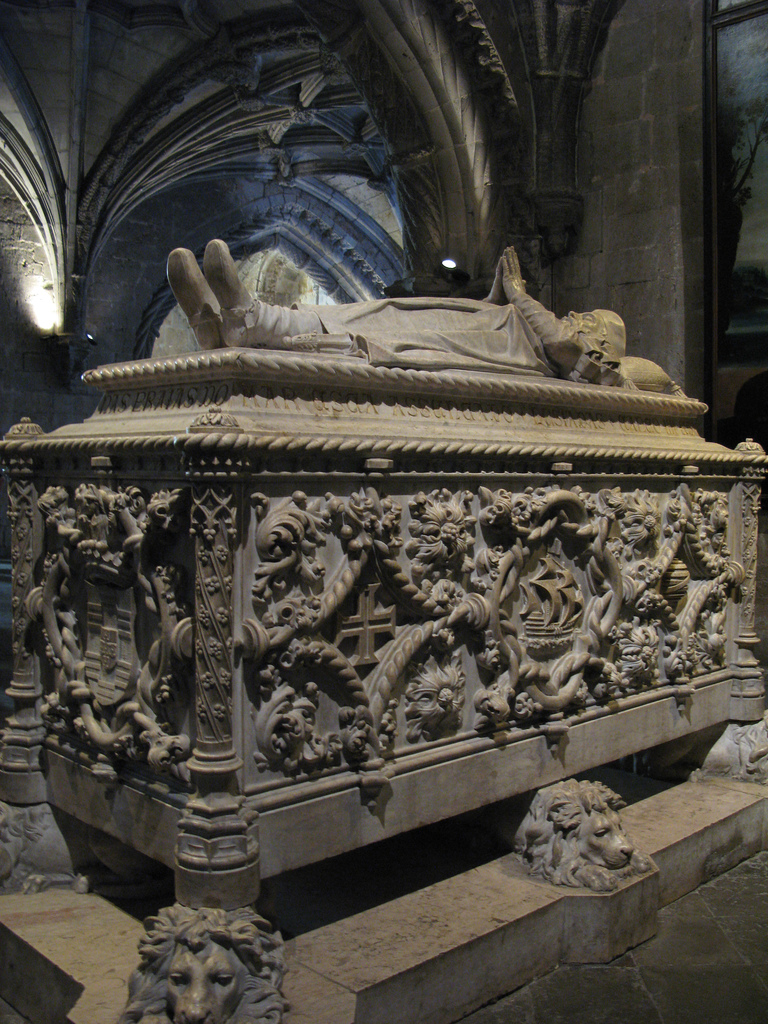 Photograph
Secondary source
ho visto nina volare · 4 September 2007
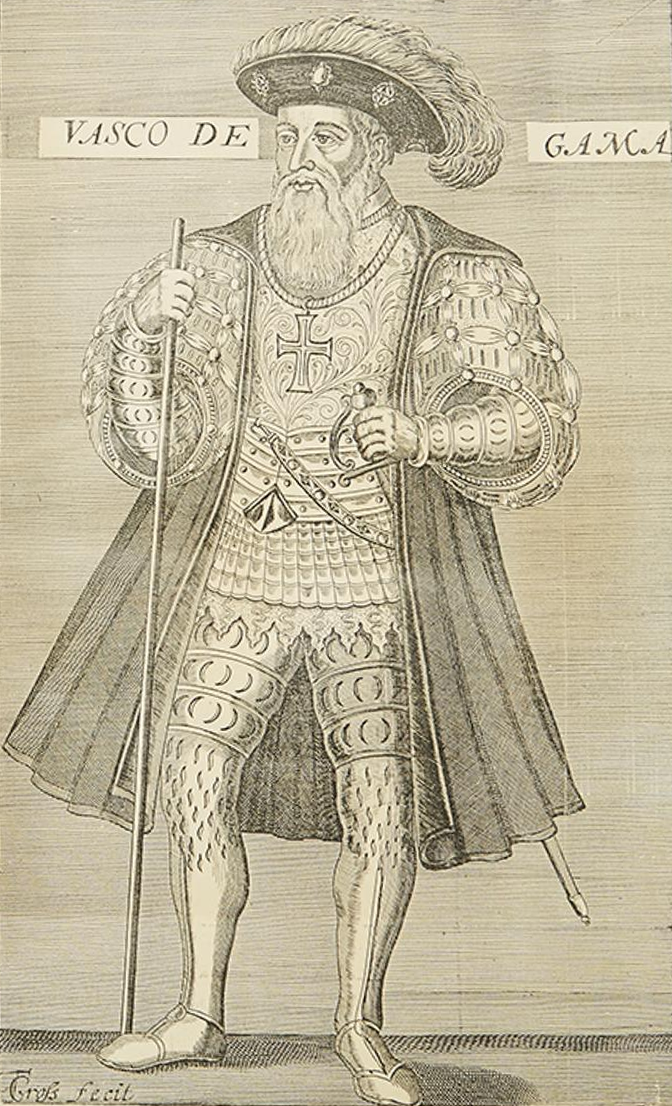 Painting
Secondary source
1655
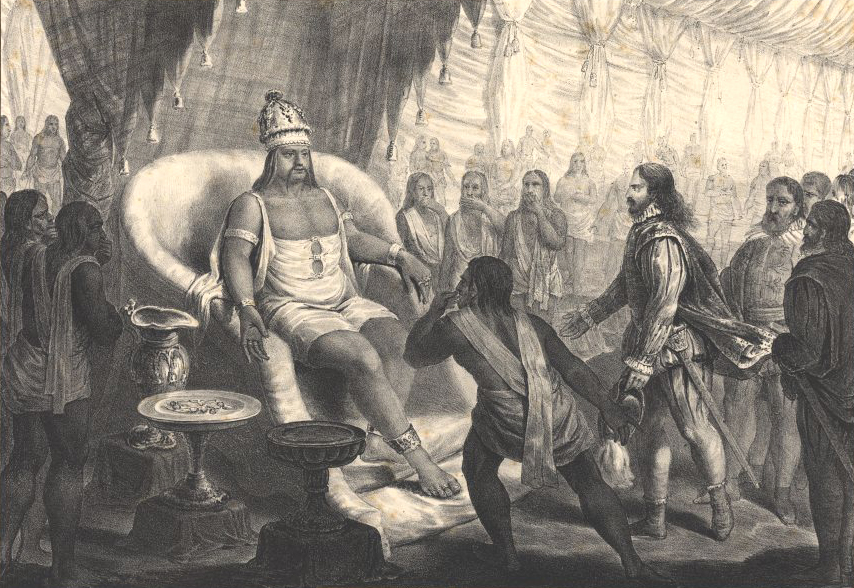 Painting
Secondary source
Maurício José do Carmo Sendim · circa 1839
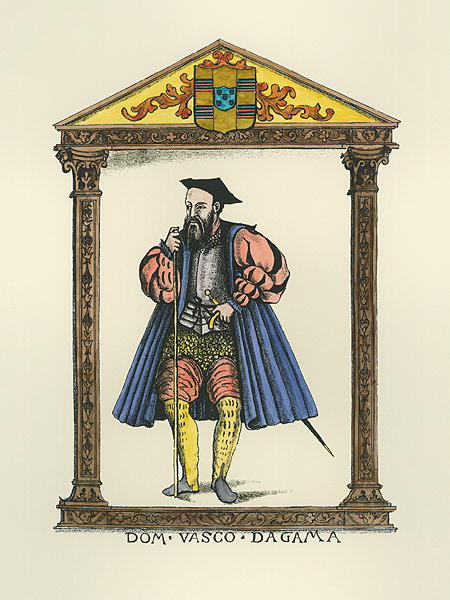 Painting
Secondary source
19th century
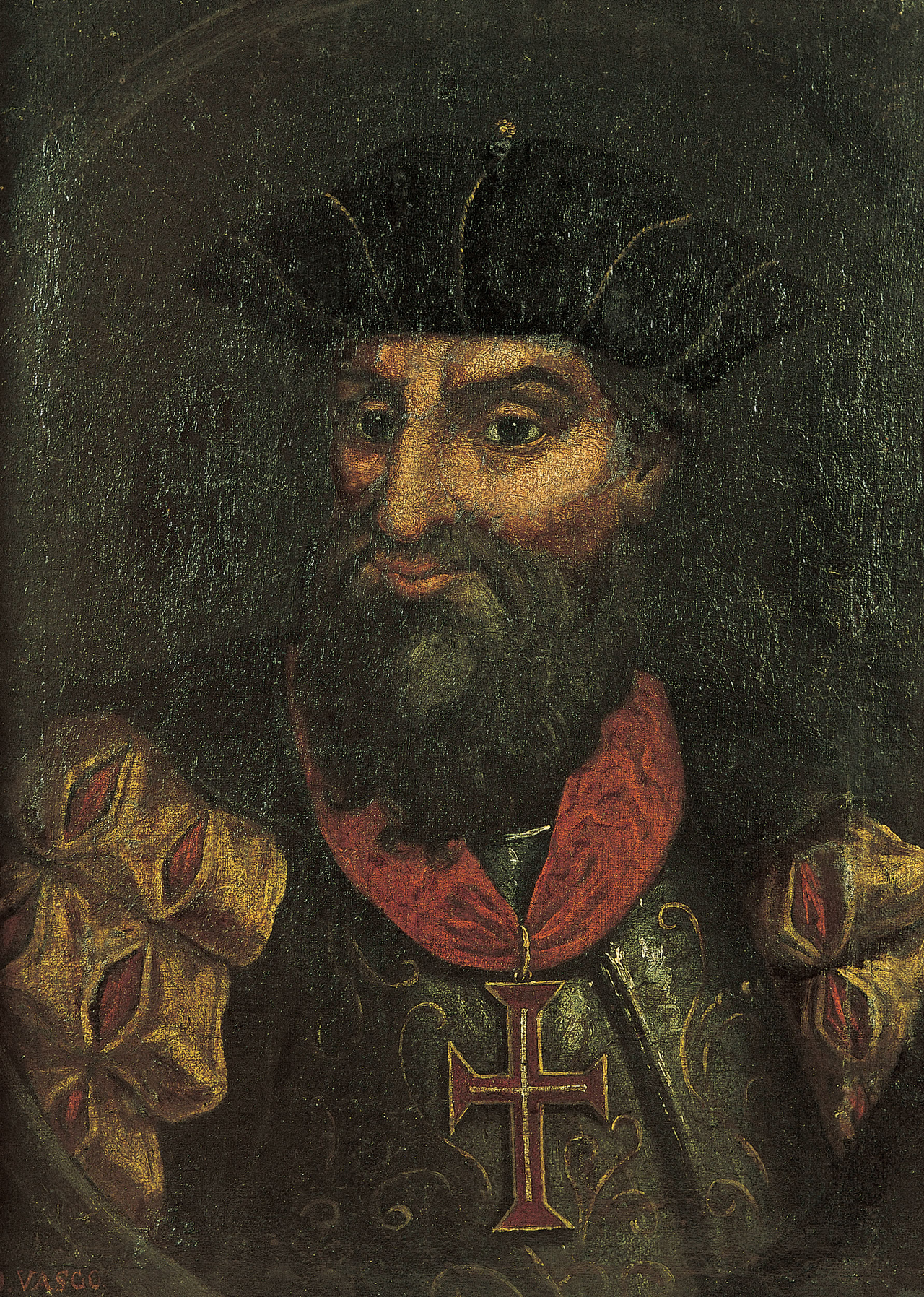 Painting
Secondary source
17th century (uncertain)
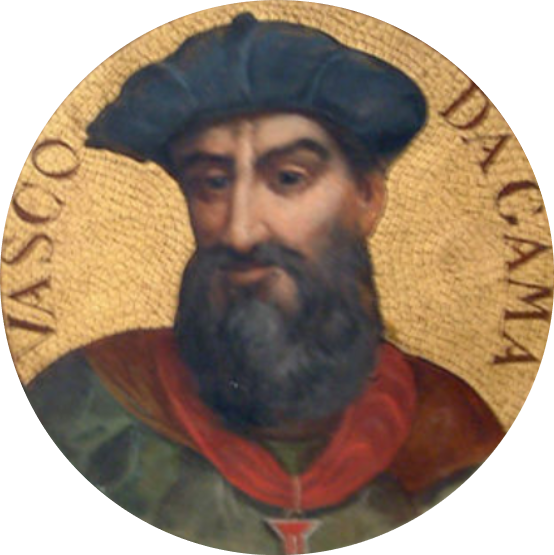 Painting
Secondary source
Adolfo de Sousa Rodrigues · c. 1900s
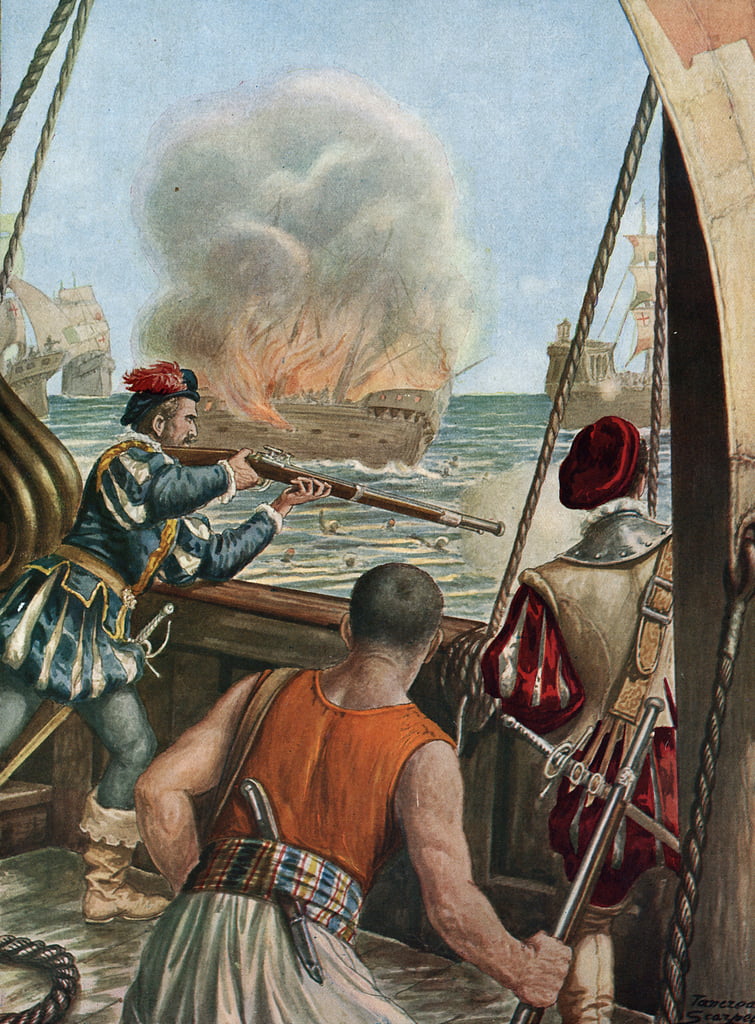 Painting
Secondary source
Tancredi Scarpelli · circa 1929
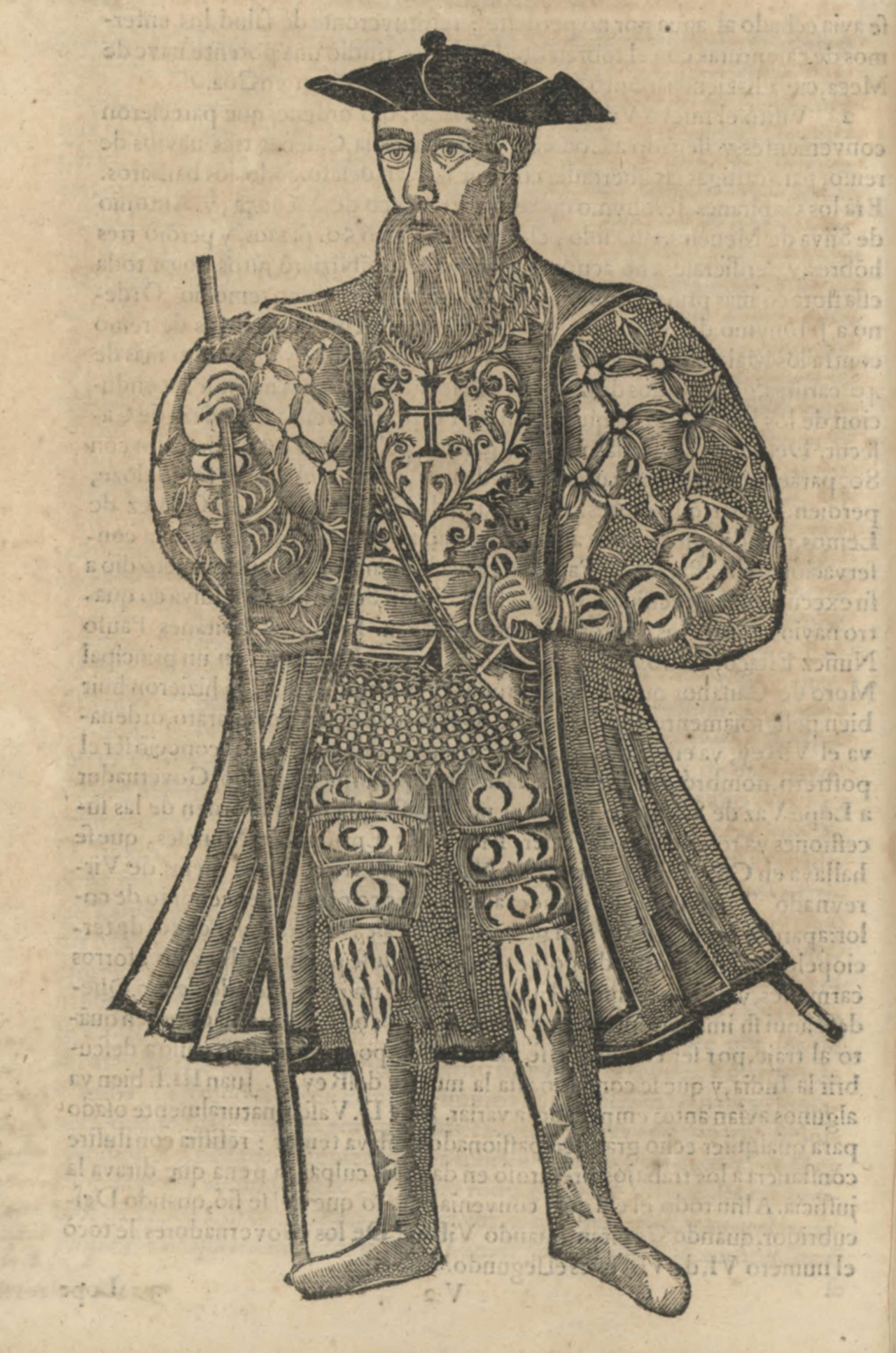 Painting
Secondary source
Manuel de Faria y Sousa · 1666
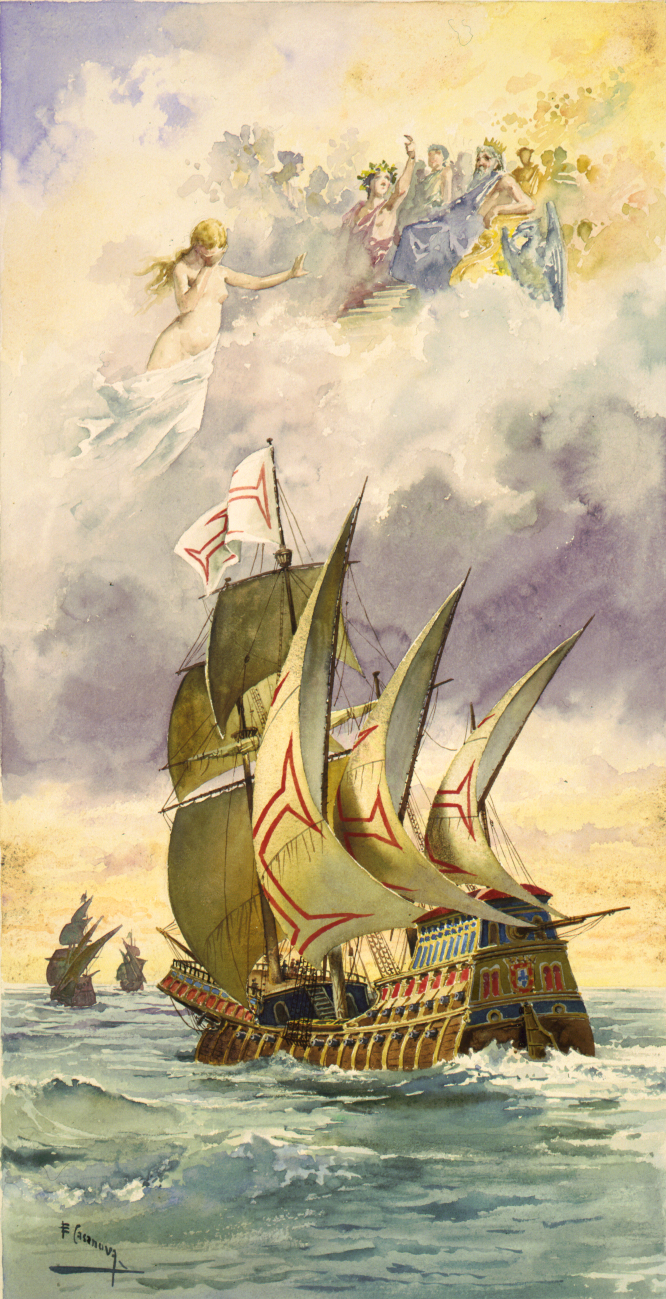 Painting
Secondary source
Ernesto Casanova · circa 1880
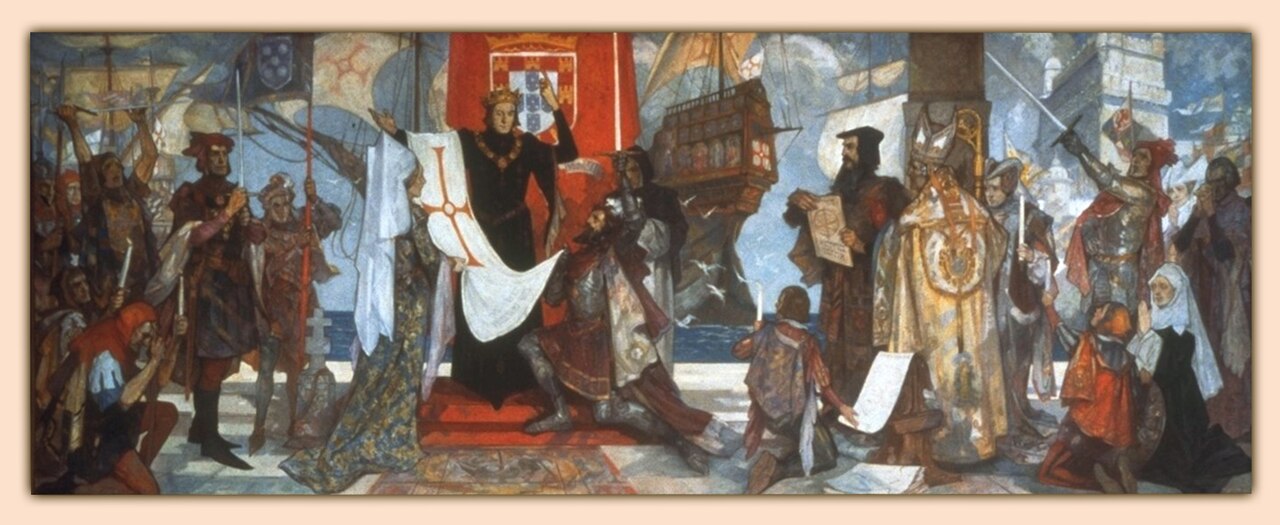 Painting
Secondary source
John Henry Amshewitz · 1936
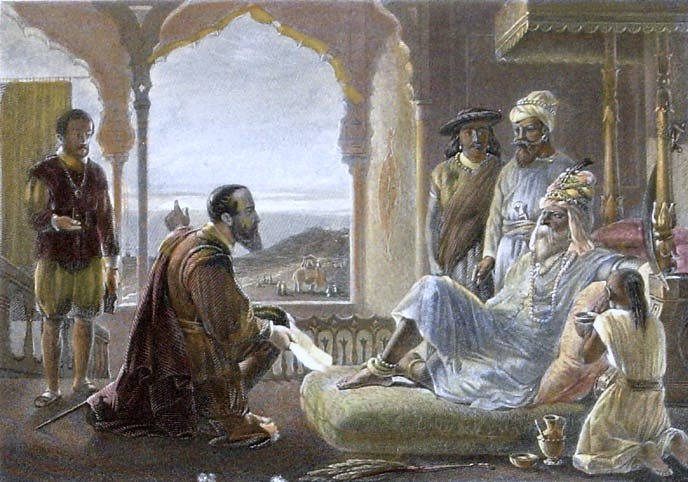 Painting
Secondary source
1850
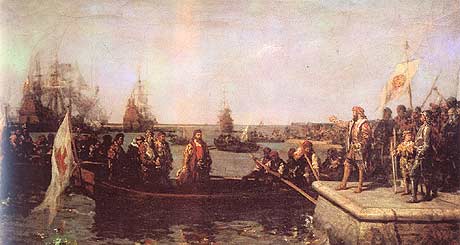 Painting
Secondary source
Miguel Lupi · before 1883
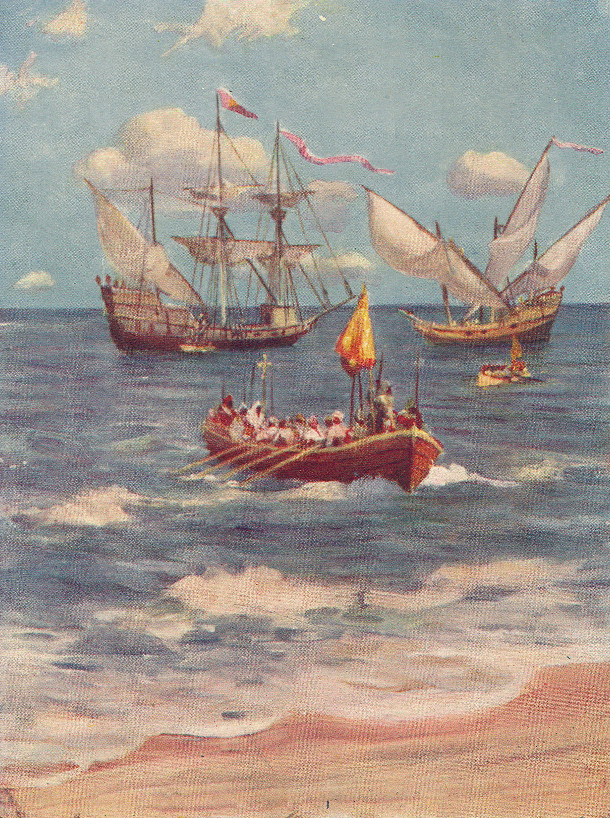 Painting
Secondary source
T. H. Mannerhow; illustrated by Allan Stewart · 1911
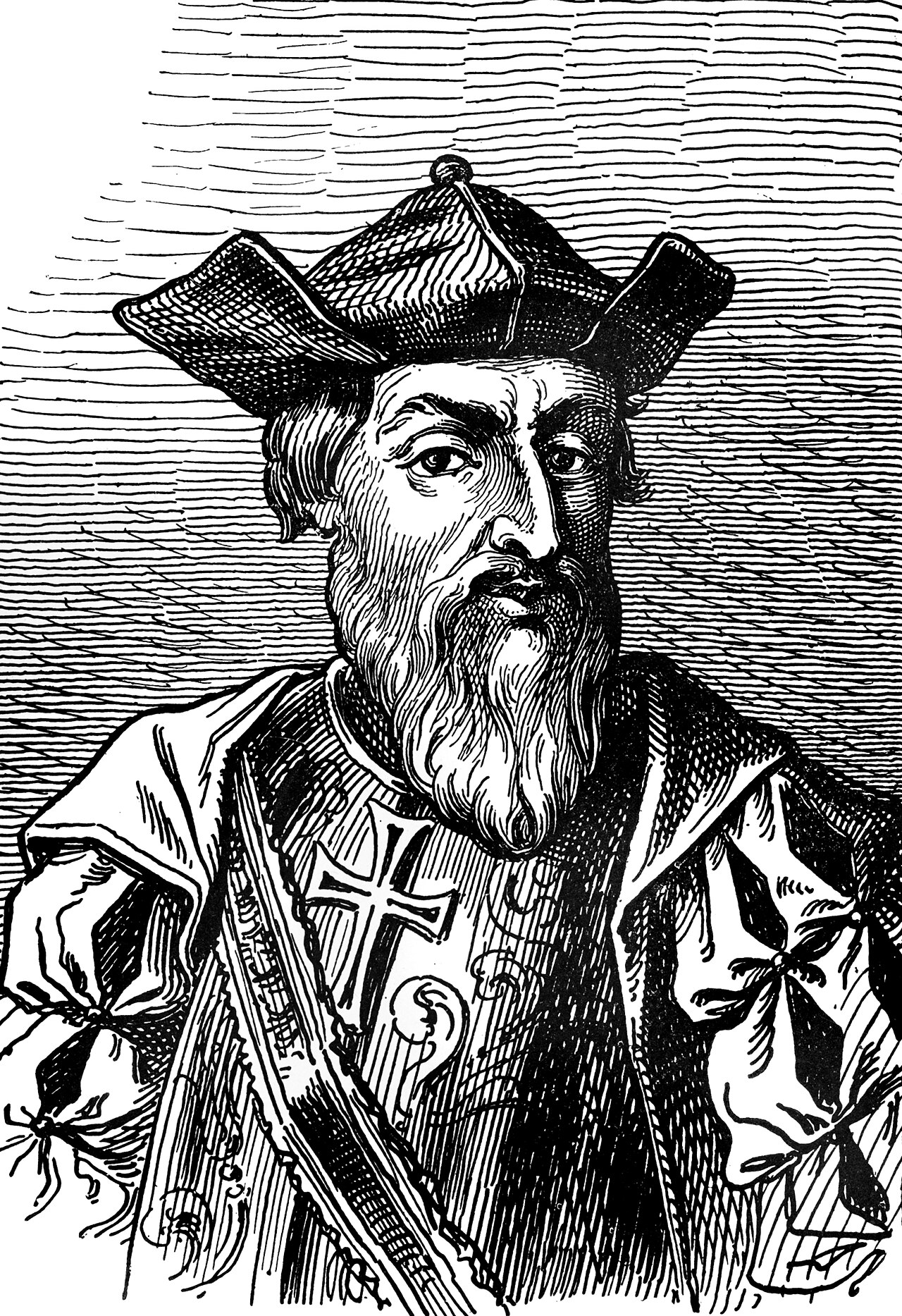 Painting
Secondary source
Scribner's Sons · circa 1913
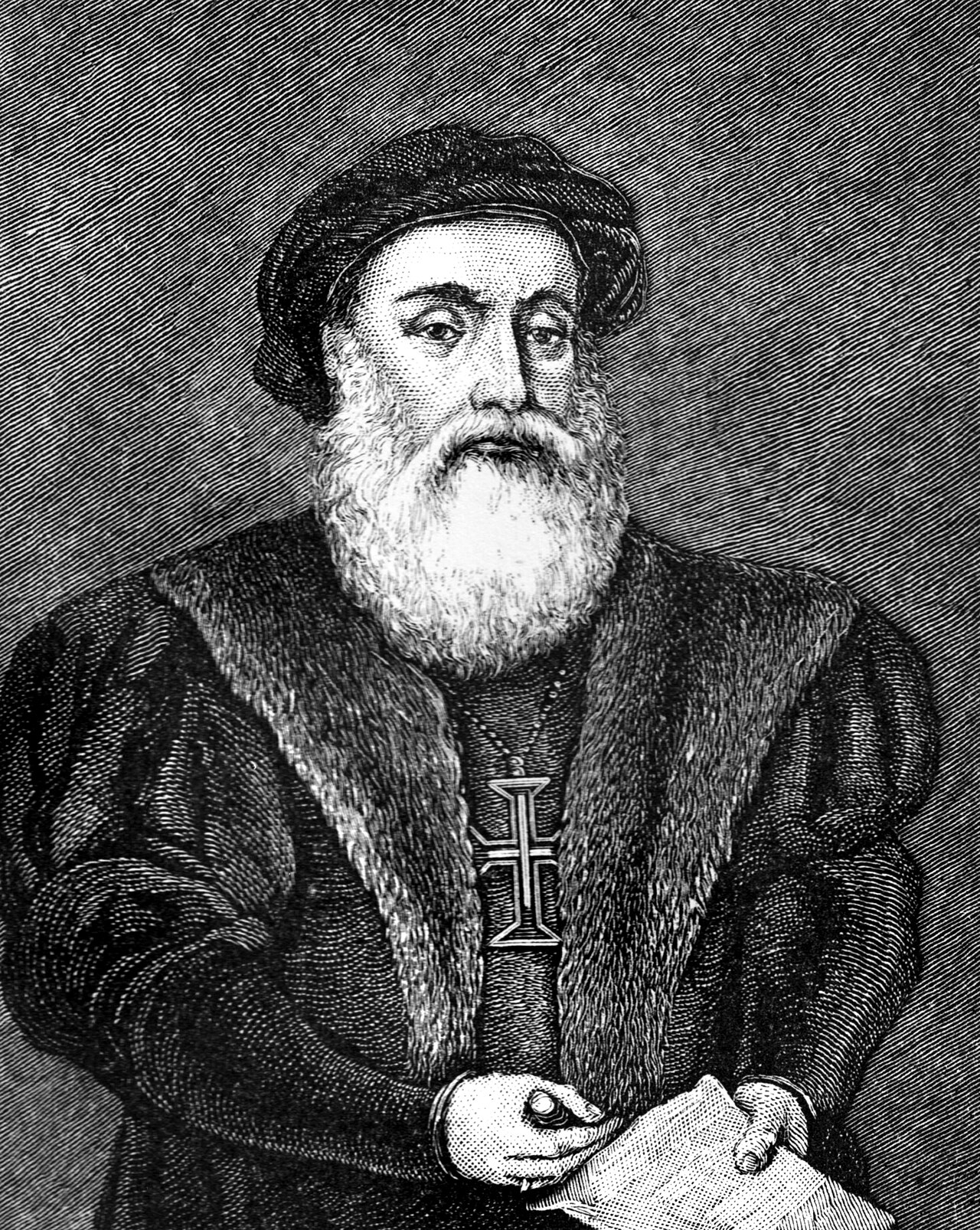 Painting
Secondary source
Houghton, Mifflin, and Company · 1886
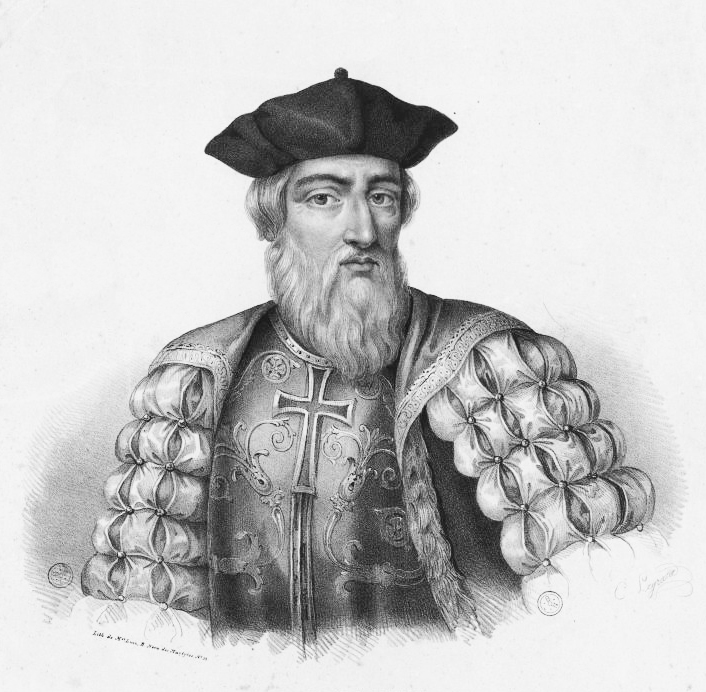 Painting
Secondary source
Charles Legrand · circa 1841
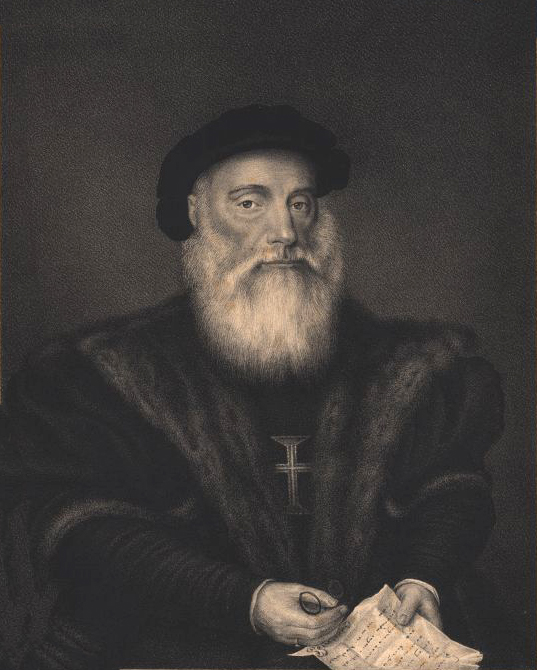 Painting
Secondary source
Maurício José do Carmo Sendim · circa 1845
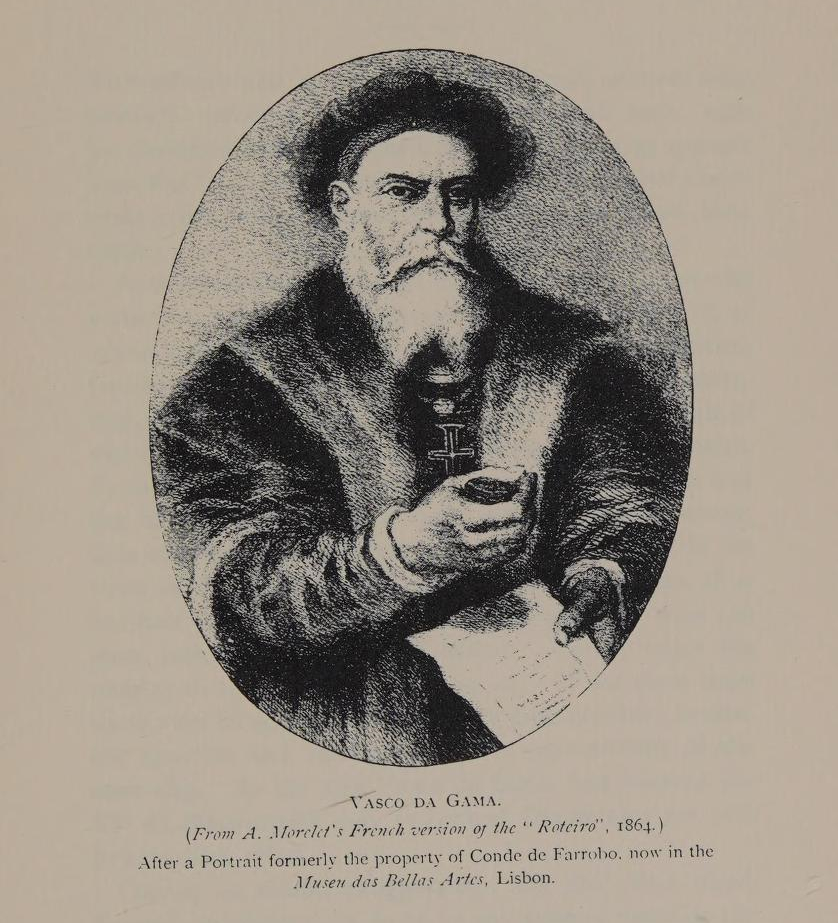 Painting
Secondary source
Anonymous · 1898
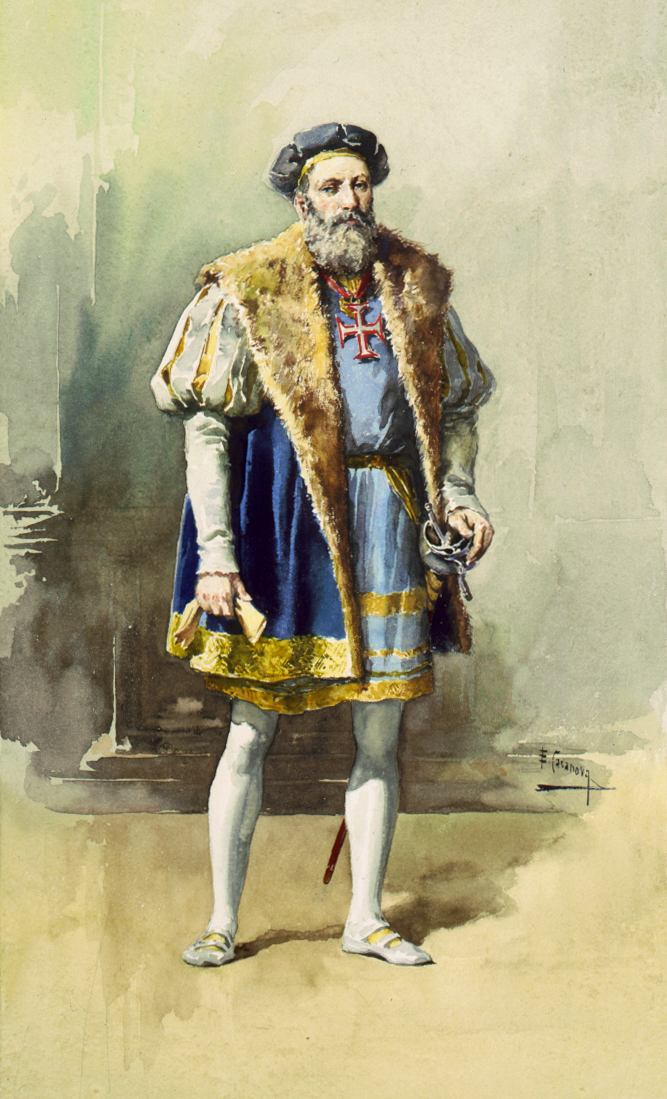 Painting
Secondary source
Ernesto Casanova · circa 1880
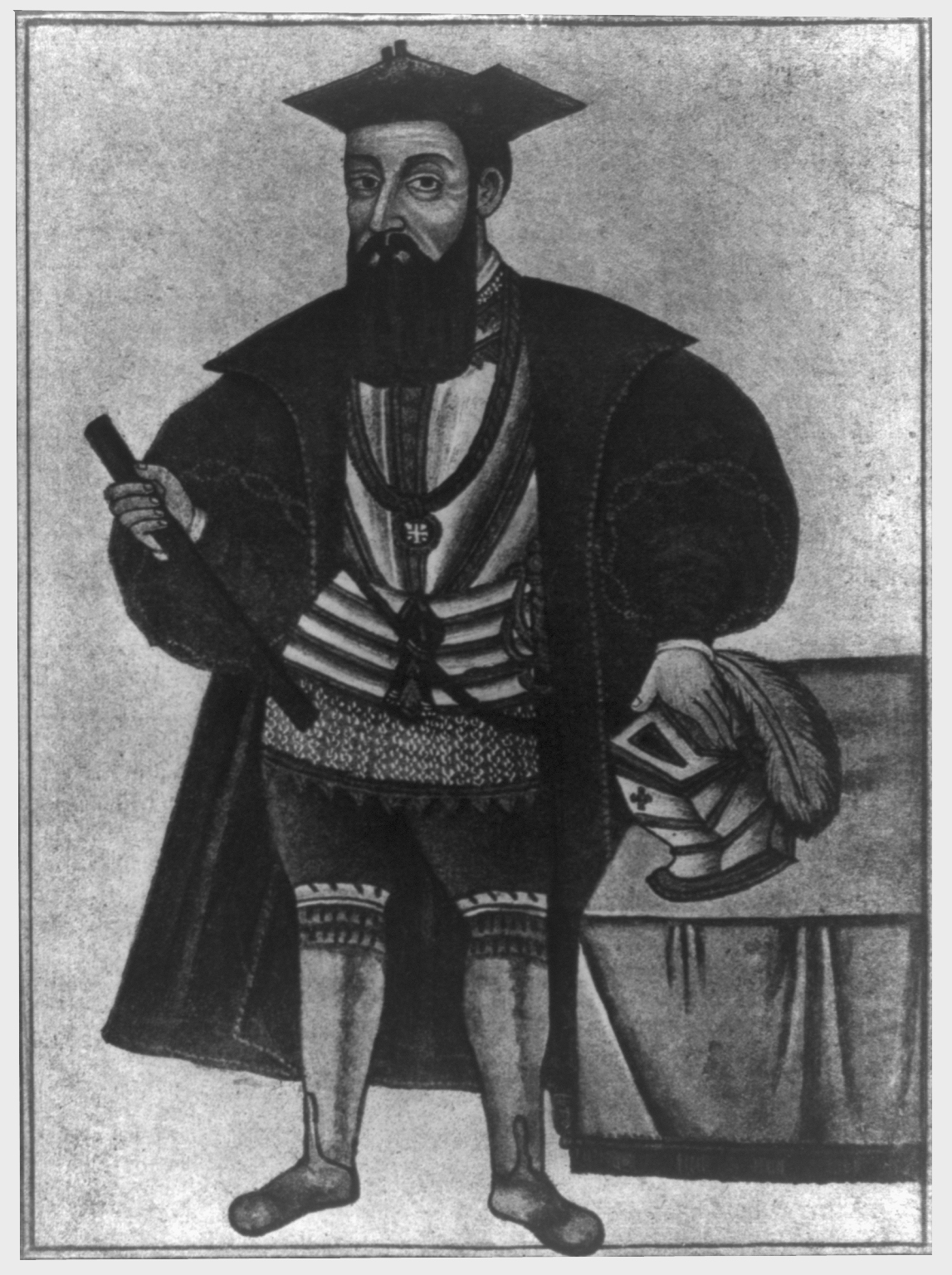 Painting
Secondary source
G. Barrie · circa 1903
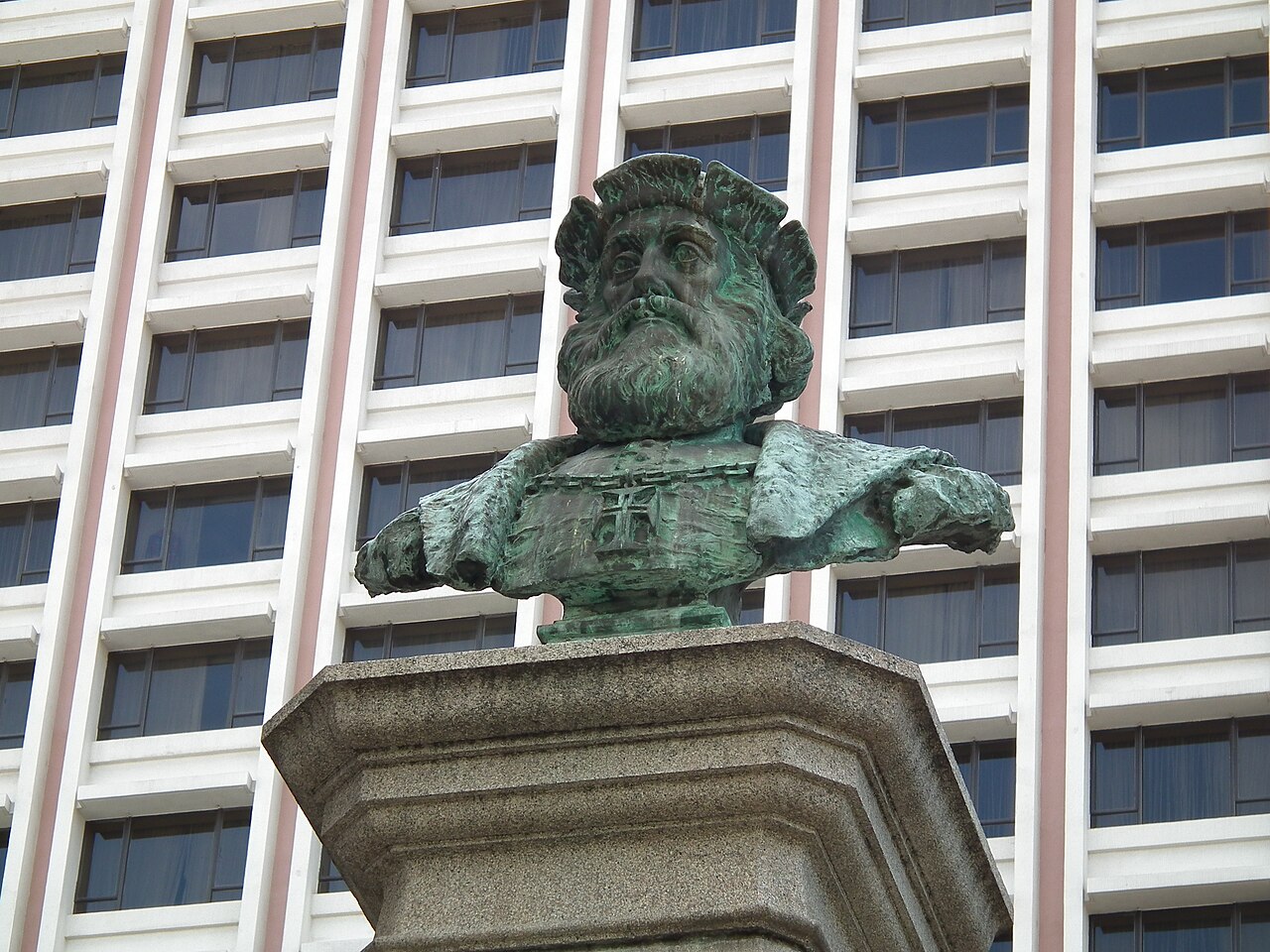 Sculpture
Secondary source
lienyuan lee · Taken on 14 May 2012
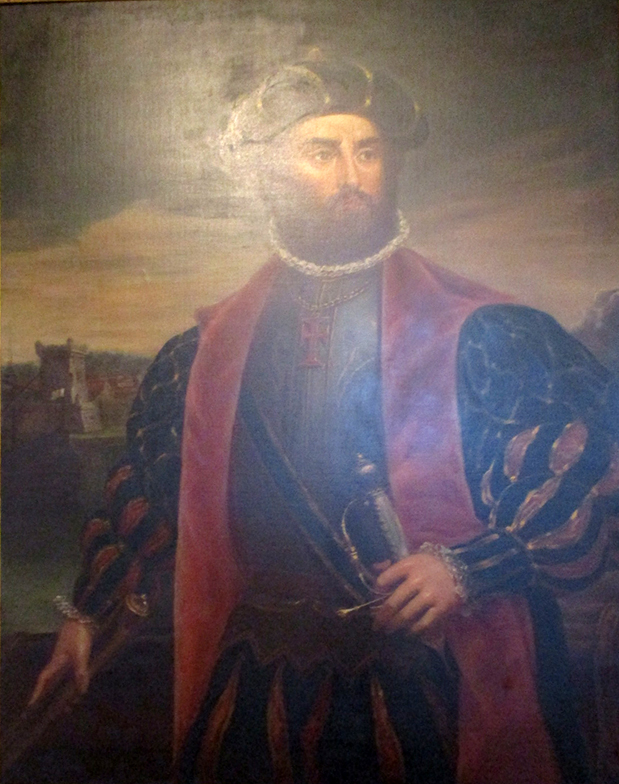 Painting
Secondary source
B20180
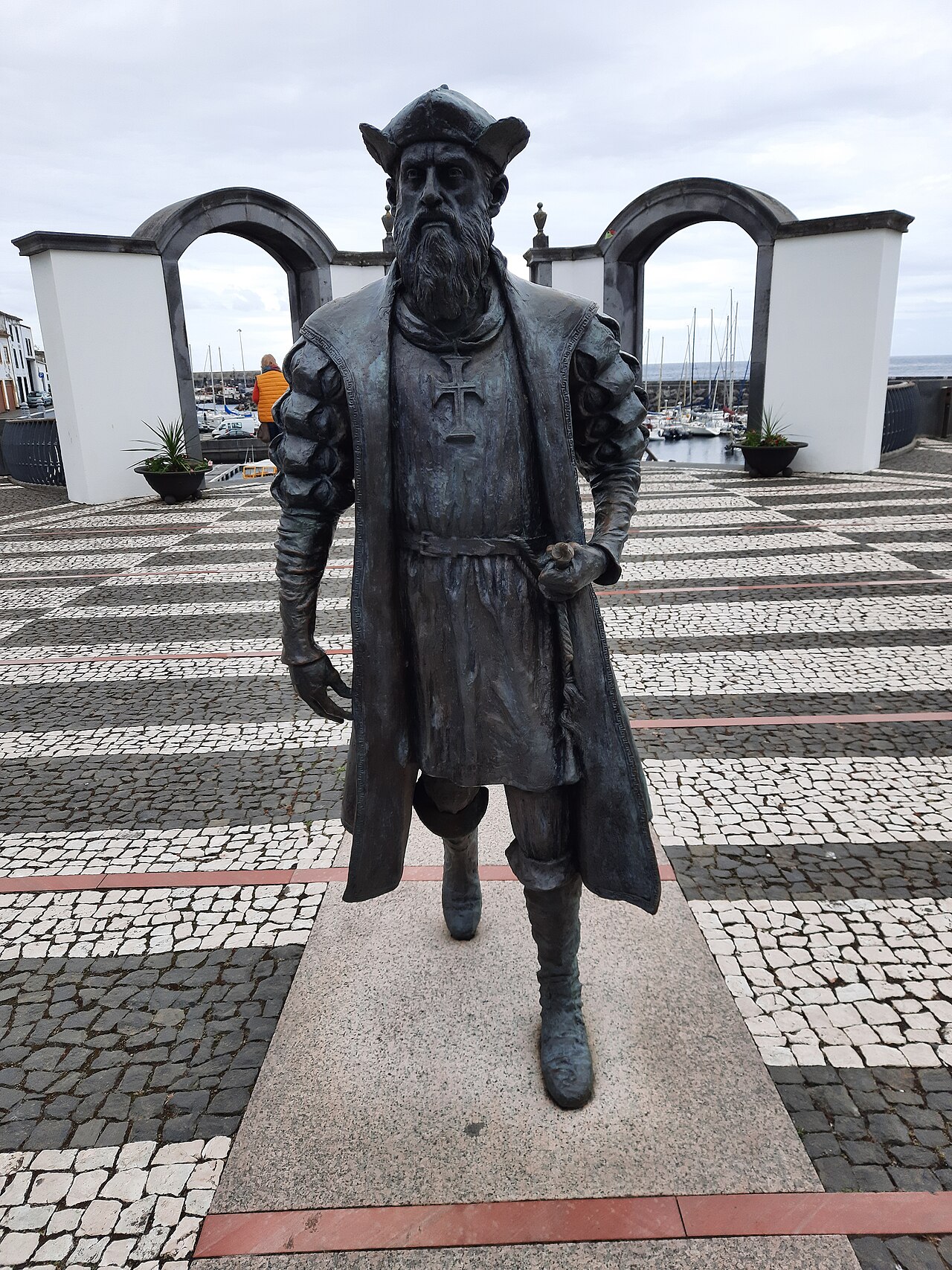 Sculpture
Secondary source
Bybbisch94, Christian Gebhardt · 2022-05-18
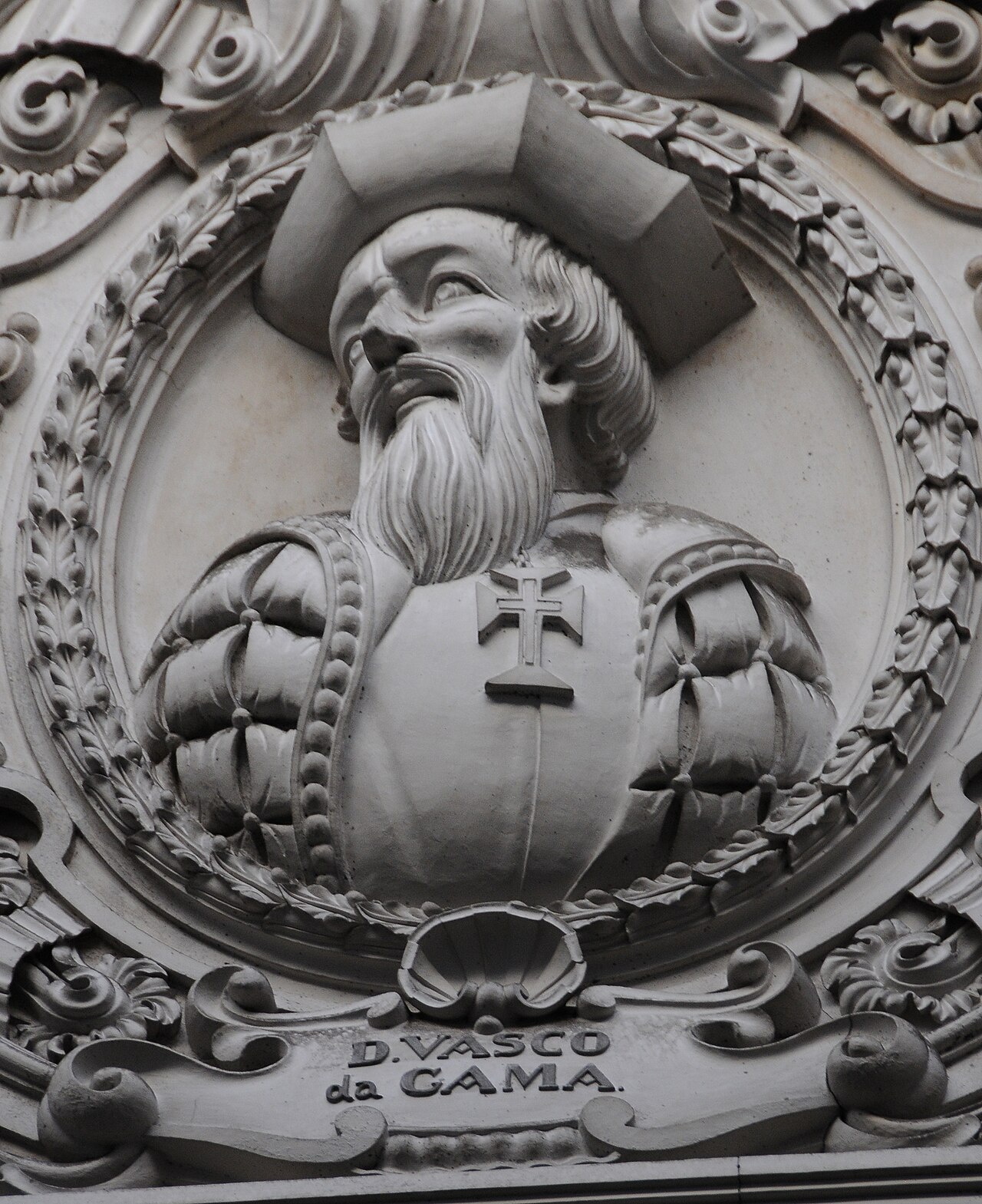 Sculpture
Secondary source
Joseolgon · 2010-03-10
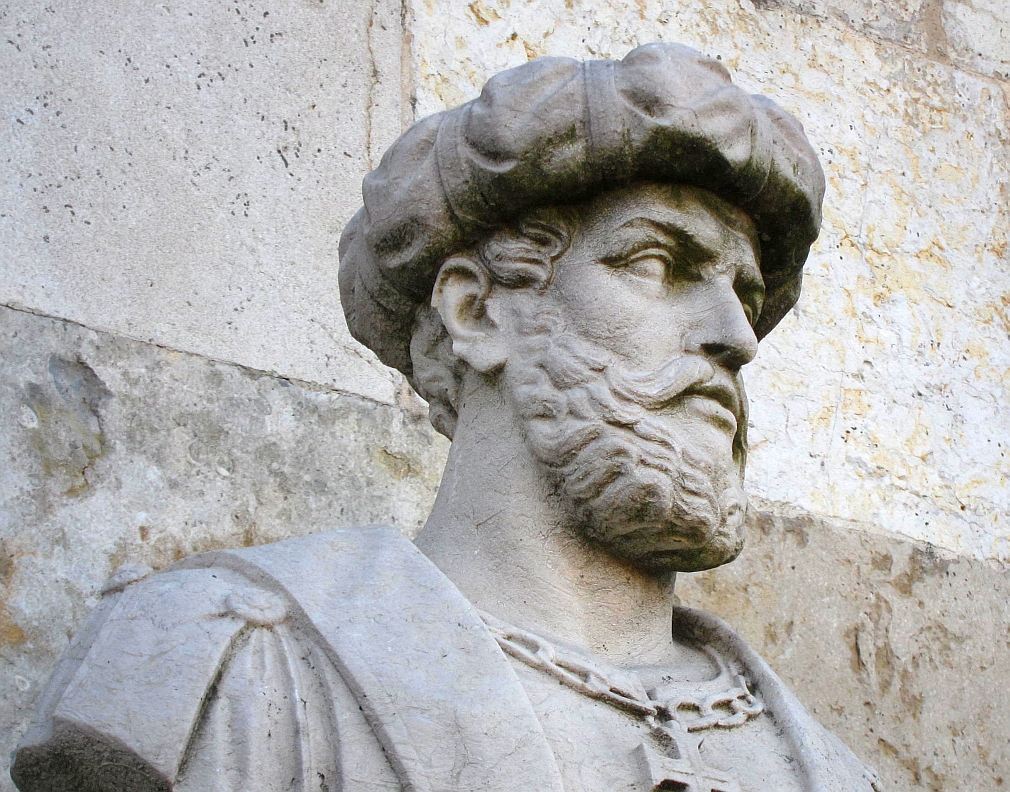 Sculpture
Secondary source
Francisco de Assis Rodrigues (possibly)
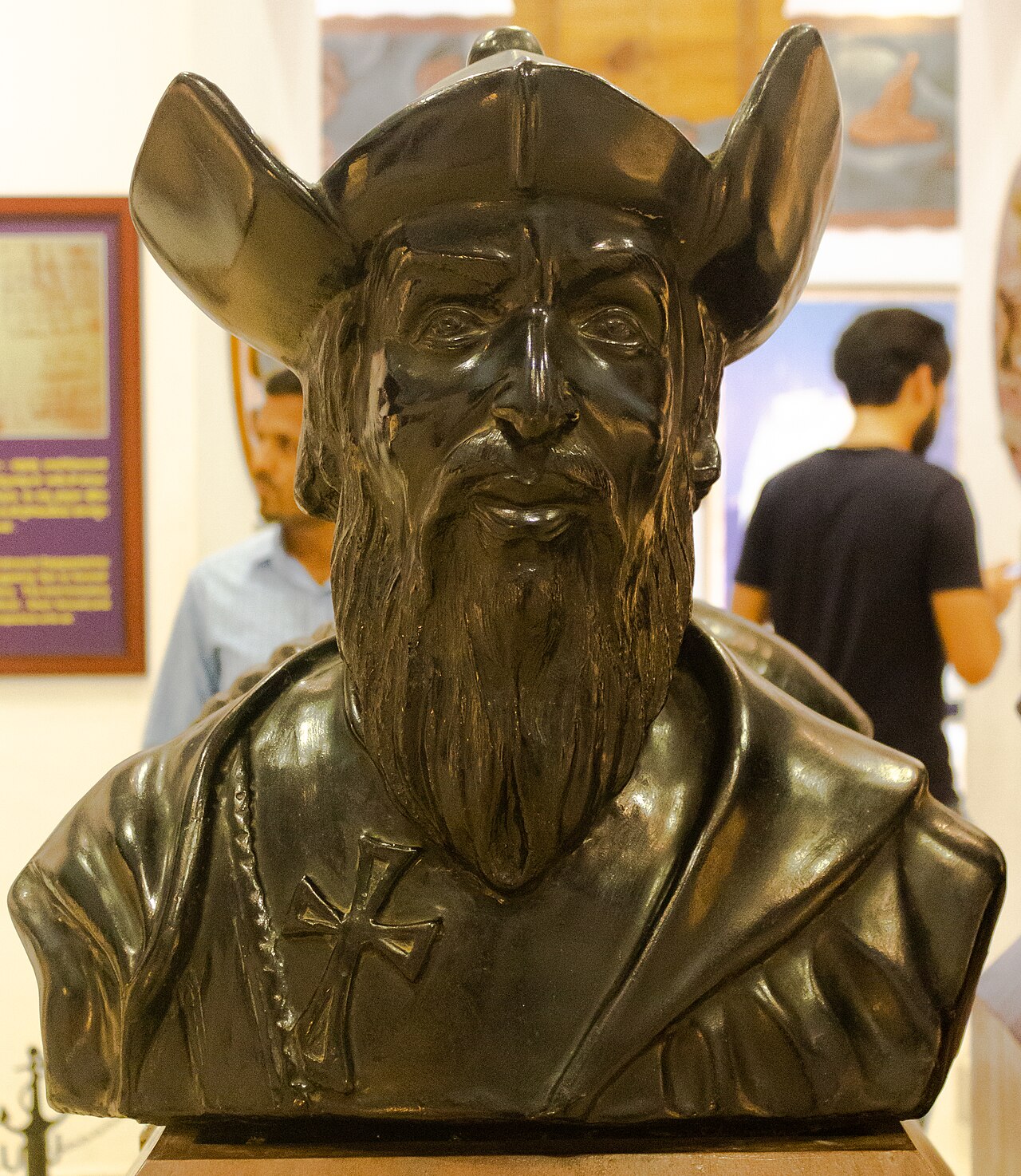 Sculpture
Secondary source
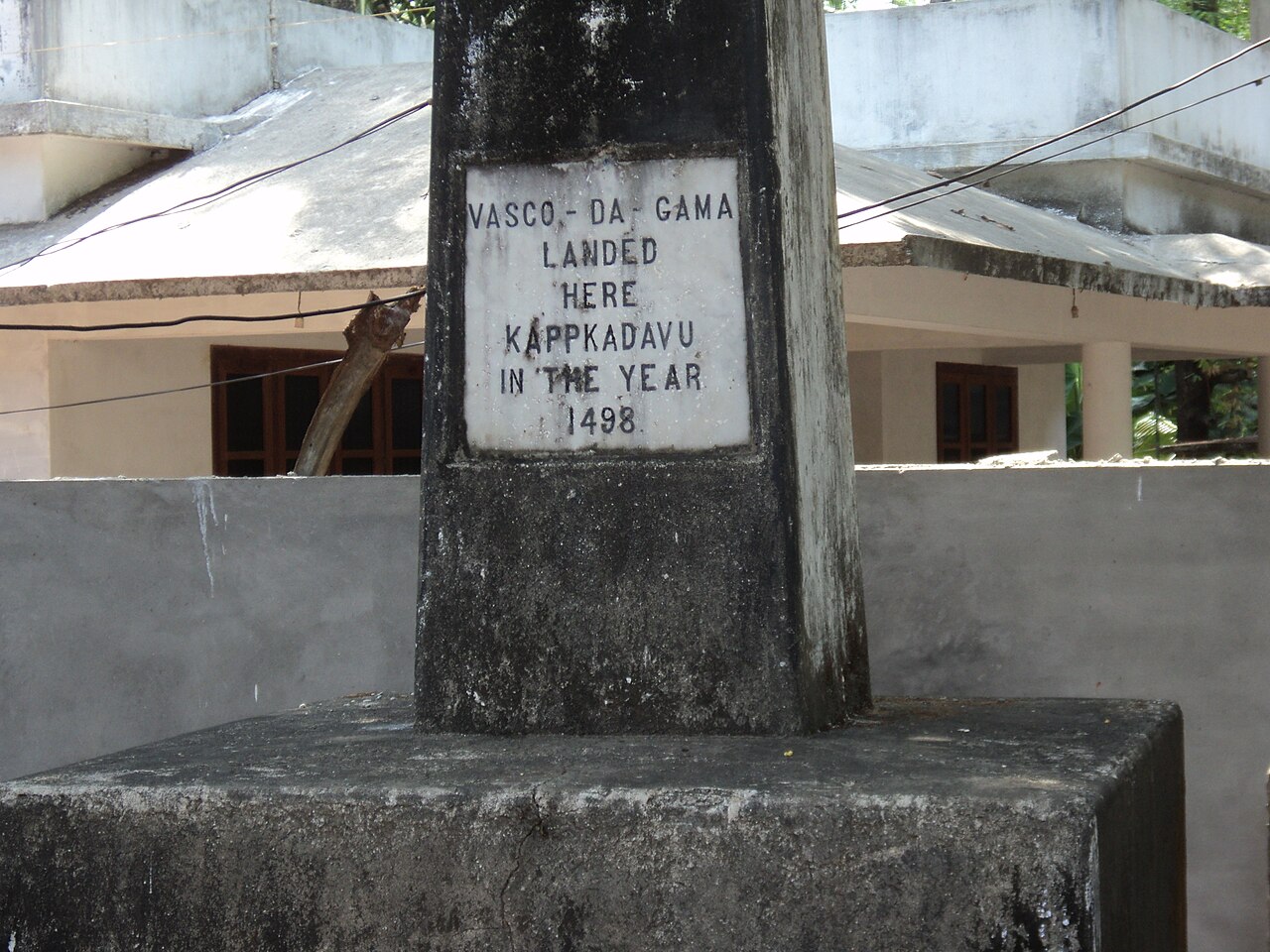 Sculpture
Secondary source
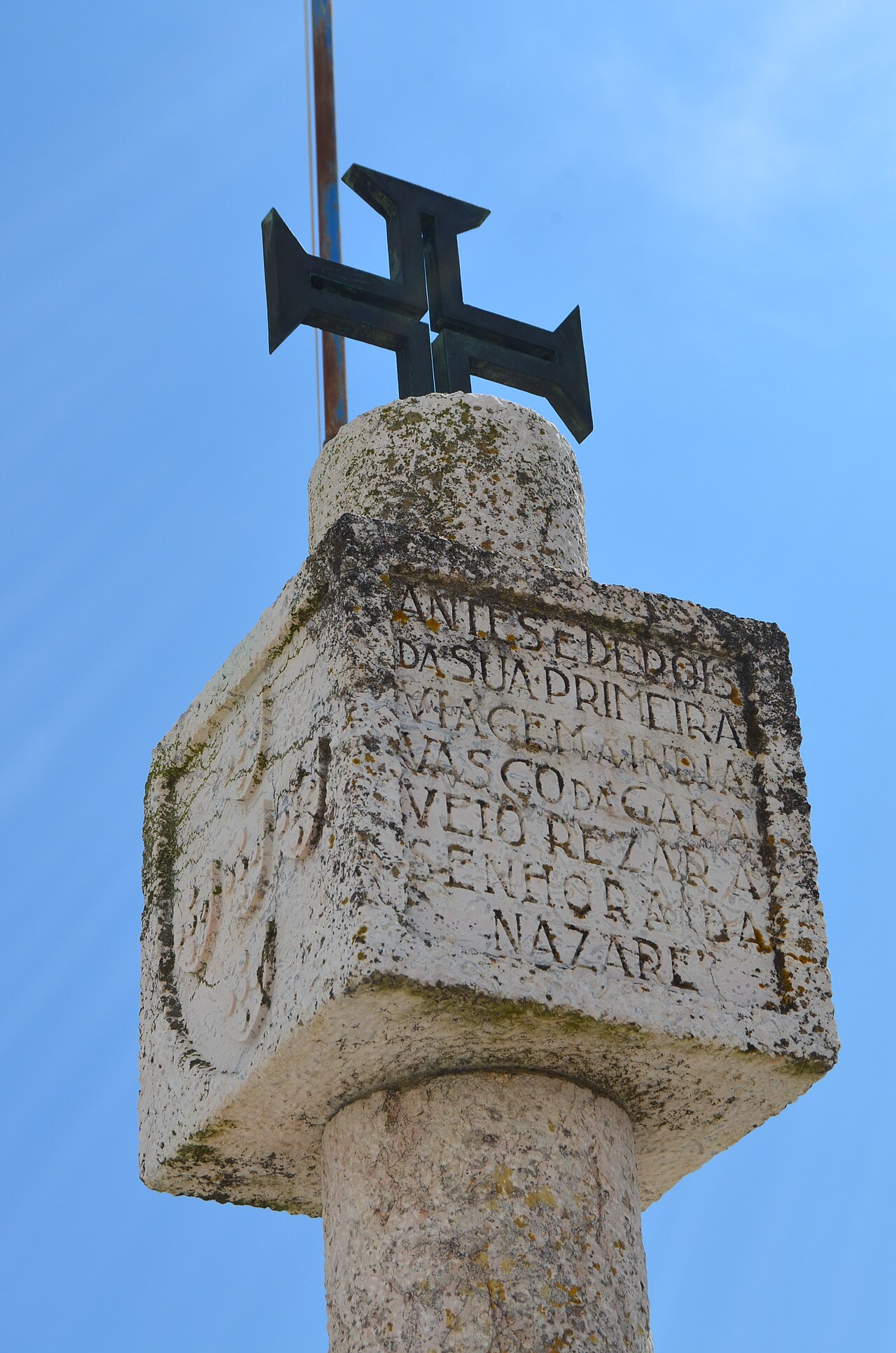 Sculpture
Secondary source
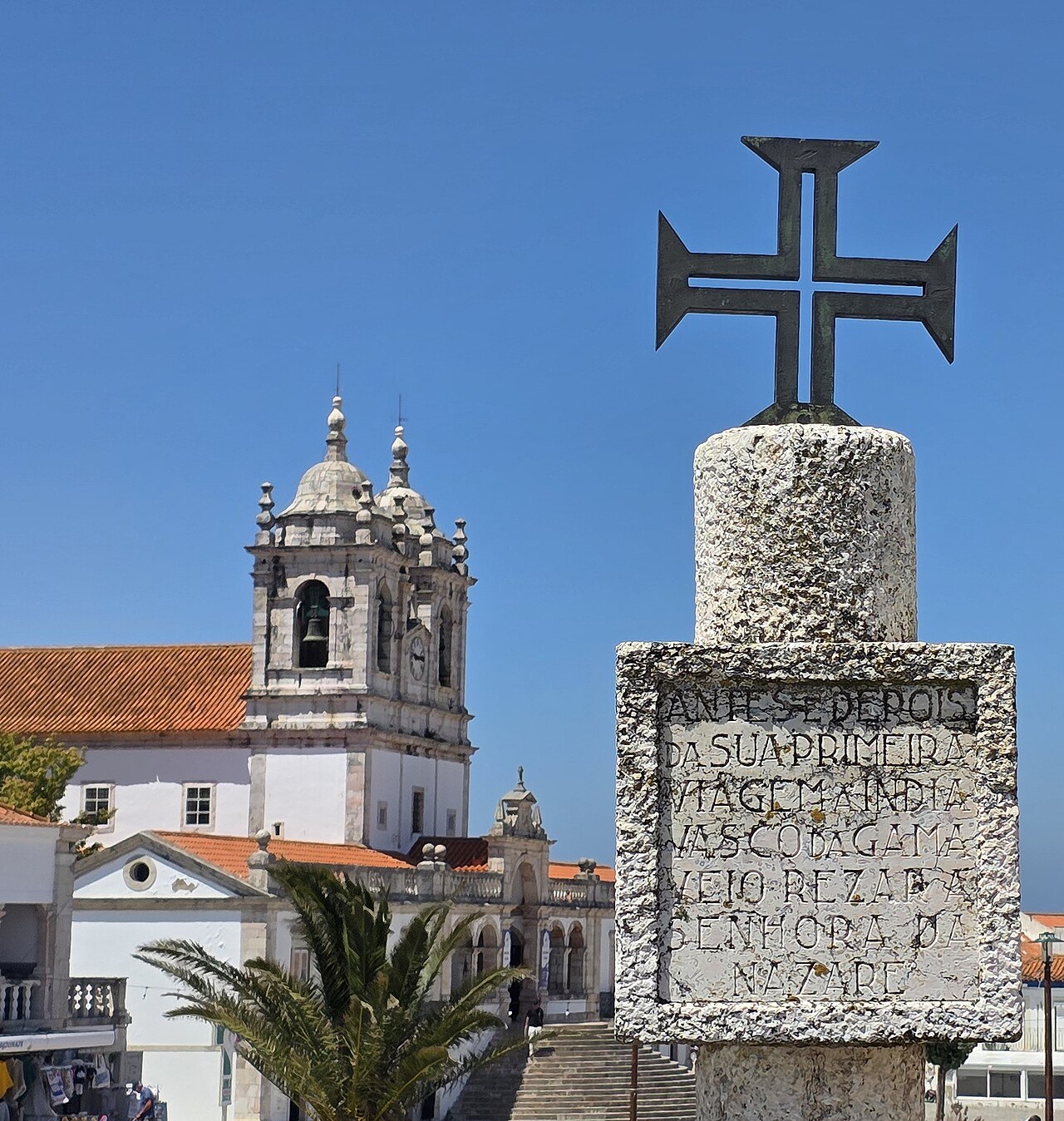 Sculpture
Secondary source
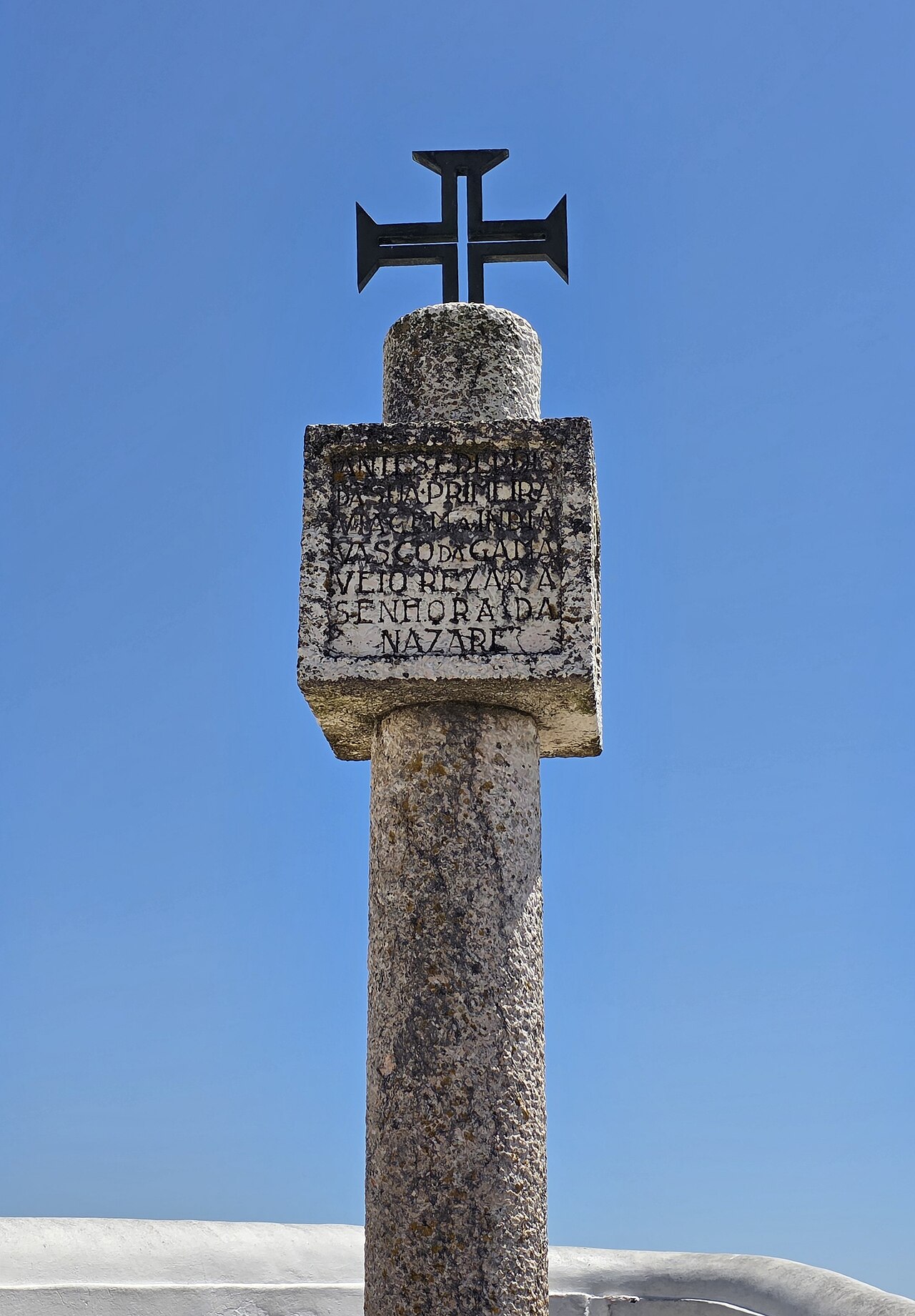 Sculpture
Secondary source
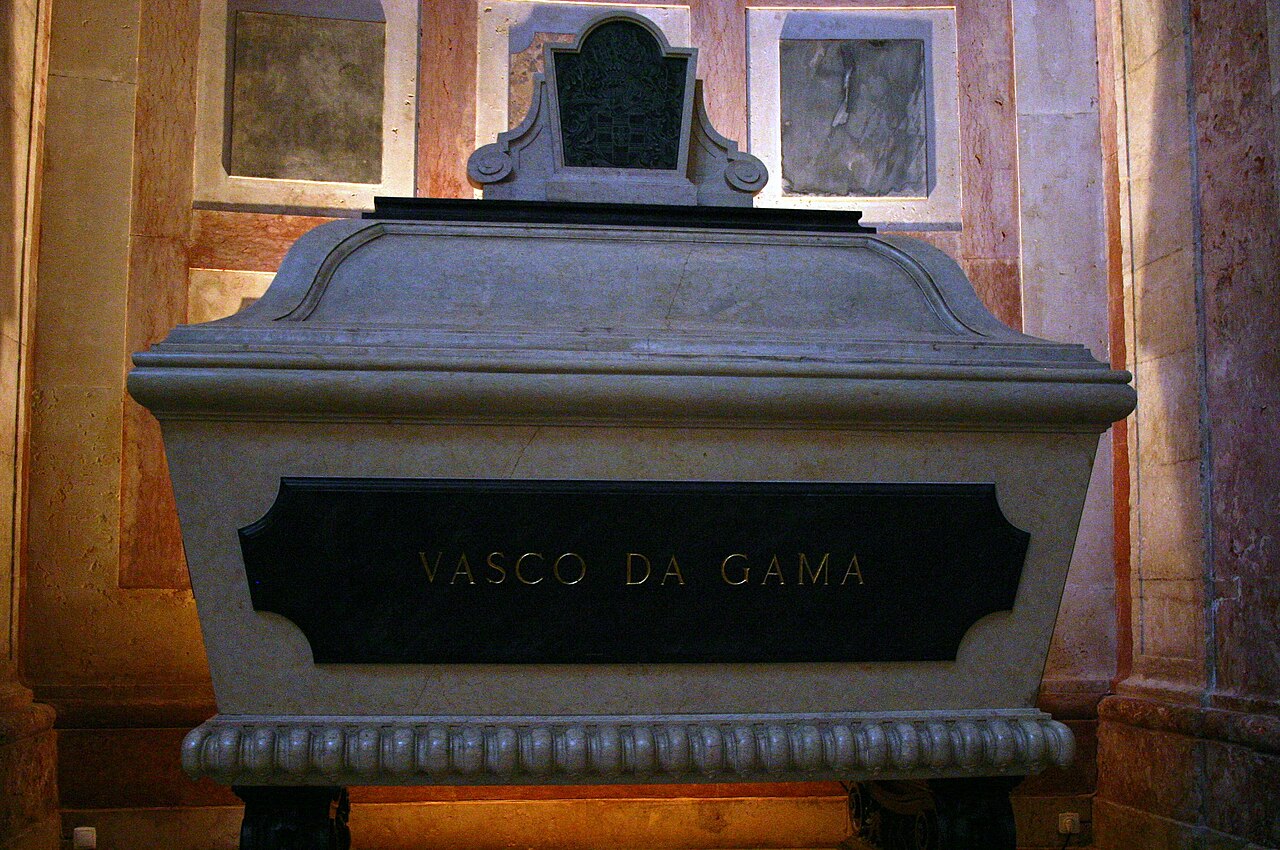 Photograph
Secondary source
José Luiz · 2013-01-20
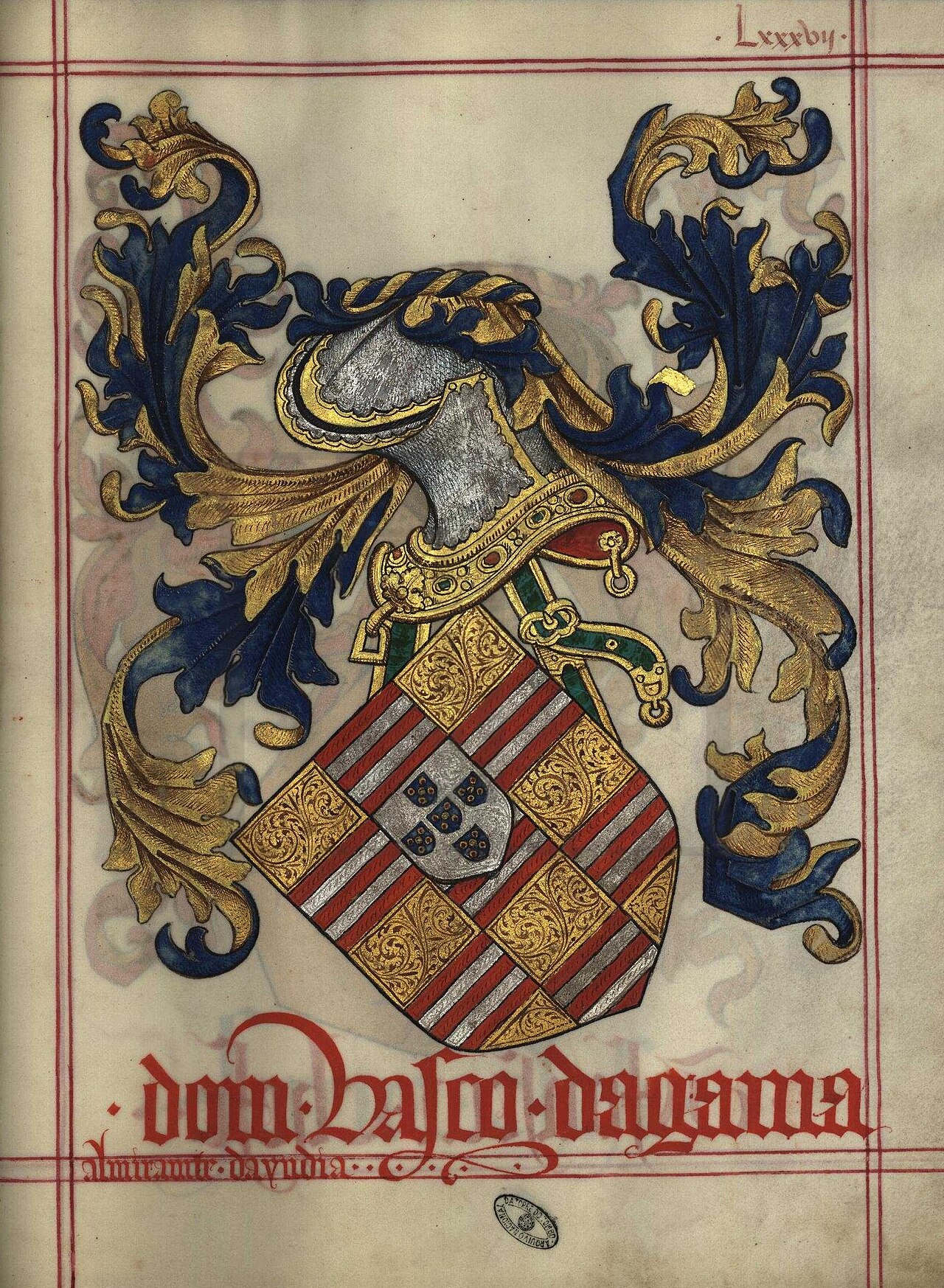 Artifact
Primary source
João do Cró · 1509
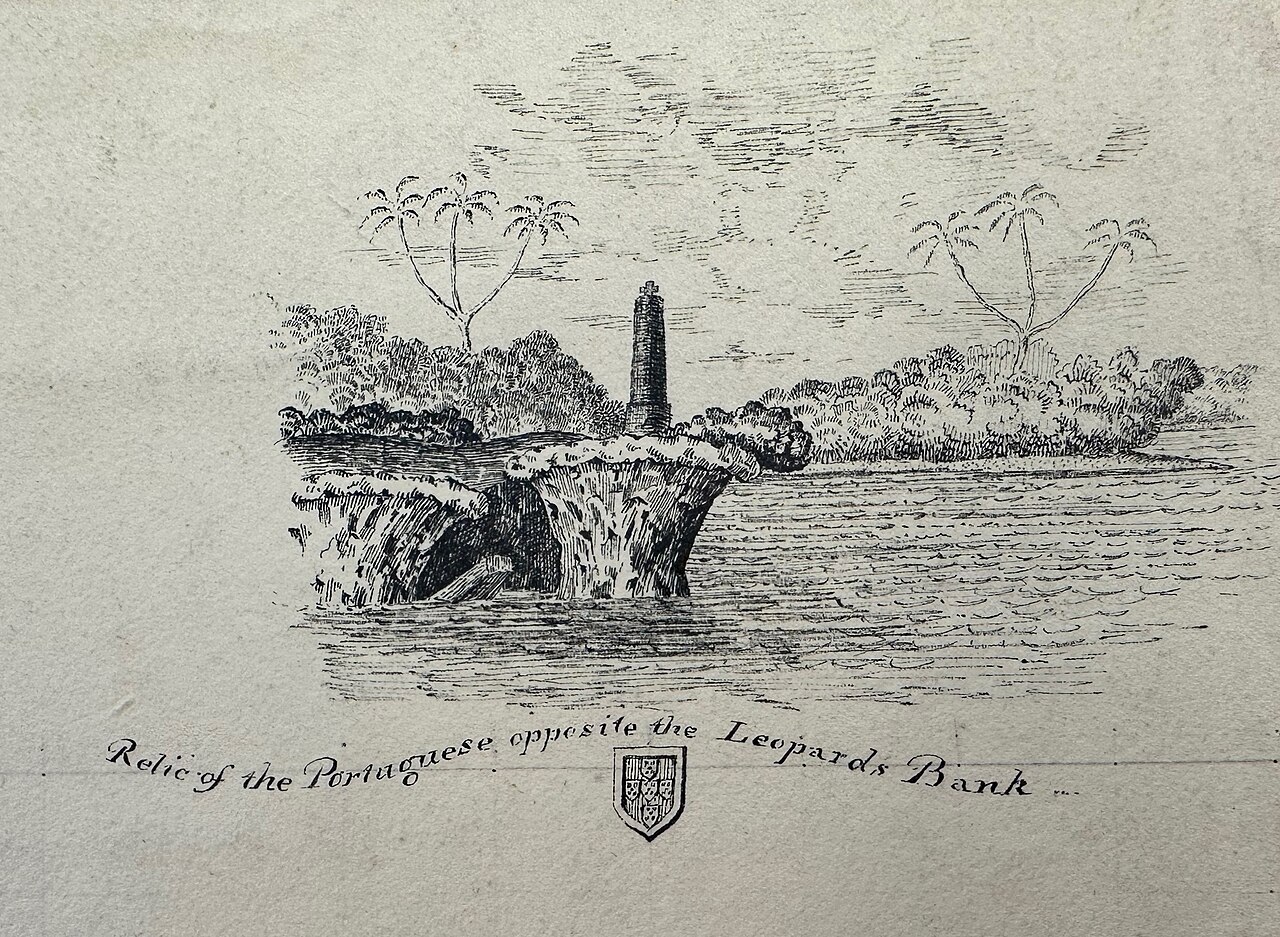 Artifact
Primary source
Alexander Thomas Emeric Vidal, Richard Owen and William Fitzwilliam Owen · 1823-11-28
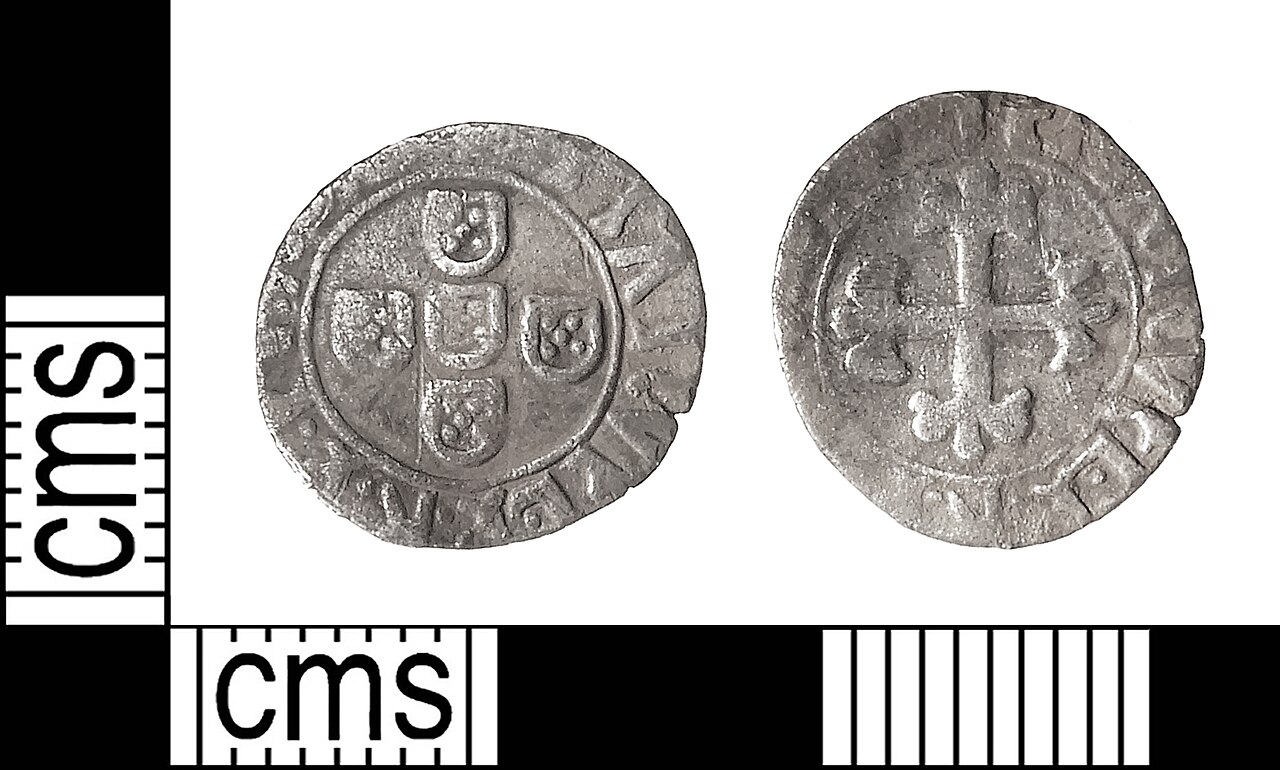 Artifact
Primary source
between 1495 and 1521
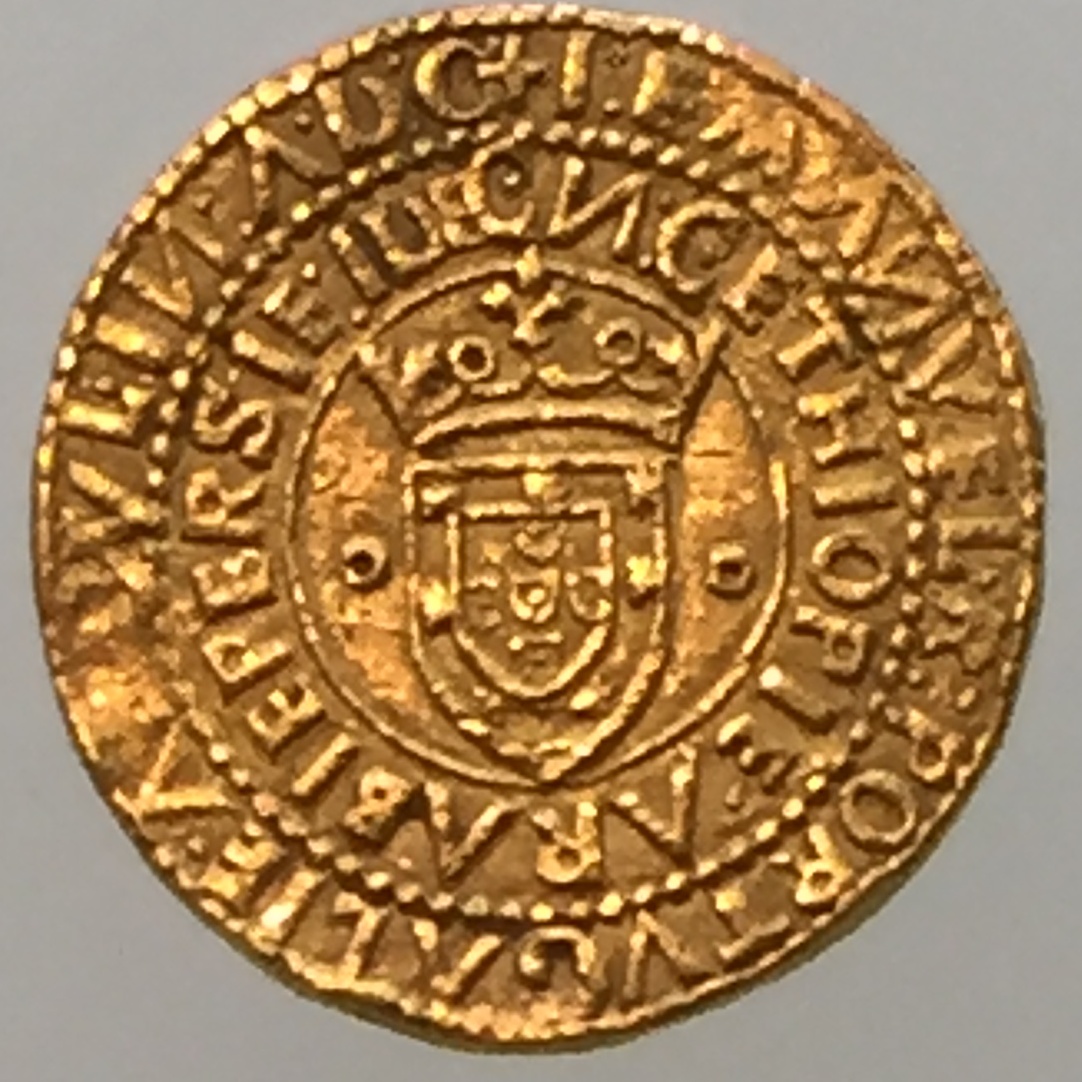 Artifact
Primary source
between 1499 and 1502
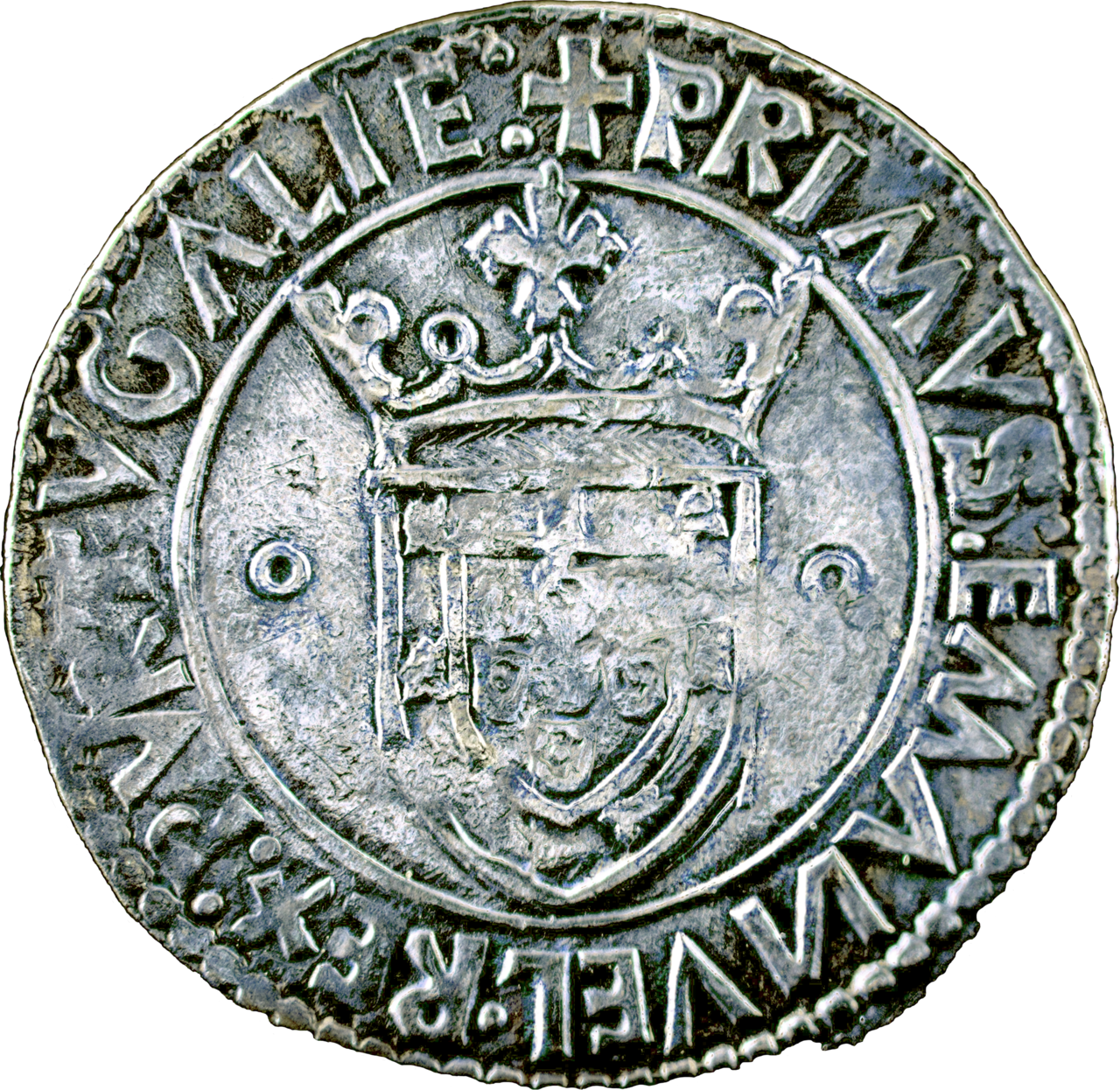 Artifact
Primary source
between 1491 and 1521
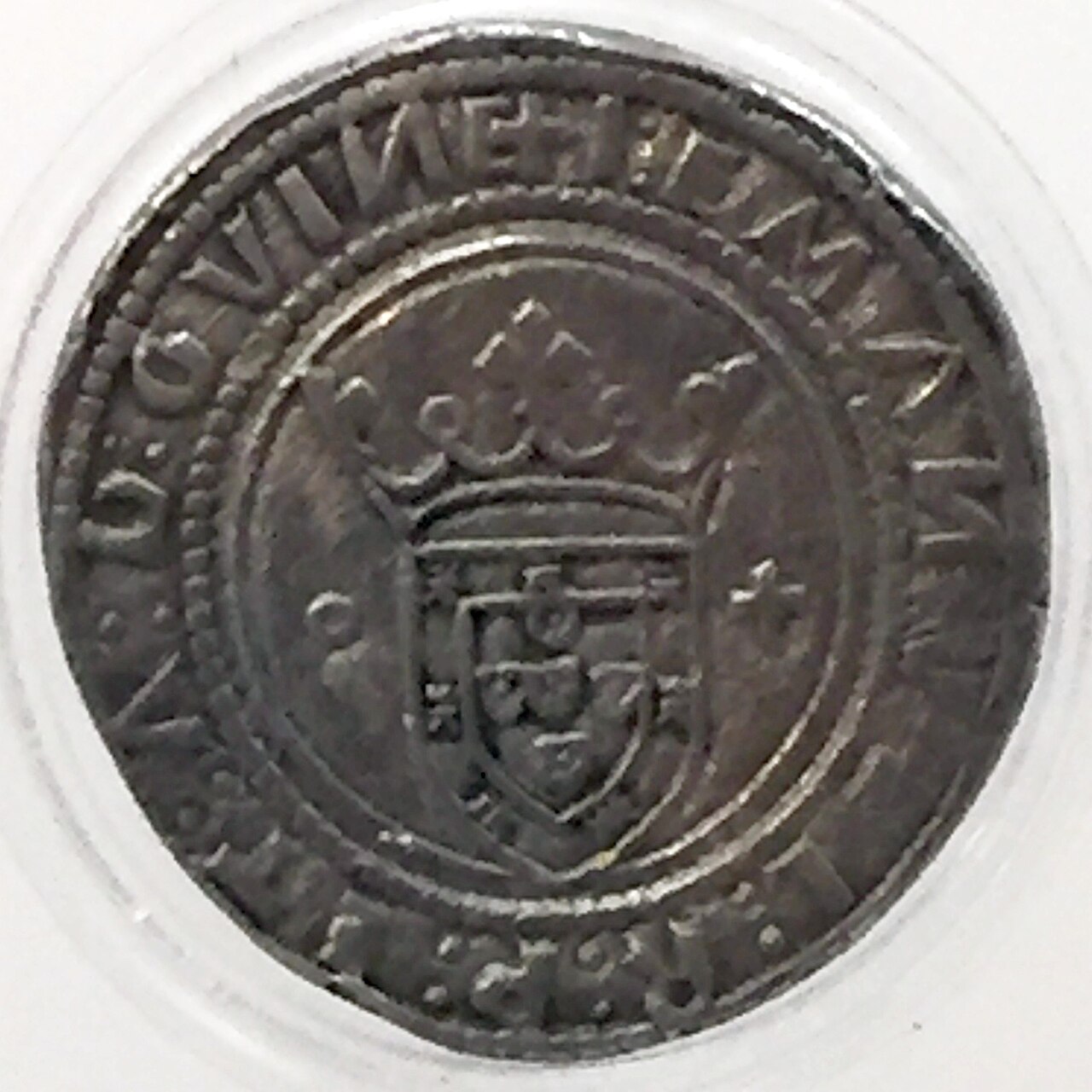 Artifact
Primary source
1504-1521
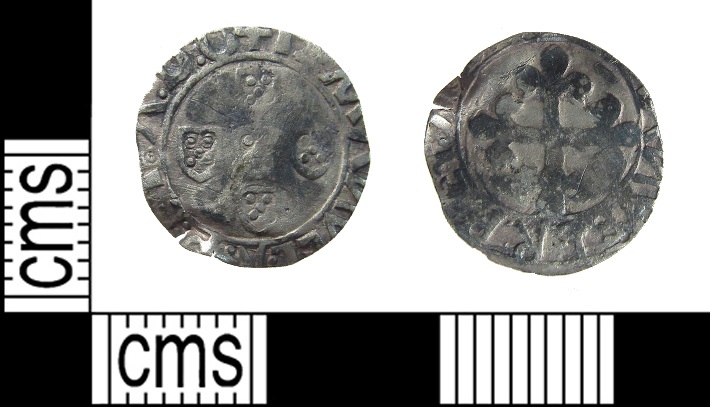 Artifact
Primary source
between 1495 and 1521
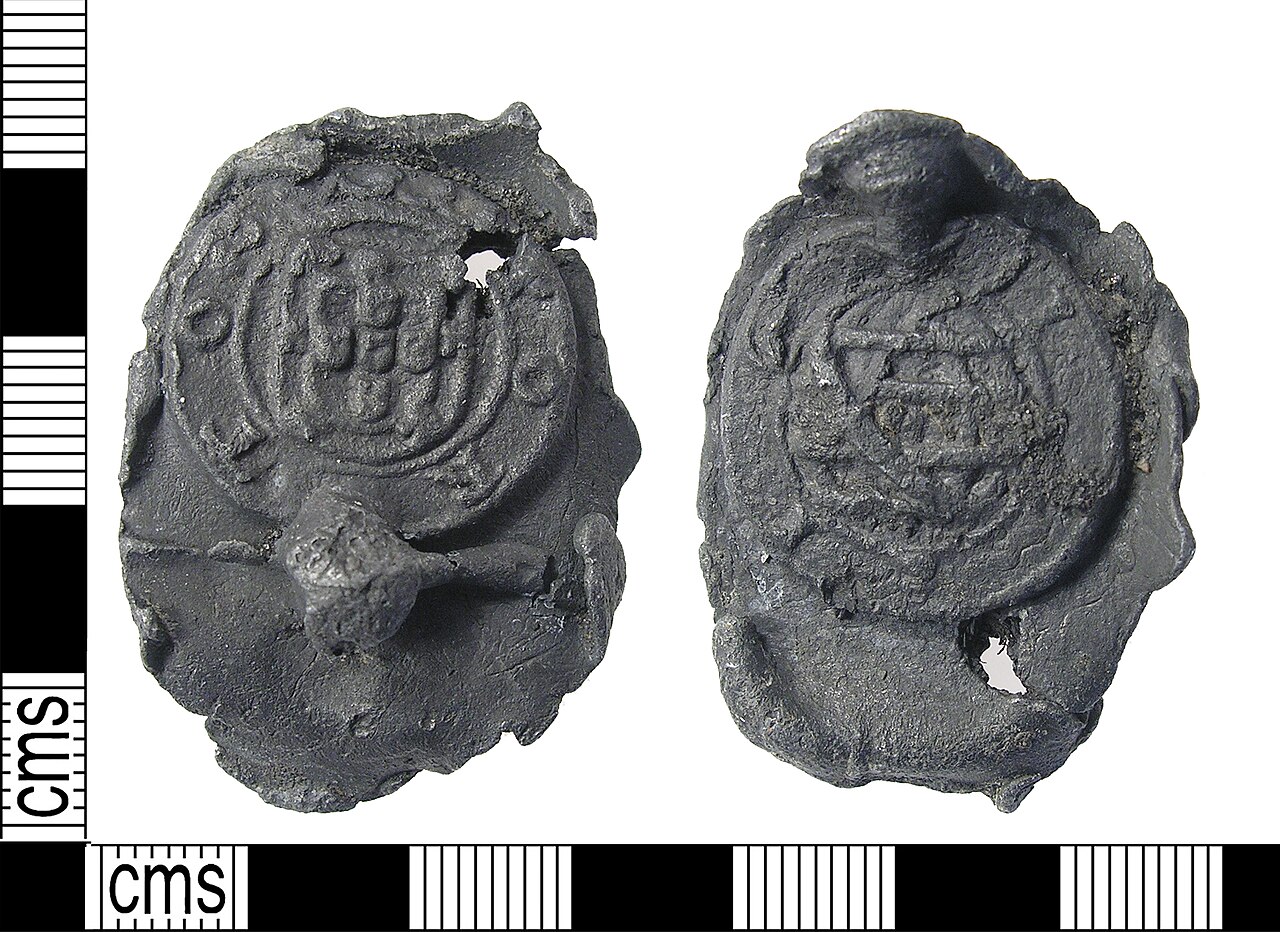 Artifact
Primary source
1512
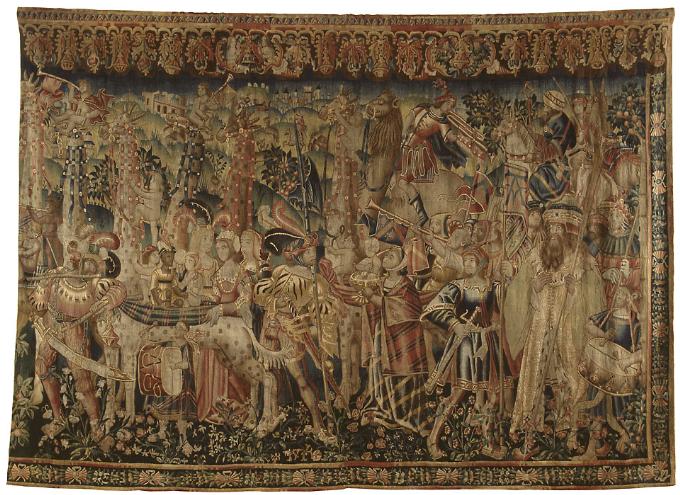 Painting
Secondary source
1525
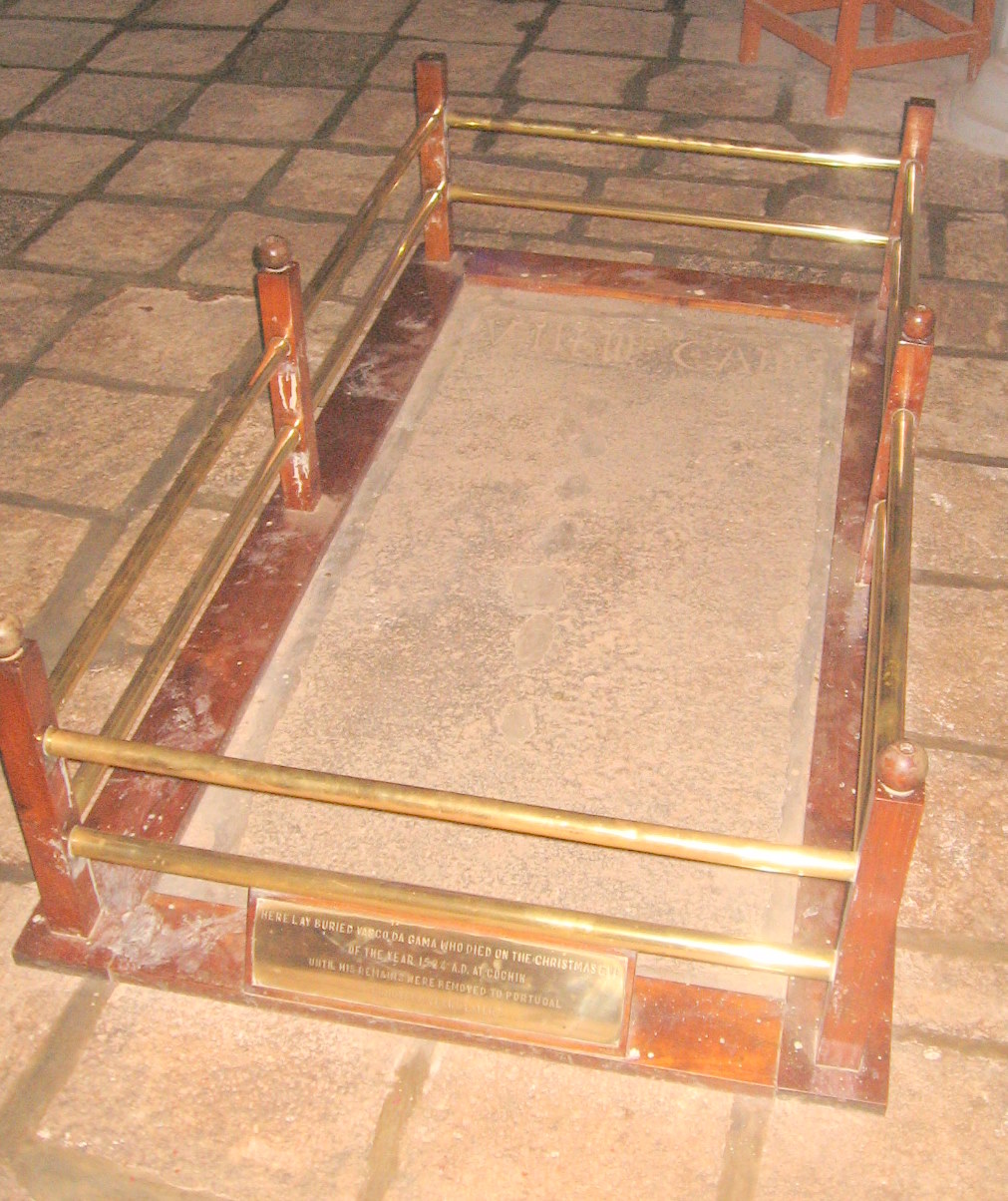 Photograph
Secondary source
P.K. Niyogi · 26 December 2007
 Painting
Secondary source
16th century
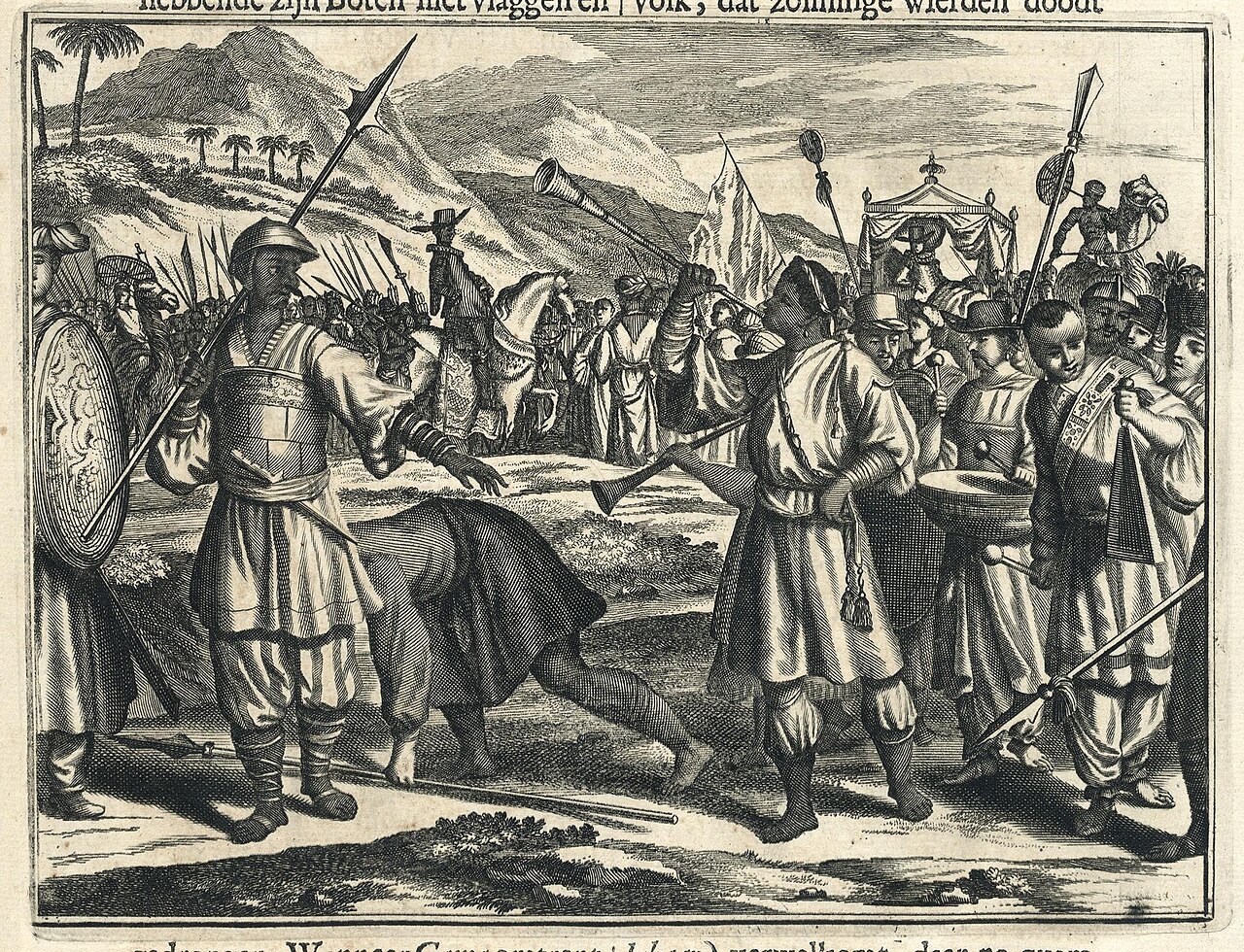 Painting
Secondary source
Johannes Janssonius van Waesberge I · circa 1672
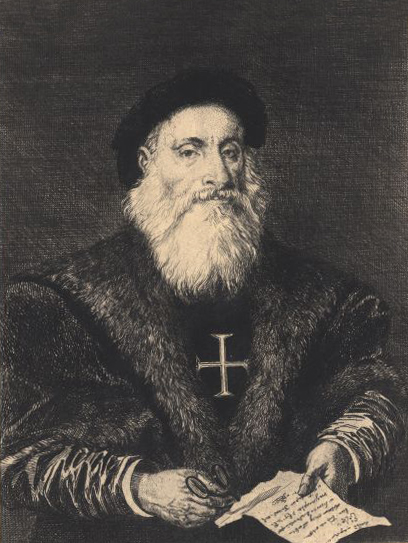 Painting
Secondary source
Charles-Édouard Armand-Dumaresq · circa 1882
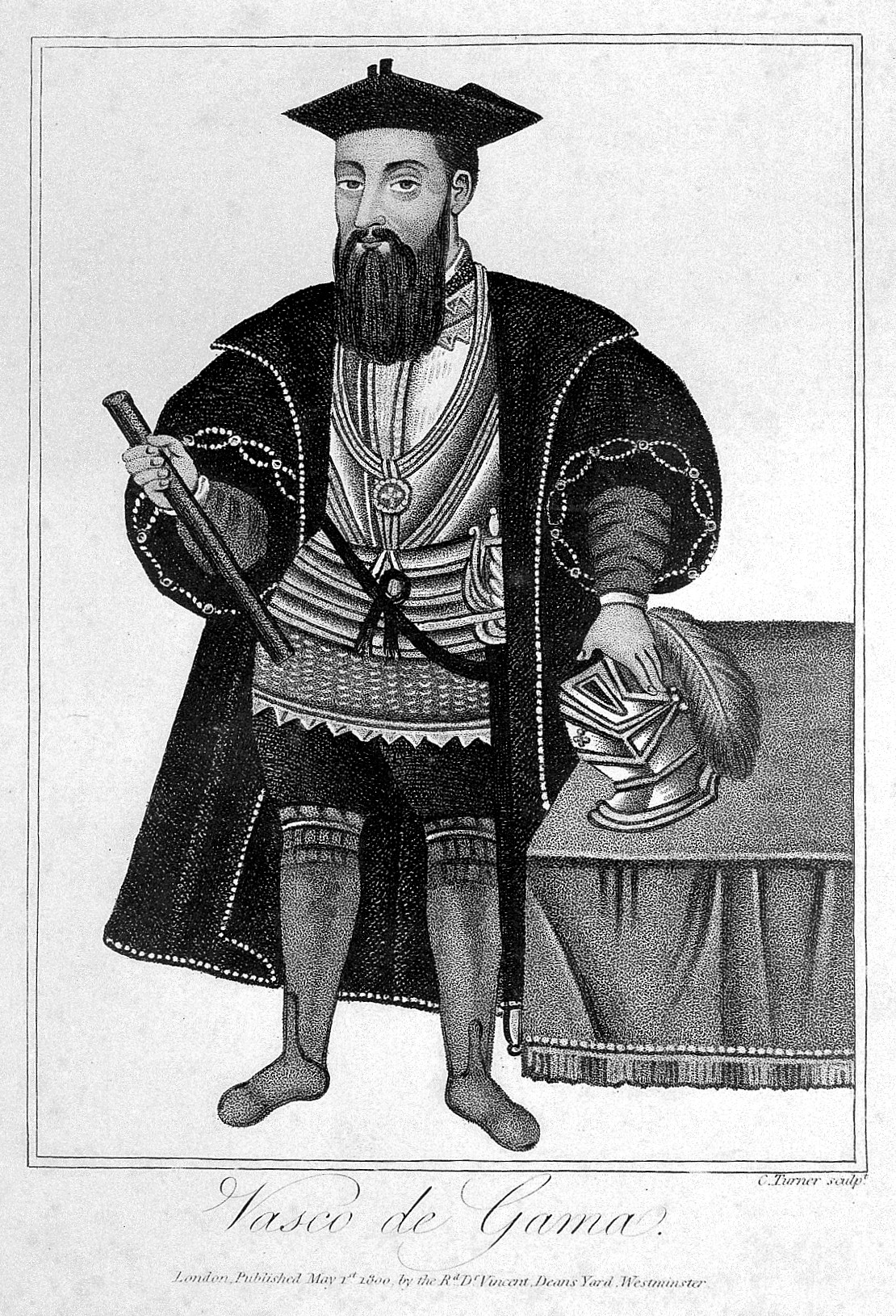 Painting
Secondary source
C. Turner · 1800
Want the full shelf? Chat with Vasco da Gama in the app and open the Sources panel — every quote links back to the original.
1 collection
A ready-made collection from the Humy team that features Vasco da Gama. Preview it, then try it free.
Paying customers



























Dr. Michael Calvert
Assistant Superintendent, South Allegheny School District, Pennsylvania
Been using Humy in his district since 2024
“We enjoyed the program last year and used it frequently.”

Jacob Chisom
World and American History, Monticello High School, Arkansas
Been using Humy in his classroom since 2024
“My students say it’s a welcome change of pace. I’m not a fan of the “sage on the stage” model, so I try to incorporate research-oriented and self-paced activities. With Humy, students have to take charge of their learning. They’ve become more adept at critical thinking, forming better questions, and improving their reading comprehension. The interview feature has been my go-to tool. I create assignments where students must ask historical figures a set number of questions, then summarize the responses to ensure they’re truly absorbing the material. This approach lets them actively explore the past rather than passively consuming information.”
Roger Campbell
7th-grade World History, Lancaster County, Pennsylvania
Been using Humy in his classroom since 2024
“Humy has helped me bring historical figures, sometimes long past, to life. When my students interact with these figures in real-time, it eliminates some of the perceived “ancient” characteristics of my curriculum. This has shifted my students’ thinking away from viewing history as abstract or irrelevant. Real-time interactions make historical figures relatable, even allowing students to ask off-topic questions that help put historical lives in a more relevant context for 13-year-olds. The feature I use the most is the interview feature. After teaching a topic, most recently Gandhi and Joan of Arc, I have the students ask pointed, focused questions. We practice good conversation techniques beforehand, teaching them to listen (or read) carefully and formulate thoughtful follow-up questions rather than just interrogating. It helps students practice effective conversation skills.”
Dr. Michael Calvert
Assistant Superintendent, South Allegheny School District, Pennsylvania
Been using Humy in his district since 2024
“We enjoyed the program last year and used it frequently.”
Jacob Chisom
World and American History, Monticello High School, Arkansas
Been using Humy in his classroom since 2024
“My students say it’s a welcome change of pace. I’m not a fan of the “sage on the stage” model, so I try to incorporate research-oriented and self-paced activities. With Humy, students have to take charge of their learning. They’ve become more adept at critical thinking, forming better questions, and improving their reading comprehension. The interview feature has been my go-to tool. I create assignments where students must ask historical figures a set number of questions, then summarize the responses to ensure they’re truly absorbing the material. This approach lets them actively explore the past rather than passively consuming information.”
Roger Campbell
7th-grade World History, Lancaster County, Pennsylvania
Been using Humy in his classroom since 2024
“Humy has helped me bring historical figures, sometimes long past, to life. When my students interact with these figures in real-time, it eliminates some of the perceived “ancient” characteristics of my curriculum. This has shifted my students’ thinking away from viewing history as abstract or irrelevant. Real-time interactions make historical figures relatable, even allowing students to ask off-topic questions that help put historical lives in a more relevant context for 13-year-olds. The feature I use the most is the interview feature. After teaching a topic, most recently Gandhi and Joan of Arc, I have the students ask pointed, focused questions. We practice good conversation techniques beforehand, teaching them to listen (or read) carefully and formulate thoughtful follow-up questions rather than just interrogating. It helps students practice effective conversation skills.”
FAQ
Like any LLM, the AI version of Vasco da Gama can get details wrong. Open one of these sources in a new tab to verify what you’ve read.

Spanish Conquistador & Explorer

Chinese mariner, explorer, diplomat, and fleet admiral during the Ming dynasty.

Spanish explorer and one of the first Europeans to explore the interior of what is now the United States.

Portuguese explorer who led the first expedition to circumnavigate the globe.

Spanish conquistador who led the conquest of the Inca Empire in Peru.

Spanish conquistador who led the expedition that caused the fall of the Aztec Empire in Mexico.
Ready when you are
20 messages free · No credit card · Available in 50+ languages.