


Secondary sourcePainting1800
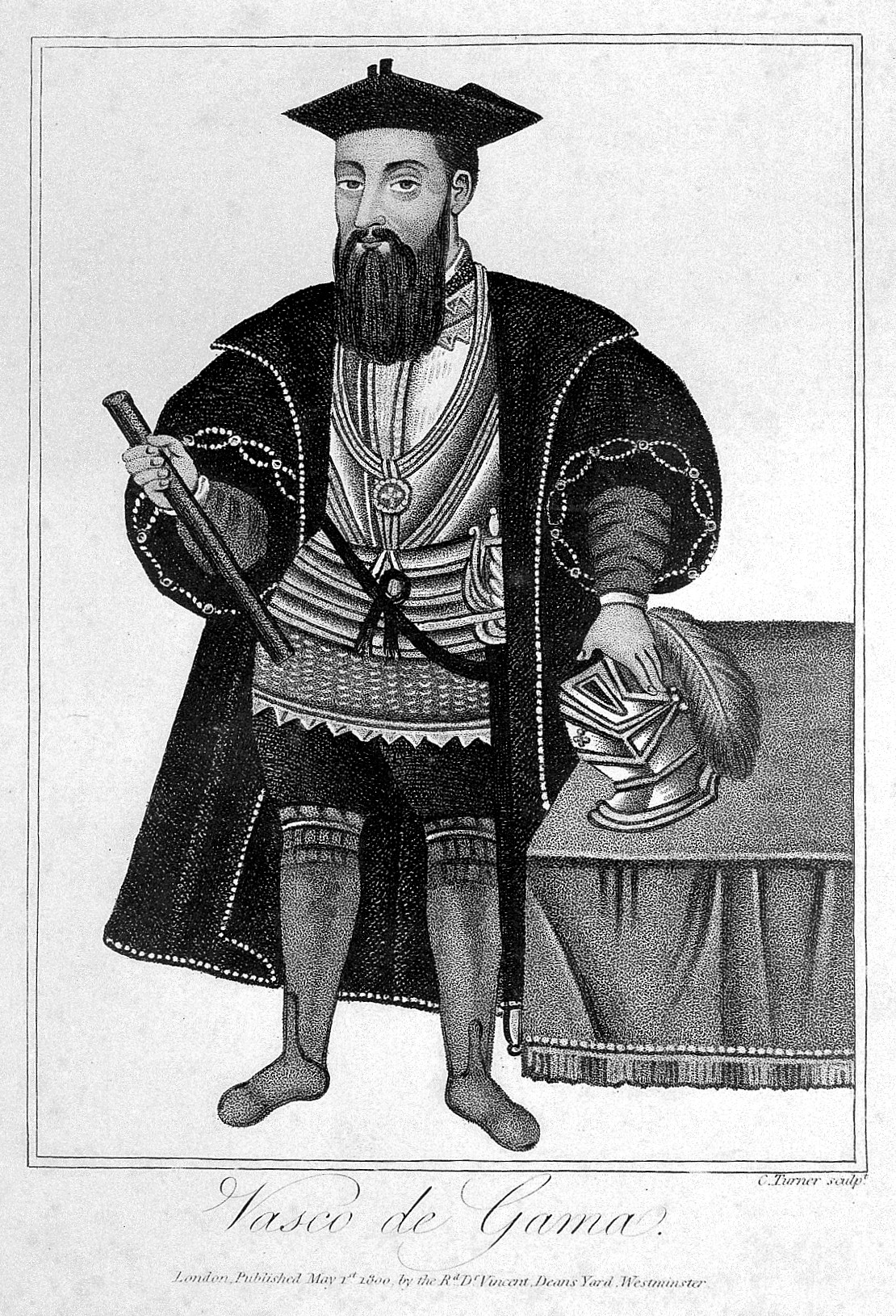
Vasco da Gama (stipple engraving by C. Turner)
C. Turner · 1800
A stipple portrait of Gama engraved by C. Turner in 1800, a later imagined likeness of the explorer.
Shows Gama as an engraver in 1800 imagined him, dressed in armour and a cloak to suggest his rank as an explorer.
About this source
What it is
This is a stipple engraving made by C. Turner in 1800. It shows a bearded man in a dark cloak with pearl trim, a flat black cap and layered armour at the chest and waist. He holds a baton and rests his hand on a draped table beside a helmet with a plume. The caption below reads Vasco de Gama.
Why it matters
Gama sailed from Portugal to India in 1497 and 1498, opening a sea route that changed trade between Europe and Asia. Engravings like this one were made long after his lifetime and helped fix an image of him for readers in later centuries. Because the artist worked more than two hundred years after Gama's death, the likeness reflects the tastes and ideas of 1800 as much as the sixteenth century.
Look closer
- Which objects around Gama, such as the baton, helmet and table, suggest the rank or role the artist wanted to show?
- Why might an engraver in 1800 choose armour and a cloak with pearl trim for an explorer?
- What does this portrait not tell us about what Gama actually looked like?
This painting is part of the curated material that grounds the AI version of Vasco da Gama on Humy.ai — when students ask about related events, the AI can quote it and cite it.
More Vasco da Gama sources
Meet the AI Vasco da Gama →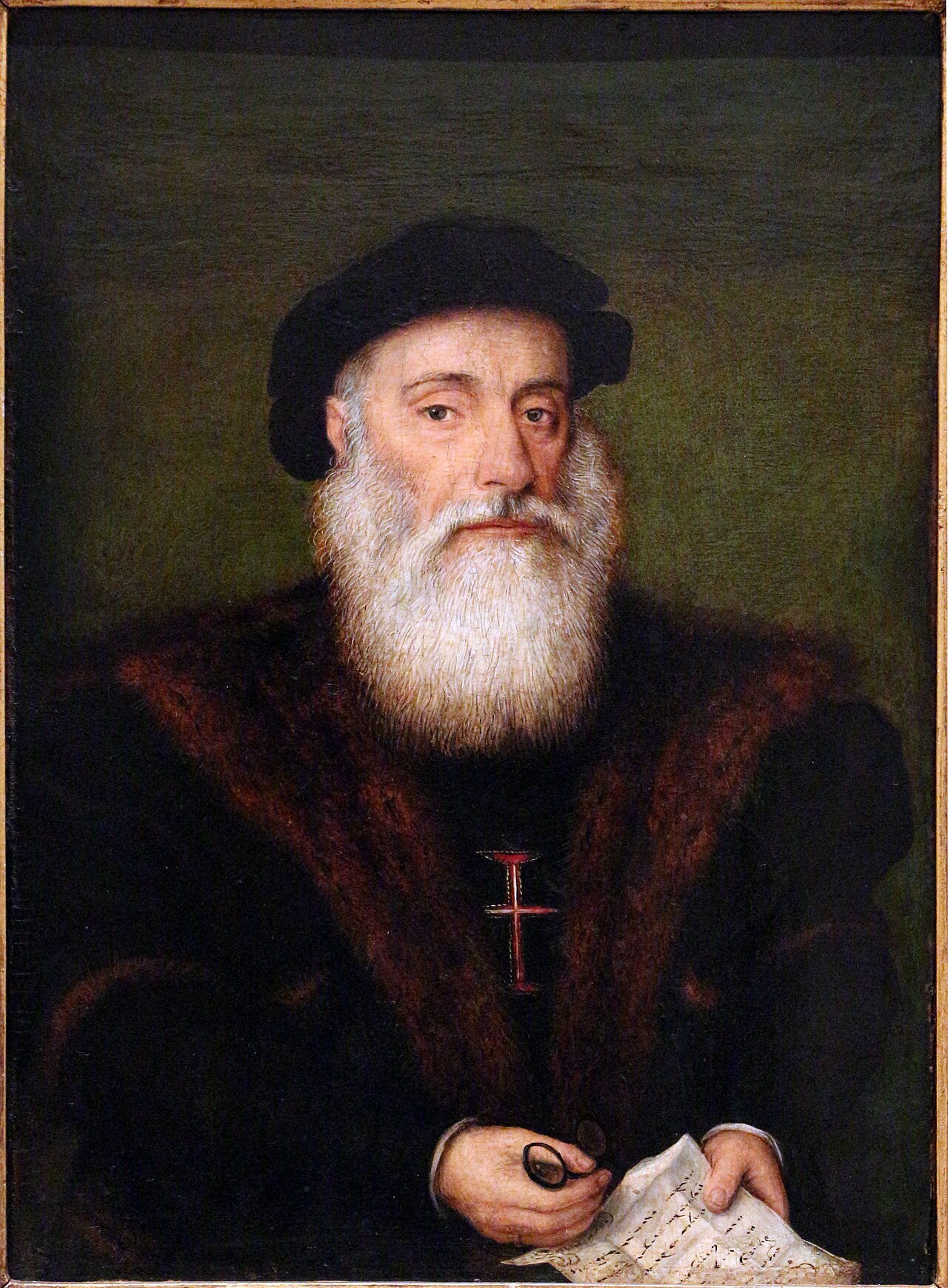 Painting
Secondary source
Portrait of Vasco da Gama
Anonymous · c. 1525
 Painting
Secondary source
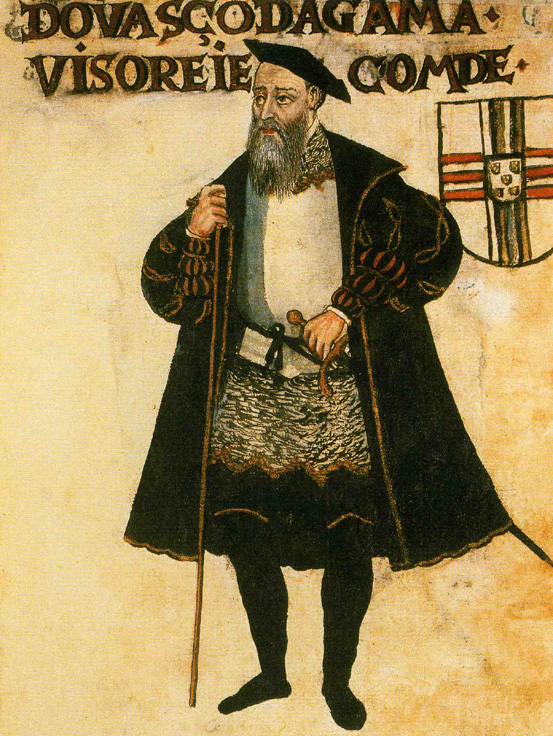
Vasco da Gama, Livro de Lisuarte de Abreu
Livro de Lisuarte de Abreu (compiler unknown) · c. 1565
 Document
Secondary source
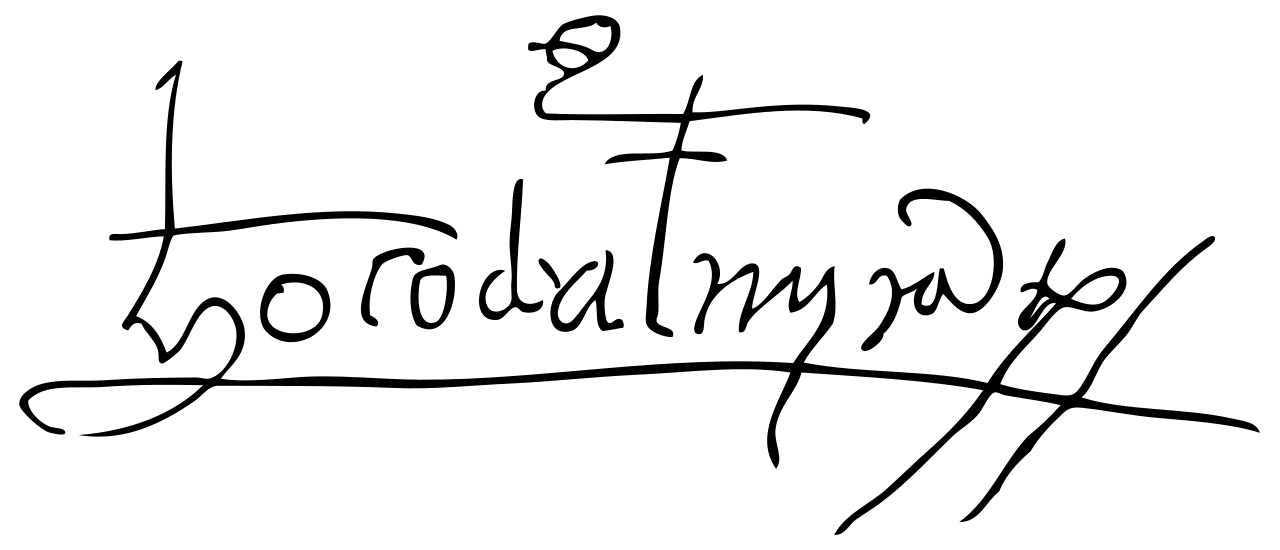
Signature of Vasco da Gama
Vasco da Gama
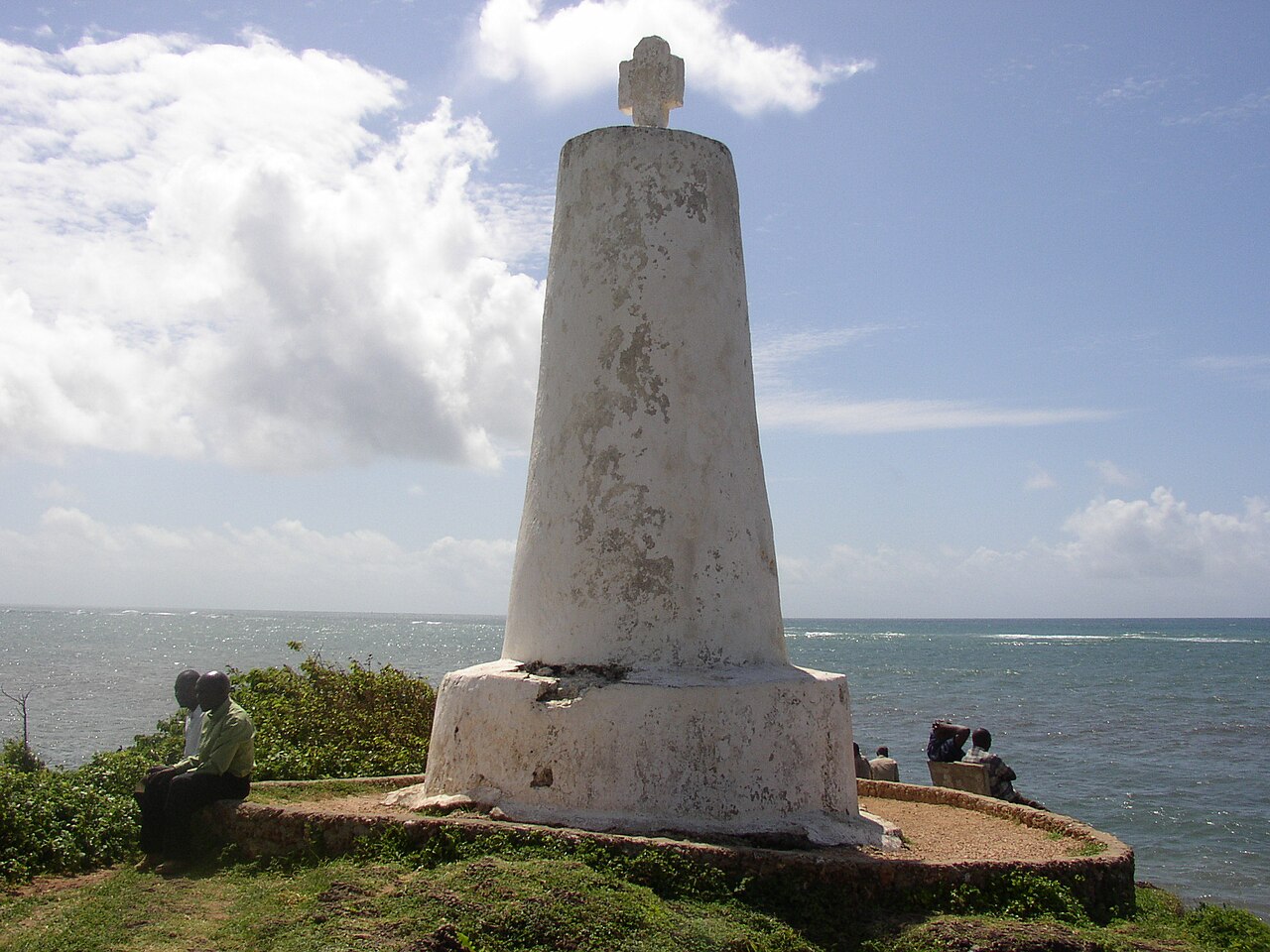 Artifact
Primary source
Vasco da Gama Pillar
1498 or 1499
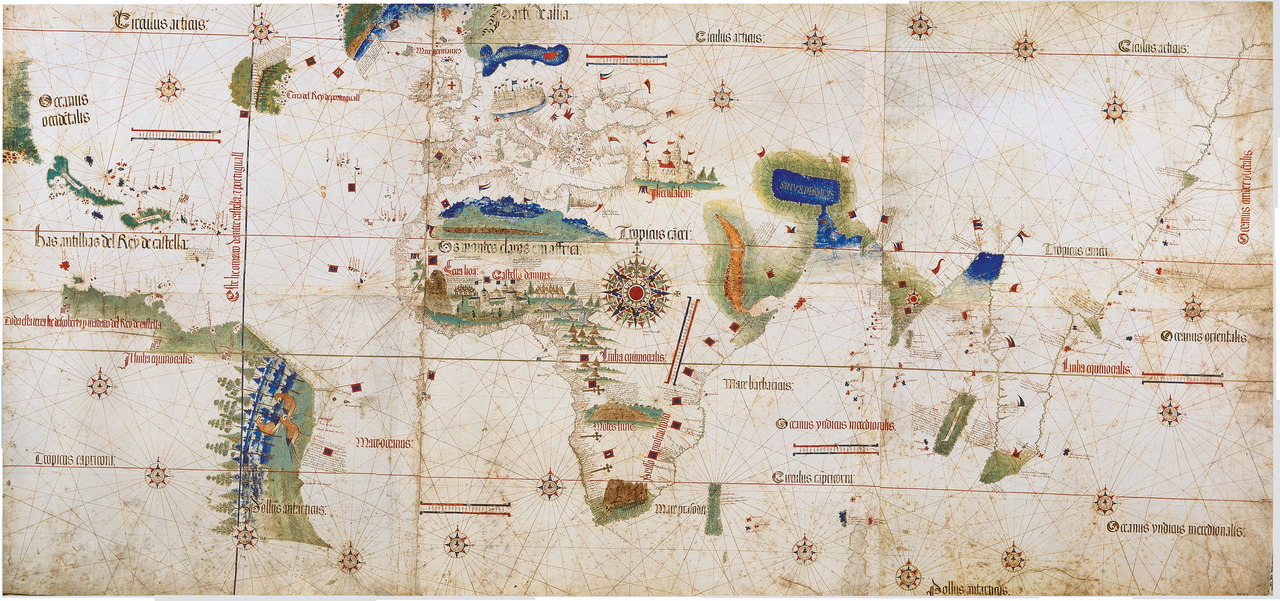 Document
Primary source
Cantino Planisphere
Anonymous Portuguese cartographer · 1502
Ready when you are
Start chatting with Vasco da Gama now.
20 messages free · No credit card · Available in 50+ languages.