


Secondary sourceSculpture1880
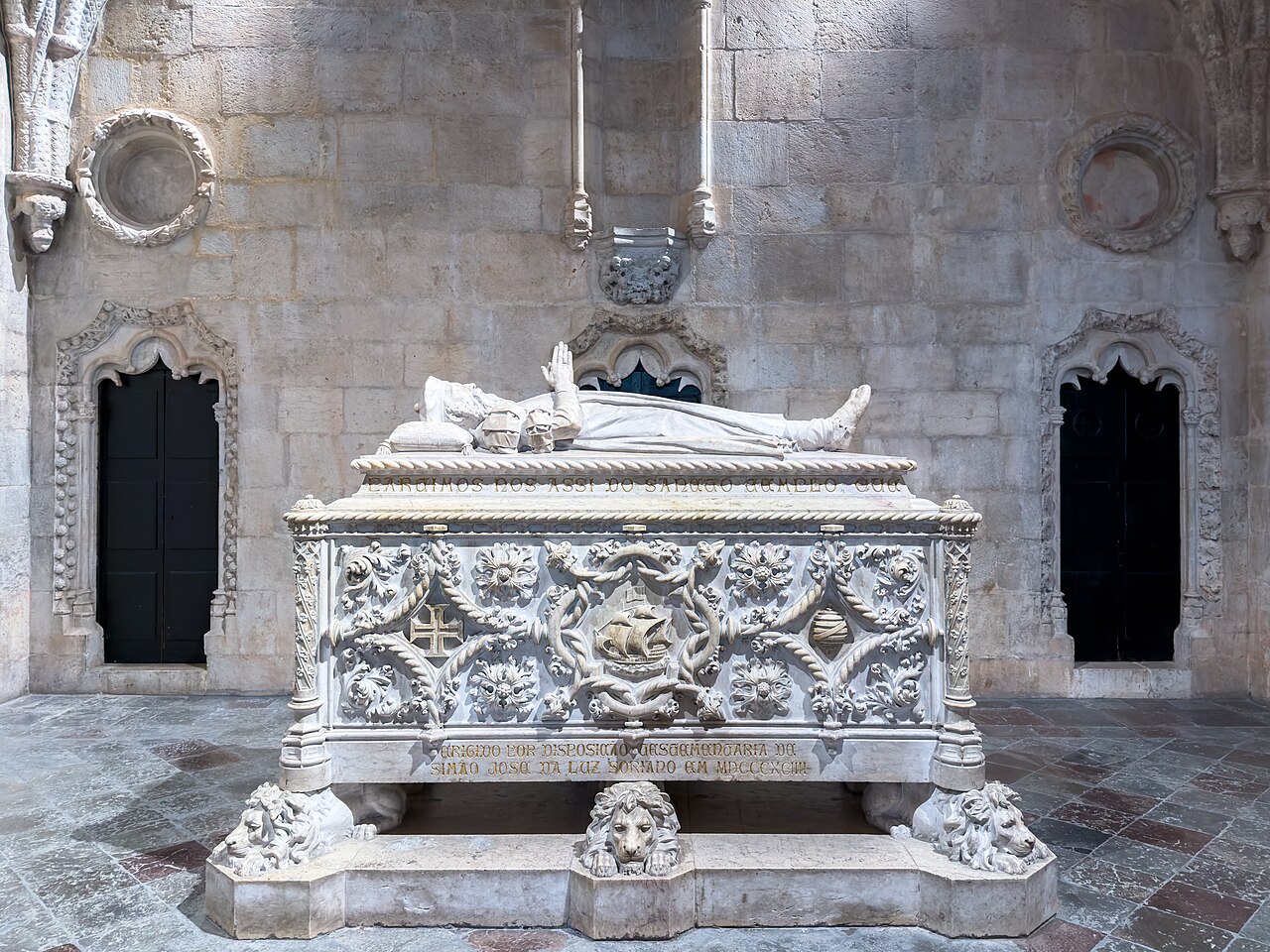
Grave of Vasco da Gama
1880
A 19th-century marble tomb in the Jerónimos Monastery, built to receive da Gama's remains when they were brought from Vidigueira in 1880.
This tomb, built in the 19th century, holds da Gama's remains and reflects his elevation to national hero.
About this source
What it is
This is the tomb monument of Vasco da Gama inside the Jerónimos Monastery in Belém, Lisbon. It is made of white marble and shows a recumbent effigy of a man with his hands folded in prayer, decorated with carved foliage and a shield bearing a ship. Da Gama's remains were moved here from Vidigueira in 1880.
Why it matters
This tomb was created centuries after da Gama's death, as part of a 19th-century effort to honour him as a national hero of Portuguese exploration. Placing him in this grand monastery, near royal tombs, shows how later generations used his memory to celebrate Portugal's history of overseas voyages.
Look closer
- Why do you think da Gama's remains were moved to this monastery centuries after his death?
- What do the carved details, like the ship on the shield, tell you about how he was remembered?
- How might a tomb built long after someone's death differ from one made at the time?
This sculpture is part of the curated material that grounds the AI version of Vasco da Gama on Humy.ai — when students ask about related events, the AI can quote it and cite it.
More Vasco da Gama sources
Meet the AI Vasco da Gama →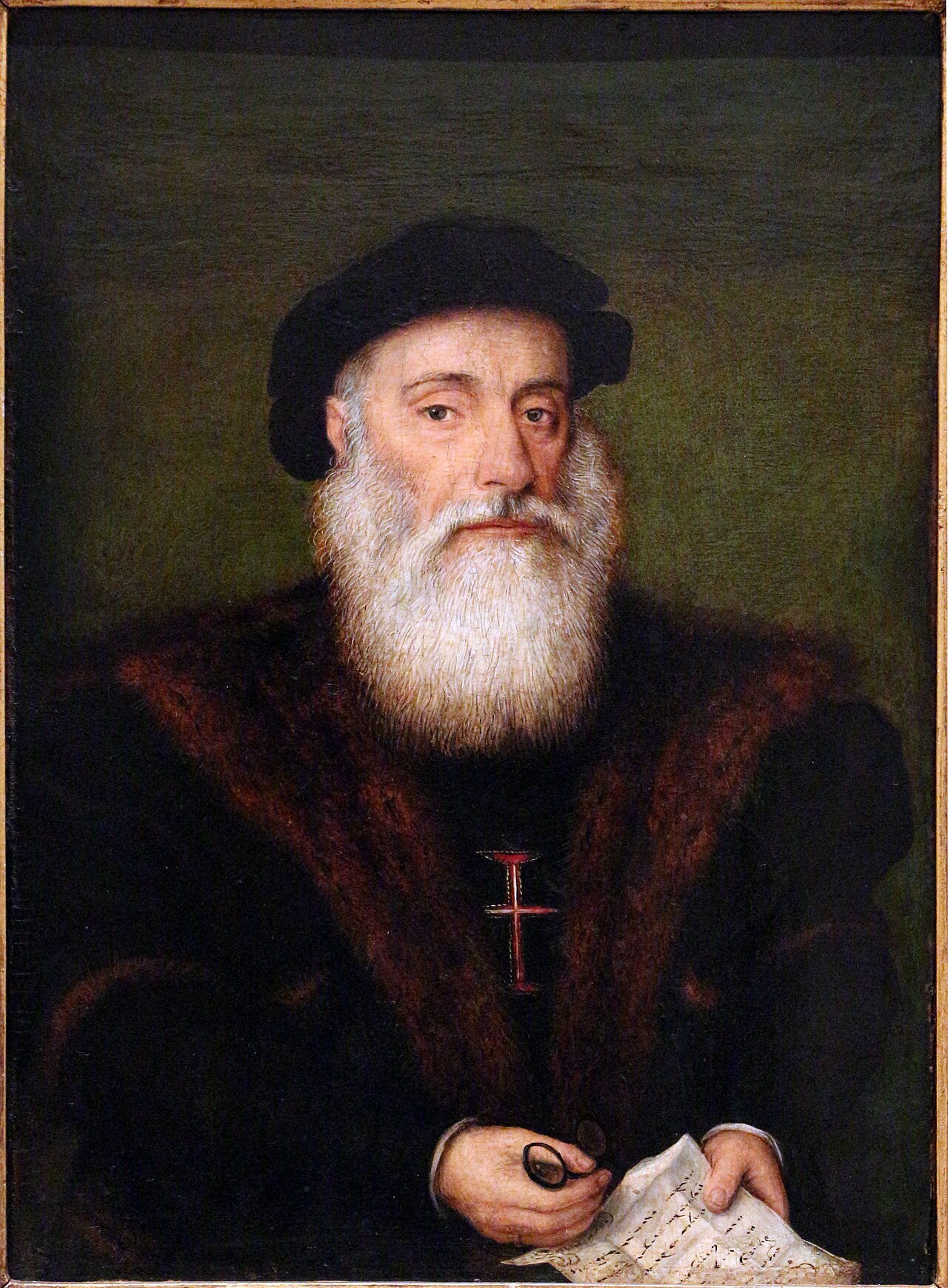 Painting
Secondary source
Portrait of Vasco da Gama
Anonymous · c. 1525
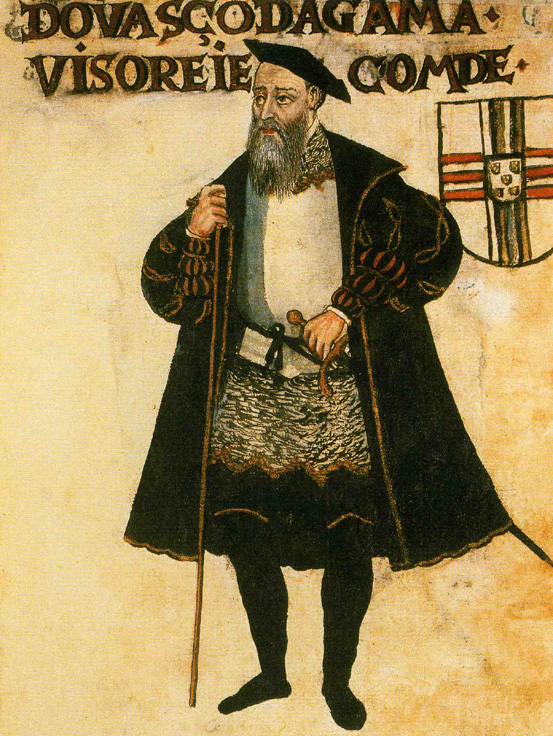 Painting
Secondary source
Vasco da Gama, Livro de Lisuarte de Abreu
Livro de Lisuarte de Abreu (compiler unknown) · c. 1565
 Document
Secondary source
Signature of Vasco da Gama
Vasco da Gama
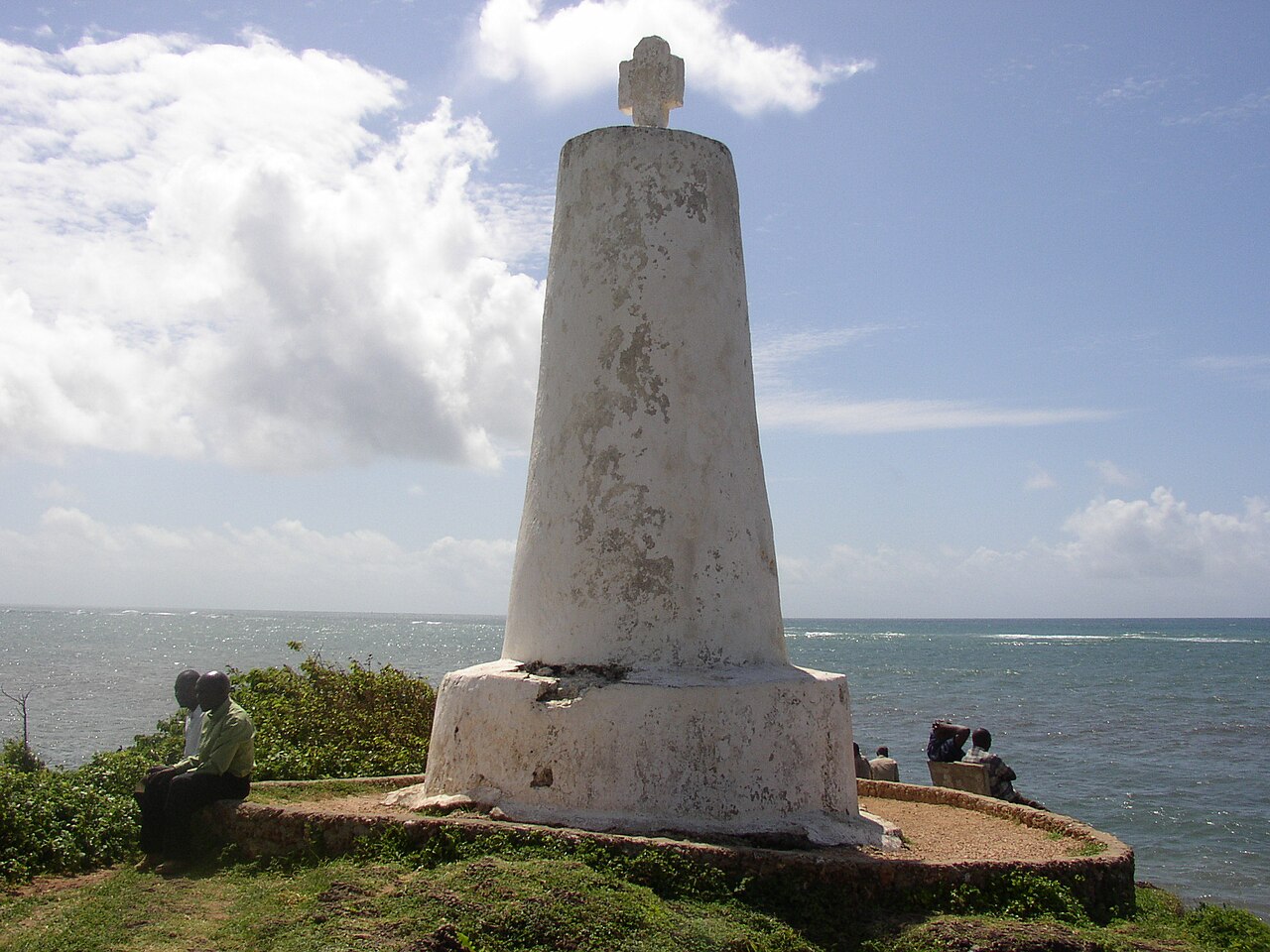 Artifact
Primary source
Vasco da Gama Pillar
1498 or 1499
 Document
Primary source
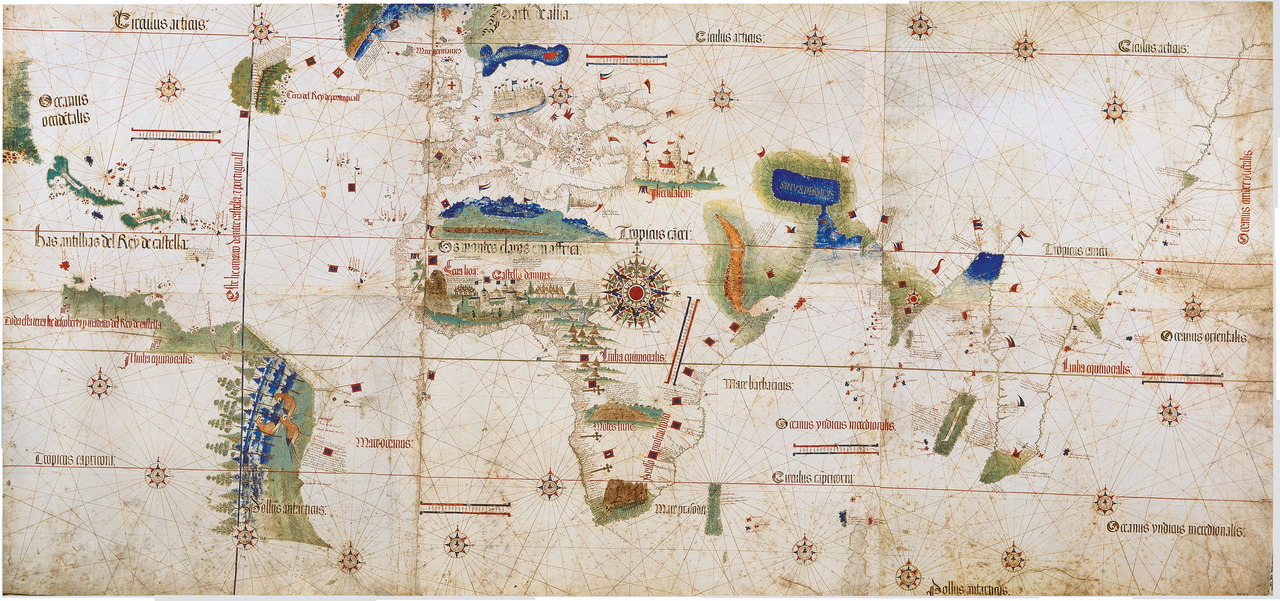
Cantino Planisphere
Anonymous Portuguese cartographer · 1502
Ready when you are
Start chatting with Vasco da Gama now.
20 messages free · No credit card · Available in 50+ languages.