


Secondary sourcePhotograph2013-01-20
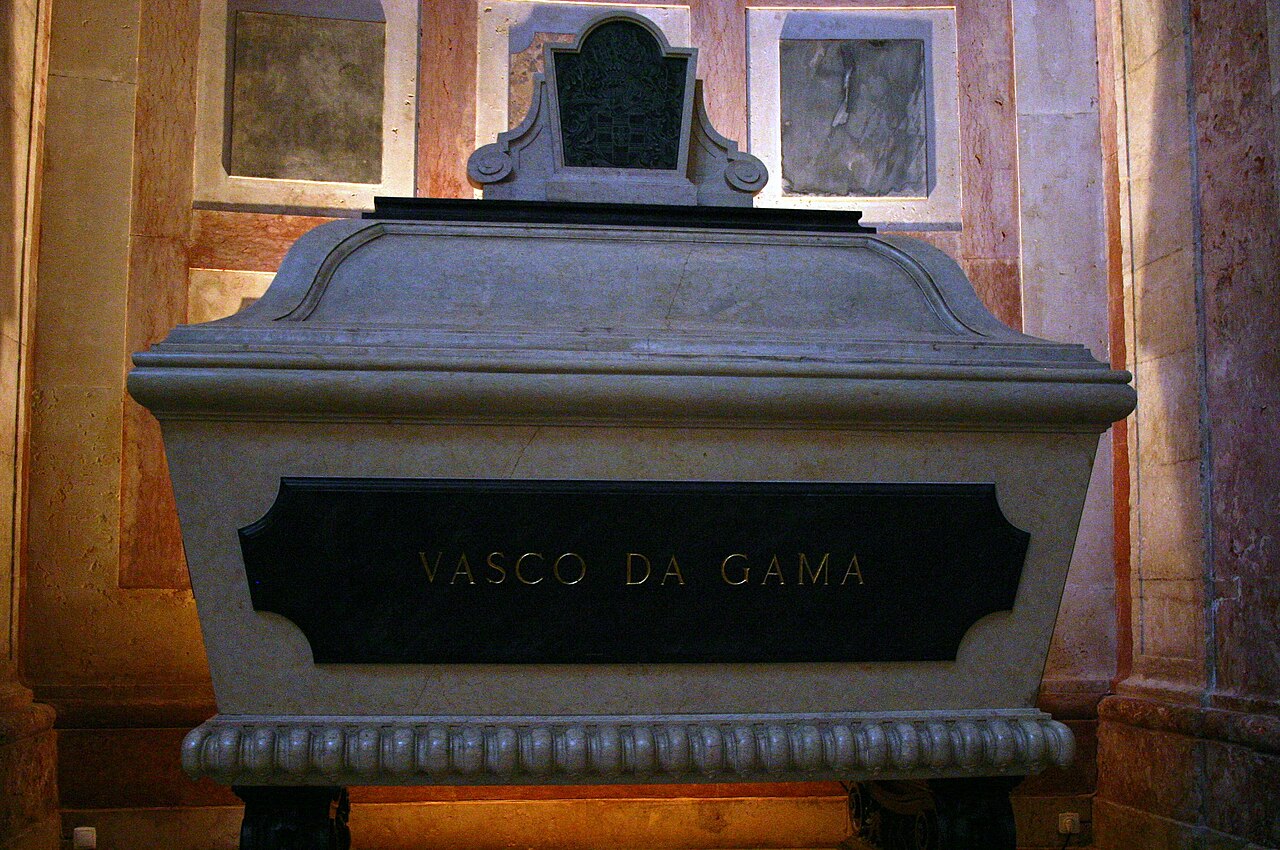
Tomb of Vasco da Gama, Santa Engrácia
José Luiz · 2013-01-20
A photograph of a later commemorative tomb of Vasco da Gama in the Santa Engrácia pantheon in Lisbon. It is a memorial, not his original burial place.
Shows how Gama is commemorated in Lisbon, a later memorial that marks his place in Portuguese memory rather than his own life.
About this source
What it is
This is a 2013 photograph by José Luiz showing a white marble sarcophagus-style tomb with a black panel inscribed VASCO DA GAMA in gold letters. The tomb sits in a stone alcove with a carved marble crest above it, inside a pinkish-marbled chamber. It stands in the Lisbon pantheon at Santa Engrácia.
Why it matters
The photograph shows how Portugal later chose to honour Vasco da Gama, the explorer who reached India by sea in 1497 and 1498. The tomb was built long after his death in 1524, so it reflects how later generations remembered him rather than his own time. Records describe it as a memorial, not the original burial.
Look closer
- What materials and decorations were used to make the tomb look important?
- Why might a nation build a grand memorial for a person centuries after they died?
- What does this monument leave out about the people Gama's voyages affected?
This photograph is part of the curated material that grounds the AI version of Vasco da Gama on Humy.ai — when students ask about related events, the AI can quote it and cite it.
More Vasco da Gama sources
Meet the AI Vasco da Gama →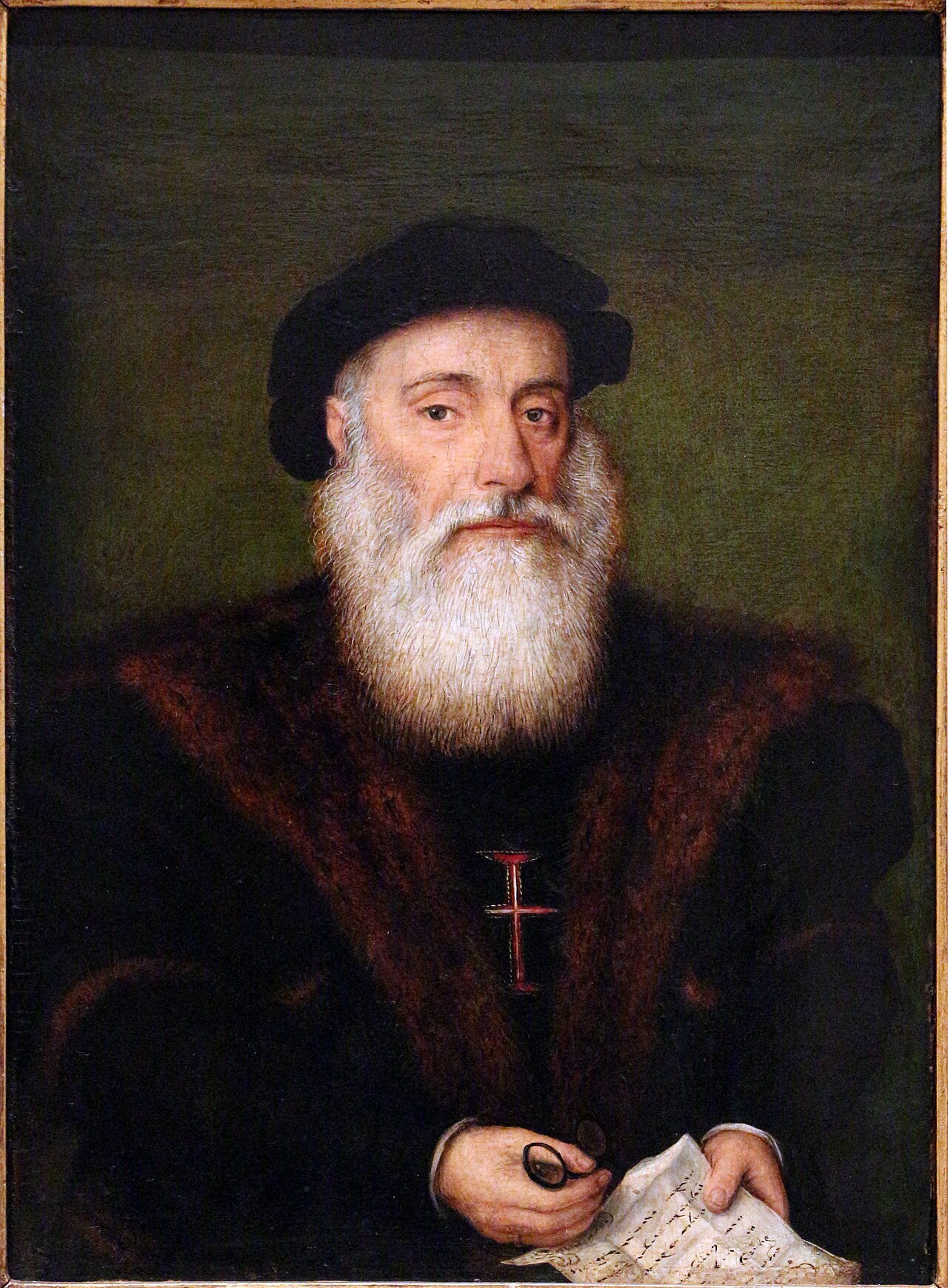 Painting
Secondary source
Portrait of Vasco da Gama
Anonymous · c. 1525
 Painting
Secondary source
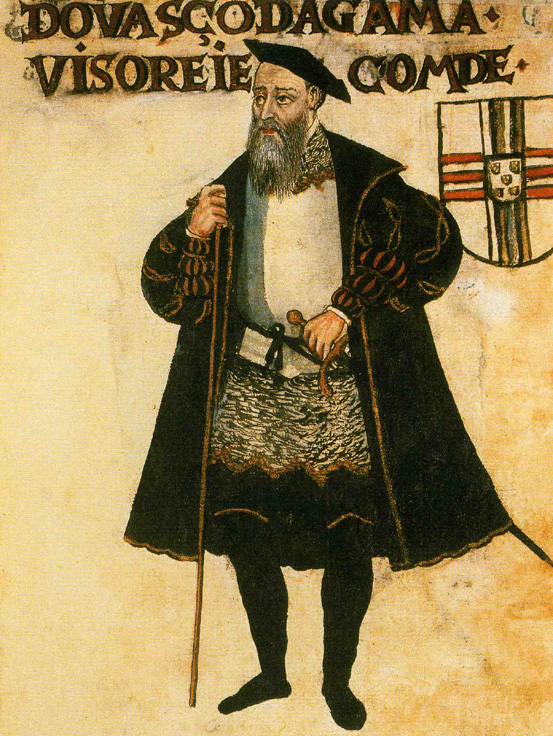
Vasco da Gama, Livro de Lisuarte de Abreu
Livro de Lisuarte de Abreu (compiler unknown) · c. 1565
 Document
Secondary source
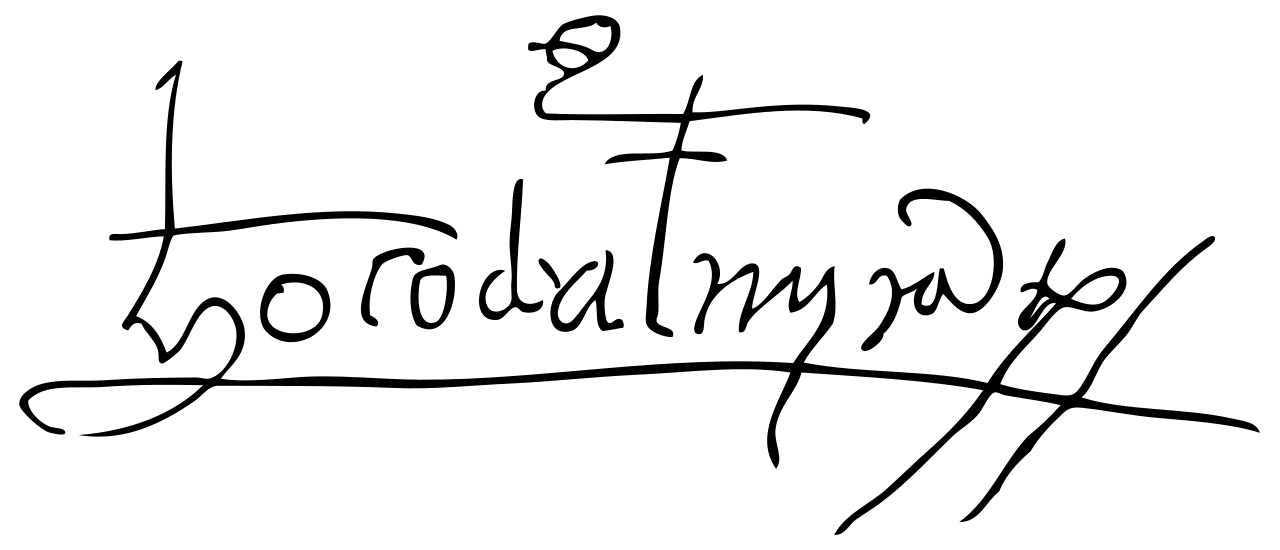
Signature of Vasco da Gama
Vasco da Gama
 Artifact
Primary source
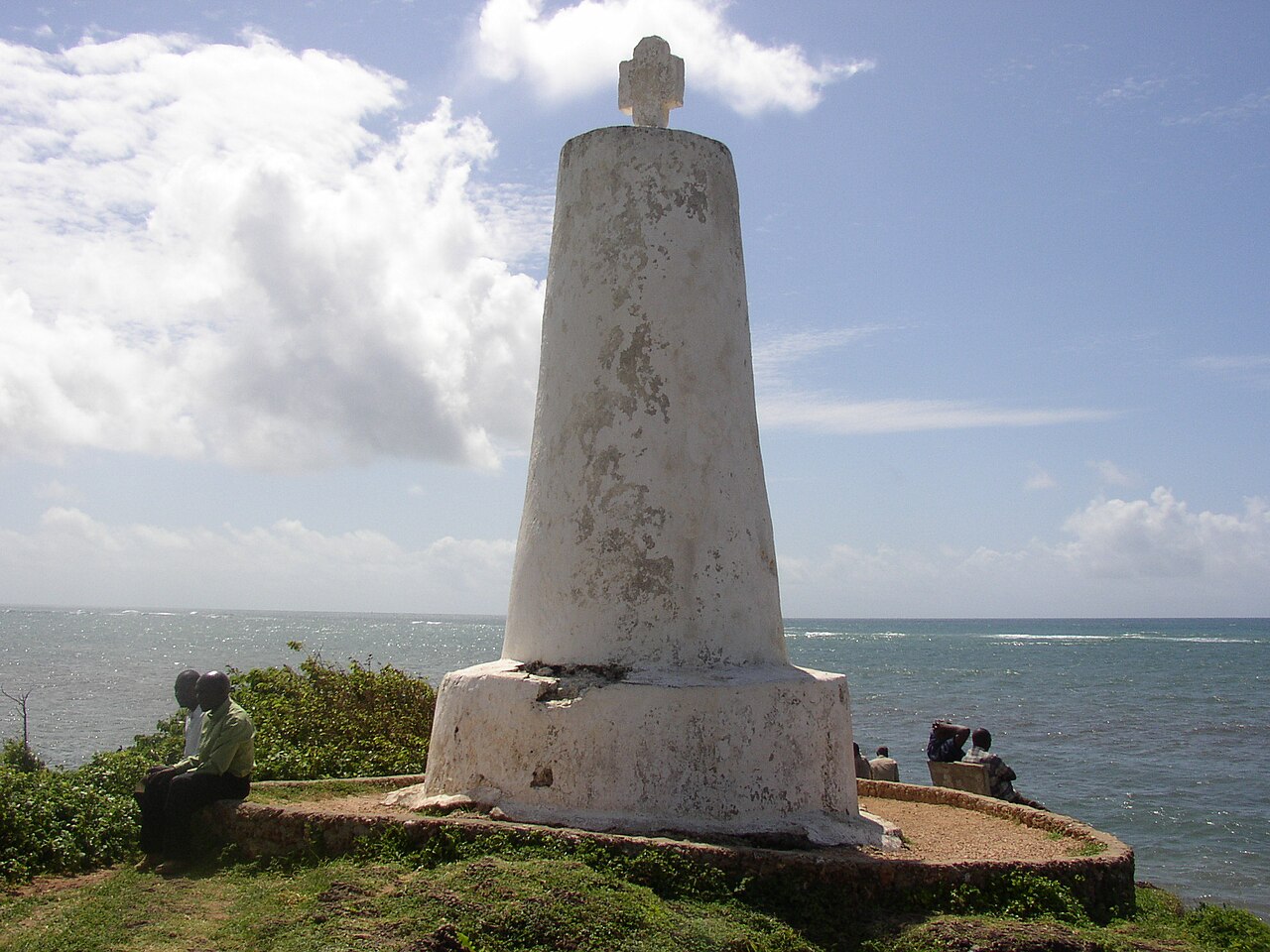
Vasco da Gama Pillar
1498 or 1499
 Document
Primary source
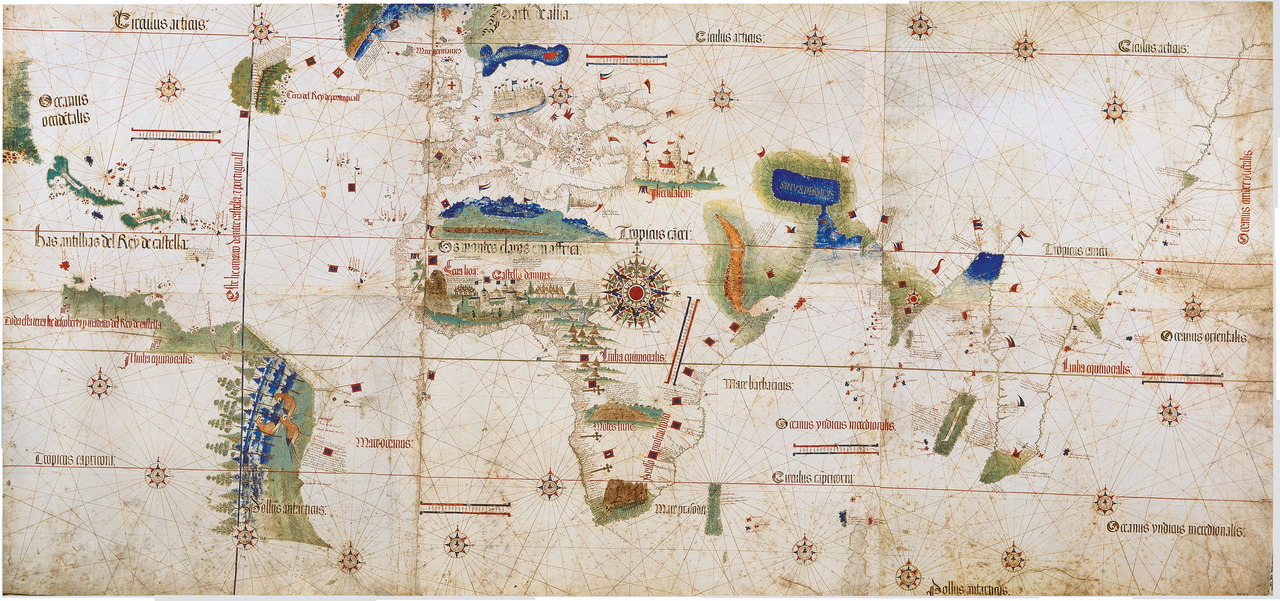
Cantino Planisphere
Anonymous Portuguese cartographer · 1502
Ready when you are
Start chatting with Vasco da Gama now.
20 messages free · No credit card · Available in 50+ languages.