


Secondary sourcePainting1838
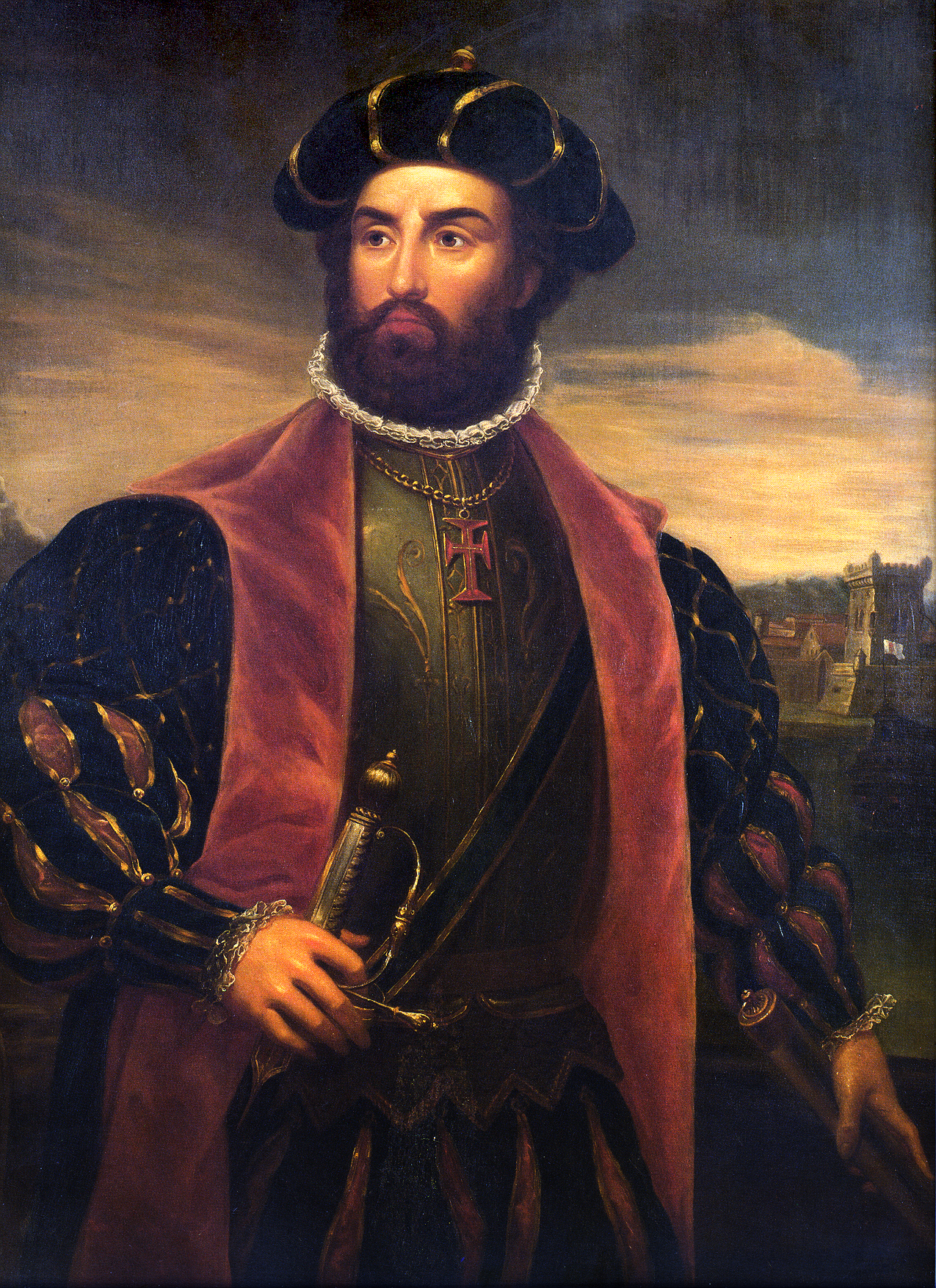
Portrait of Vasco da Gama
António Manuel da Fonseca · 1838
An 1838 oil painting imagining the appearance of Vasco da Gama, painted long after his death by António Manuel da Fonseca.
This later imagined portrait shows how Vasco da Gama came to be pictured and remembered after his death.
About this source
What it is
This oil painting, made in 1838 by the Portuguese artist António Manuel da Fonseca, shows a bearded man dressed in richly decorated clothing of the kind worn by Portuguese nobles. It is a later, imagined portrait of Vasco da Gama, painted centuries after he lived.
Why it matters
Because no confirmed portrait was painted during da Gama's own lifetime, images like this one shaped how later generations pictured the explorer. It shows how 19th-century Portugal wanted to remember and honour da Gama as a heroic national figure, through clothing, pose and setting chosen by the artist rather than from direct observation.
Look closer
- What details of clothing and pose make this man look important or heroic?
- Since this was painted centuries after da Gama died, where might the artist have gotten ideas for his appearance?
- What does this painting tell us about how Portugal wanted to remember Vasco da Gama, rather than what he actually looked like?
This painting is part of the curated material that grounds the AI version of Vasco da Gama on Humy.ai — when students ask about related events, the AI can quote it and cite it.
More Vasco da Gama sources
Meet the AI Vasco da Gama →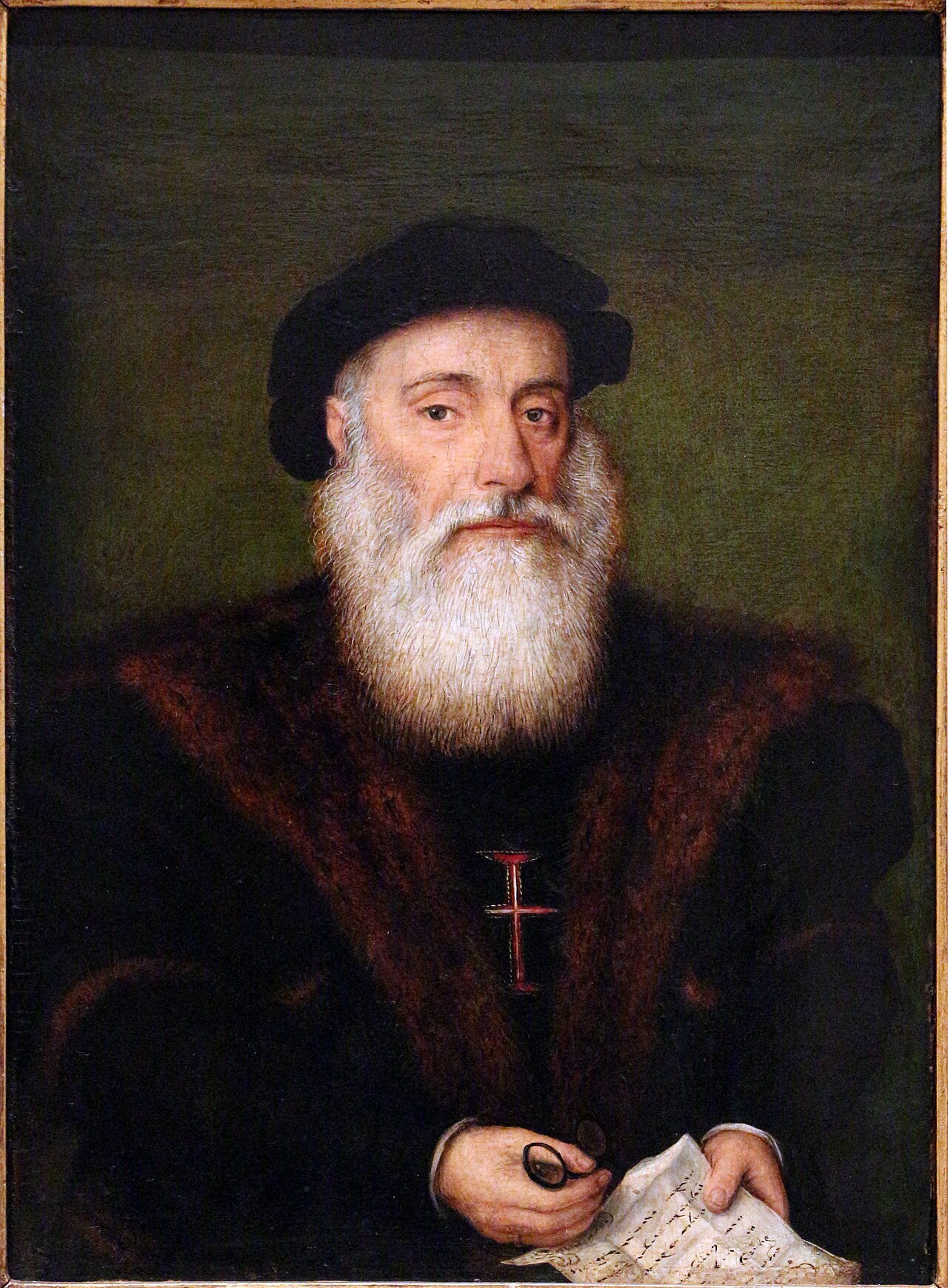 Painting
Secondary source
Portrait of Vasco da Gama
Anonymous · c. 1525
 Painting
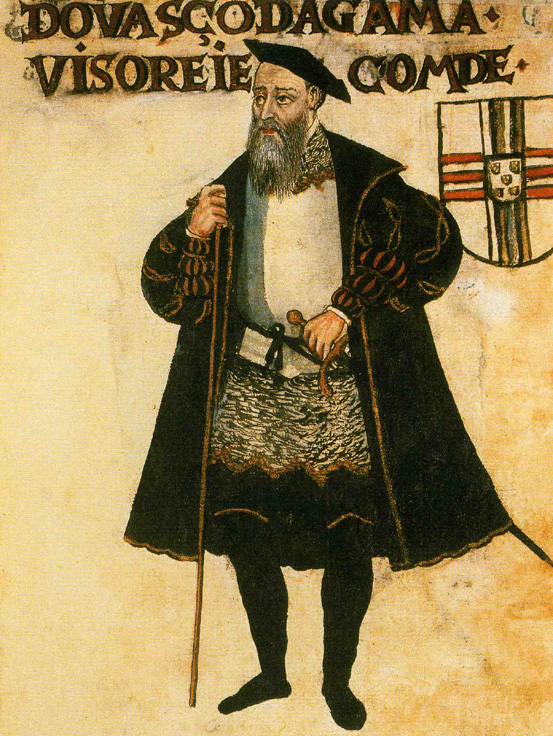
Secondary source
Vasco da Gama, Livro de Lisuarte de Abreu
Livro de Lisuarte de Abreu (compiler unknown) · c. 1565
 Document
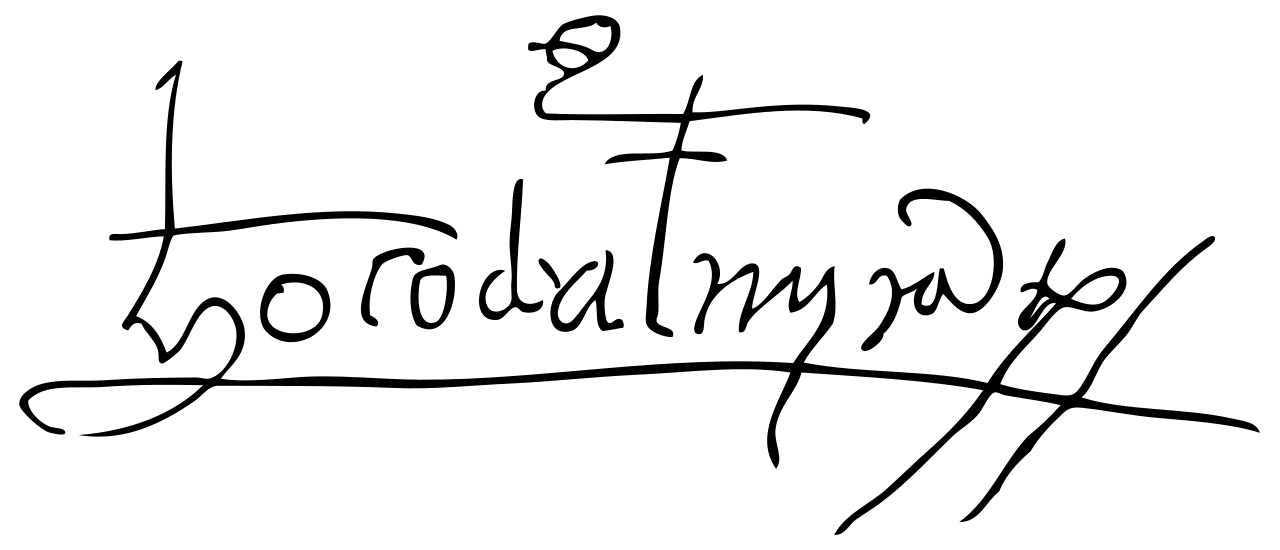
Secondary source
Signature of Vasco da Gama
Vasco da Gama
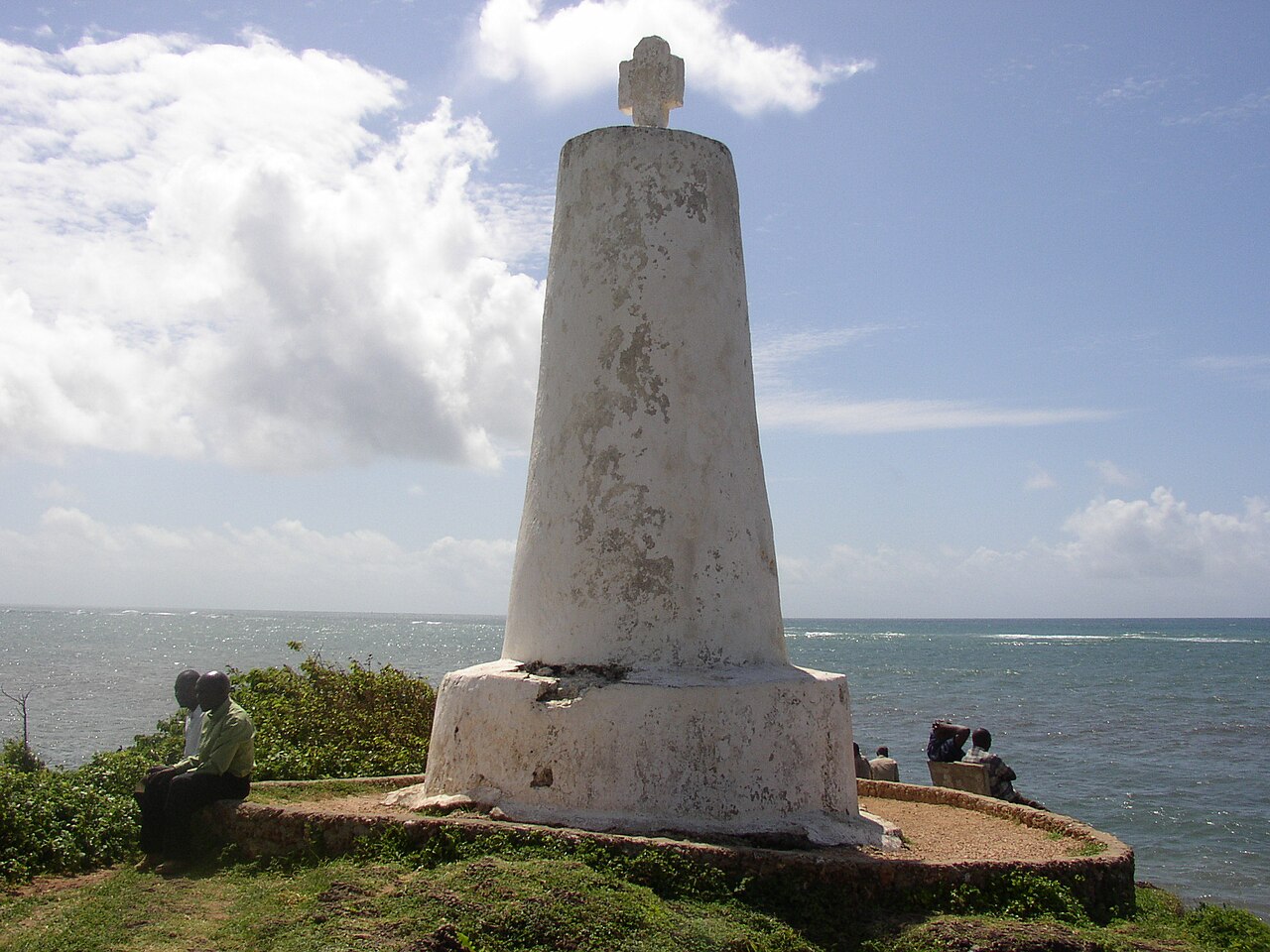 Artifact
Primary source
Vasco da Gama Pillar
1498 or 1499
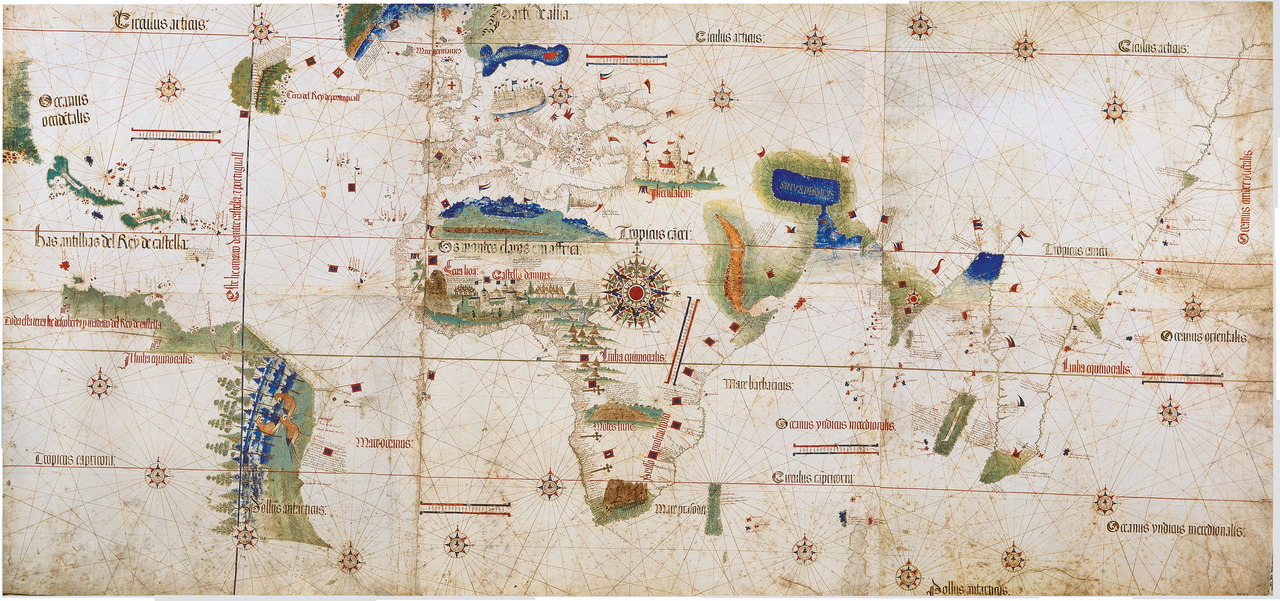 Document
Primary source
Cantino Planisphere
Anonymous Portuguese cartographer · 1502
Ready when you are
Start chatting with Vasco da Gama now.
20 messages free · No credit card · Available in 50+ languages.