


Primary sourceArtifact1506
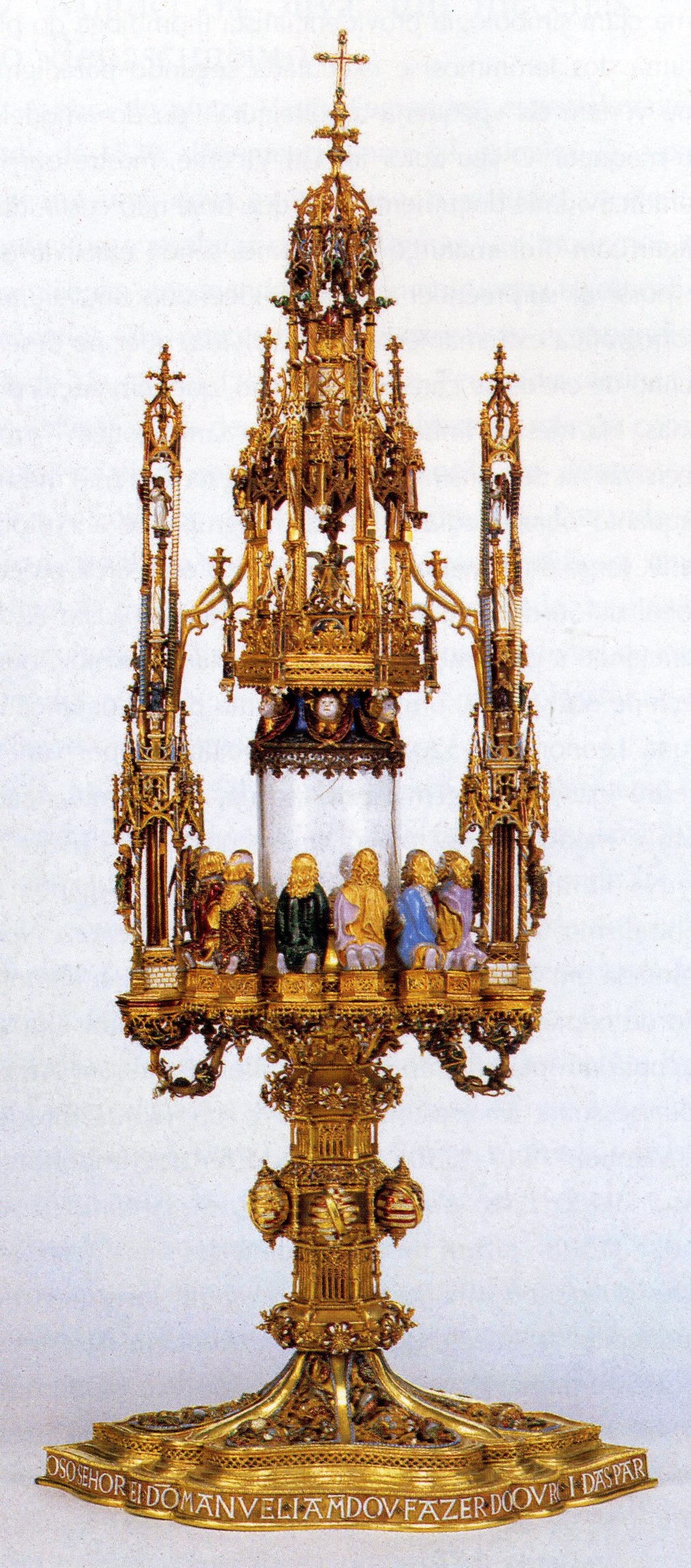
Custódia de Belém
Gil Vicente · 1506
A gold monstrance made in 1506 from gold that da Gama collected as tribute from the ruler of Kilwa on his second voyage to India.
Made from tribute gold da Gama extracted from Kilwa's ruler, turning his coercive diplomacy into a lasting object.
About this source
What it is
The Belém Monstrance is a gold and enamel monstrance, a vessel used to display a consecrated host in church. It was made in 1506 by the Portuguese goldsmith Gil Vicente, commissioned by King Manuel I, and is now held by the National Museum of Ancient Art in Lisbon. Its inscription states it was made from gold taken as tribute from Kilwa, on Vasco da Gama's second voyage of 1502.
Why it matters
This object connects religious art directly to the force used during Portugal's expansion into the Indian Ocean. The ruler of Kilwa was made to pay tribute to Portugal, and that gold was turned into a sacred object for the Portuguese crown's own chapel. It shows how da Gama's voyages combined diplomacy backed by threat of violence, religion and royal wealth.
Look closer
- What does the inscription tell you about how this gold was obtained?
- Why might a king choose to turn tribute gold into a religious object rather than coins?
- What does the object not tell you about the people of Kilwa who paid this tribute?
This artifact is part of the curated material that grounds the AI version of Vasco da Gama on Humy.ai — when students ask about related events, the AI can quote it and cite it.
More Vasco da Gama sources
Meet the AI Vasco da Gama →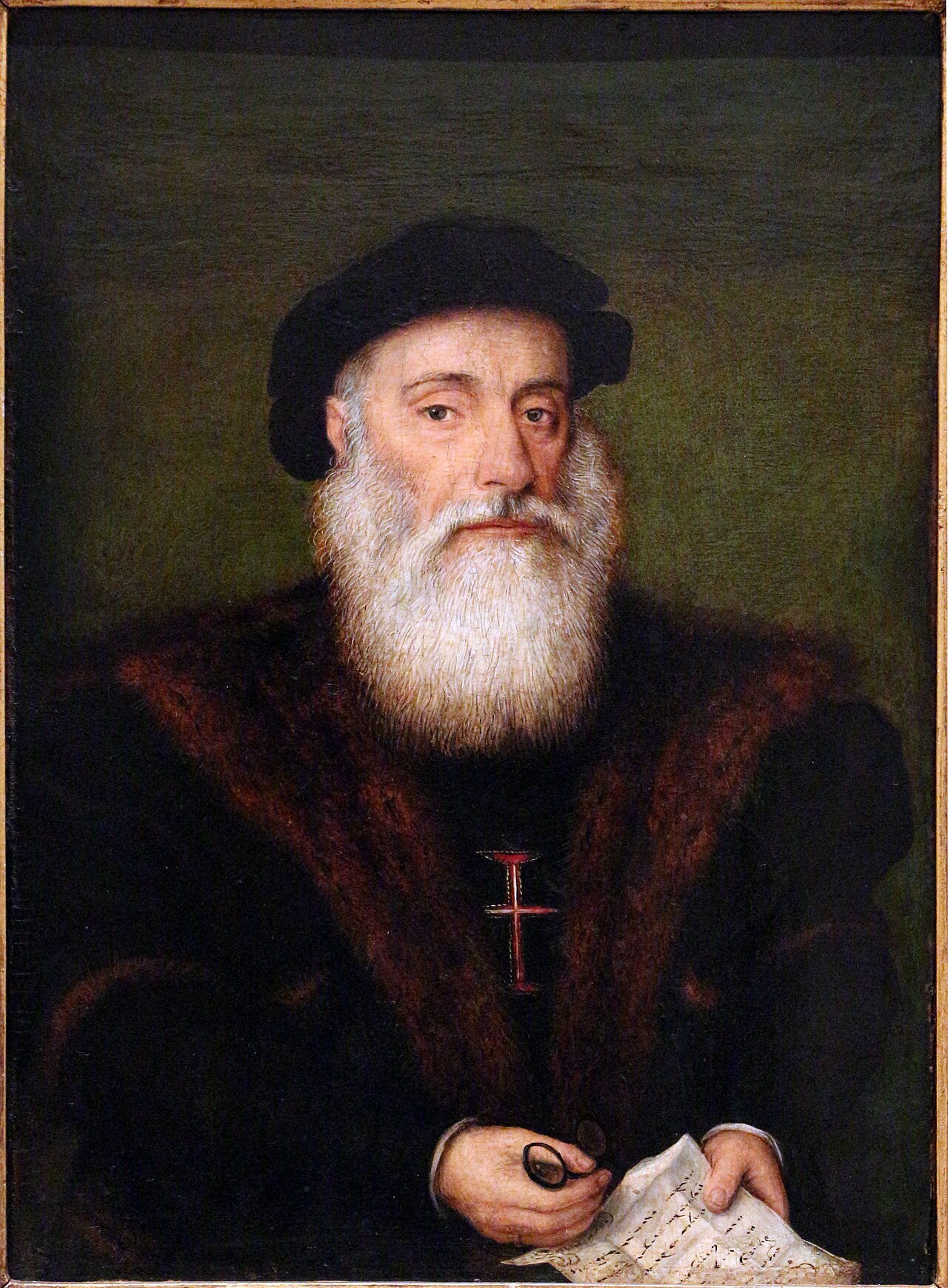 Painting
Secondary source
Portrait of Vasco da Gama
Anonymous · c. 1525
 Painting
Secondary source
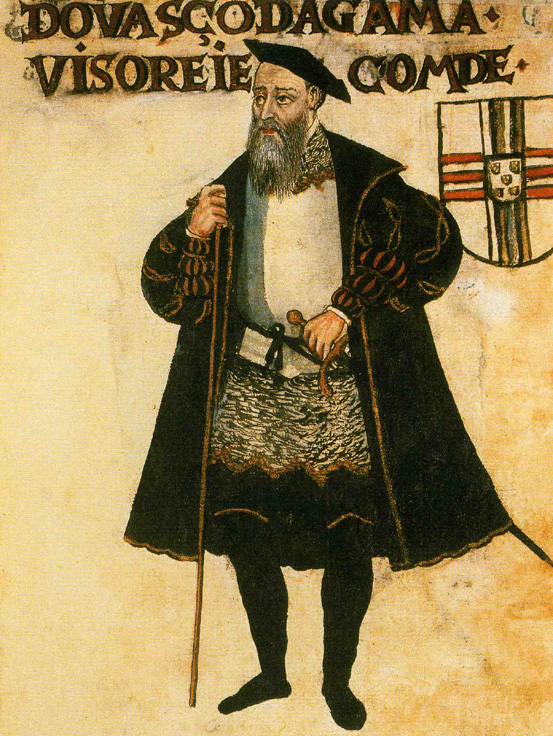
Vasco da Gama, Livro de Lisuarte de Abreu
Livro de Lisuarte de Abreu (compiler unknown) · c. 1565
 Document
Secondary source
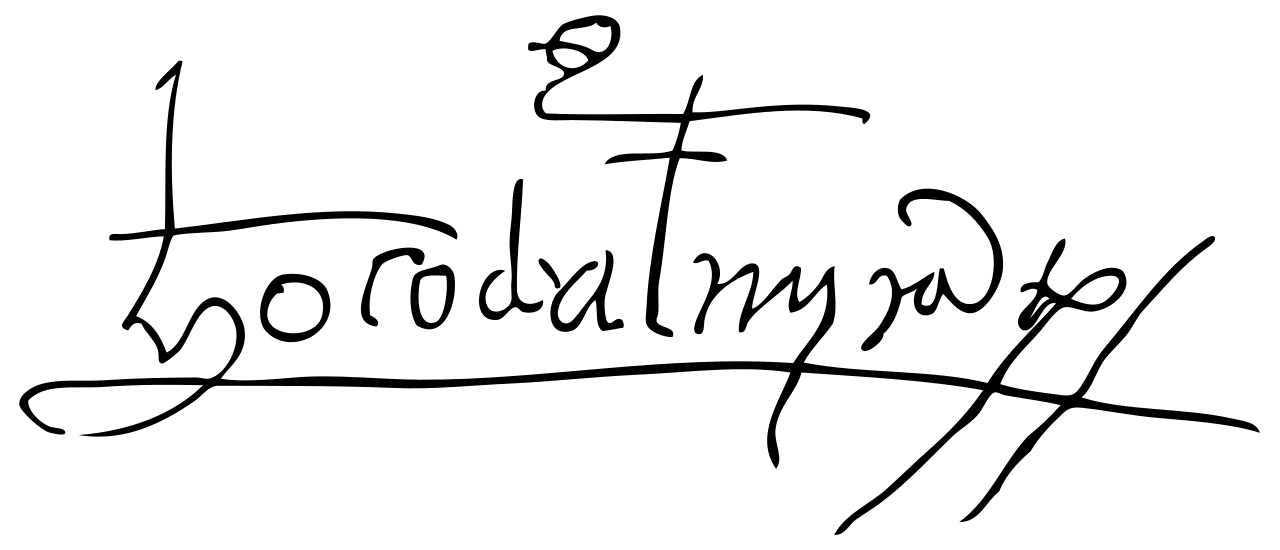
Signature of Vasco da Gama
Vasco da Gama
 Artifact
Primary source
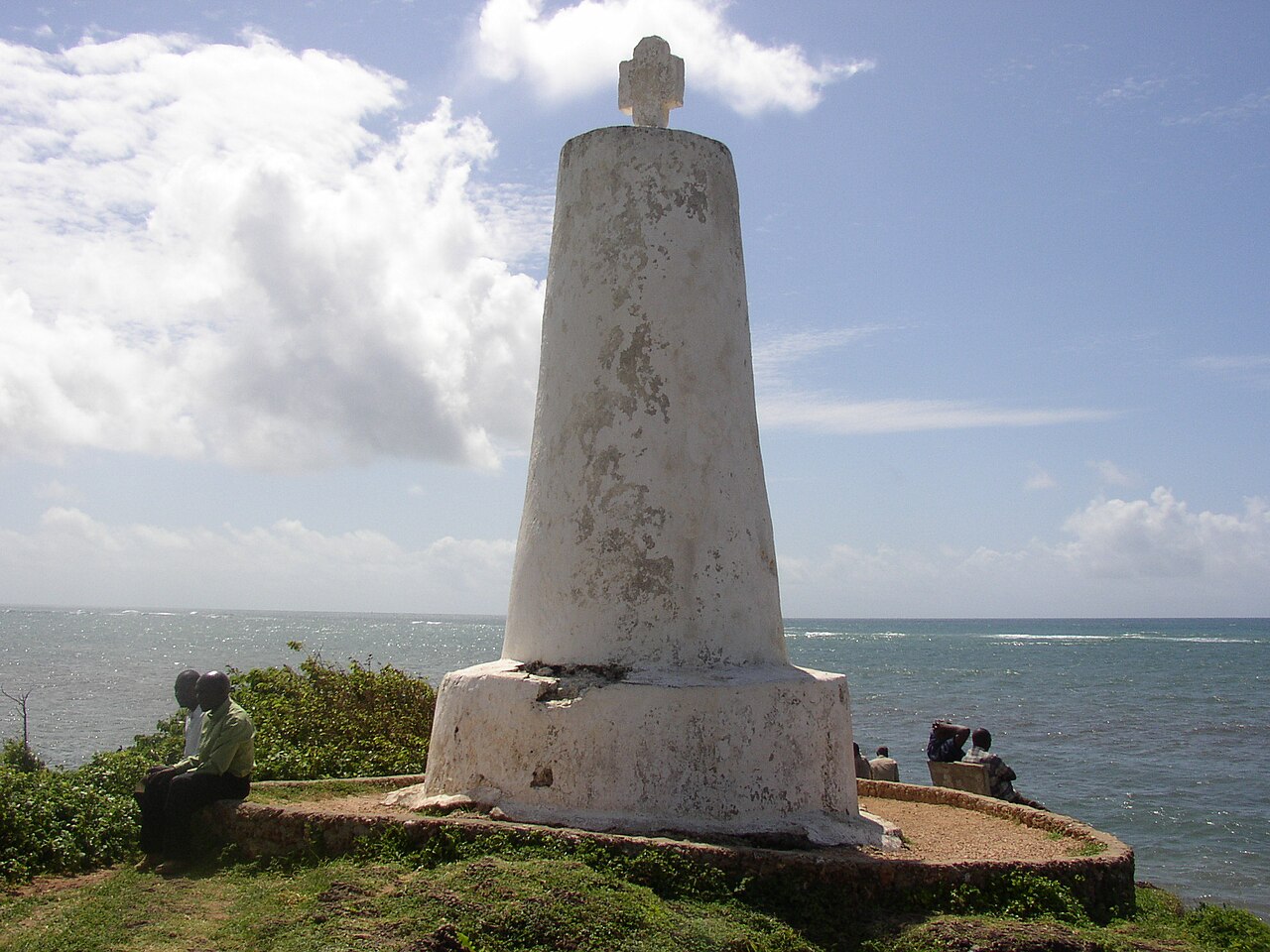
Vasco da Gama Pillar
1498 or 1499
 Document
Primary source
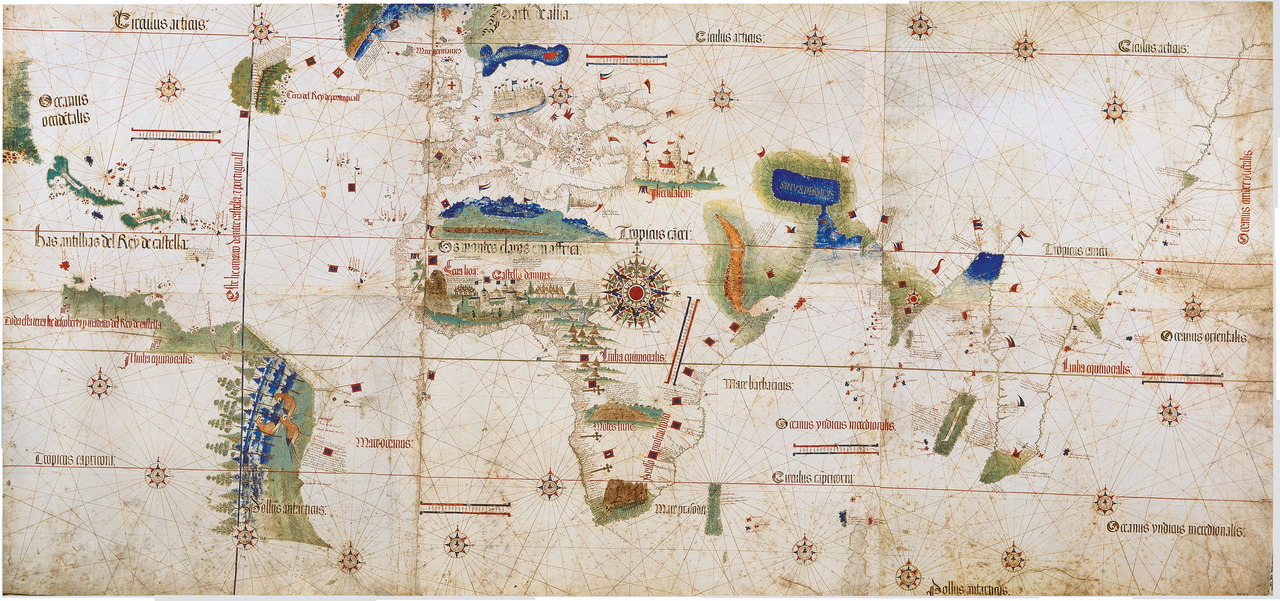
Cantino Planisphere
Anonymous Portuguese cartographer · 1502
Ready when you are
Start chatting with Vasco da Gama now.
20 messages free · No credit card · Available in 50+ languages.