


Secondary sourcePainting1666
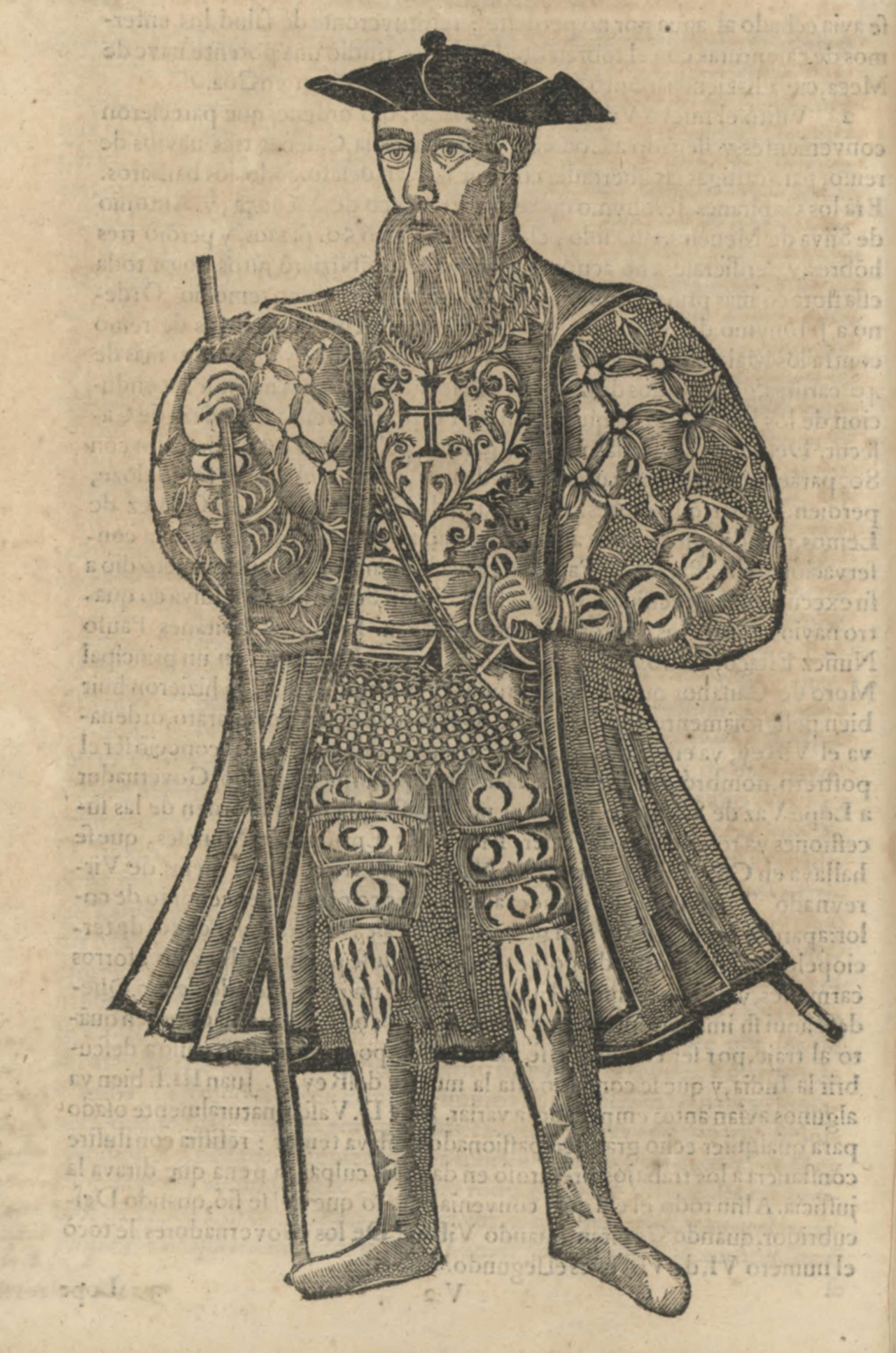
Vasco da Gama Engraving in Asia Portuguesa
Manuel de Faria y Sousa · 1666
An engraved portrait of Vasco da Gama printed in Manuel de Faria y Sousa's 1666 history of Portuguese Asia. It presents Gama as seen by a 17th-century historian.
Shows how Gama was portrayed in a 1666 history of Portuguese Asia, written by a historian long after his voyages.
About this source
What it is
This is an engraved portrait of Vasco da Gama. It appeared in Asia Portuguesa, a 1666 history of Portuguese activity in Asia by Manuel de Faria y Sousa. The image shows a bearded man in a wide-brimmed hat and an embroidered long coat, holding a staff in his left hand and a sword hilt at his waist. He stands in front of a printed page of text.
Why it matters
The engraving was made more than a century after Gama's death in 1524. It shows how later writers and printers imagined the explorer and presented him to readers of their own time. The book itself was a history written long after the voyages, so it adds an interpretation of the past rather than a firsthand record.
Look closer
- What clothing and objects does the engraver give Gama, and what might they suggest about how he should be seen?
- Why might a history of Portuguese Asia include a portrait of its explorer?
- How can you tell whether this portrait is based on a real likeness or on the engraver's imagination?
This painting is part of the curated material that grounds the AI version of Vasco da Gama on Humy.ai — when students ask about related events, the AI can quote it and cite it.
More Vasco da Gama sources
Meet the AI Vasco da Gama →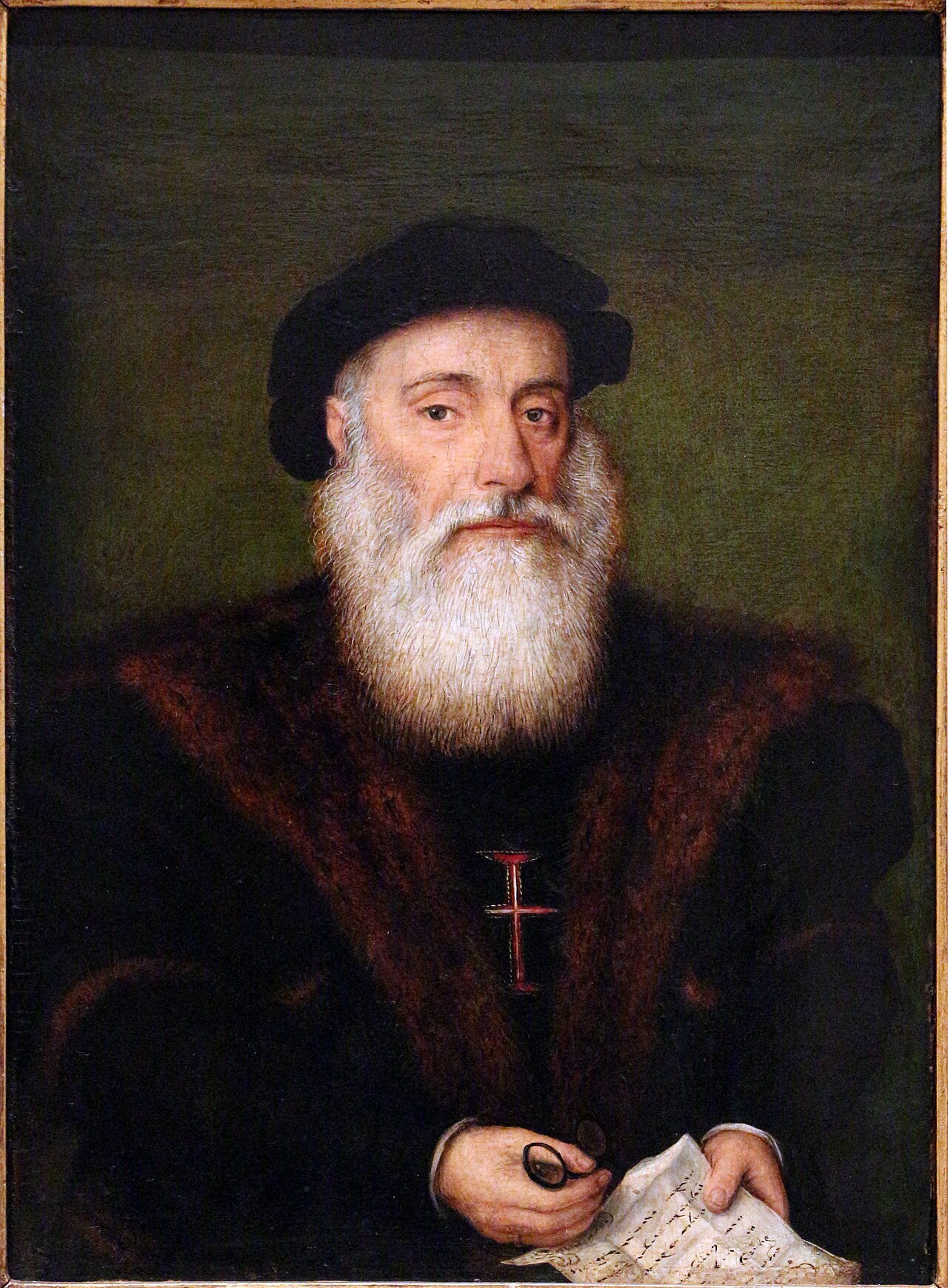 Painting
Secondary source
Portrait of Vasco da Gama
Anonymous · c. 1525
 Painting
Secondary source
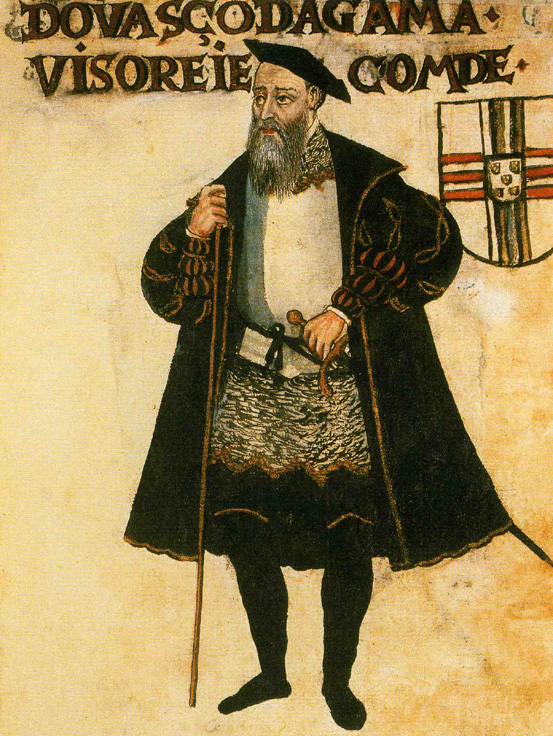
Vasco da Gama, Livro de Lisuarte de Abreu
Livro de Lisuarte de Abreu (compiler unknown) · c. 1565
 Document
Secondary source
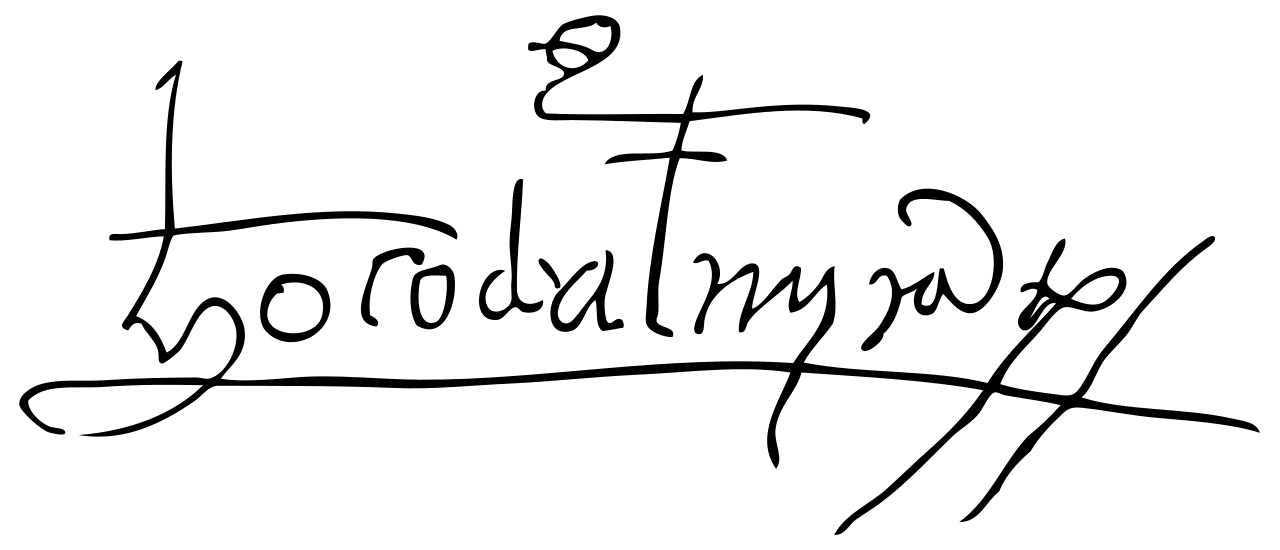
Signature of Vasco da Gama
Vasco da Gama
 Artifact
Primary source
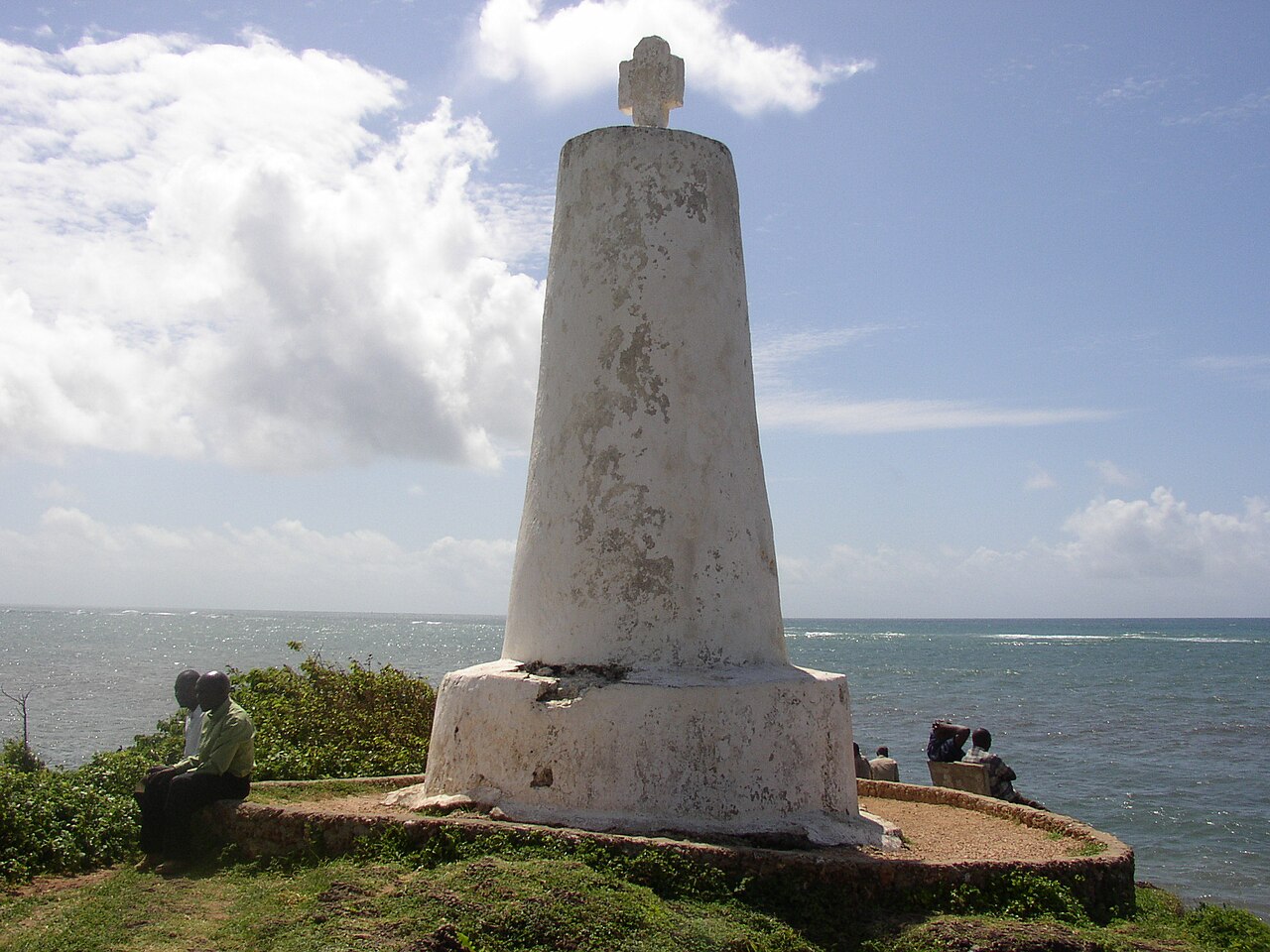
Vasco da Gama Pillar
1498 or 1499
 Document
Primary source
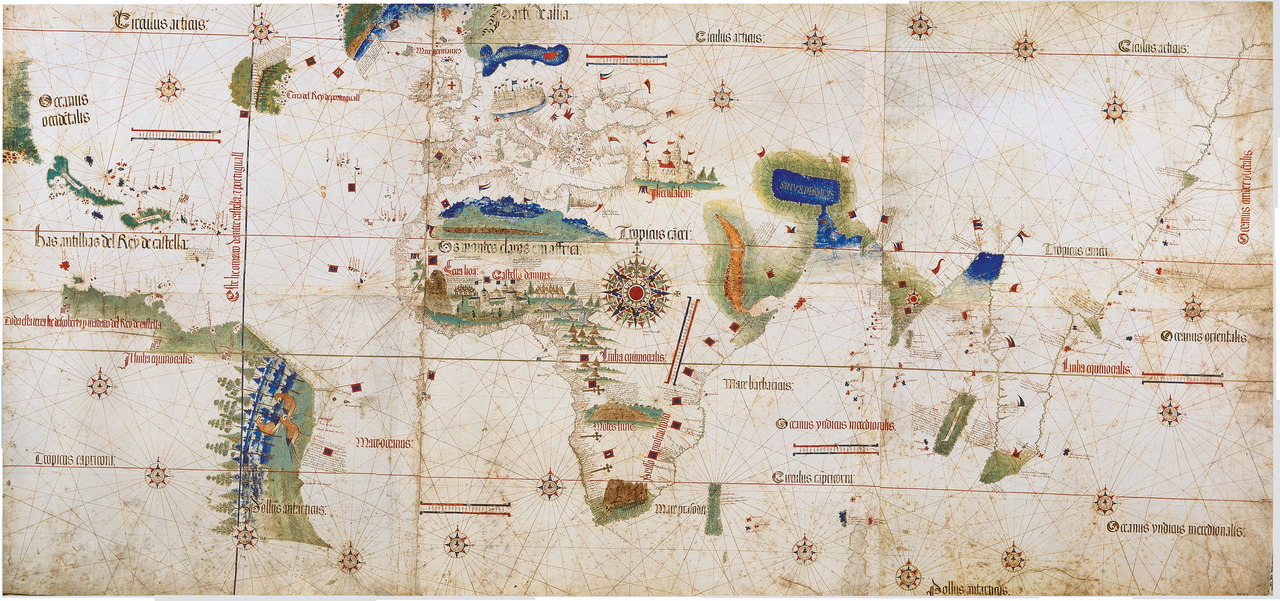
Cantino Planisphere
Anonymous Portuguese cartographer · 1502
Ready when you are
Start chatting with Vasco da Gama now.
20 messages free · No credit card · Available in 50+ languages.