


Primary sourceBook1496
Almanach Perpetuum
Abraham Zacuto · 1496
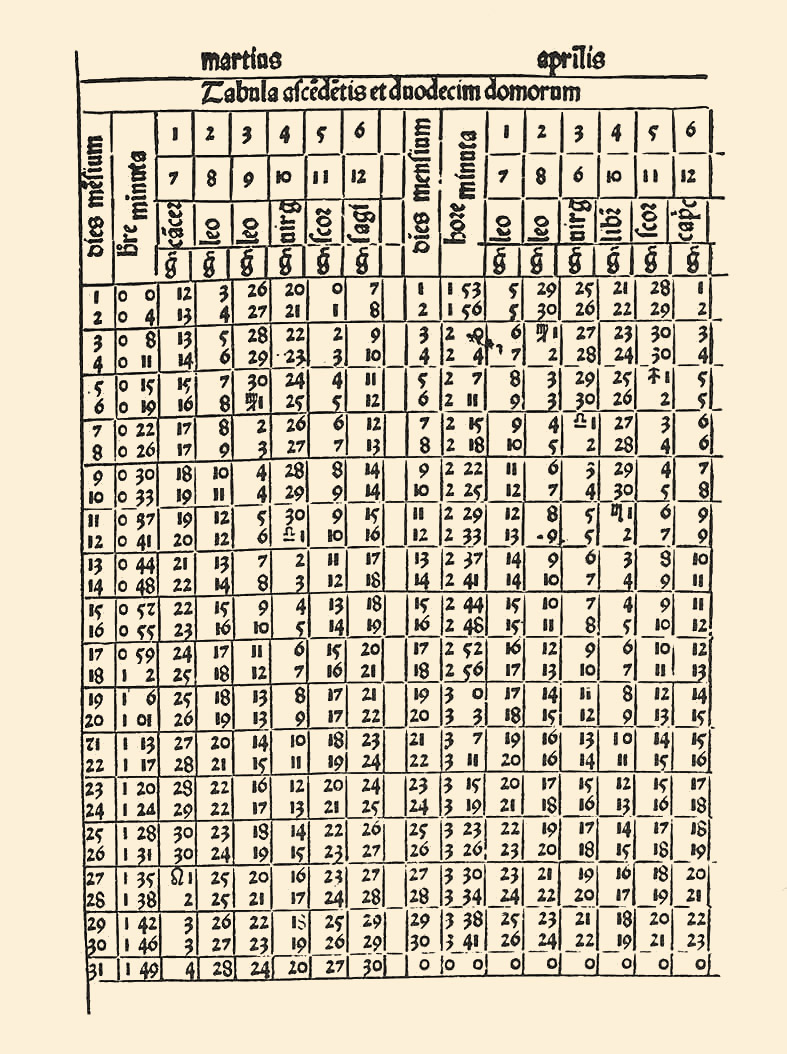
Astronomical tables printed in 1496 by Abraham Zacuto, used by Portuguese pilots to calculate latitude, including on da Gama's voyage.
These tables supplied the navigational data Portuguese pilots used to find latitude during da Gama's voyage to India.
About this source
What it is
The Almanach Perpetuum is a set of astronomical tables compiled by Abraham Zacuto and printed in 1496. The tables record solar positions and other astronomical data needed for navigation. The page shown here is part of a printed astronomical table with dense grids of numbers, zodiac signs and degree markings.
Why it matters
Portuguese pilots used the solar declination data in Zacuto's tables to determine their latitude at sea, a crucial technique for the long ocean voyages of exploration. This made the almanac an important practical tool behind Vasco da Gama's voyage to India, connecting the work of a Jewish astronomer to the achievements of Portuguese navigators.
Look closer
- Why was knowing latitude so important for sailors navigating far from familiar coastlines?
- What does the use of these tables tell you about the scientific knowledge behind da Gama's voyage?
- Why might the contributions of astronomers like Zacuto be less well known than those of the explorers who used their work?
This book is part of the curated material that grounds the AI version of Vasco da Gama on Humy.ai — when students ask about related events, the AI can quote it and cite it.
More Vasco da Gama sources
Meet the AI Vasco da Gama →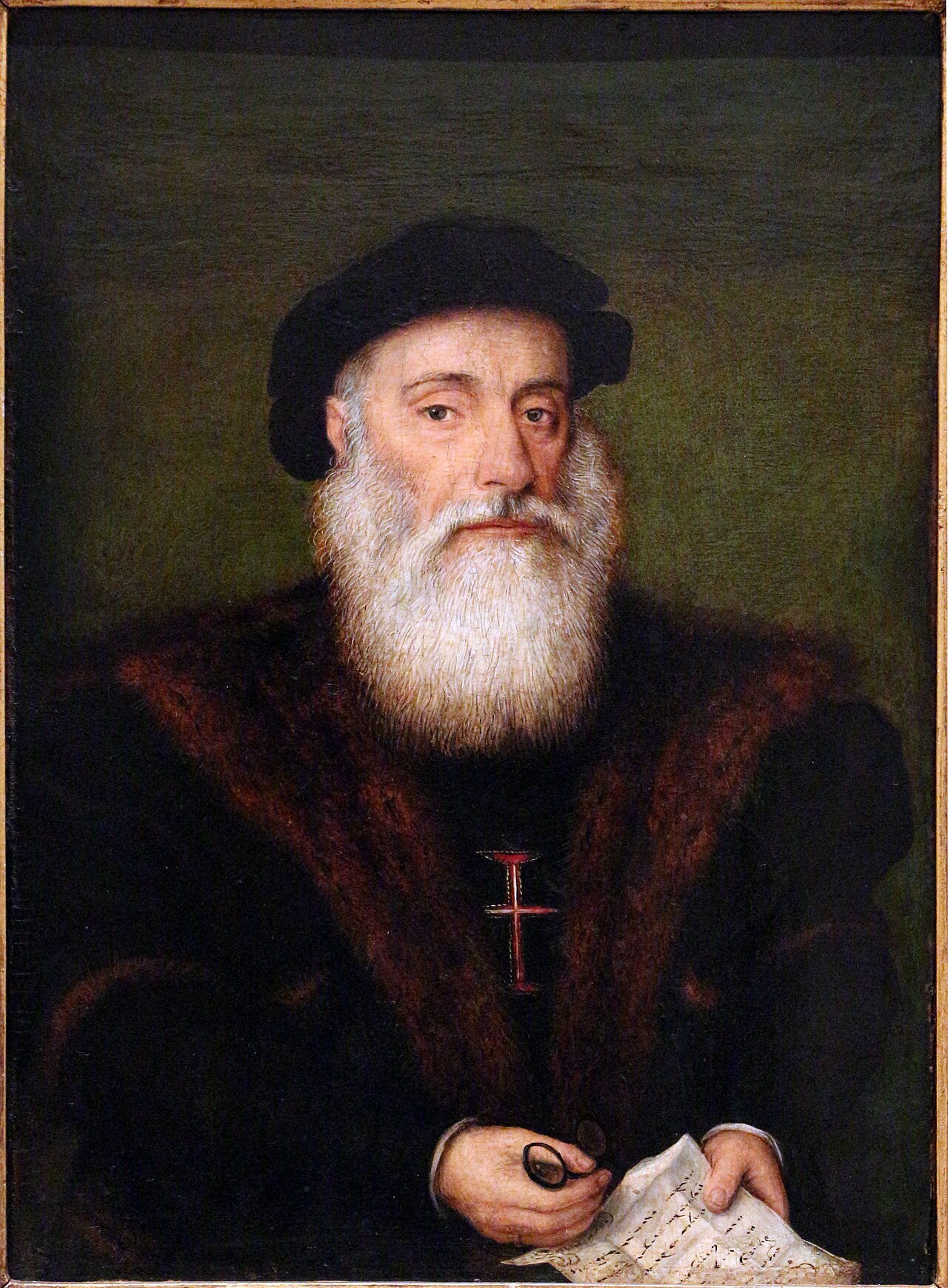 Painting
Secondary source
Portrait of Vasco da Gama
Anonymous · c. 1525
 Painting
Secondary source
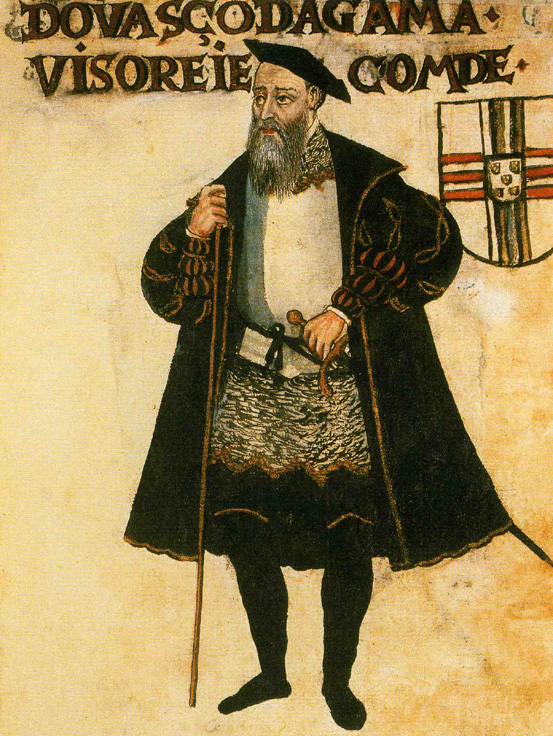
Vasco da Gama, Livro de Lisuarte de Abreu
Livro de Lisuarte de Abreu (compiler unknown) · c. 1565
 Document
Secondary source
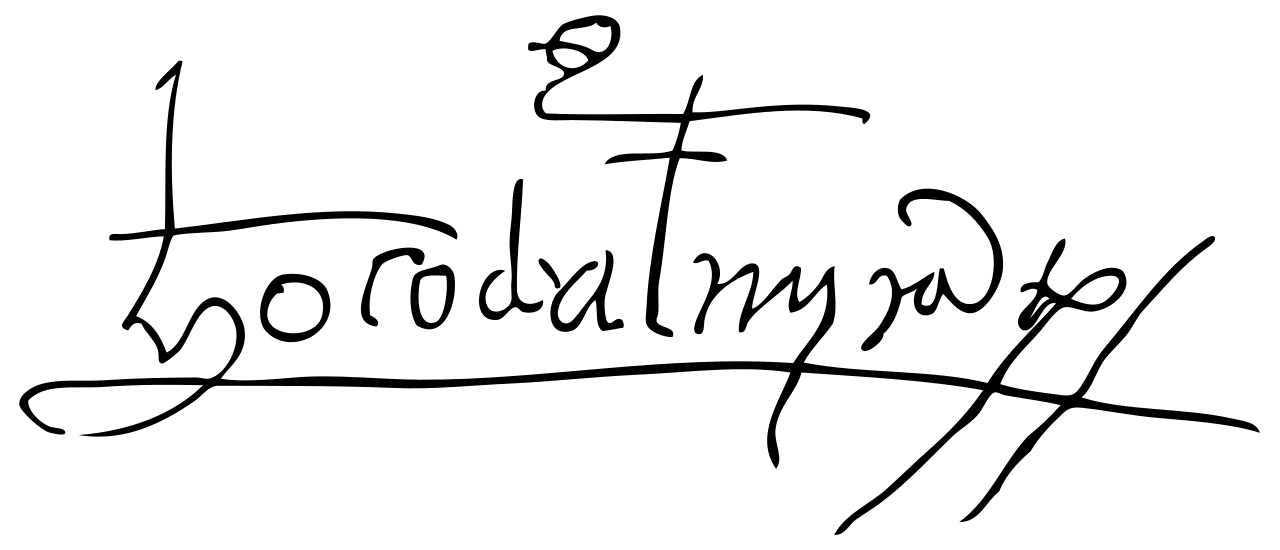
Signature of Vasco da Gama
Vasco da Gama
 Artifact
Primary source
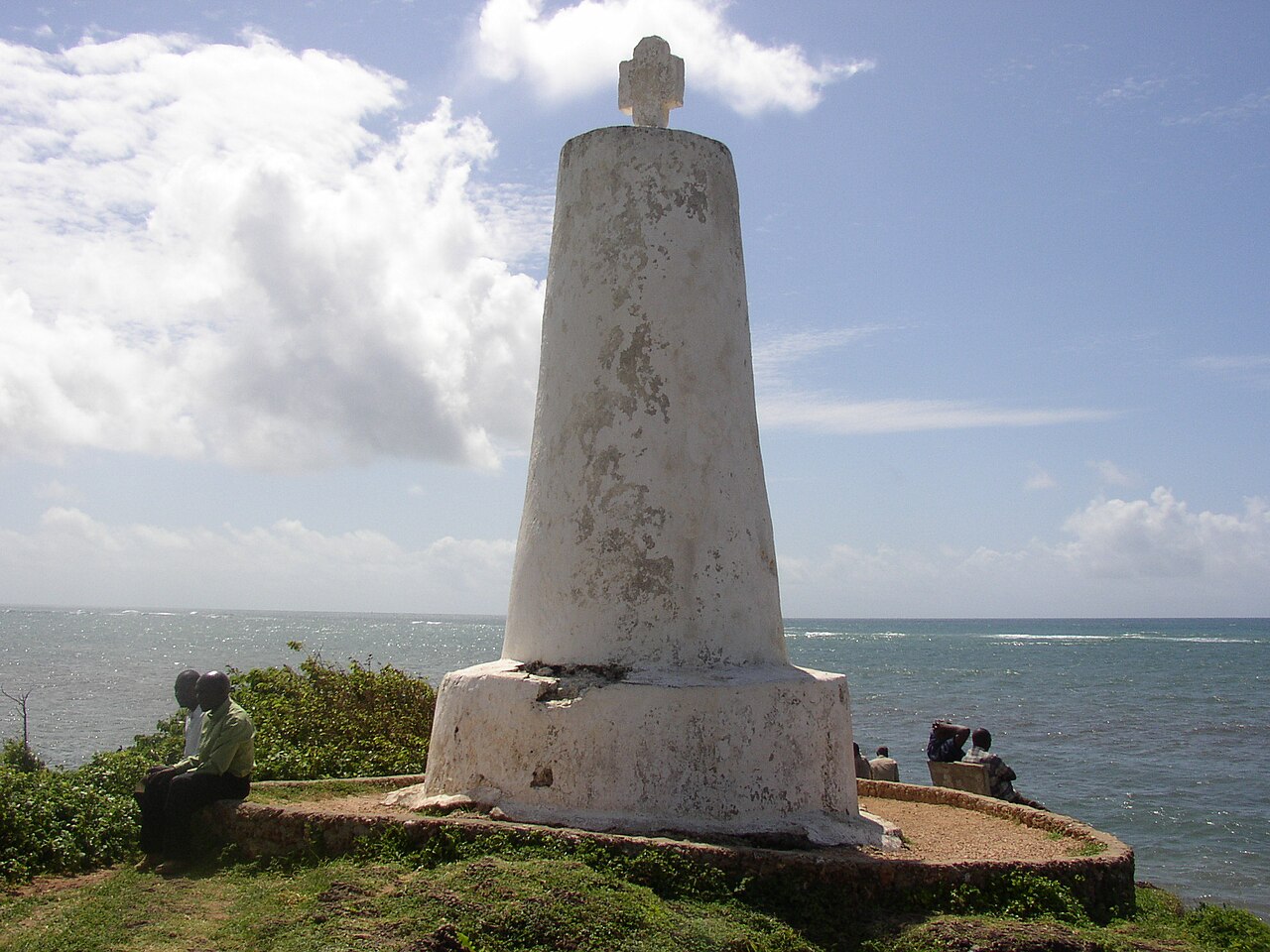
Vasco da Gama Pillar
1498 or 1499
 Document
Primary source
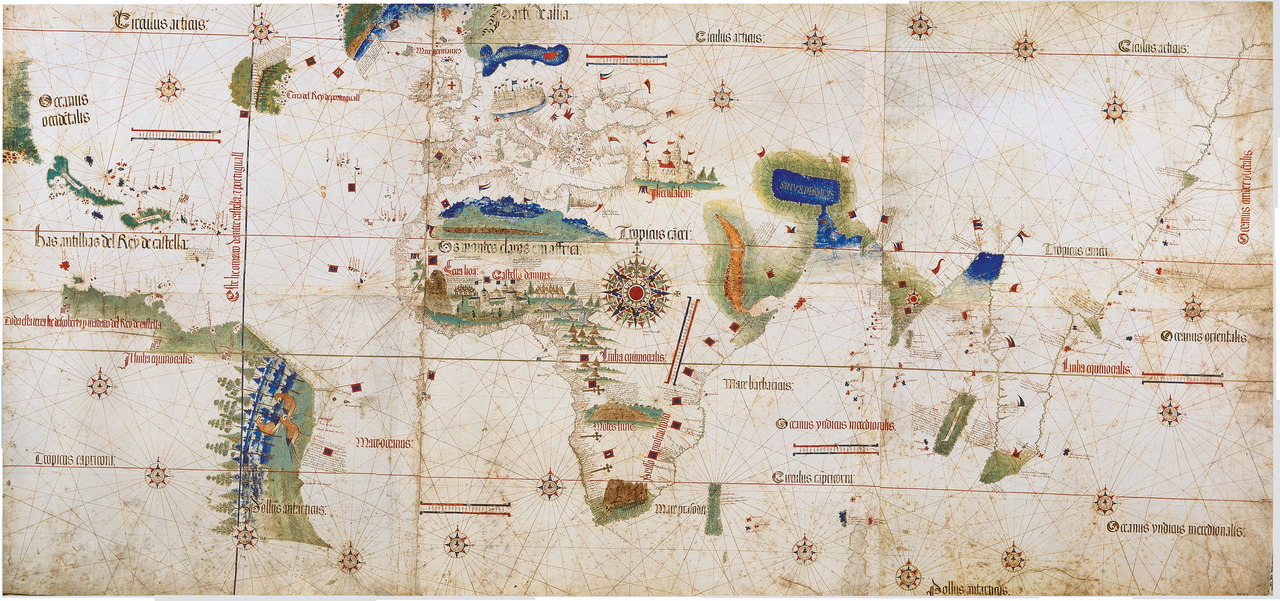
Cantino Planisphere
Anonymous Portuguese cartographer · 1502
Ready when you are
Start chatting with Vasco da Gama now.
20 messages free · No credit card · Available in 50+ languages.