


Secondary sourceArtifact1515-1519
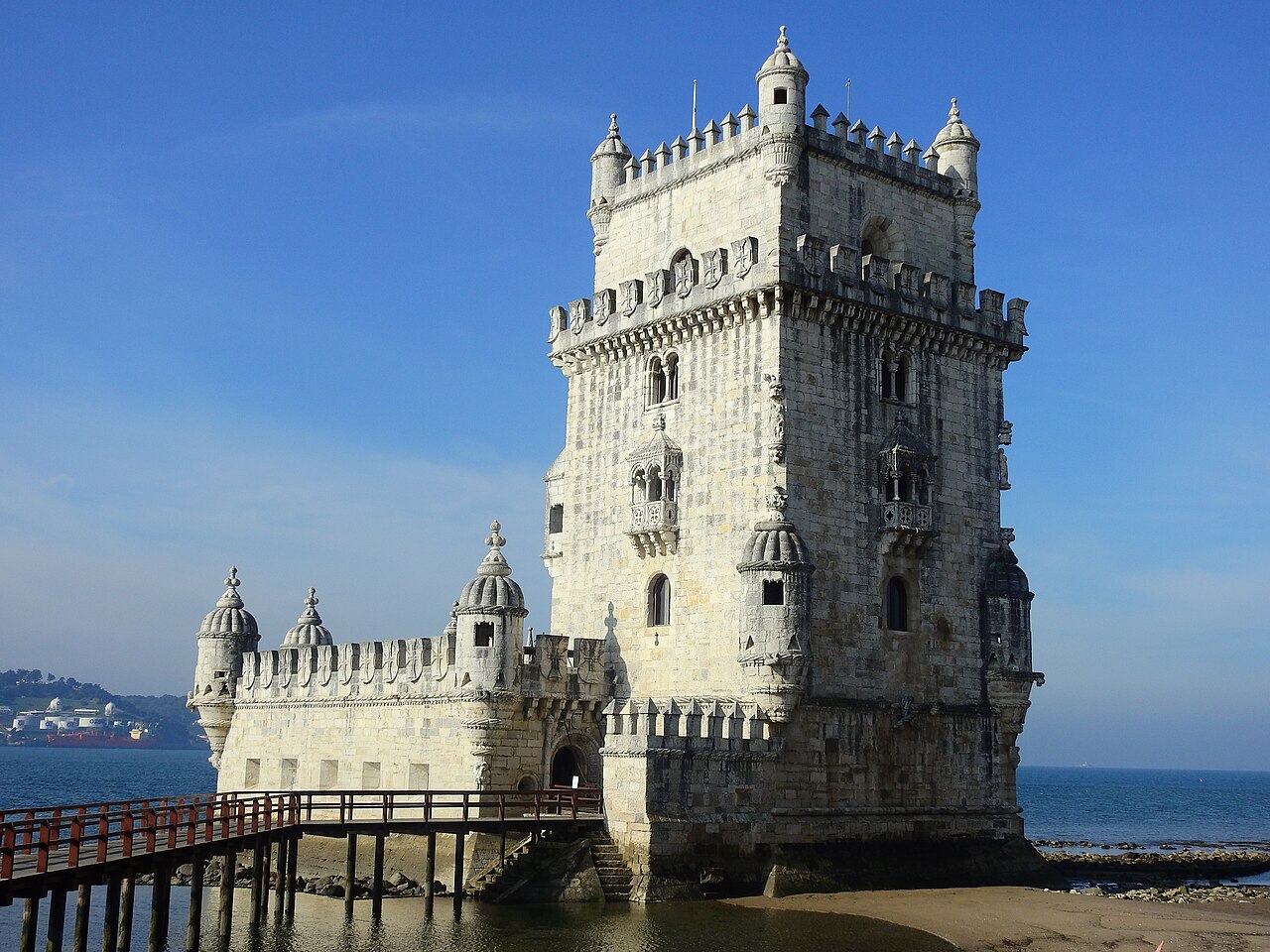
Belém Tower
Francisco de Arruda · 1515-1519
A Manueline fortress at the mouth of the Tagus, built as a point of embarkation for Portuguese fleets like da Gama's.
The departure point for Portuguese India fleets, embodying the maritime empire da Gama's voyage helped launch.
About this source
What it is
Belém Tower is a 16th-century fortification in Lisbon, designed by architect Francisco de Arruda and built on the orders of King Manuel I, with construction underway from 1515 and finished in 1519. It served as a point of departure and arrival for Portuguese explorers and as a defensive structure guarding the Tagus river.
Why it matters
The tower celebrates the voyages, like da Gama's, that opened Portugal's sea route to India. Its decoration even includes a carved rhinoceros, inspired by an animal gifted to King Manuel from India, showing how the riches and oddities of distant lands became symbols of royal power. Today it is a UNESCO World Heritage Site and a symbol of the Age of Discoveries.
Look closer
- Why would a king want ships leaving for distant voyages to pass by such an elaborate tower?
- What does the carved rhinoceros tell you about contact with distant lands?
- How does a building like this shape the way we remember explorers centuries later?
This artifact is part of the curated material that grounds the AI version of Vasco da Gama on Humy.ai — when students ask about related events, the AI can quote it and cite it.
More Vasco da Gama sources
Meet the AI Vasco da Gama →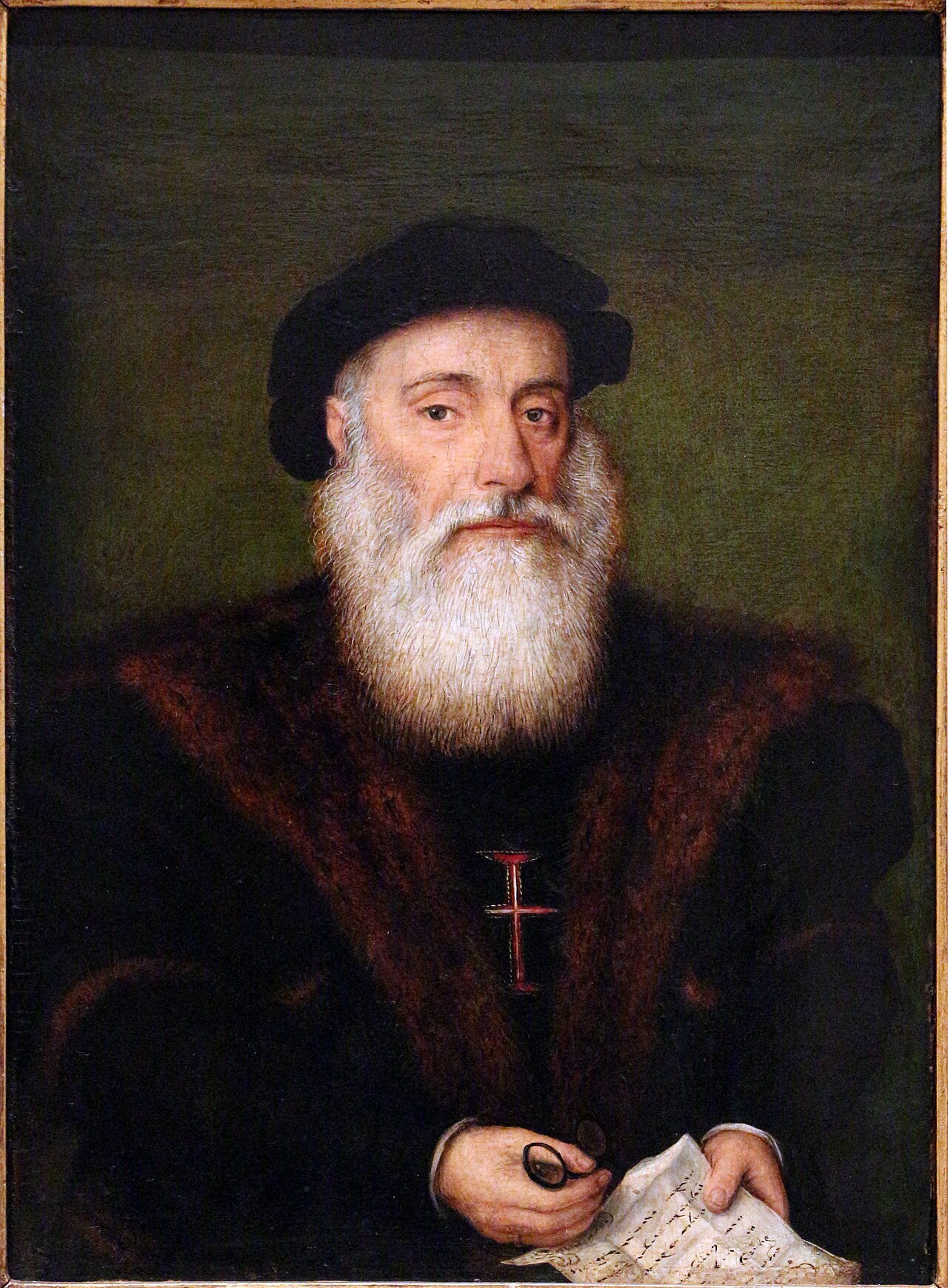 Painting
Secondary source
Portrait of Vasco da Gama
Anonymous · c. 1525
 Painting
Secondary source
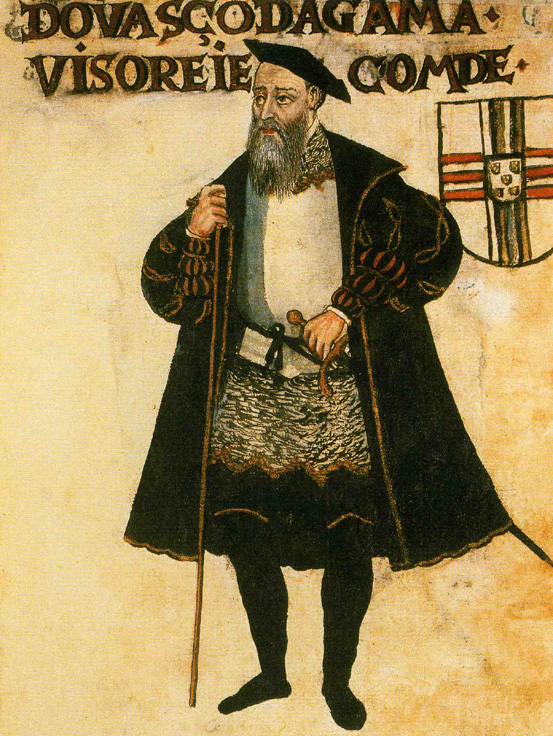
Vasco da Gama, Livro de Lisuarte de Abreu
Livro de Lisuarte de Abreu (compiler unknown) · c. 1565
 Document
Secondary source
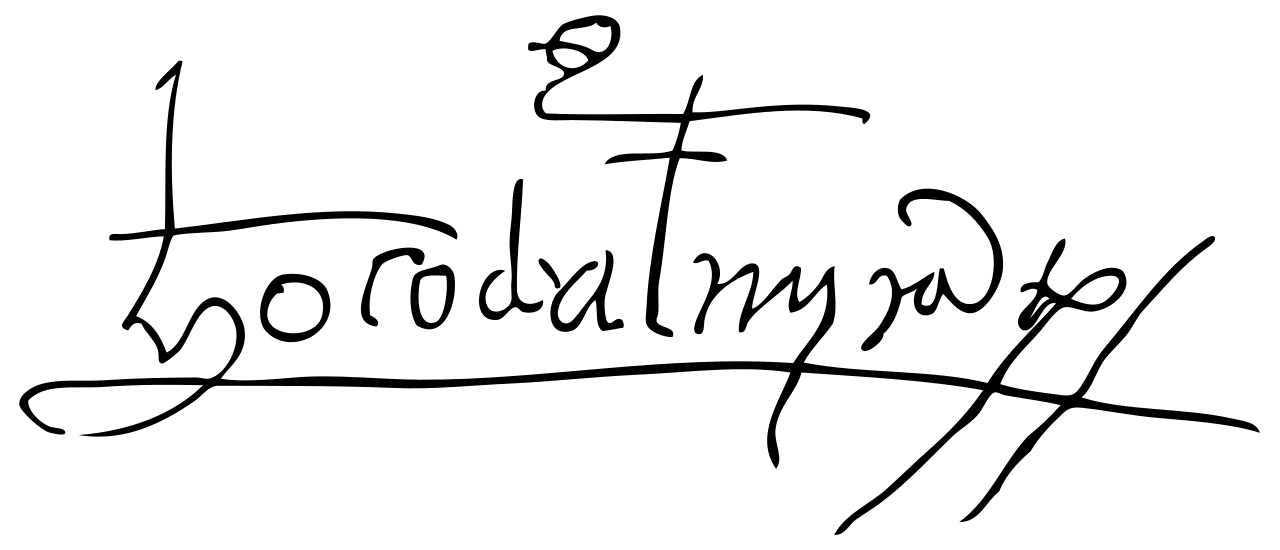
Signature of Vasco da Gama
Vasco da Gama
 Artifact
Primary source
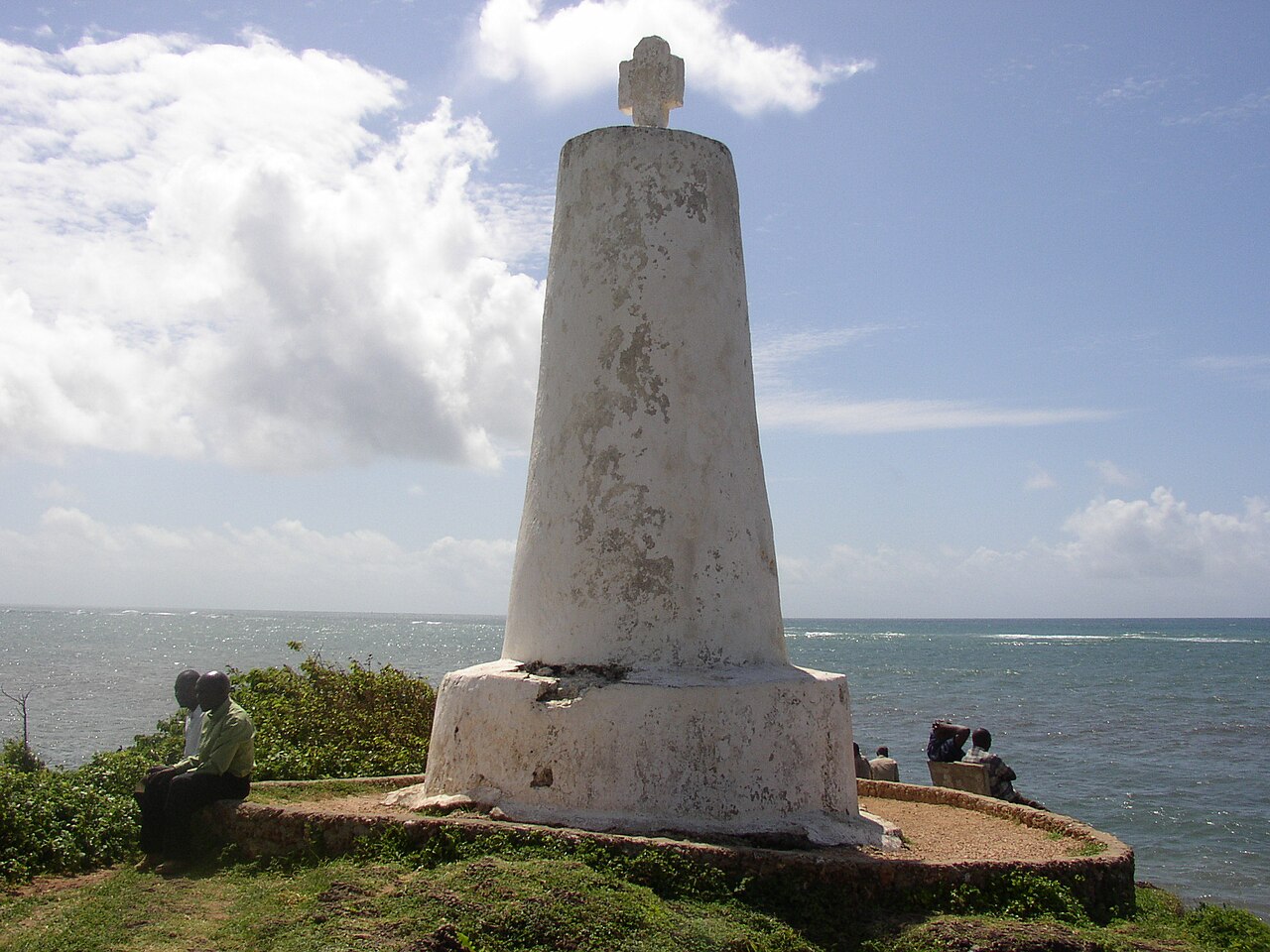
Vasco da Gama Pillar
1498 or 1499
 Document
Primary source
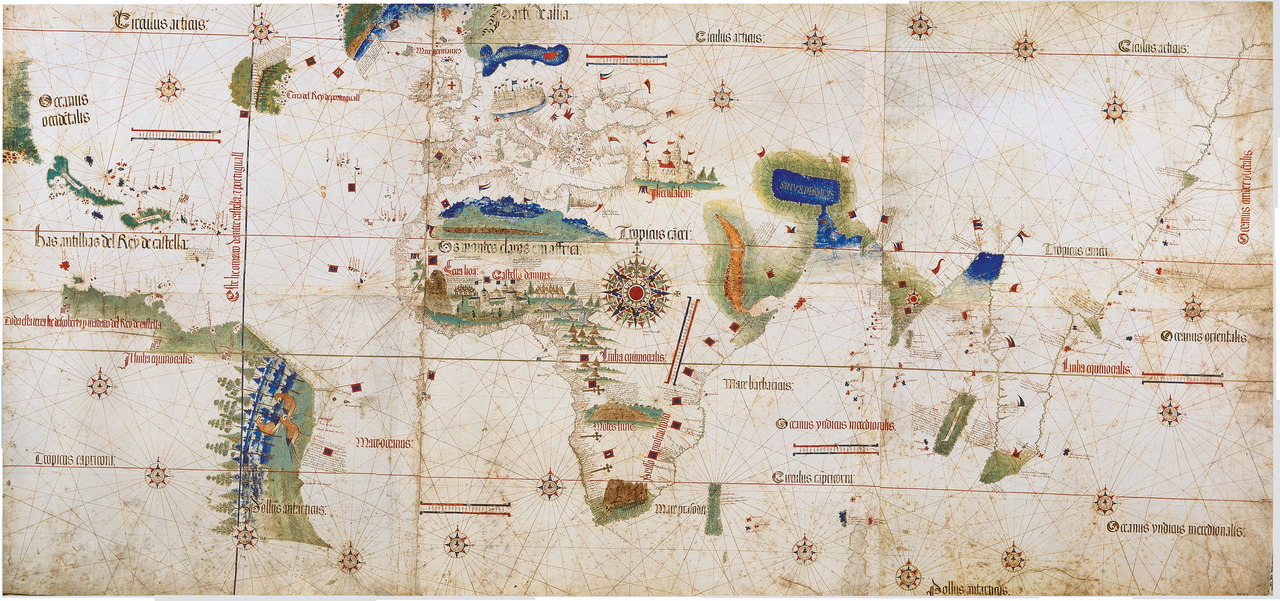
Cantino Planisphere
Anonymous Portuguese cartographer · 1502
Ready when you are
Start chatting with Vasco da Gama now.
20 messages free · No credit card · Available in 50+ languages.