





Dr. Michael Calvert
Assistant Superintendent, South Allegheny School District, Pennsylvania
Been using Humy in his district since 2024
“We enjoyed the program last year and used it frequently.”
AI Historical Figure
Spanish explorer and one of the first Europeans to explore the interior of what is now the United States.
Chat with Álvar Núñez Cabeza de Vaca via text or voice — in 42 languages, drawing on a curated biography and 38 historical sources. Available 24/7.

Álvar Núñez Cabeza de Vaca
Online · responds in seconds
Hello — I'm Álvar Núñez Cabeza de Vaca. Spanish explorer and one of the first Europeans to explore the interior of what is now the United States. What would you like to ask me?
20 messages free · No credit card · Powered by Humy.ai
Live preview · Switch between 42 languages above · Send a message to continue in the app
Multilingual
Ask Álvar Núñez Cabeza de Vaca questions in any language below, and the rest of Humy's app speaks it too. Pick yours to open the chat in that language.
Also in German (Austria), German (Switzerland), English (UK), English (Australia), English (Canada).
38 sources · 22 books · 6 documents · 5 sculptures · 2 paintings · 2 artifacts · 1 photograph
Álvar Núñez Cabeza de Vaca doesn’t improvise from thin air. The AI is grounded in 38 curated historical sources students can inspect. Open any of them to see what informs the conversation.
Primary source
Álvar Núñez Cabeza de Vaca · 1542
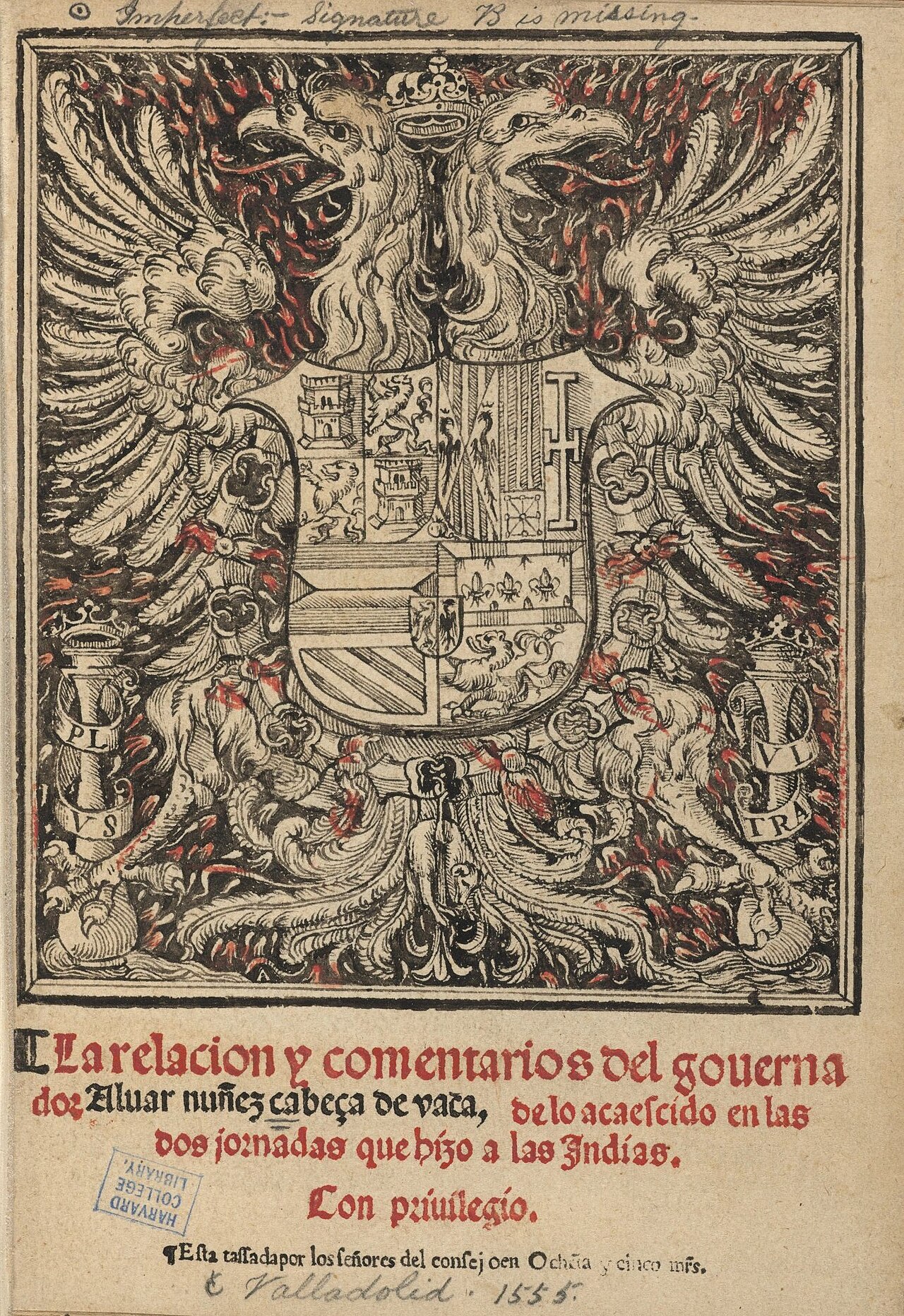 Book
Primary source
Álvar Núñez Cabeza de Vaca · 1555
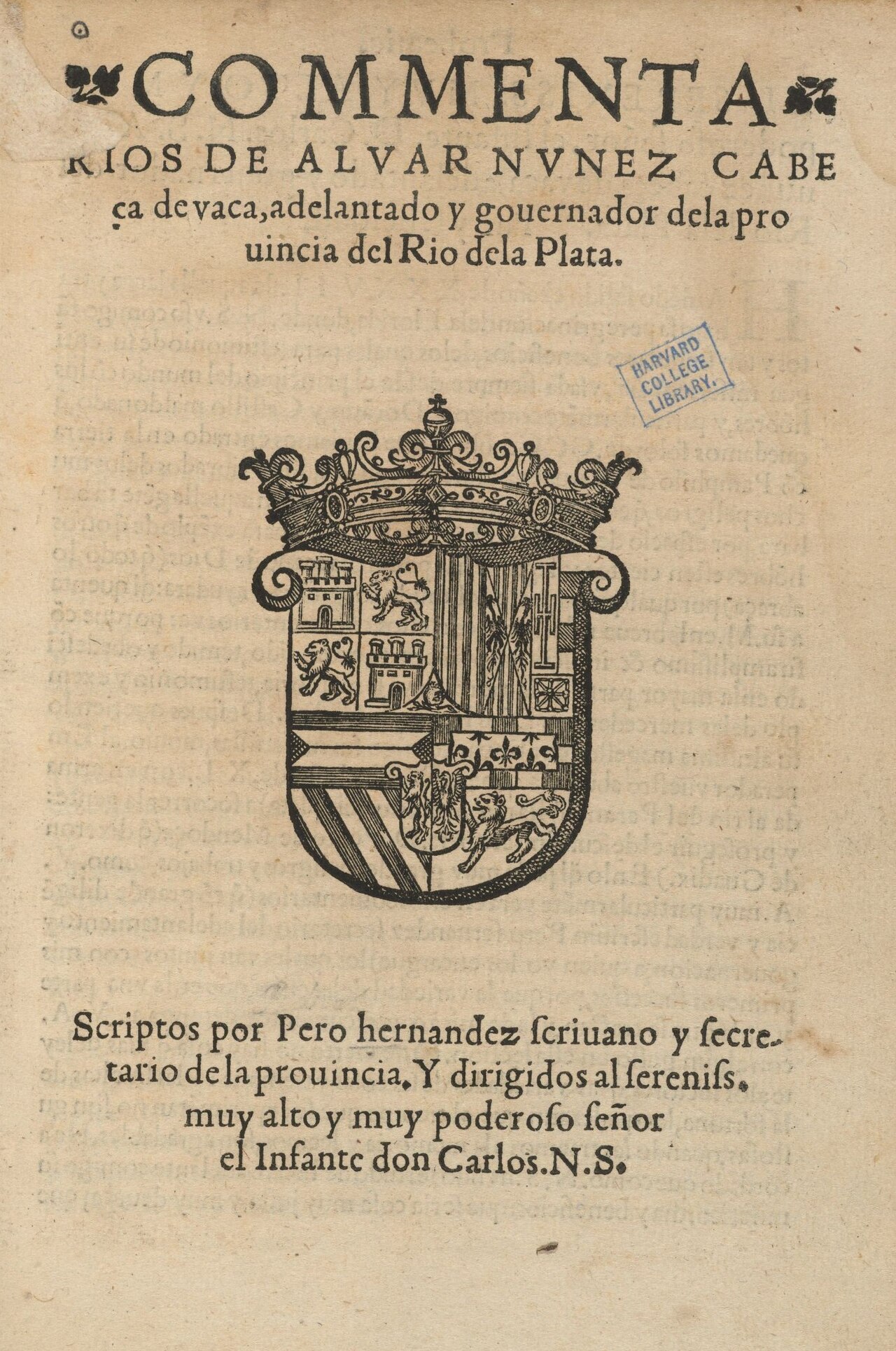 Book
Secondary source
Pero Hernández · 1555
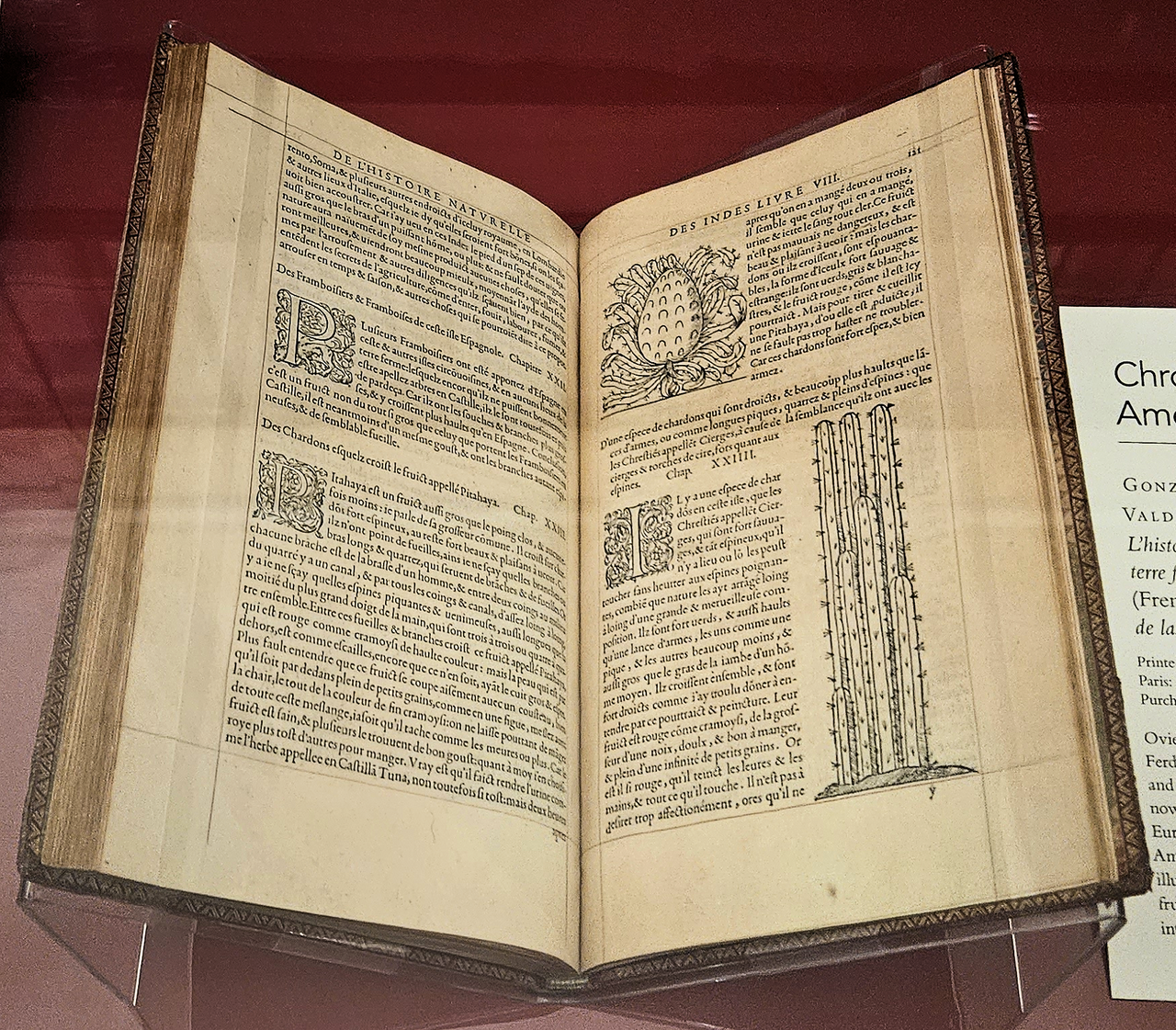 Book
Secondary source
Gonzalo Fernández de Oviedo y Valdés · 1556 (French edition); original work 16th century
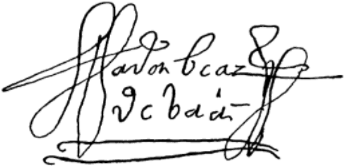 Document
Primary source
Álvar Núñez Cabeza de Vaca · reproduced 1886, original signature undated
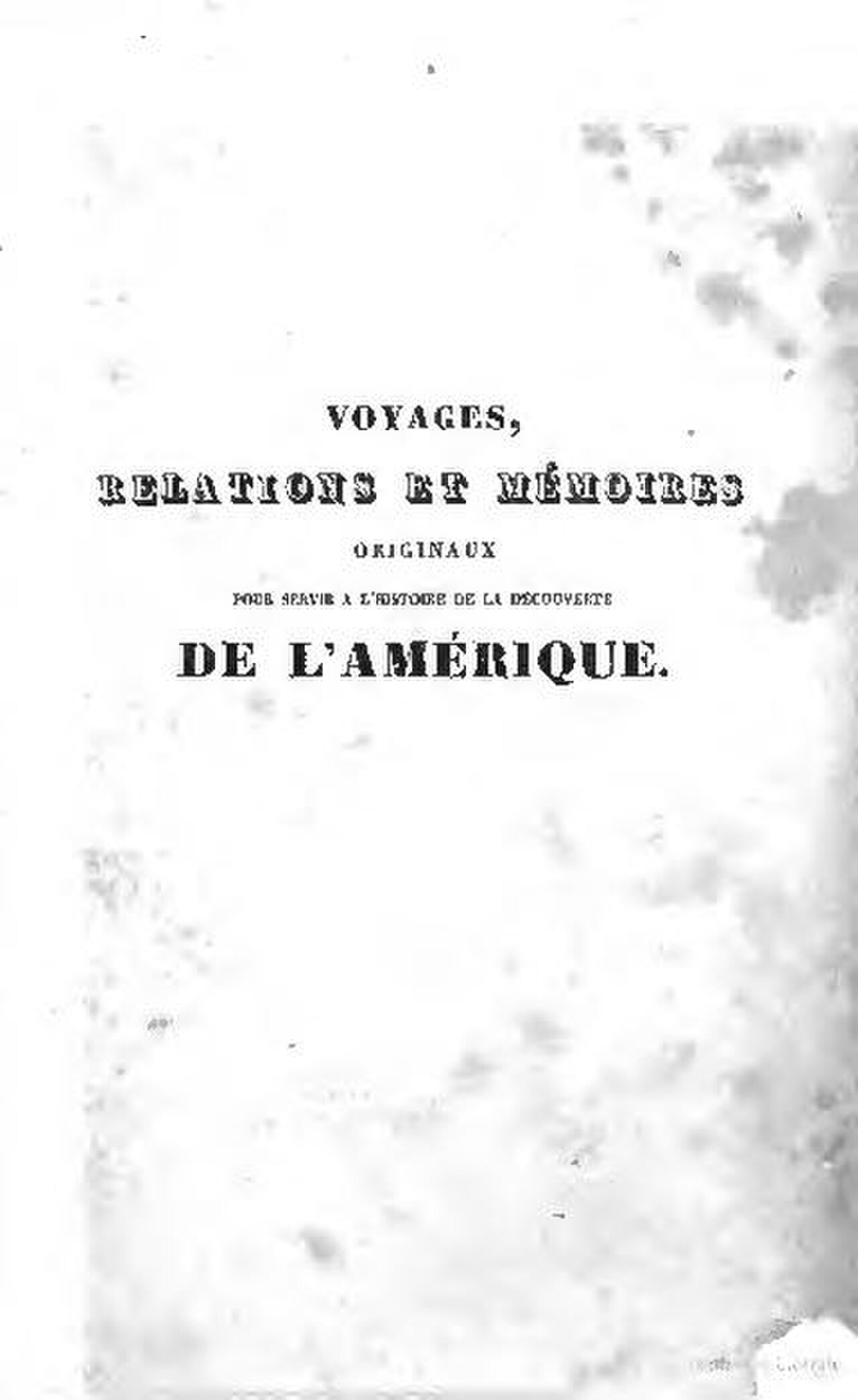 Book
Primary source
Álvar Núñez Cabeza de Vaca · 1837
Secondary source
Álvar Núñez Cabeza de Vaca · 1905 (translation of a 16th-century account)
 Book
Secondary source
Álvar Núñez Cabeza de Vaca · 1906 edition (text from the 16th century)
 Book
Primary source
Francisco López de Gómara, Hernán Cortés, and others
 Book
Secondary source
Pero Hernández · 1902 edition (text first published 1555)
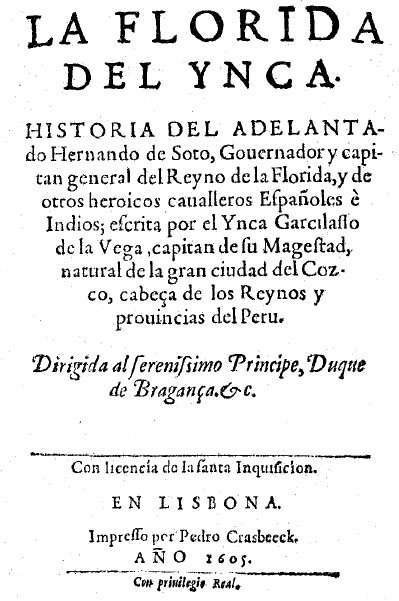 Book
Secondary source
Inca Garcilaso de la Vega · 1605
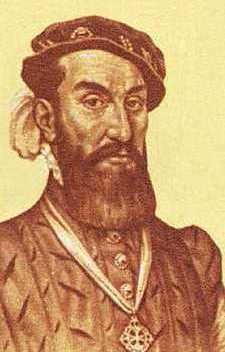 Painting
Secondary source
 Book
Secondary source
Antonio de Herrera y Tordesillas · 1601–1615
Secondary source
Martín del Barco Centenera · 1602
 Book
Secondary source
Buckingham Smith (translator) · 1851 (rev. 1871)
 Book
Secondary source
Frederick W. Hodge and Theodore H. Lewis (eds.) · 1907
 Book
Primary source
Álvar Núñez Cabeza de Vaca · 1922
Primary source
Luis L. Dominguez (editor) · 1891
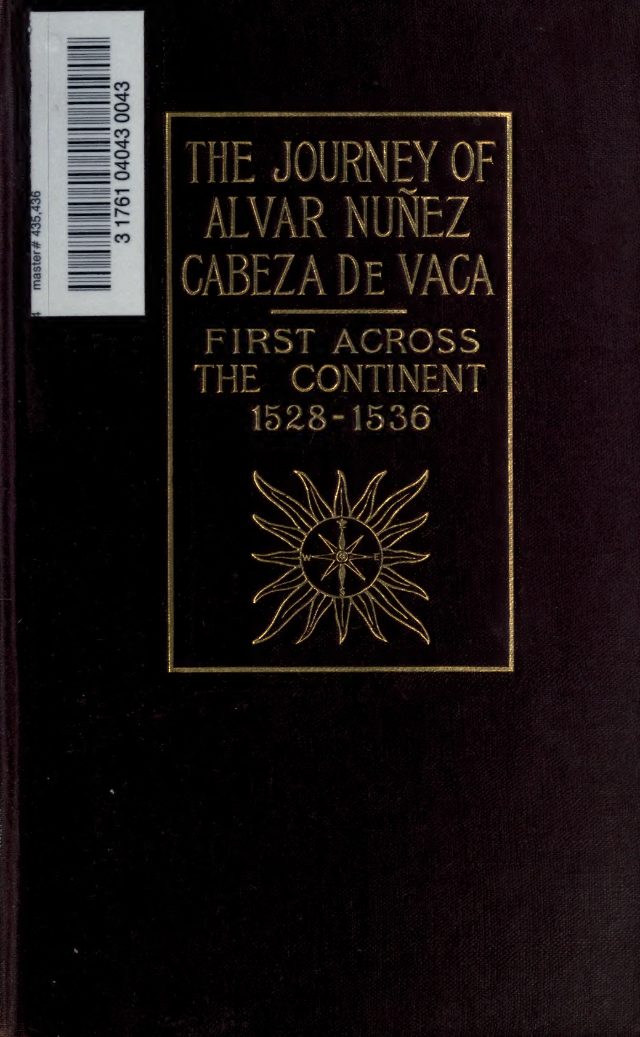 Book
Primary source
Álvar Núñez Cabeza de Vaca · 1905
Tertiary source
Charles G. Herbermann (editor) · 1913
 Book
Primary source
Álvar Núñez Cabeza de Vaca
Secondary source
Charles Fletcher Lummis · 1914 edition (first published 1893)
Secondary source
1893
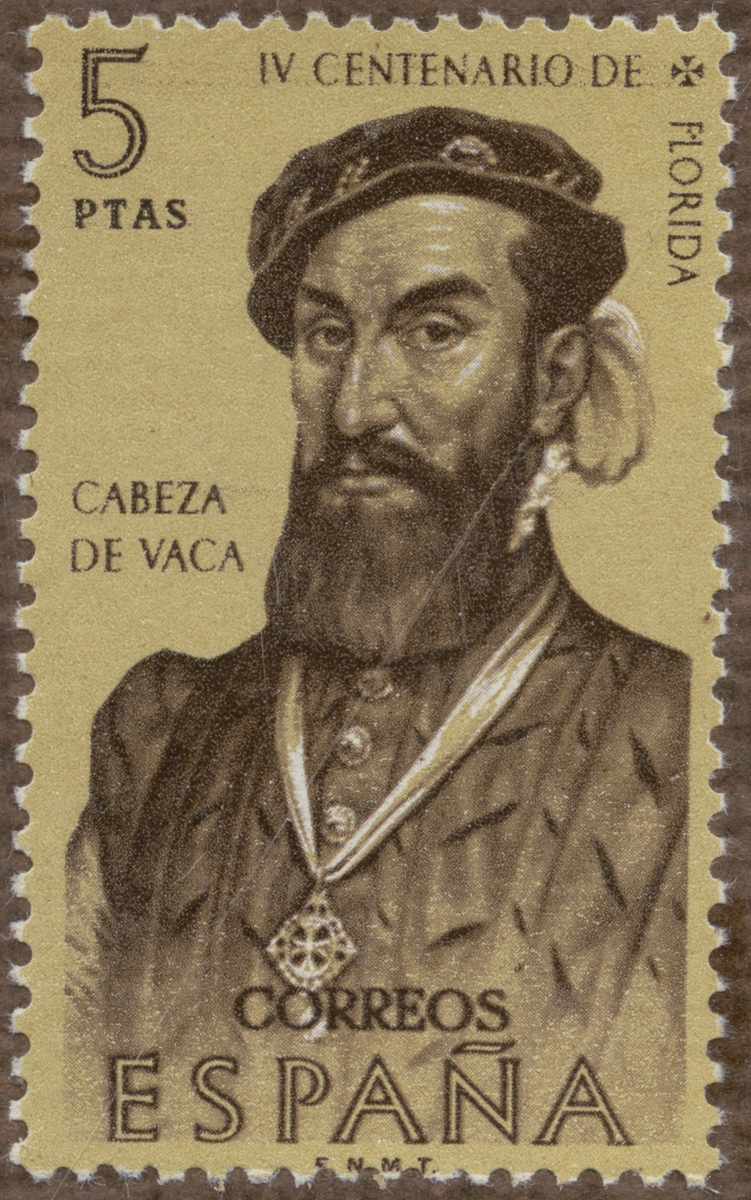 Artifact
Secondary source
1962
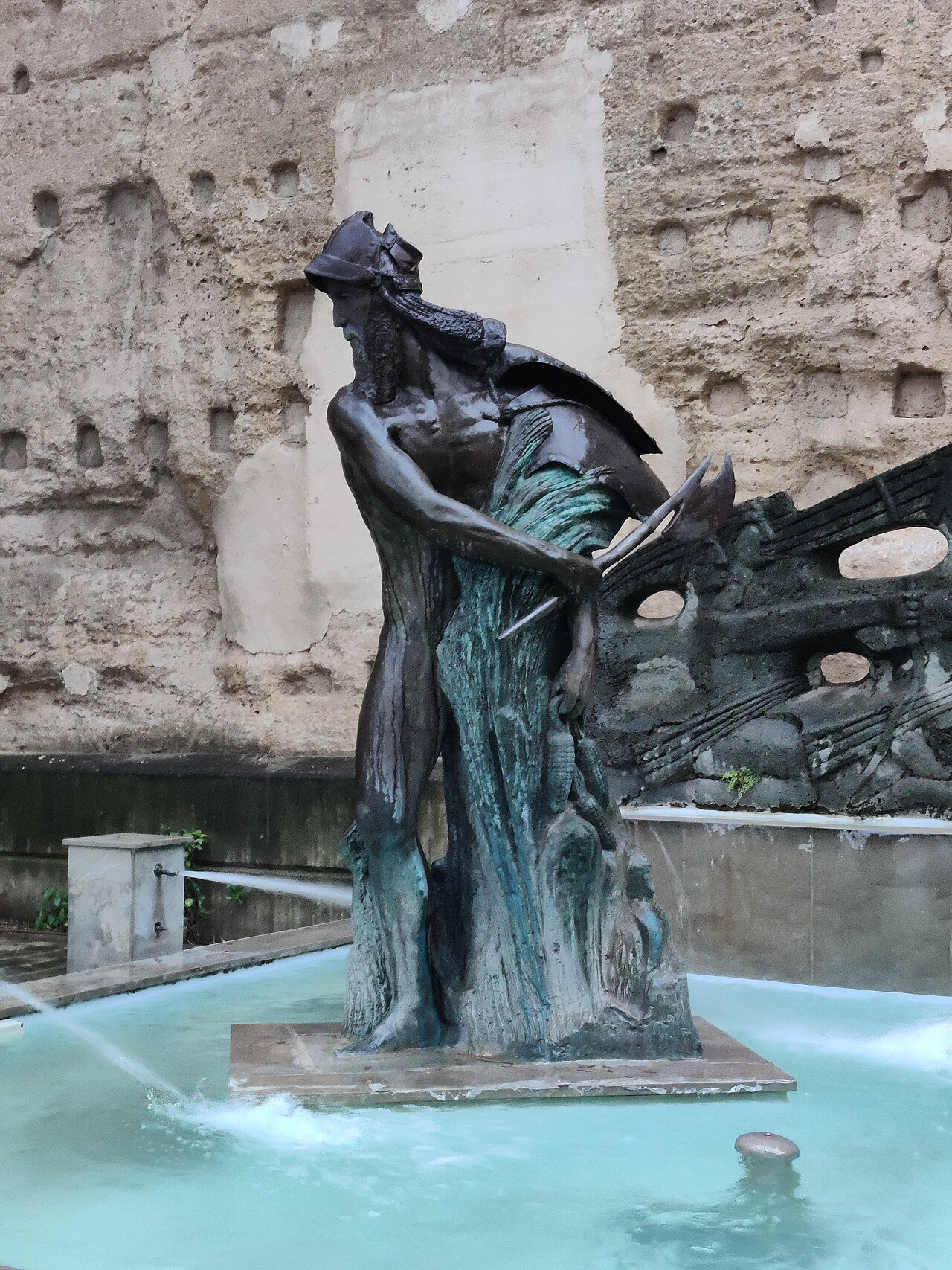 Sculpture
Secondary source
2024
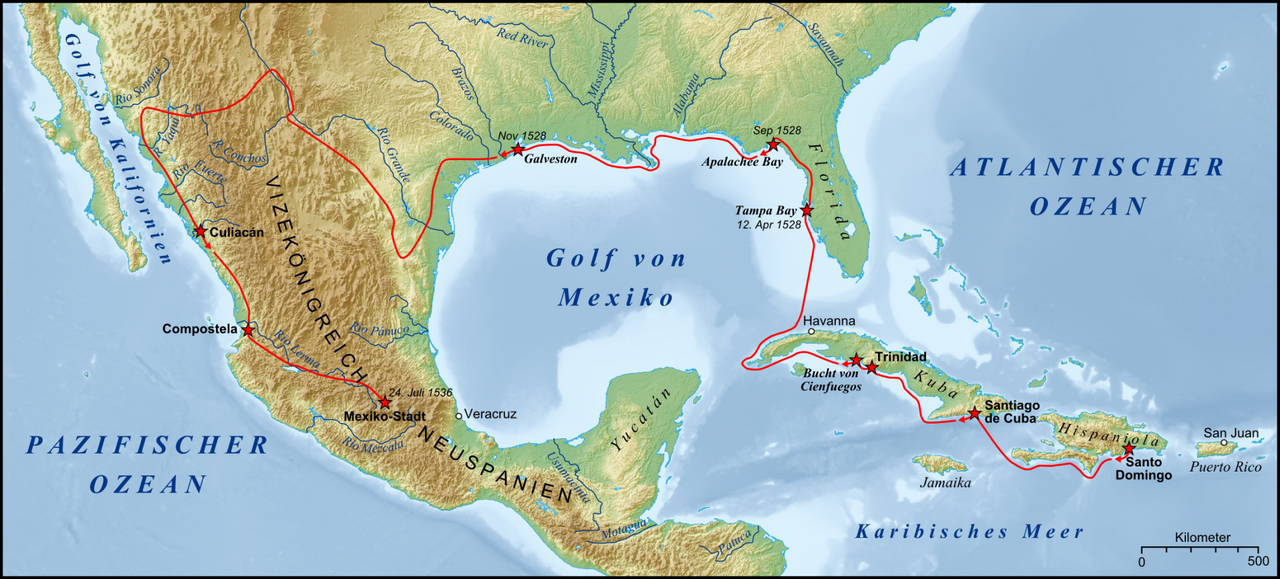 Document
Secondary source
Lencer · 2008
 Book
Primary source
Ulrich Schmidel and Alvar Núñez Cabeza de Vaca · 1535-1555 (edition undated)
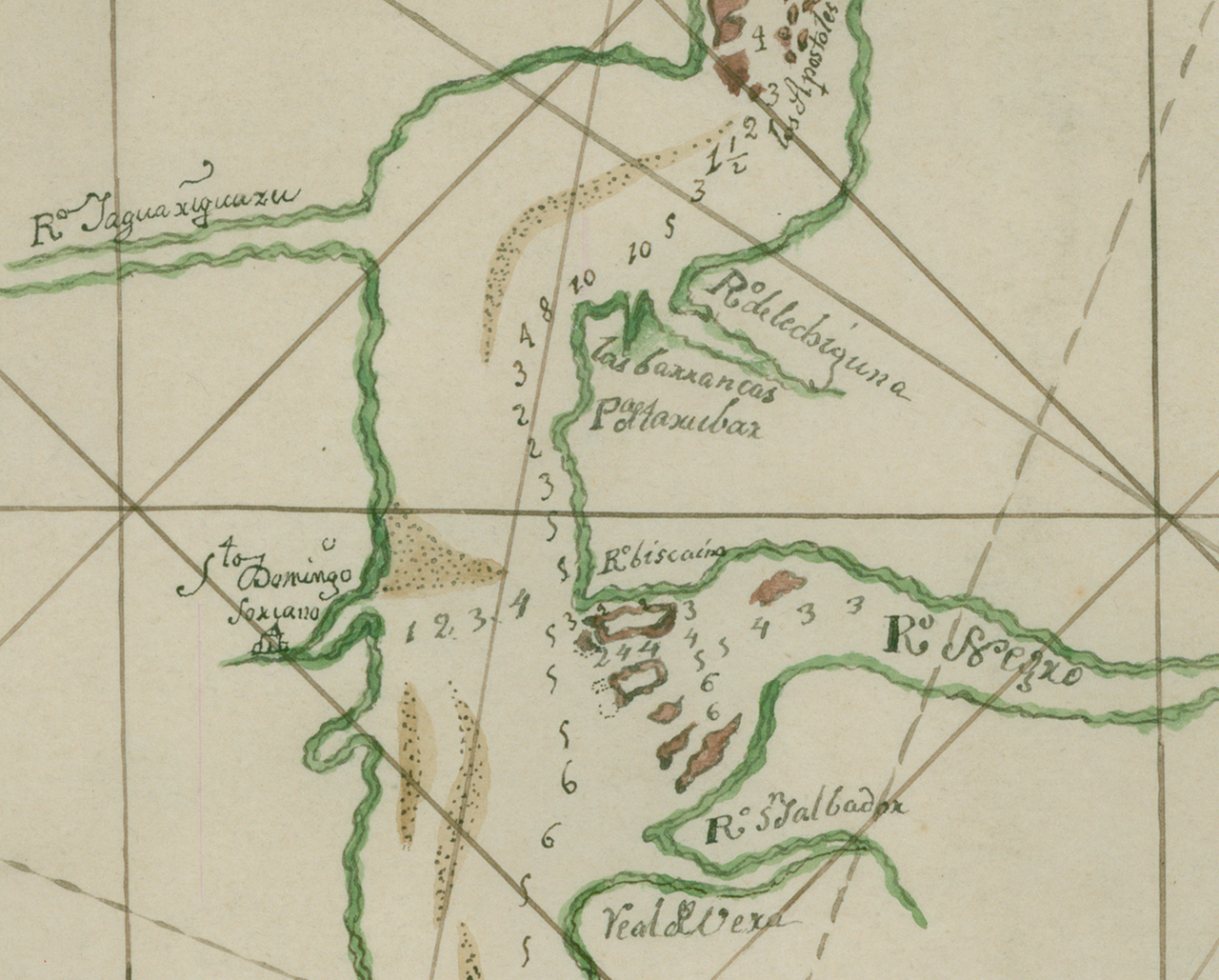 Document
Primary source
Manuel de Ibarbelz · 1692
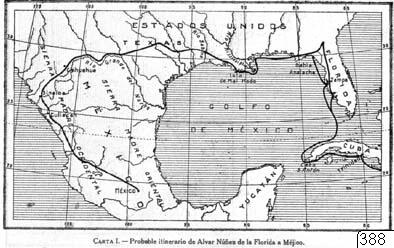 Document
Secondary source
1922
Secondary source
George Parker Winship · 1896
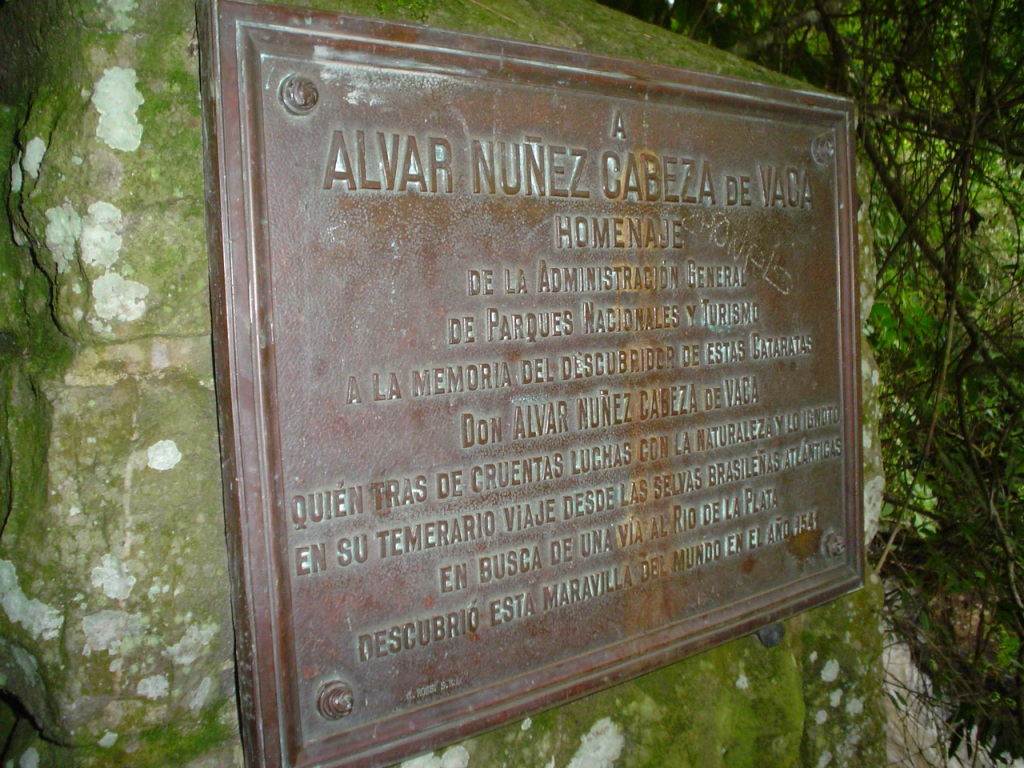 Artifact
Secondary source
Calyponte (assumed) · photographed 21 January 2004
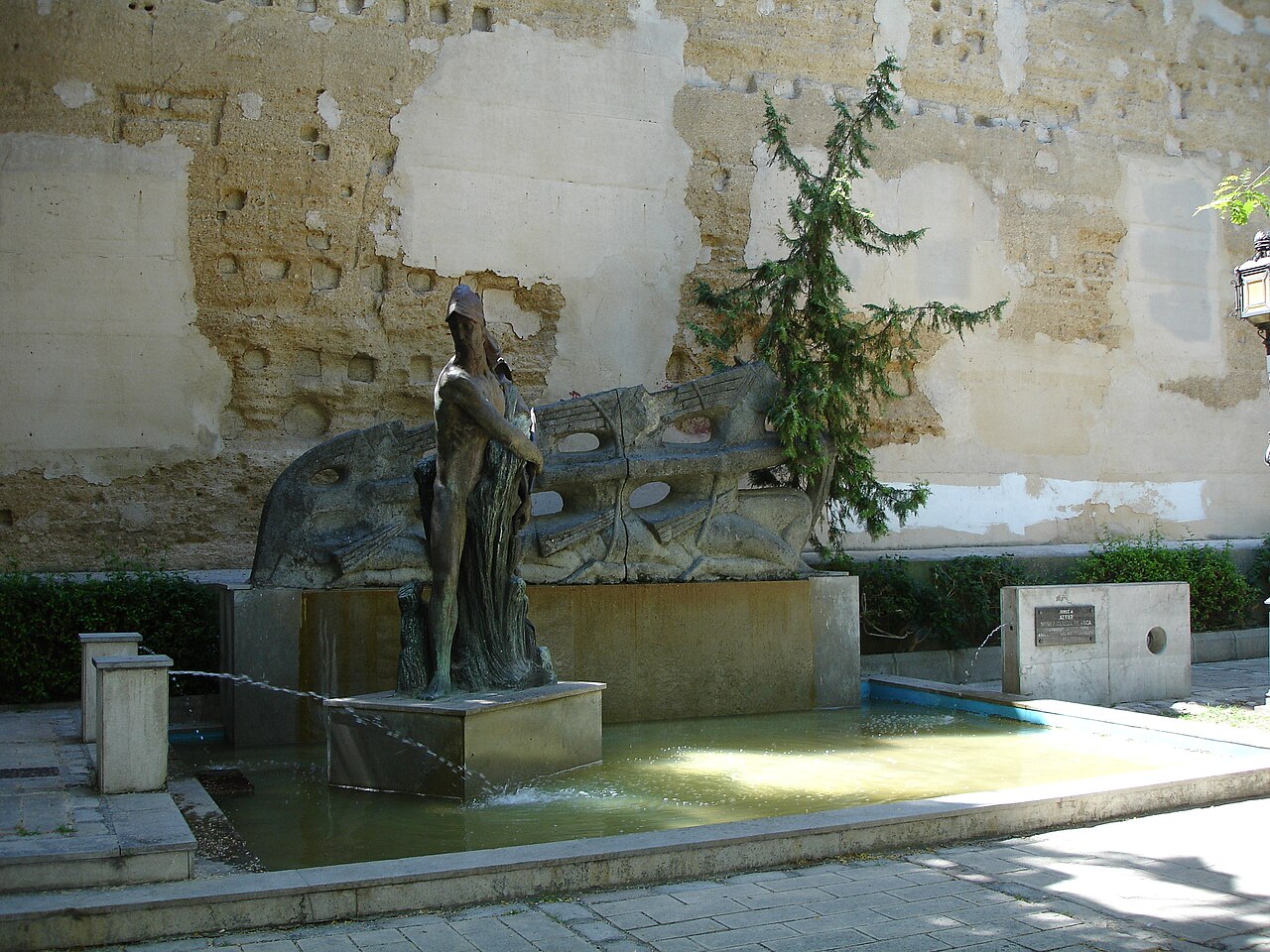 Sculpture
Secondary source
El Pantera · 2008-06-21
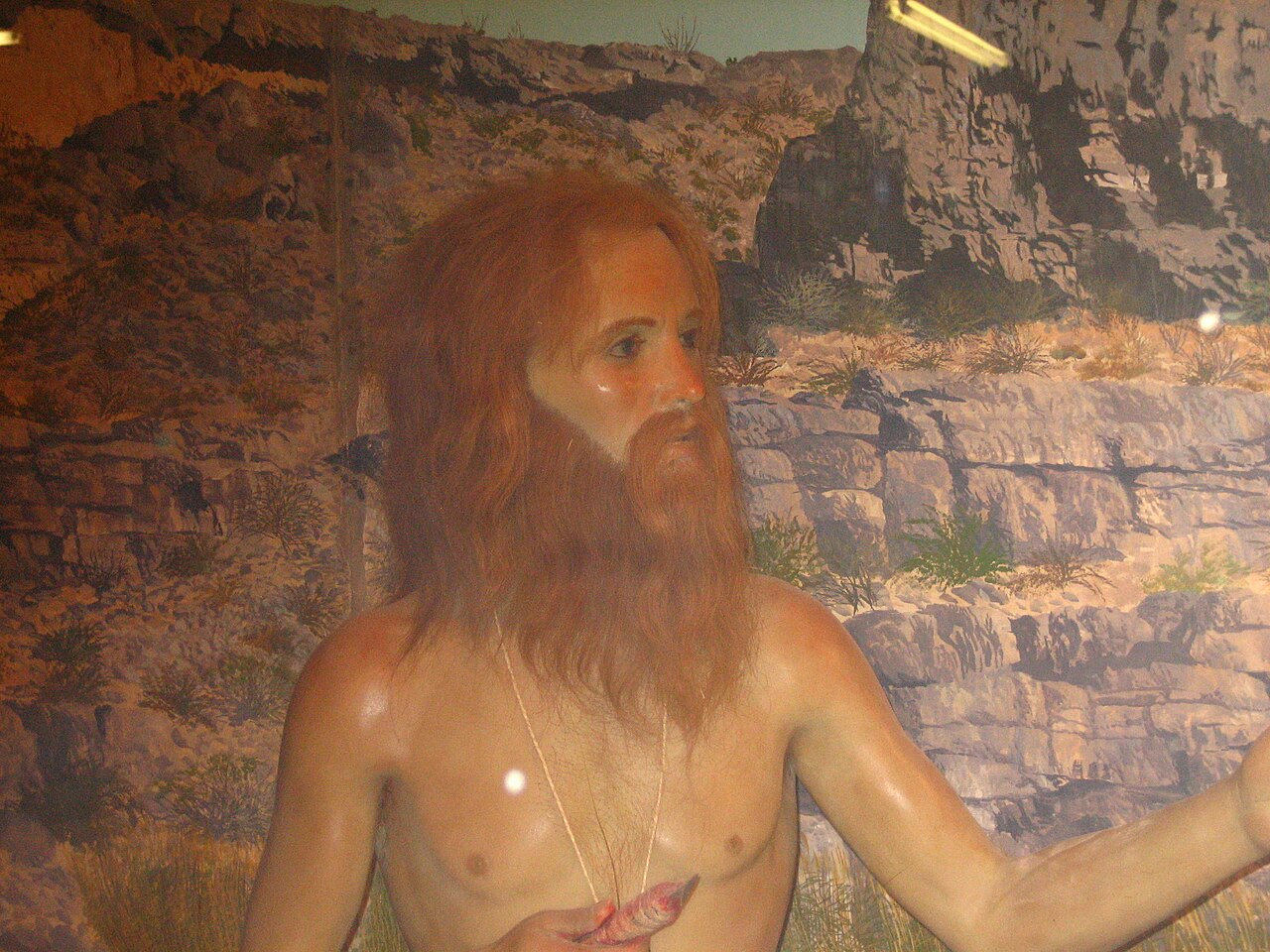 Sculpture
Secondary source
photographed 28 July 2008
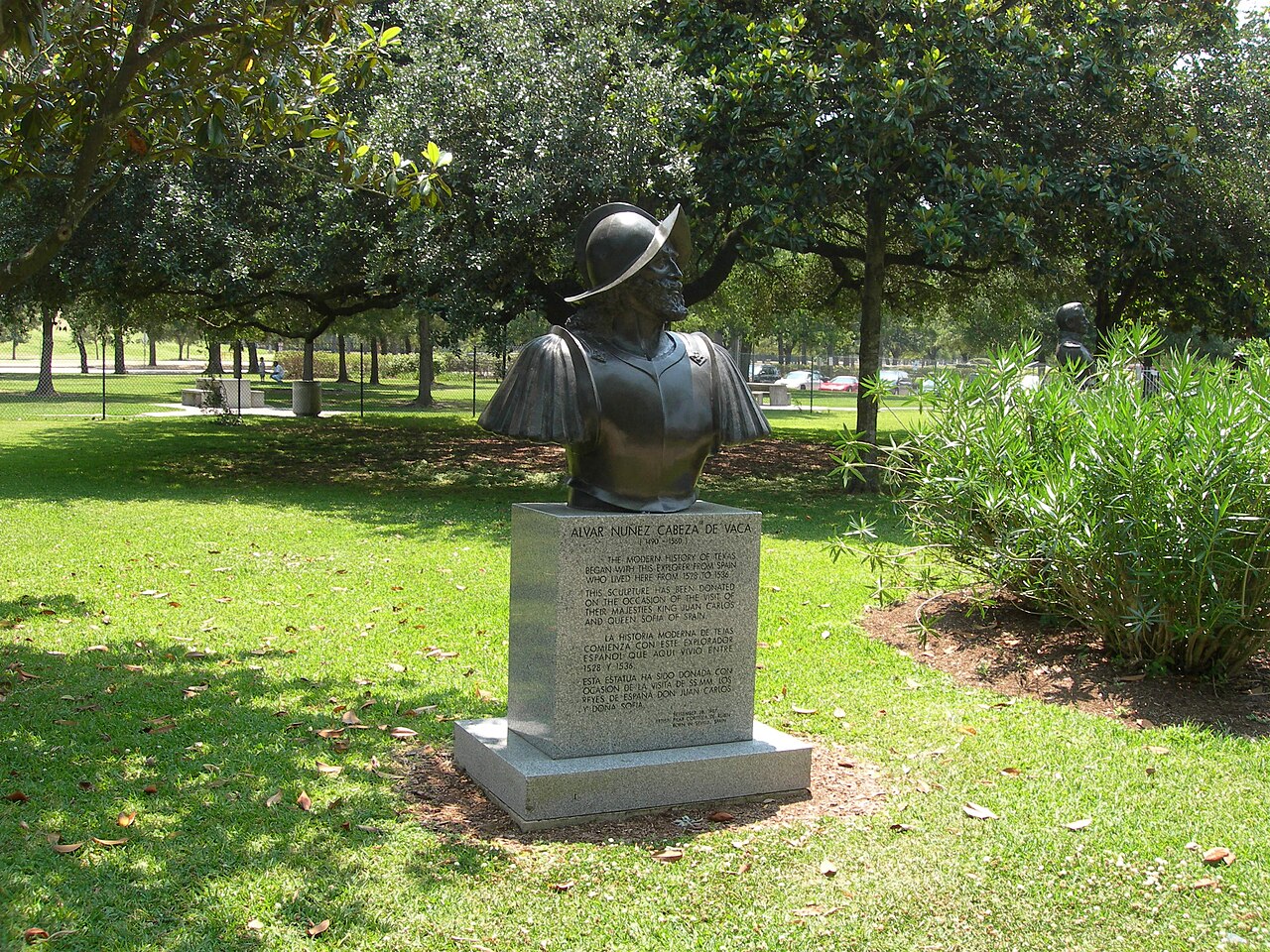 Sculpture
Secondary source
photographed 9 May 2008
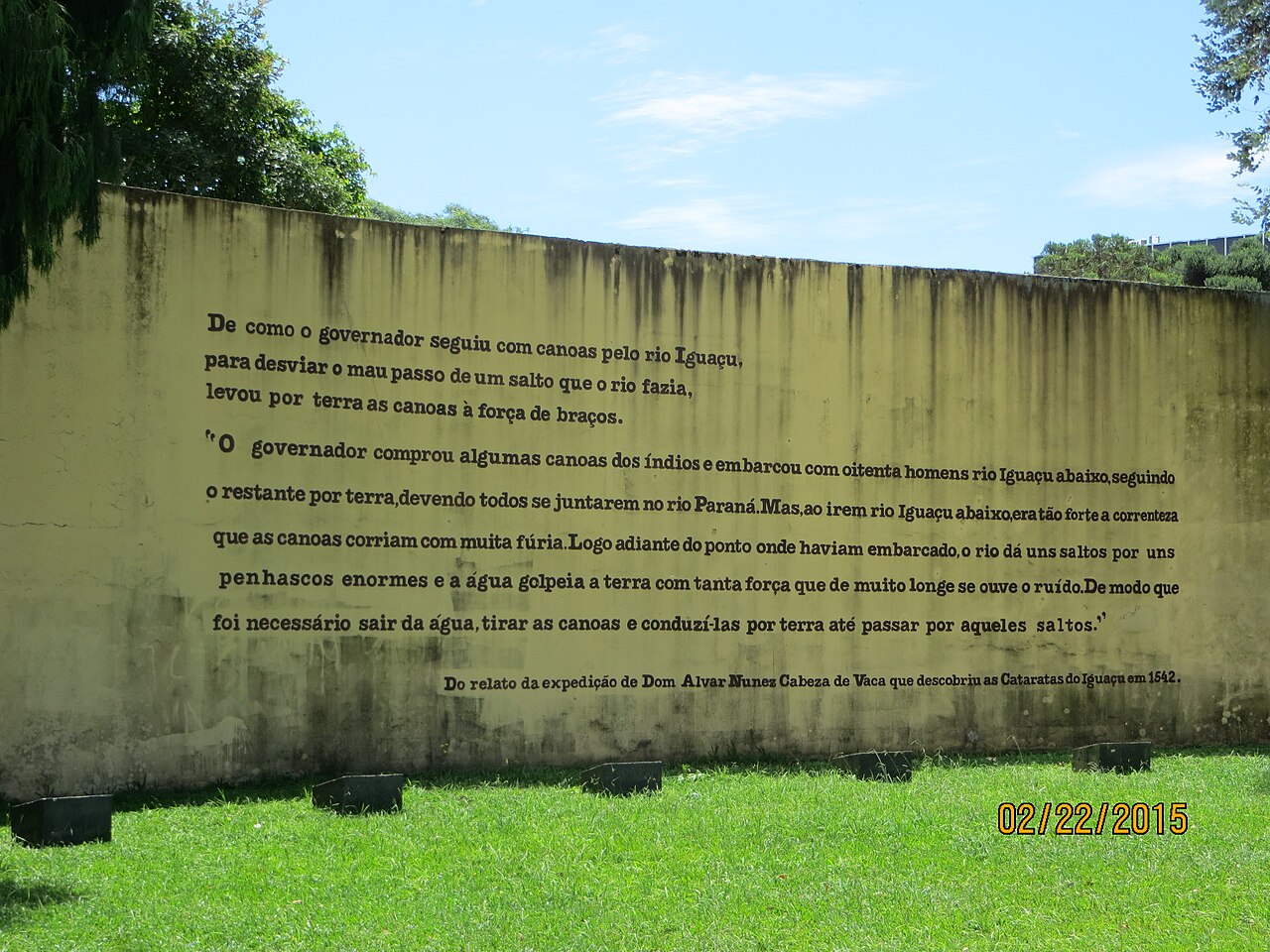 Painting
Secondary source
DAR7 and Eloy Olindo Setti · photographed 22 February 2015
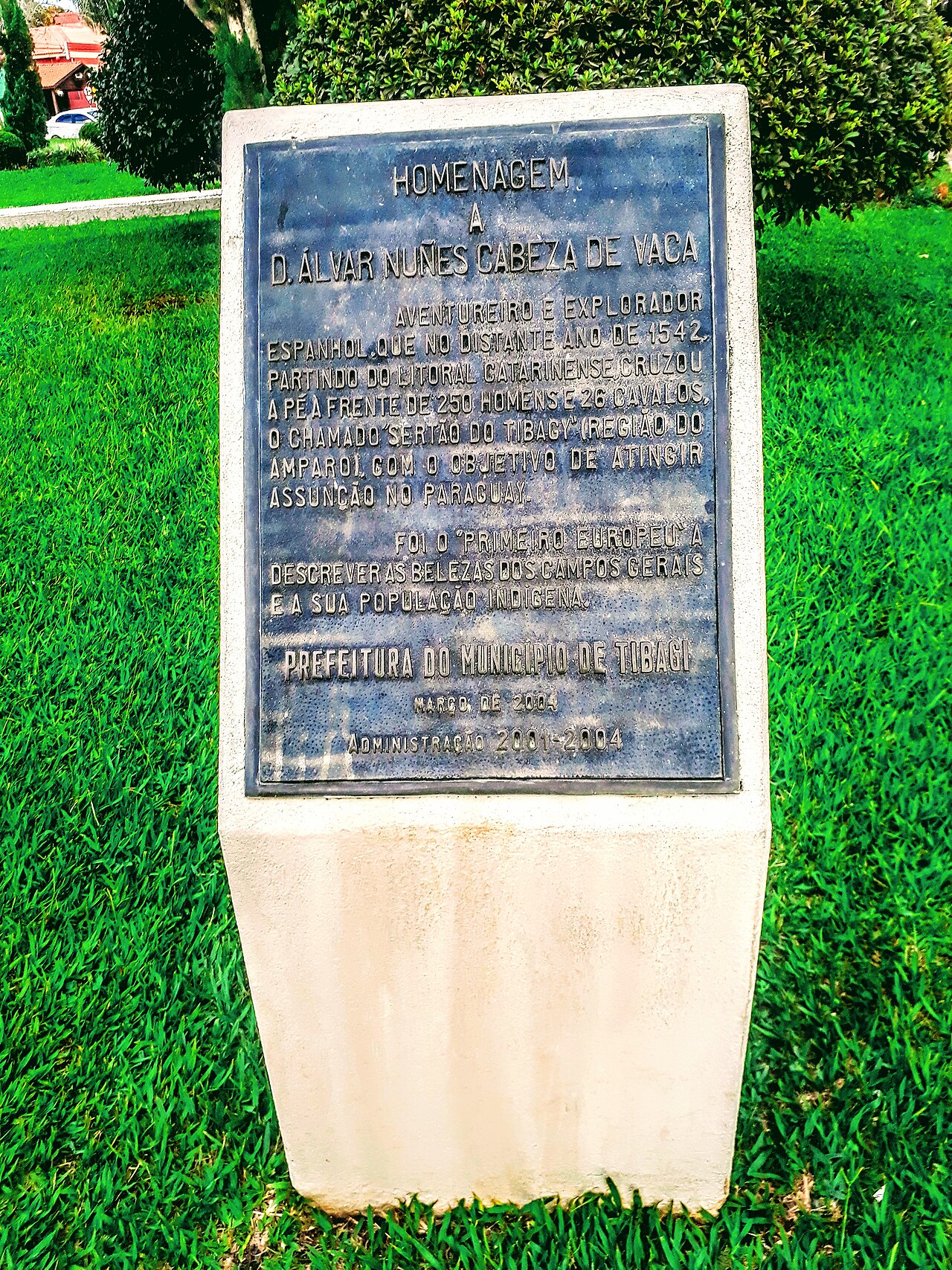 Sculpture
Secondary source
erected March 2004, photographed 9 February 2020
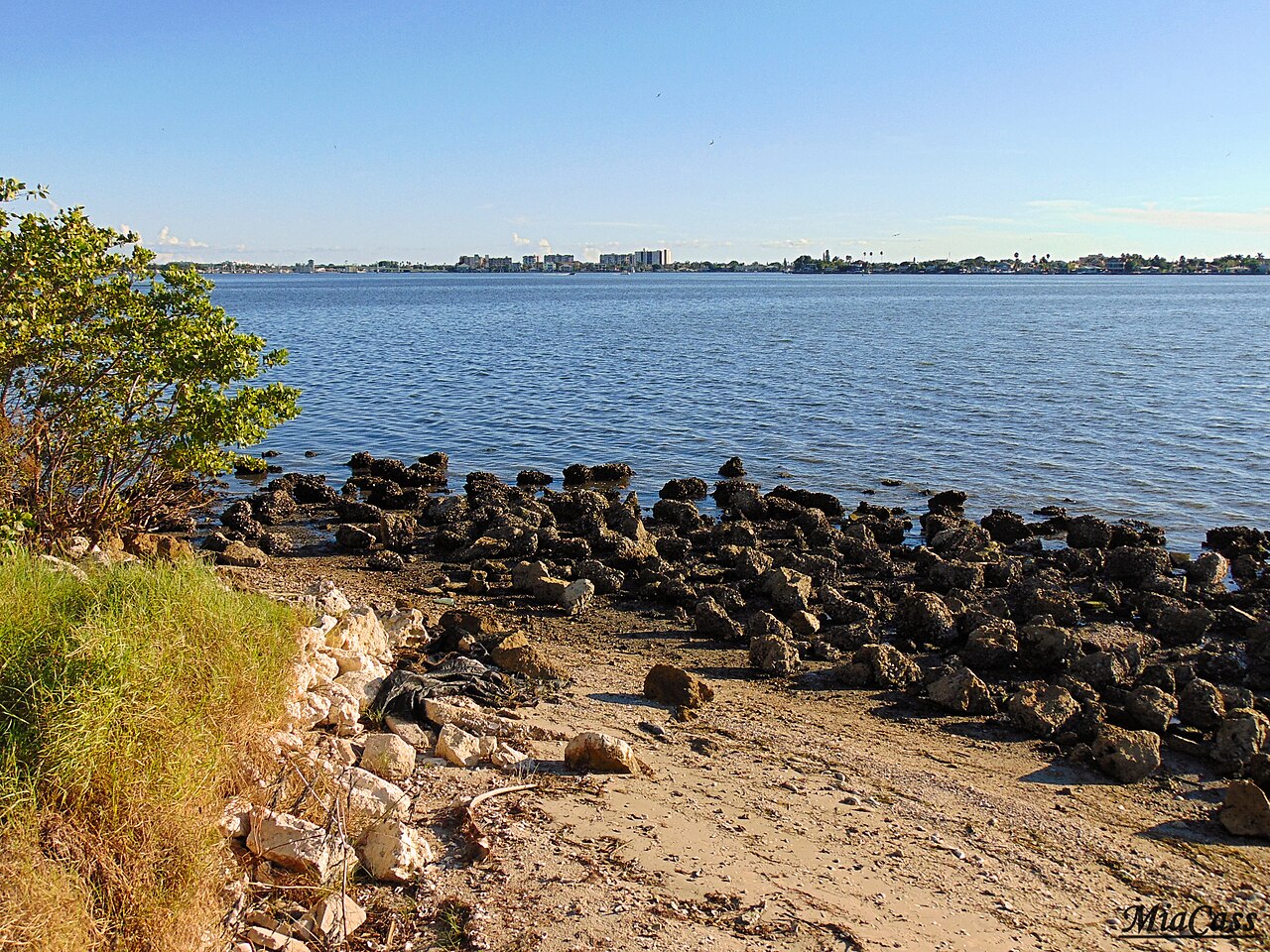 Photograph
Secondary source
MiaCass16 · 27 September 2016
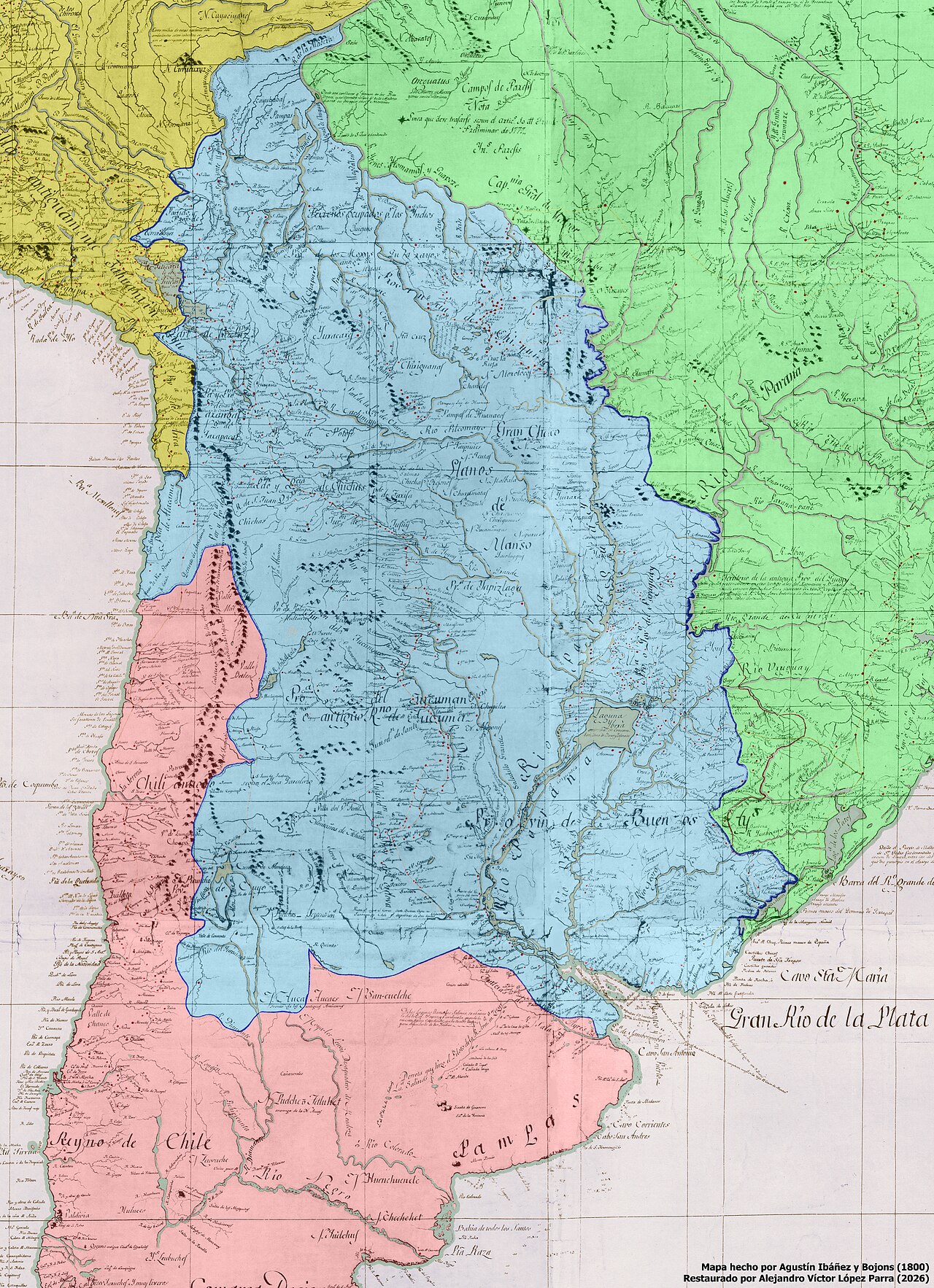 Document
Secondary source
Agustín Ibáñez y Bojons · 1800
Want the full shelf? Chat with Álvar Núñez Cabeza de Vaca in the app and open the Sources panel — every quote links back to the original.
1 collection
A ready-made collection from the Humy team that features Álvar Núñez Cabeza de Vaca. Preview it, then try it free.
Paying customers



























Dr. Michael Calvert
Assistant Superintendent, South Allegheny School District, Pennsylvania
Been using Humy in his district since 2024
“We enjoyed the program last year and used it frequently.”

Jacob Chisom
World and American History, Monticello High School, Arkansas
Been using Humy in his classroom since 2024
“My students say it’s a welcome change of pace. I’m not a fan of the “sage on the stage” model, so I try to incorporate research-oriented and self-paced activities. With Humy, students have to take charge of their learning. They’ve become more adept at critical thinking, forming better questions, and improving their reading comprehension. The interview feature has been my go-to tool. I create assignments where students must ask historical figures a set number of questions, then summarize the responses to ensure they’re truly absorbing the material. This approach lets them actively explore the past rather than passively consuming information.”
Roger Campbell
7th-grade World History, Lancaster County, Pennsylvania
Been using Humy in his classroom since 2024
“Humy has helped me bring historical figures, sometimes long past, to life. When my students interact with these figures in real-time, it eliminates some of the perceived “ancient” characteristics of my curriculum. This has shifted my students’ thinking away from viewing history as abstract or irrelevant. Real-time interactions make historical figures relatable, even allowing students to ask off-topic questions that help put historical lives in a more relevant context for 13-year-olds. The feature I use the most is the interview feature. After teaching a topic, most recently Gandhi and Joan of Arc, I have the students ask pointed, focused questions. We practice good conversation techniques beforehand, teaching them to listen (or read) carefully and formulate thoughtful follow-up questions rather than just interrogating. It helps students practice effective conversation skills.”
Dr. Michael Calvert
Assistant Superintendent, South Allegheny School District, Pennsylvania
Been using Humy in his district since 2024
“We enjoyed the program last year and used it frequently.”
Jacob Chisom
World and American History, Monticello High School, Arkansas
Been using Humy in his classroom since 2024
“My students say it’s a welcome change of pace. I’m not a fan of the “sage on the stage” model, so I try to incorporate research-oriented and self-paced activities. With Humy, students have to take charge of their learning. They’ve become more adept at critical thinking, forming better questions, and improving their reading comprehension. The interview feature has been my go-to tool. I create assignments where students must ask historical figures a set number of questions, then summarize the responses to ensure they’re truly absorbing the material. This approach lets them actively explore the past rather than passively consuming information.”
Roger Campbell
7th-grade World History, Lancaster County, Pennsylvania
Been using Humy in his classroom since 2024
“Humy has helped me bring historical figures, sometimes long past, to life. When my students interact with these figures in real-time, it eliminates some of the perceived “ancient” characteristics of my curriculum. This has shifted my students’ thinking away from viewing history as abstract or irrelevant. Real-time interactions make historical figures relatable, even allowing students to ask off-topic questions that help put historical lives in a more relevant context for 13-year-olds. The feature I use the most is the interview feature. After teaching a topic, most recently Gandhi and Joan of Arc, I have the students ask pointed, focused questions. We practice good conversation techniques beforehand, teaching them to listen (or read) carefully and formulate thoughtful follow-up questions rather than just interrogating. It helps students practice effective conversation skills.”
FAQ
Like any LLM, the AI version of Álvar Núñez Cabeza de Vaca can get details wrong. Open one of these sources in a new tab to verify what you’ve read.

Portuguese explorer who led the first expedition to circumnavigate the globe.

Spanish conquistador who led the conquest of the Inca Empire in Peru.

Spanish conquistador who led the expedition that caused the fall of the Aztec Empire in Mexico.

Spanish Conquistador, Explorer, Pioneer.

British explorer and cartographer known for his voyages to the Pacific Ocean.

A Spanish conquistador and explorer
Ready when you are
20 messages free · No credit card · Available in 50+ languages.