


Secondary sourcePainting16th century
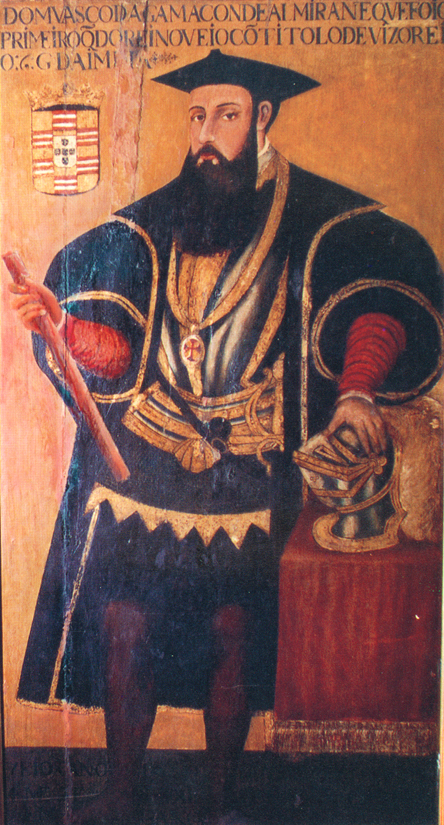
Portrait of Vasco da Gama, Viceroys' Gallery, Goa
Unknown · 16th century
A 16th-century portrait of Vasco da Gama from the gallery of Portuguese viceroys in Goa, painted after his lifetime.
A portrait honoring da Gama's role as viceroy of Portuguese India, displayed in the Goa viceroys' gallery.
About this source
What it is
This full-length portrait of Vasco da Gama comes from the Gallery of the Viceroys of the Portuguese State of India in Goa. It dates from the 16th century, though its creator is unknown, and it shows a bearded man in fine robes with a coat of arms and inscription above him.
Why it matters
Da Gama became viceroy of Portuguese India, and this portrait was part of a gallery honoring the line of viceroys who governed Portugal's colonial territory there. Even though it was painted after his actual lifetime, it reflects how the Portuguese colonial administration wanted to remember and display him among its rulers.
Look closer
- What do the coat of arms and inscription suggest about why this portrait was made?
- What symbols of wealth or power does the painting include, and why?
- Because this was painted after Gama's death, what should we be cautious about when using it as evidence of his appearance?
This painting is part of the curated material that grounds the AI version of Vasco da Gama on Humy.ai — when students ask about related events, the AI can quote it and cite it.
More Vasco da Gama sources
Meet the AI Vasco da Gama →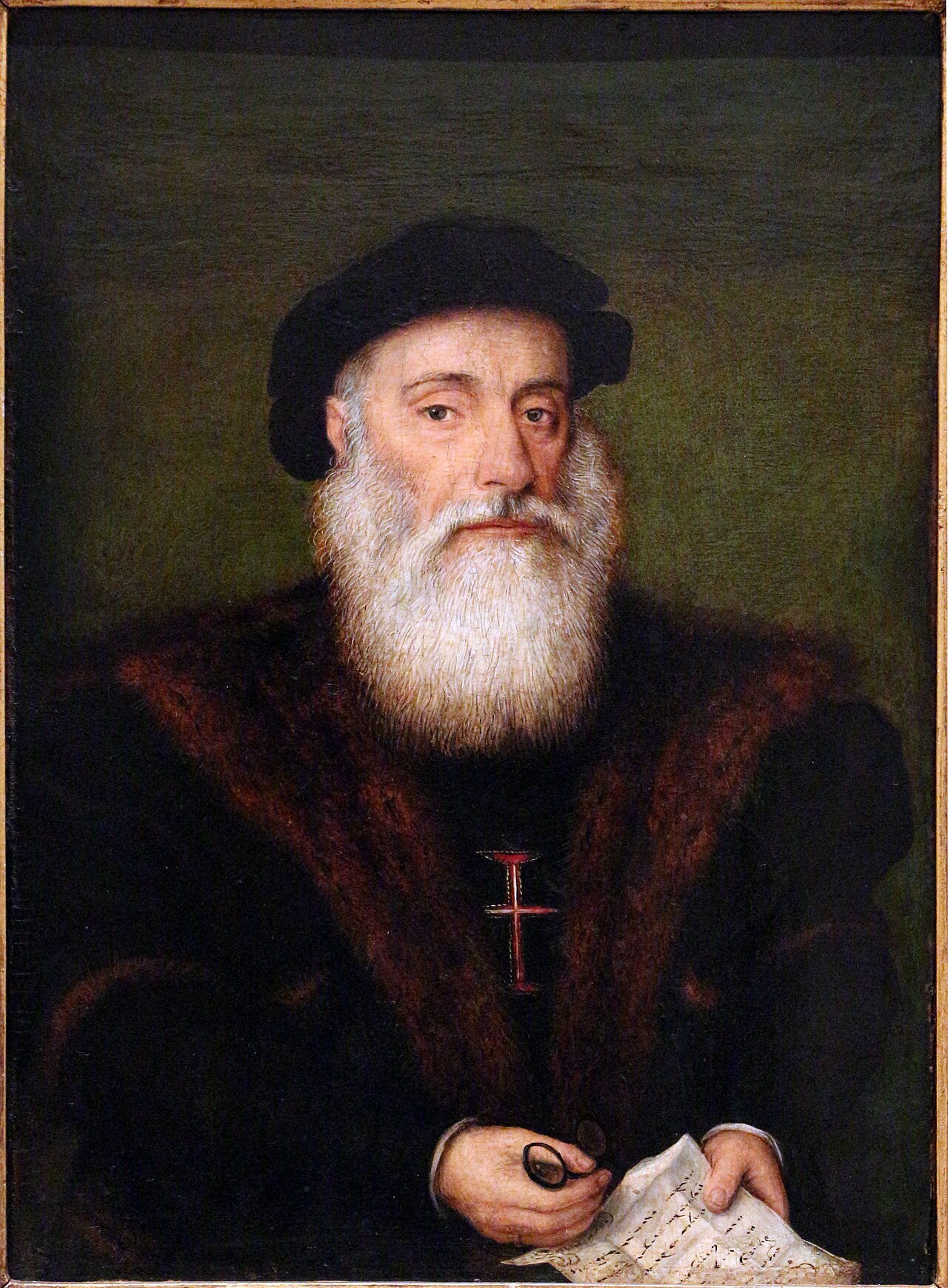 Painting
Secondary source
Portrait of Vasco da Gama
Anonymous · c. 1525
 Painting
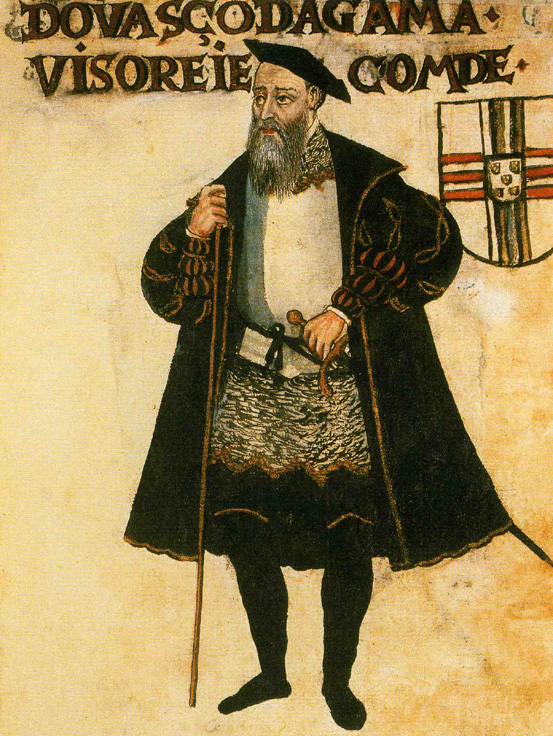
Secondary source
Vasco da Gama, Livro de Lisuarte de Abreu
Livro de Lisuarte de Abreu (compiler unknown) · c. 1565
 Document
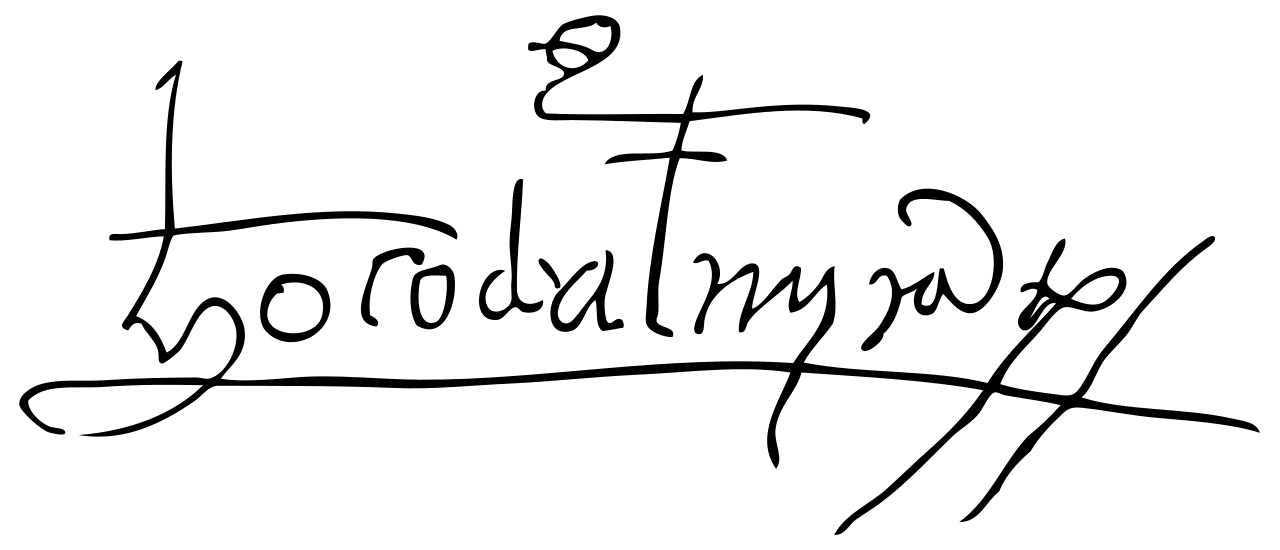
Secondary source
Signature of Vasco da Gama
Vasco da Gama
 Artifact
Primary source
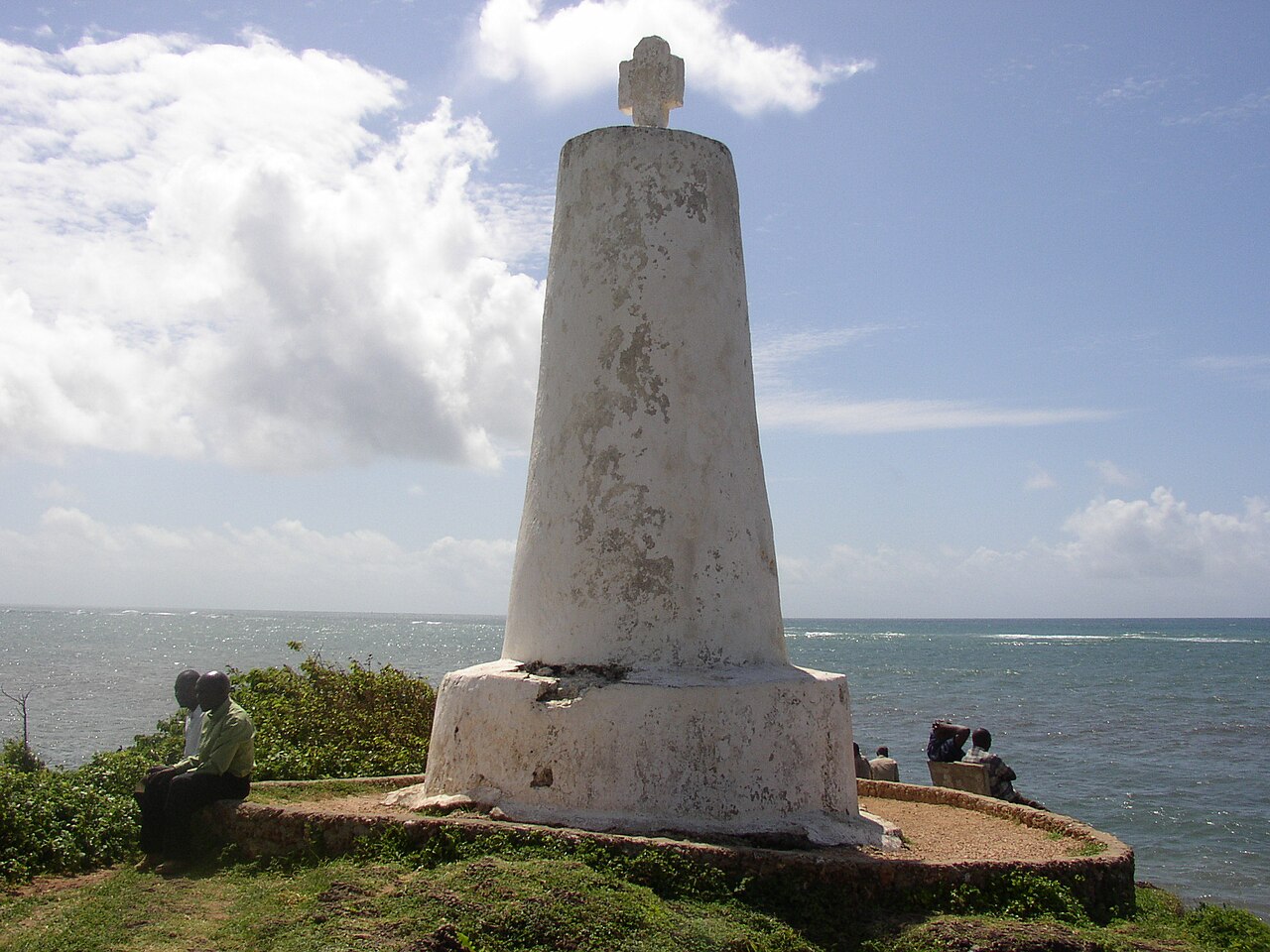
Vasco da Gama Pillar
1498 or 1499
 Document
Primary source
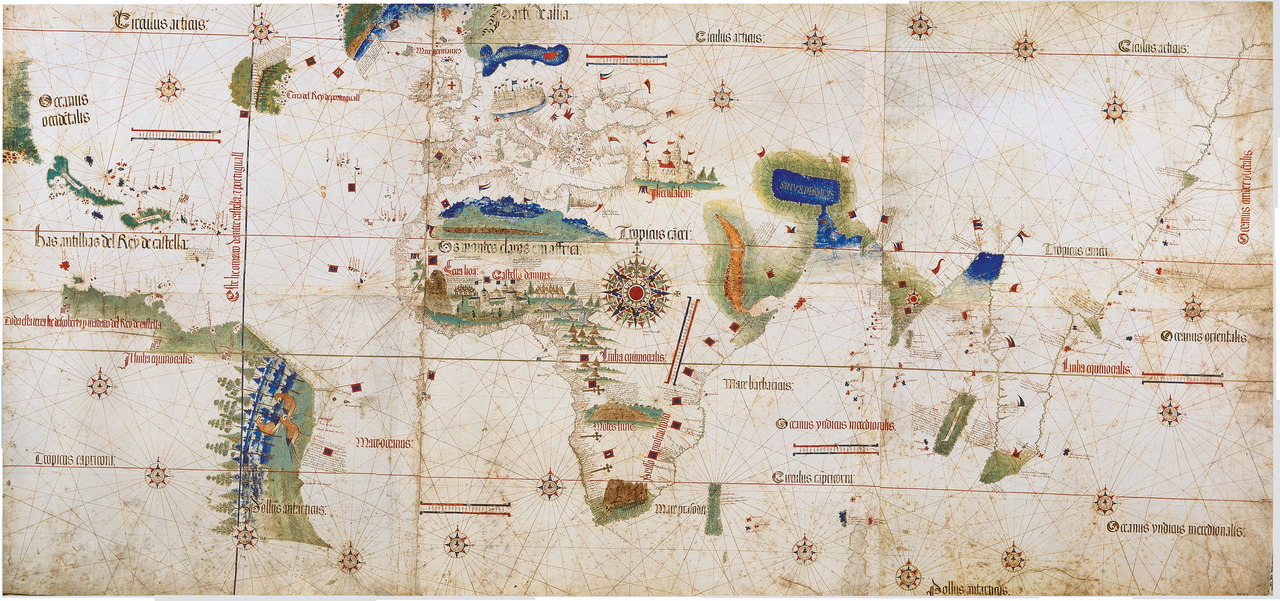
Cantino Planisphere
Anonymous Portuguese cartographer · 1502
Ready when you are
Start chatting with Vasco da Gama now.
20 messages free · No credit card · Available in 50+ languages.