


Secondary sourcePaintingcirca 1880
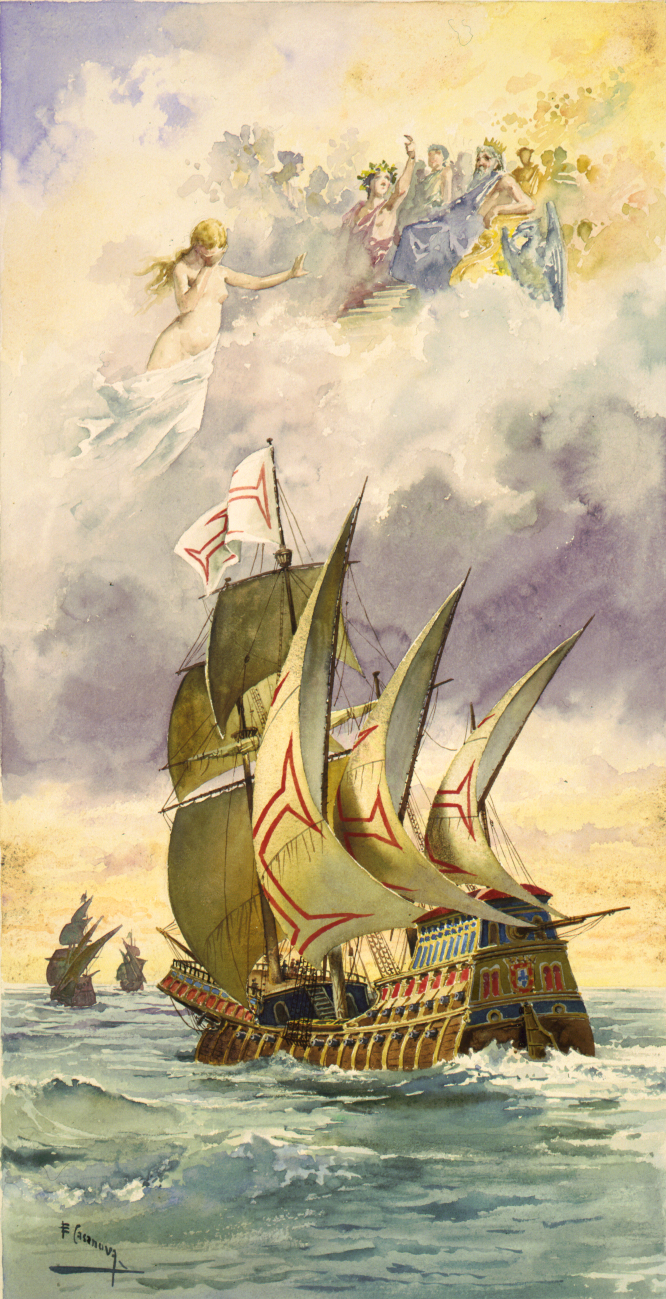
Vasco da Gama's Ship
Ernesto Casanova · circa 1880
A watercolour by Ernesto Casanova, made about 1880, showing a large sailing ship bearing Gama's name in the image of his voyage. It was painted long after the voyage.
Shows Gama's ship as imagined by a painter about four centuries after the voyage, showing how the explorer's story was later pictured.
About this source
What it is
This is a watercolour painting by Ernesto Casanova, dated to about 1880. It shows a large sailing ship with billowing sails marked with red crosses, on a choppy green sea under a stormy sky. Two smaller ships are at left. A nude female figure floats in clouds at upper left, with robed figures seated above. The image is titled as Vasco da Gama's ship.
Why it matters
Casanova painted this scene nearly four centuries after Gama sailed. Images like this helped shape how the public pictured the Portuguese voyages to India. The painting says more about nineteenth-century ideas of exploration than about the ship's real appearance.
Look closer
- What details of the ship, such as the sails and crosses, does the painter emphasise?
- Why might a painter add figures in the clouds to a picture of a voyage?
- What would a sailor who was on Gama's ship have seen that this painting does not show?
This painting is part of the curated material that grounds the AI version of Vasco da Gama on Humy.ai — when students ask about related events, the AI can quote it and cite it.
More Vasco da Gama sources
Meet the AI Vasco da Gama →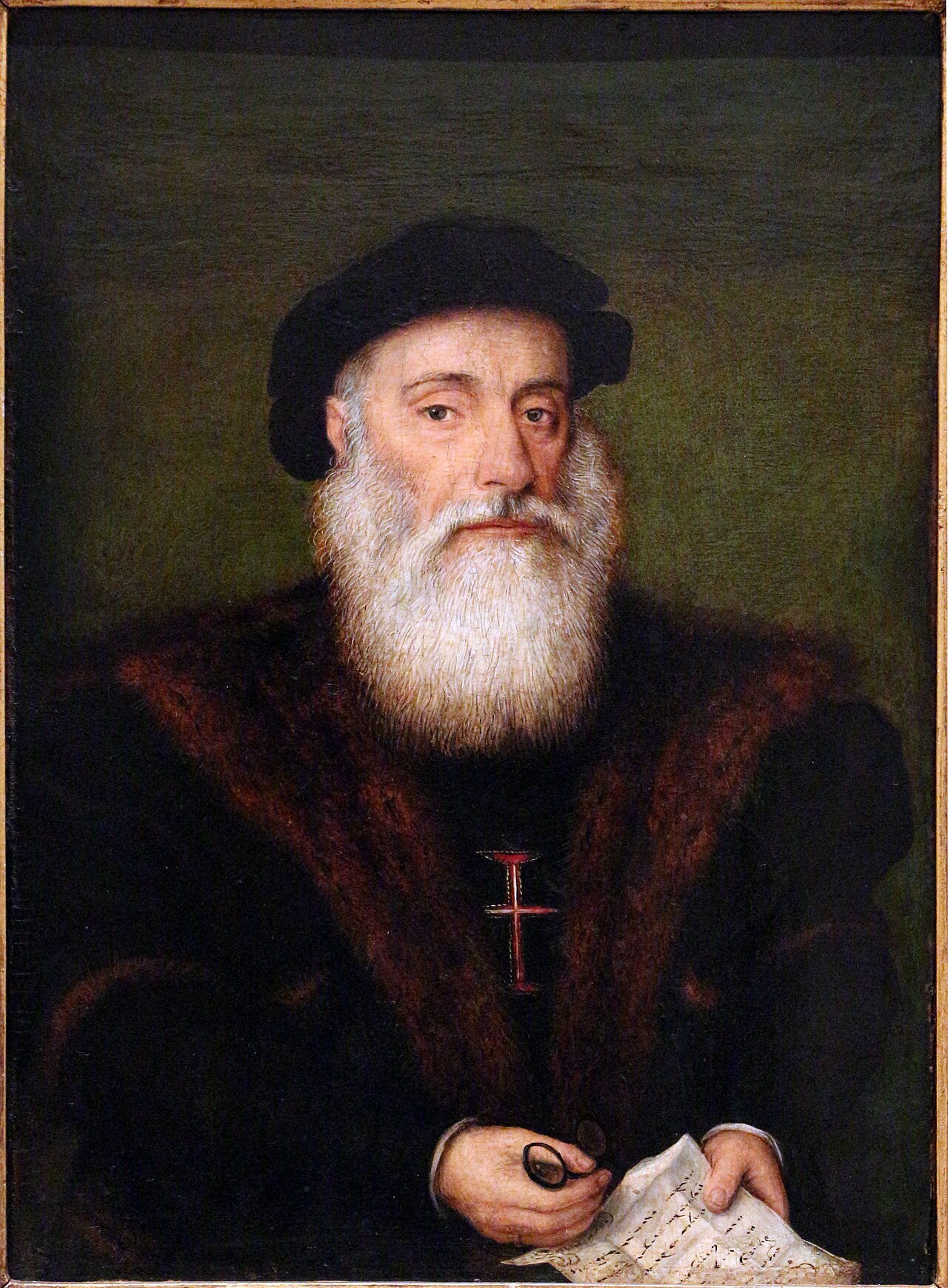 Painting
Secondary source
Portrait of Vasco da Gama
Anonymous · c. 1525
 Painting
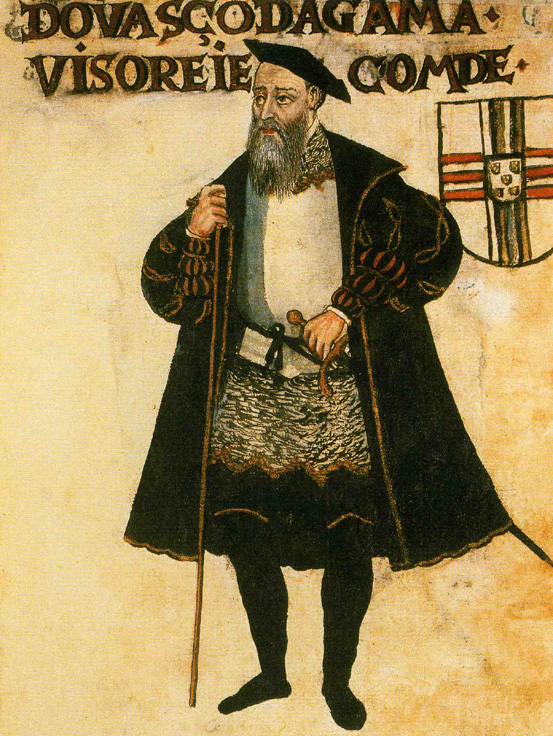
Secondary source
Vasco da Gama, Livro de Lisuarte de Abreu
Livro de Lisuarte de Abreu (compiler unknown) · c. 1565
 Document
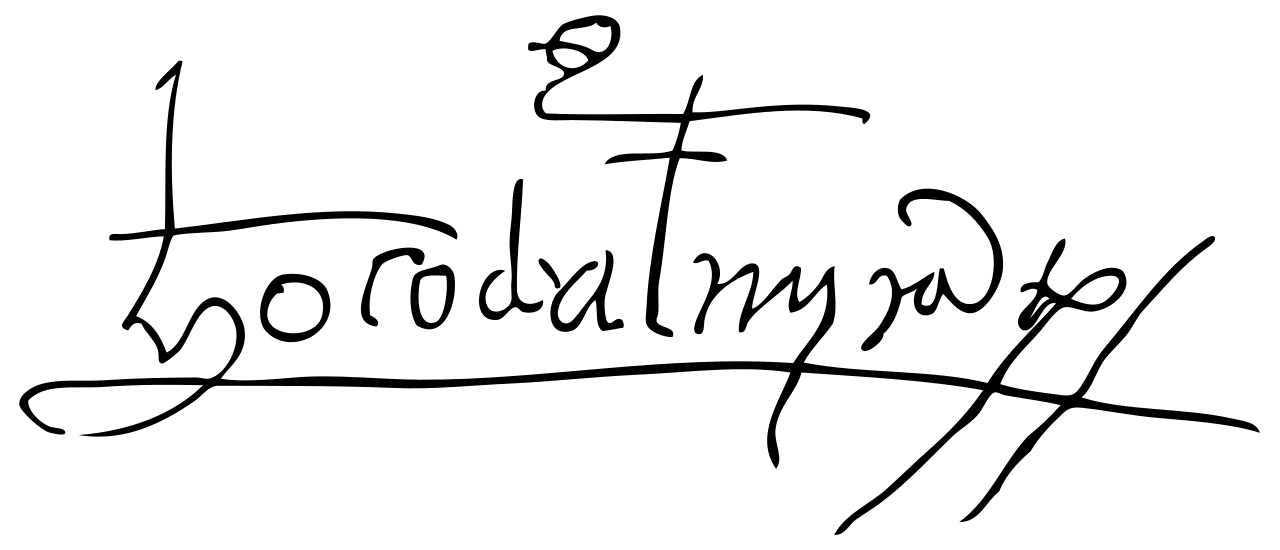
Secondary source
Signature of Vasco da Gama
Vasco da Gama
 Artifact
Primary source
Vasco da Gama Pillar
1498 or 1499
 Document
Primary source
Cantino Planisphere
Anonymous Portuguese cartographer · 1502
Ready when you are
Start chatting with Vasco da Gama now.
20 messages free · No credit card · Available in 50+ languages.