


Secondary sourceArtifact1865 (begun 1837)
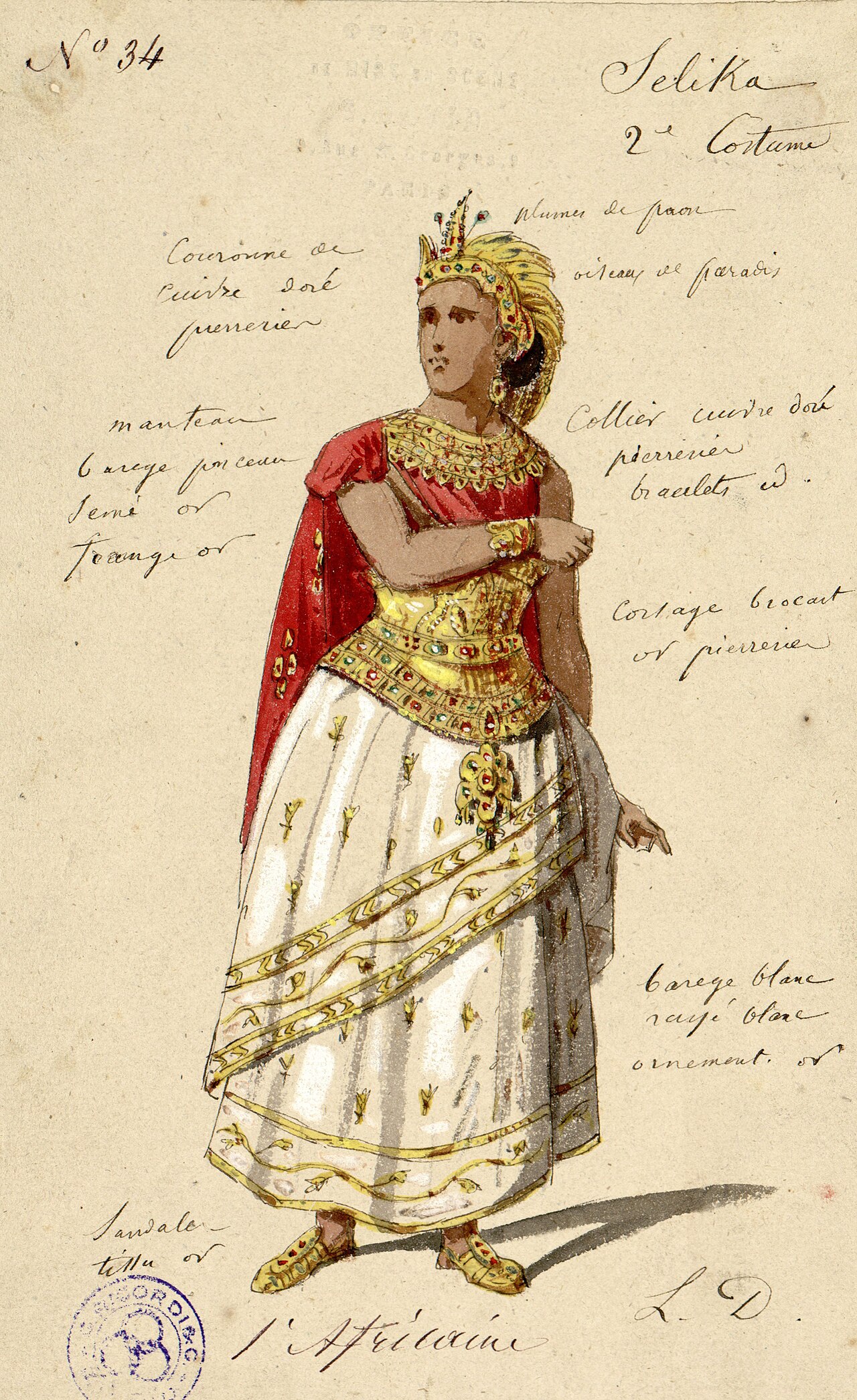
L'Africaine
Giacomo Meyerbeer · 1865 (begun 1837)
Giacomo Meyerbeer's 1865 grand opera, with Vasco da Gama as its romantic hero, shows how 19th-century Europe turned the explorer into a stage legend.
This opera turned da Gama into a fictional romantic hero, showing how later Europe mythologised his voyage.
About this source
What it is
This is a French grand opera composed by Giacomo Meyerbeer with a libretto by Eugène Scribe, begun in 1837 and first performed in 1865, a year after Meyerbeer's death. Although published under the title L'Africaine, Meyerbeer had wanted to call it Vasco de Gama, after its central character.
Why it matters
The opera turns Vasco da Gama into a fictional romantic hero caught between two women, loosely inspired by the epic poem The Lusiads, which celebrated his historic voyage. It shows how, centuries later, European artists reshaped real explorers into legendary figures for entertainment, often with little regard for historical accuracy.
Look closer
- Why might composers and writers be drawn to turn a real explorer into a fictional romantic hero?
- What does the costume design shown here tell you about how non-European characters were imagined on European stages?
- How might this opera have shaped what ordinary people in the 1800s believed about da Gama's voyage?
This artifact is part of the curated material that grounds the AI version of Vasco da Gama on Humy.ai — when students ask about related events, the AI can quote it and cite it.
More Vasco da Gama sources
Meet the AI Vasco da Gama →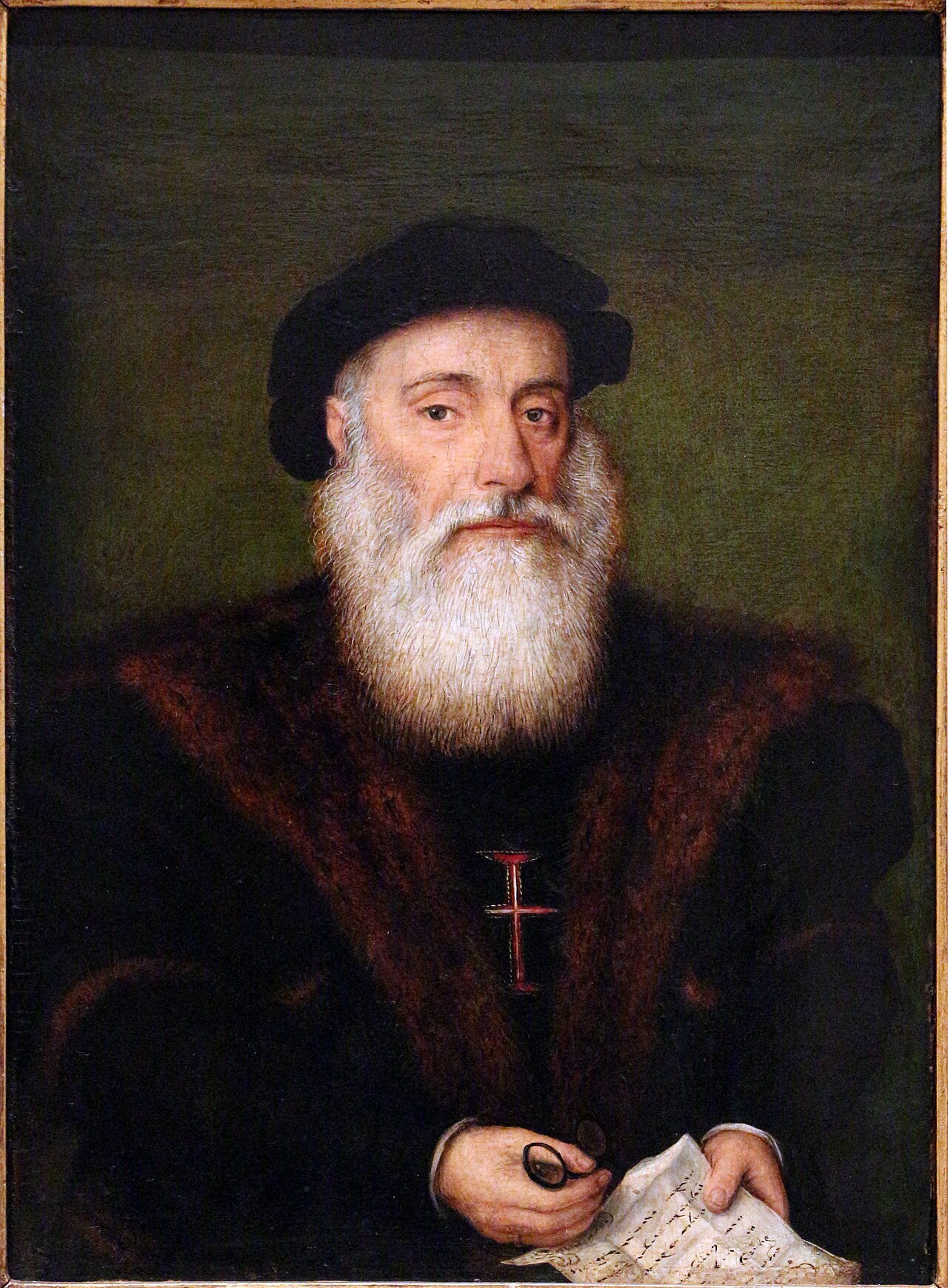 Painting
Secondary source
Portrait of Vasco da Gama
Anonymous · c. 1525
 Painting
Secondary source
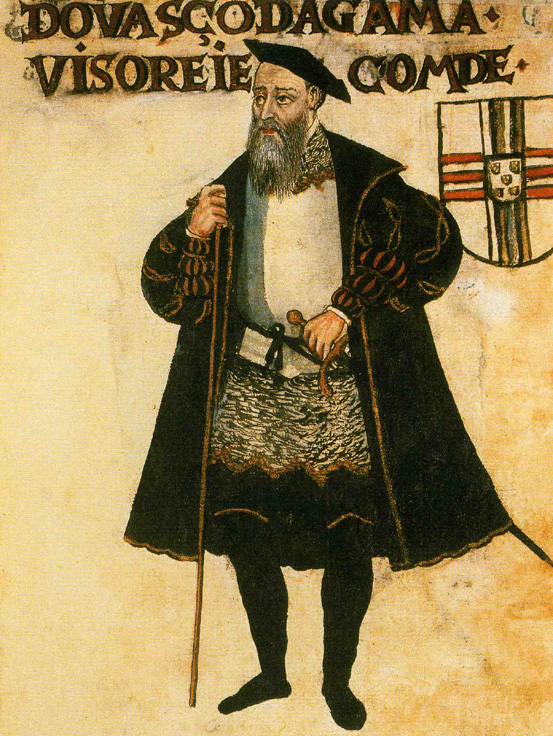
Vasco da Gama, Livro de Lisuarte de Abreu
Livro de Lisuarte de Abreu (compiler unknown) · c. 1565
 Document
Secondary source
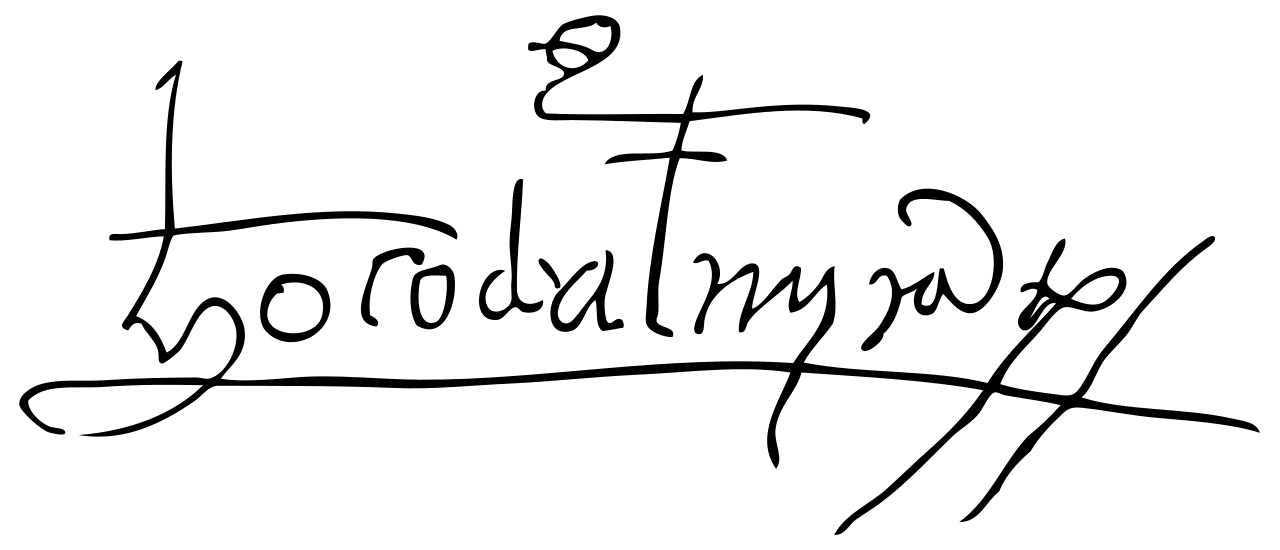
Signature of Vasco da Gama
Vasco da Gama
 Artifact
Primary source
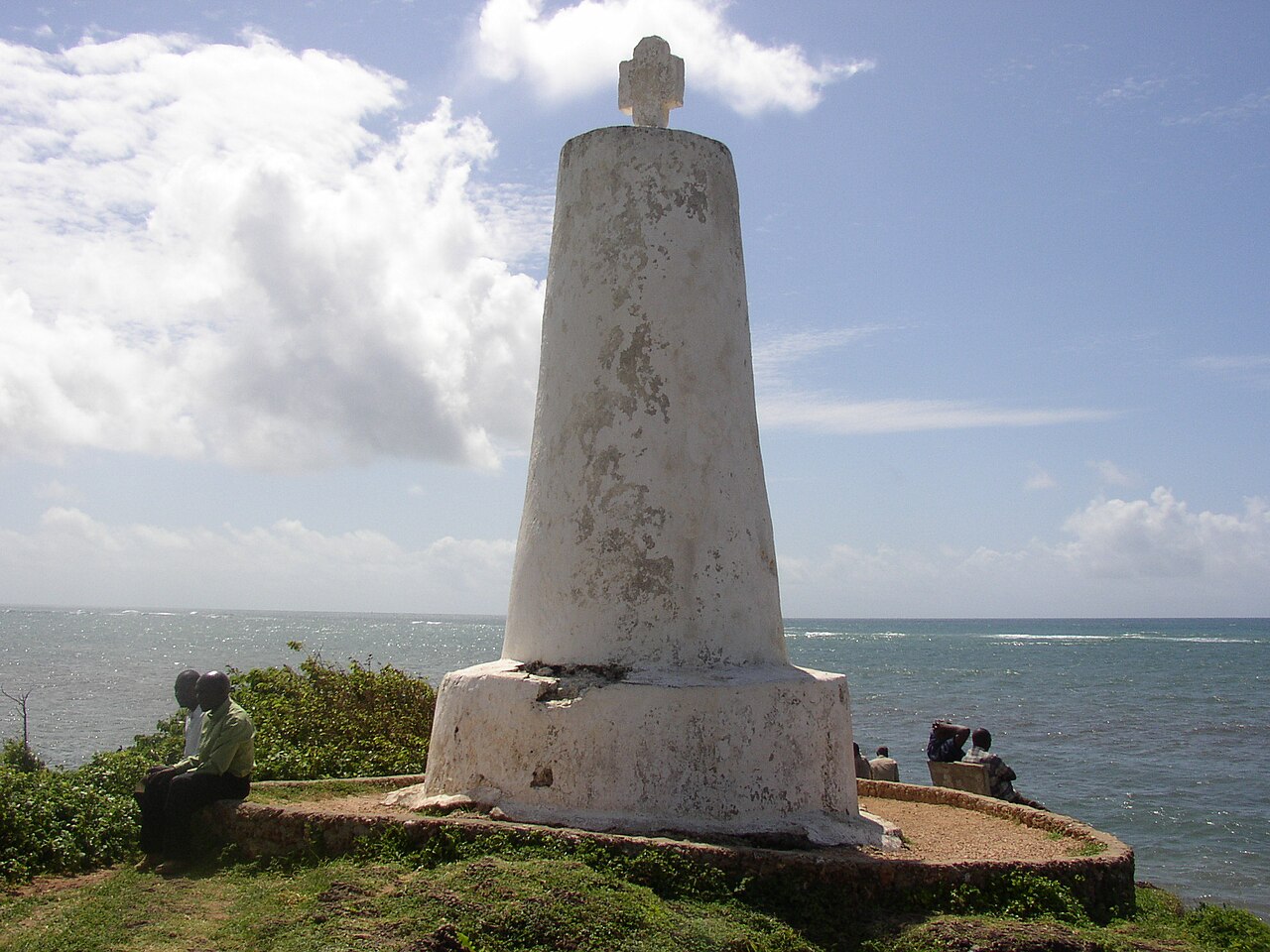
Vasco da Gama Pillar
1498 or 1499
 Document
Primary source
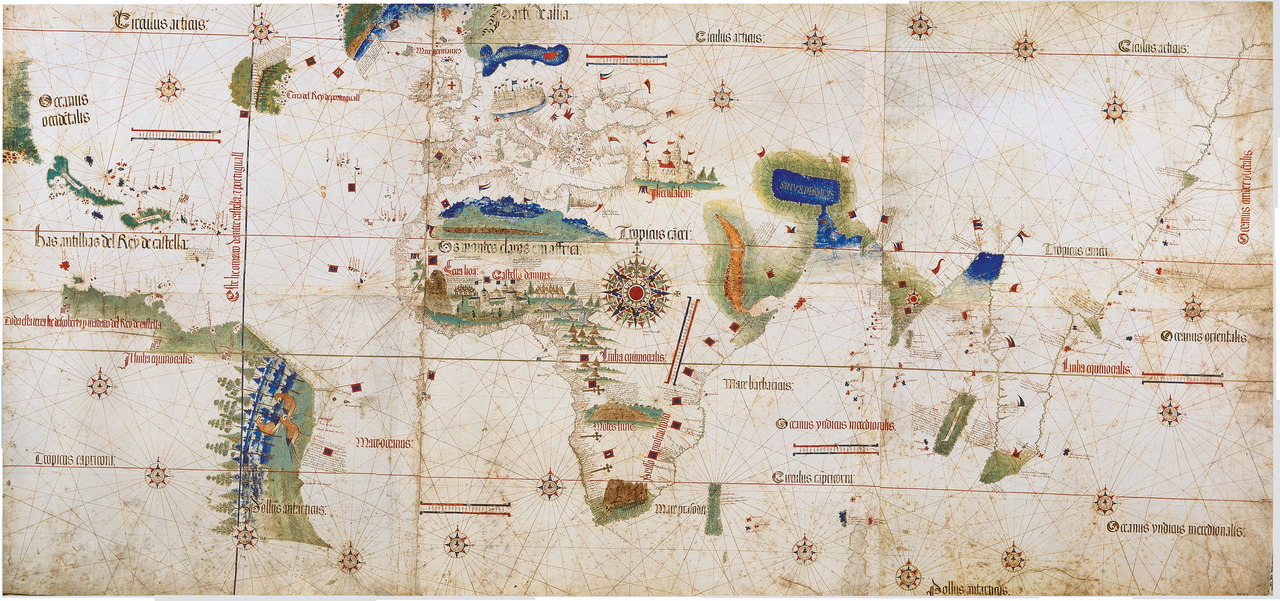
Cantino Planisphere
Anonymous Portuguese cartographer · 1502
Ready when you are
Start chatting with Vasco da Gama now.
20 messages free · No credit card · Available in 50+ languages.