


Secondary sourcePaintingc. 1588
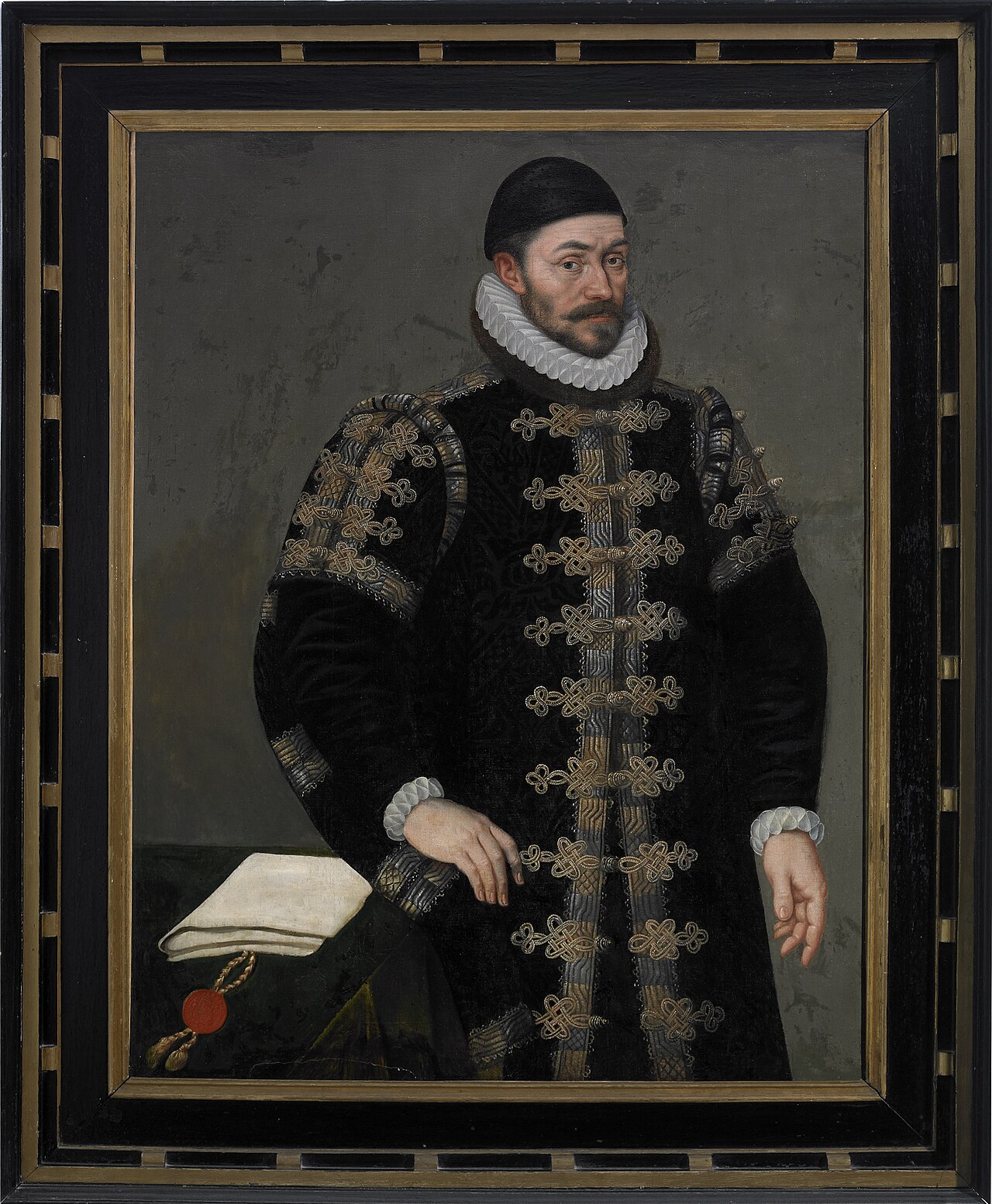
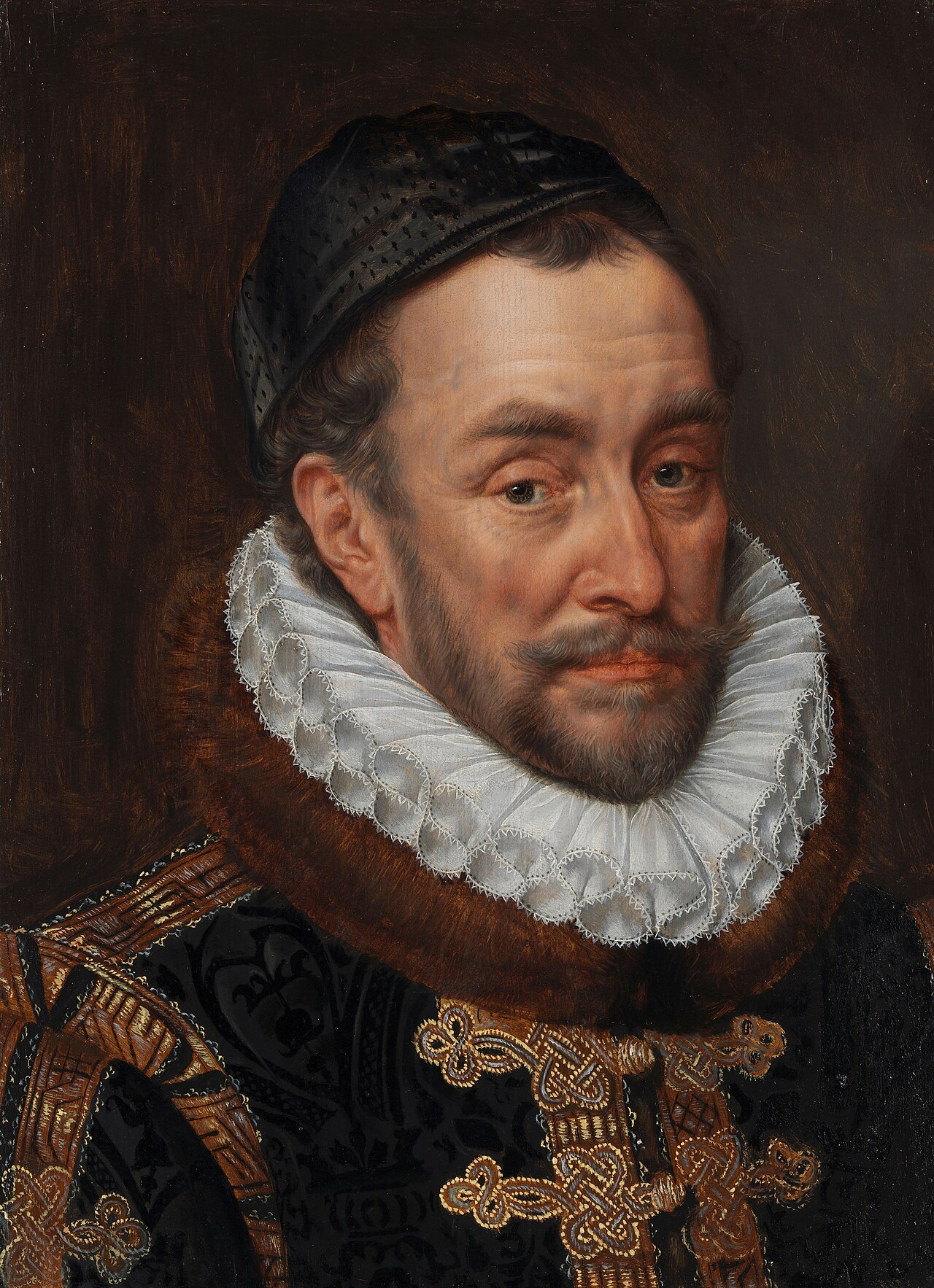
Portrait of William the Silent
Daniël van den Queborn · c. 1588
A posthumous 1588 portrait of William the Silent, commissioned by the States of Zeeland and painted shortly after his death.
This posthumous portrait, commissioned by Zeeland, shows how William's memory was honoured after his death.
About this source
What it is
This oil painting by Daniël van den Queborn, made around 1588, shows William the Silent wearing a black cap, white ruff, and gold-trimmed doublet, with a sealed document beside him representing the city charter he granted to Arnemuiden in 1574. It was commissioned for the new town hall of Arnemuiden and is now held by the Zeeland Archives.
Why it matters
Painted only a few years after William's assassination, this portrait is an early example of how his image was shaped and preserved by the communities he had governed. It shows how towns like Arnemuiden used portraiture to honour the man who had granted them rights and protection, cementing his legacy as a founding figure of the Dutch Revolt.
Look closer
- Why might a town commission a portrait of a ruler who had already died?
- What does the sealed document next to him suggest about why he was remembered?
- What choices did the painter make to show William's status and character?
This painting is part of the curated material that grounds the AI version of William the Silent on Humy.ai — when students ask about related events, the AI can quote it and cite it.
More William the Silent sources
Browse all 93 →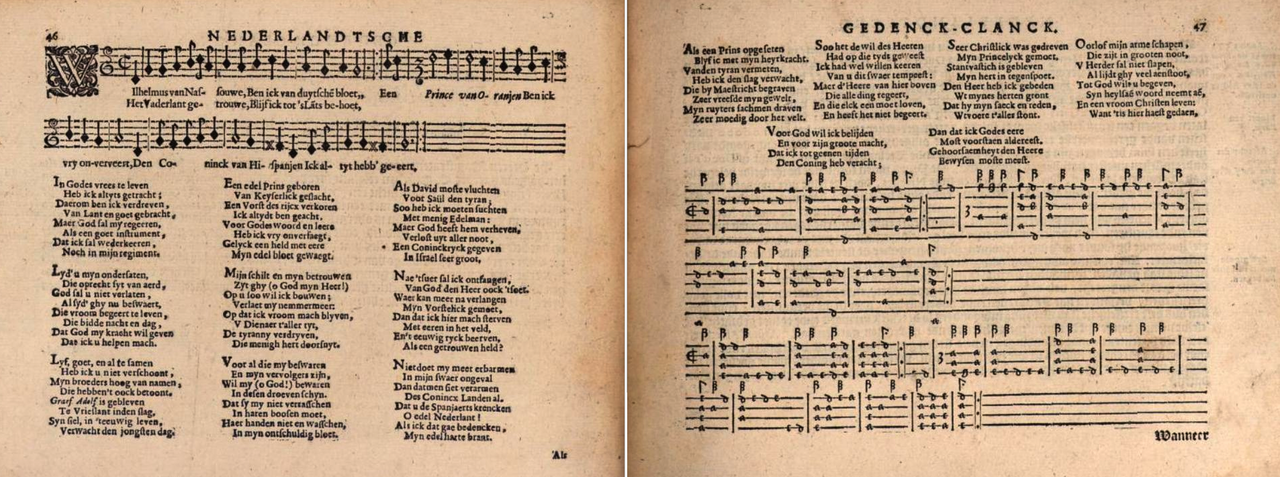 Document
Secondary source
Wilhelmus
Adrianus Valerius · 1572 (text); printed with music 1626
 Document
Primary source
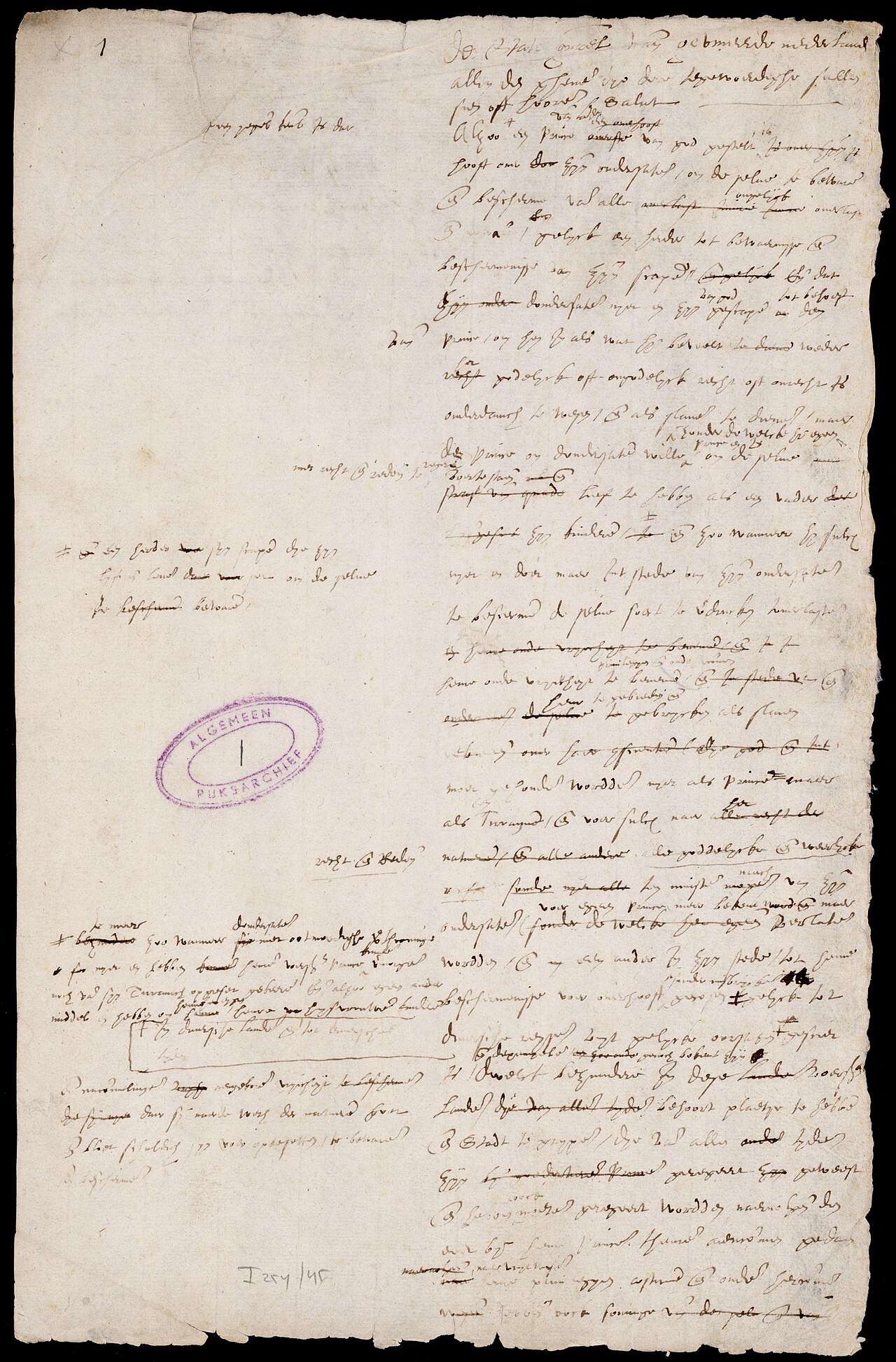
Act of Abjuration
Jan van Asseliers · 26 July 1581
 Artifact
Primary source
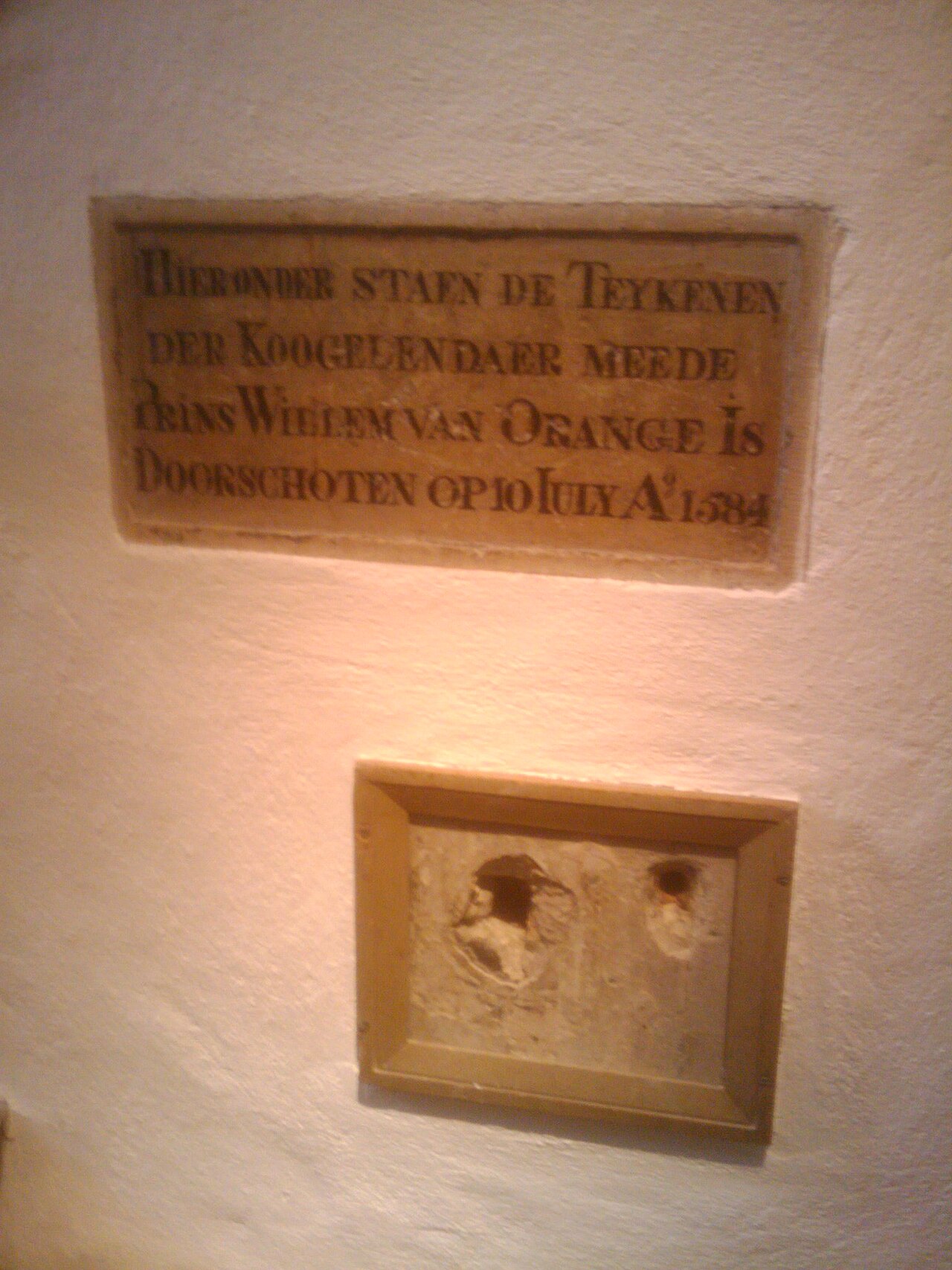
Prinsenhof, Delft
15th century (building); residence 1572–1584
 Painting
Primary source
William I, Prince of Orange
Adriaen Thomasz. Key · 1579
Free account
Read every William the Silent source
Sign up free →
Ready when you are
Start chatting with William the Silent now.
20 messages free · No credit card · Available in 50+ languages.