


Primary sourcePainting1821
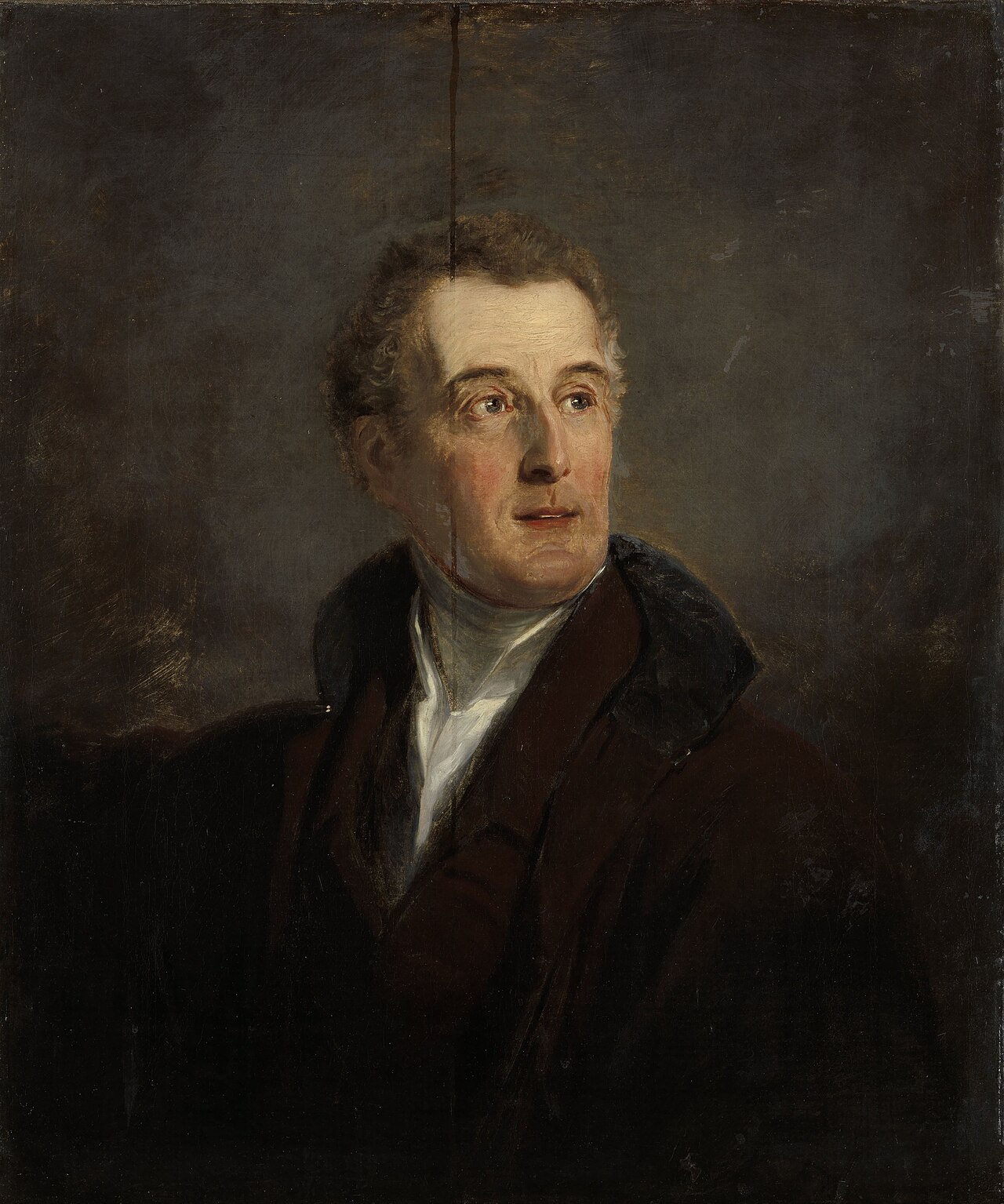
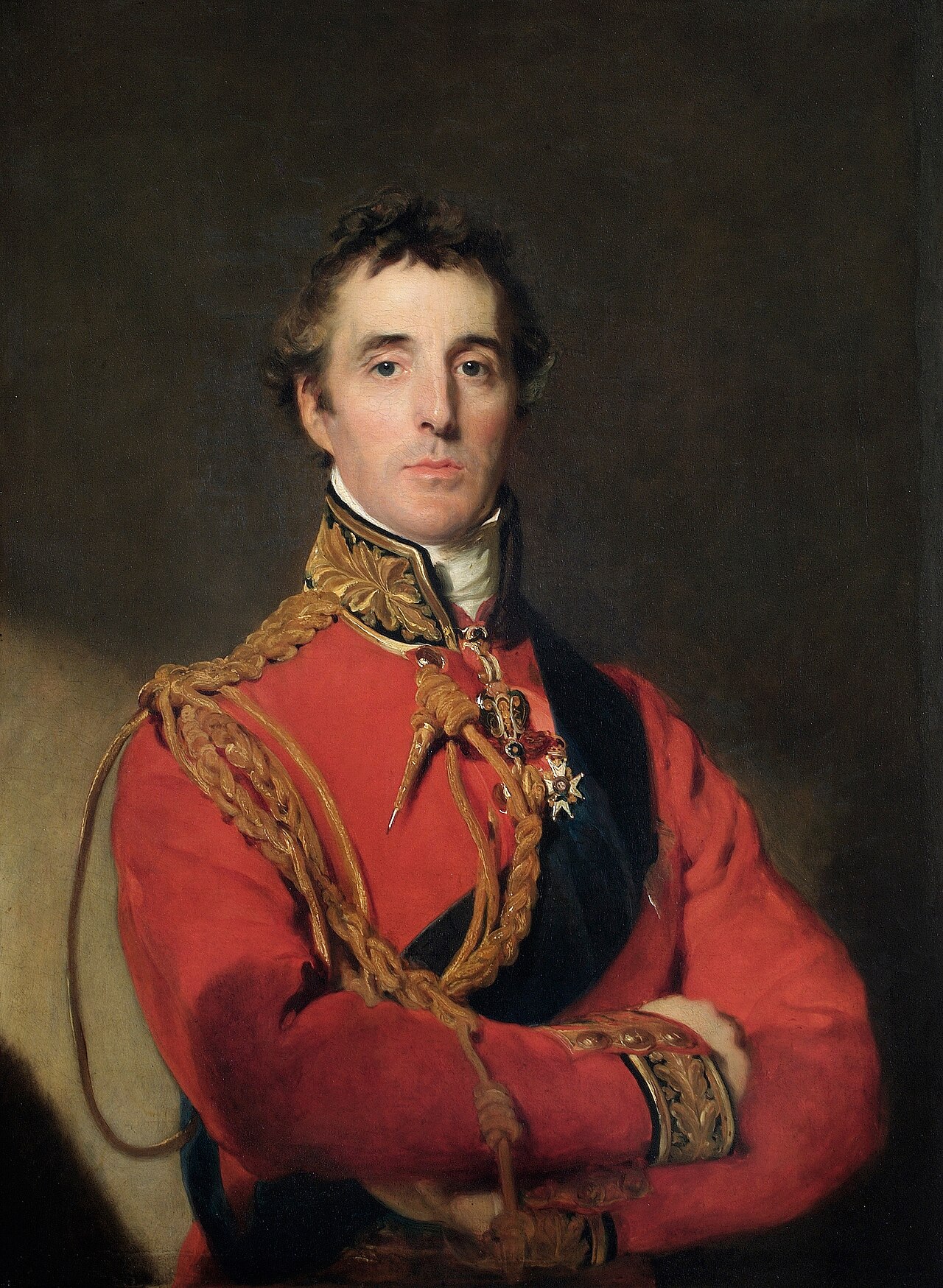
Portrait Study of Arthur Wellesley, Duke of Wellington
Jan Willem Pieneman · 1821
A 1821 portrait study of the Duke of Wellington by Jan Willem Pieneman, likely made for his large Battle of Waterloo painting.
A life study of Wellington made for a large painting of his most famous victory, the Battle of Waterloo.
About this source
What it is
This oil portrait study, signed and dated 1821 by Jan Willem Pieneman at Apsley House, London, shows Wellington's head and shoulders, with grey-brown hair and a white cravat, gazing upward. It is held by the Rijksmuseum and is probably a repeat of the study made for Pieneman's large painting of the Battle of Waterloo, completed in 1824.
Why it matters
The study was made from life during Wellington's lifetime, as part of the preparation for a monumental history painting of the battle that made him famous. It shows the working process behind grand commemorative art: artists often made close studies of real sitters before completing large historical scenes.
Look closer
- Why might an artist need a close study like this before painting a huge battle scene?
- What does Wellington's upward gaze suggest the final composition might have shown him doing?
- How is a study like this different from a finished, formal portrait?
This painting is part of the curated material that grounds the AI version of Duke of Wellington (Arthur Wellesley) on Humy.ai — when students ask about related events, the AI can quote it and cite it.
More Duke of Wellington (Arthur Wellesley) sources
Browse all 94 →Primary source
Duke of Wellington's Dispatch, to Earl Bathurst
Arthur Wellesley, 1st Duke of Wellington · 19 June 1815
 Document
Primary source
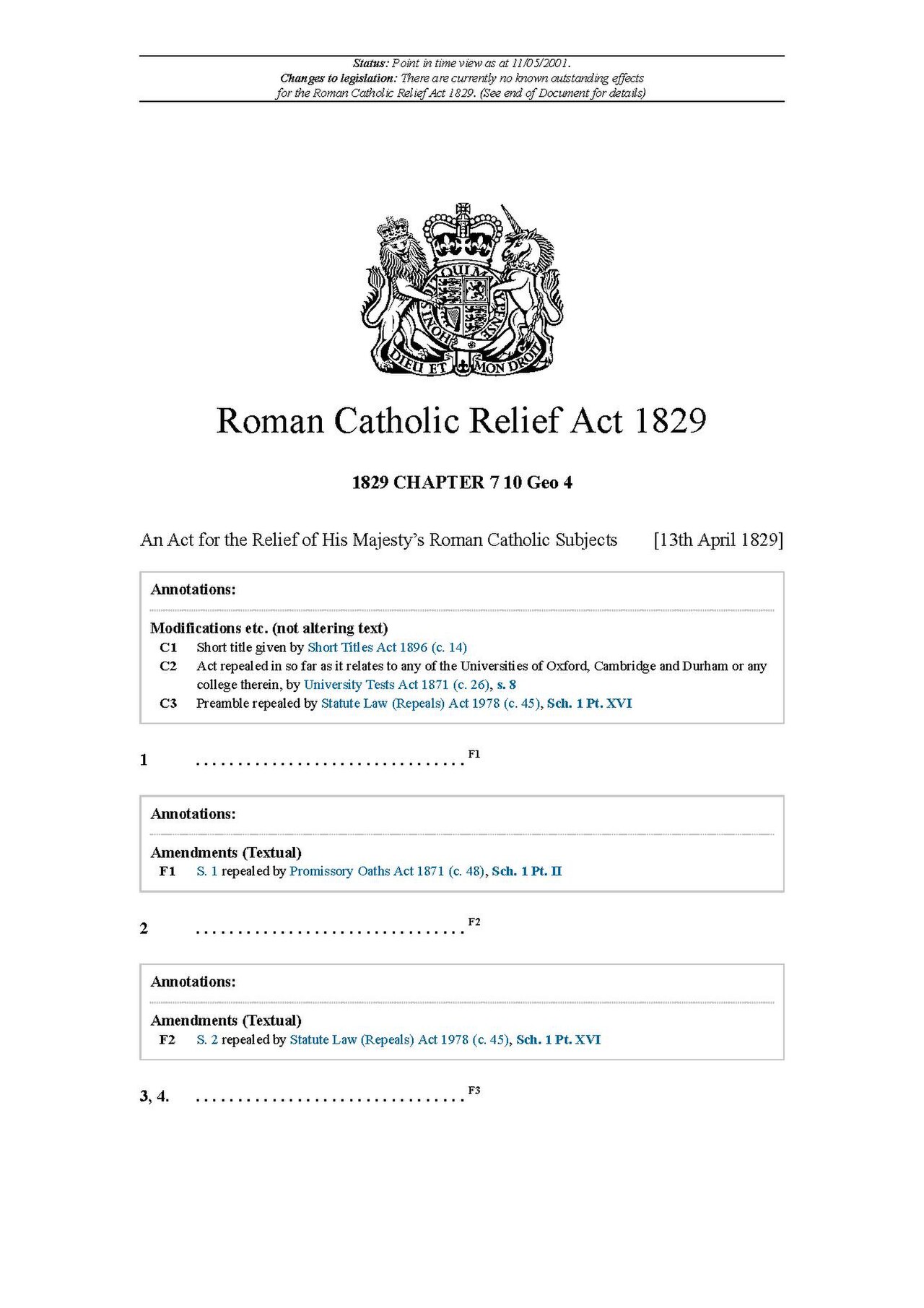
Roman Catholic Relief Act 1829
1829
 Photograph
Primary source
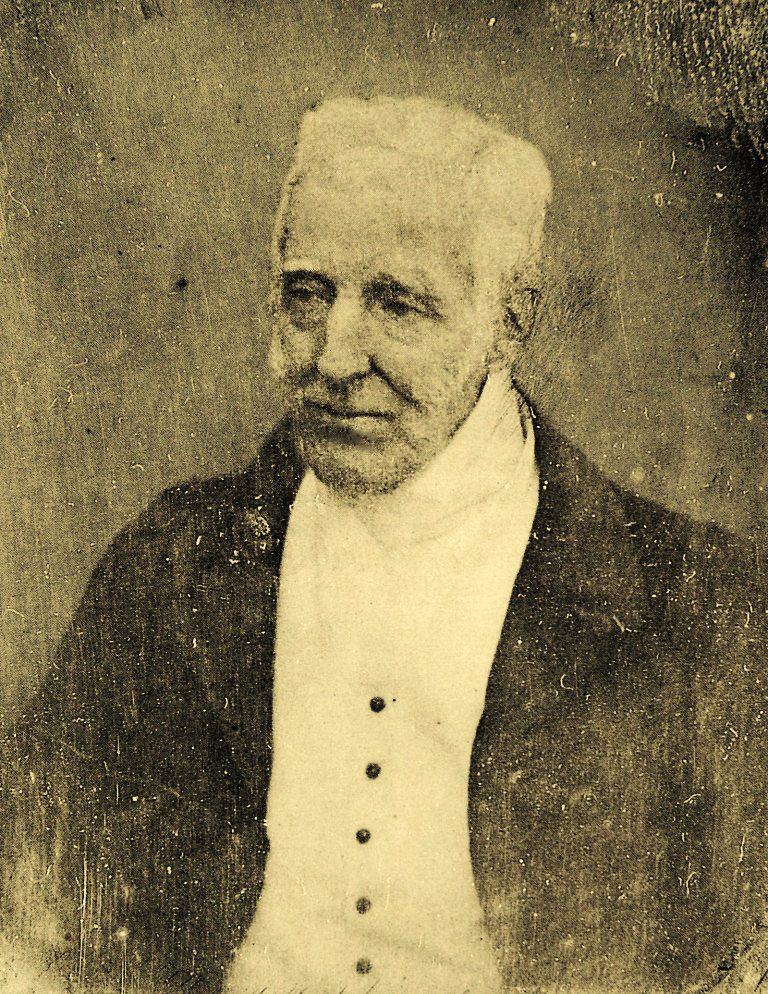
Duke of Wellington Photo cleaned
Antoine Claudet · 1844
 Book
Primary source
The Dispatches of Field Marshal the Duke of Wellington
Arthur Wellesley, 1st Duke of Wellington · 1834-1839
Free account
Read every Duke of Wellington (Arthur Wellesley) source
Sign up free →
Ready when you are
Start chatting with Duke of Wellington (Arthur Wellesley) now.
20 messages free · No credit card · Available in 50+ languages.