


Primary sourcePainting1628
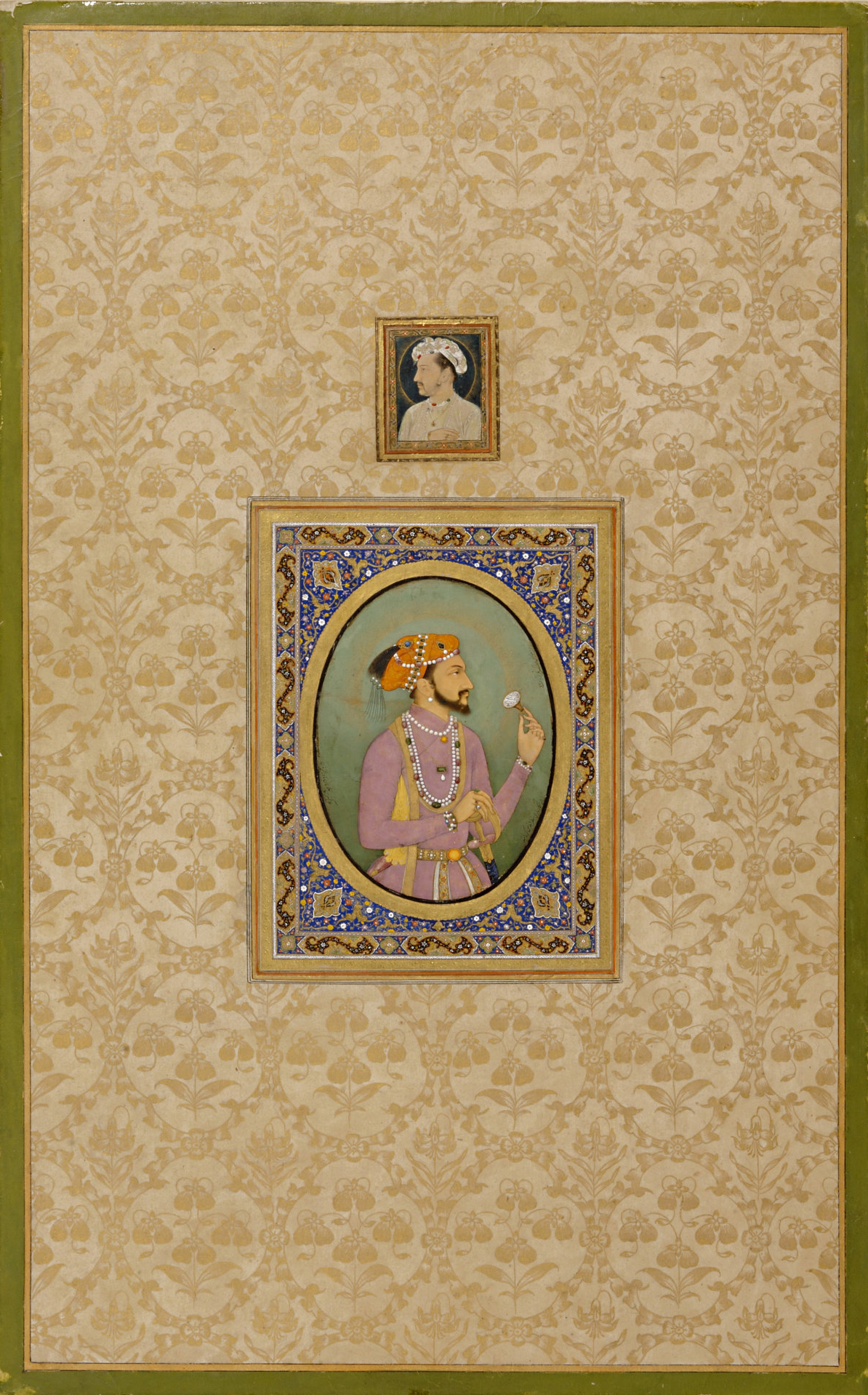
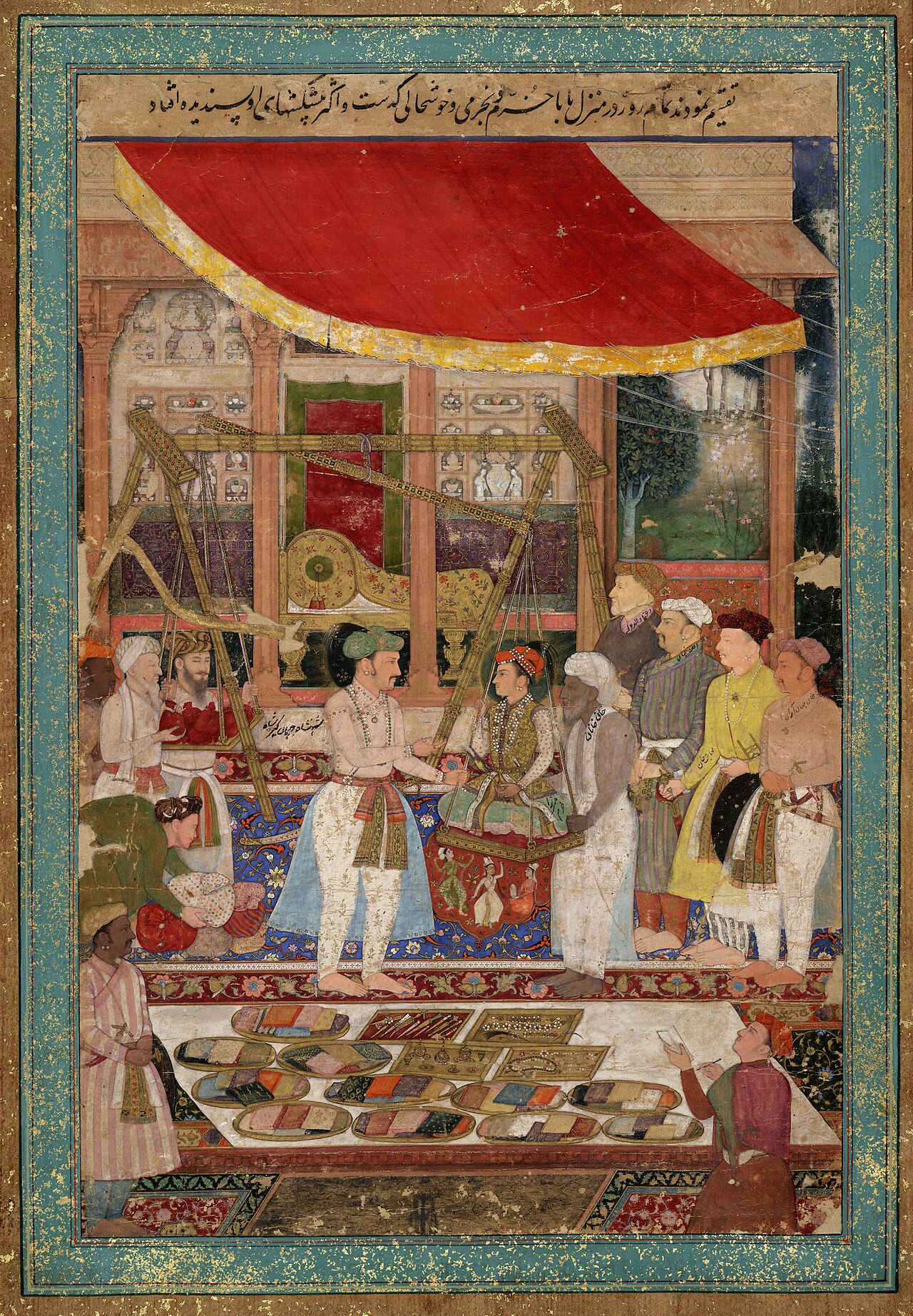
Portraits of Jahangir and Shah Jahan
Balchand / Abu'l Hasan · 1628
Two linked court portraits from 1628, the year Shah Jahan became emperor, showing him alongside his father Jahangir.
Depicts Shah Jahan in the year he became emperor, alongside a portrait of his father Jahangir.
About this source
What it is
This album page pairs two court portraits made in 1628: one of Emperor Jahangir by the painter Balchand, and one of his son Khurram, who became Shah Jahan, by Abu'l Hasan. It is held by the Aga Khan Museum.
Why it matters
1628 was the year Shah Jahan took the throne after his father's death. Pairing portraits of father and son on one page highlights the passing of Mughal power and the skill of the court workshop, where multiple artists contributed to a single page.
Look closer
- Why might the two rulers be shown together on one page?
- What differences do you notice in how each man is dressed or posed?
- What might the artists have wanted viewers to think about the transfer of power?
This painting is part of the curated material that grounds the AI version of Shah Jahan and Jahangir I on Humy.ai — when students ask about related events, the AI can quote it and cite it.
More Shah Jahan sources
Browse all 99 →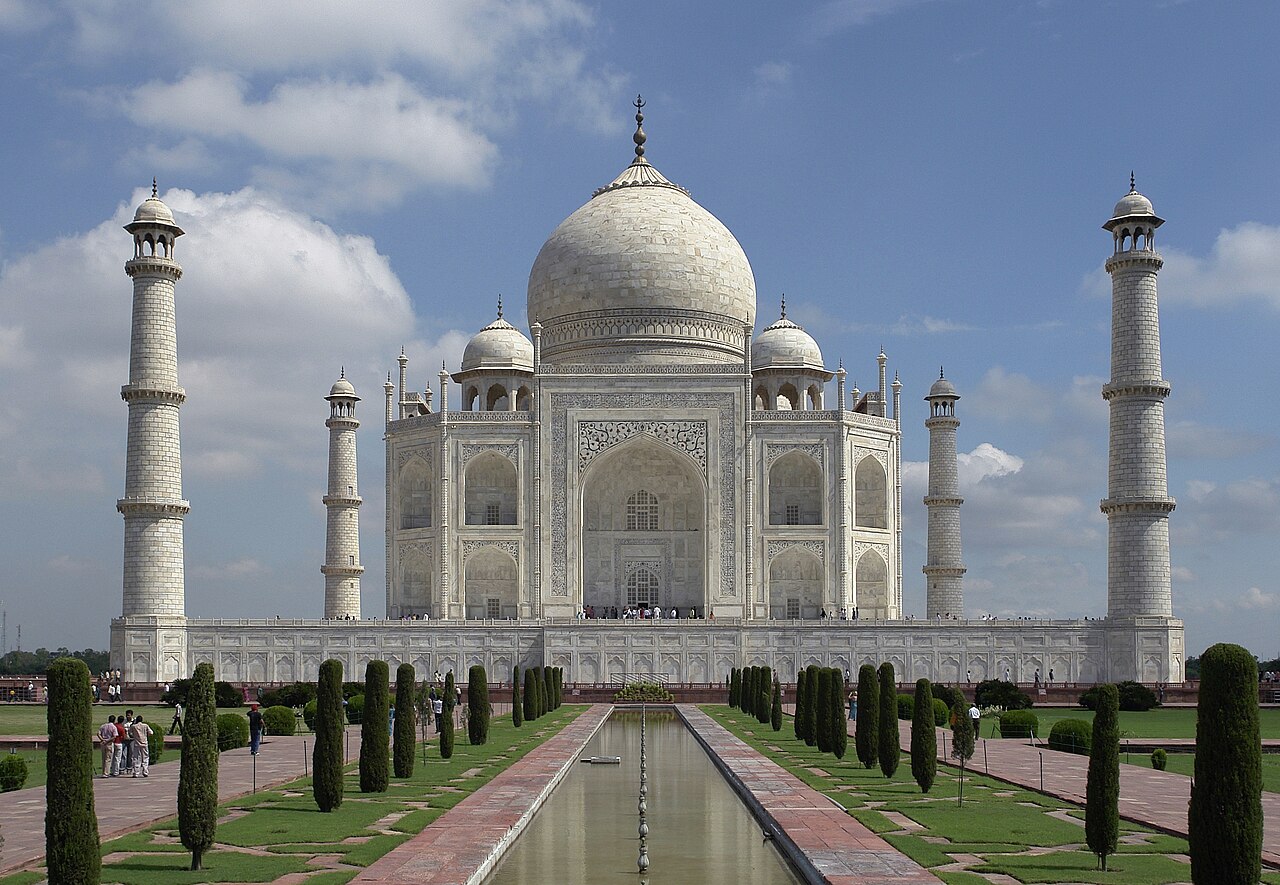 Artifact
Primary source
Taj Mahal
Ustad Ahmad Lahori · 1631-1653
 Book
Primary source
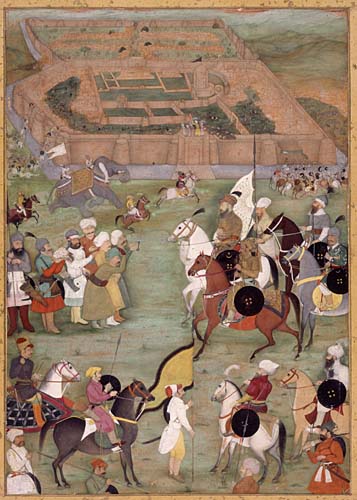
Padshahnama
Abdul Hamid Lahori · 1630-1657
 Artifact
Primary source
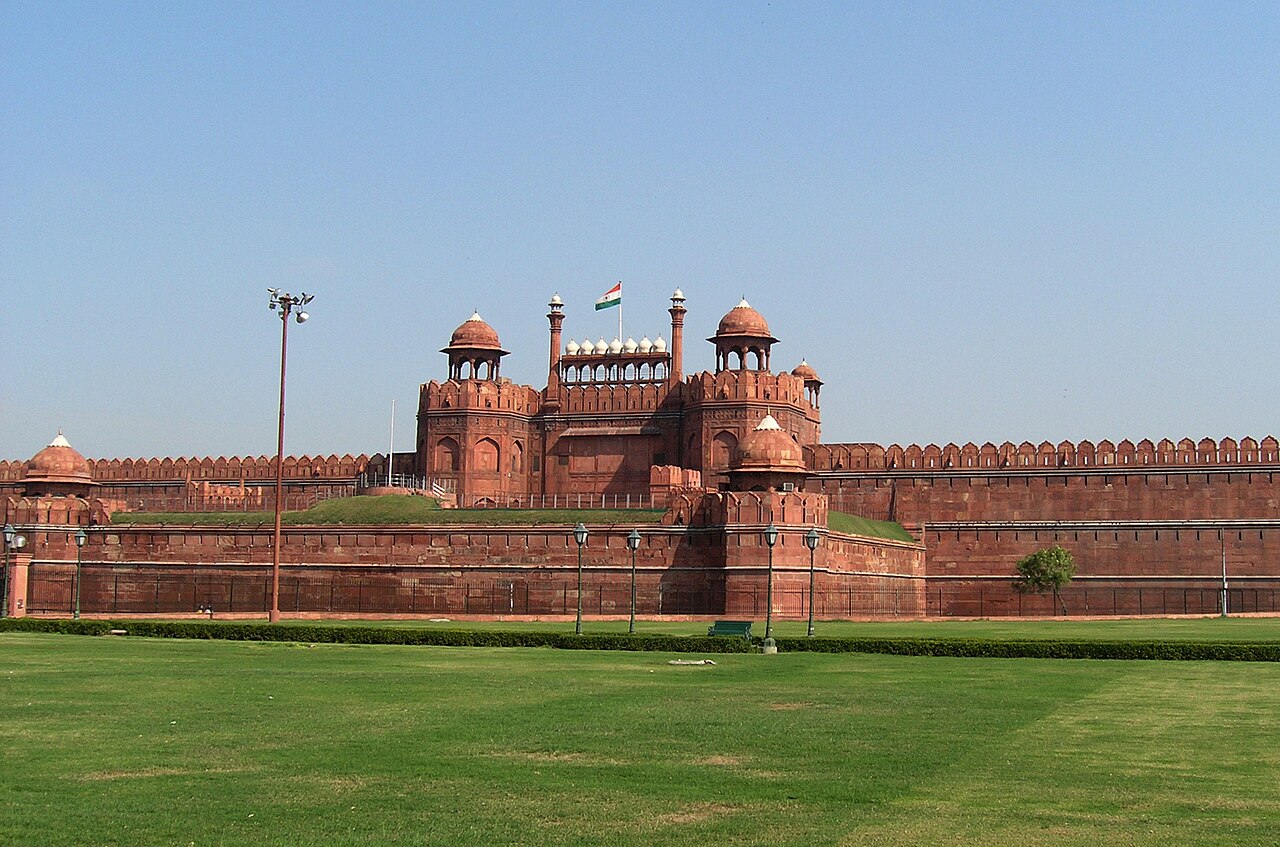
Red Fort
Ustad Ahmad Lahori · 1638-1648
 Painting
Primary source
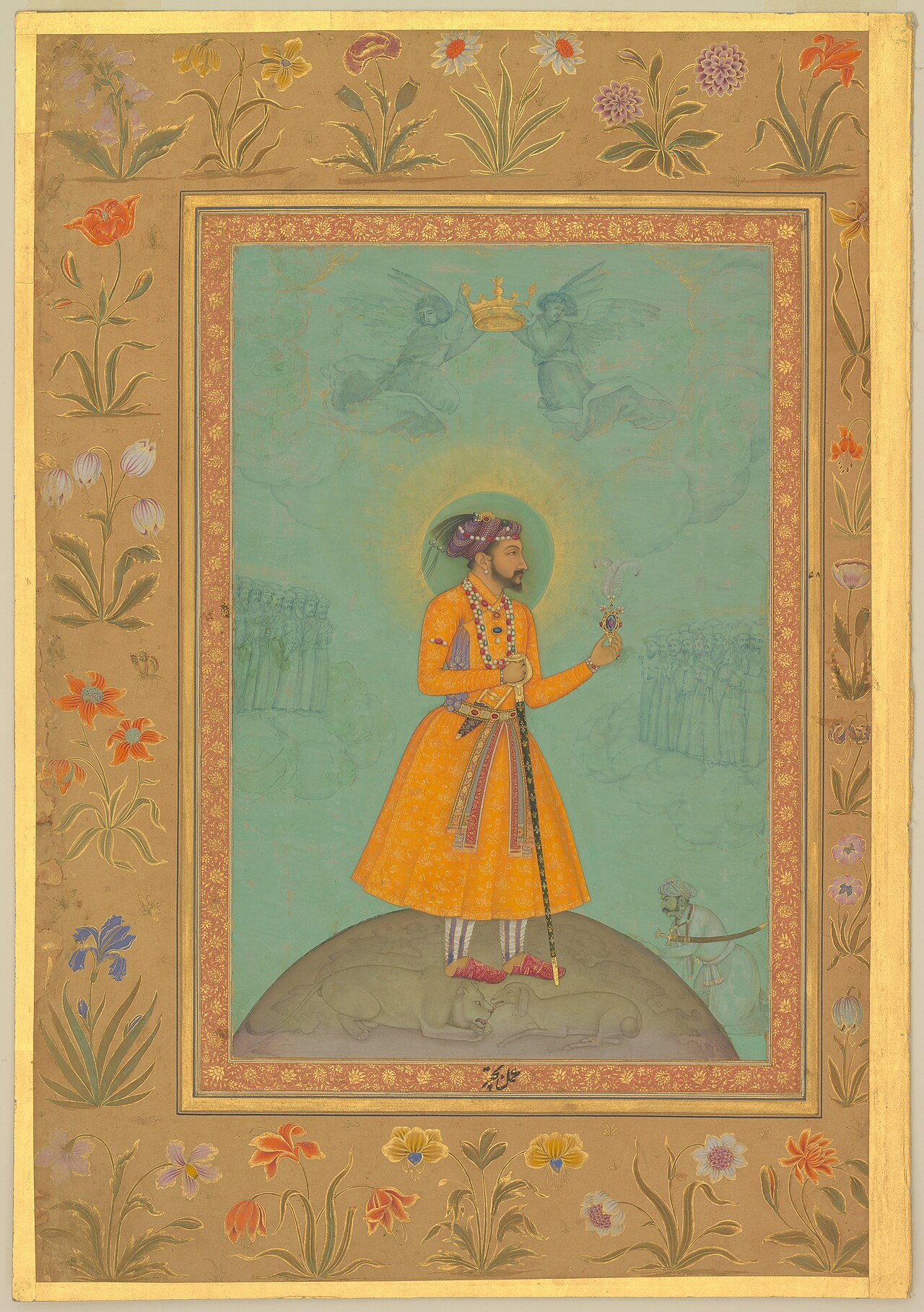
Mughal Emperor Shah Jahan standing on a globe
Bichitr · c. 1630
Free account
Read every Shah Jahan source
Sign up free →
Ready when you are
Start chatting with Shah Jahan now.
20 messages free · No credit card · Available in 50+ languages.