


Primary sourcePhotographbefore 1930
Pragmatists Peirce, James, Dewey and Mead
Sarah Choate Sears; Eva Watson-Schütze; National Oceanic and Atmospheric Administration/Department of Commerce · before 1930
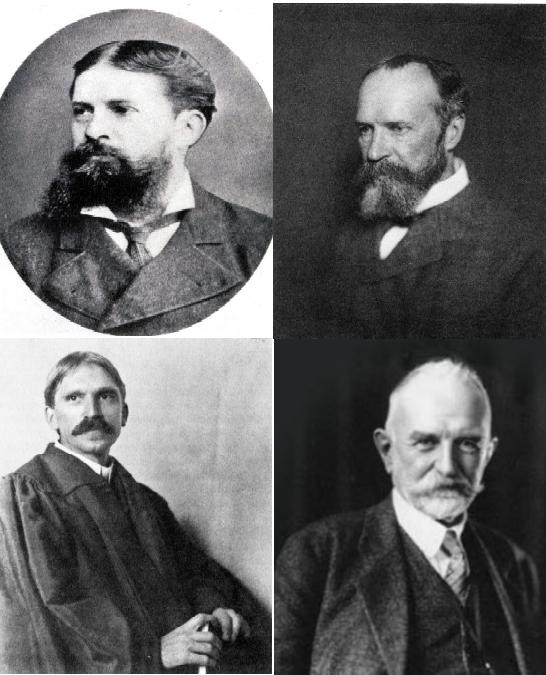
A group photograph grid of four American founders of pragmatism, including William James, taken before 1930.
James appears in this grid with the other founders of pragmatism, showing his place among them.
About this source
What it is
This is a group image of four black-and-white portrait photographs arranged in a 2x2 grid. Each shows a bearded or mustached man in period dress. The Wikimedia Commons file names the men as Peirce, James, Dewey and Mead. The photographs are credited to the National Oceanic and Atmospheric Administration and Department of Commerce, Sarah Choate Sears and Eva Watson-Schütze, and the grid is a derivative work by a Commons user. It is dated before 1930.
Why it matters
The grid brings together the figures usually named as founders of pragmatism. Charles Sanders Peirce, John Dewey and George Herbert Mead worked with James on ideas about how beliefs connect to action. Because the grid was assembled later, it shows how these thinkers were later grouped together.
Look closer
- Which of the four men look most like the description of James in this image, and how can you tell?
- Why might a later editor have put these four photographs together?
- What does a group image leave out about the differences between these thinkers?
This photograph is part of the curated material that grounds the AI version of William James on Humy.ai — when students ask about related events, the AI can quote it and cite it.
More William James sources
Meet the AI William James →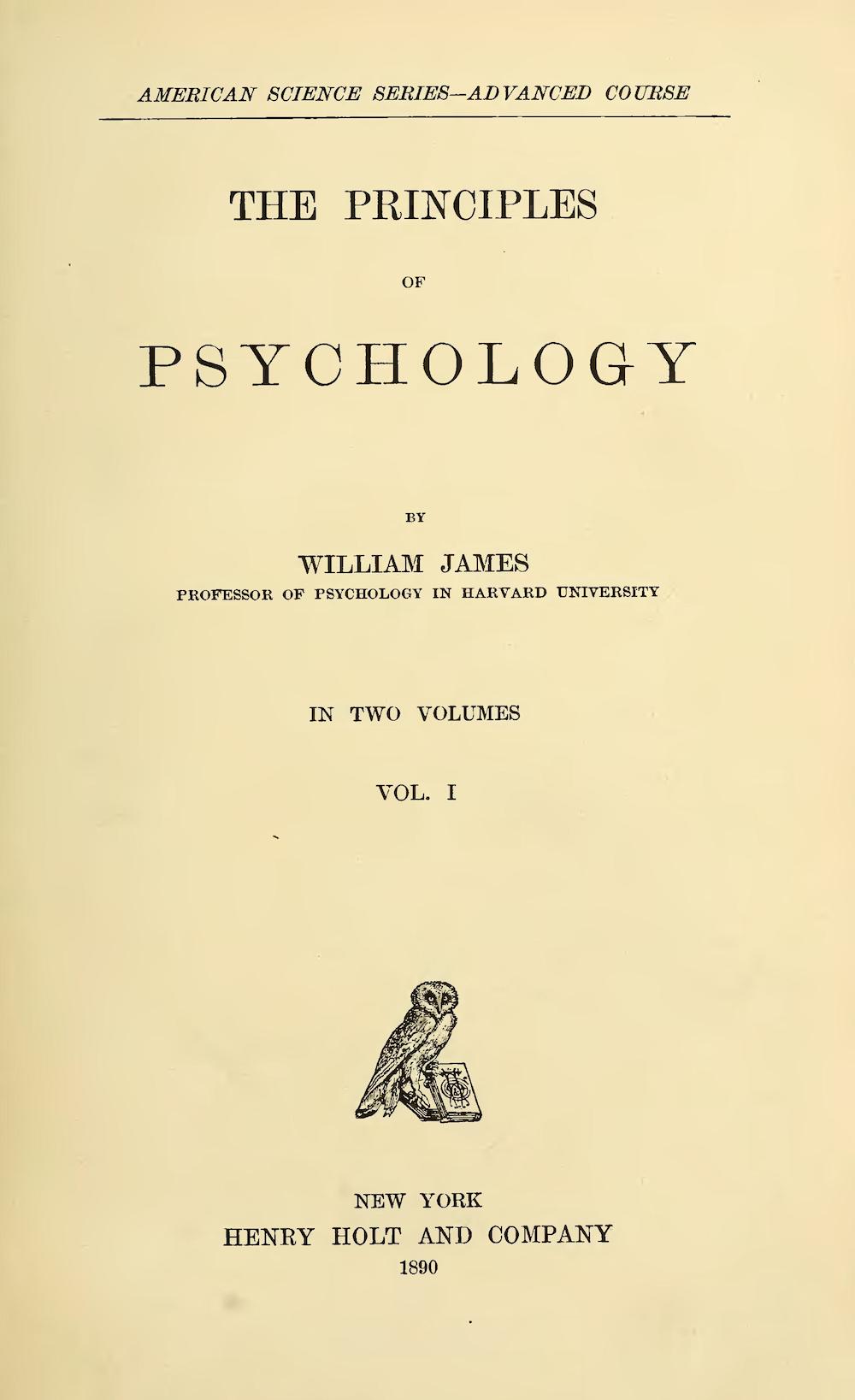 Book
Primary source
The Principles of Psychology
William James · 1890
 Book
Primary source
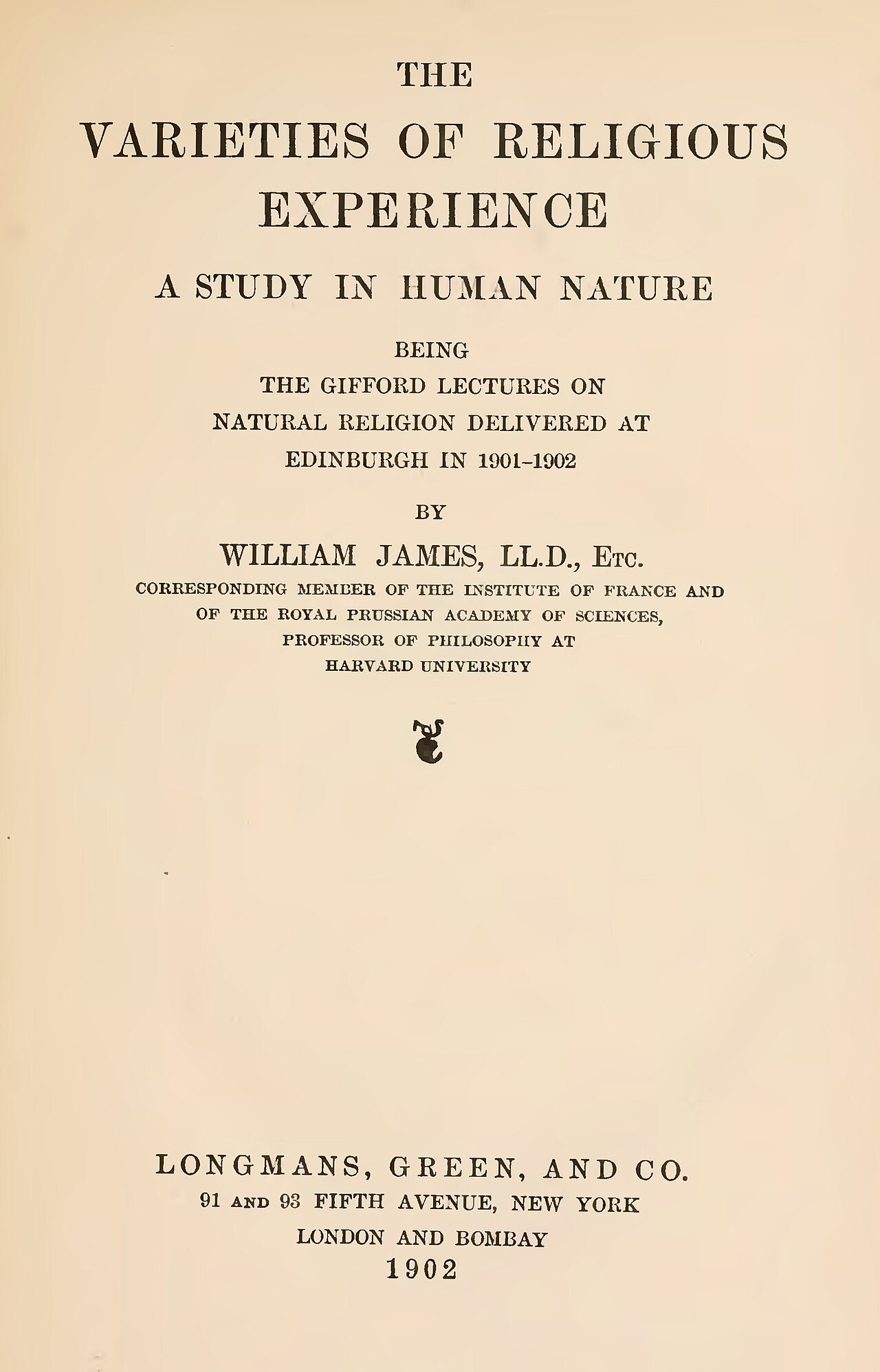
The Varieties of Religious Experience
William James · 1901-1902
Primary source
Pragmatism: A New Name for Some Old Ways of Thinking
William James · 1907
Primary source
The Will to Believe
William James · 1896
 Painting
Primary source
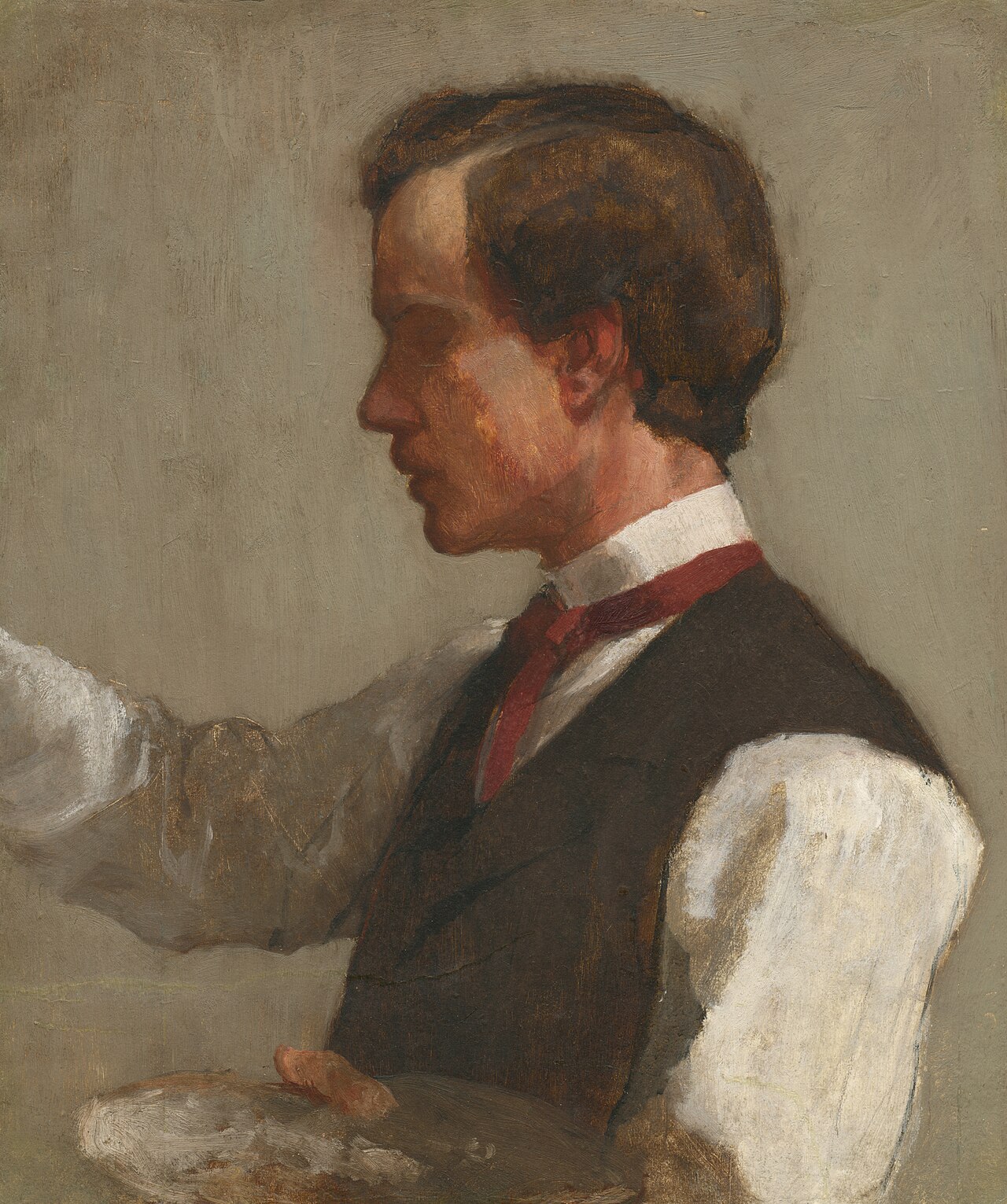
William James
John La Farge · 1859
Ready when you are
Start chatting with William James now.
20 messages free · No credit card · Available in 50+ languages.