


Primary sourceDocument1871
Proclamation 201: Suspending Habeas Corpus in Certain Counties of South Carolina
Ulysses S. Grant · 1871
Grant's proclamation suspending the writ of habeas corpus in parts of South Carolina to combat Klan violence against Black citizens.
Grant signed this proclamation suspending habeas corpus to fight Klan violence, showing his direct exercise of presidential power.
About this source
What it is
Issued in 1871, this proclamation by Ulysses S. Grant used powers granted by Congress to suspend habeas corpus—normally a basic legal protection—in specific South Carolina counties where armed groups were obstructing federal and state law.
Why it matters
This document shows Grant taking extraordinary legal measures to fight Reconstruction-era terrorism. Suspending habeas corpus was a drastic step, showing how seriously the federal government viewed the threat to Black citizens' civil rights and to the rule of law itself.
Look closer
- Why would suspending habeas corpus be seen as such a serious action?
- What does the proclamation suggest about the limits of local law enforcement at the time?
- Whose voices are missing from this official government document?
This document is part of the curated material that grounds the AI version of Ulysses S Grant on Humy.ai — when students ask about related events, the AI can quote it and cite it.
More Ulysses S Grant sources
Meet the AI Ulysses S Grant →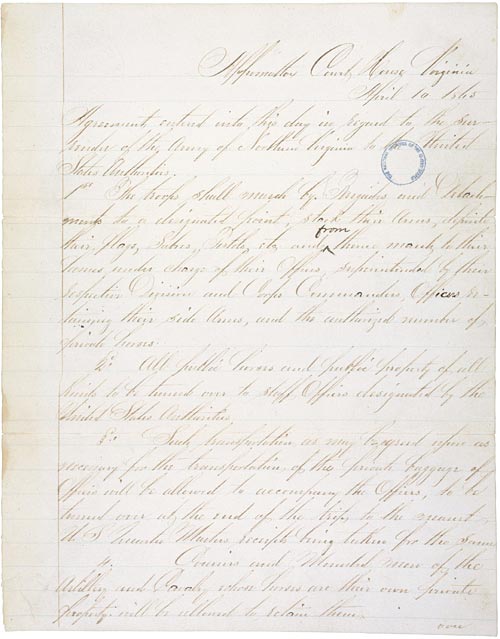 Document
Primary source
Articles of Agreement Relating to the Surrender of the Army of Northern Virginia
Ulysses S. Grant · 10 April 1865
 Book
Primary source
Personal Memoirs of U. S. Grant
Ulysses S. Grant · 1885
Primary source
Third Enforcement Act
20 April 1871
 Document
Primary source
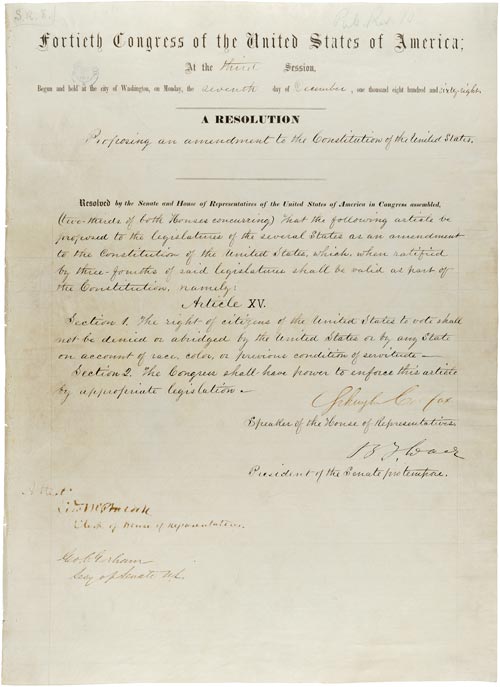
15th Amendment to the U.S. Constitution: Voting Rights
United States Congress · 1870
Primary source
Civil Rights Act of 1875
1 March 1875
Ready when you are
Start chatting with Ulysses S Grant now.
20 messages free · No credit card · Available in 50+ languages.