


Secondary sourcePainting
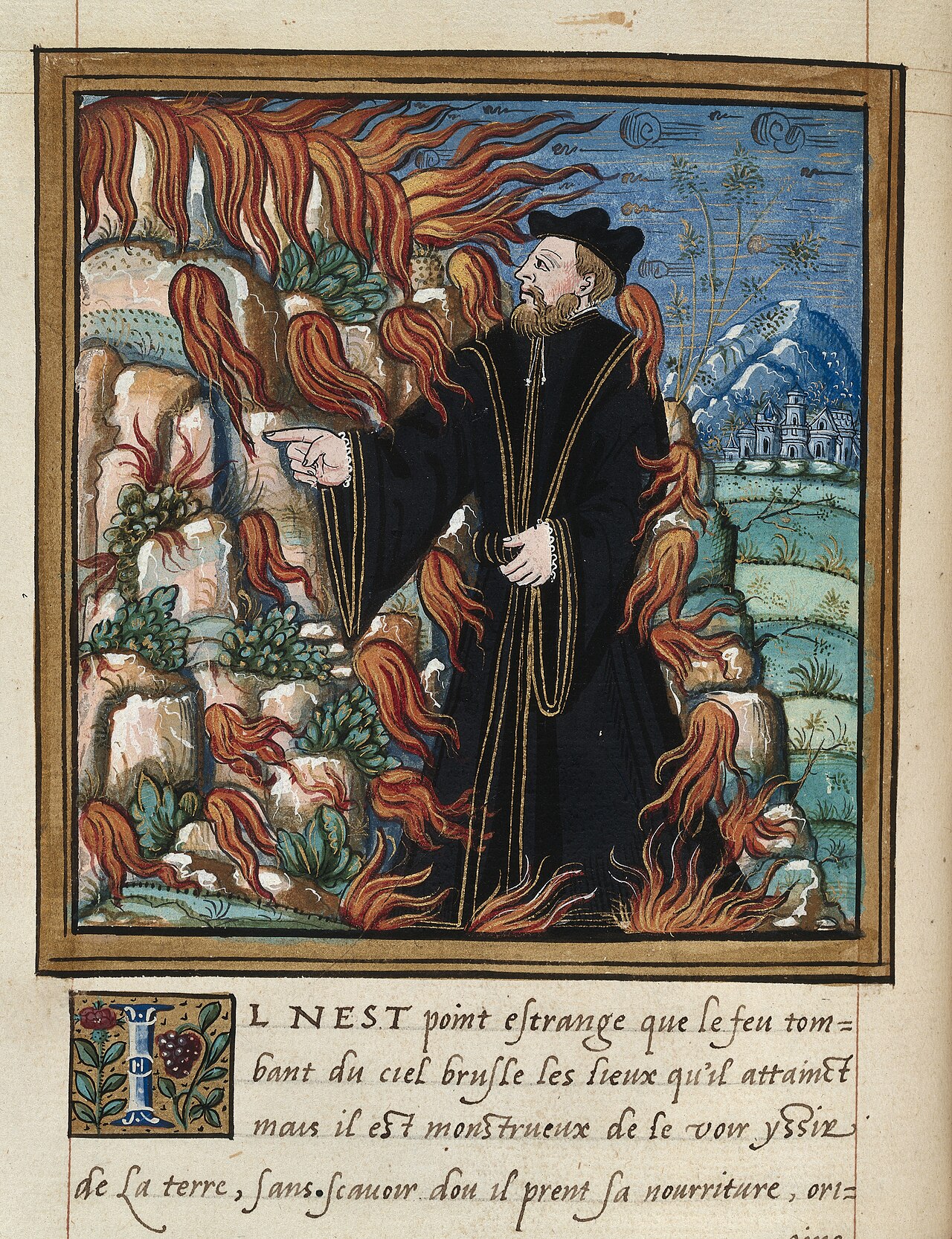
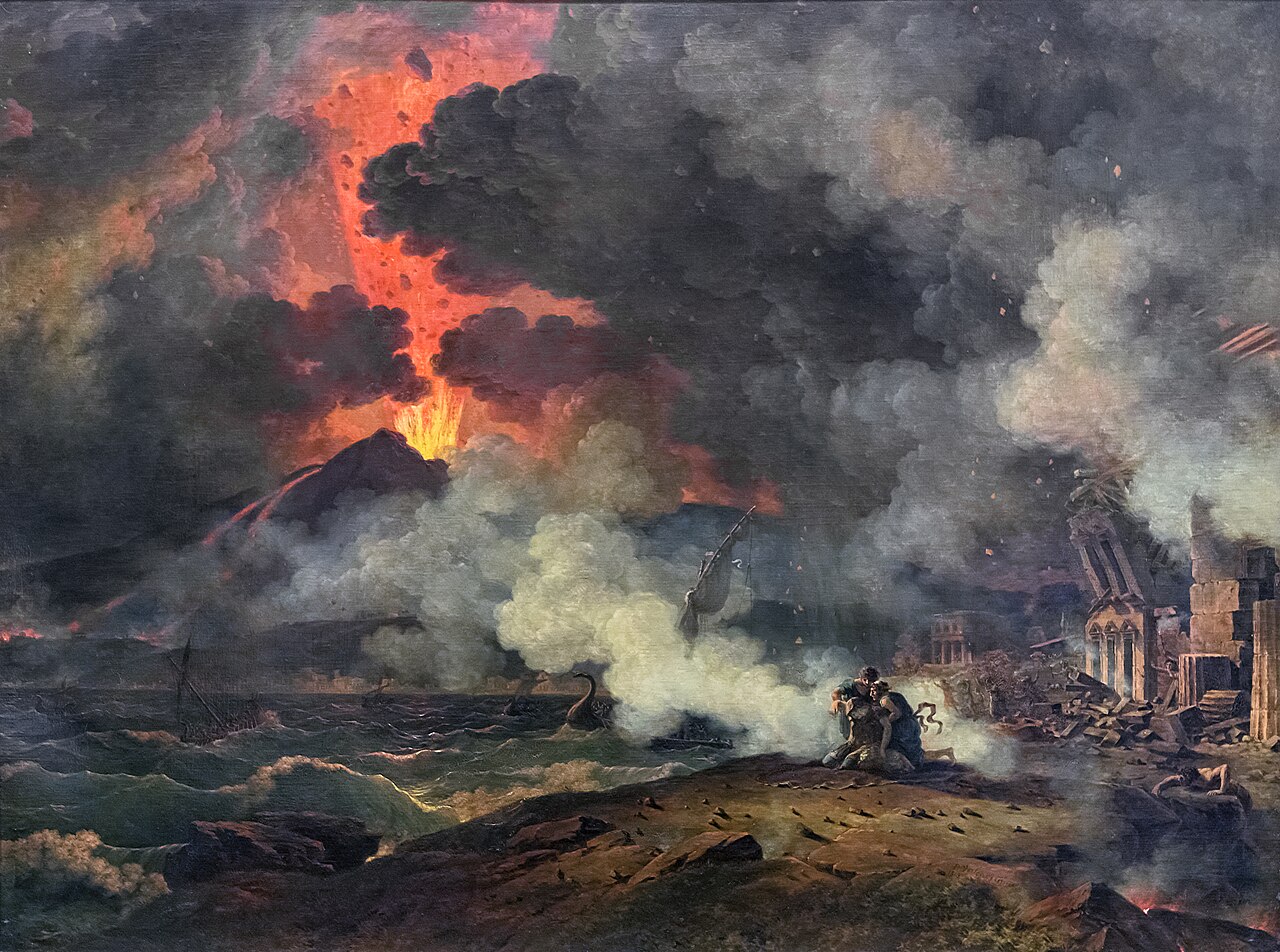
Prodigious Death of Pliny in the Vesuvius Eruption
An illuminated manuscript illustration from a 16th-century collection of marvels showing Pliny's death during the eruption of Vesuvius.
Depicts the famous death of Pliny the Elder during the eruption of Vesuvius, retold as a marvel.
About this source
What it is
This illuminated page comes from 'Histoires prodigieuses', a 16th-century French collection of strange and marvellous tales. It depicts the death of Pliny the Elder, whose body, the caption says, was reduced to ash by the flames of Vesuvius. A bearded man in a black gown points toward flaming rock, with comets in the sky and a town on a hill, alongside handwritten French text.
Why it matters
Pliny the Elder died during the eruption of Vesuvius, an event famous because his nephew, Pliny the Younger, later described it in letters. This image shows how, centuries later, that dramatic death was retold as a 'prodigious' or marvellous event, mixing history with legend and wonder.
Look closer
- Why do you think this book placed Pliny's death among stories of marvels and prodigies?
- What details in the picture (comets, flames, the town) seem designed to create a sense of wonder or fear?
- How might this image differ from an eyewitness account of the same event?
This painting is part of the curated material that grounds the AI version of Pliny the Elder on Humy.ai — when students ask about related events, the AI can quote it and cite it.
More Pliny the Elder sources
Browse all 84 →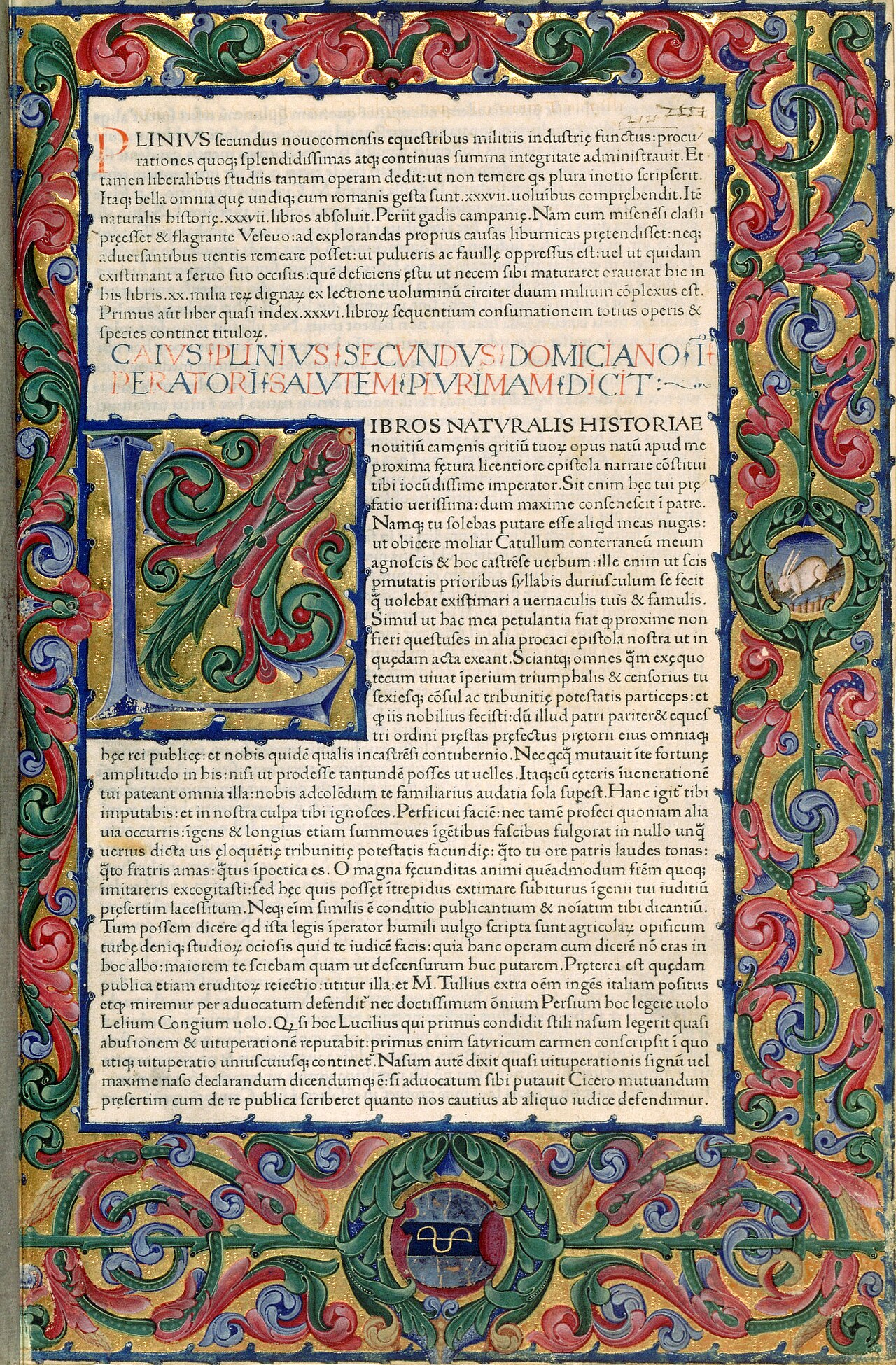 Book
Secondary source
Natural History
Pliny the Elder · 77-79 CE
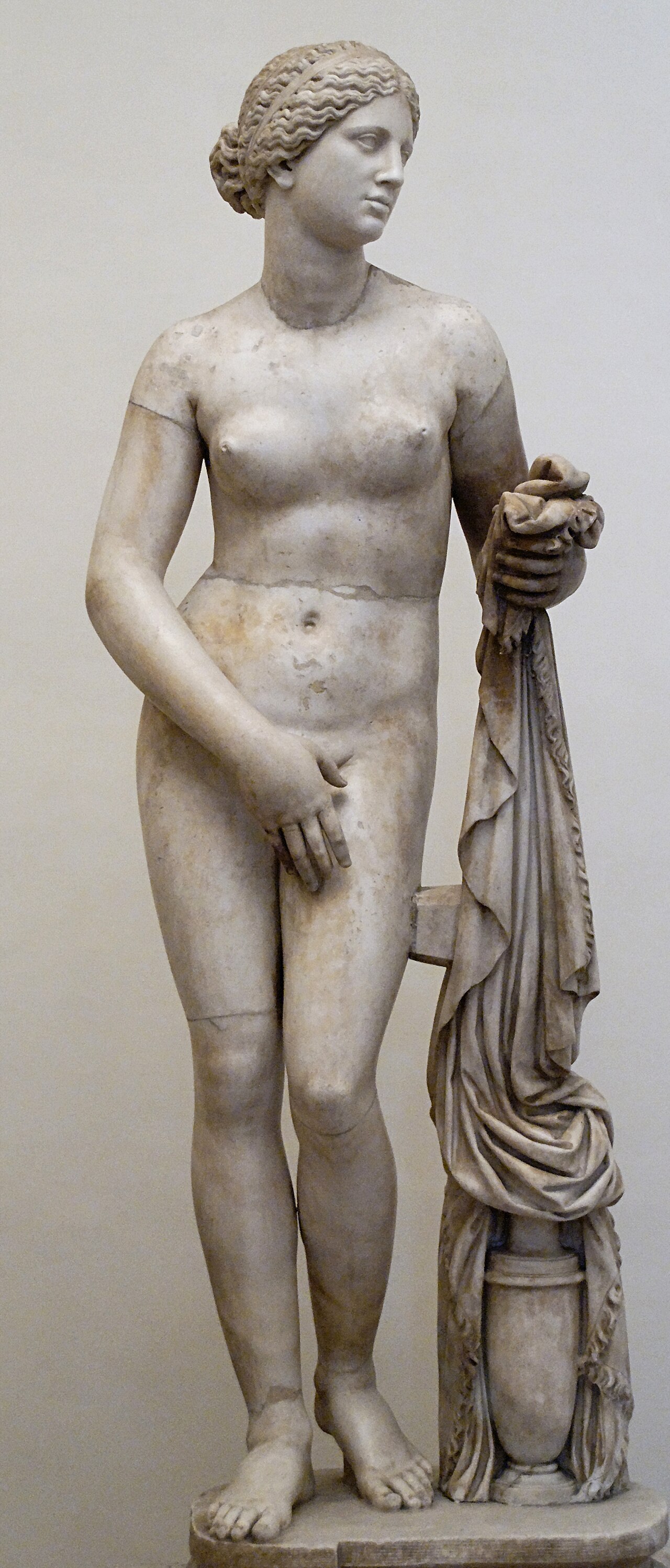
 Sculpture
Secondary source
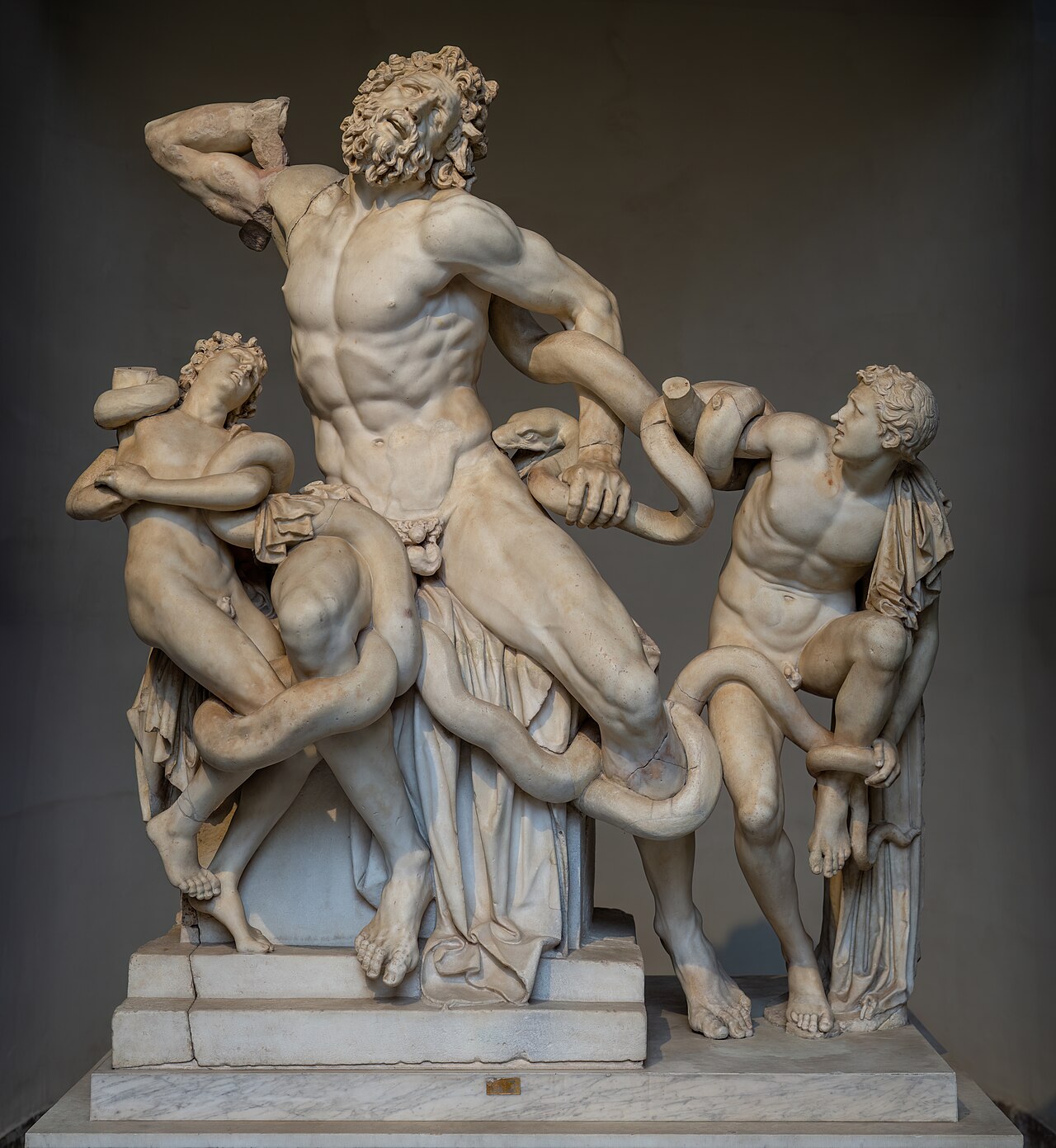
Laocoön and His Sons
Athanadoros · uncertain, Hellenistic to early Imperial period
 Book
Primary source
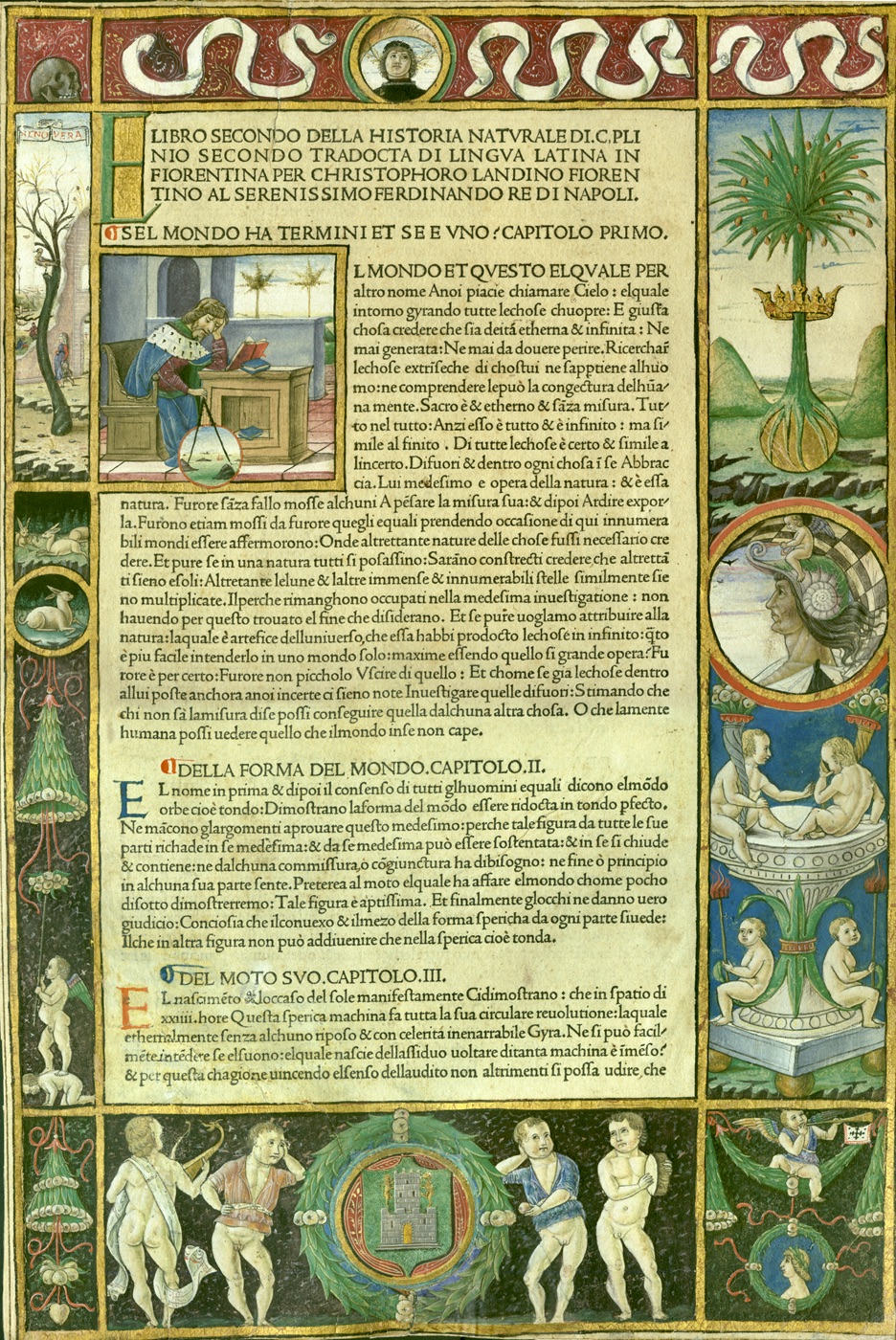
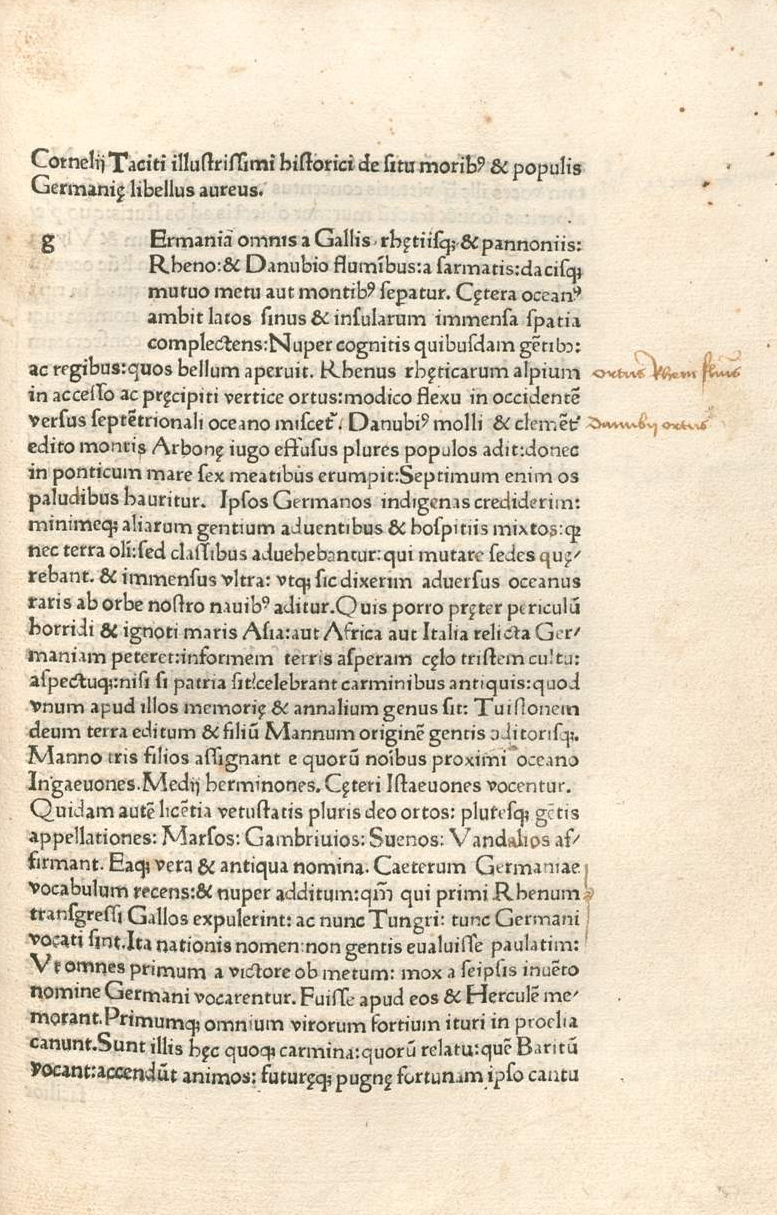
Naturalis historia Illuminated Initial Leaf
Pliny the Elder · c. 1476
 Book
Secondary source
The History of the World, Commonly Called the Naturall Historie of C. Plinius Secundus
Philemon Holland · 1601
Free account
Read every Pliny the Elder source
Sign up free →
Ready when you are
Start chatting with Pliny the Elder now.
20 messages free · No credit card · Available in 50+ languages.