


Primary sourceBookJuly 1816
Prometheus
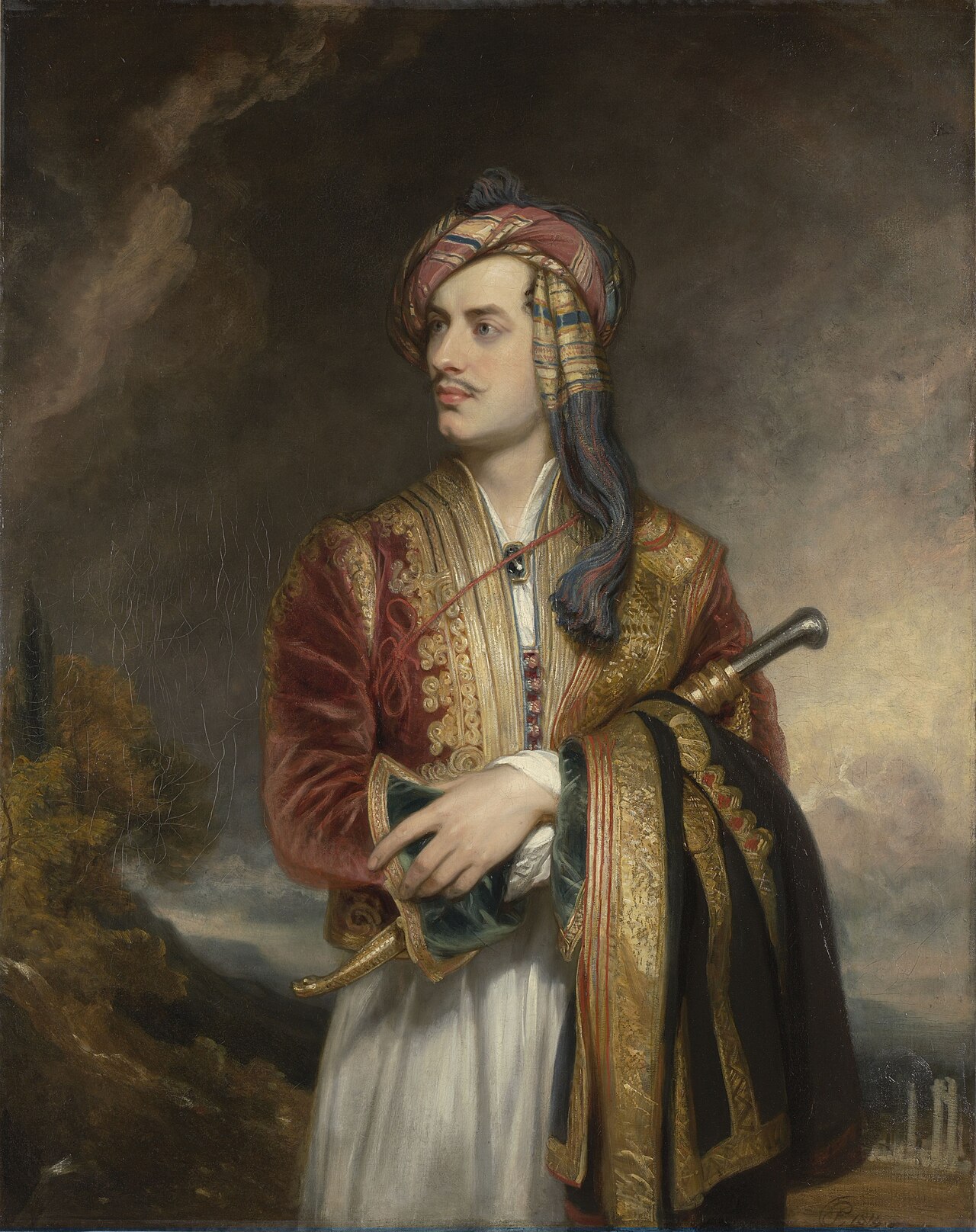
Lord Byron · July 1816
Byron's 1816 poem praising the mythical Titan Prometheus as a symbol of defiance against tyranny.
Byron's own poem, written during his exile, expressing his ideal of defiant resistance to tyranny.
Free Humy account · No credit card · 120,288 sources to read
About this source
What it is
"Prometheus" is a poem by Lord Byron, first published in 1816 by John Murray within The Prisoner of Chillon, and Other Poems. Byron wrote it in July 1816 while staying at the Villa Diodati in Switzerland, around the same time his friend Percy Bysshe Shelley was translating the ancient Greek tragedy Prometheus Bound.
Why it matters
The poem turns the Greek myth of Prometheus - punished by Zeus for giving fire to humanity - into a portrait of the "Byronic hero": solitary, defiant, and willing to suffer for a principle. Written while Byron was separated from his wife and exiled from England, it reflects his own sense of persecution, and its theme of resisting tyranny connects to his later real involvement in the Greek War of Independence. It also shows the close intellectual exchange between Byron and Shelley, who explored the same myth together that summer.
Look closer
- Why might Byron have identified so strongly with a figure punished for helping others?
- What is the difference between suffering because you must and suffering because you chose to?
- How might Byron's personal troubles in 1816 have shaped his choice of this myth?
This book is part of the curated material that grounds the AI version of Lord Byron on Humy.ai — when students ask about related events, the AI can quote it and cite it.
More Lord Byron sources
Browse all 98 →
Ready when you are
Start chatting with Lord Byron now.
20 messages free · No credit card · Available in 50+ languages.