


Secondary sourcePhotograph
Punt Expedition Relief
Ismoon
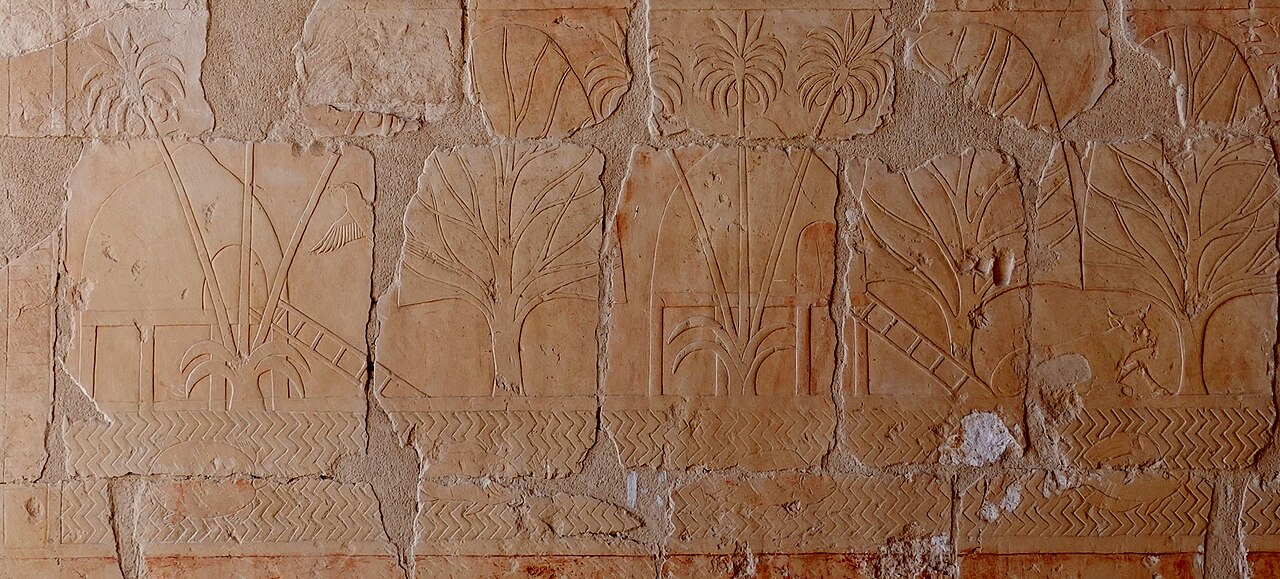
A carved relief from Hatshepsut's mortuary temple depicting the landscape of Punt, commemorating a royal trading expedition.
This relief, from Hatshepsut's own temple, records a trading expedition she sponsored during her reign.
About this source
What it is
This is a sandstone relief from the walls of Hatshepsut's mortuary temple at Deir el-Bahari, dating to her reign in the fifteenth century BCE. It shows a landscape of Punt, with stilted houses, palm and incense trees, a bird, a cow, a fish, and a turtle in water.
Why it matters
The relief commemorates a trading expedition to the land of Punt that Hatshepsut sponsored, one of the achievements she chose to record on her temple walls. Scenes like this were a way for rulers to advertise their successes and connect themselves to distant, exotic lands.
Look closer
- What details of plants and animals did the carvers choose to include, and why might those details matter?
- Why would a pharaoh want a trading expedition carved permanently into a temple wall?
- What is left out of this scene that you might want to know about the expedition?
This photograph is part of the curated material that grounds the AI version of Hatshepsut on Humy.ai — when students ask about related events, the AI can quote it and cite it.
More Hatshepsut sources
Meet the AI Hatshepsut →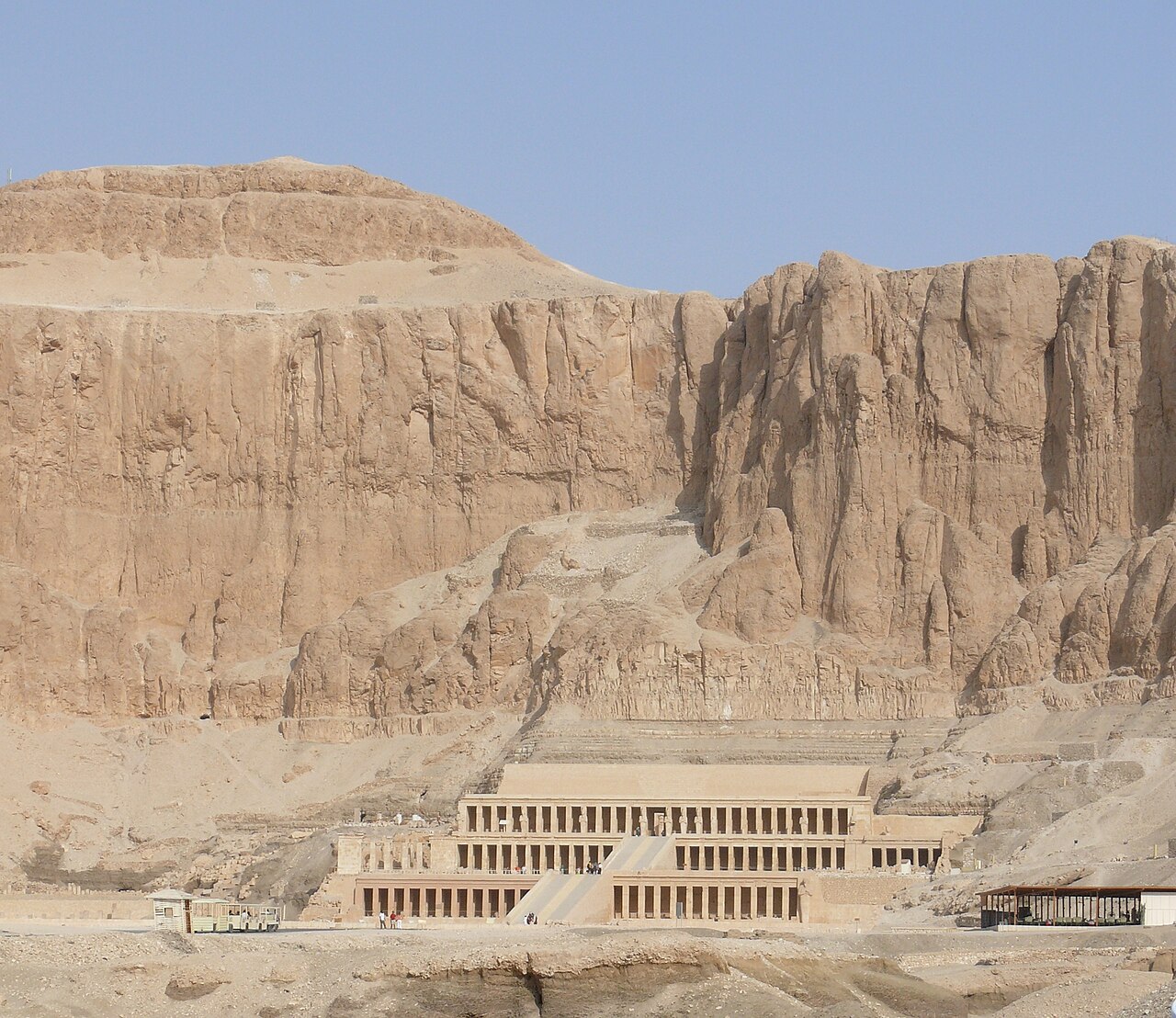 Artifact
Primary source
Mortuary Temple of Hatshepsut
Senenmut and/or Hapuseneb (attributed) · c. 1479–1458 BCE
 Photograph
Secondary source
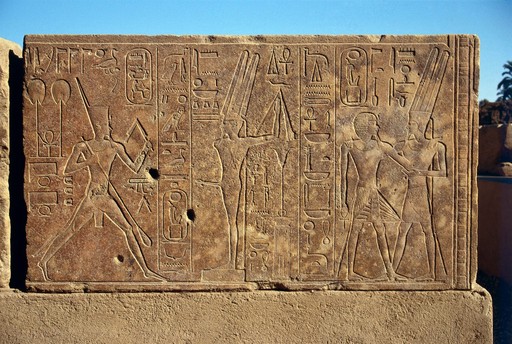
Hatshepsut Dancing Before Min, Karnak Relief
Carole Reeves · 1989
 Sculpture
Primary source
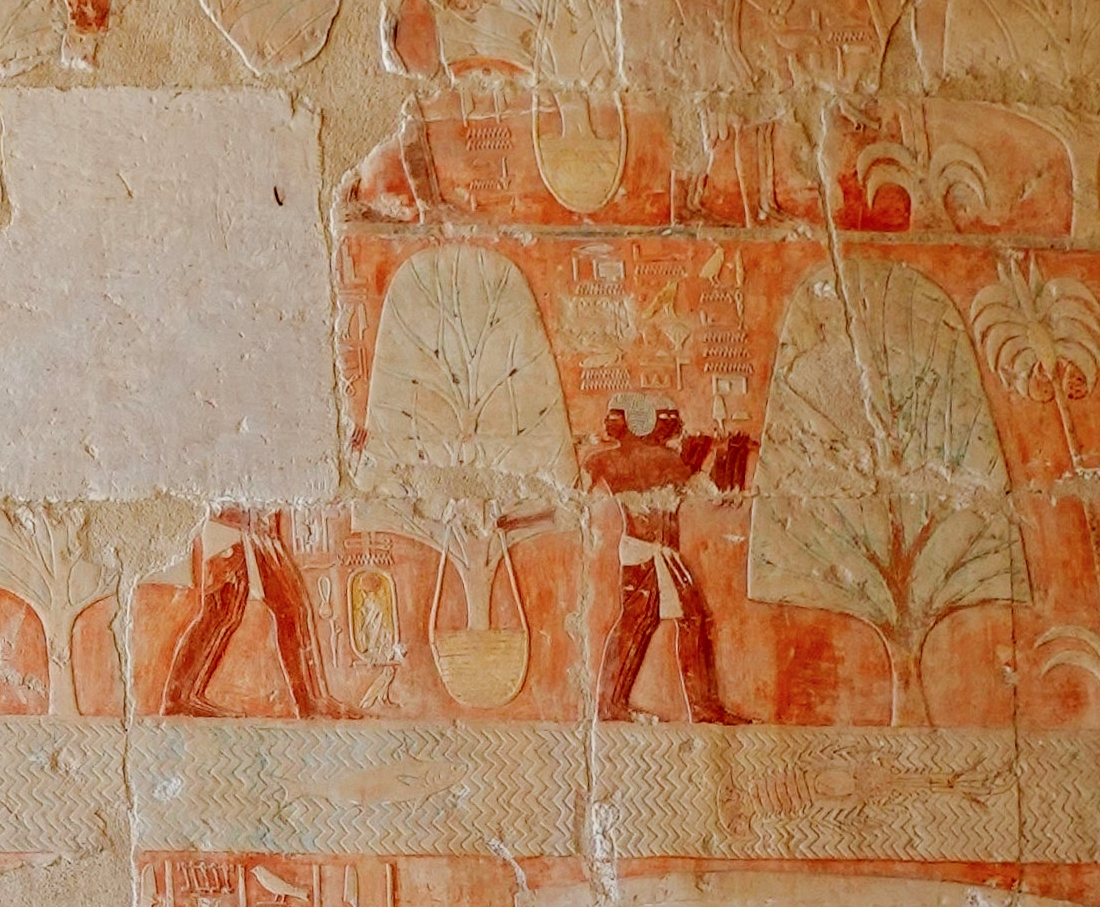
Punt Expedition Reliefs
Royal workshops of Hatshepsut · c. 1470 BCE
 Sculpture
Primary source
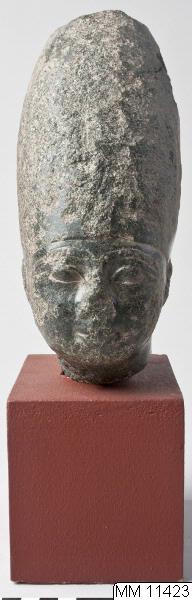
Sculpture Head Probably of Hatshepsut
 Sculpture
Primary source
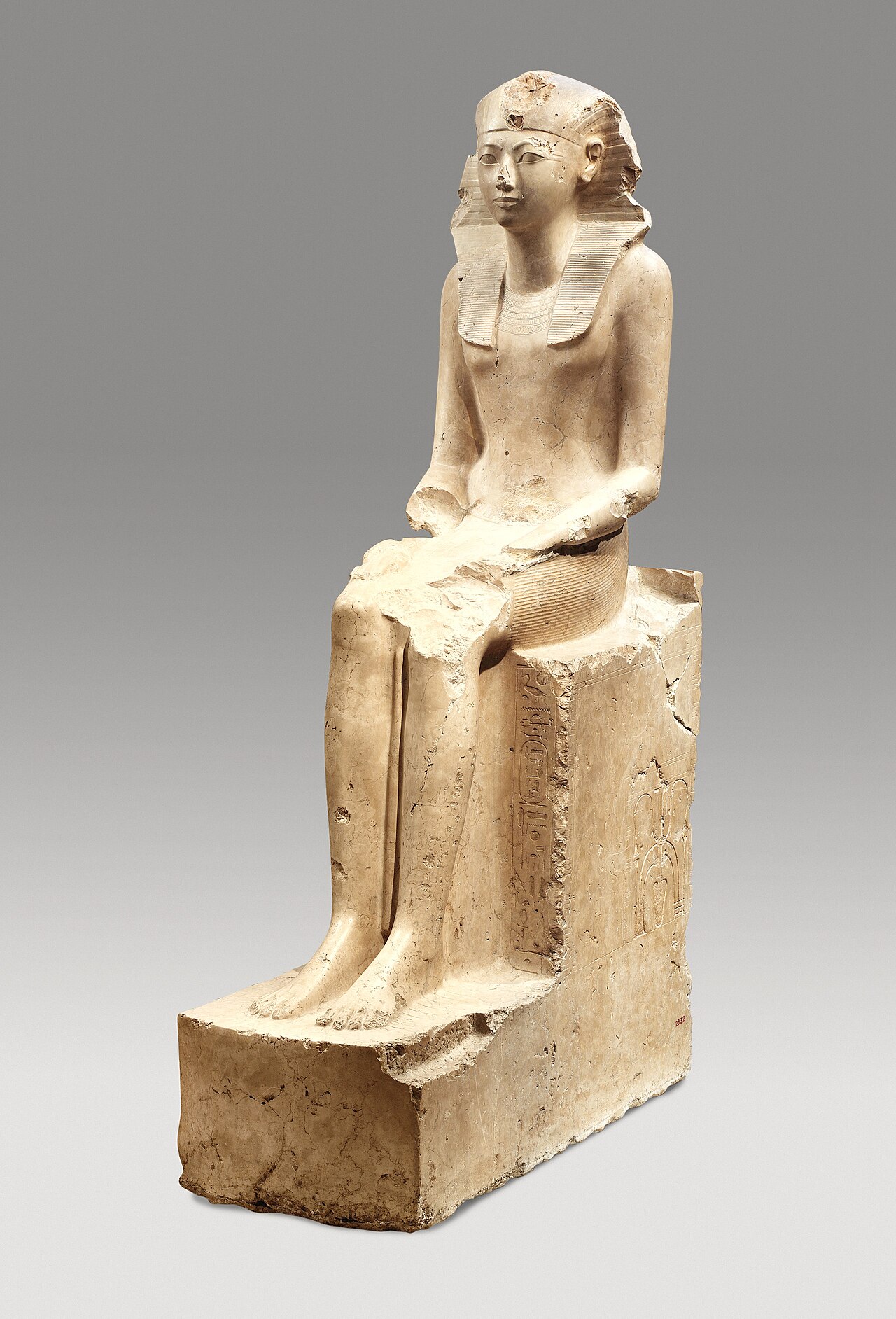
Seated Statue of Hatshepsut
c. 1466 BCE
Ready when you are
Start chatting with Hatshepsut now.
20 messages free · No credit card · Available in 50+ languages.