


Primary sourceArtifact964
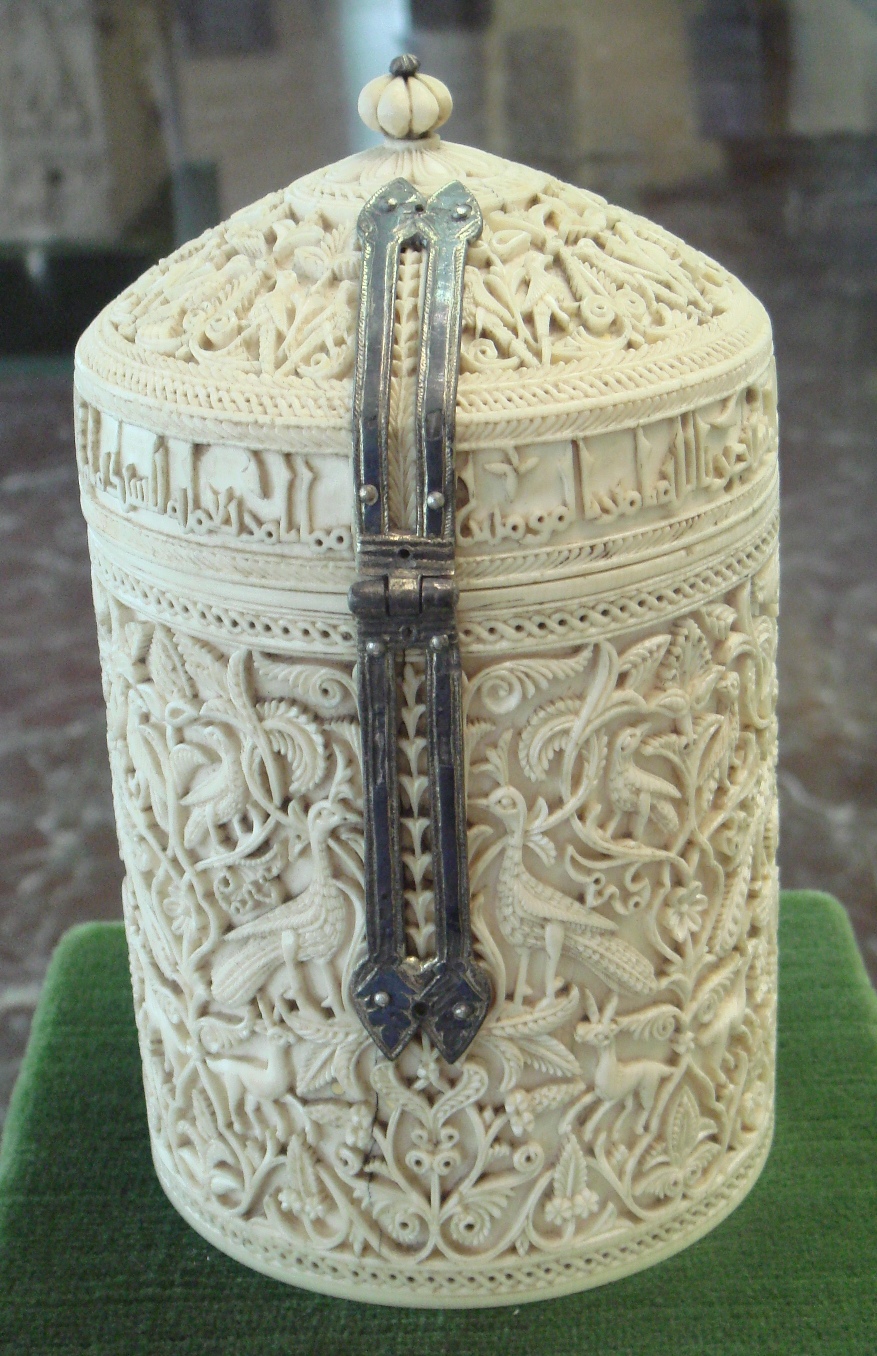
Pyxis of Zamora
964
An ivory box made in 964 for the mother of a prince named after Abd ar-Rahman III, showing the luxury craftsmanship of his court.
Made under his son's caliphate, this ivory box shows the luxury court culture Abd ar-Rahman III founded.
About this source
What it is
This carved ivory casket, about 18 centimetres tall, was made in 964 for Subh, consort of Caliph al-Hakam II, Abd ar-Rahman III's son. An Arabic inscription on the lid records that it was made to celebrate the birth of a prince named Abd al-Rahman, after his grandfather. It is now in the National Archaeological Museum in Madrid.
Why it matters
The pyxis shows the wealth and artistic skill of the ivory workshops at the Cordoban court that Abd ar-Rahman III had founded as caliph. Its fine carving of peacocks, gazelles and wings reflects the political rivalry between the Umayyads of al-Andalus and the Abbasids, with luxury objects used to display Umayyad sophistication.
Look closer
- What do the materials and craftsmanship tell you about who could own such an object?
- Why might a ruling family commission expensive gifts to mark a birth?
- What story do the inscription and decoration together tell about power and family?
This artifact is part of the curated material that grounds the AI version of Abd al-Rahman III on Humy.ai — when students ask about related events, the AI can quote it and cite it.
More Abd al-Rahman III sources
Meet the AI Abd al-Rahman III →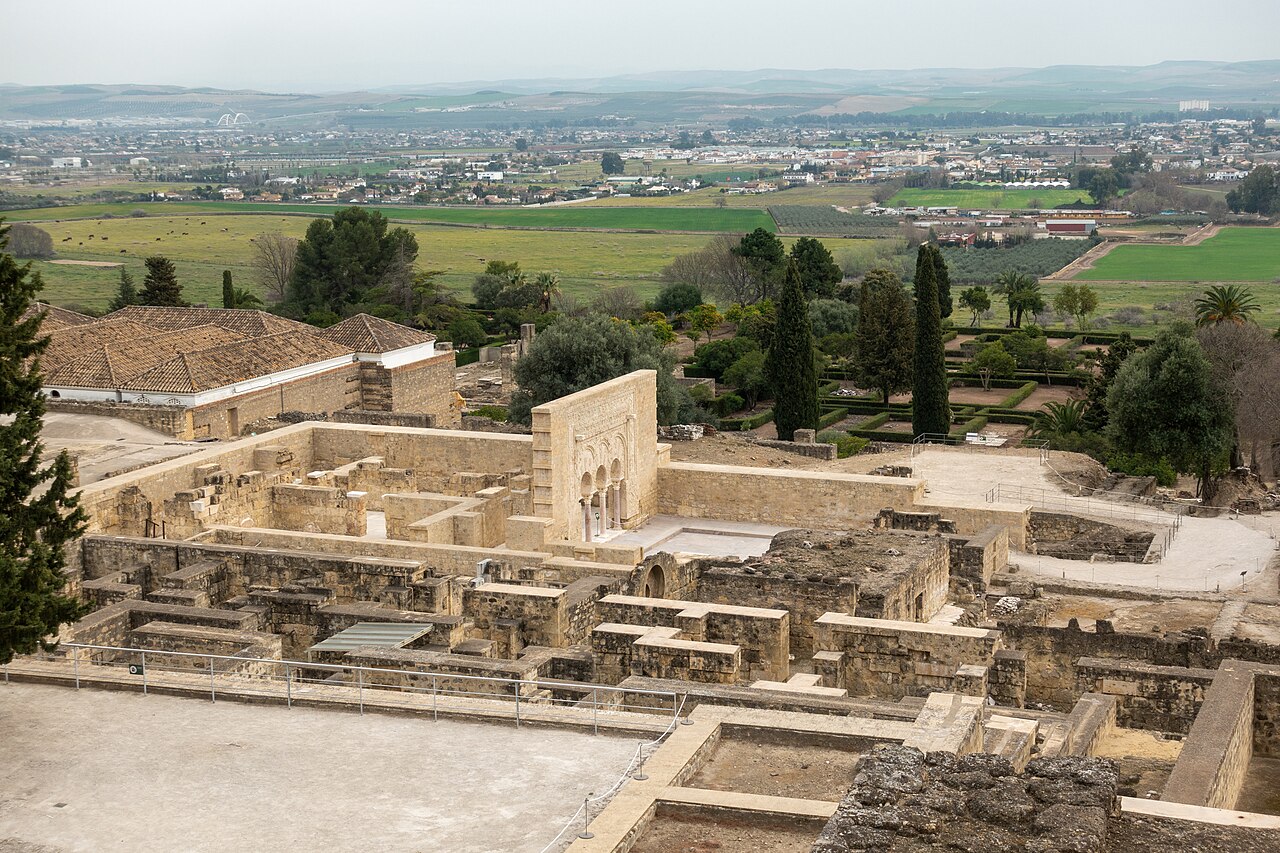 Artifact
Primary source
Madinat al-Zahra
c. 936-1000
 Artifact
Primary source
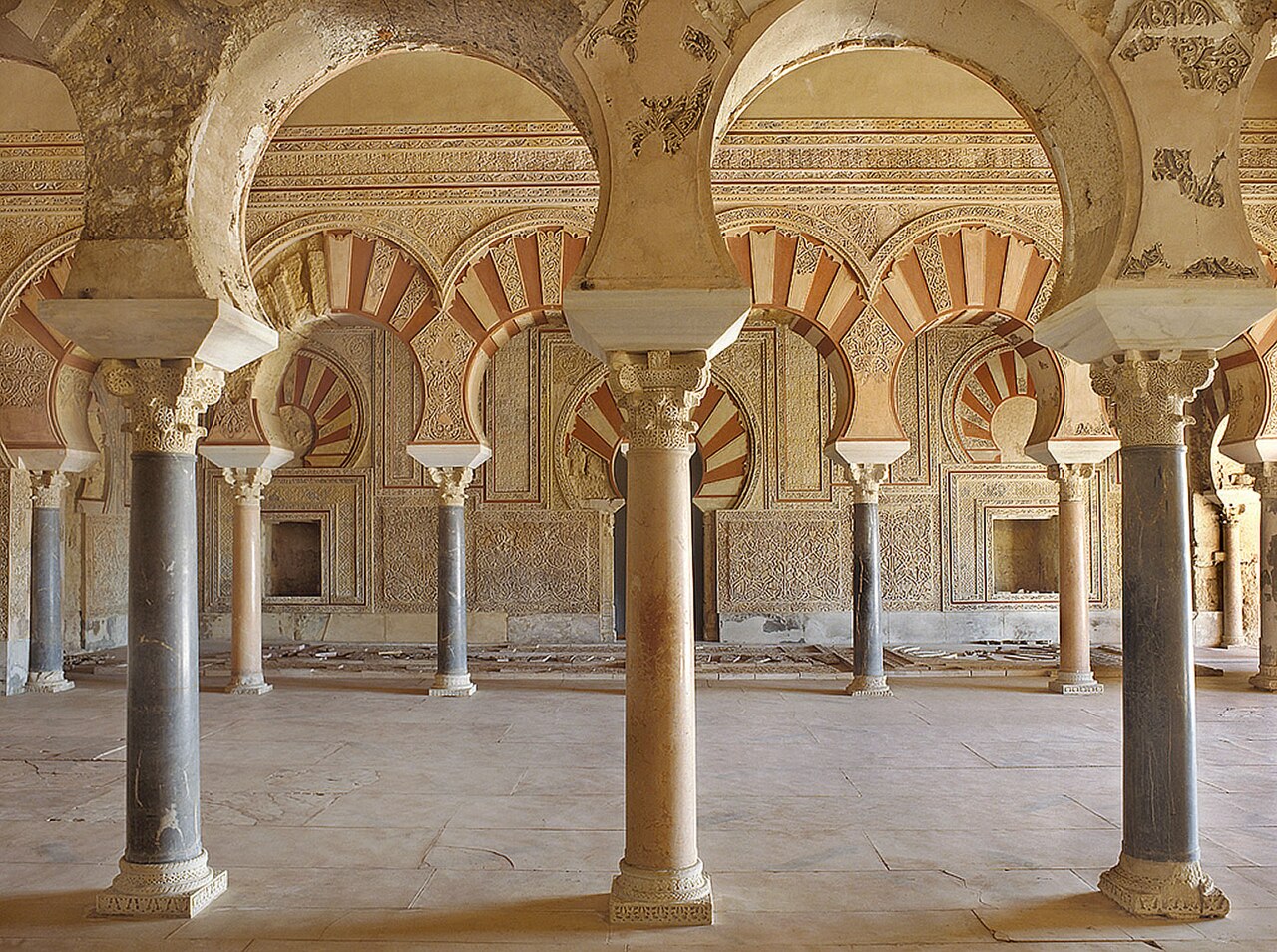
Salón Rico (Hall of Abd al-Rahman III)
953-957
Primary source
Letter of Hasdai ibn Shaprut to King Joseph of the Khazars
Hasdai ibn Shaprut · c. 950s
 Artifact
Primary source
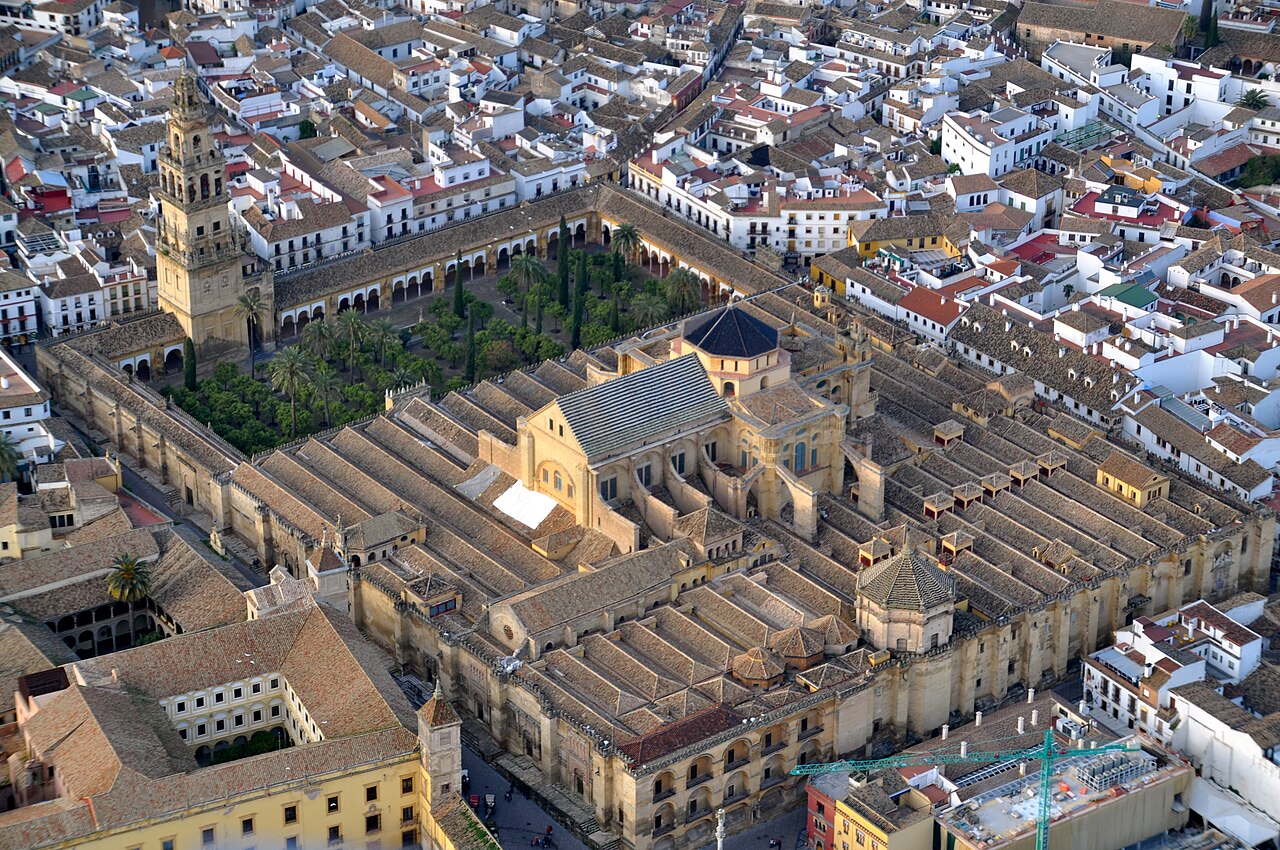
Mosque-Cathedral of Cordoba
786; minaret completed 958
 Artifact
Primary source
Alcazaba of Almería
955
Ready when you are
Start chatting with Abd al-Rahman III now.
20 messages free · No credit card · Available in 50+ languages.