


Primary sourceArtifact
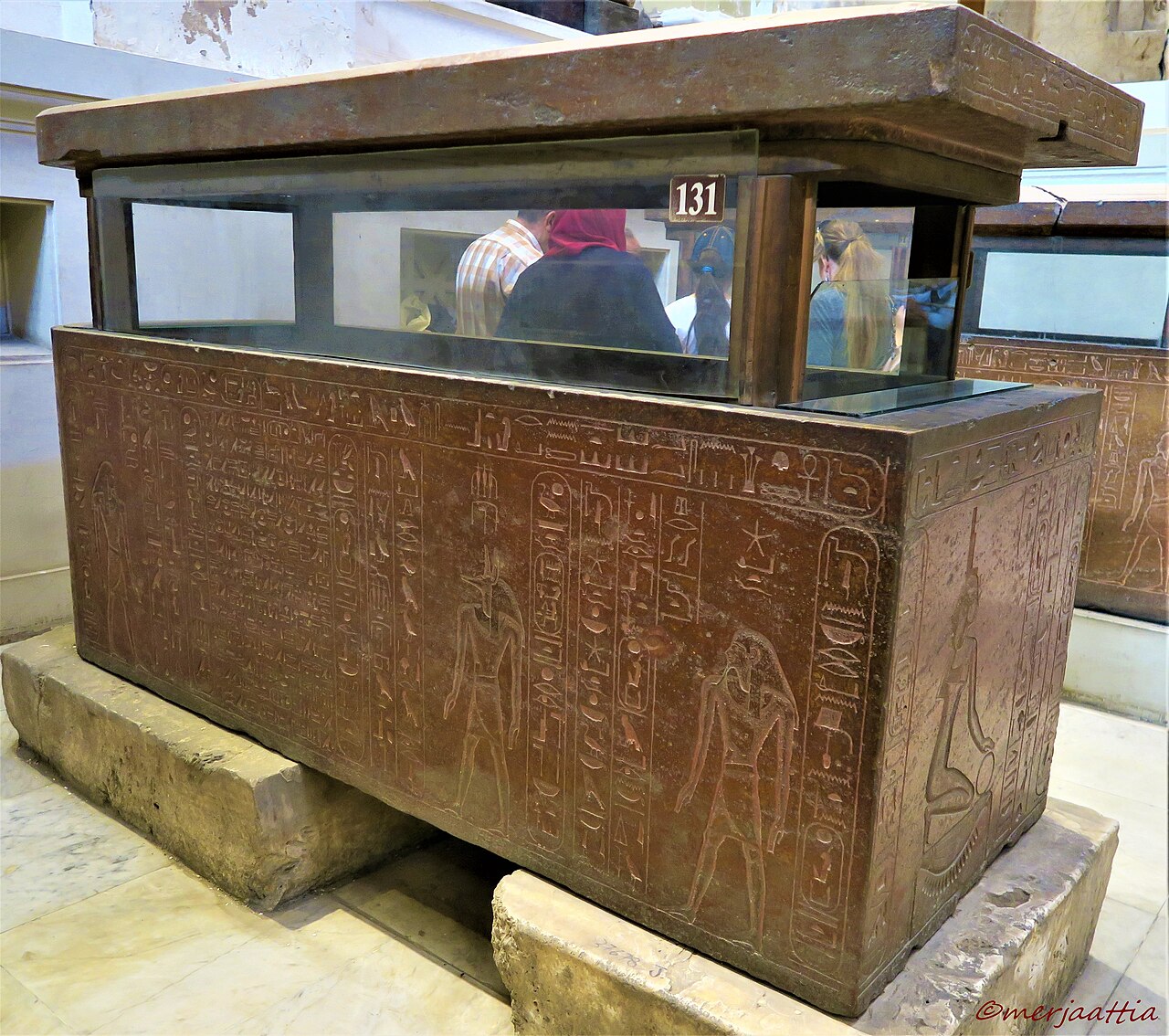
Quartz Sarcophagus of Hatshepsut
One of several sarcophagi made for Hatshepsut, first as Great Royal Wife and later as king, carved from hard red quartzite.
This sarcophagus, made for Hatshepsut, reflects how her royal titles and status changed over her lifetime.
About this source
What it is
This is a red quartzite sarcophagus made for Hatshepsut, finely carved with figures of deities including Isis, shown kneeling with symbols of gold and protection. It is one of three known sarcophagi connected to Hatshepsut; another was later used for the burial of king Thutmose I and is now in the Museum of Fine Arts, Boston. This sarcophagus is displayed in the Egyptian Museum, Cairo.
Why it matters
Hatshepsut had different sarcophagi made at different points in her life, first as Great Royal Wife and later as reigning king. Comparing these objects helps historians trace how her status and titles changed over time. The material used, red quartzite linked to the solar cult, also reflects the religious ideas tied to Egyptian kingship.
Look closer
- What might having multiple sarcophagi tell us about changes in Hatshepsut's position over her lifetime?
- Why would a ruler choose a particularly hard stone like quartzite for a sarcophagus?
- What do the images of gods like Isis suggest about beliefs around death and protection?
This artifact is part of the curated material that grounds the AI version of Hatshepsut on Humy.ai — when students ask about related events, the AI can quote it and cite it.
More Hatshepsut sources
Meet the AI Hatshepsut →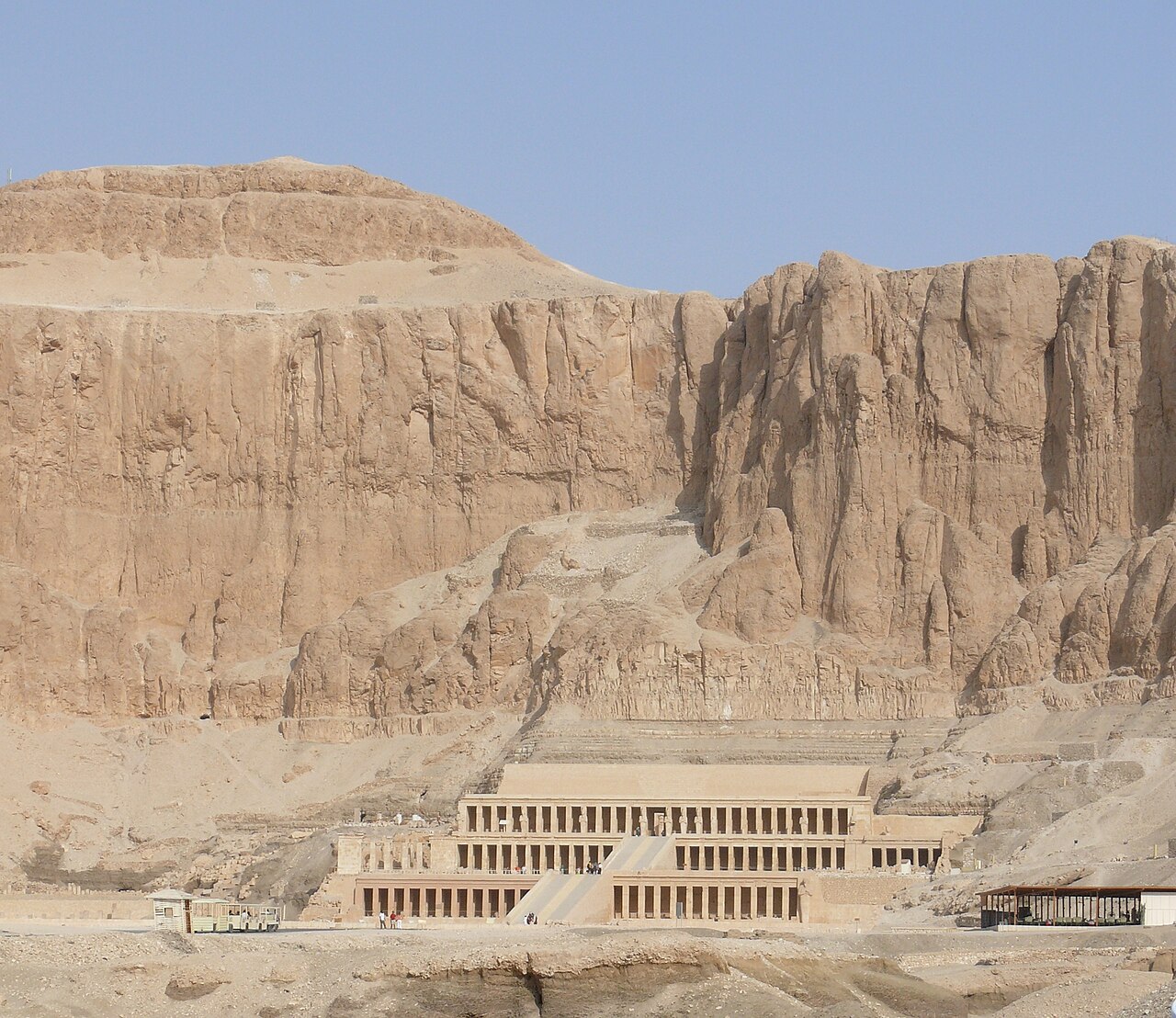 Artifact
Primary source
Mortuary Temple of Hatshepsut
Senenmut and/or Hapuseneb (attributed) · c. 1479–1458 BCE
 Photograph
Secondary source
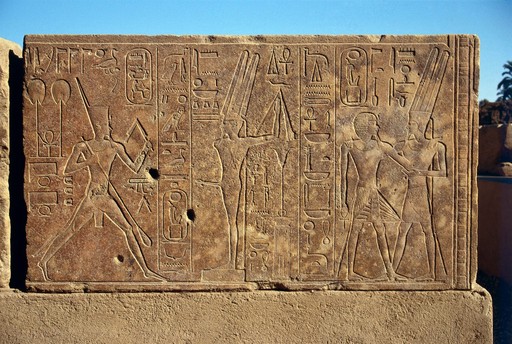
Hatshepsut Dancing Before Min, Karnak Relief
Carole Reeves · 1989
 Sculpture
Primary source
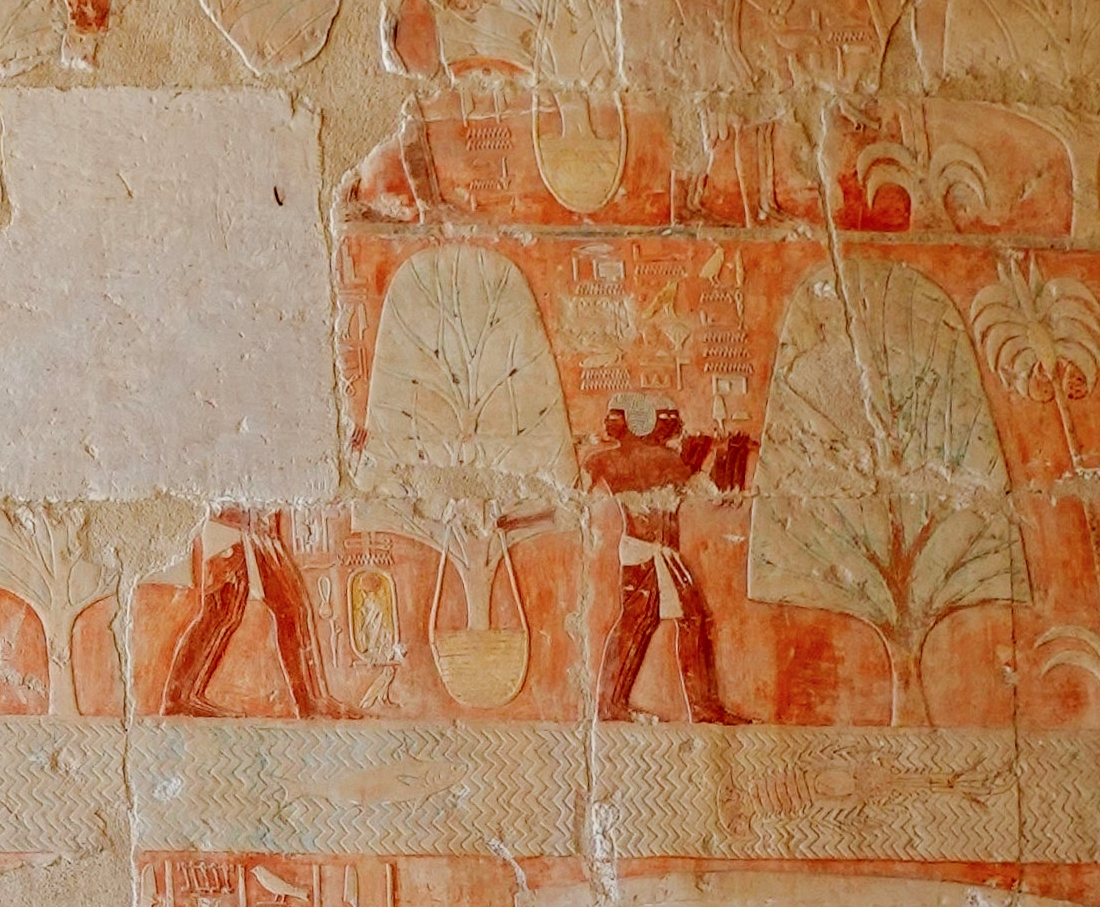
Punt Expedition Reliefs
Royal workshops of Hatshepsut · c. 1470 BCE
 Sculpture
Primary source
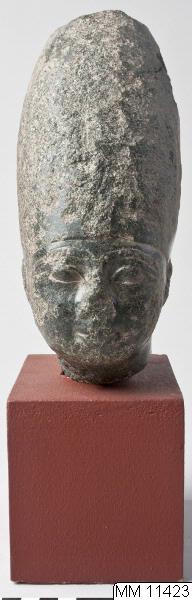
Sculpture Head Probably of Hatshepsut
 Sculpture
Primary source
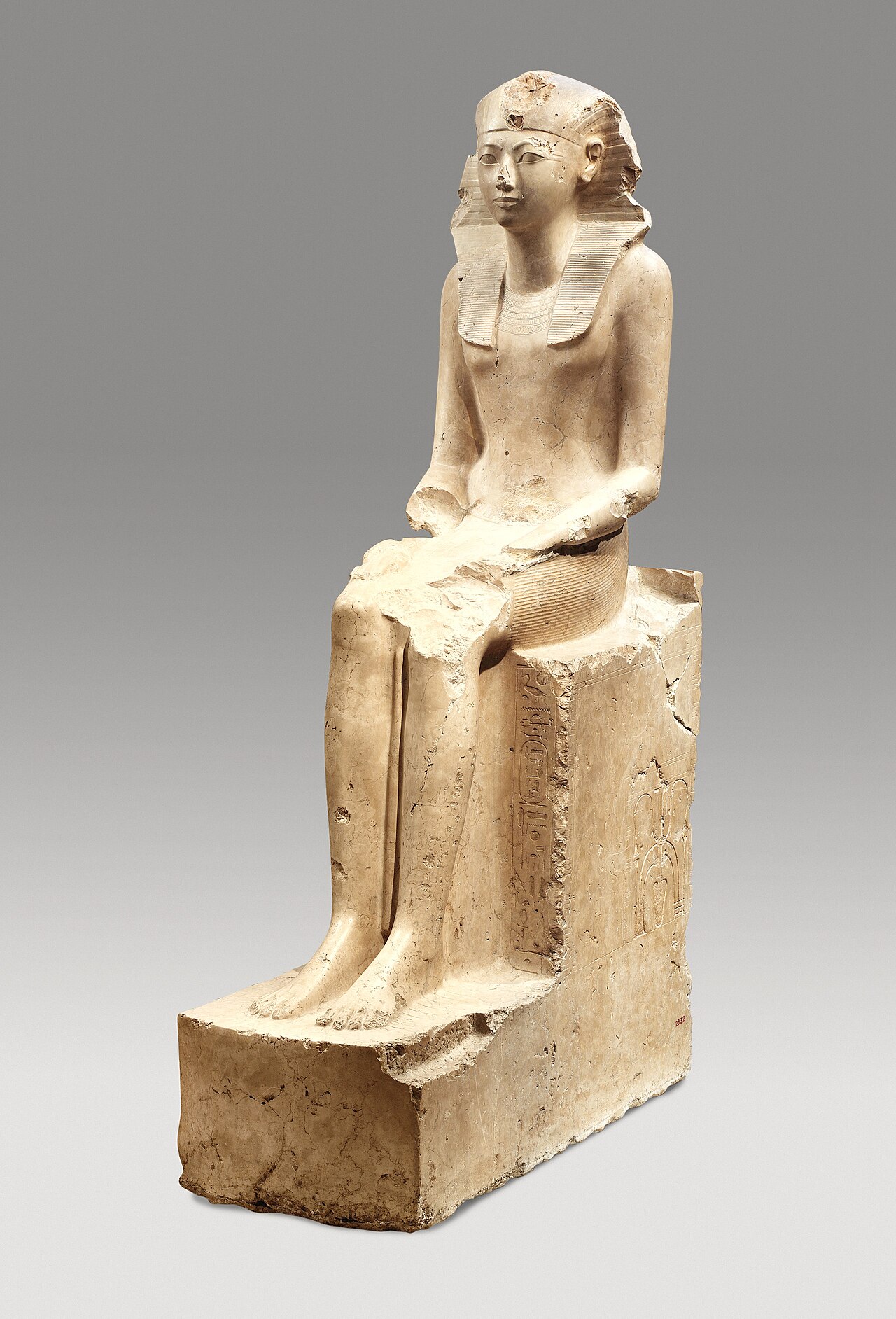
Seated Statue of Hatshepsut
c. 1466 BCE
Ready when you are
Start chatting with Hatshepsut now.
20 messages free · No credit card · Available in 50+ languages.