


Secondary sourceArtifactc. 1500
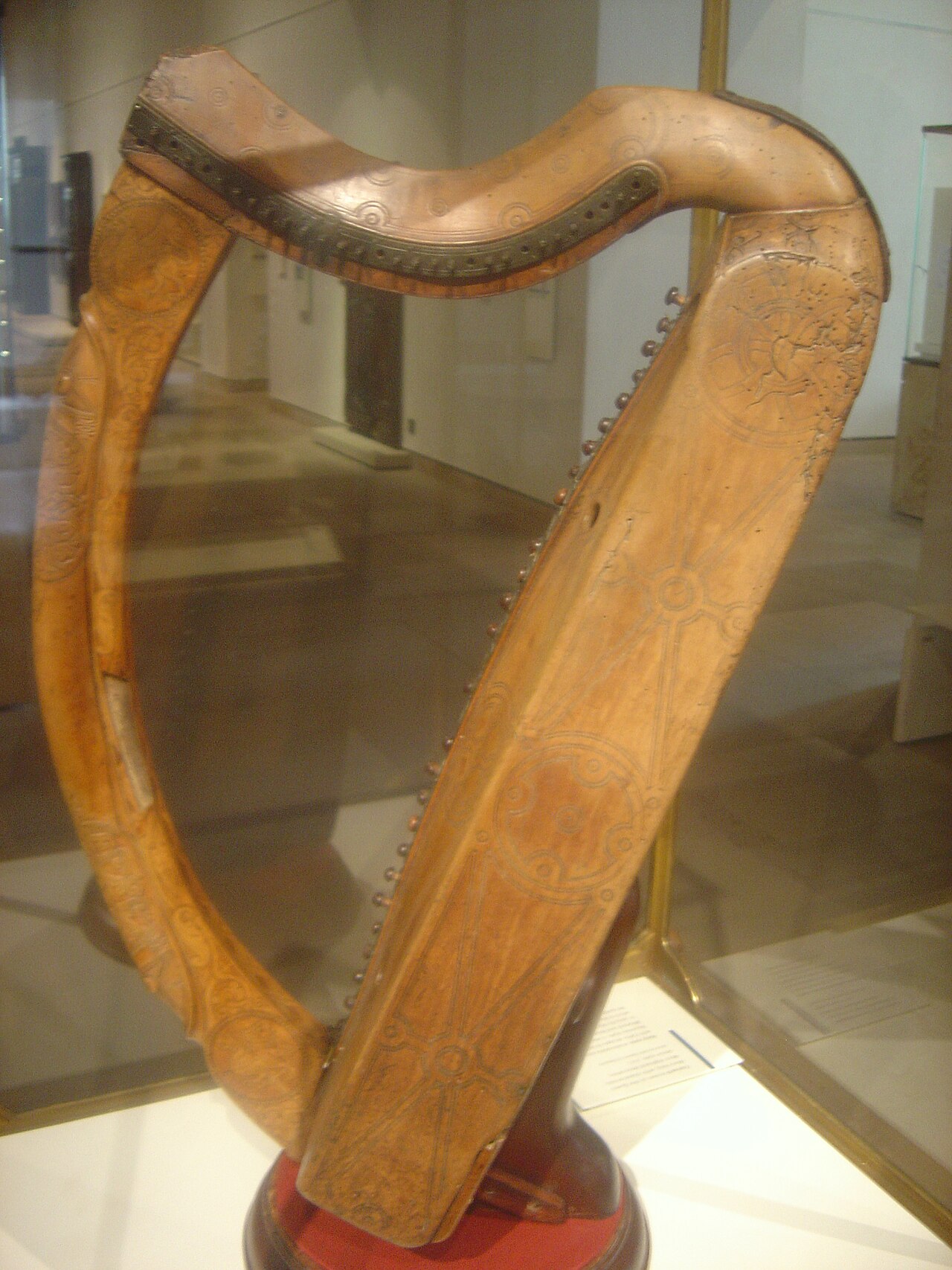
Queen Mary Harp
c. 1500
A medieval Gaelic harp traditionally said to have been given by Mary, Queen of Scots to a Highland harper, now in the National Museum of Scotland.
Tradition says Mary gave this harp to a Highland harper, linking her to Gaelic musical culture.
About this source
What it is
This is a Scottish clarsach, or Gaelic harp, believed to date from around 1500 and to have originated in Argyll, Scotland. It is one of the three oldest surviving Gaelic harps and is now kept at the National Museum of Scotland. Tradition holds that it was presented by Mary, Queen of Scots to the harper Beatrix Gardyn in 1563, later passing to the Robertson family of Lude.
Why it matters
The harp links Mary to Highland Gaelic culture and musical tradition. Its intricate carving, including Christian symbolism, suggests it may originally have been made for a church or monastery, showing how objects can carry layered histories beyond their most famous owner.
Look closer
- What does the harp's carving and decoration suggest about who first commissioned it?
- Why might a royal connection like Mary's name become attached to an object over time?
- How reliable do you think the tradition linking this harp to Mary actually is?
This artifact is part of the curated material that grounds the AI version of Mary, Queen of Scots on Humy.ai — when students ask about related events, the AI can quote it and cite it.
More Mary, Queen of Scots sources
Browse all 88 →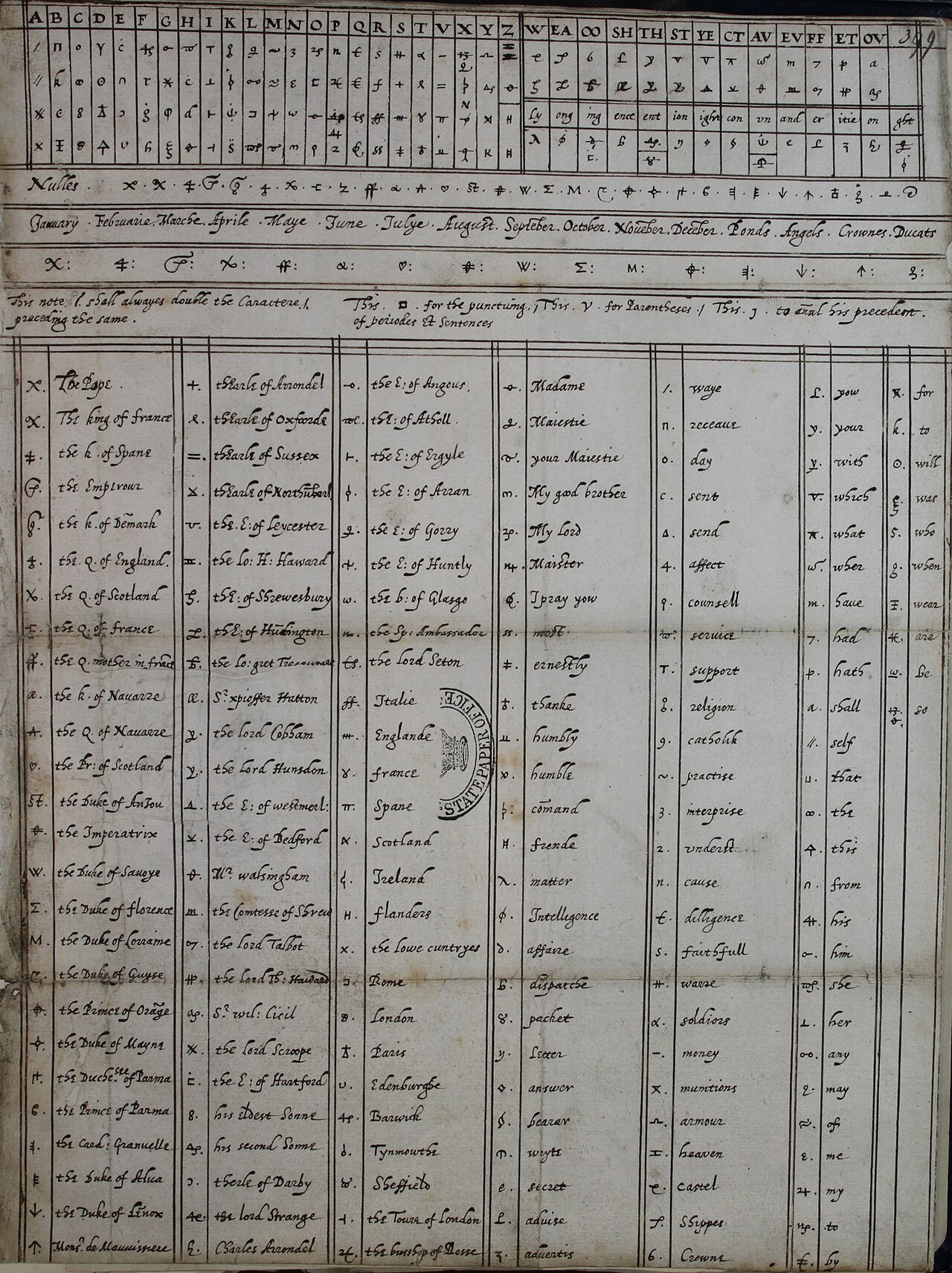 Document
Primary source
Cipher and Code Tables of Mary, Queen of Scots
Mary, Queen of Scots
 Painting
Primary source
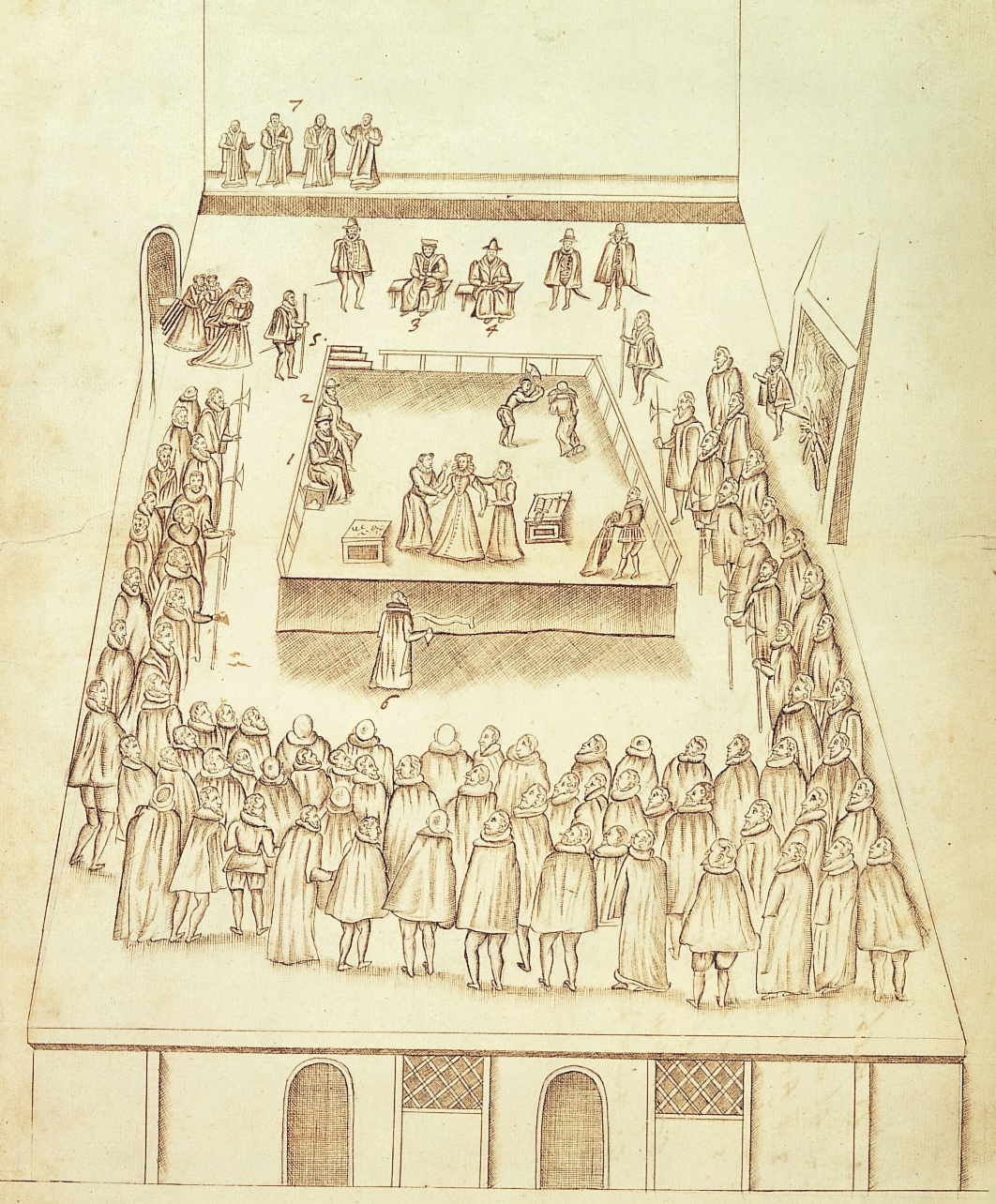
Drawing of the Execution of Mary, Queen of Scots at Fotheringhay
Unknown artist (Beale papers) · 1587
 Painting
Primary source
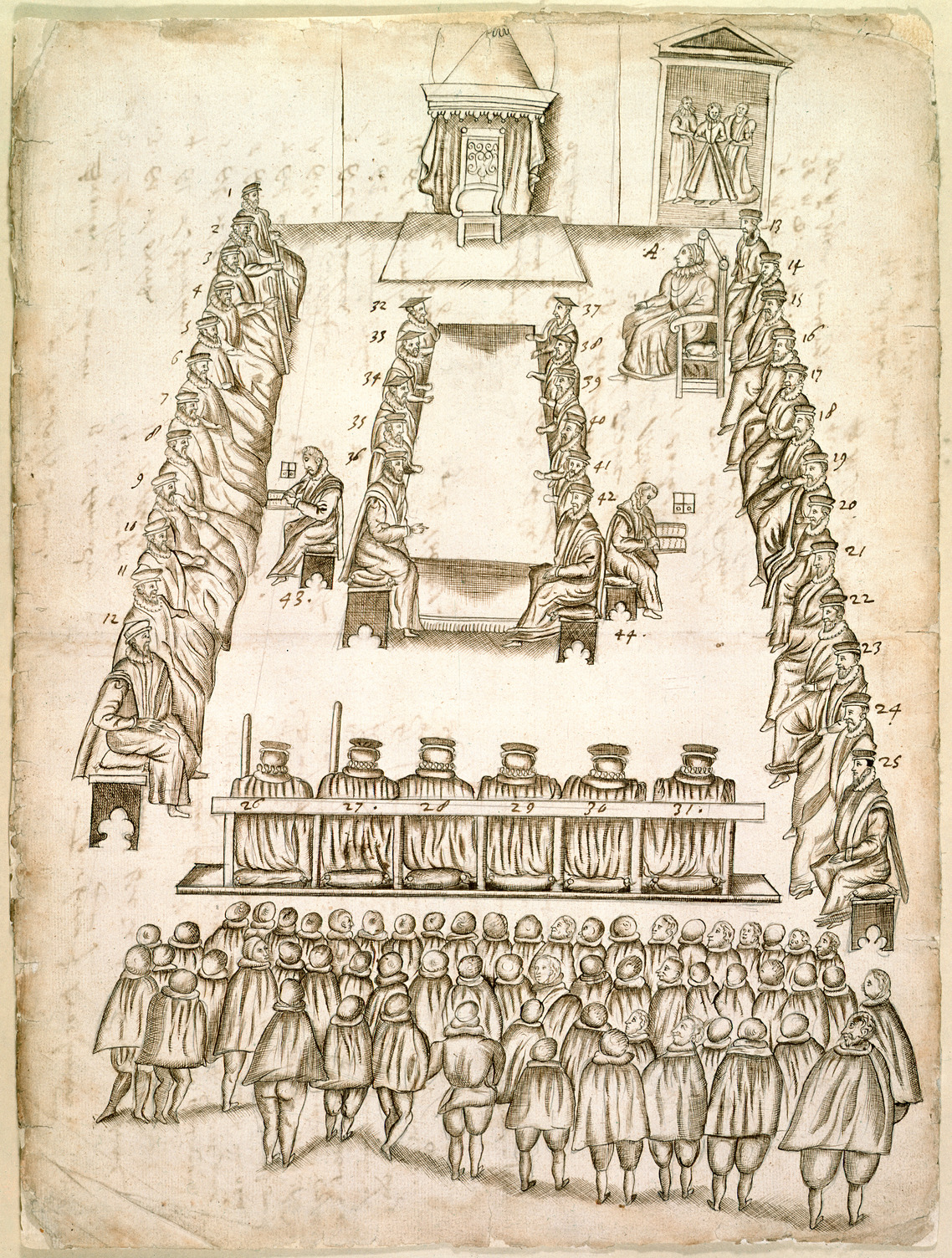
Drawing of the Trial of Mary, Queen of Scots
Unknown artist · 14-15 October 1586
 Letter
Primary source
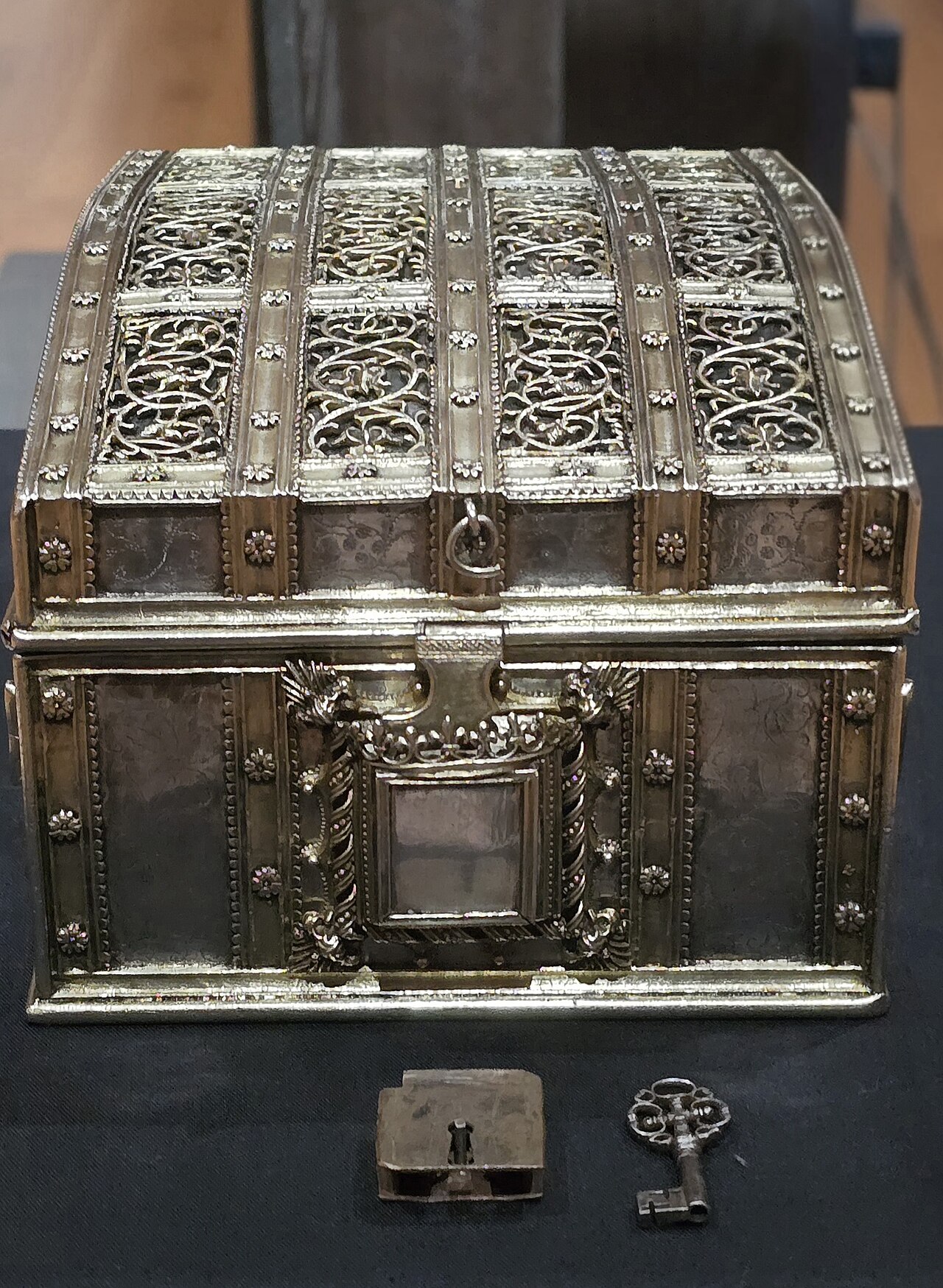
Casket Letters
Attributed to Mary, Queen of Scots (disputed) · January-April 1567
Free account
Read every Mary, Queen of Scots source
Sign up free →
Ready when you are
Start chatting with Mary, Queen of Scots now.
20 messages free · No credit card · Available in 50+ languages.