


Primary sourceArtifact1483
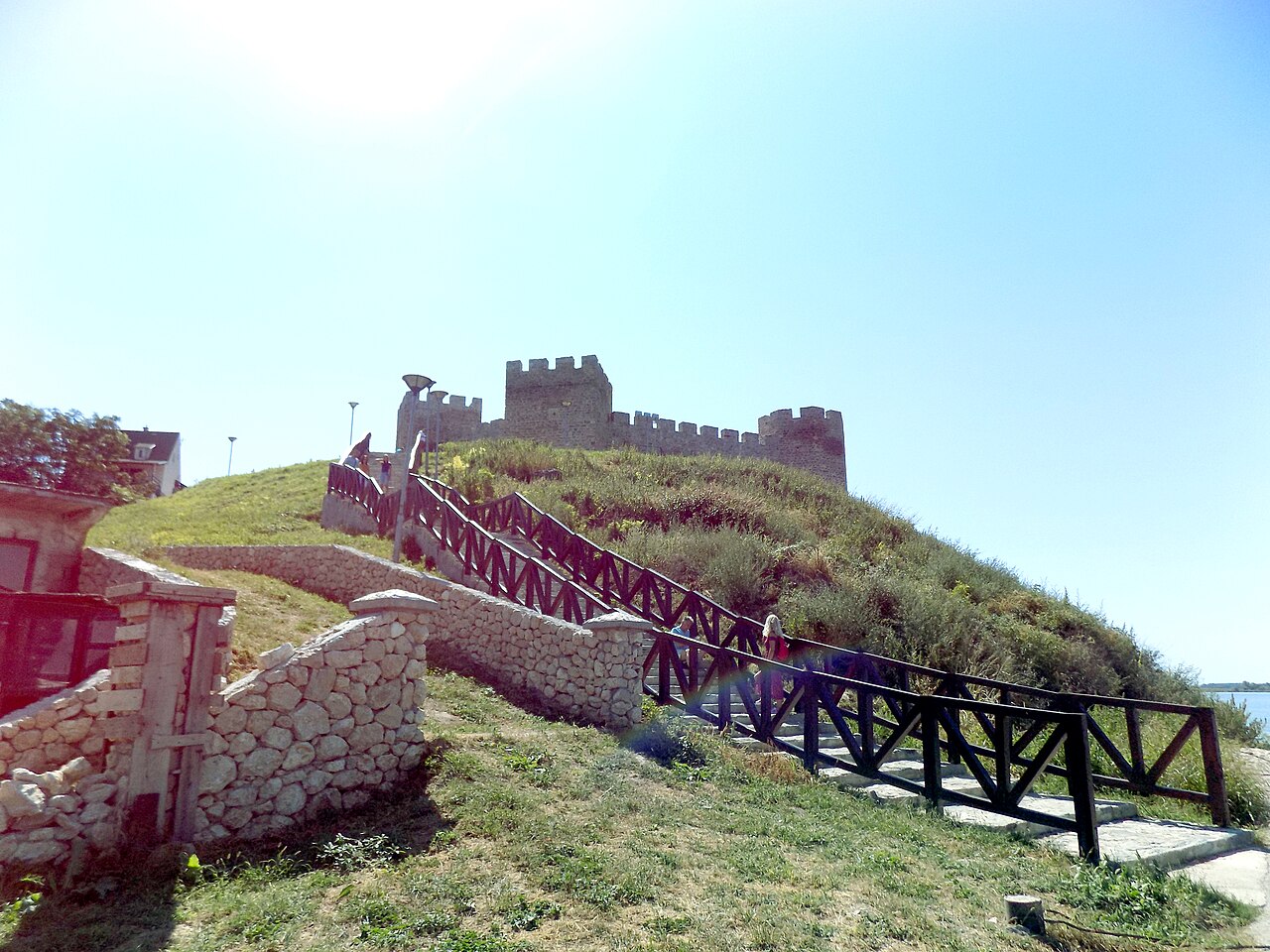
Ram Fortress
1483
A Danube-side artillery fortress built by Bayezid II in 1483 to defend against Hungarian attacks.
Bayezid II built this fortress in 1483 to defend the Danube frontier against Hungary.
About this source
What it is
Ram Fortress sits on a rocky slope above the Danube River in present-day Serbia. Sultan Bayezid II had the existing fortification revised and strengthened in 1483 to withstand firearms, making it one of the oldest artillery forts in the region.
Why it matters
The fortress shows Bayezid II actively defending the Ottoman Empire's northern frontier against Hungarian incursions, following his earlier construction of the Kulič Fortress. It reflects a period when fortifications had to be redesigned to cope with new gunpowder weapons, and it marks the empire's strategic control over the Danube.
Look closer
- Why would a location overlooking a wide stretch of river be chosen for a fortress?
- What does strengthening an older fortress against firearms tell you about changes in warfare at the time?
- What might archaeologists learn from a site with layers of Celtic, Roman, Byzantine and Ottoman history?
This artifact is part of the curated material that grounds the AI version of Bayezid II on Humy.ai — when students ask about related events, the AI can quote it and cite it.
More Bayezid II sources
Browse all 79 → Artifact
Primary source
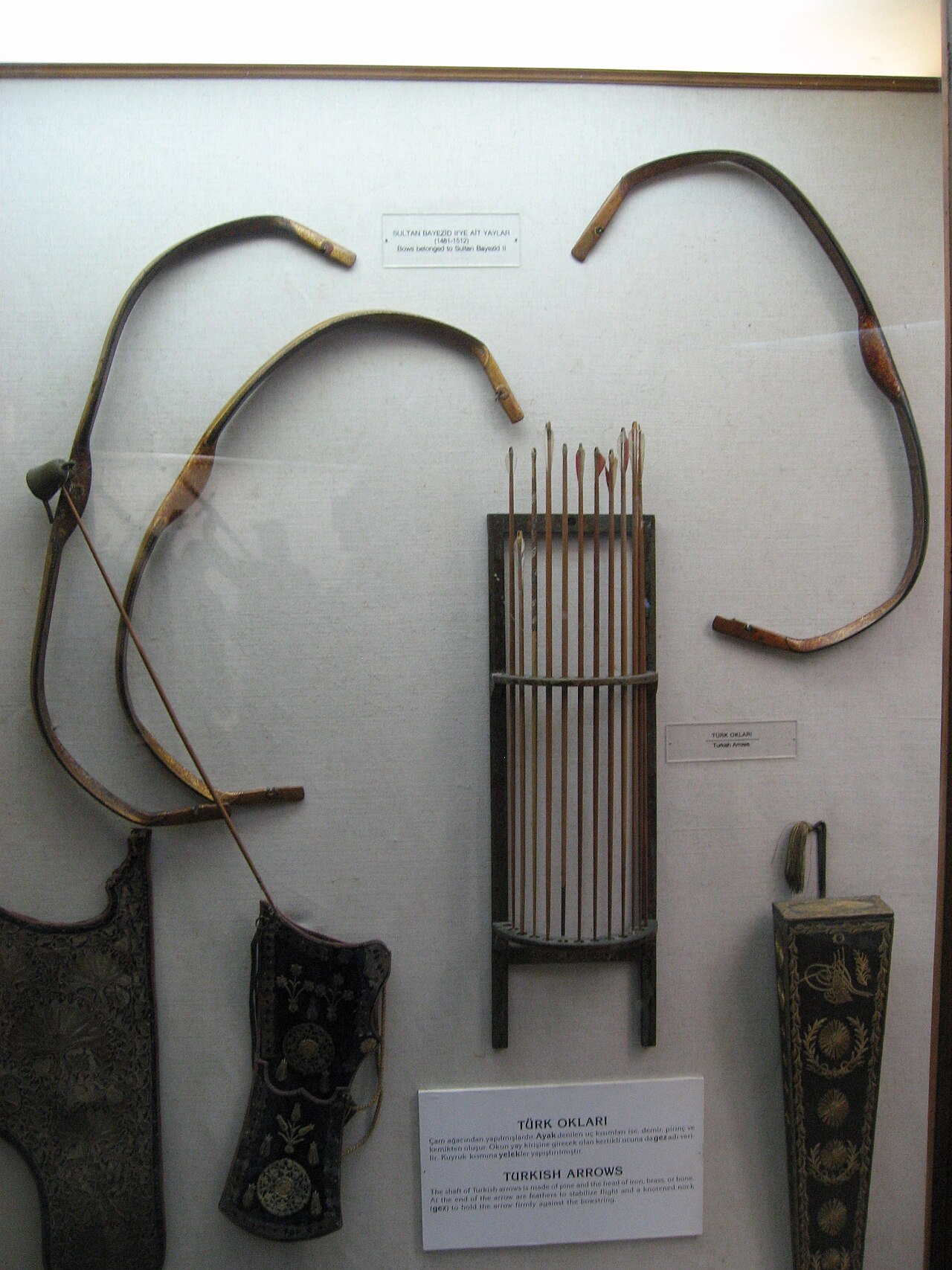
Bayezid II Mosque
Yakubşah ibn Islamşah (attributed) · 1500-1505
 Document
Primary source
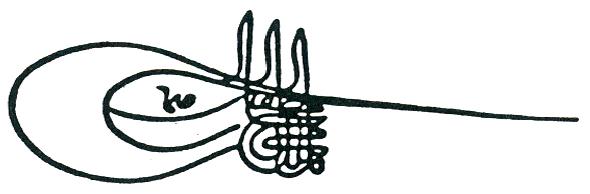
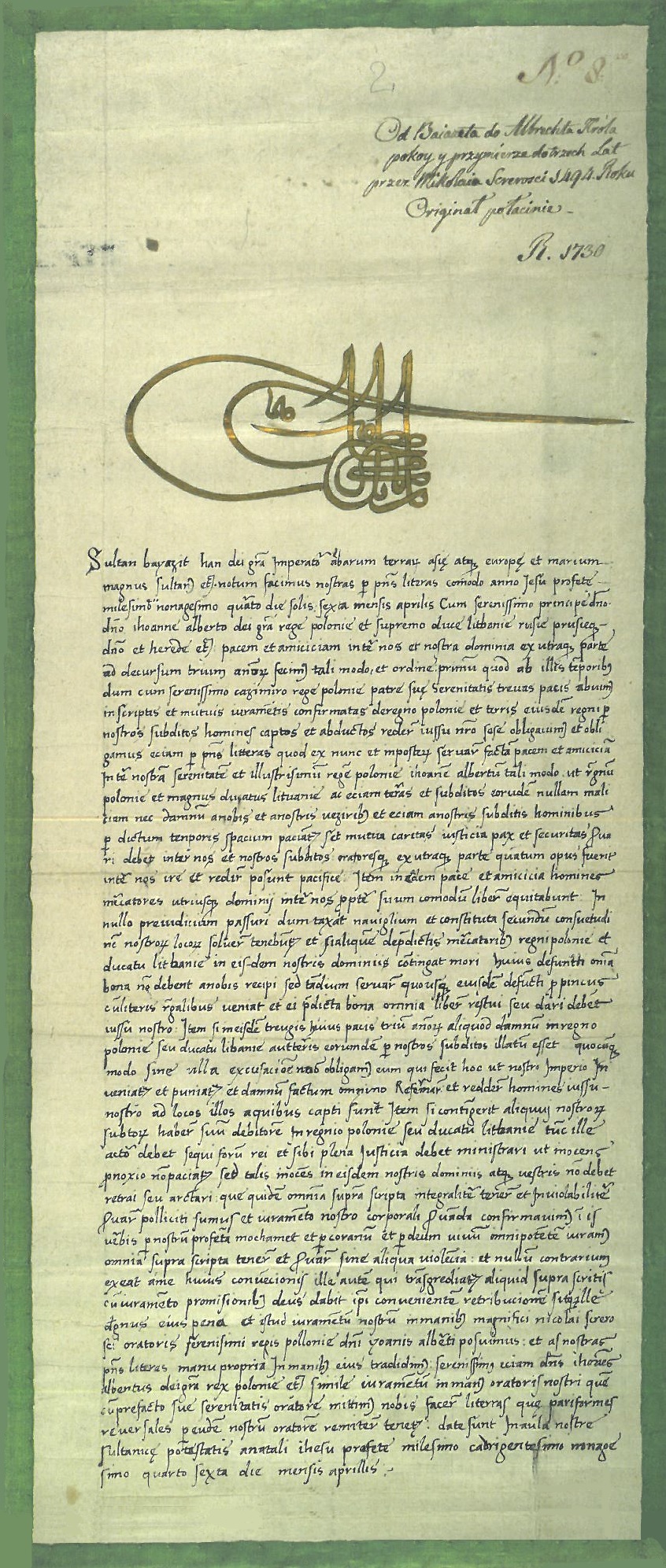
Tughra of Bayezid II
Unknown court calligrapher · 1481-1512
 Painting
Primary source
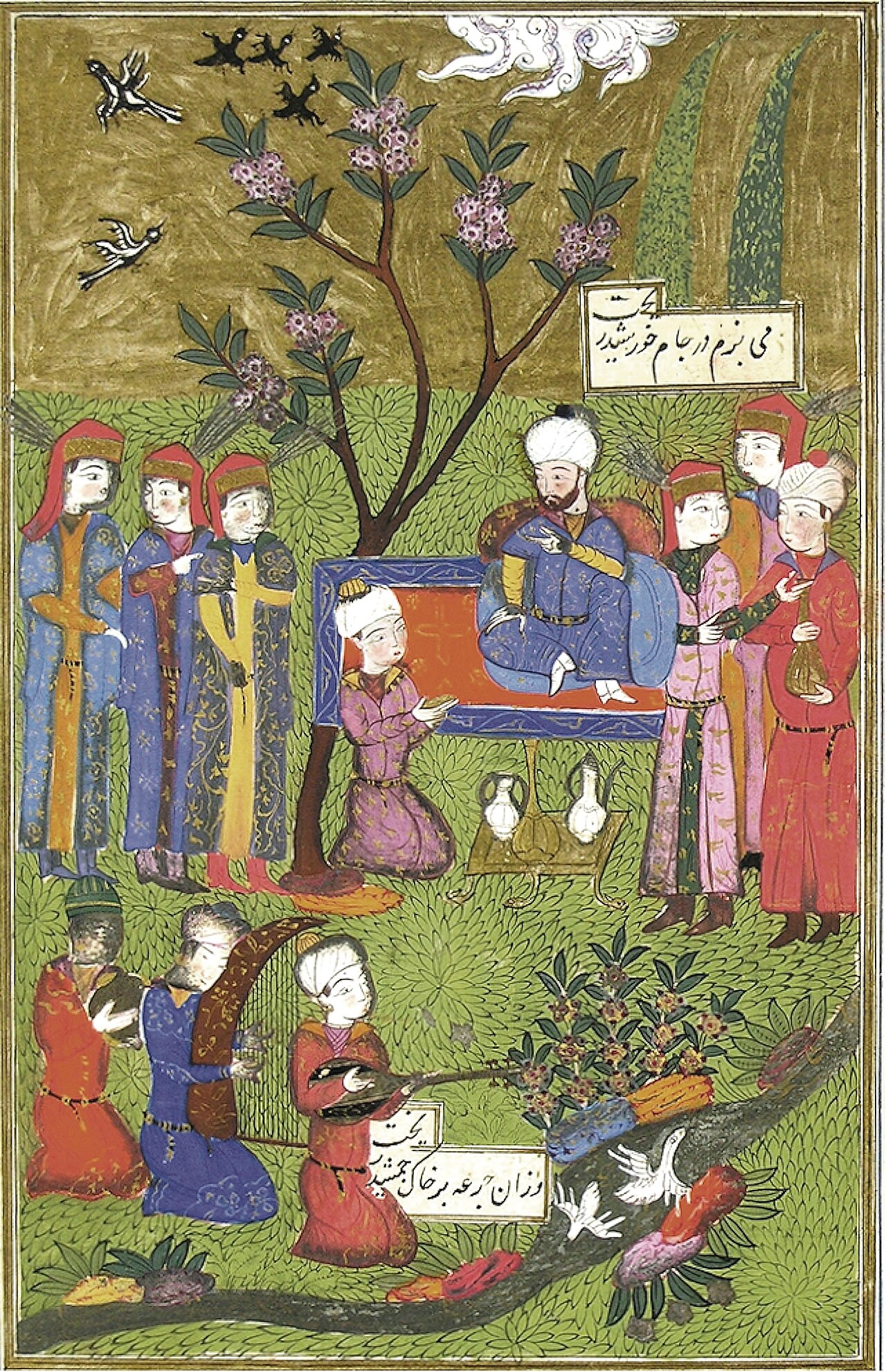
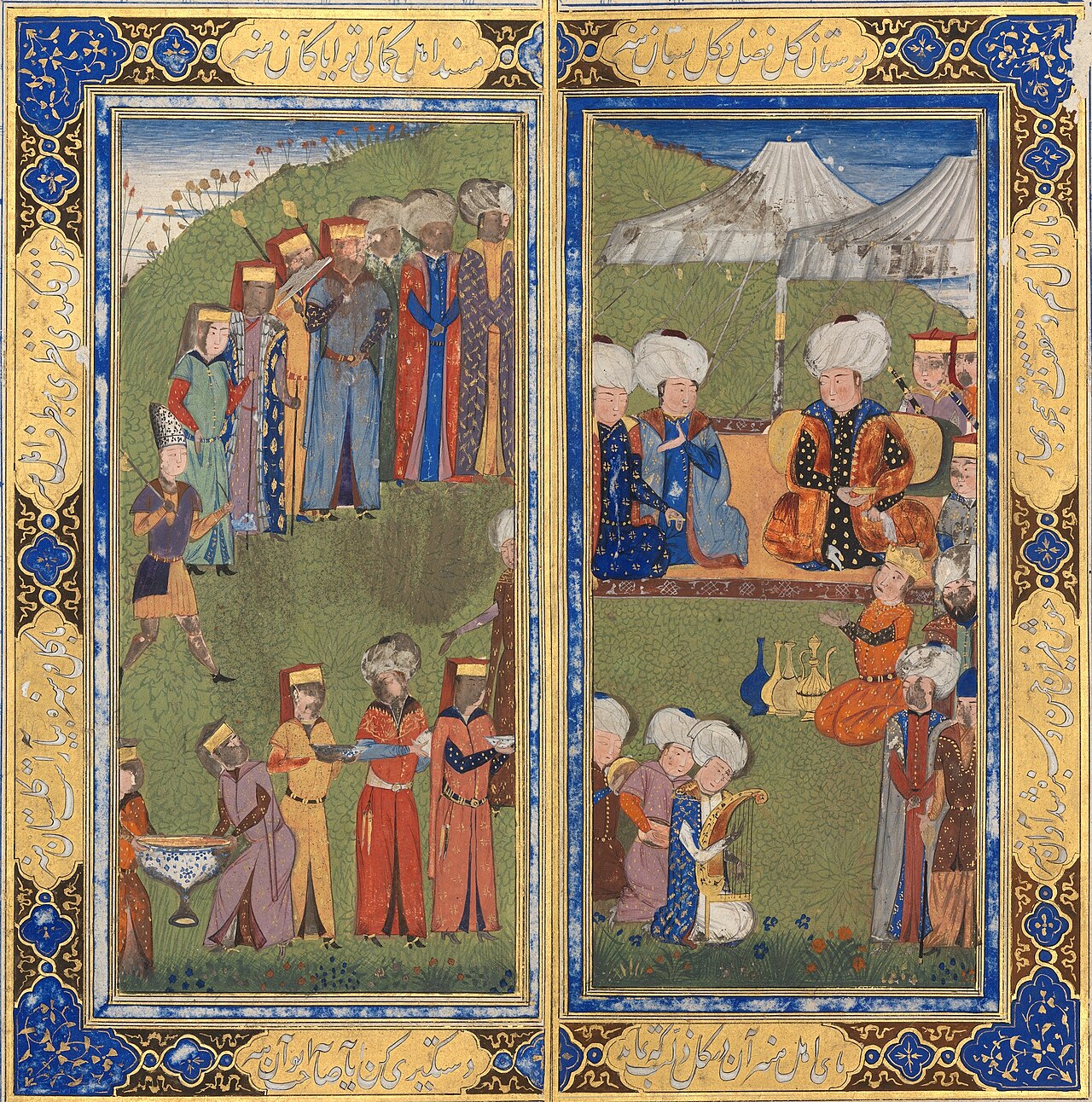
Assembly of Sultan Bayezid II
Darwish Mahmud b. Abdullah nakkash · c. 1495
 Artifact
Primary source
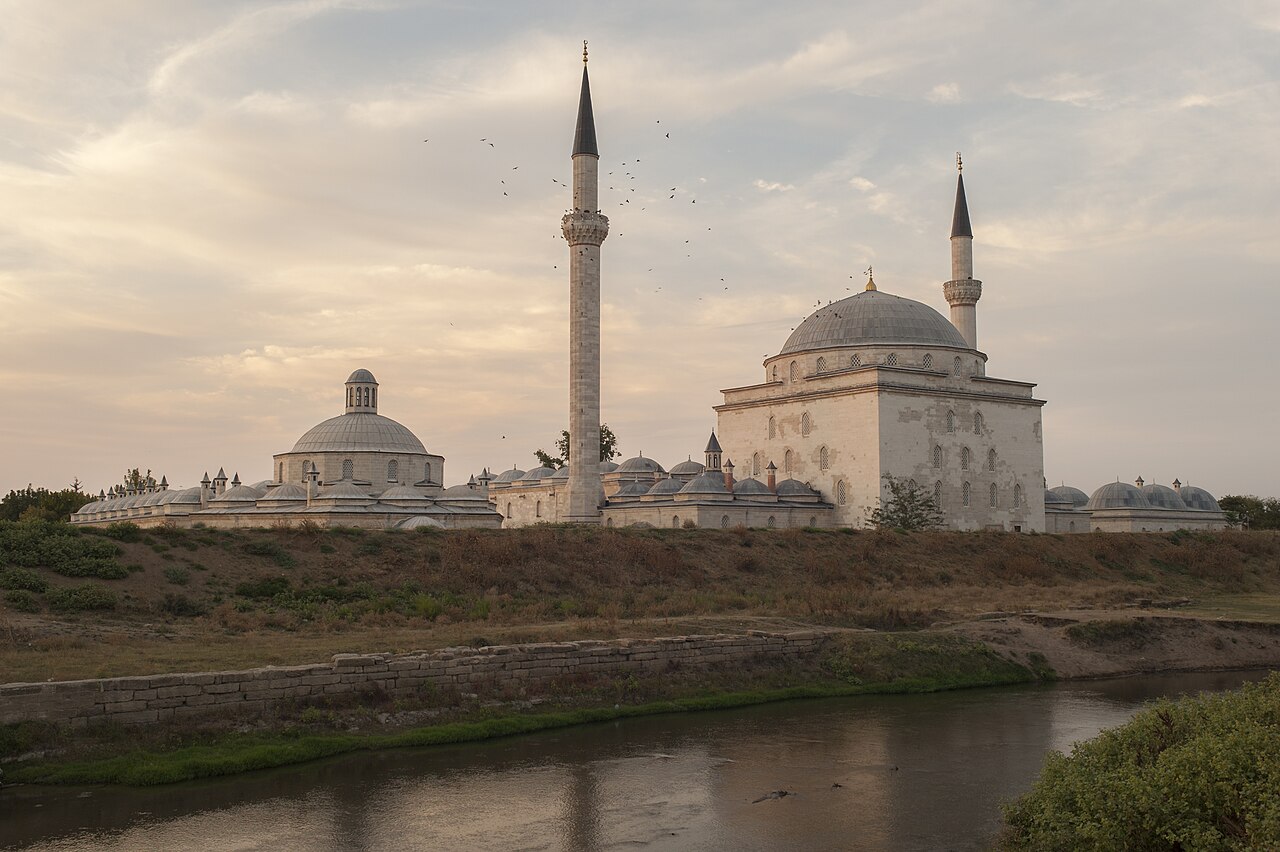
Sultan Bayezid II Complex
Mimar Hayruddin · 1484-1488
Free account
Read every Bayezid II source
Sign up free →
Ready when you are
Start chatting with Bayezid II now.
20 messages free · No credit card · Available in 50+ languages.