


Primary sourceBook1827
Rationale of Judicial Evidence
Jeremy Bentham · 1827
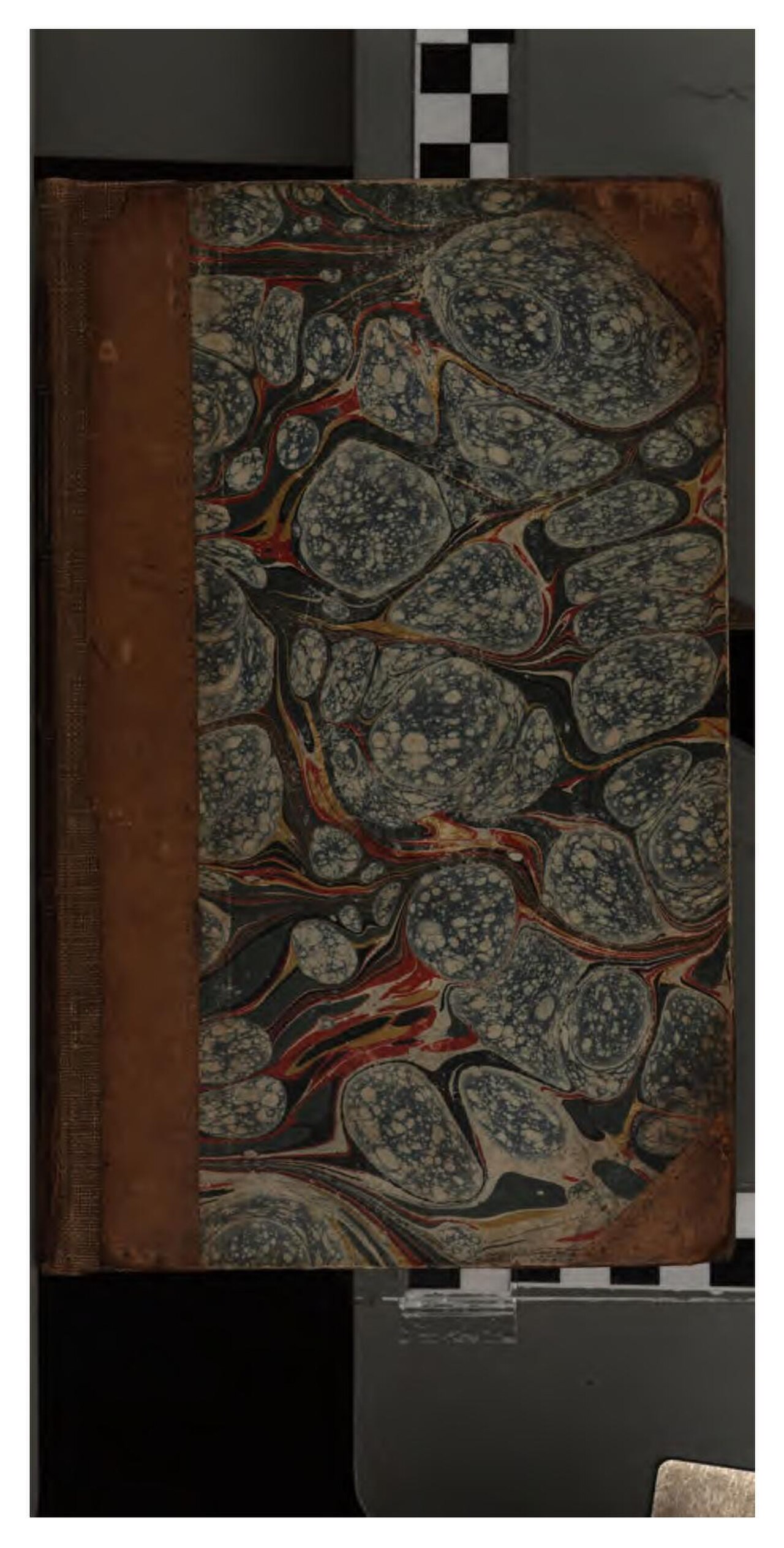
Bentham's five-volume critique of the rules of evidence in English courts, published in 1827 and edited by a young John Stuart Mill.
Bentham wrote this detailed critique of courtroom evidence rules, later edited for publication by John Stuart Mill.
About this source
What it is
This is a five-volume printed work by Jeremy Bentham, published in London in 1827 and edited by John Stuart Mill, then a young man. It is held by the British Library.
Why it matters
In this book Bentham attacked the technical rules that governed what counted as evidence in English courts, arguing they often blocked the truth from coming out. The involvement of Mill, who went on to become a major philosopher himself, shows how Bentham's ideas were passed on to the next generation of reformers.
Look closer
- Why might someone think the rules for evidence in a court need to be questioned?
- What does it mean that a young editor like Mill helped prepare this work?
- How might this book have been used by lawyers or lawmakers of the time?
This book is part of the curated material that grounds the AI version of Jeremy Bentham on Humy.ai — when students ask about related events, the AI can quote it and cite it.
More Jeremy Bentham sources
Meet the AI Jeremy Bentham →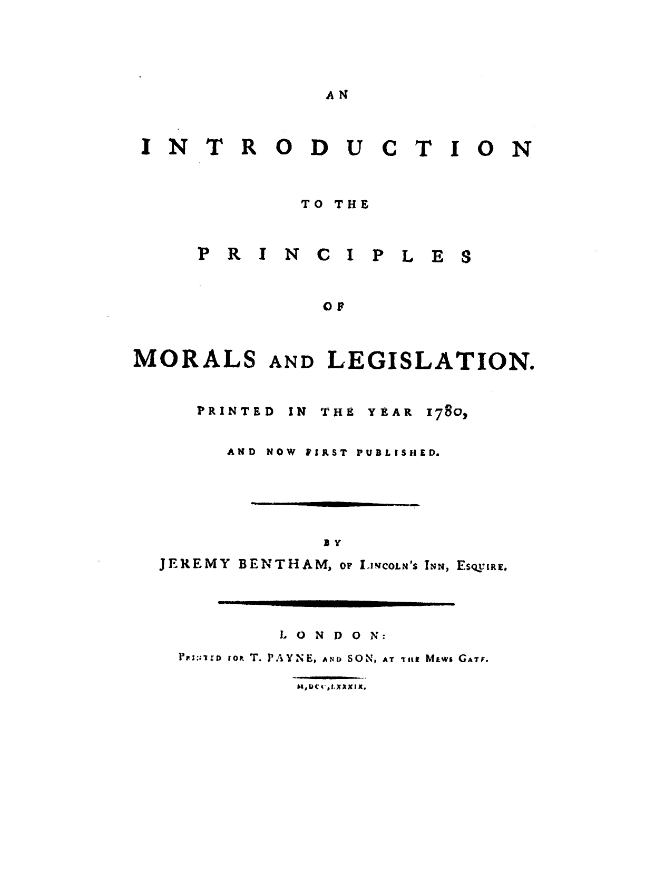 Book
Primary source
An Introduction to the Principles of Morals and Legislation
Jeremy Bentham · 1789 (printed 1780)
 Book
Primary source
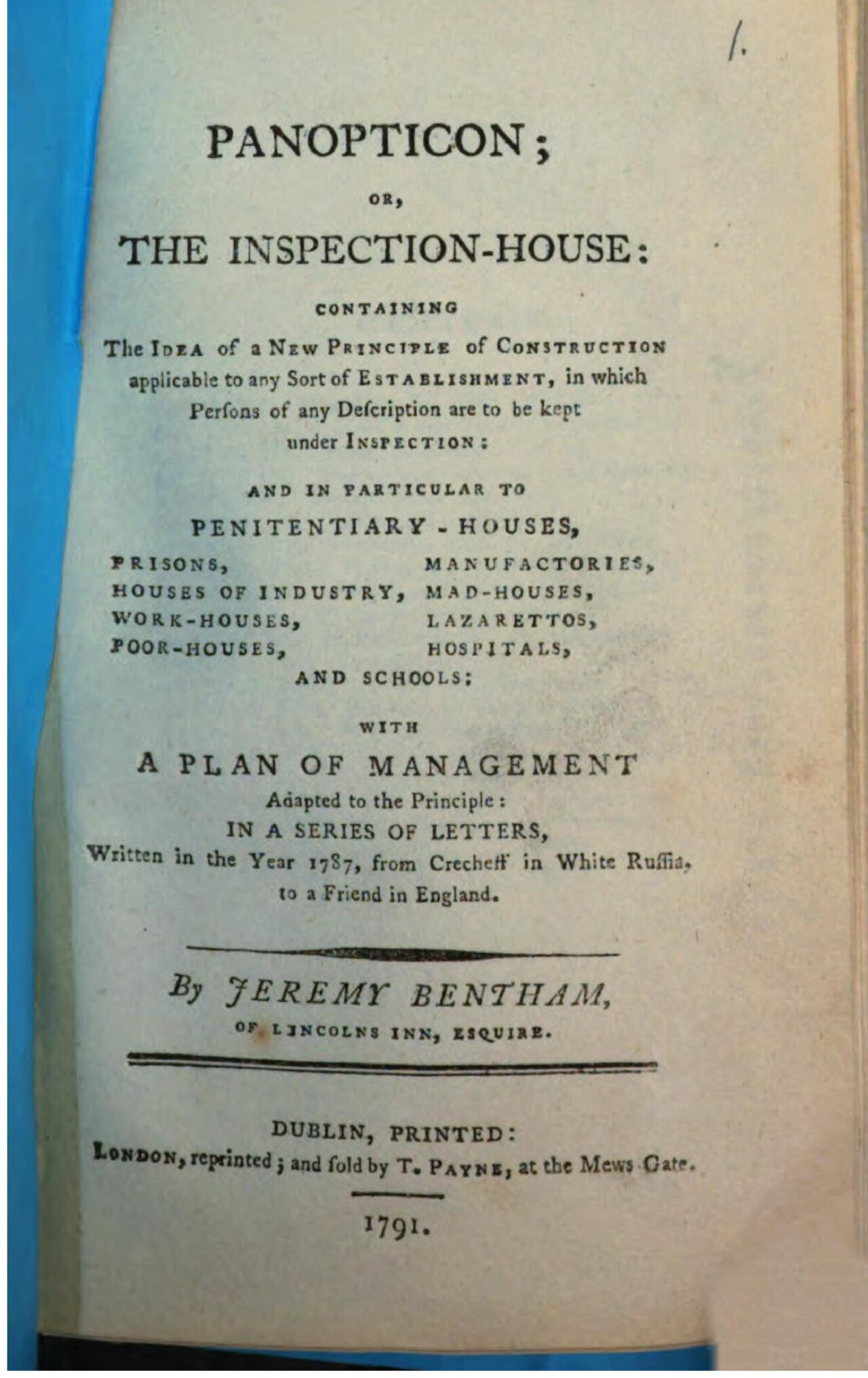
Panopticon; or, The Inspection-House
Jeremy Bentham · 1791 (letters written 1787)
 Artifact
Primary source
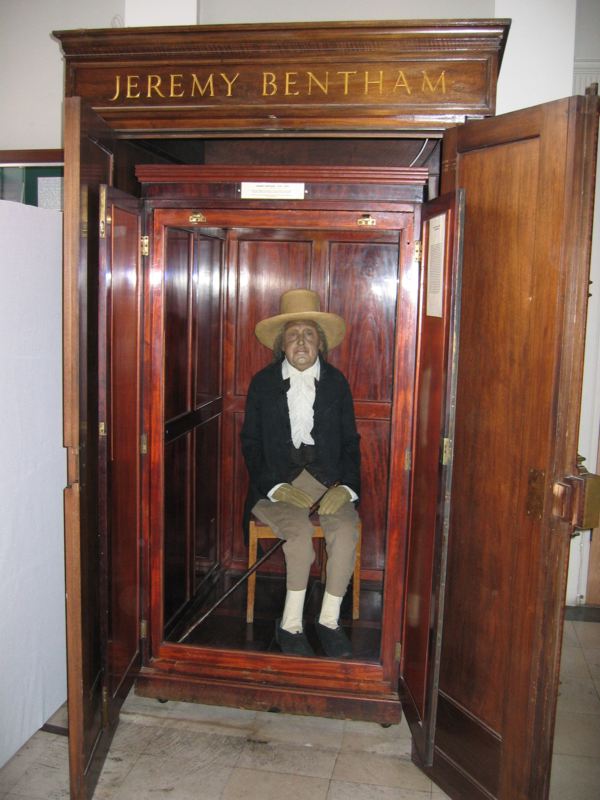
Auto-icon of Jeremy Bentham
Thomas Southwood Smith · 1832
 Book
Primary source
A Fragment on Government
Jeremy Bentham · 1776
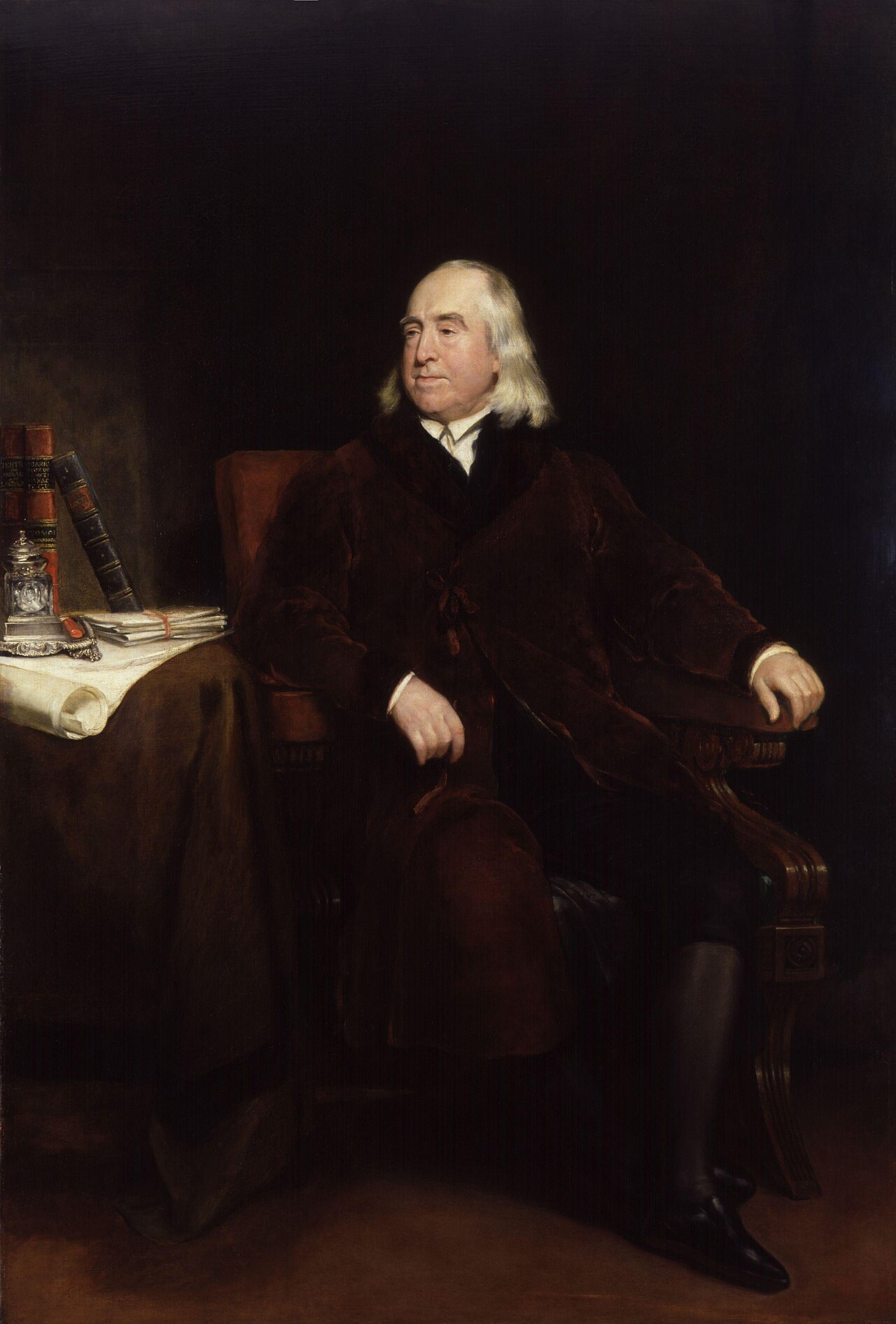 Painting
Primary source
Jeremy Bentham
Henry William Pickersgill · c. 1829
Ready when you are
Start chatting with Jeremy Bentham now.
20 messages free · No credit card · Available in 50+ languages.