


Primary sourceArtifactc. 1460 BCE, reconstructed 1997
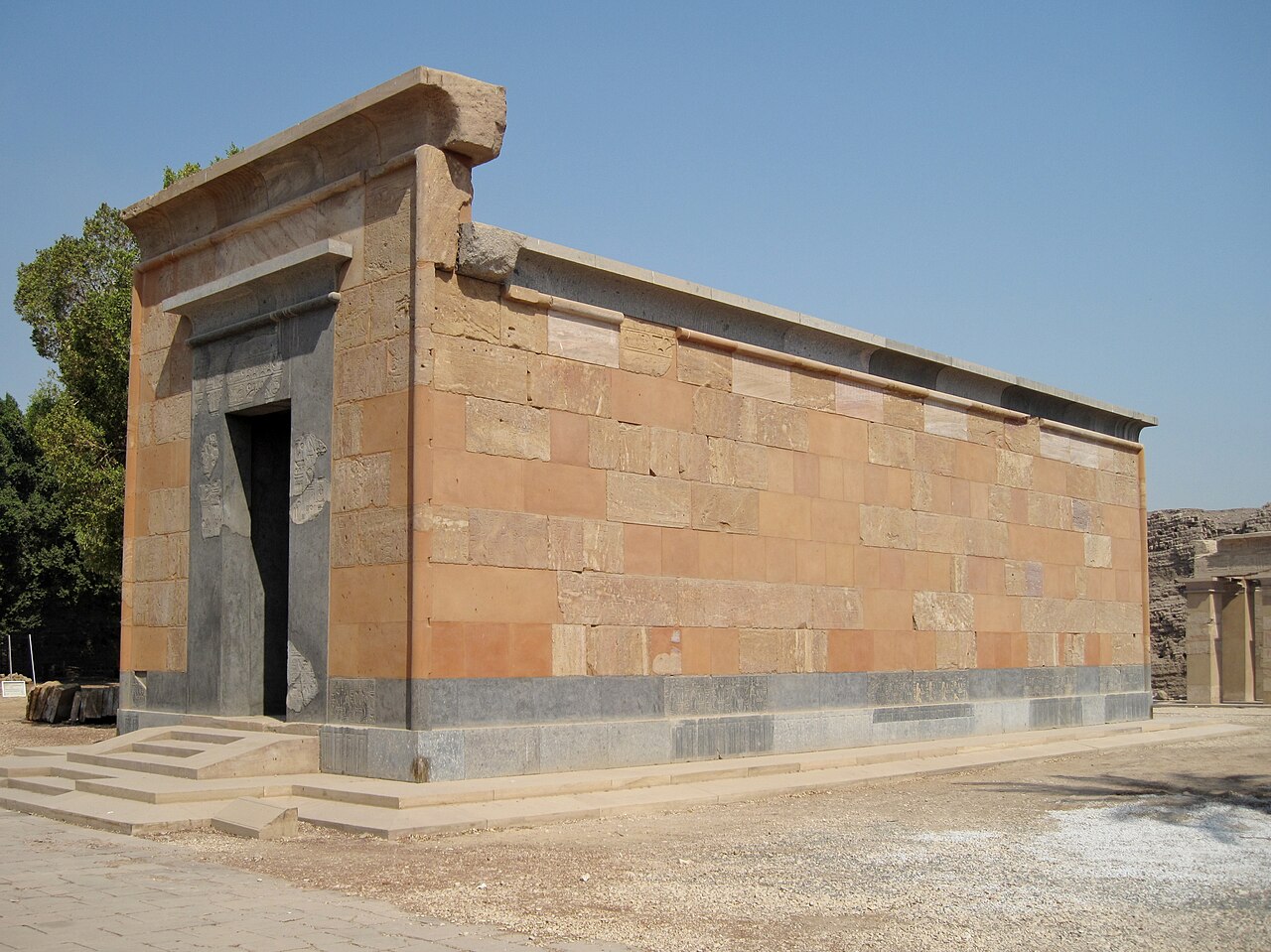
Red Chapel of Hatshepsut
c. 1460 BCE, reconstructed 1997
A quartzite barque shrine built by Hatshepsut at Karnak, carrying an oracle text proclaiming her king; later dismantled by Thutmose III.
This shrine, built on her orders, preserves the oracle text used to declare Hatshepsut king.
About this source
What it is
The Red Chapel, or Chapelle Rouge, was a barque shrine built at Karnak to house the sacred boat of the god Amun. Hatshepsut began building it, and after her death her successor Thutmose III finished its decoration. It was later torn down and its blocks reused elsewhere, but in 1997 it was reconstructed from the surviving pieces. It now stands at the Karnak Open Air Museum.
Why it matters
The chapel held texts describing an oracle in which Amun declared Hatshepsut king, a key part of how she justified ruling as pharaoh. Its later dismantling, connected to Thutmose III, is part of the evidence that her memory was later suppressed. The building shows both how she built her authority through religion and how later rulers tried to erase it.
Look closer
- Why might a ruler want a god's own words recorded on a temple wall?
- What does it mean that the decoration was finished by her successor rather than by Hatshepsut herself?
- Why might later pharaohs want to take apart a monument instead of just leaving it?
This artifact is part of the curated material that grounds the AI version of Hatshepsut on Humy.ai — when students ask about related events, the AI can quote it and cite it.
More Hatshepsut sources
Meet the AI Hatshepsut →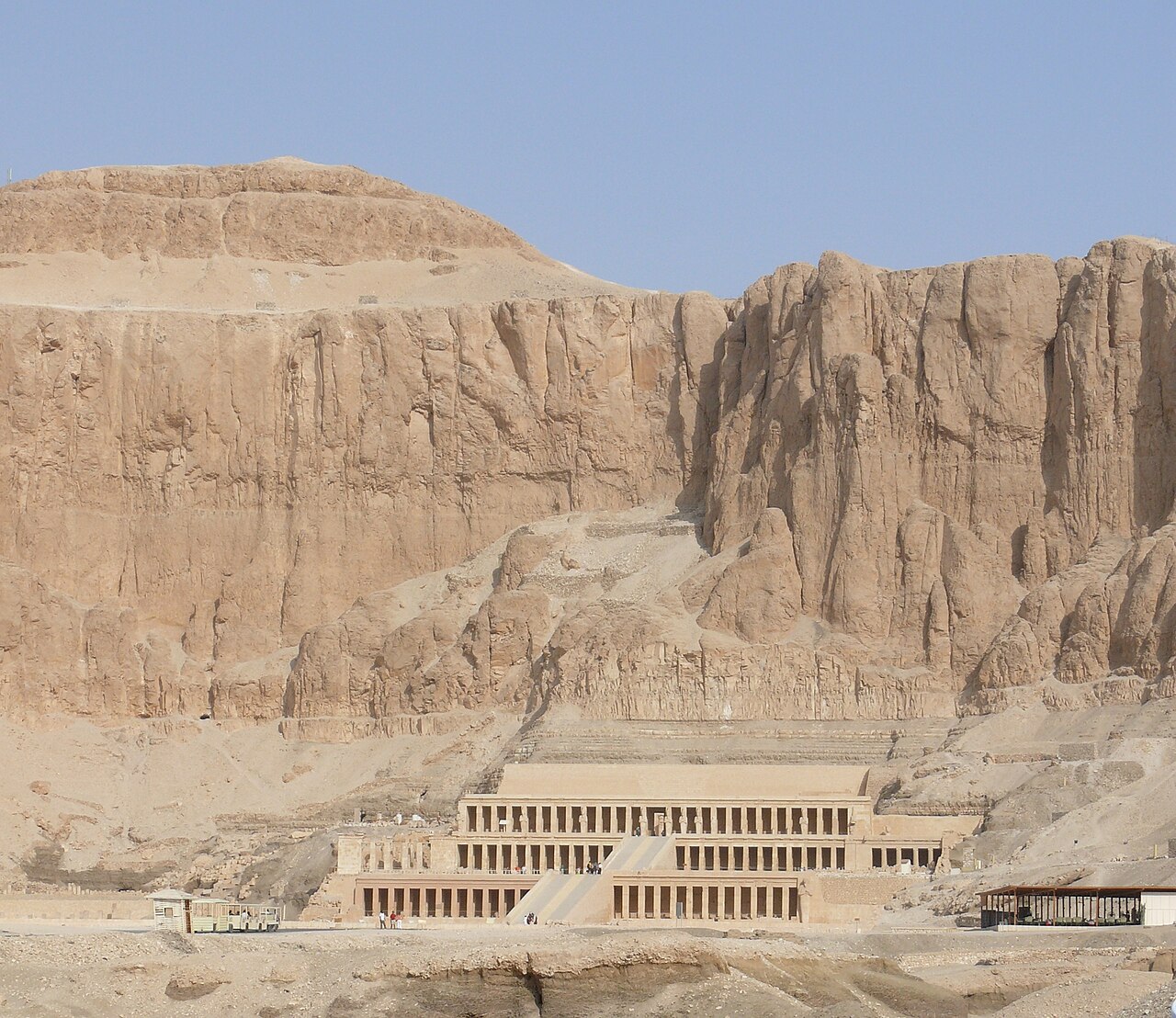 Artifact
Primary source
Mortuary Temple of Hatshepsut
Senenmut and/or Hapuseneb (attributed) · c. 1479–1458 BCE
 Photograph
Secondary source
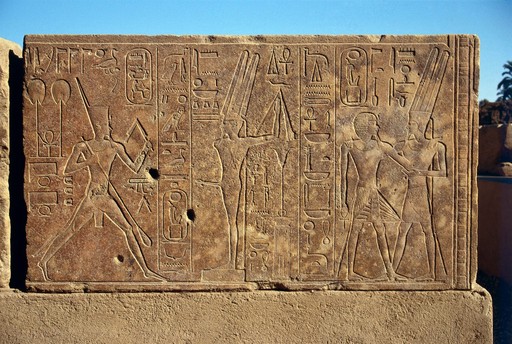
Hatshepsut Dancing Before Min, Karnak Relief
Carole Reeves · 1989
 Sculpture
Primary source
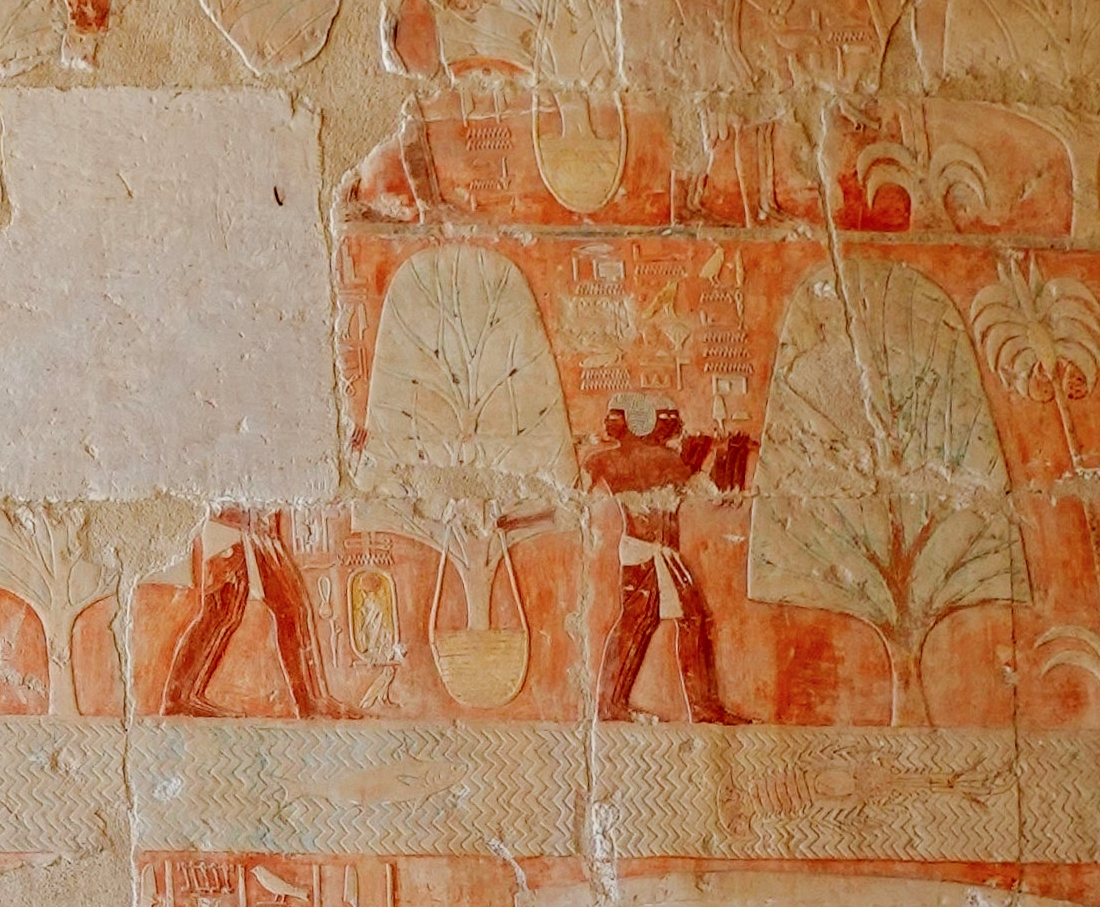
Punt Expedition Reliefs
Royal workshops of Hatshepsut · c. 1470 BCE
 Sculpture
Primary source
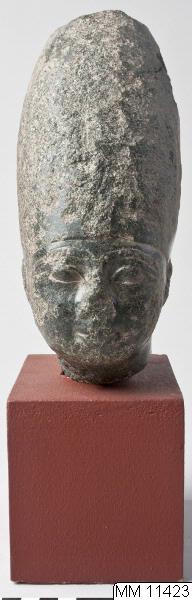
Sculpture Head Probably of Hatshepsut
 Sculpture
Primary source
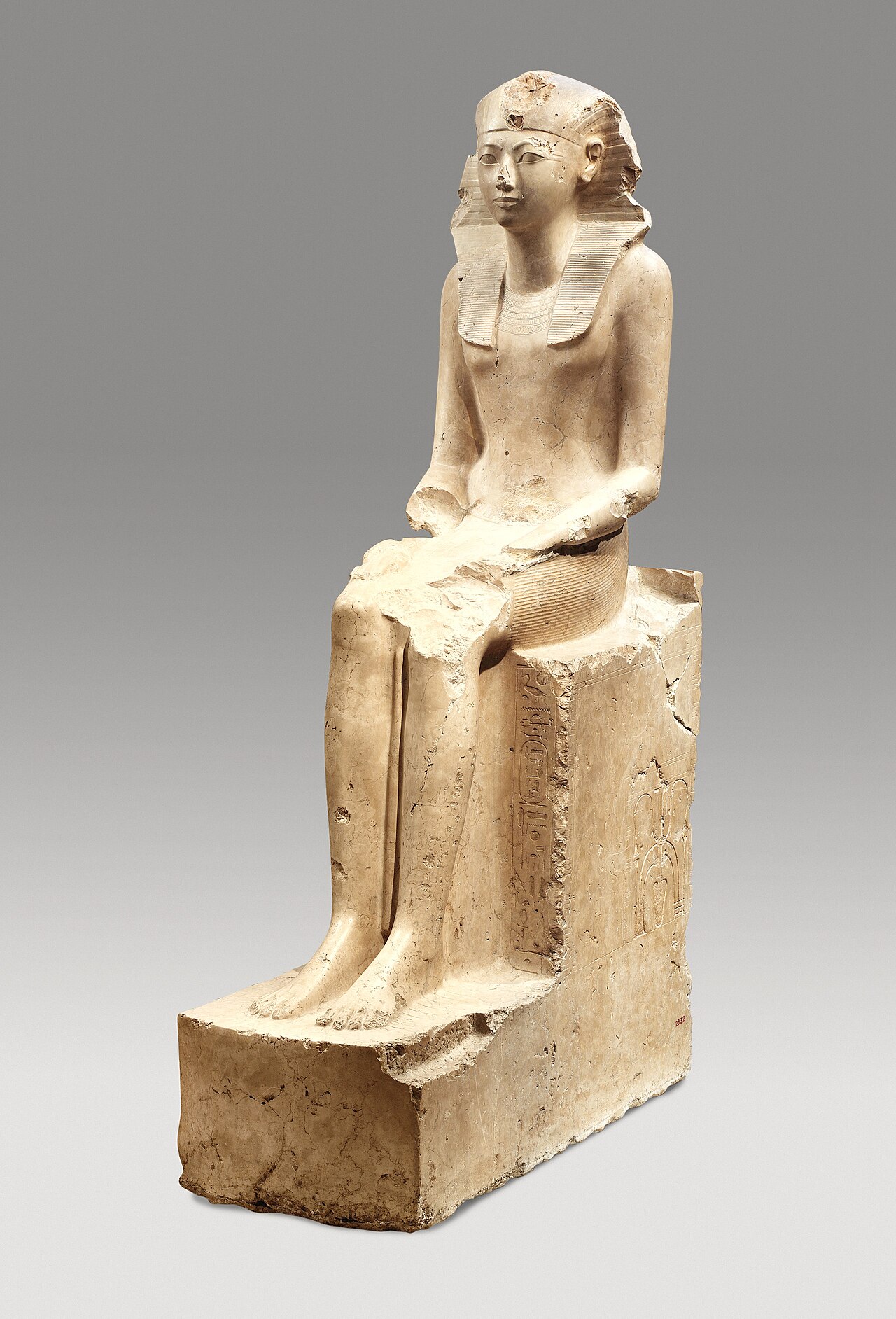
Seated Statue of Hatshepsut
c. 1466 BCE
Ready when you are
Start chatting with Hatshepsut now.
20 messages free · No credit card · Available in 50+ languages.