


Secondary sourcePaintingca. 1750
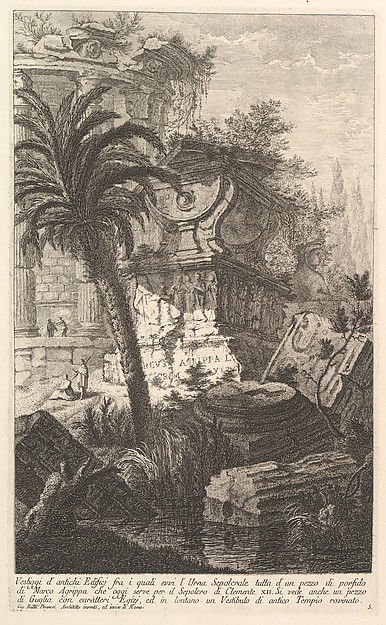
Remains of Ancient Buildings with the Sepulchral Urn of Agrippa
Giovanni Battista Piranesi · ca. 1750
An eighteenth-century etching by Piranesi showing Agrippa's porphyry urn among ancient ruins. The print links Agrippa to a monument that survived into the modern age.
It shows Agrippa's porphyry urn among ruins, a monument tied to him that a later artist chose to record.
About this source
What it is
This is an etching by Giovanni Battista Piranesi, dated about 1750, held by The Metropolitan Museum of Art. Its Italian title is Vestiggi d'antichi Edifici fra i quali evvi l'Urna Sepolcrale tutta d'un pezzo di..., from Prima Parte di Architettura, e Prospettive. It shows a tall palm tree, a broken column and carved fragments in the foreground. Behind them stands a large ornate urn on a pedestal. The caption says the urn is Agrippa's sepulchral urn, made entirely of porphyry, which serves today as the Tomb of Clement XII.
Why it matters
Piranesi was an eighteenth-century artist famous for drawing Rome's ruins. His prints shaped how Europeans imagined the ancient city. This print shows that Agrippa's own monument was still visible to later artists, and it reveals the interest in Roman antiquity of Piranesi's time.
Look closer
- What parts of the scene are ancient, and what parts appear to be the artist's own additions?
- Why might an eighteenth-century artist choose to show ruins with a palm tree and overgrown stones?
- What does the print tell us about Agrippa, and what does it tell us only about the people who admired ruins in 1750?
This painting is part of the curated material that grounds the AI version of Marcus Vipsanius Agrippa on Humy.ai — when students ask about related events, the AI can quote it and cite it.
More Marcus Vipsanius Agrippa sources
Browse all 97 →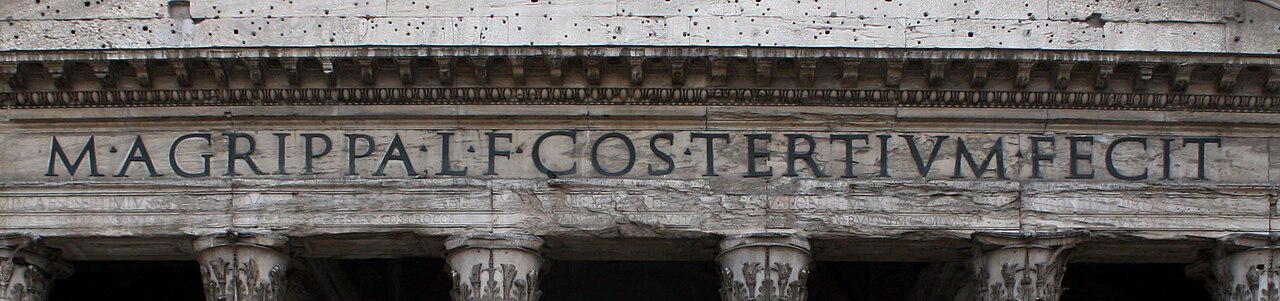 Document
Secondary source
CIL VI, 896 (Pantheon Dedication Inscription)
126 (copying text of 27 BC)
 Sculpture
Primary source
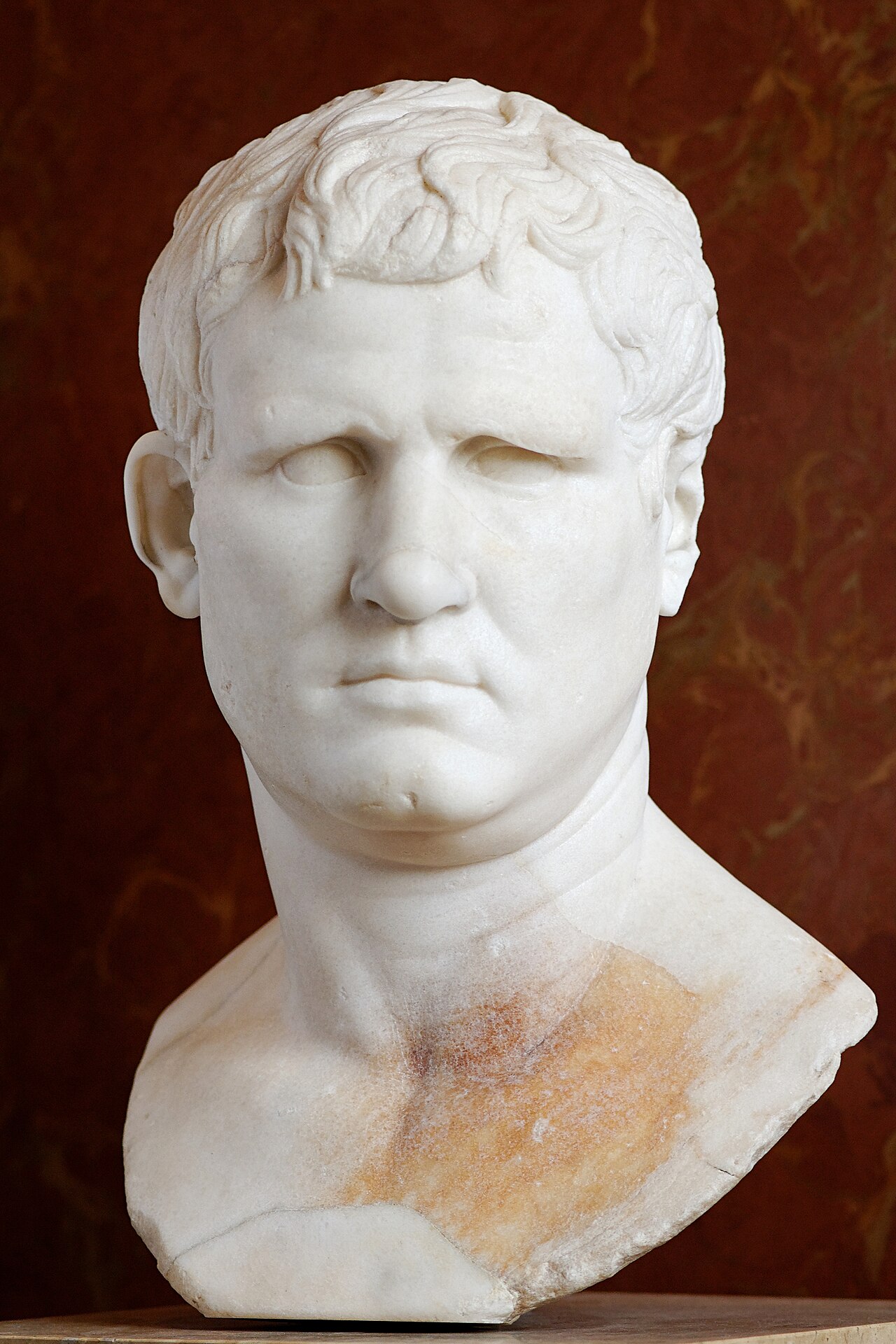
Portrait of Marcus Vipsanius Agrippa (Gabii type)
c. 25–24 BC
 Artifact
Primary source
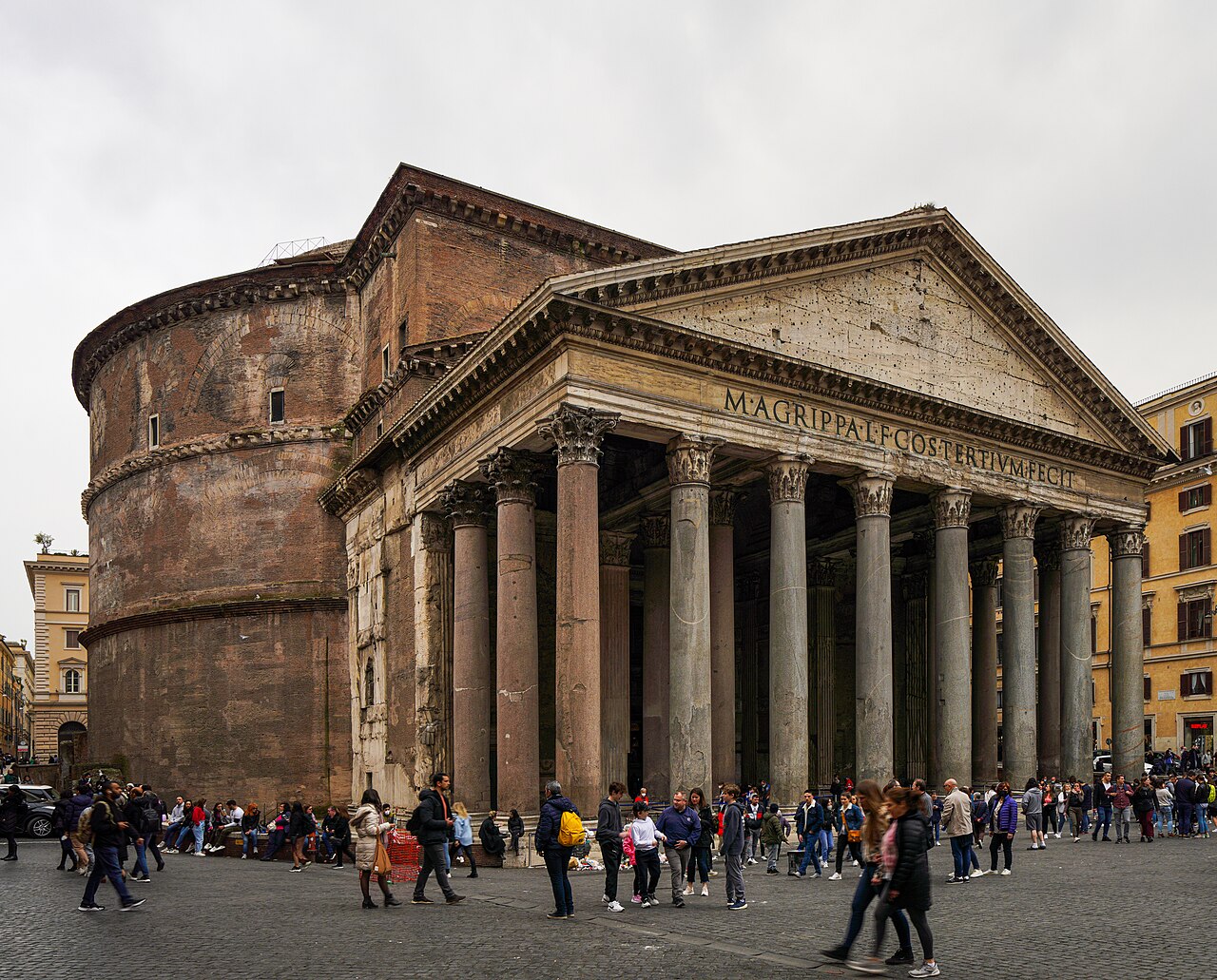
Pantheon
Hadrian · c. AD 126-128
 Document
Primary source
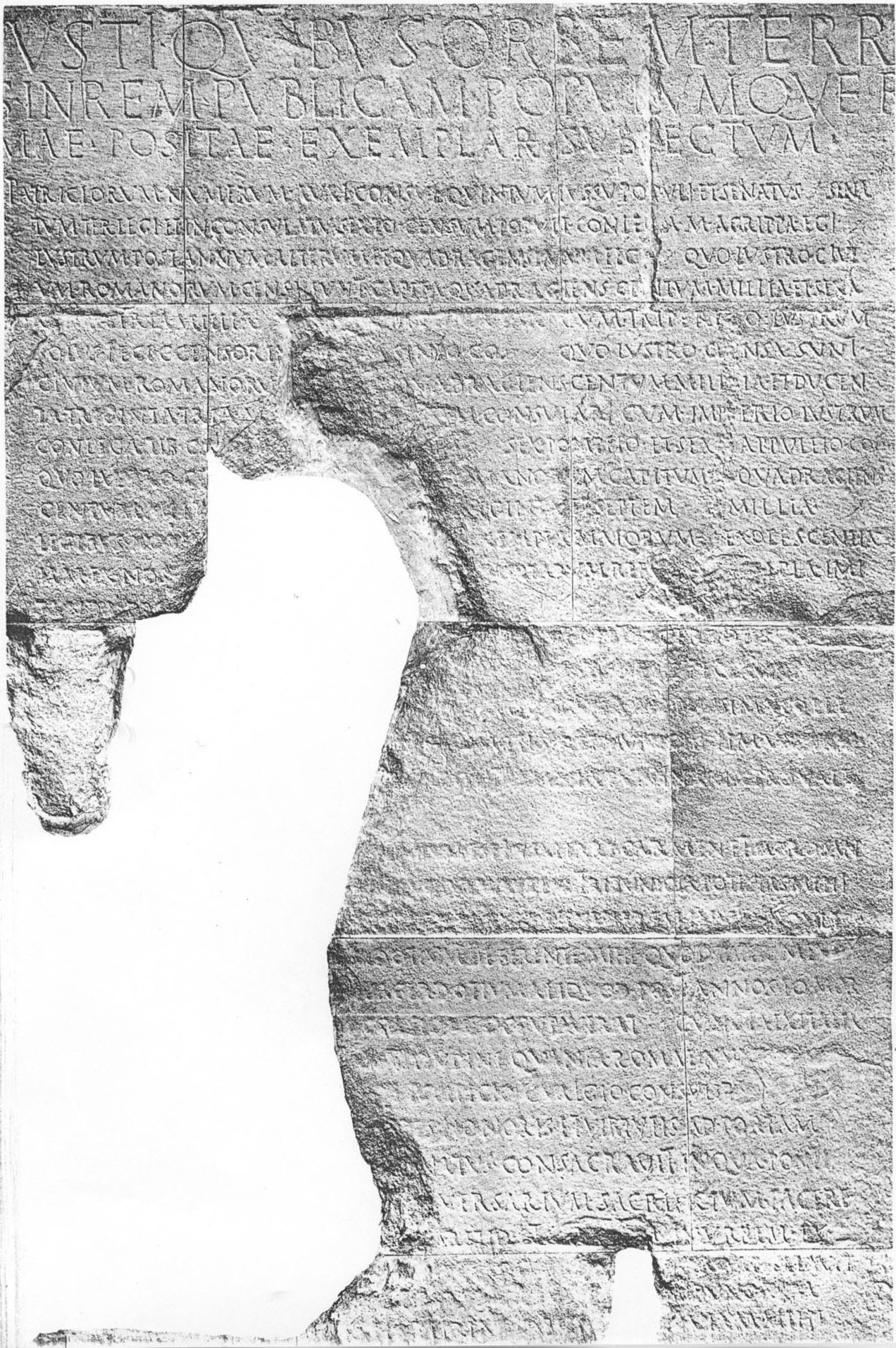
Res Gestae Divi Augusti
Augustus · 14 AD
Free account
Read every Marcus Vipsanius Agrippa source
Sign up free →
Ready when you are
Start chatting with Marcus Vipsanius Agrippa now.
20 messages free · No credit card · Available in 50+ languages.