


Secondary sourceArtifact16th century
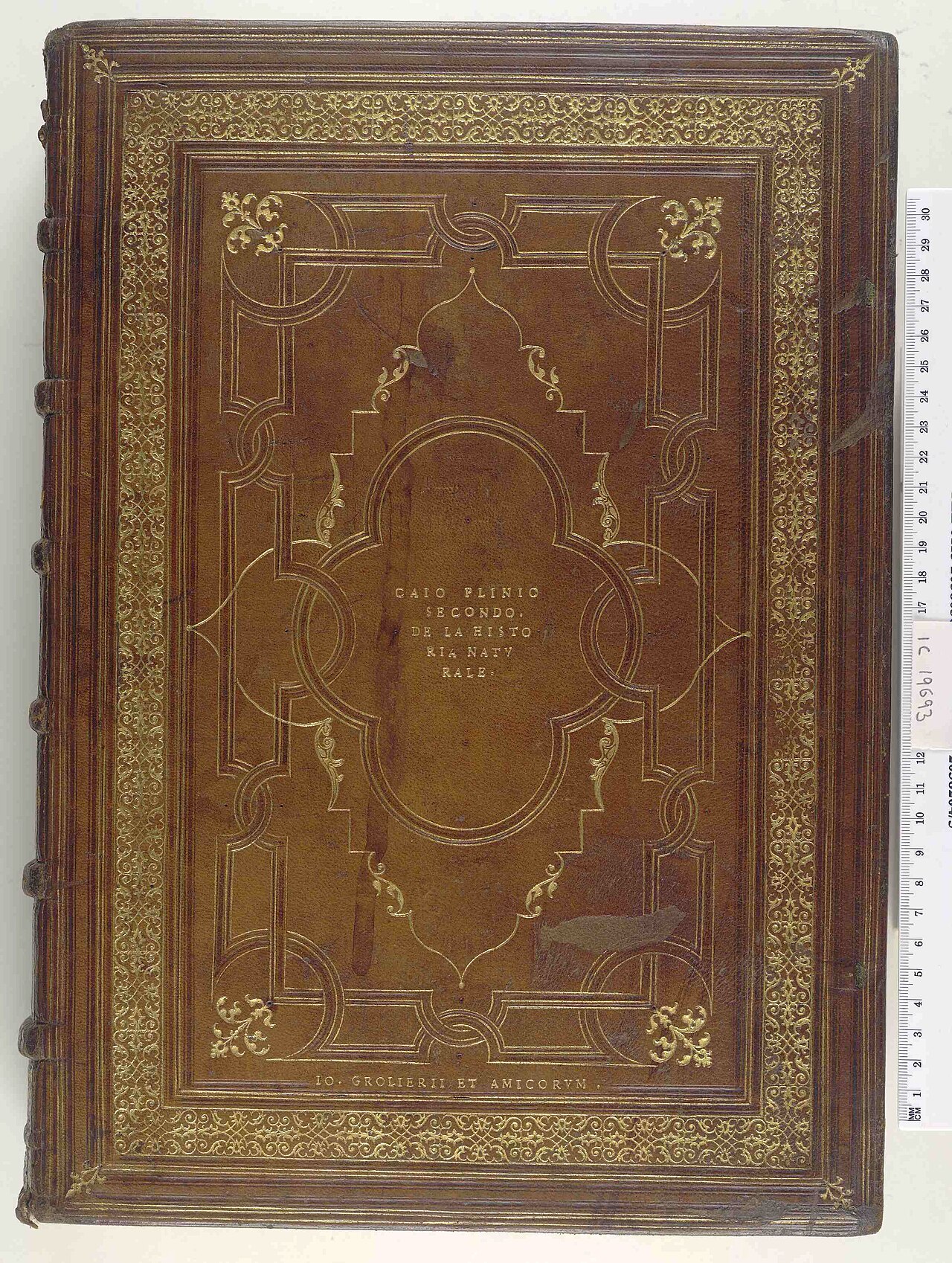
Renaissance binding of Italian Historia naturalis
16th century
The brown leather upper cover of a 16th-century binding for an Italian edition of Pliny's Natural History. Its gold-tooled inscription names the book's title and a group of owners.
A Renaissance binding of an Italian edition of Pliny's Natural History, showing how later readers presented his work.
About this source
What it is
This is the upper cover of a brown leather bookbinding dated to the 16th century. It holds an Italian edition of Pliny's Natural History. The cover is decorated with gold-tooled borders, strapwork frames and corner fleurons. A central cartouche reads CAIO PLINIO SECONDO, DE LA HISTORIA NATURALE, and the foot reads IO. GROLIERII ET AMICORUM. A metric ruler runs along the right edge of the photograph, which shows the scale of the cover.
Why it matters
The binding is a made object, separate from the text inside. Its inscription names Pliny the Elder as the author and shows that the book was prepared for owners who valued fine design. Pliny wrote the original work in the first century, so this binding is a later reception of his book. It reveals how Renaissance readers treated Pliny's encyclopedia as both learning and luxury.
Look closer
- What do the gold tools and frames suggest about the book's original owners?
- Why would a binder put the author's name and the title on the front cover?
- What does a photograph of the cover leave out, such as the pages and the text inside?
This artifact is part of the curated material that grounds the AI version of Pliny the Elder on Humy.ai — when students ask about related events, the AI can quote it and cite it.
More Pliny the Elder sources
Browse all 84 →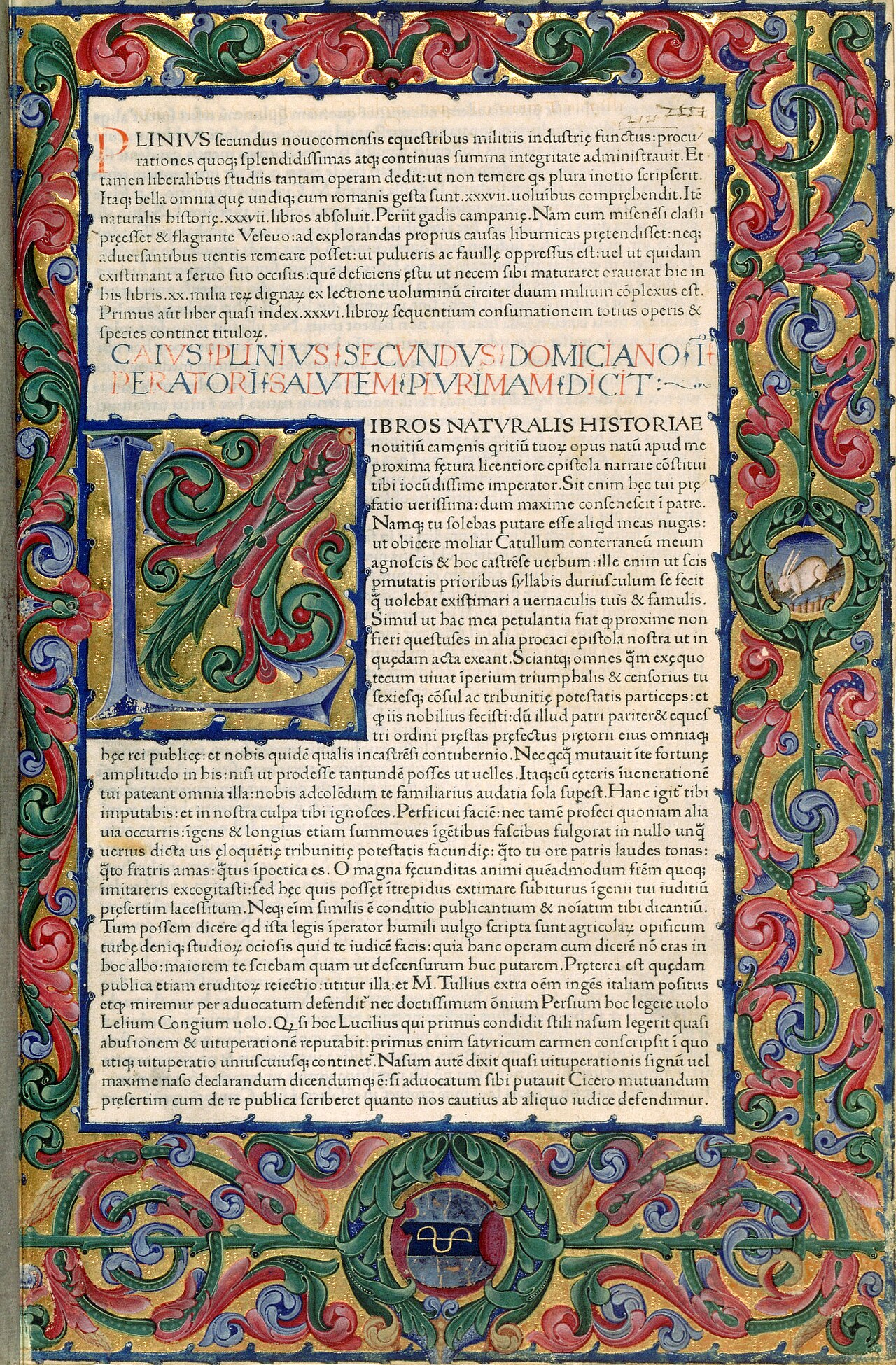 Book
Secondary source
Natural History
Pliny the Elder · 77-79 CE
 Sculpture
Secondary source
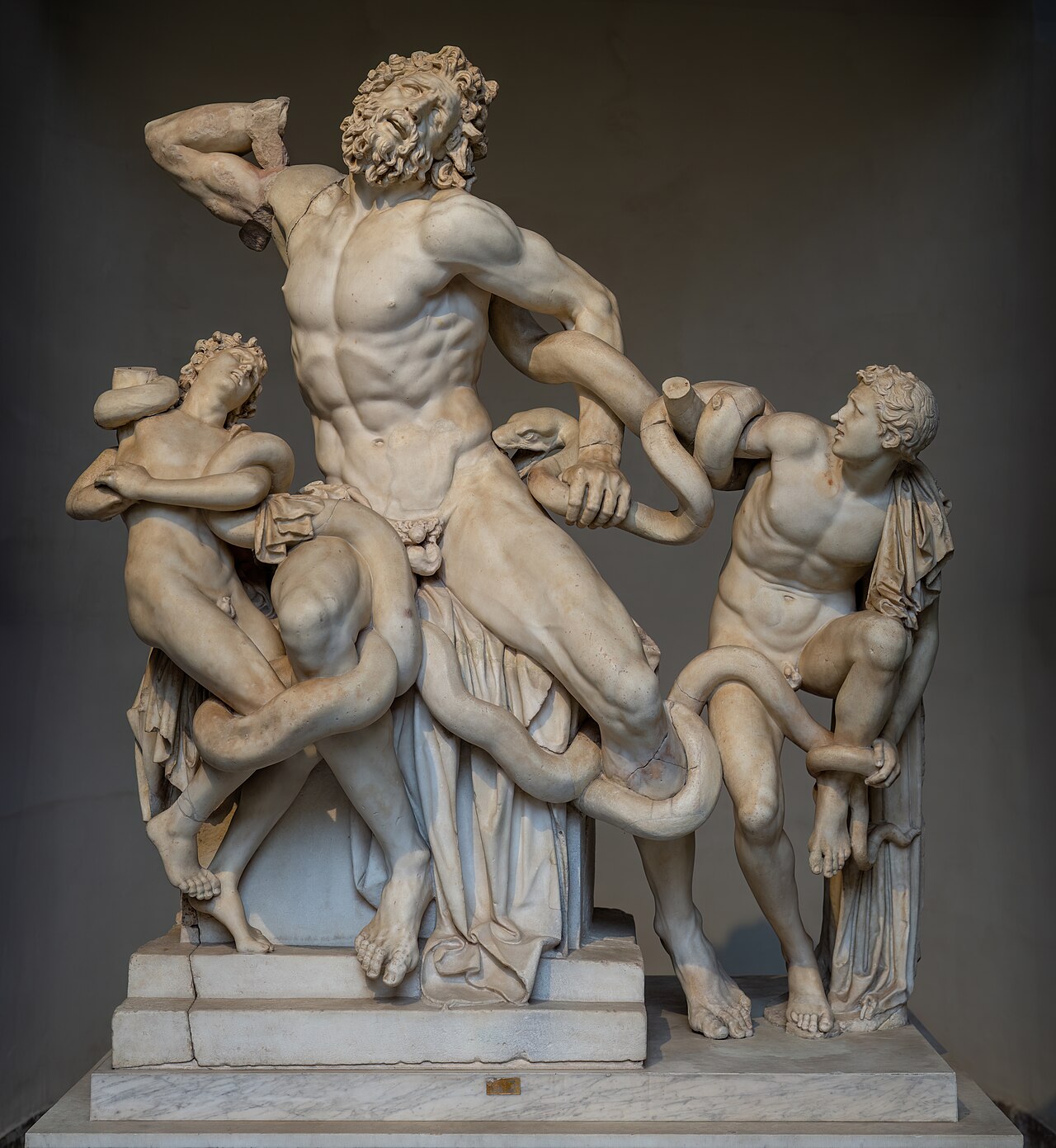
Laocoön and His Sons
Athanadoros · uncertain, Hellenistic to early Imperial period
 Book
Primary source
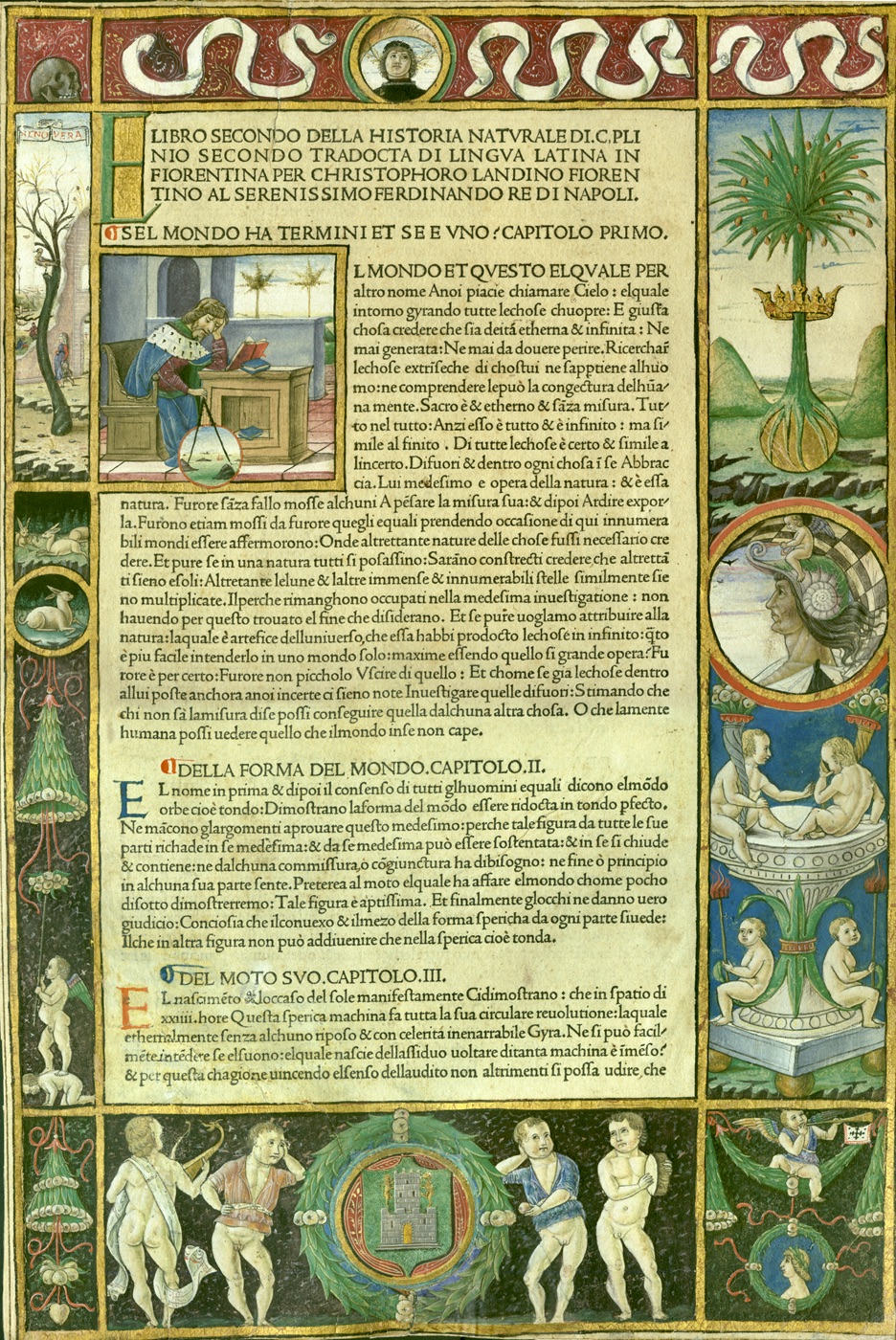
Naturalis historia Illuminated Initial Leaf
Pliny the Elder · c. 1476
 Book
Secondary source
The History of the World, Commonly Called the Naturall Historie of C. Plinius Secundus
Philemon Holland · 1601
Free account
Read every Pliny the Elder source
Sign up free →
Ready when you are
Start chatting with Pliny the Elder now.
20 messages free · No credit card · Available in 50+ languages.