


Secondary sourcePaintingc. 1340
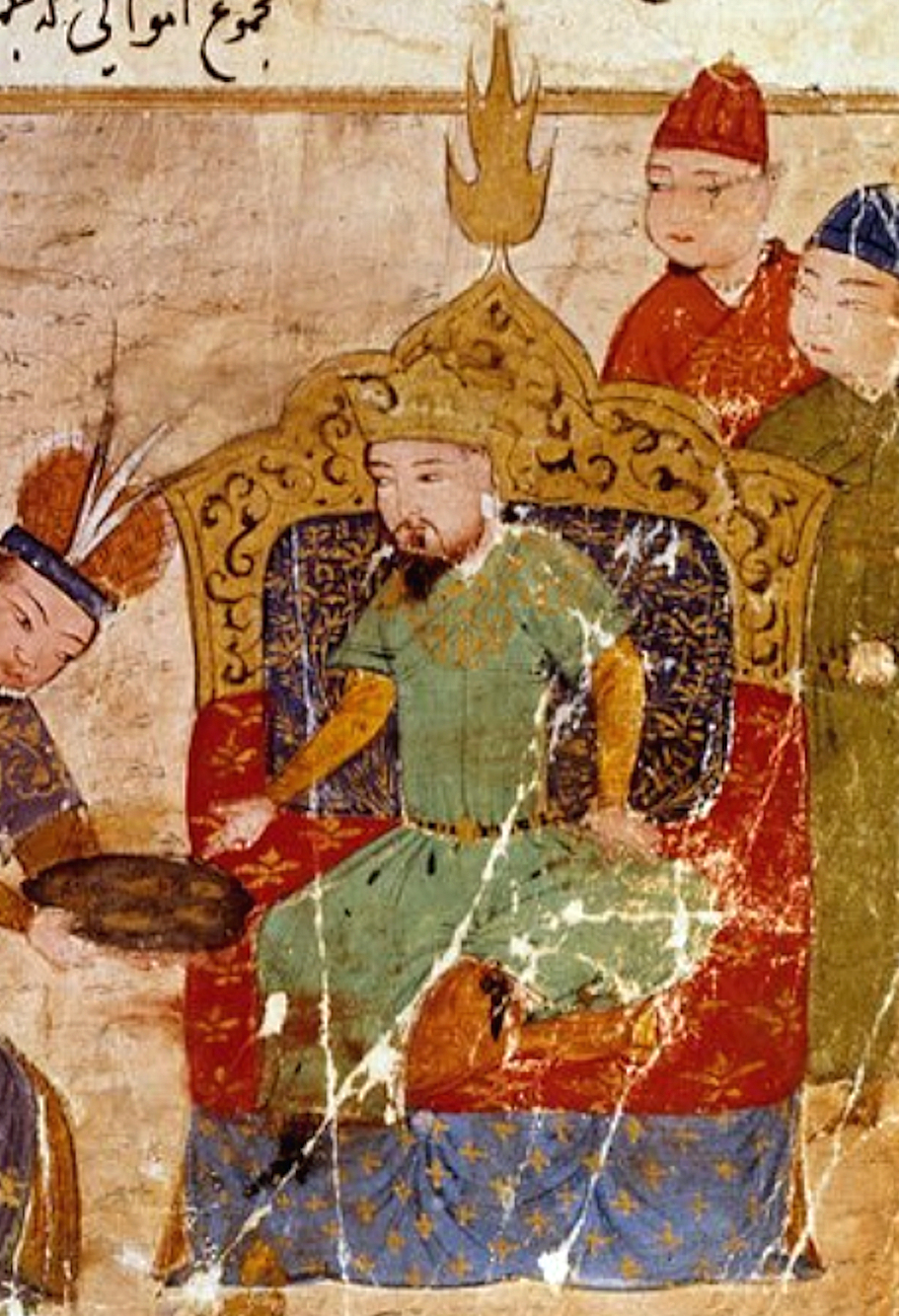
Representation of Ögedei Khan
c. 1340
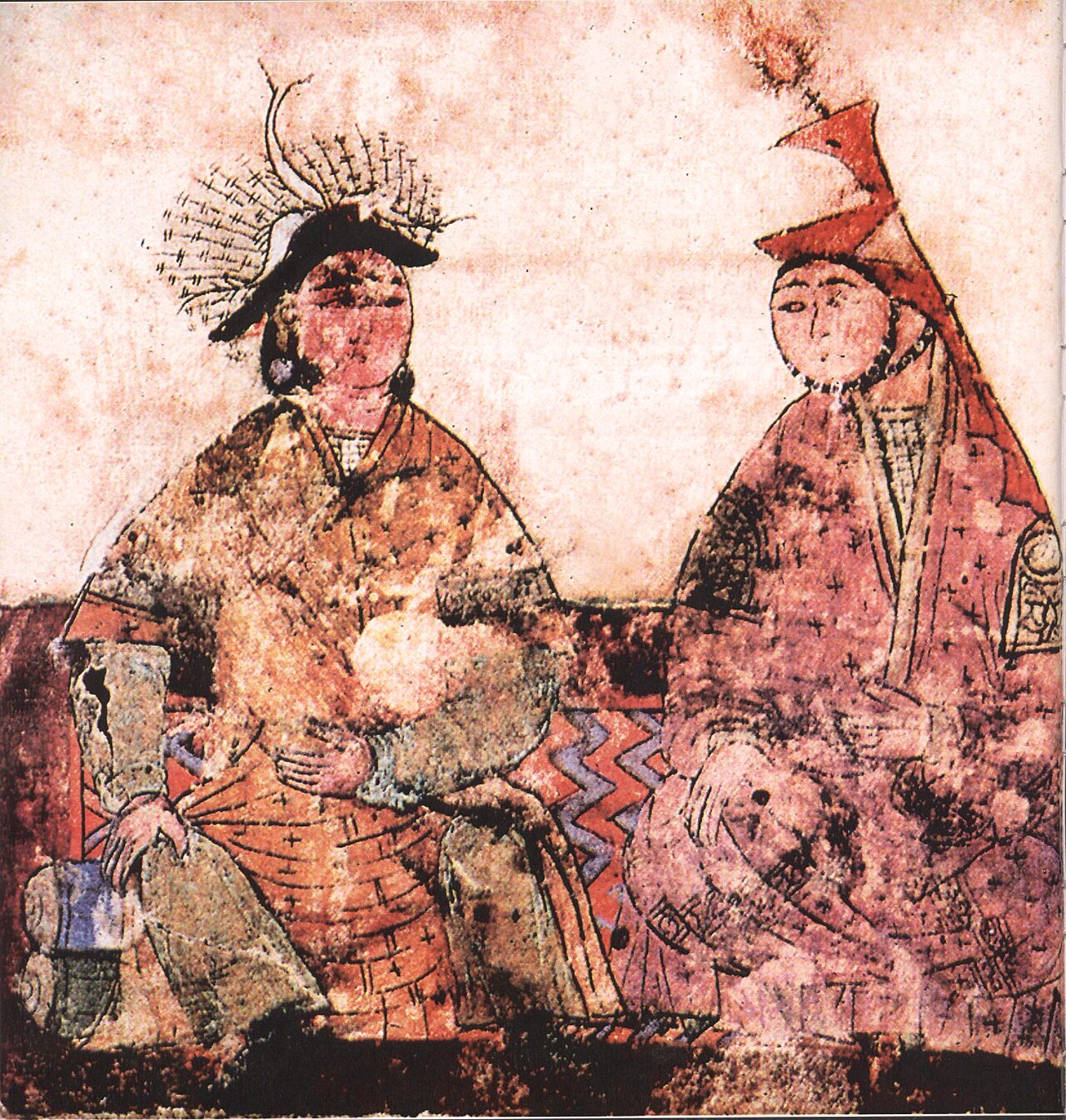
A 14th-century Persian miniature from the Jami al-Tawarikh showing Ögedei Khan enthroned as ruler, as remembered at the Ilkhanid court.
A Persian depiction of Ögedei Khan as an enthroned ruler, made by the Ilkhanid court descended from his family.
About this source
What it is
This miniature comes from a manuscript of the Jami al-Tawarikh, a Persian universal history written by the historian Rashid al-Din in the early 14th century. It shows Ögedei Khan seated on a throne, crowned, with attendants around him.
Why it matters
Rashid al-Din served the Ilkhanate, a Mongol-ruled state in Persia descended from Genghis Khan's family, and his history was meant to record the Mongol dynasty's past for its rulers. This image shows how later Mongol-descended courts pictured their ancestor Ögedei as a grand, enthroned monarch, reflecting their own ideas of royal power rather than necessarily his real appearance.
Look closer
- What details in the painting suggest wealth and royal authority?
- Why might the artist, working generations after Ögedei's death, choose this way of showing him?
- What would we need other sources for to check how accurate this portrayal is?
This painting is part of the curated material that grounds the AI version of Ögedei Khan on Humy.ai — when students ask about related events, the AI can quote it and cite it.
More Ögedei Khan sources
Browse all 26 →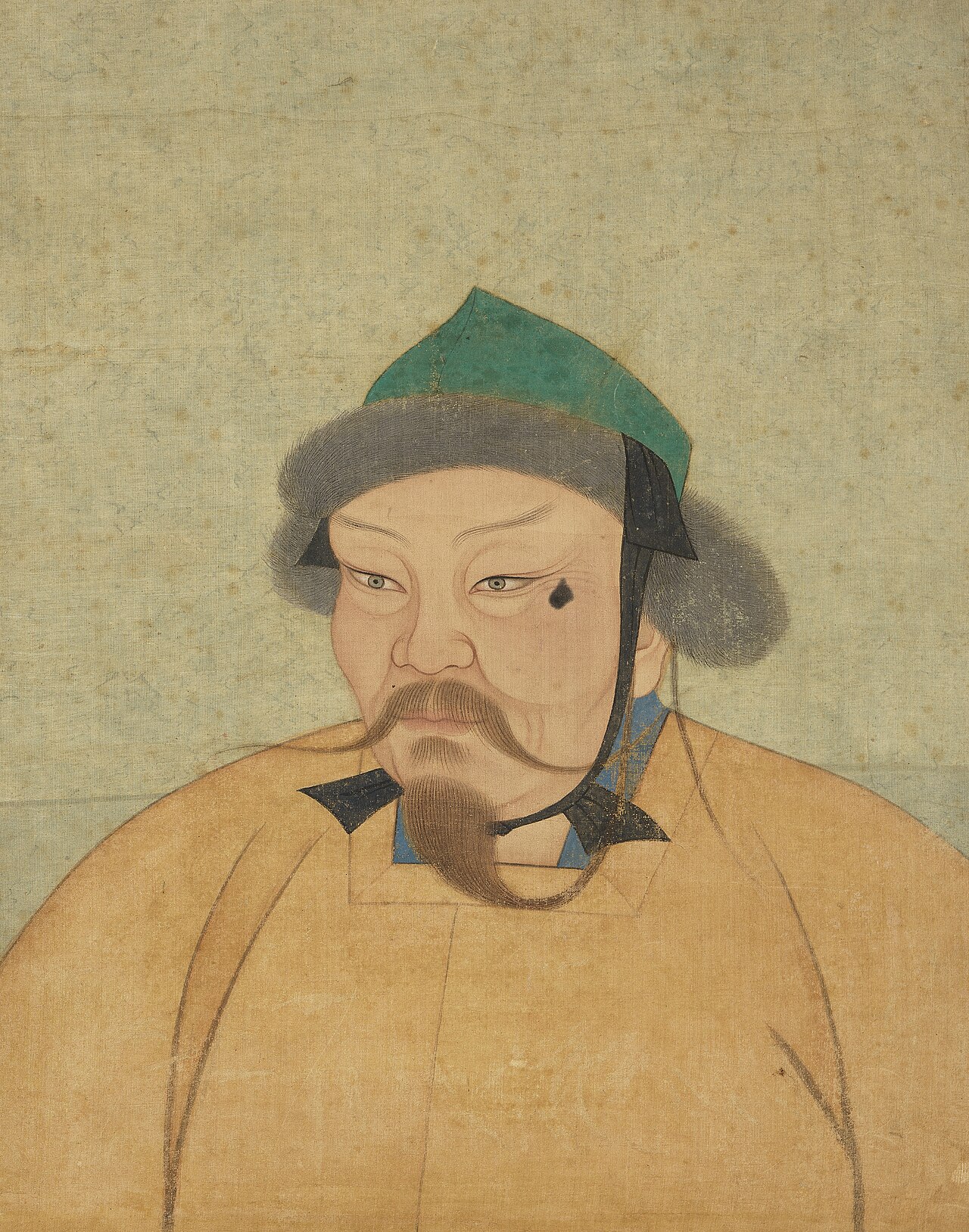 Painting
Secondary source
Portrait of Ögedei Khan
 Painting
Secondary source
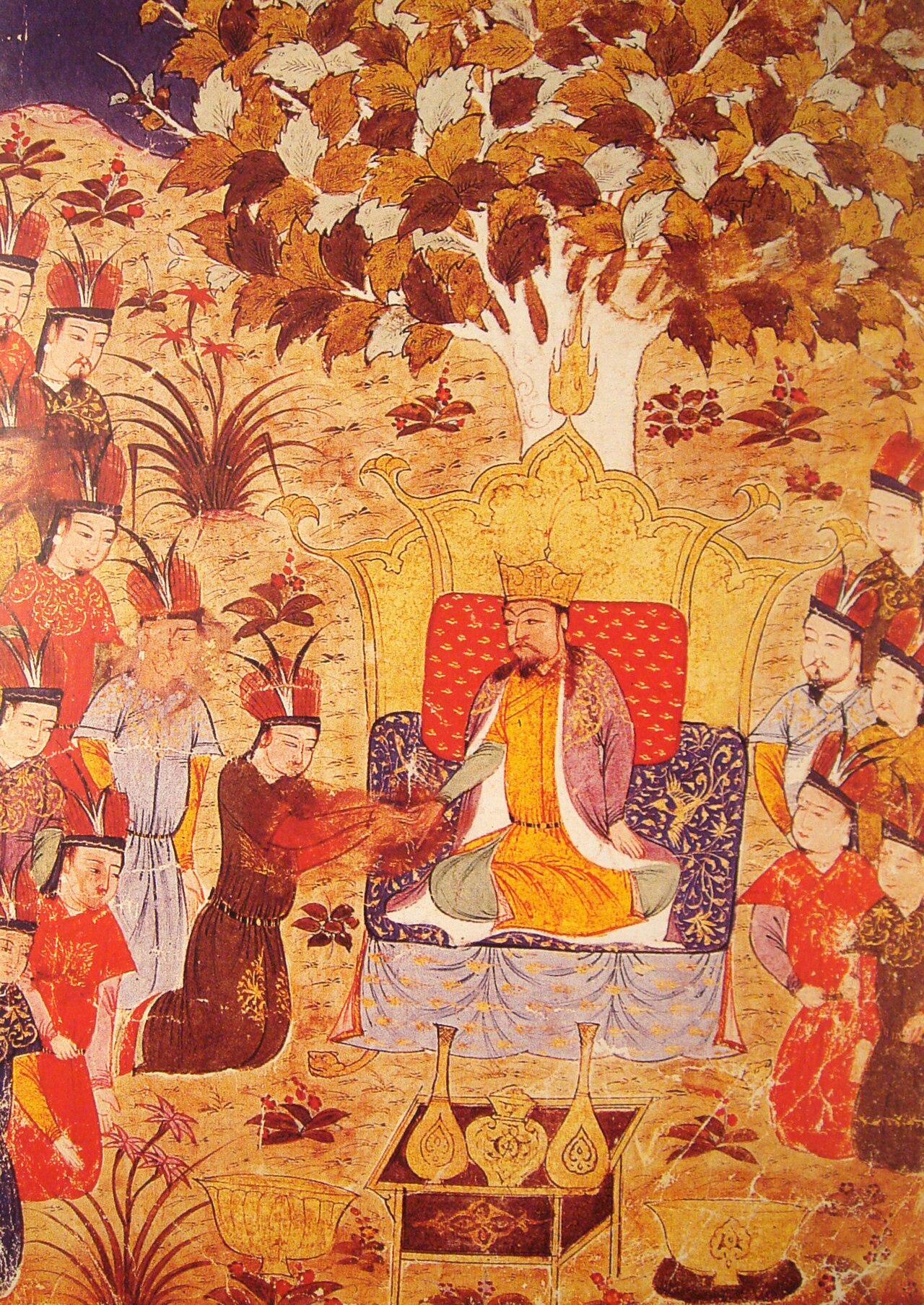
Coronation of Ögedei, 1229
Rashid al-Din · 1229 (depicted event); illustration made later
 Artifact
Primary source
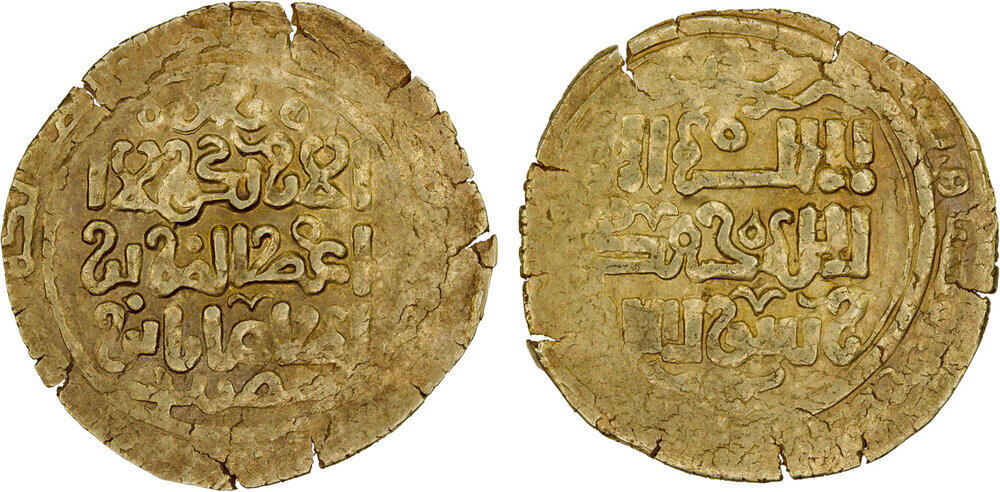
Gold Dinar of Ögedei Khagan from Qaraqorum
Ögedei Khagan · 1227-1241
 Artifact
Primary source
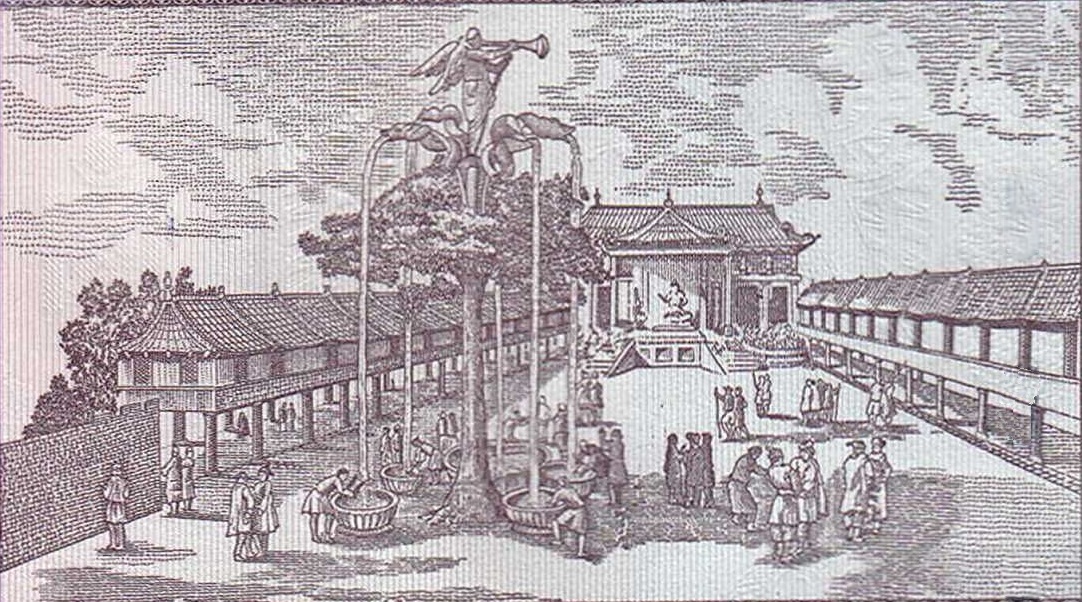
Karakorum, the Mongol Capital
founded 1220; walls and palace built 1235
Free account
Read every Ögedei Khan source
Sign up free →
Ready when you are
Start chatting with Ögedei Khan now.
20 messages free · No credit card · Available in 50+ languages.