


Primary sourceDocument1791
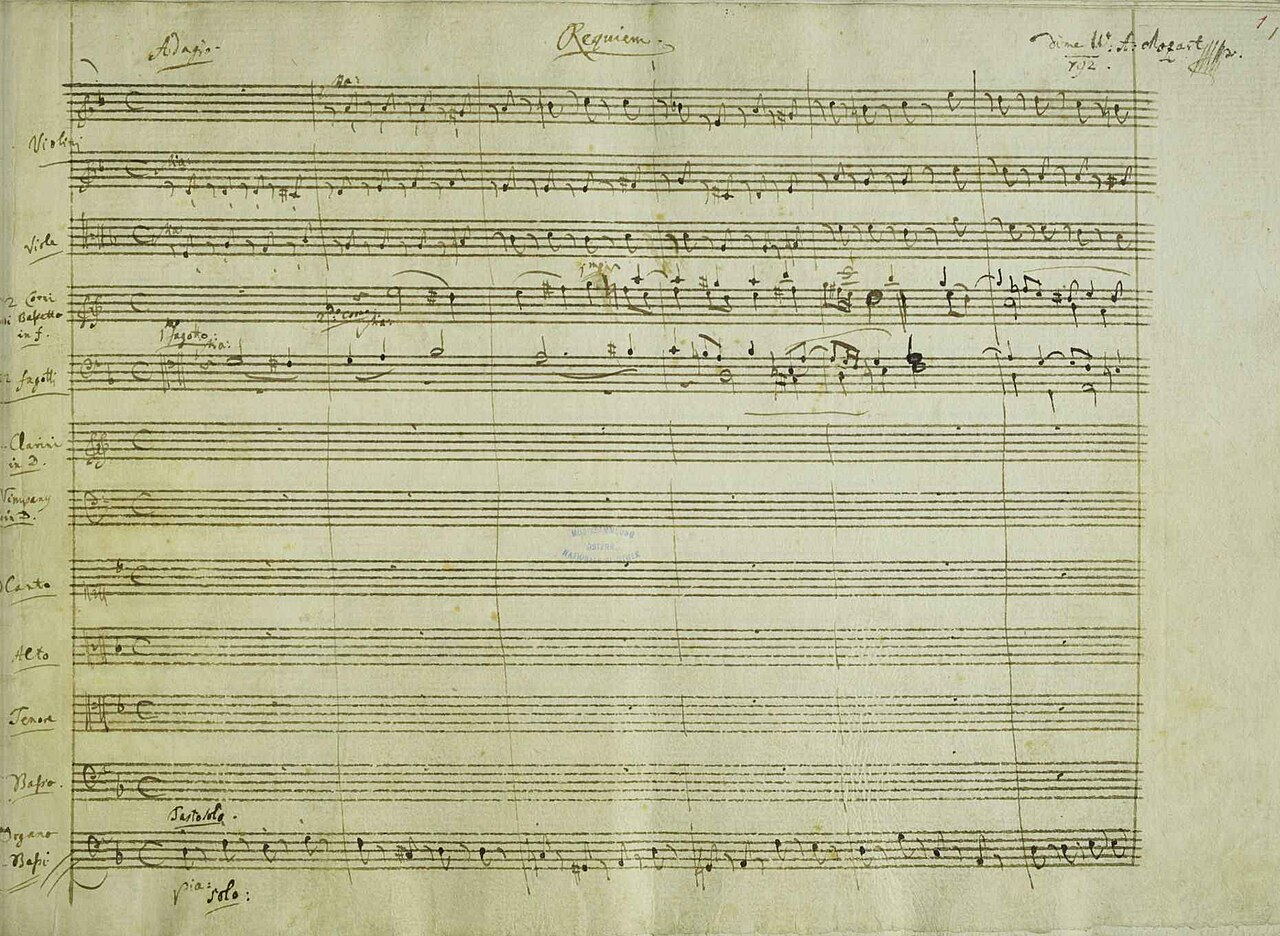
Requiem
Wolfgang Amadeus Mozart · 1791
Mozart's unfinished final mass for the dead, left incomplete at his death in 1791 and finished by Franz Xaver Süssmayr.
Mozart was composing this mass when he died in 1791, leaving it unfinished.
About this source
What it is
The Requiem in D minor, K. 626, is a Requiem Mass that Wolfgang Amadeus Mozart began composing in Vienna in late 1791 for Count Franz von Walsegg, who had commissioned it to commemorate his late wife. Mozart died on 5 December 1791 before finishing it; Joseph Eybler and then Franz Xaver Süssmayr completed the work, imitating Mozart's handwriting.
Why it matters
The surviving manuscript shows exactly where Mozart's own writing stops and Süssmayr's completion begins, making it a rare window into an unfinished masterpiece. Mozart's widow Constanze spread stories about its mysterious commission and about Mozart believing he wrote it for his own funeral, stories that helped build the myths surrounding his death.
Look closer
- What can you tell from the manuscript about where Mozart's own writing ends?
- Why might Constanze Mozart have encouraged dramatic stories about this piece?
- What does it mean for a work to be finished by someone other than its original composer?
This document is part of the curated material that grounds the AI version of Wolfgang Amadeus Mozart on Humy.ai — when students ask about related events, the AI can quote it and cite it.
More Wolfgang Amadeus Mozart sources
Meet the AI Wolfgang Amadeus Mozart →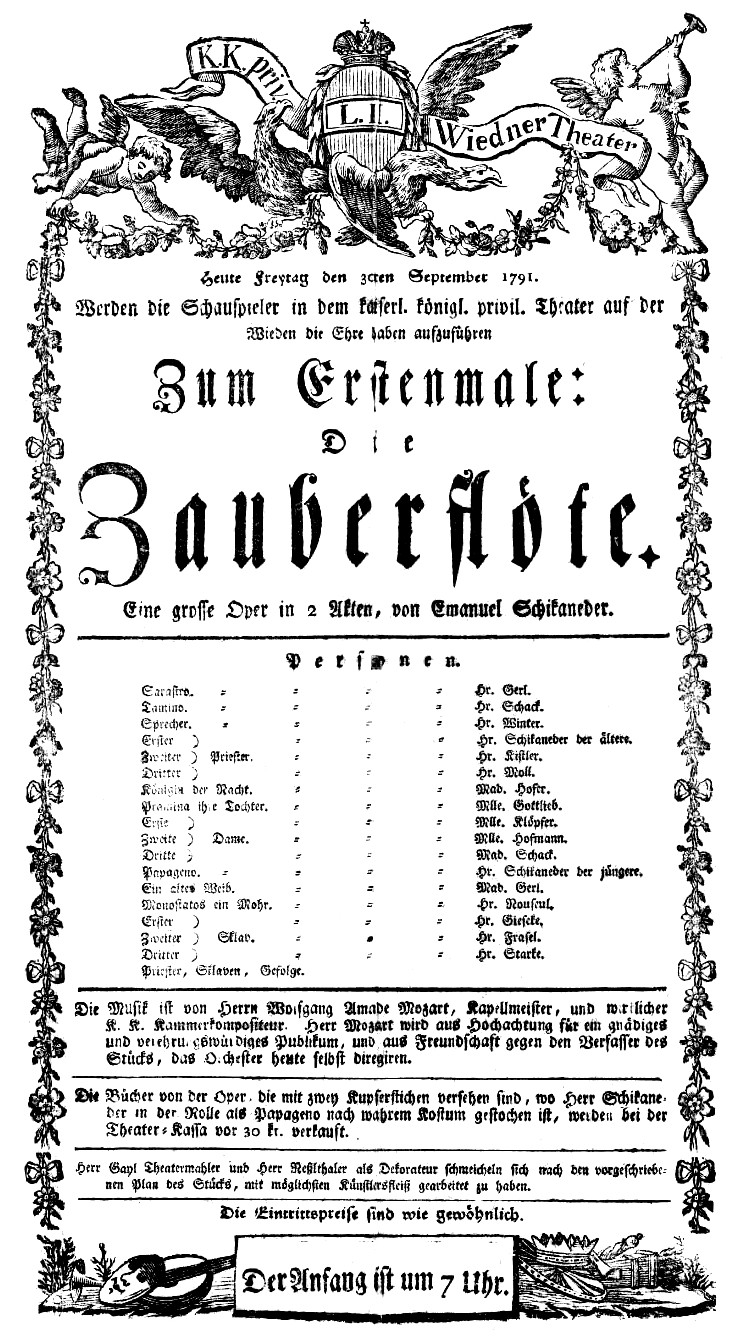 Document
Primary source
The Magic Flute
Wolfgang Amadeus Mozart · 1791
 Photograph
Secondary source
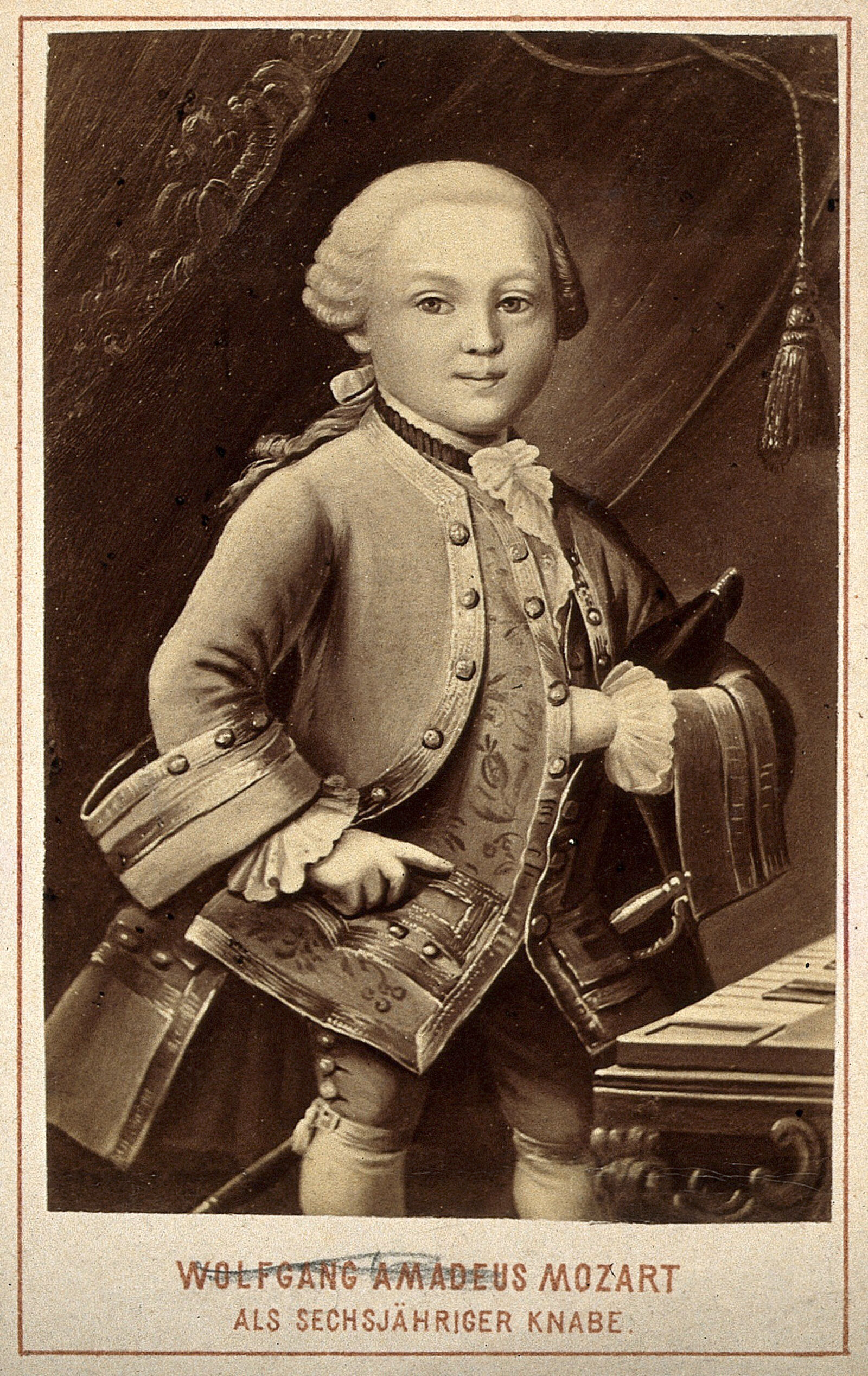
Wolfgang Amadeus Mozart at the age of six
A. Lenisch
 Document
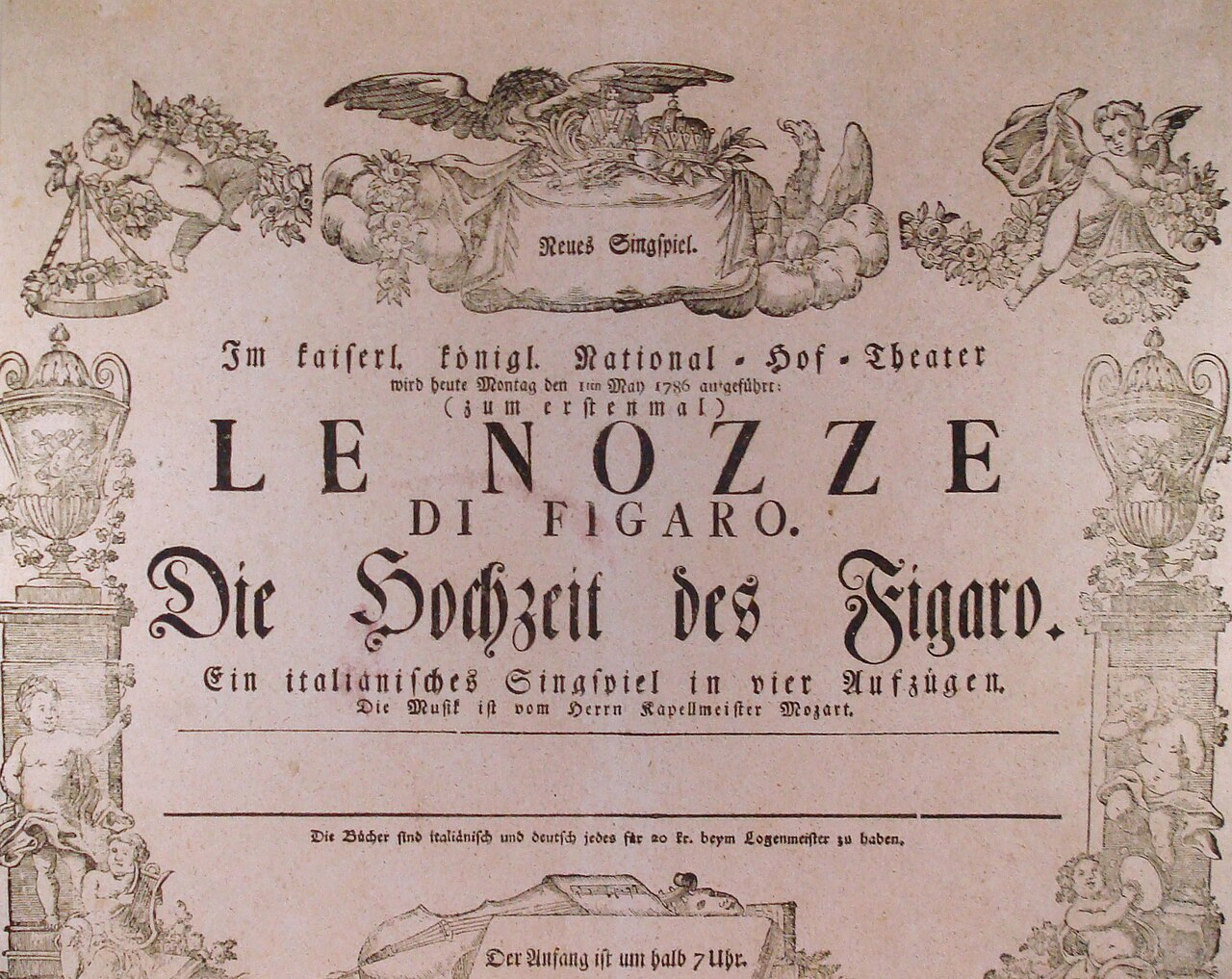
Primary source
The Marriage of Figaro
Wolfgang Amadeus Mozart · 1786
 Document
Primary source
Don Giovanni
Wolfgang Amadeus Mozart · 1787
 Document
Primary source
Eine kleine Nachtmusik
Wolfgang Amadeus Mozart · 10 August 1787
Ready when you are
Start chatting with Wolfgang Amadeus Mozart now.
20 messages free · No credit card · Available in 50+ languages.