


Primary sourceDocument1791
The Magic Flute
Wolfgang Amadeus Mozart · 1791
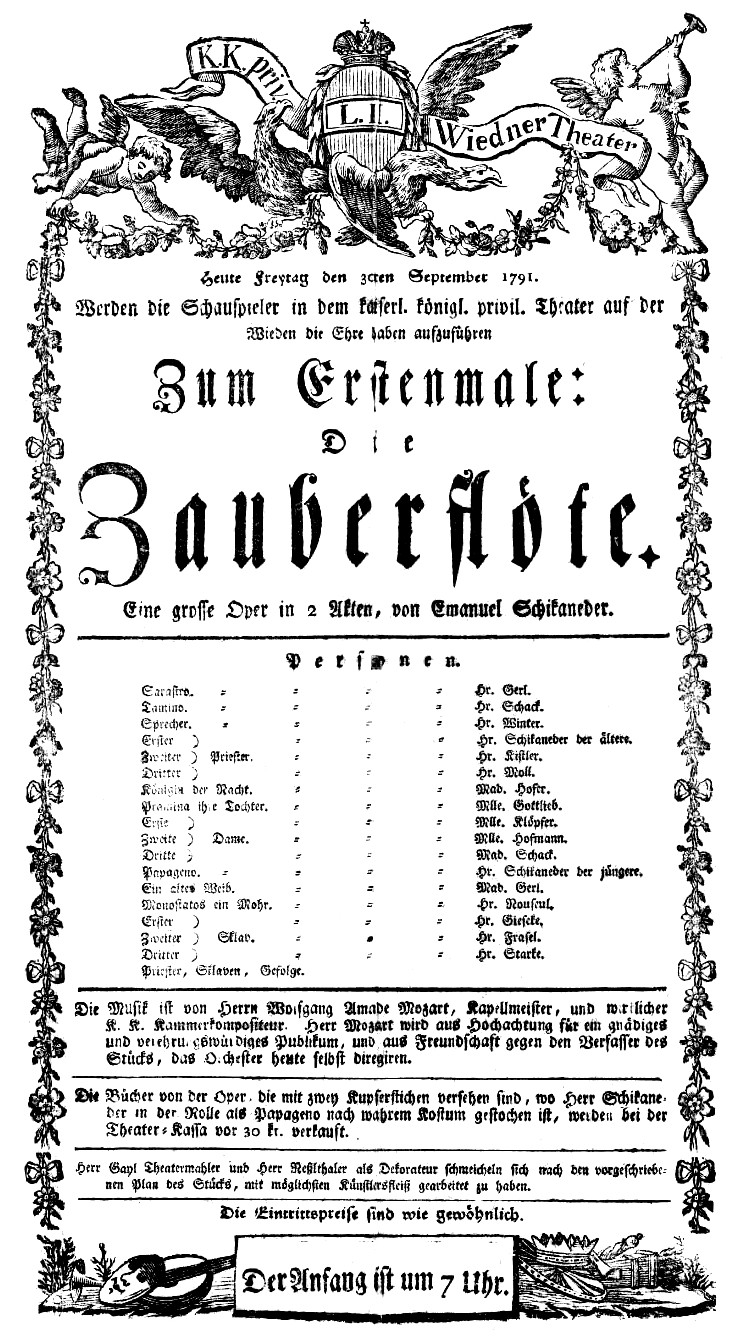
Mozart's last opera, a German Singspiel mixing popular comedy with Masonic Enlightenment ideals, premiered in Vienna in 1791.
Mozart composed this opera, his final completed work, shortly before his death in 1791.
About this source
What it is
The Magic Flute (Die Zauberflöte) is an opera in two acts with music by Wolfgang Amadeus Mozart and a German libretto by Emanuel Schikaneder. It premiered on 30 September 1791 at Schikaneder's theatre in Vienna, just two months before Mozart's death, and was his last opera.
Why it matters
The opera blends popular comedy for Schikaneder's suburban audience with ideals linked to Freemasonry, showing how Mozart worked within a commercial theatre troupe while drawing on serious philosophical themes. It was an immediate success and remains one of the most performed operas today, revealing how collaborative and commercially driven Mozart's final creative years were.
Look closer
- Why might a composer mix comic and serious elements in the same work?
- What does the playbill tell us about how the first audience experienced this opera?
- What does the opera's popularity since 1791 tell us about its appeal across time?
This document is part of the curated material that grounds the AI version of Wolfgang Amadeus Mozart on Humy.ai — when students ask about related events, the AI can quote it and cite it.
More Wolfgang Amadeus Mozart sources
Meet the AI Wolfgang Amadeus Mozart →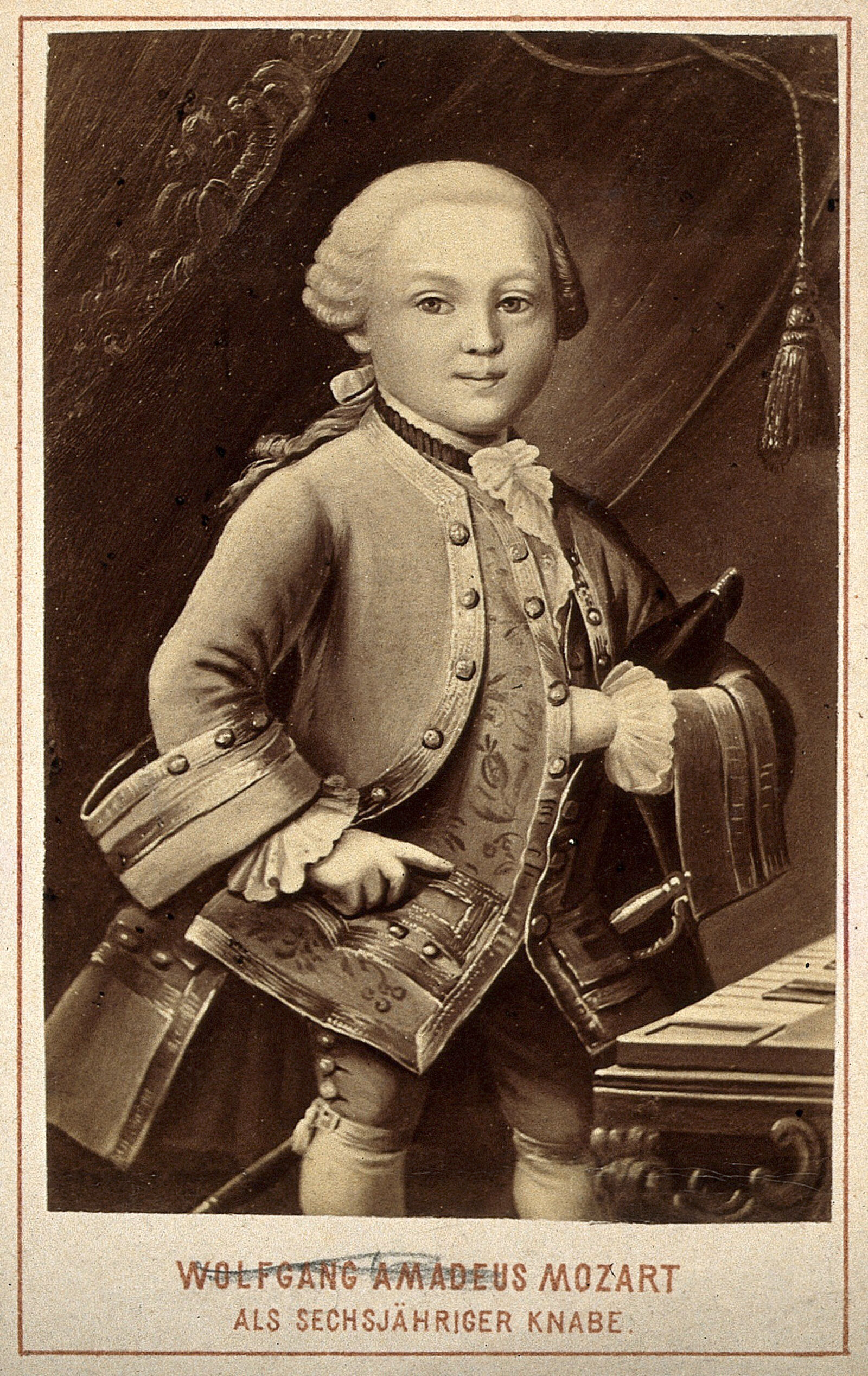 Photograph
Secondary source
Wolfgang Amadeus Mozart at the age of six
A. Lenisch
 Document
Primary source
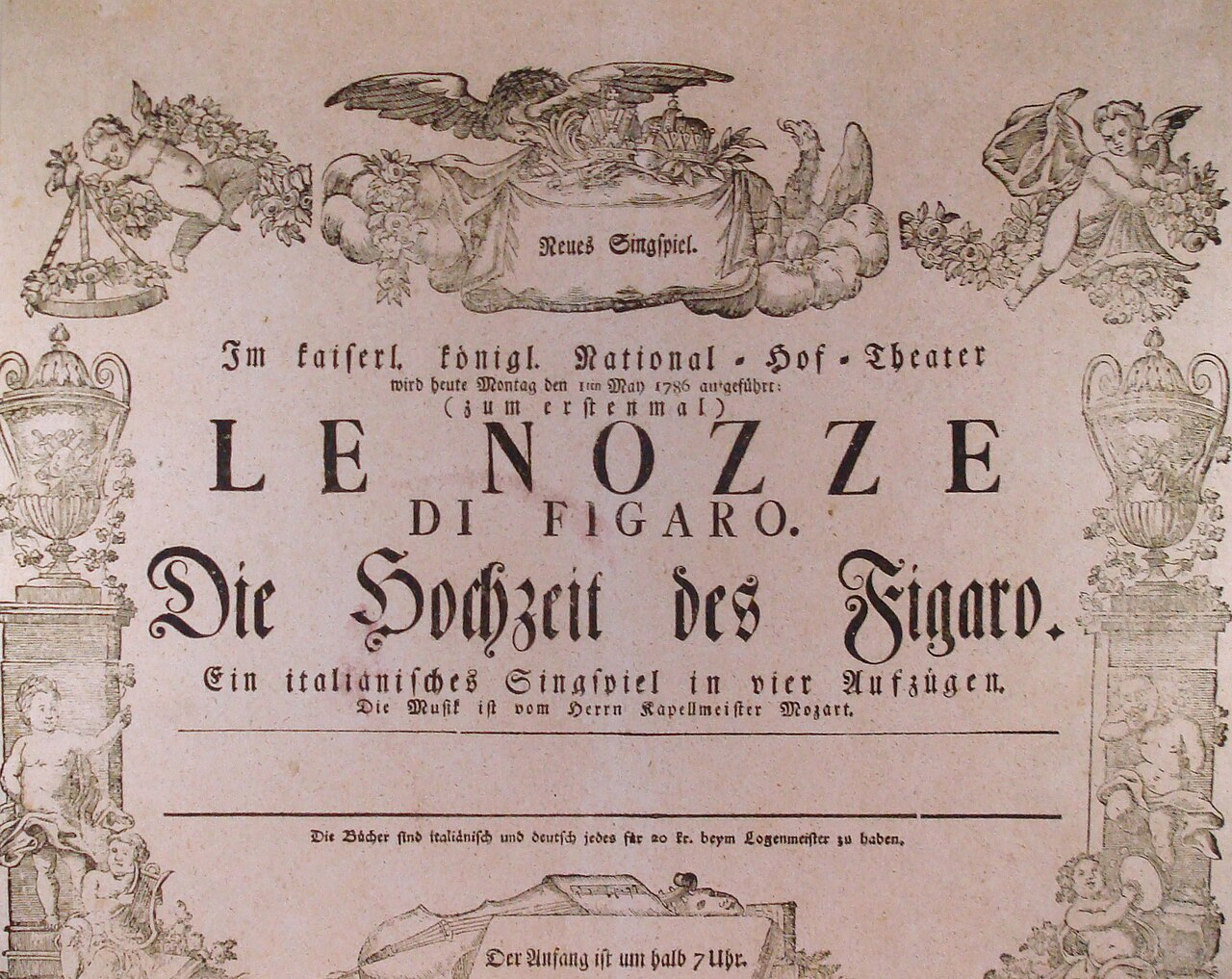
The Marriage of Figaro
Wolfgang Amadeus Mozart · 1786
 Document
Primary source
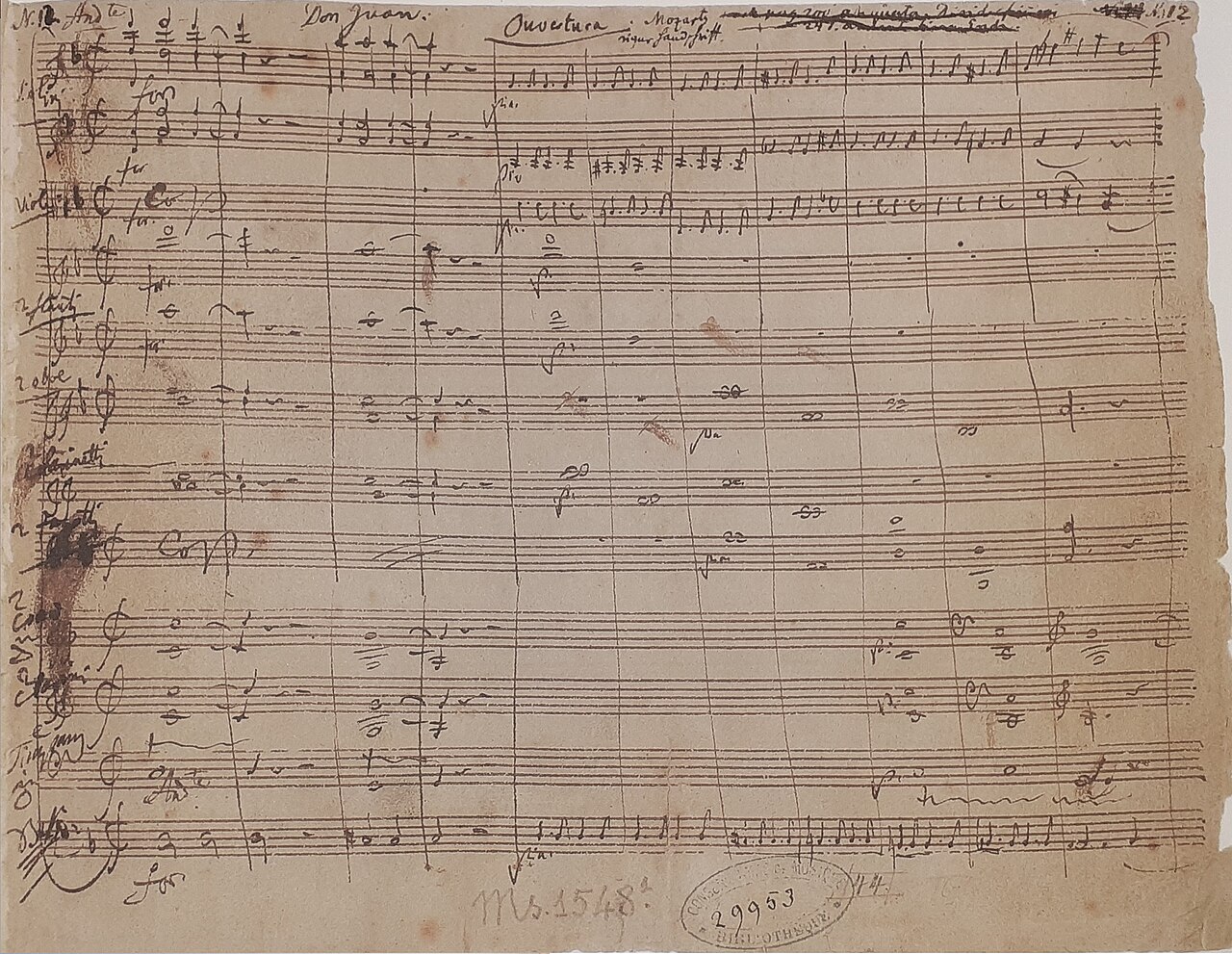
Don Giovanni
Wolfgang Amadeus Mozart · 1787
 Document
Primary source
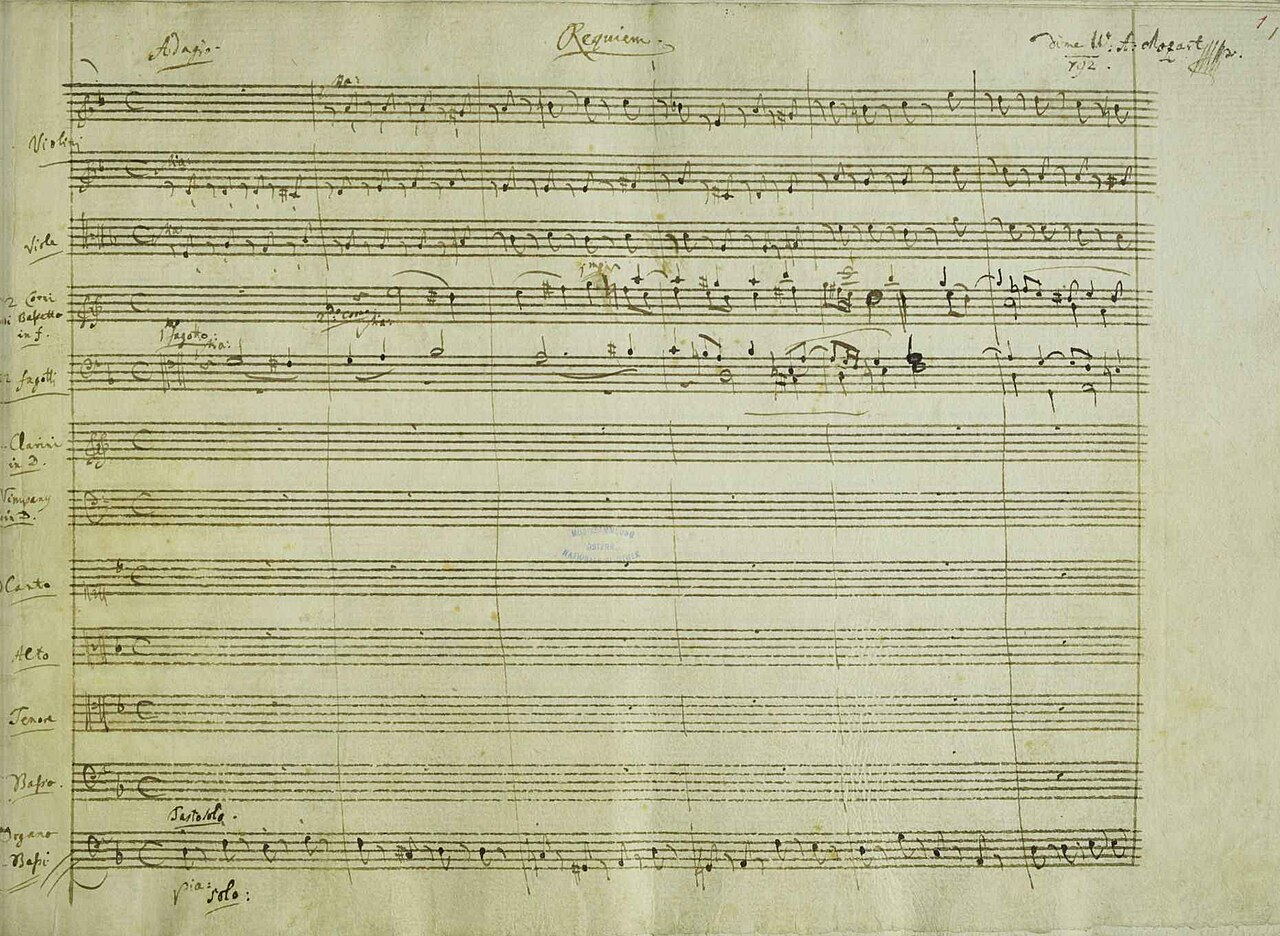
Requiem
Wolfgang Amadeus Mozart · 1791
 Document
Primary source
Eine kleine Nachtmusik
Wolfgang Amadeus Mozart · 10 August 1787
Ready when you are
Start chatting with Wolfgang Amadeus Mozart now.
20 messages free · No credit card · Available in 50+ languages.