


Primary sourceArtifact1235-1241
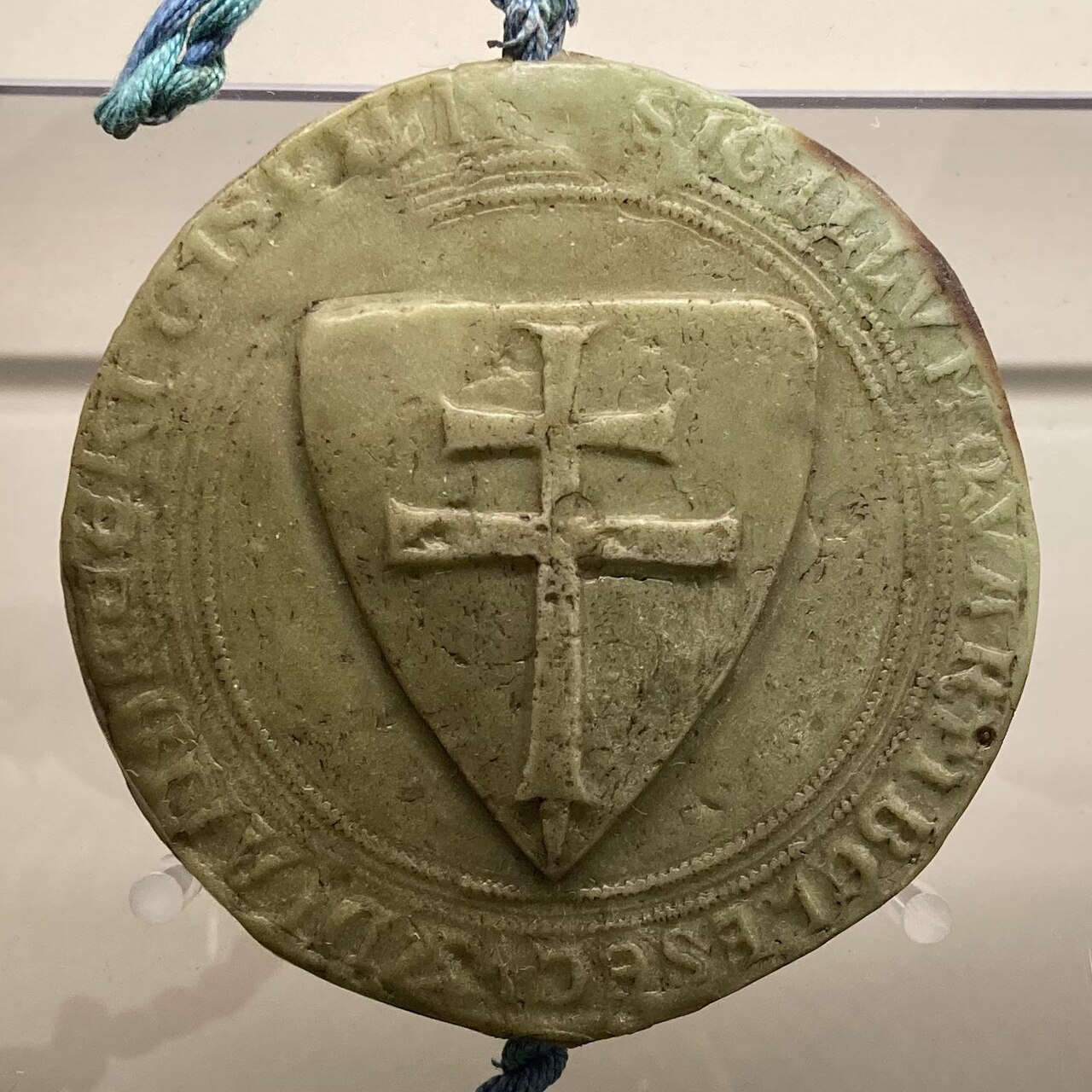
Reverse of Béla IV's First Double Royal Seal
1235-1241
The back side of a royal wax seal commissioned by Béla IV during the early part of his reign, bearing a double cross emblem.
This seal was commissioned and used by Béla IV to authenticate his royal documents early in his reign.
About this source
What it is
This is a photograph of the reverse side of a round wax seal used by King Béla IV of Hungary in the early years of his reign, between 1235 and 1241. The seal hangs on cords and shows a shield with a double-armed (patriarchal) cross, surrounded by lettering.
Why it matters
Royal seals were used to authenticate official documents in medieval Hungary. This seal was a tool of royal authority, physically attached to the charters and letters Béla IV issued as king. Its design, including the cross symbol, reflects the royal and religious identity of the Hungarian crown at the time.
Look closer
- What does the choice of a cross symbol tell you about how the king wanted to present his authority?
- Why might a seal need to be attached physically to a document rather than just signed?
- What does the wear and preservation of this object tell you about how it has been kept for history?
This artifact is part of the curated material that grounds the AI version of Béla IV of Hungary on Humy.ai — when students ask about related events, the AI can quote it and cite it.
More Béla IV of Hungary sources
Browse all 66 →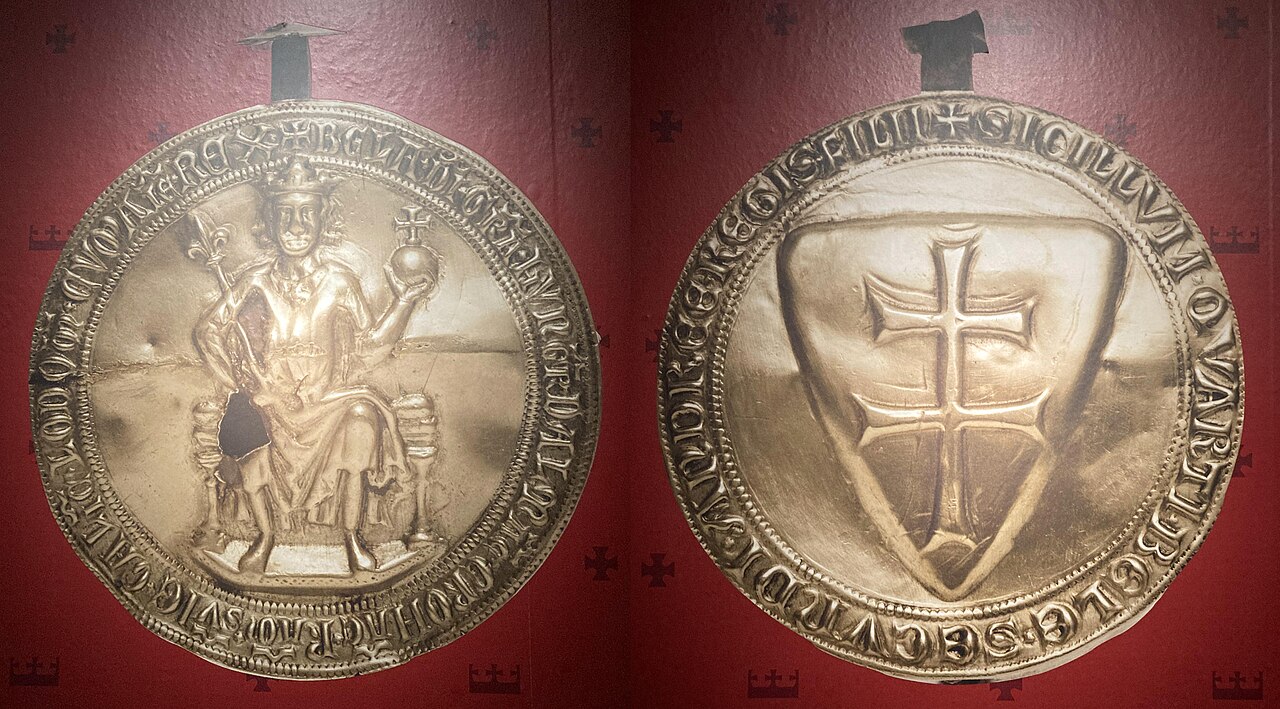 Artifact
Primary source
Golden Seal of Béla IV
1235–1270
 Artifact
Primary source
Buda Castle
1244 (rebuilt under Matthias after 1476)
 Artifact
Secondary source
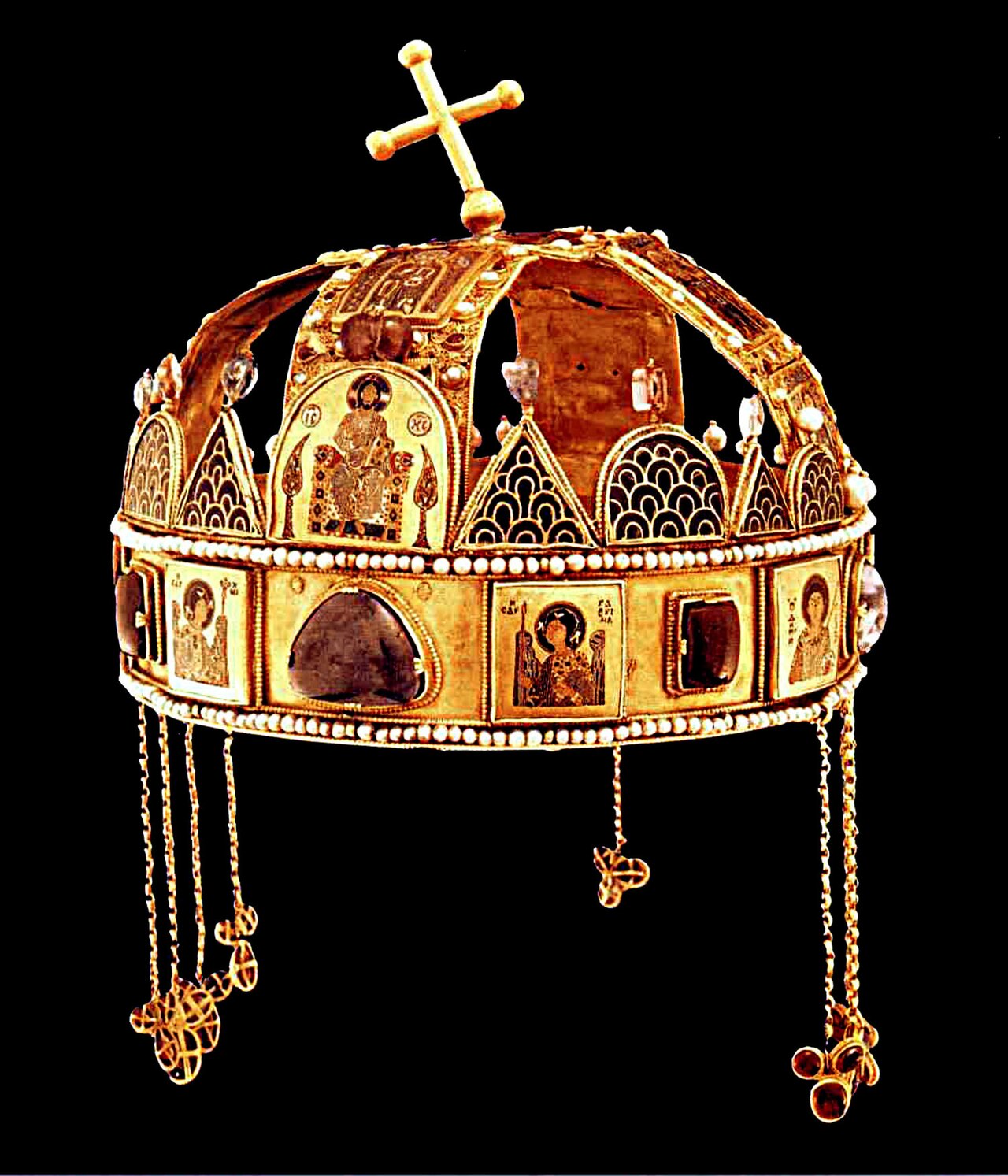
Holy Crown of Hungary
1070s, present form c. late 12th century
 Artifact
Primary source
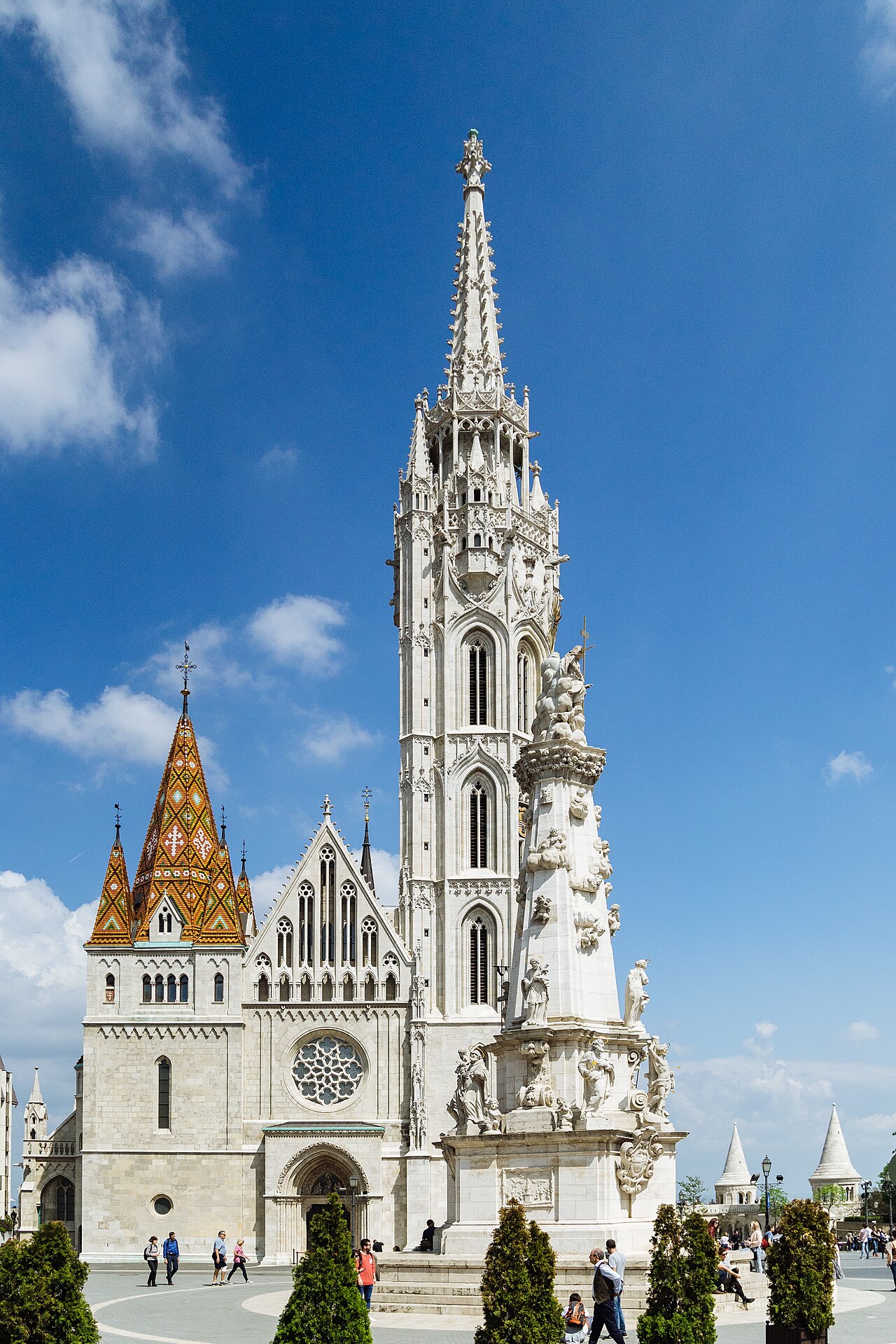
Matthias Church
1255
Free account
Read every Béla IV of Hungary source
Sign up free →
Ready when you are
Start chatting with Béla IV of Hungary now.
20 messages free · No credit card · Available in 50+ languages.