


Primary sourceDocument21 February 1990
Reves v. Ernst & Young
Thurgood Marshall · 21 February 1990
A 1990 Supreme Court concurring opinion by Justice Thurgood Marshall on whether promissory notes count as securities under federal law.
Marshall wrote this concurring opinion, adding his own legal reasoning to the Court's securities law ruling.
About this source
What it is
This is a concurring opinion written by Associate Justice Thurgood Marshall in Reves v. Ernst & Young, decided in 1990. The case concerned whether uncollateralized demand notes sold by a farmers' cooperative were "securities" under the Securities Exchange Act of 1934, so that fraud claims against the cooperative's auditor could proceed.
Why it matters
The ruling helped define what counts as a security, affecting how investors can sue when financial institutions mislead them. Marshall's concurrence shows him weighing in on complex economic regulation near the end of his Supreme Court service, adding his own reasoning alongside the majority.
Look closer
- Why might courts need to define the word "security" carefully in cases like this?
- What does a concurring opinion add that a majority opinion does not?
- Who benefits and who is harmed depending on how this term is defined?
This document is part of the curated material that grounds the AI version of Thurgood Marshall on Humy.ai — when students ask about related events, the AI can quote it and cite it.
More Thurgood Marshall sources
Meet the AI Thurgood Marshall →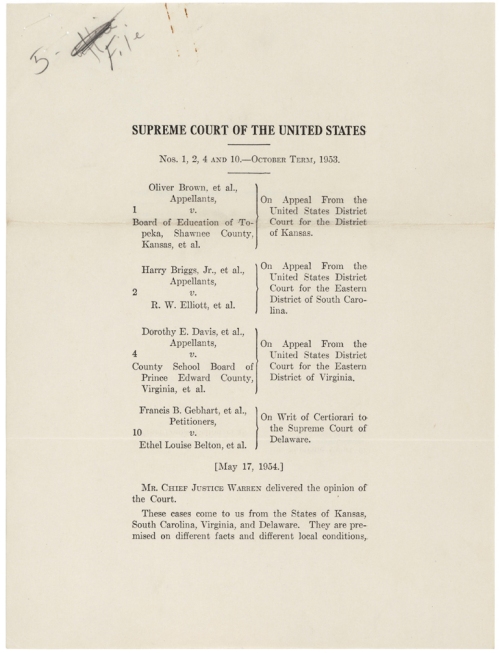 Document
Primary source
Brown v. Board of Education
Earl Warren · 17 May 1954
 Painting
Primary source
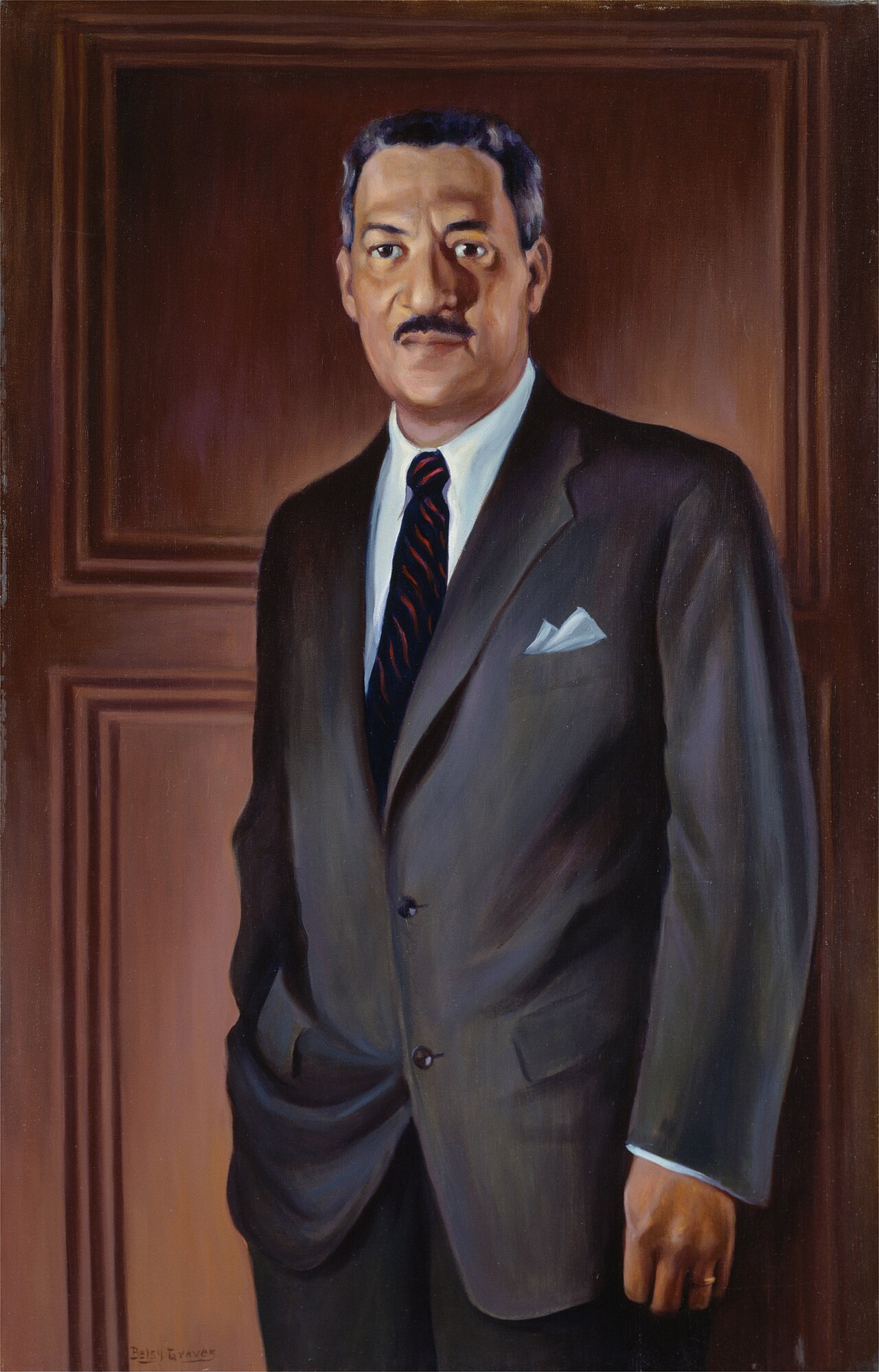
Thurgood Marshall
Betsy Graves Reyneau · 1956
 Photograph
Primary source
George Edward Chalmer Hayes, Thurgood Marshall, and James Nabrit in 1954 winning Brown case
1954
 Photograph
Primary source
Thurgood Marshall and President Lyndon B. Johnson, June 13, 1967
Frank Wolfe · 13 June 1967
Primary source
Cooper v. Aaron
12 September 1958
Ready when you are
Start chatting with Thurgood Marshall now.
20 messages free · No credit card · Available in 50+ languages.