


Primary sourcePainting
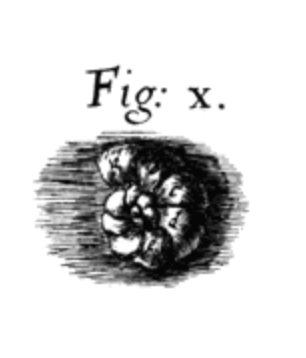
Robert Hooke's Drawing of a Foraminifera Shell
Robert Hooke
Hooke's engraved and described image of a tiny shell found by chance in sand, among the earliest depictions of foraminifera.
Hooke made this drawing and description himself, showing his own careful observation of natural curiosities.
About this source
What it is
This engraving by Robert Hooke shows a tiny, multi-chambered shell-like object he found by chance while examining grains of white sand under a magnifying lens. He described it as a 'pretty Shell', too small to see clearly with the naked eye.
Why it matters
Hooke's chance discovery is considered one of the first depictions of what we now call foraminifera, tiny shelled organisms. It shows his curiosity about the natural world at every scale, from insects to minerals, and his belief that nature's complexity extended far beyond what the eye alone could see — a key idea behind the rise of microscopy as a scientific tool.
Look closer
- Why did Hooke need both a magnifying glass and a microscope to study this object properly?
- What does his description suggest about how scientists of his time thought about the natural world?
- Why might something found 'by chance' still be worth recording carefully?
This painting is part of the curated material that grounds the AI version of Robert Hooke on Humy.ai — when students ask about related events, the AI can quote it and cite it.
More Robert Hooke sources
Browse all 86 →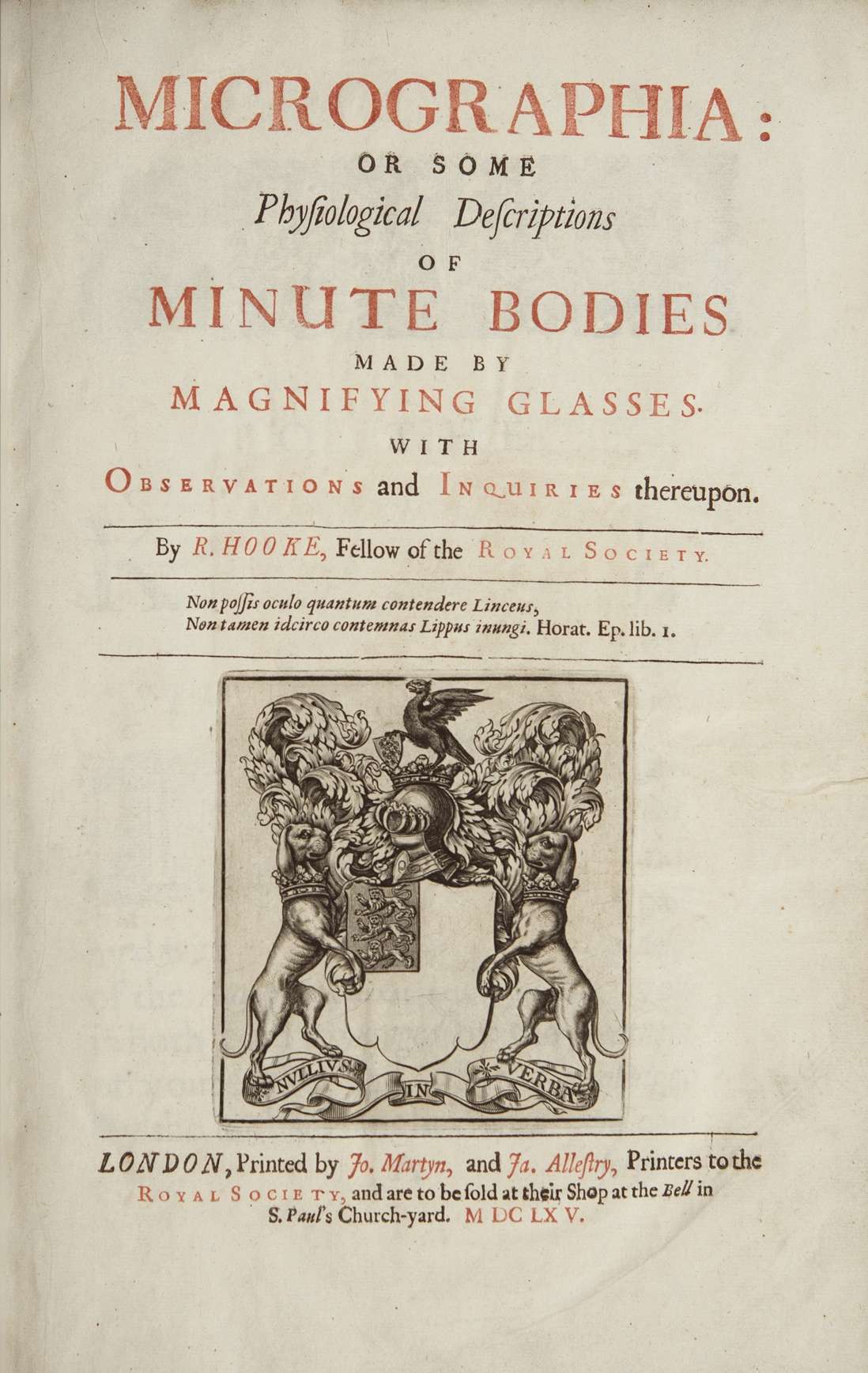 Book
Primary source
Micrographia
Robert Hooke · 1665
 Painting
Primary source
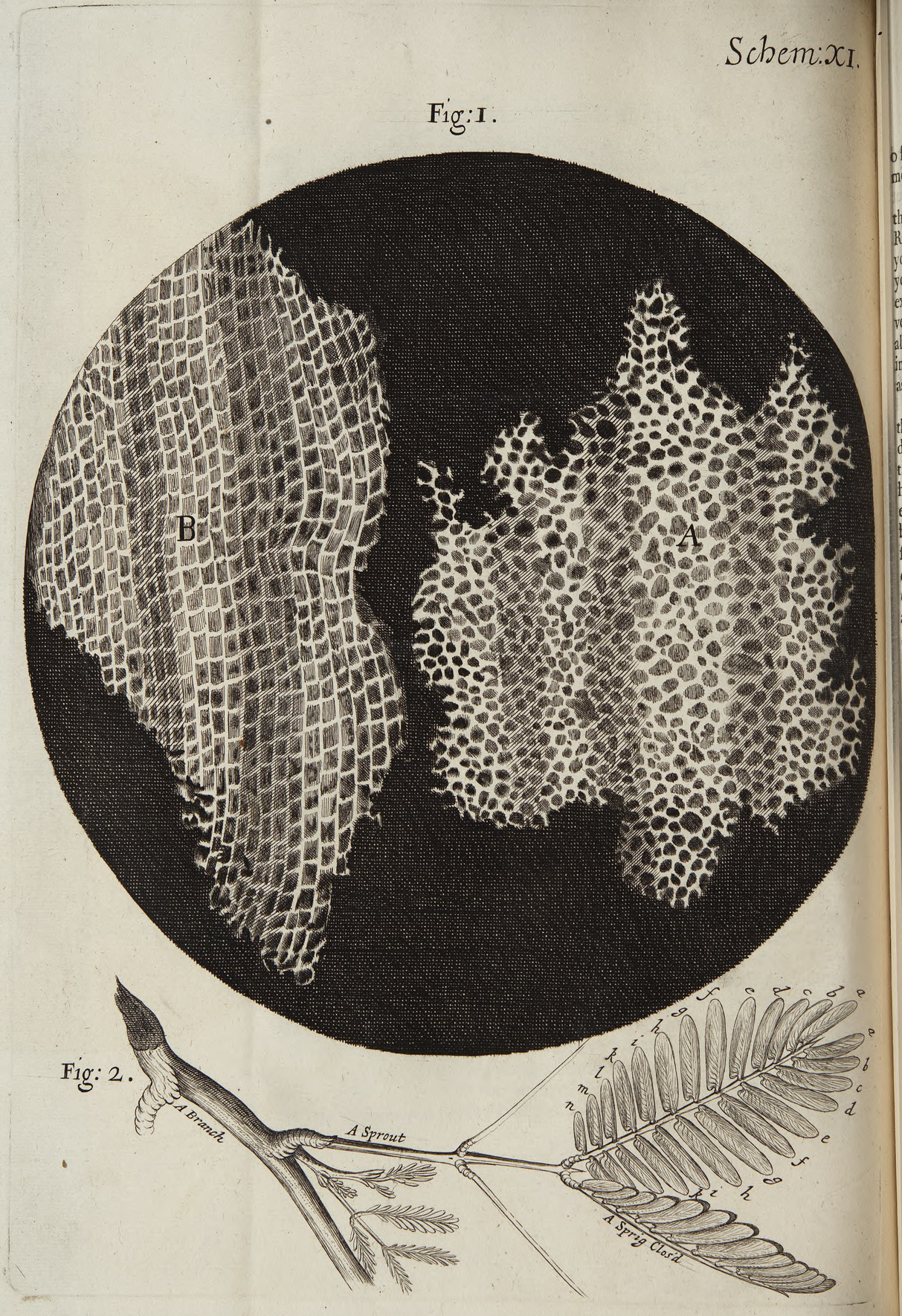
Of the Schematisme or Texture of Cork, and of the Cells and Pores of some other such frothy Bodies
Robert Hooke · 1665
 Painting
Primary source
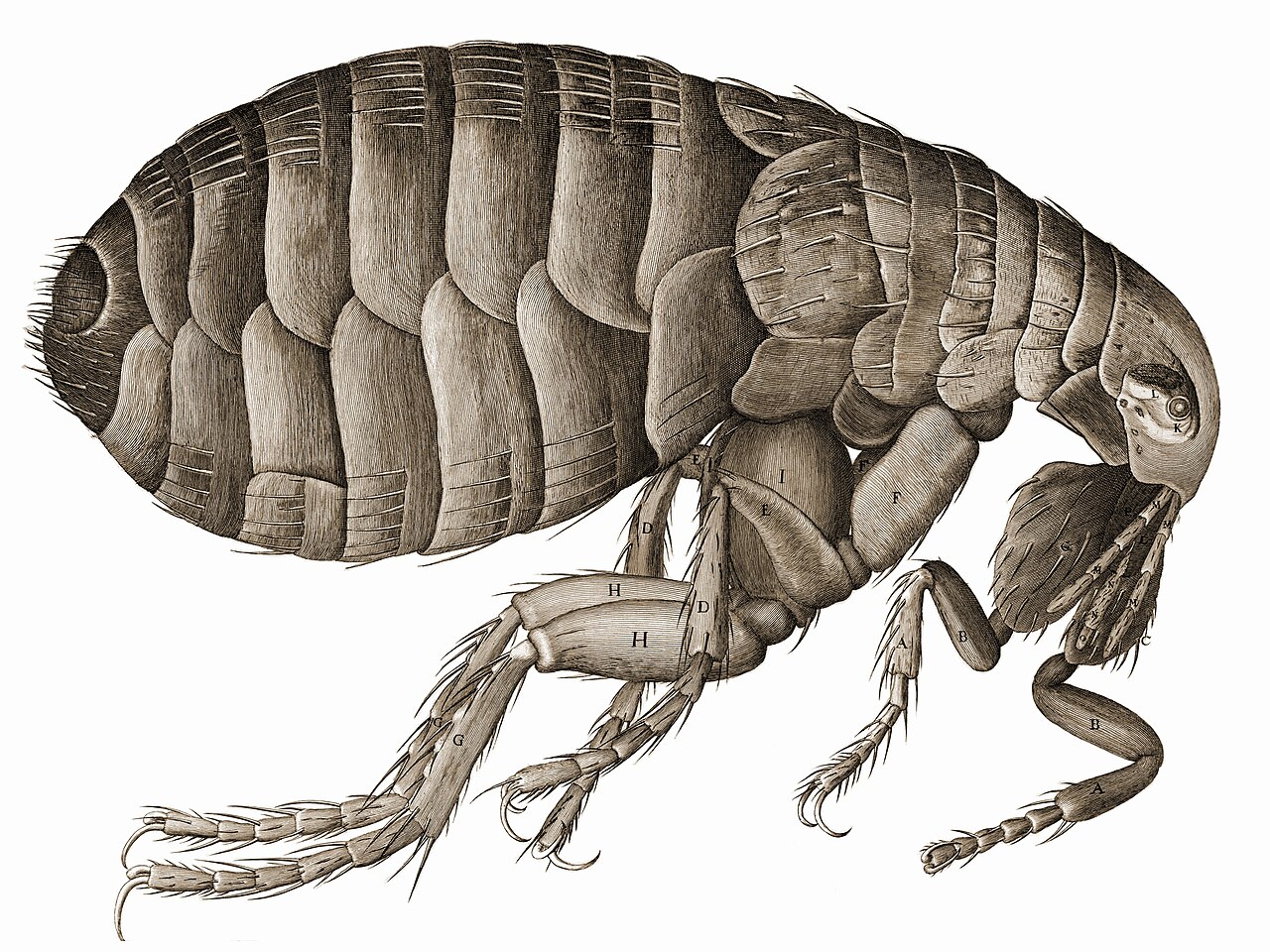
Of a Flea
Robert Hooke · 1665
 Artifact
Primary source
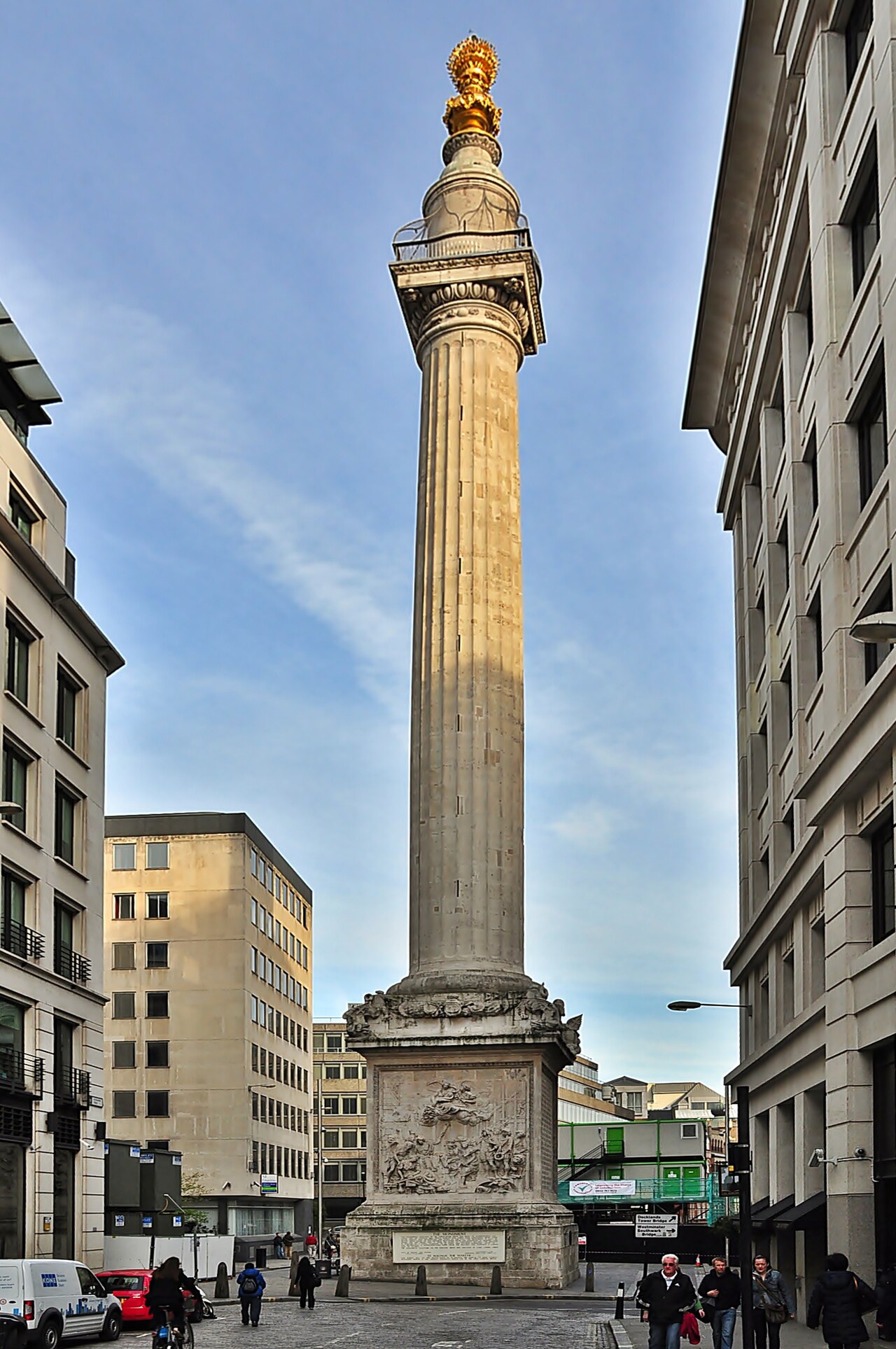
Monument to the Great Fire of London
Caius Gabriel Cibber · 1671-1677
Free account
Read every Robert Hooke source
Sign up free →
Ready when you are
Start chatting with Robert Hooke now.
20 messages free · No credit card · Available in 50+ languages.