


Primary sourceArtifact1866; redesigned 1884-1886
Robert Treat Paine Estate
Henry Hobson Richardson and Frederick Law Olmsted · 1866; redesigned 1884-1886
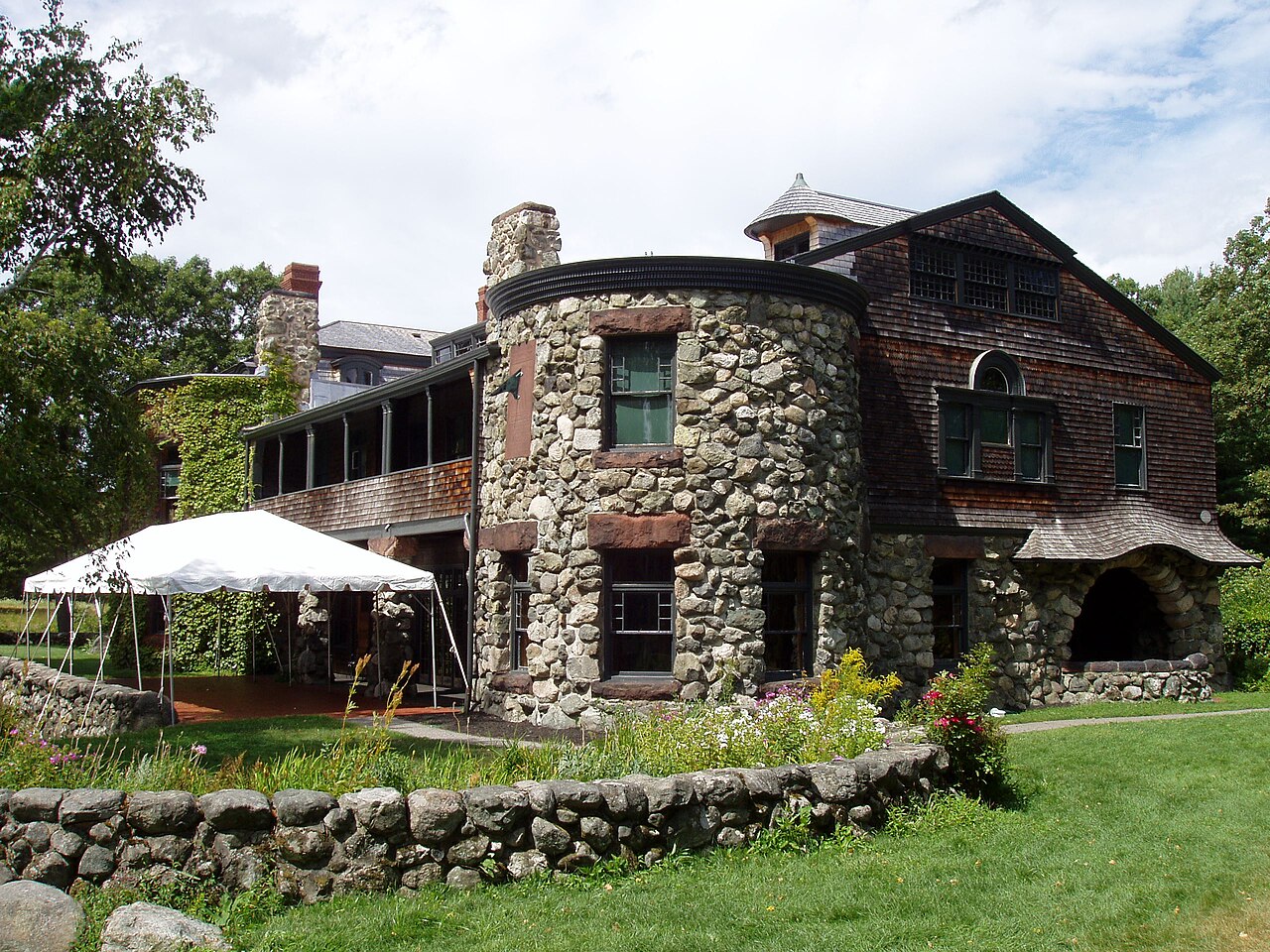
A country house in Waltham, Massachusetts, designed by Henry Hobson Richardson and Frederick Law Olmsted for philanthropist Robert Treat Paine. Olmsted shaped its grounds, which are now a public park.
Olmsted co-designed this estate with Richardson, so it shows his work on a private home and how he shaped its grounds.
About this source
What it is
The Robert Treat Paine Estate, also called Stonehurst, is a country house on 109 acres in Waltham, Massachusetts. It was designed for philanthropist Robert Treat Paine in a collaboration between architect Henry Hobson Richardson and Frederick Law Olmsted. Olmsted first visited the property in October 1883, and construction of the new house began in 1885. Richardson died in April 1886 while the commission was close to completion. The City of Waltham owns the estate, and its grounds are kept as a public park.
Why it matters
The house began in 1866 as a smaller summer house built for lawyer Robert Treat Paine Jr. and his wife Lydia, on land paid for by her father George Lyman. The family needed more room for their seven children, so the house was moved to a rocky ridge and enlarged. The estate is believed to be the only residential collaboration of Richardson and Olmsted that is open to the public, and it shows how an architect and a landscape designer worked together on one home.
Look closer
- How does the house sit in the land, and what does its stone and shingle exterior suggest about the family who wanted it?
- Why did the Paine family need a larger house than the one built in 1866?
- What might a photograph of a house leave out about the lives of the people who lived and worked there?
This artifact is part of the curated material that grounds the AI version of Frederick Law Olmsted on Humy.ai — when students ask about related events, the AI can quote it and cite it.
More Frederick Law Olmsted sources
Meet the AI Frederick Law Olmsted →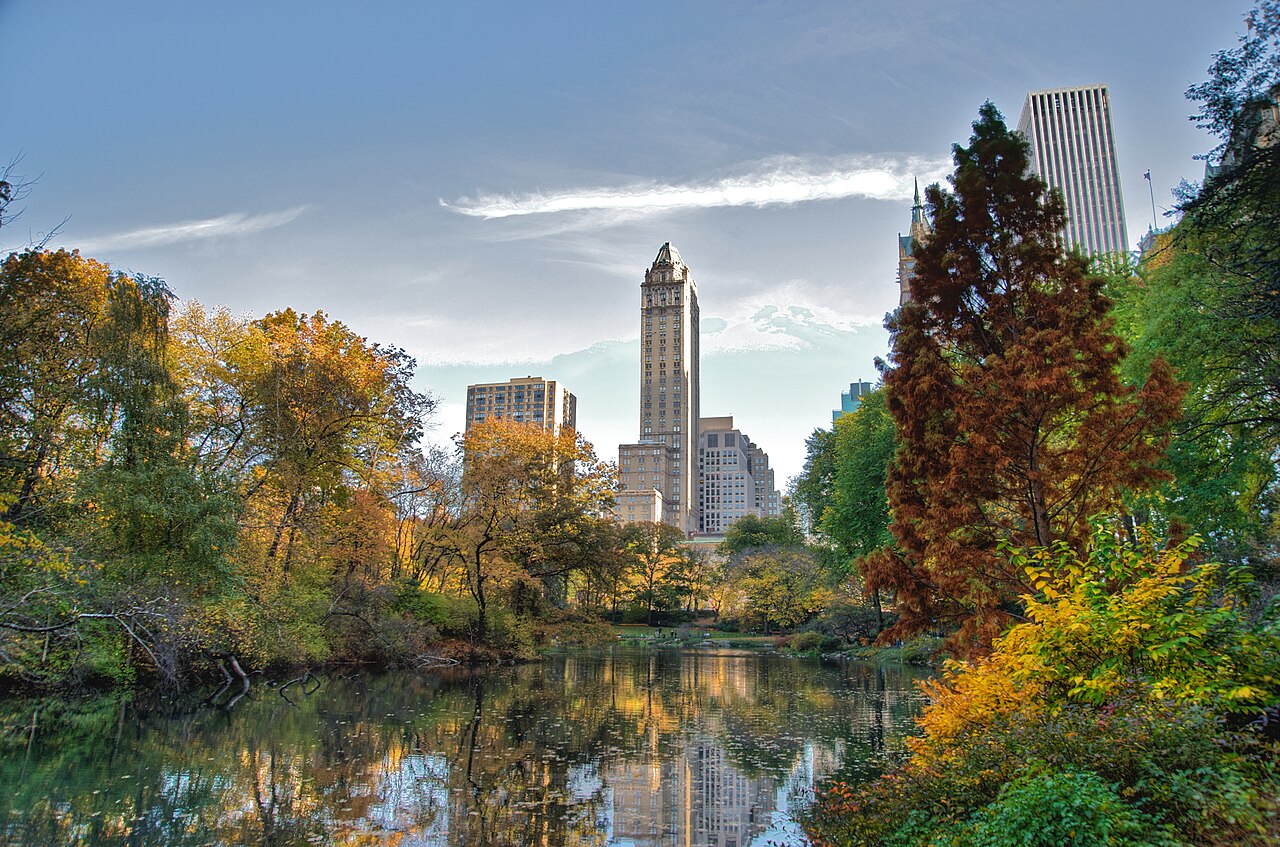 Artifact
Primary source
Central Park
Frederick Law Olmsted and Calvert Vaux · 1856
 Book
Primary source
Journeys and Explorations in the Cotton Kingdom
Frederick Law Olmsted · 1861
 Painting
Primary source
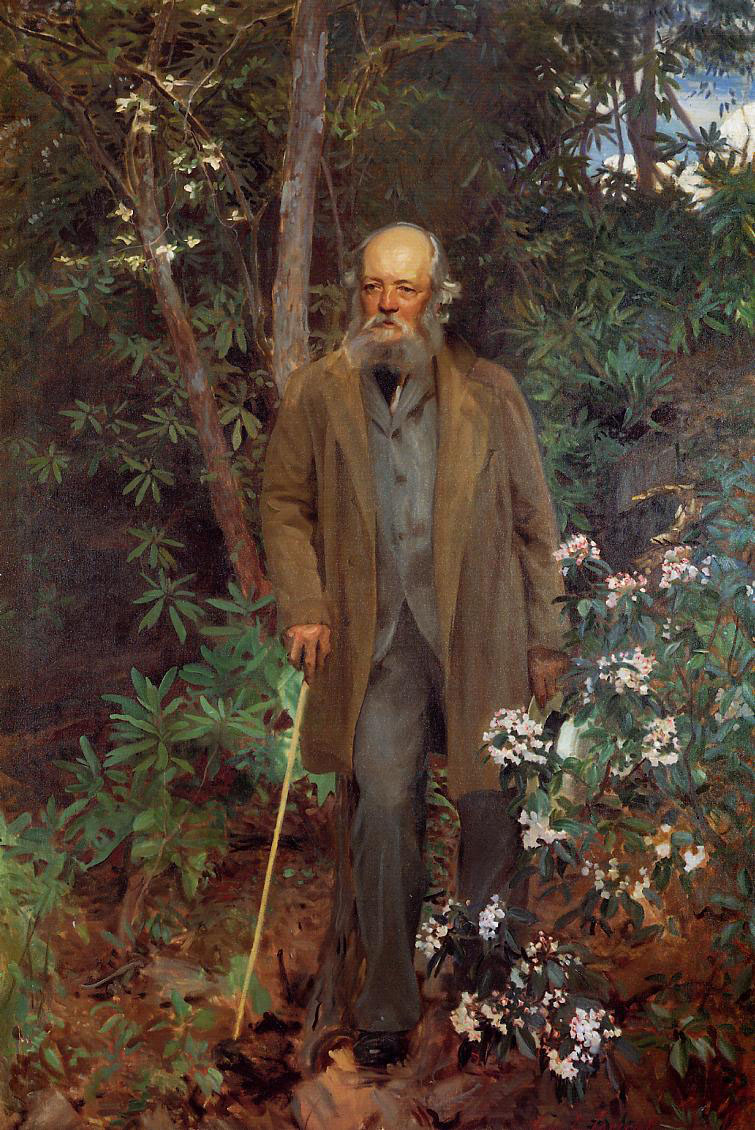
Frederick Law Olmsted
John Singer Sargent · 1895
 Artifact
Primary source
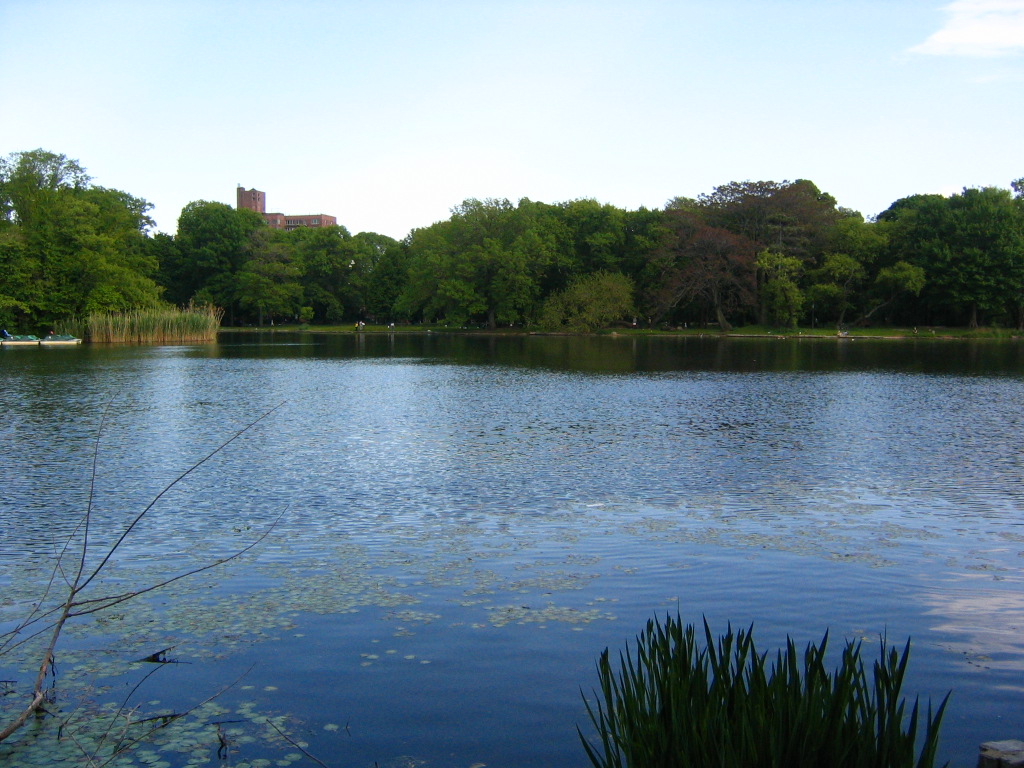
Prospect Park
Frederick Law Olmsted and Calvert Vaux · 1867
 Artifact
Primary source
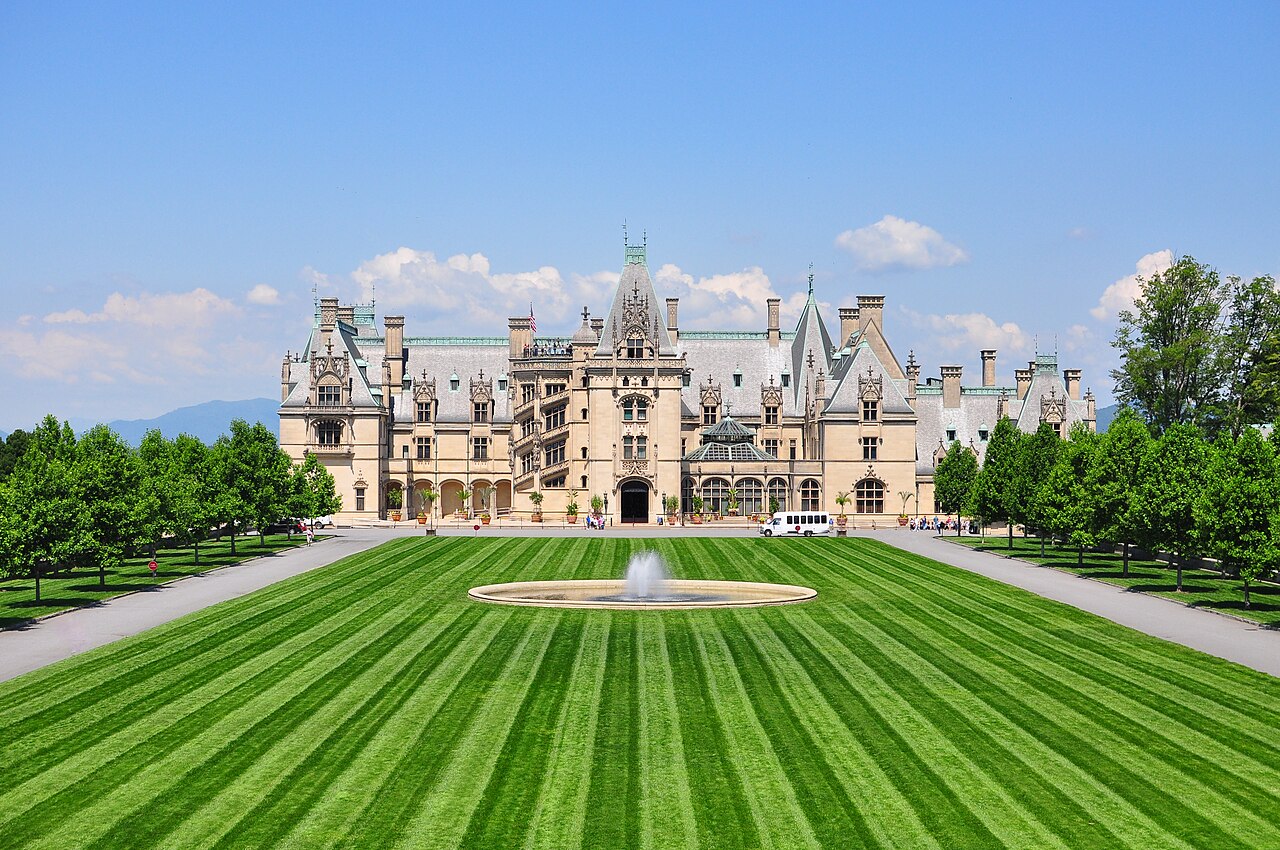
Biltmore Estate
1895
Ready when you are
Start chatting with Frederick Law Olmsted now.
20 messages free · No credit card · Available in 50+ languages.