


Primary sourceDocumentc. 1479-1458 BCE
Rock Inscriptions of Hatshepsut and Thutmose III at Gebel Silsileh
c. 1479-1458 BCE
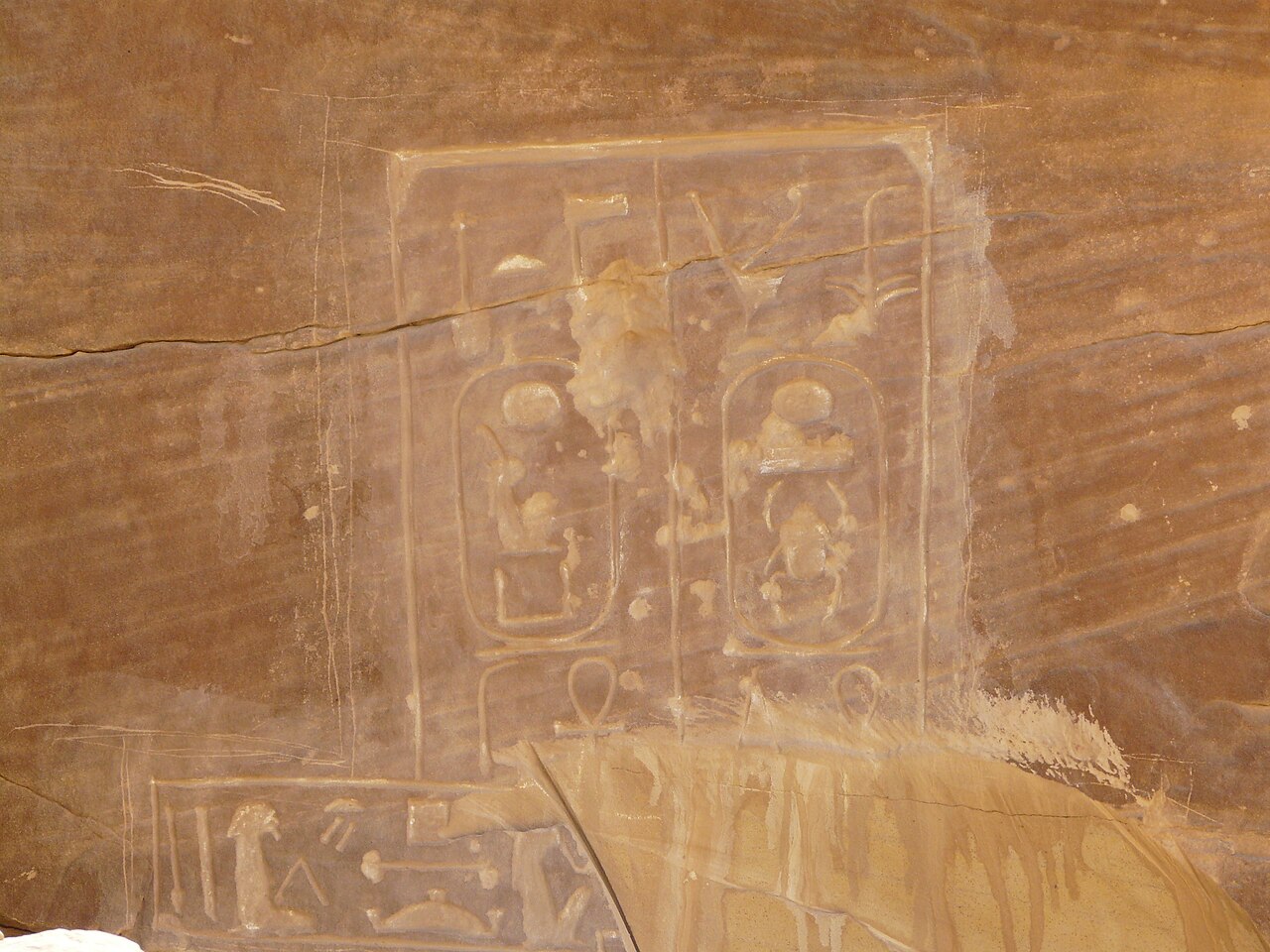
Carved royal titles of Hatshepsut and Thutmose III cut into a sandstone quarry wall at Gebel Silsileh during Hatshepsut's reign.
These carved titles record Hatshepsut's royal name alongside Thutmose III's at a working quarry during her reign.
About this source
What it is
This is a weathered sandstone wall carved with hieroglyphic inscriptions at Gebel Silsileh, an ancient quarry site in Egypt. The panel includes two oval cartouches, which enclosed royal names, and an ankh sign, and it records the titles of both Hatshepsut and Thutmose III.
Why it matters
Gebel Silsileh was an important source of stone for Egyptian building projects, and inscriptions like this one were carved to mark royal authority over the quarry and its work. Because both Hatshepsut and Thutmose III appear here, the inscription is a direct trace of how the two rulers' names and titles were recorded together during her reign, before her monuments were later altered.
Look closer
- What do the cartouches and ankh symbol tell you about Egyptian writing and belief?
- Why might a quarry wall be carved with royal names rather than just left blank?
- What has weathered or damaged the inscription, and how does that affect what we can read today?
This document is part of the curated material that grounds the AI version of Hatshepsut on Humy.ai — when students ask about related events, the AI can quote it and cite it.
More Hatshepsut sources
Meet the AI Hatshepsut →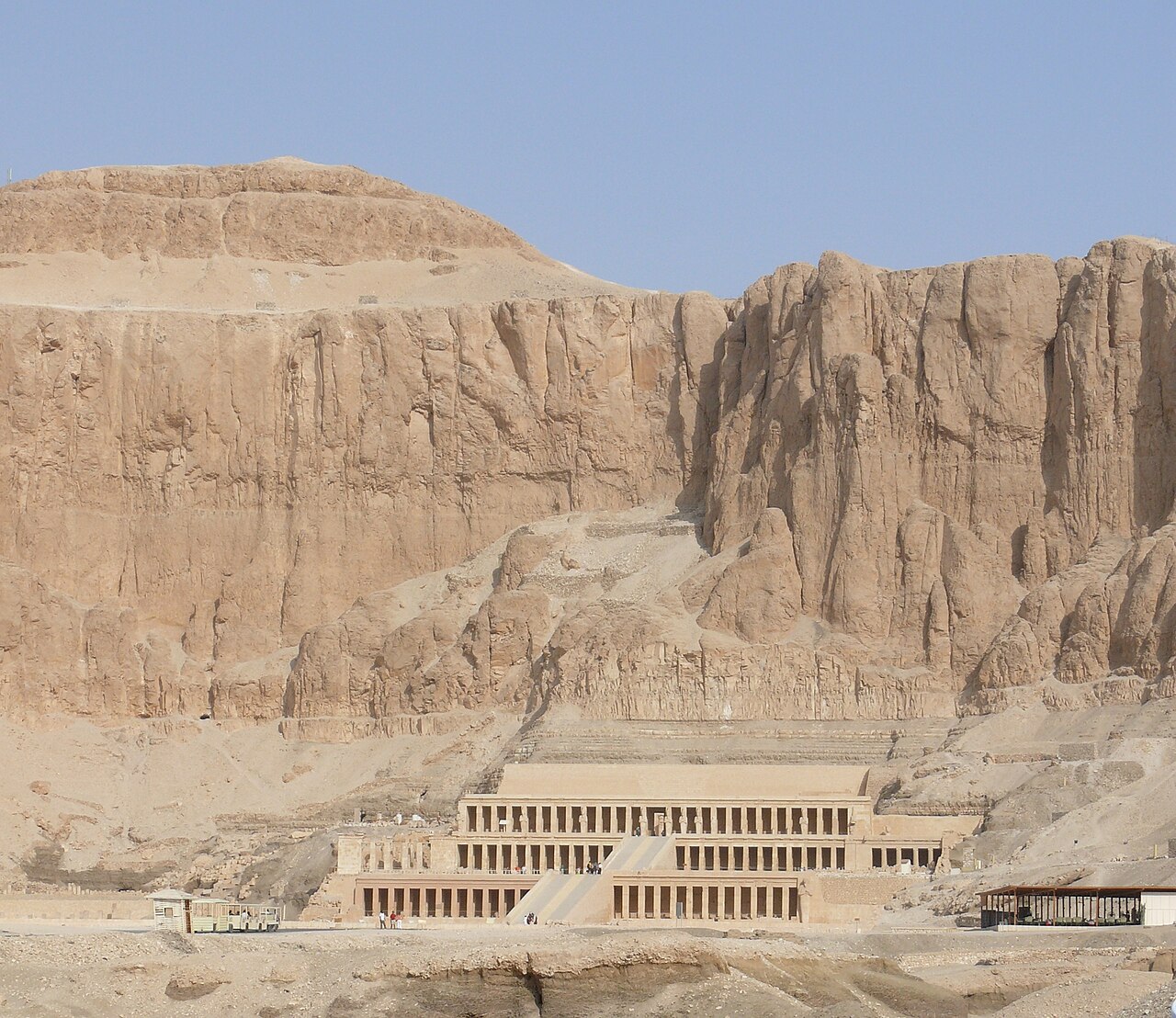 Artifact
Primary source
Mortuary Temple of Hatshepsut
Senenmut and/or Hapuseneb (attributed) · c. 1479–1458 BCE
 Photograph
Secondary source
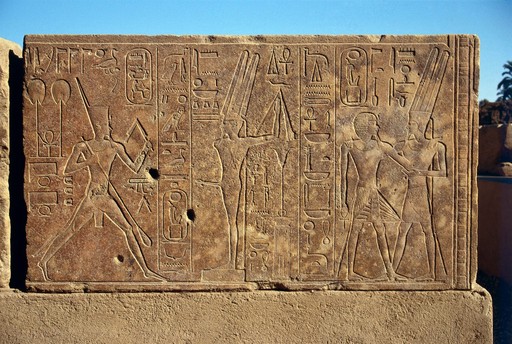
Hatshepsut Dancing Before Min, Karnak Relief
Carole Reeves · 1989
 Sculpture
Primary source
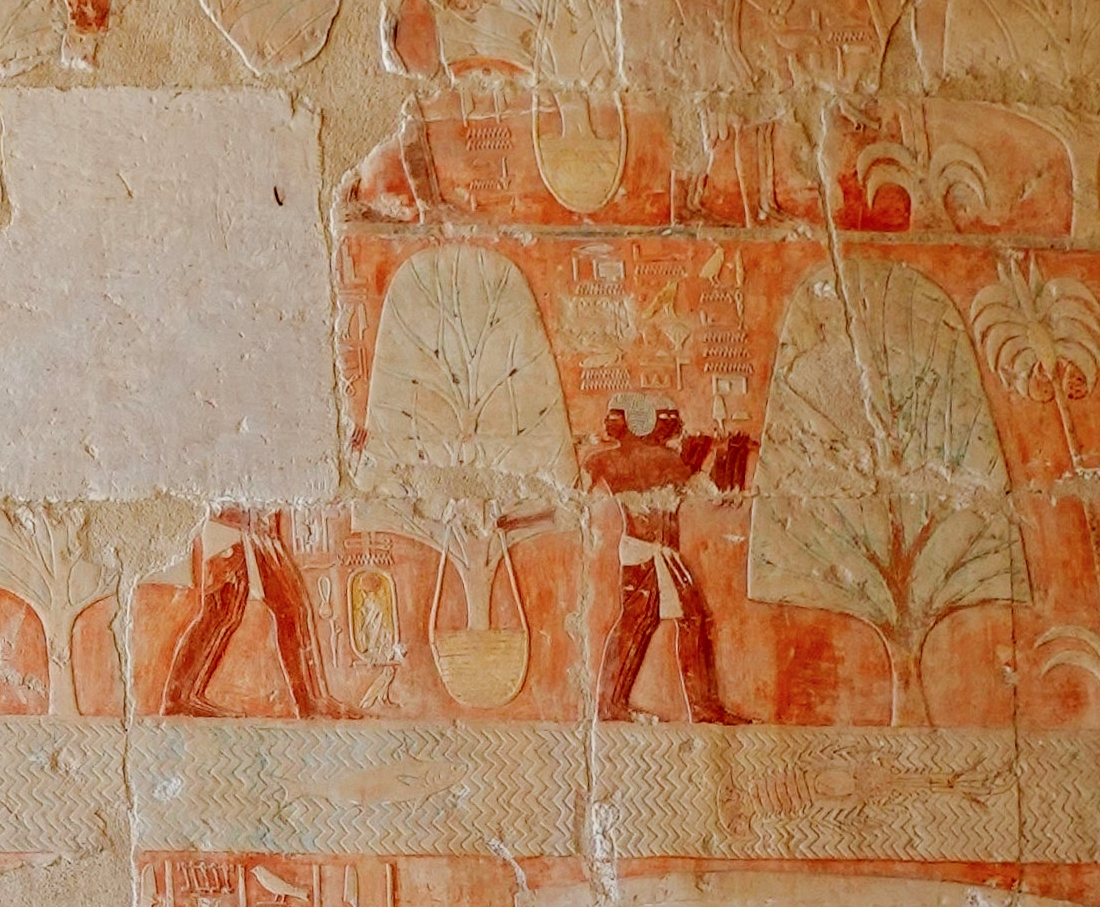
Punt Expedition Reliefs
Royal workshops of Hatshepsut · c. 1470 BCE
 Sculpture
Primary source
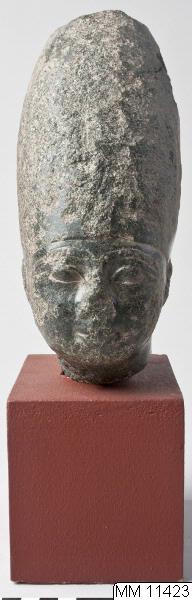
Sculpture Head Probably of Hatshepsut
 Sculpture
Primary source
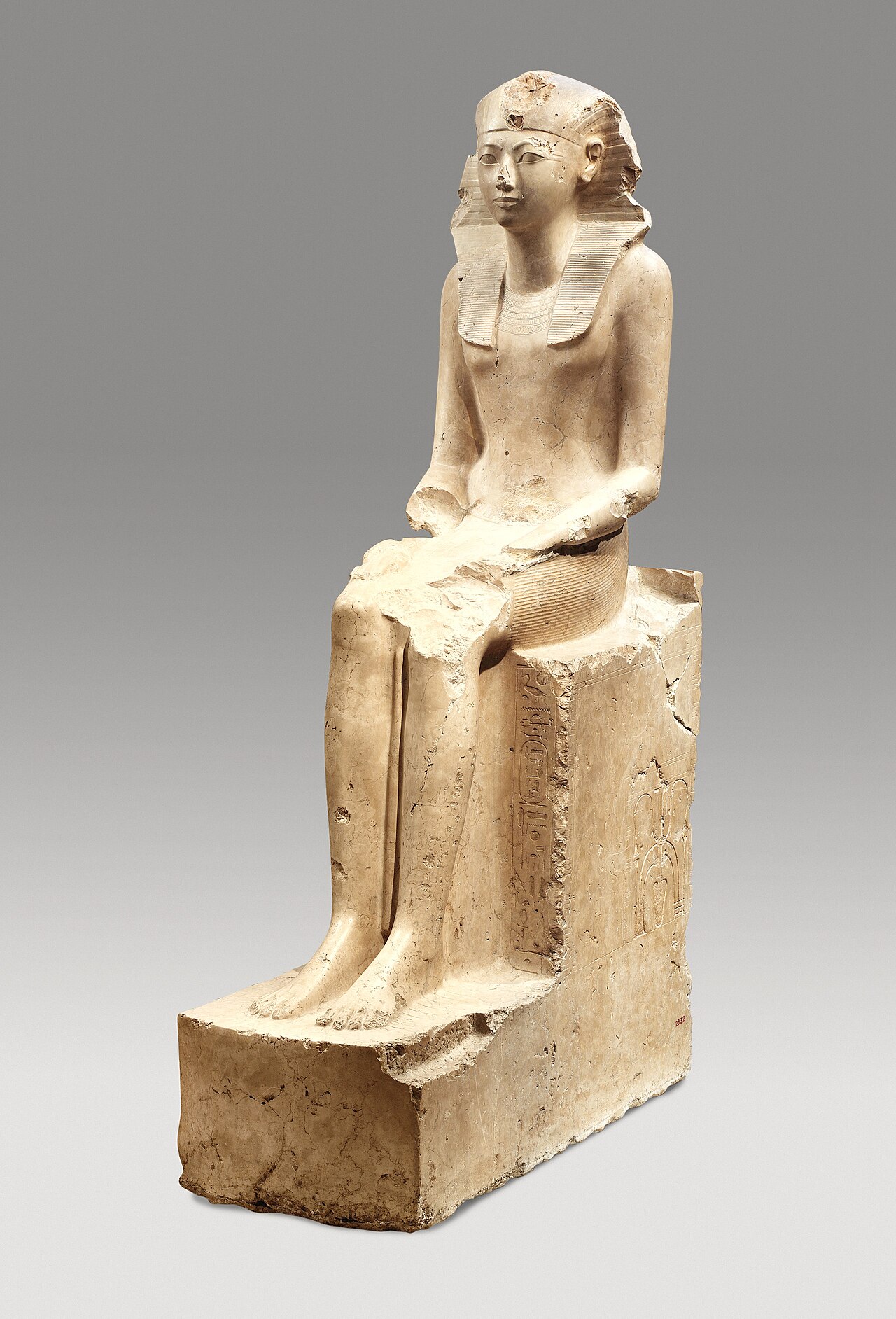
Seated Statue of Hatshepsut
c. 1466 BCE
Ready when you are
Start chatting with Hatshepsut now.
20 messages free · No credit card · Available in 50+ languages.