


Primary sourcePainting1613–1615
Rockox Triptych
Peter Paul Rubens · 1613–1615
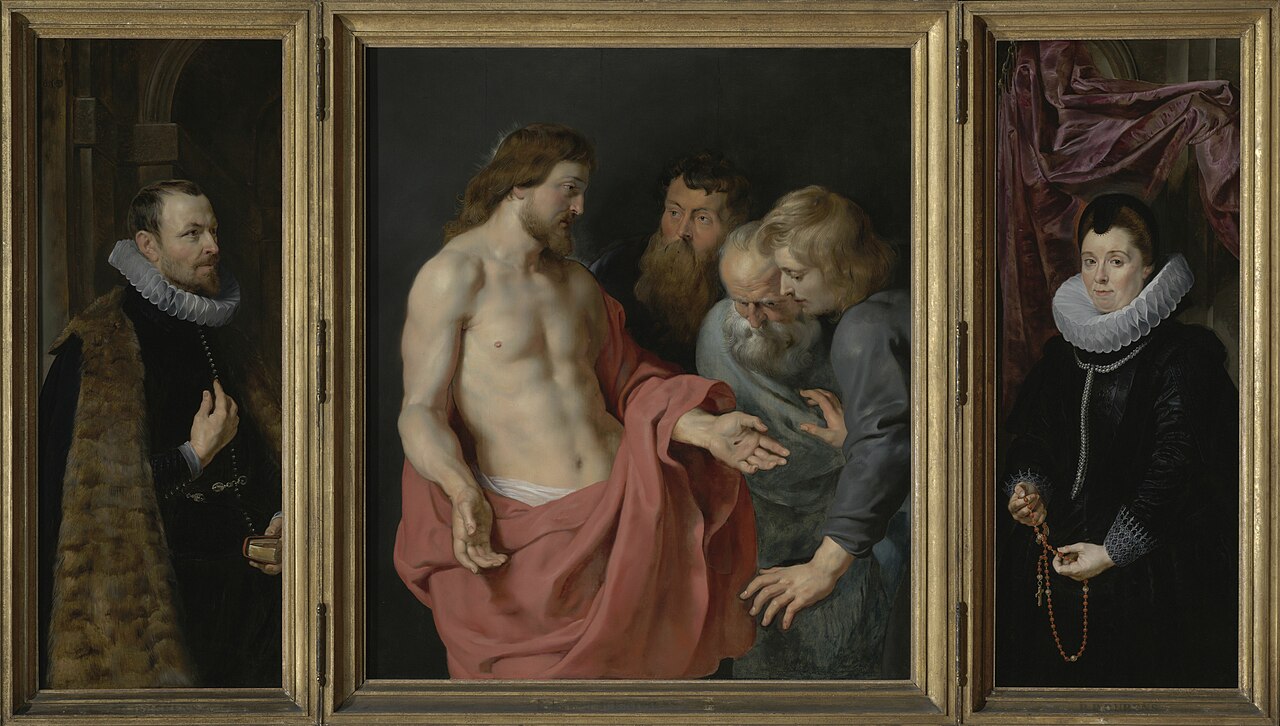
An epitaph Rubens painted for his friend and patron, Antwerp mayor Nicolaas Rockox, and his wife Adriana Perez.
Rubens painted this epitaph for his close friend and patron Nicolaas Rockox, showing the civic network that supported him.
About this source
What it is
The Rockox Triptych, also called the Epitaph of Nicolaas Rockox and His Wife Adriana Perez, is a three-panel painting by Peter Paul Rubens, painted between 1613 and 1615. Nicolaas Rockox and Adriana Perez commissioned it for their funerary monument in the Recollects church in Antwerp. The outer panels show the couple holding a bible and a rosary, and the central panel shows Christ with several bearded men. It is now in the Royal Museum of Fine Arts Antwerp.
Why it matters
Rockox was a mayor of Antwerp and an important patron and close friend of Rubens. The central scene was once read as the doubting of Thomas, but recent scholars argue it shows Christ's first appearance to the apostles in Jerusalem, as told in the Gospel of Luke. This suggests that the patrons and the Antwerp elite were skeptical about certainty in religious matters.
Look closer
- Who is shown in the outer panels, and what objects do they hold to show their faith?
- Why might the painter have left out a detail, such as Christ's side wound, that another artist included?
- What does this epitaph reveal about the social network of the Antwerp patrons, and what might it leave out?
This painting is part of the curated material that grounds the AI version of Peter Paul Rubens on Humy.ai — when students ask about related events, the AI can quote it and cite it.
More Peter Paul Rubens sources
Browse all 97 →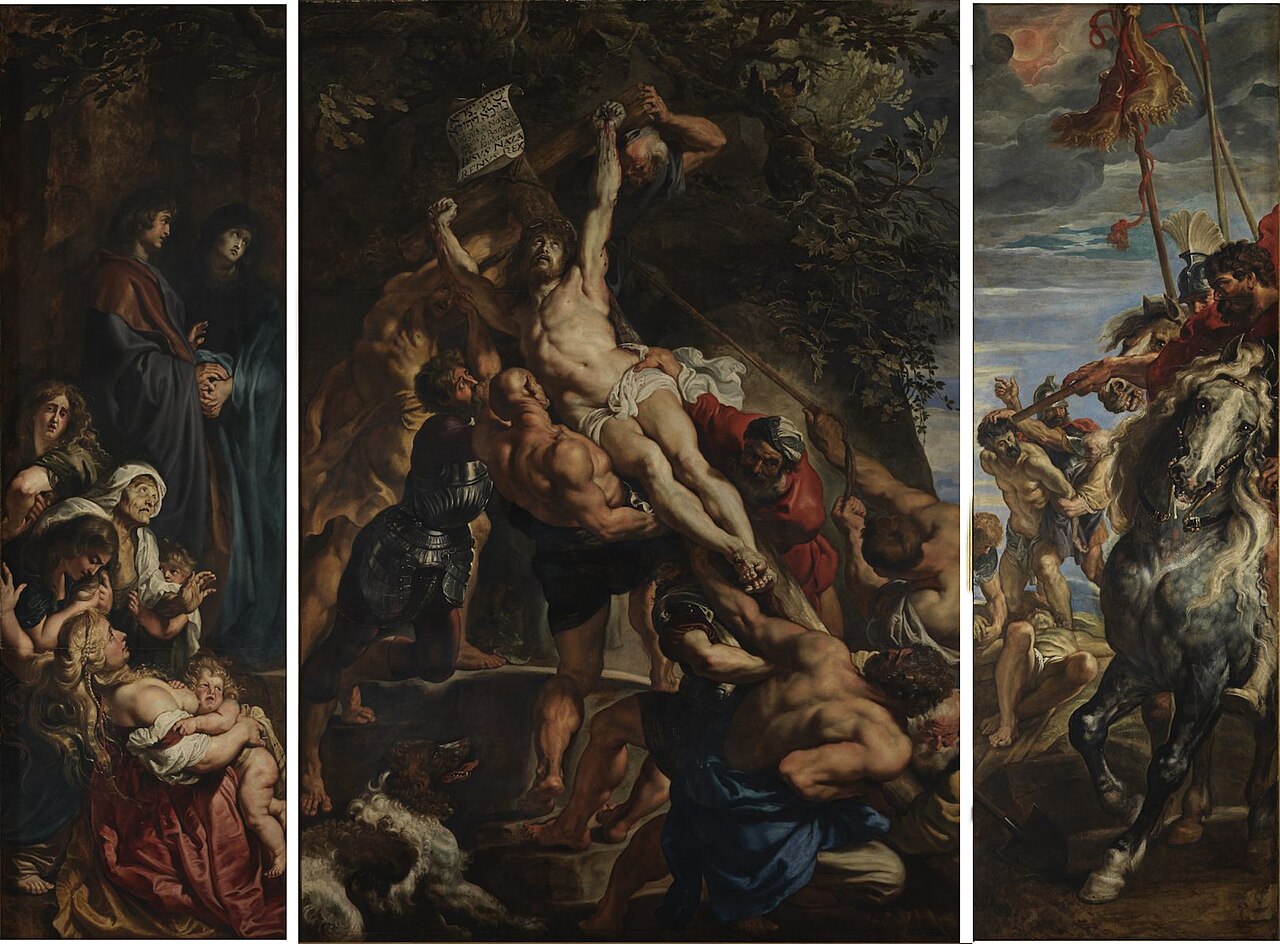 Painting
Primary source
The Elevation of the Cross
Peter Paul Rubens · 1610–1611
 Painting
Primary source
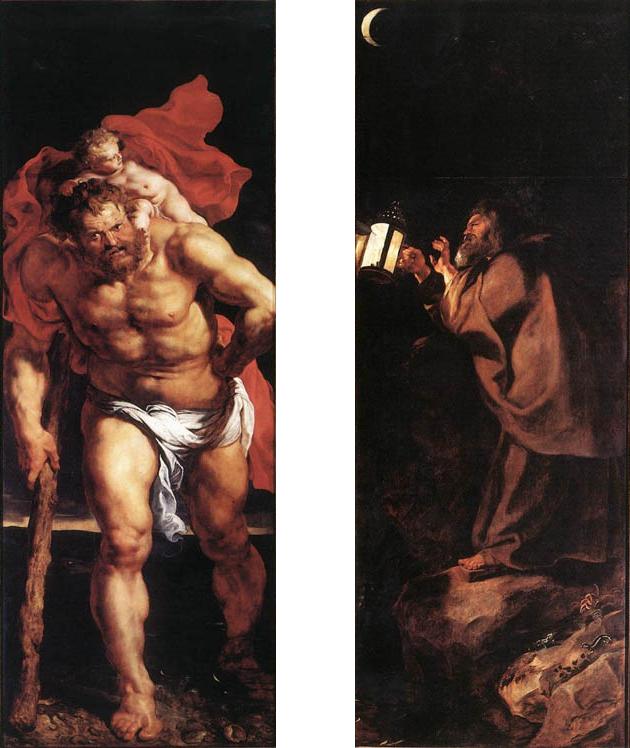
The Descent from the Cross
Peter Paul Rubens · 1611–1614
 Painting
Primary source
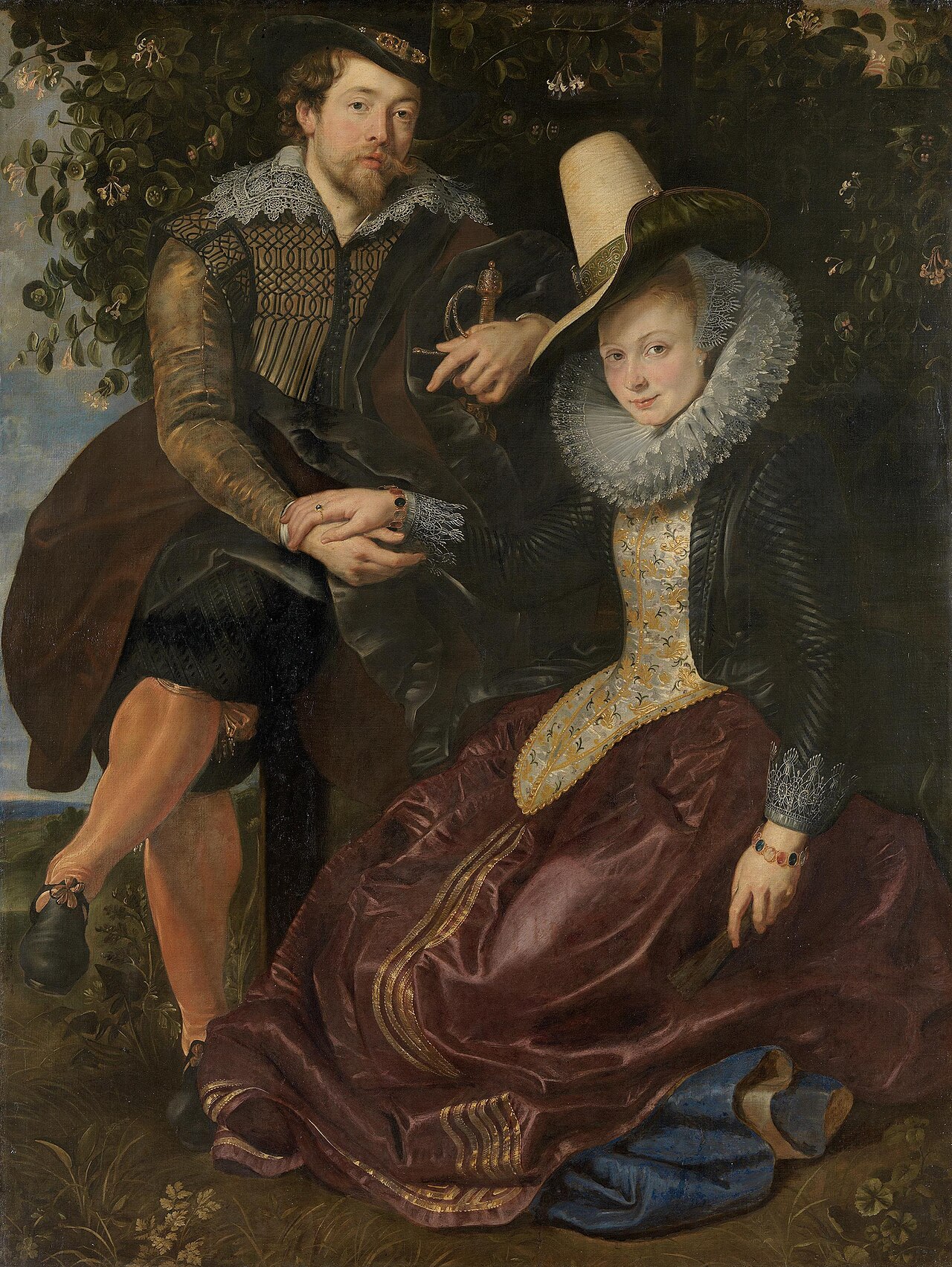
The Honeysuckle Bower
Peter Paul Rubens · c. 1609
 Painting
Primary source
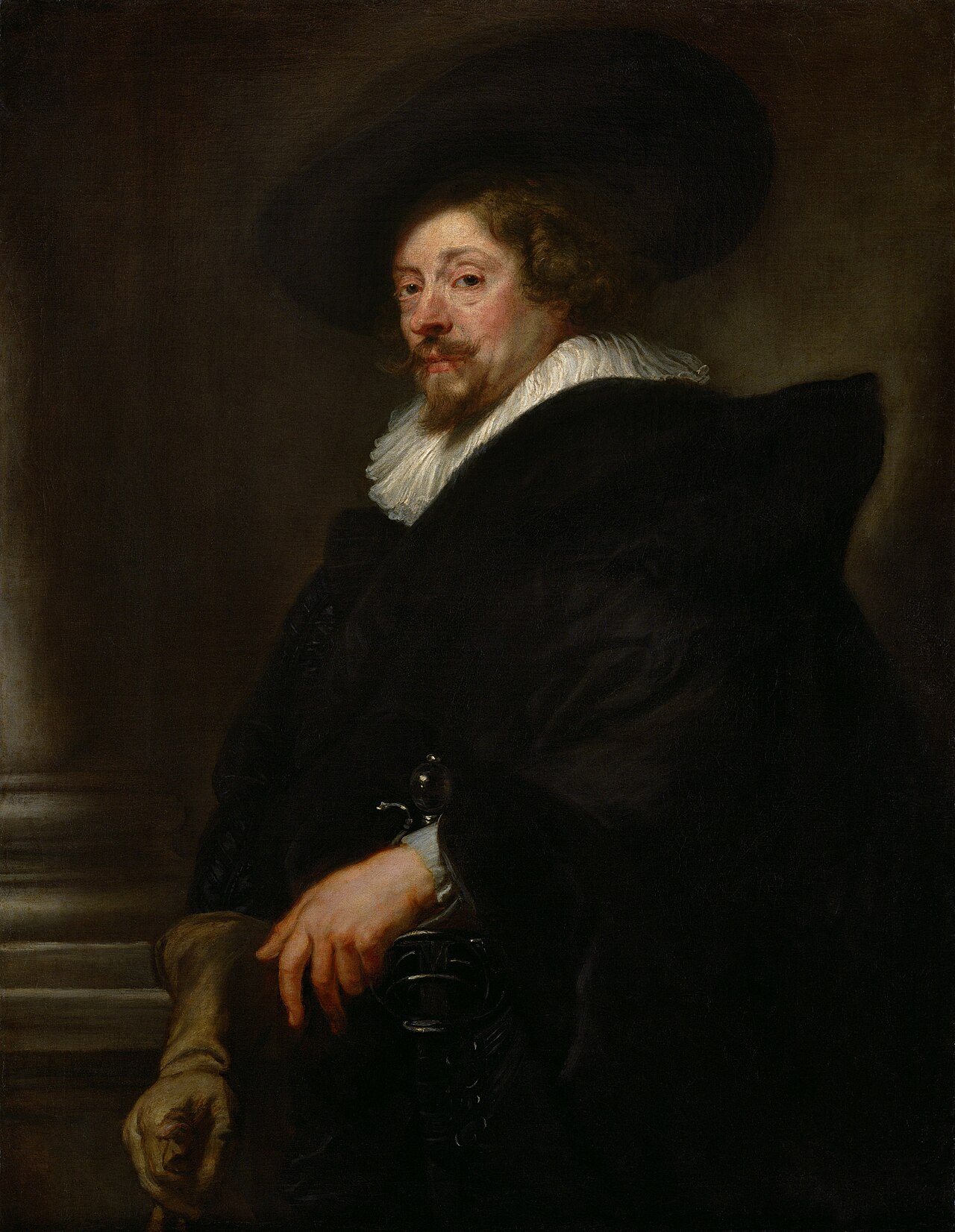
Self-Portrait
Peter Paul Rubens · 1638–1639
Free account
Read every Peter Paul Rubens source
Sign up free →
Ready when you are
Start chatting with Peter Paul Rubens now.
20 messages free · No credit card · Available in 50+ languages.