


Primary sourceDocumentc. 990
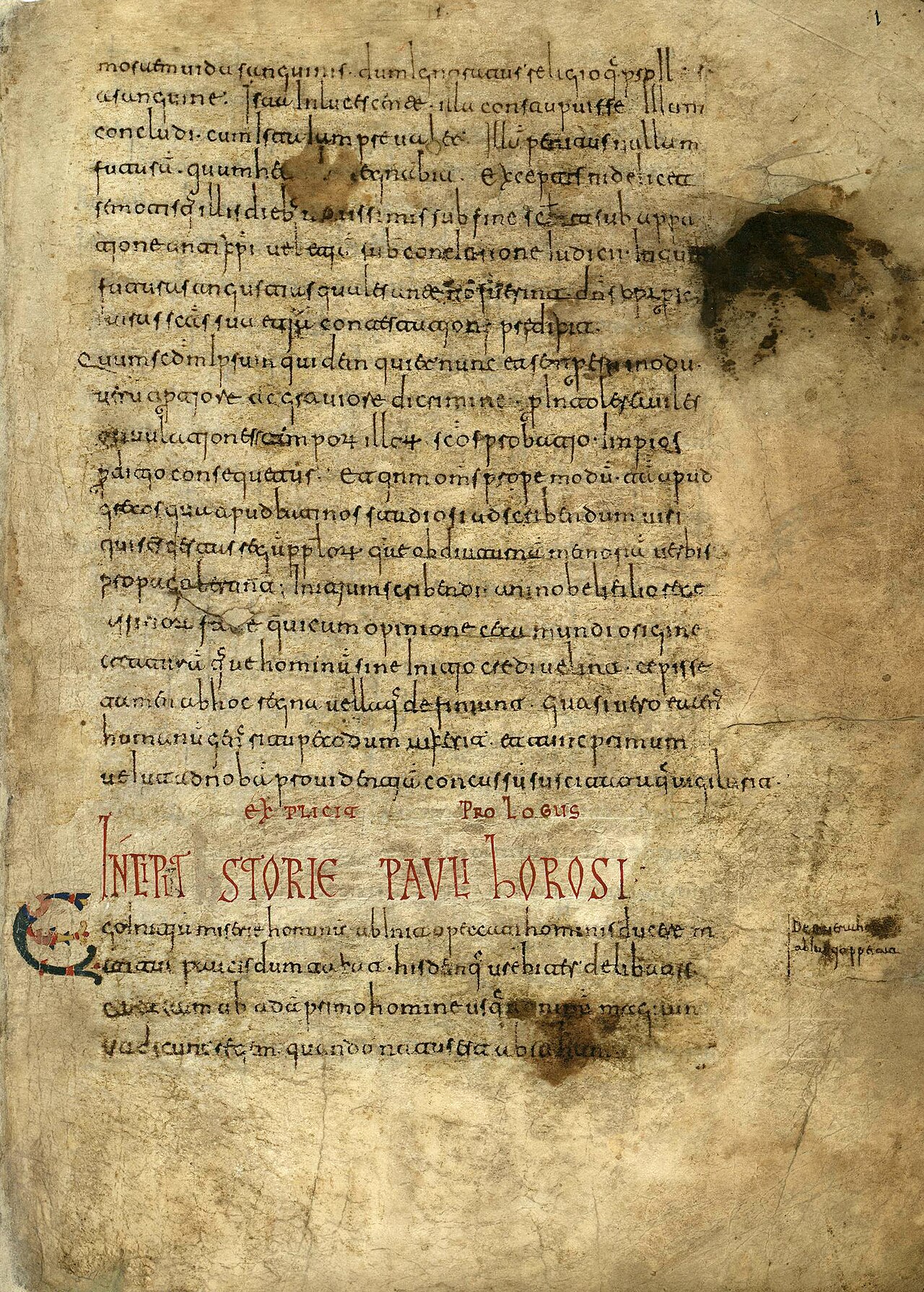
Roda Codex
Anonymous · c. 990
A medieval manuscript containing Pamplona genealogies that record Abd ar-Rahman III's Navarrese royal ancestors.
Its Pamplona genealogies record Abd ar-Rahman III's Navarrese royal ancestors, including his grandmother and aunt.
About this source
What it is
The Roda Codex, also called the Codex of Meyá, is a manuscript compiled in Navarre, thought to date from the late 10th century with later additions. It contains copies of ancient and medieval texts along with unique genealogies of the ruling dynasties of Pamplona, Aragon and neighbouring territories, and is held in Madrid.
Why it matters
Among its genealogies are the royal lines of Pamplona, which record Abd ar-Rahman III's Navarrese relatives, including his grandmother Onneca and his aunt Queen Toda. This shows that the caliph had Christian royal ancestry through his family's ties to the Kingdom of Navarre, linking the Muslim and Christian ruling houses of Iberia.
Look closer
- What does it tell you that a Muslim caliph's family tree appears in a Christian Navarrese manuscript?
- Why might genealogies like these have been important to record at the time?
- What questions remain unanswered by a family tree alone about a person's life and reign?
This document is part of the curated material that grounds the AI version of Abd al-Rahman III on Humy.ai — when students ask about related events, the AI can quote it and cite it.
More Abd al-Rahman III sources
Meet the AI Abd al-Rahman III →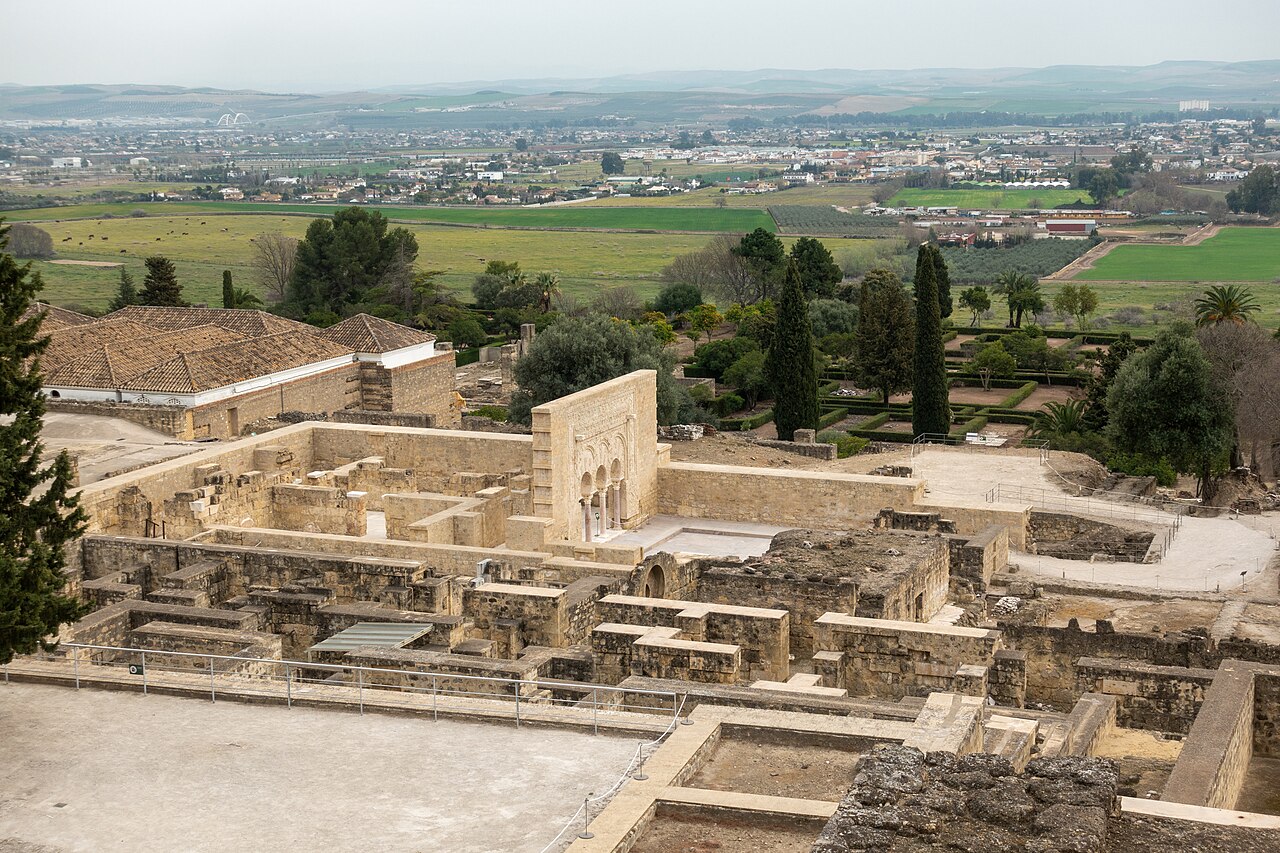 Artifact
Primary source
Madinat al-Zahra
c. 936-1000
 Artifact
Primary source
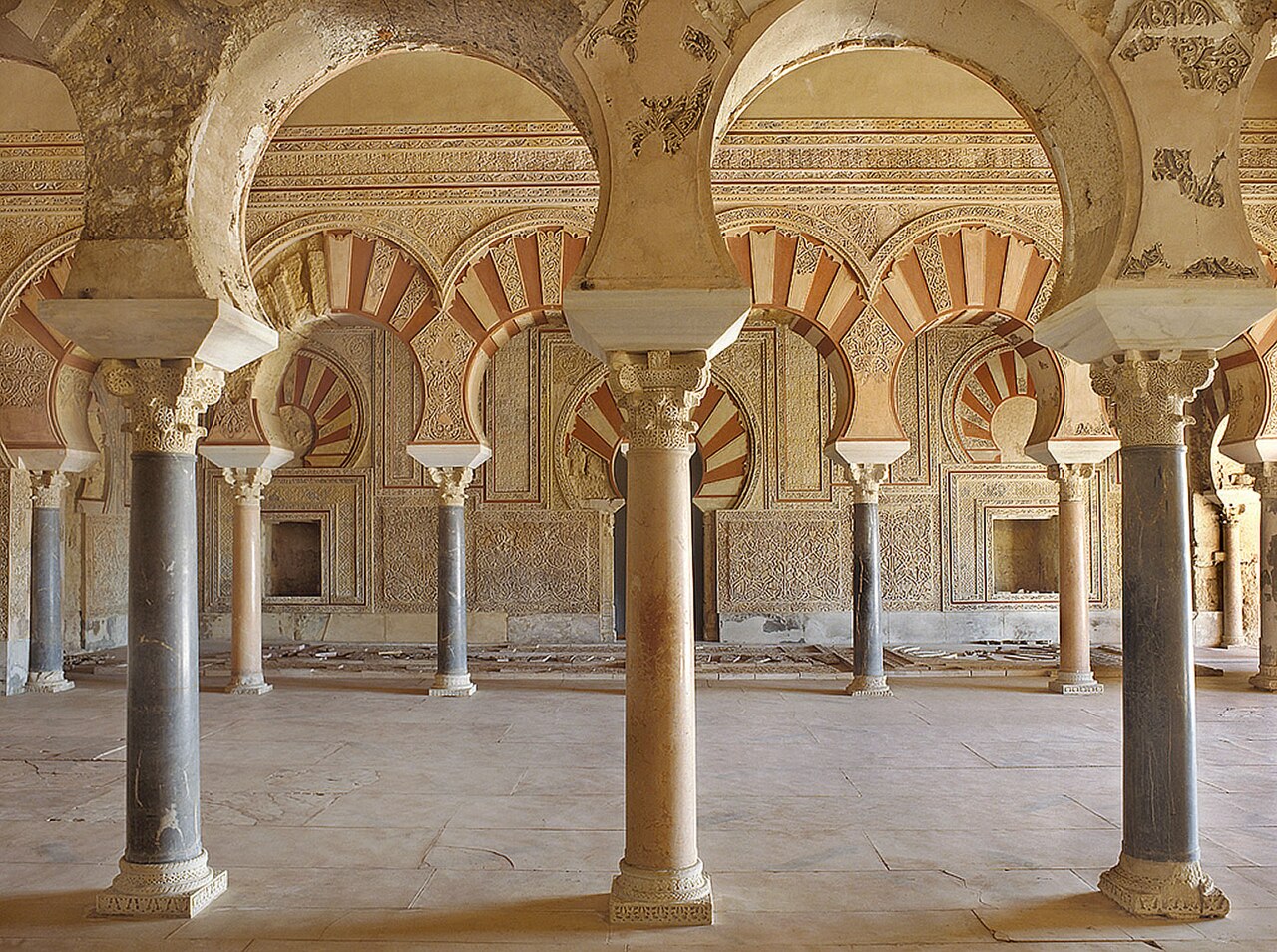
Salón Rico (Hall of Abd al-Rahman III)
953-957
Primary source
Letter of Hasdai ibn Shaprut to King Joseph of the Khazars
Hasdai ibn Shaprut · c. 950s
 Artifact
Primary source
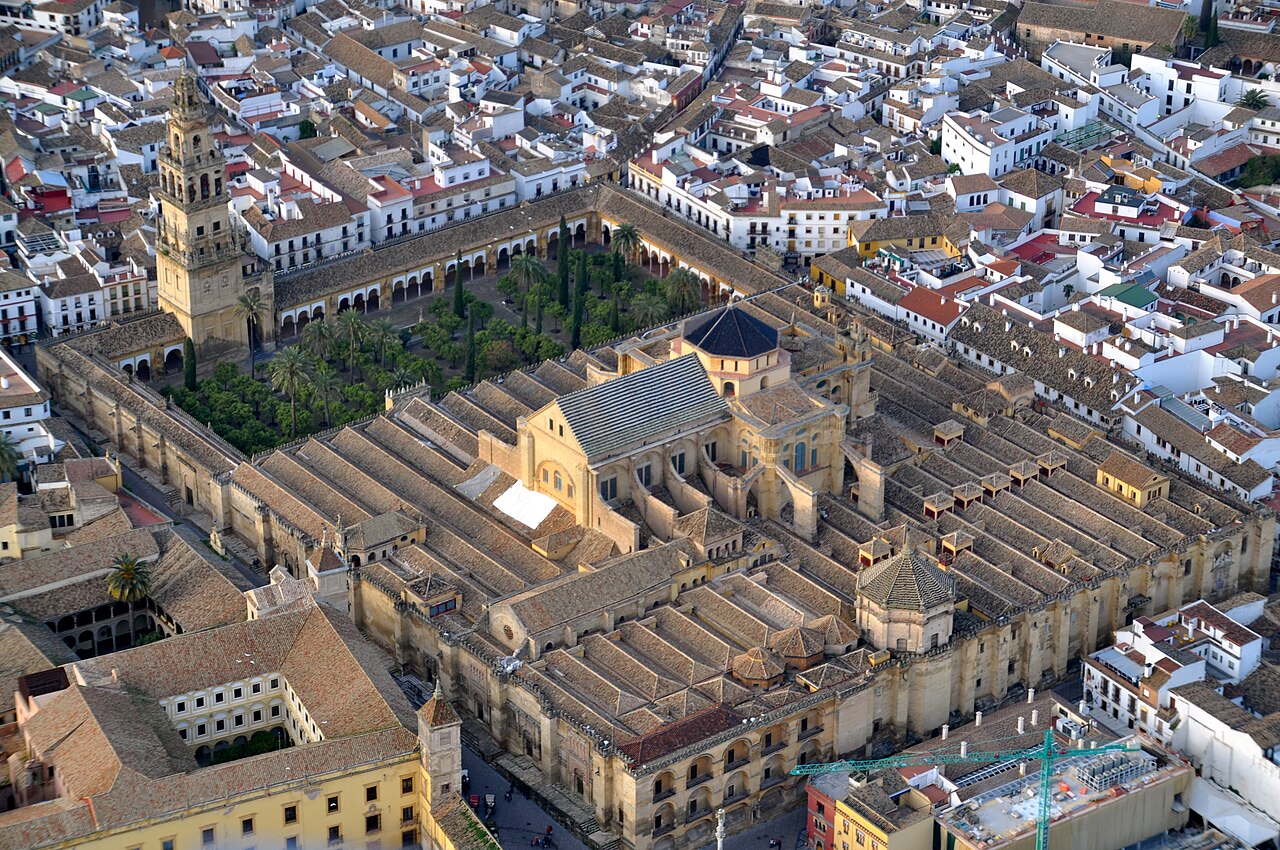
Mosque-Cathedral of Cordoba
786; minaret completed 958
 Artifact
Primary source
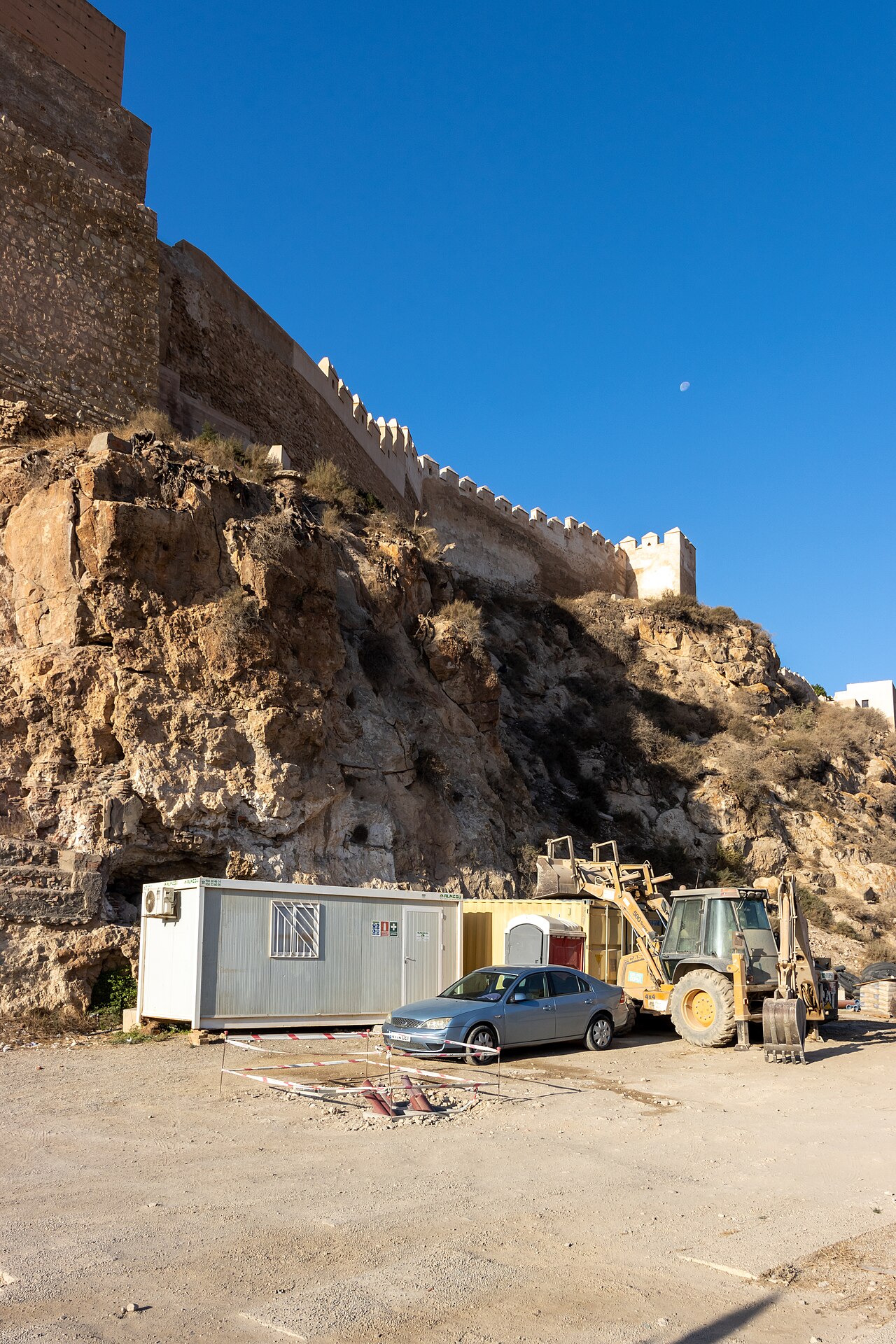
Alcazaba of Almería
955
Ready when you are
Start chatting with Abd al-Rahman III now.
20 messages free · No credit card · Available in 50+ languages.