


Primary sourceArtifact3rd consulship of Agrippa
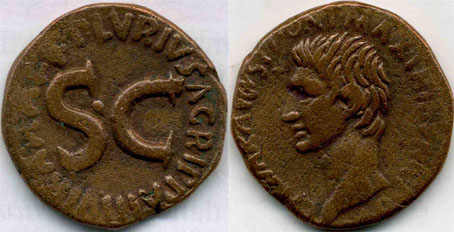
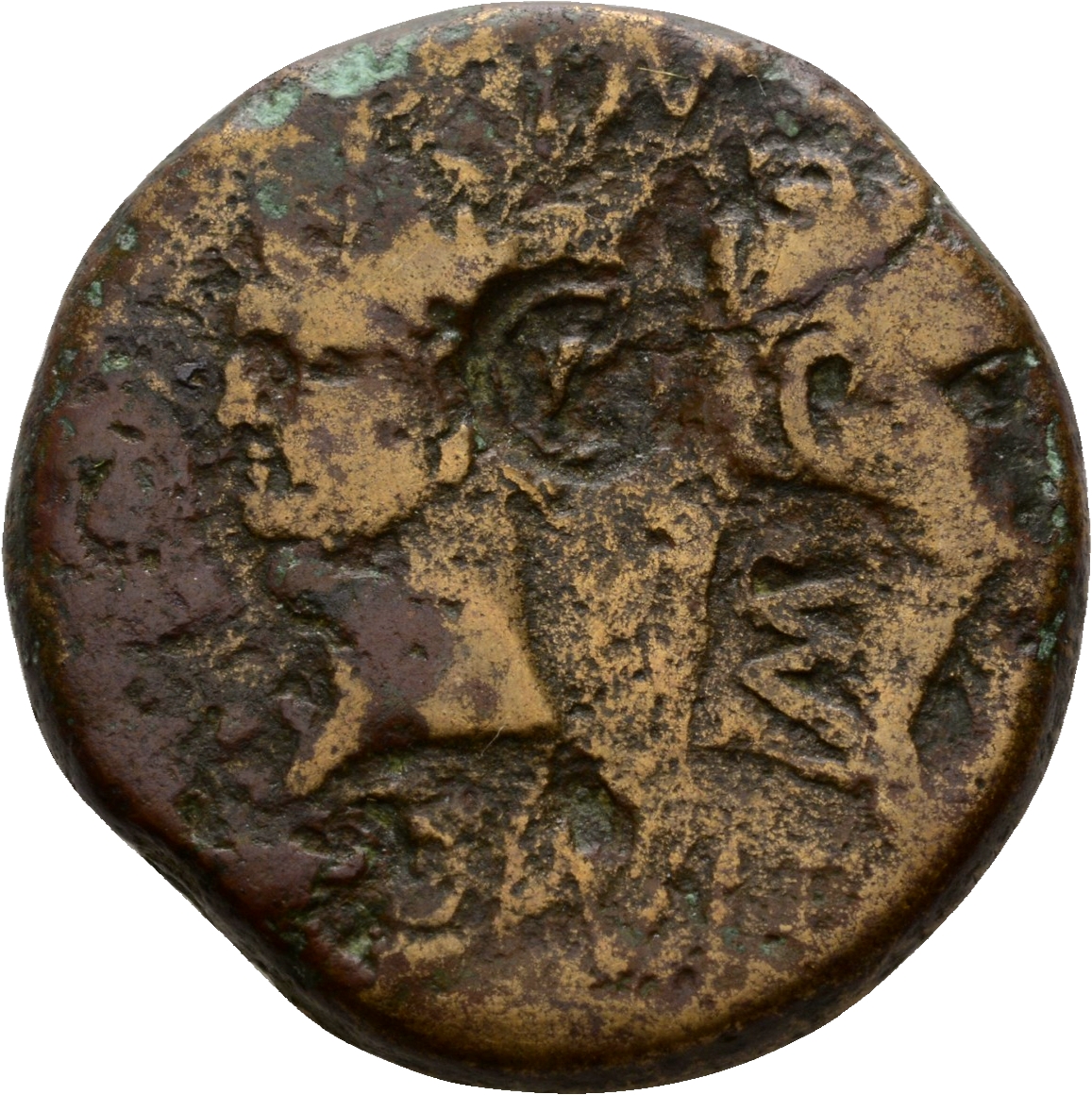
Roman As Coin of Agrippa from Barletta
3rd consulship of Agrippa
A bronze Roman as coin minted during Agrippa's third consulship, found in the countryside near Barletta, Italy.
A coin minted during Agrippa's own third consulship, found centuries later in the Italian countryside.
About this source
What it is
This is a bronze Roman as coin, minted during Marcus Agrippa's third consulship, found in a field in the territory of Barletta, Italy. It is privately owned and was photographed showing both sides: one with the letters S C (for a Senate decree) and partial lettering, the other with a profile portrait of a man.
Why it matters
Coins like this one were issued in connection with Agrippa's consulships, official positions that marked the height of Roman political power. A coin issued under his authority, surviving and found centuries later in Italian soil, is physical evidence of how his name and image circulated through everyday Roman life.
Look closer
- What does it mean that this coin was found by chance in a field, rather than kept in a museum collection from ancient times?
- What do the letters S C tell us about how Roman coins were officially approved?
- Why might ordinary coins be useful evidence for historians, compared to grand monuments or writings?
This artifact is part of the curated material that grounds the AI version of Marcus Vipsanius Agrippa on Humy.ai — when students ask about related events, the AI can quote it and cite it.
More Marcus Vipsanius Agrippa sources
Browse all 97 → Document
Secondary source
CIL VI, 896 (Pantheon Dedication Inscription)
126 (copying text of 27 BC)
 Sculpture
Primary source
Portrait of Marcus Vipsanius Agrippa (Gabii type)
c. 25–24 BC
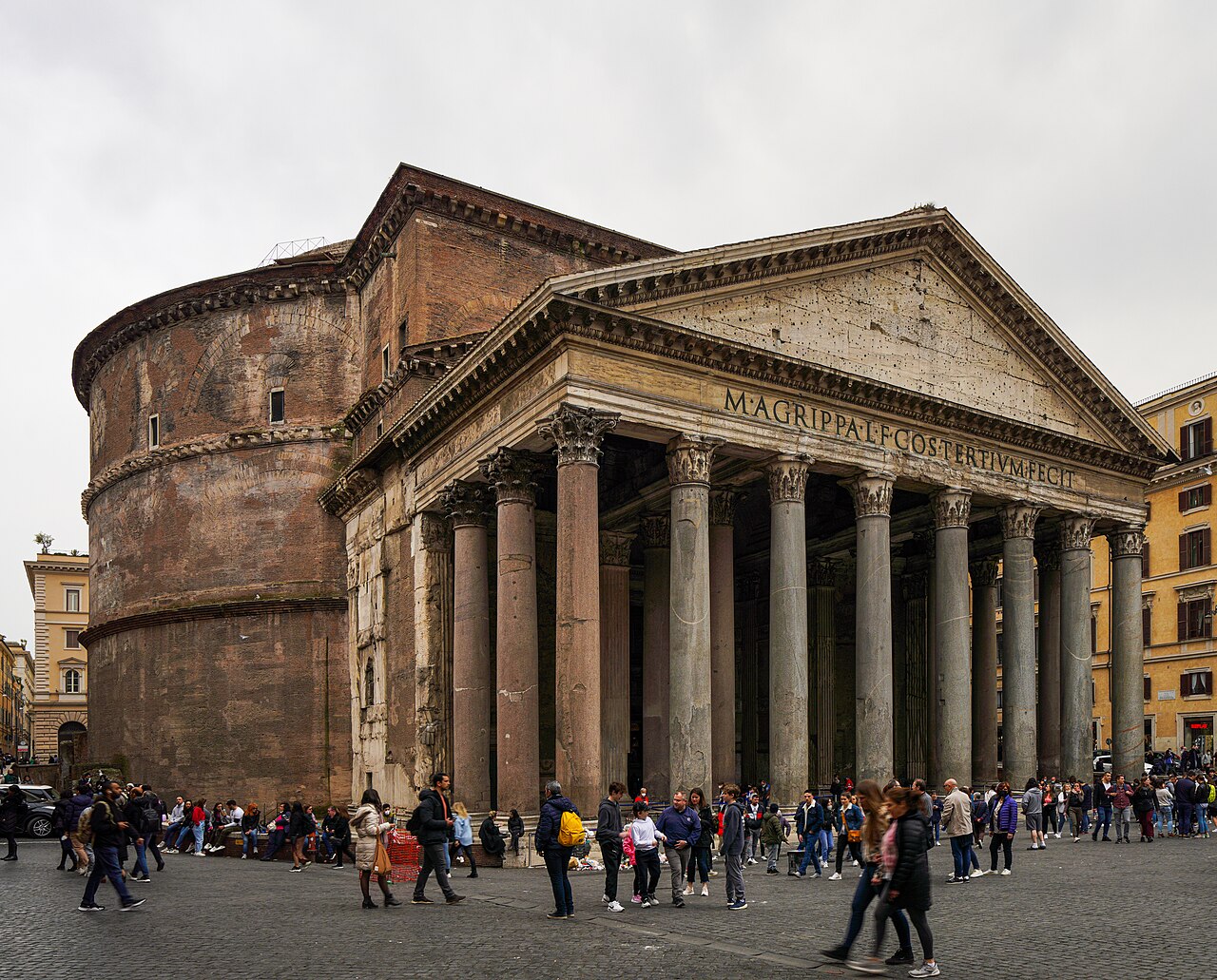 Artifact
Primary source
Pantheon
Hadrian · c. AD 126-128
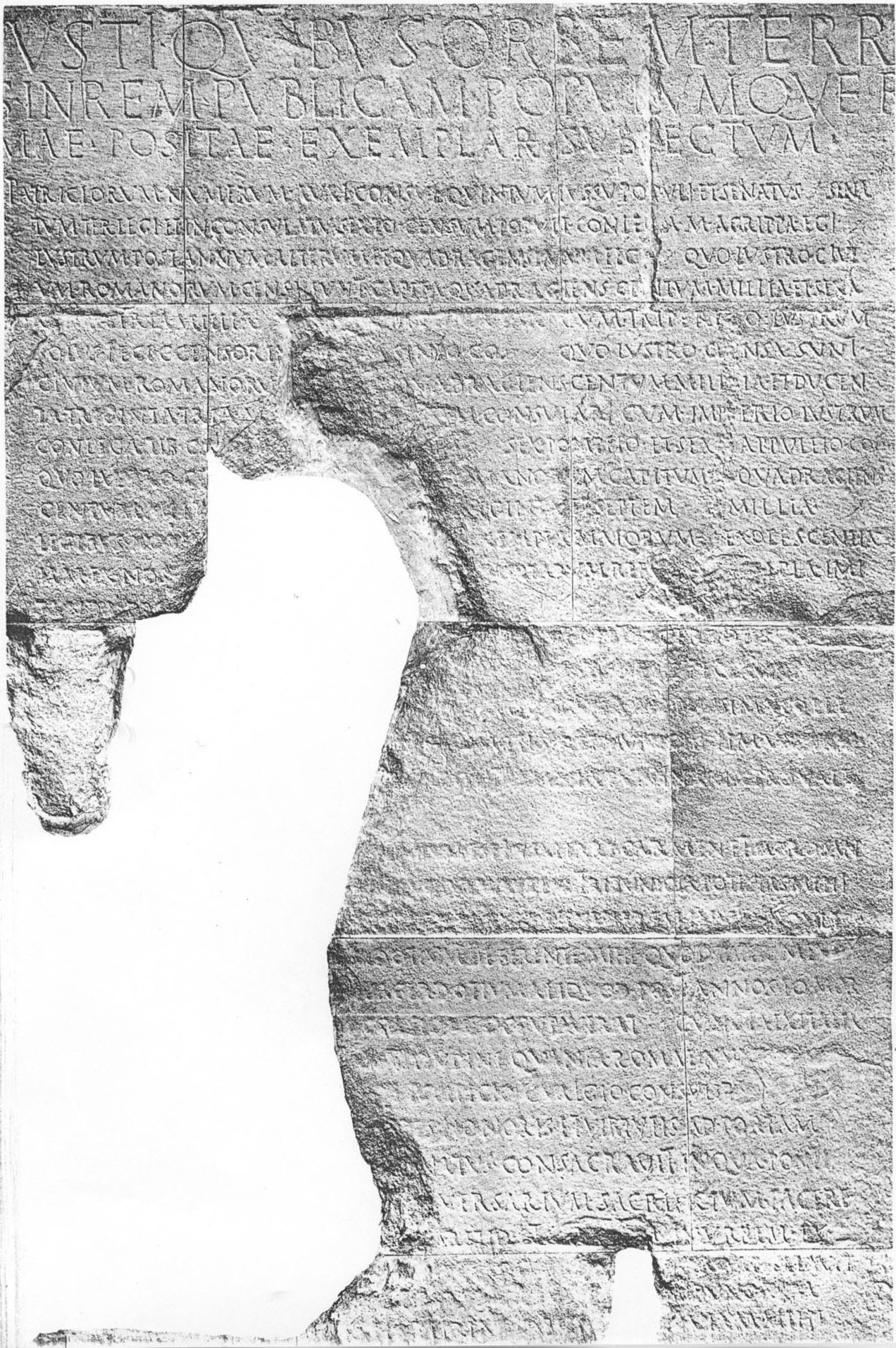 Document
Primary source
Res Gestae Divi Augusti
Augustus · 14 AD
Free account
Read every Marcus Vipsanius Agrippa source
Sign up free →
Ready when you are
Start chatting with Marcus Vipsanius Agrippa now.
20 messages free · No credit card · Available in 50+ languages.