


Primary sourceArtifactAD 37-38
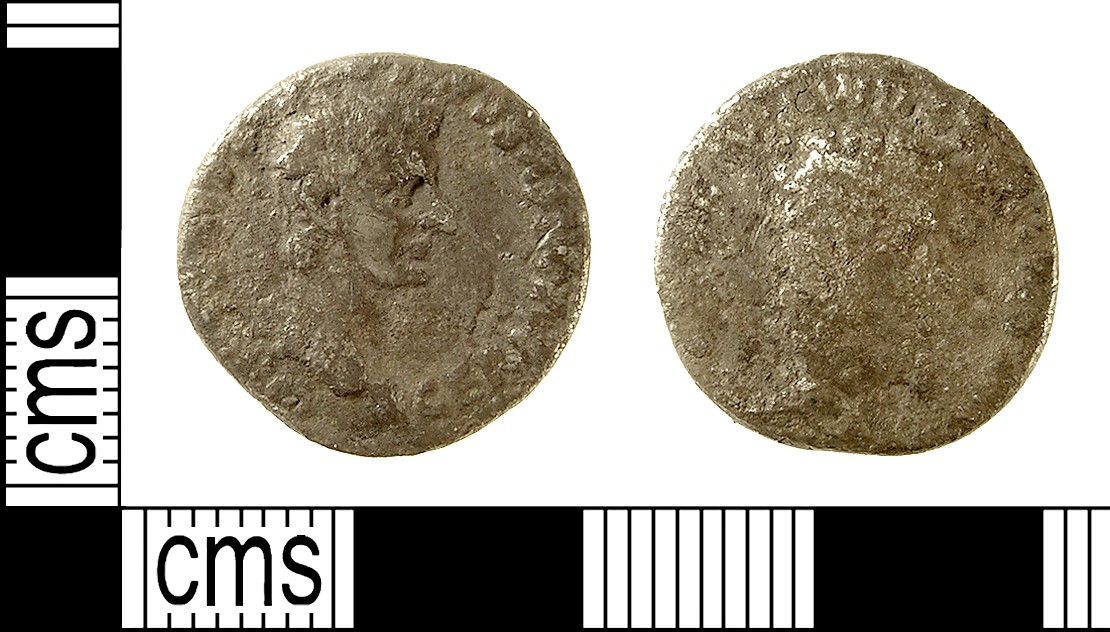
Roman Denarius of Caligula
AD 37-38
A worn silver coin minted at Lugdunum showing Caligula, with his father Germanicus on the reverse; found in Britain.
A coin minted during Caligula's own reign, showing his connection to his father Germanicus.
About this source
What it is
This is a complete silver denarius, a Roman coin, struck at Lugdunum (modern Lyon) between AD 37 and 38, during the reign of Caligula. The reverse shows the bare head of his father, Germanicus. It was found on the Isle of Wight and recorded by local archaeology staff.
Why it matters
Coins like this were made in huge numbers and travelled across the Roman Empire, carrying the emperor's image to ordinary people far from Rome, even to Britain before it was conquered. This coin links Caligula's reign to the wider empire and shows how emperors used money to spread their image and family connections.
Look closer
- Why might an emperor put his father's image on his own coin?
- What does the coin's wear tell you about how long it was used?
- What does finding a Roman coin in Britain suggest about trade and travel at the time?
This artifact is part of the curated material that grounds the AI version of Caligula on Humy.ai — when students ask about related events, the AI can quote it and cite it.
More Caligula sources
Browse all 88 →
Ready when you are
Start chatting with Caligula now.
20 messages free · No credit card · Available in 50+ languages.