


Primary sourceArtifact
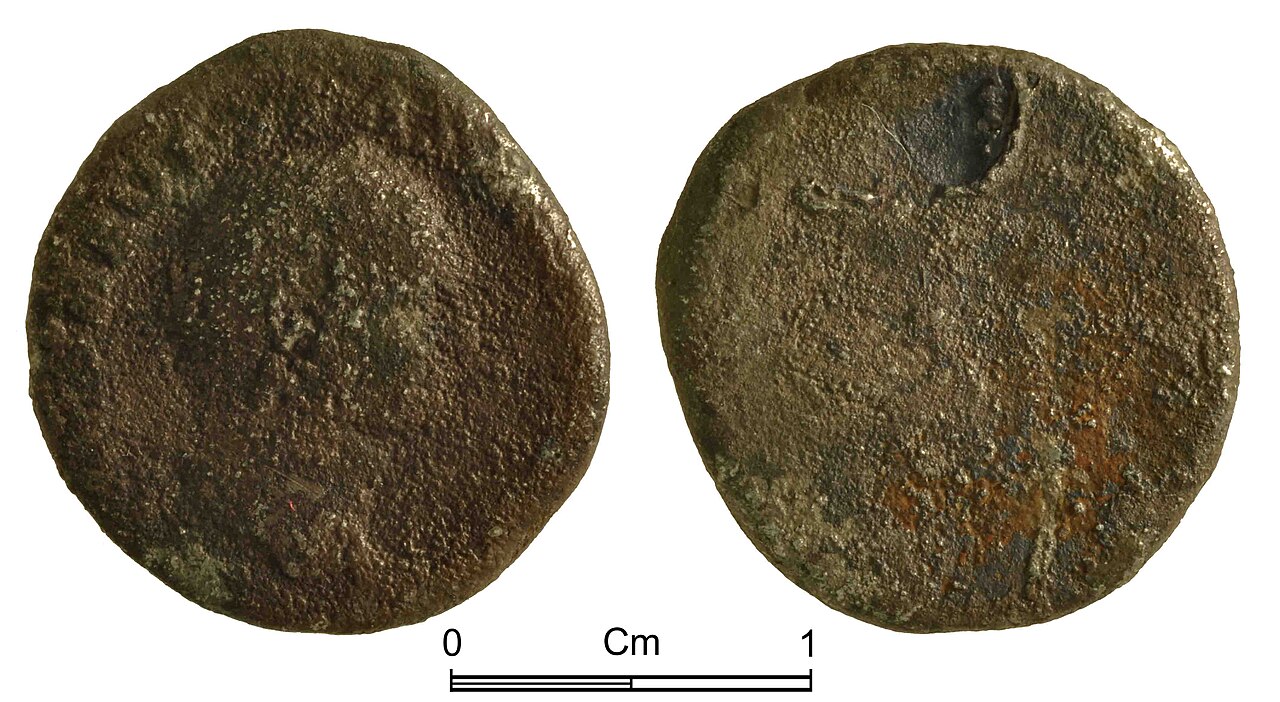
Roman denarius of Emperor Vespasian, minted in Rome
A corroded Roman denarius of Emperor Vespasian, minted in Rome. The surface is so worn that its portrait and lettering are hard to read.
A worn coin of Vespasian, the emperor Pliny the Elder served, showing the money of his reign.
About this source
What it is
This is a Roman denarius of Emperor Vespasian, recorded as minted in Rome. The photographs show a corroded, dark brown coin, front and back, with a centimetre scale bar beneath. The front has a faint, worn portrait and partial lettering. The back is worn and mostly unclear. The record gives no date beyond the word Roman.
Why it matters
Coins like this one moved through daily life across the empire and reflect the rule of Vespasian, whom Pliny the Elder served. Pliny's own writings describe the world of his time, and objects such as this help us see the money and images that surrounded him. Because the coin is so worn, it shows how much of the past survives only in fragments.
Look closer
- What parts of the coin can you still read, and what is lost?
- Why might a worn coin still be useful to a historian?
- What does this object not tell us about the people who handled it?
This artifact is part of the curated material that grounds the AI version of Pliny the Elder on Humy.ai — when students ask about related events, the AI can quote it and cite it.
More Pliny the Elder sources
Browse all 84 →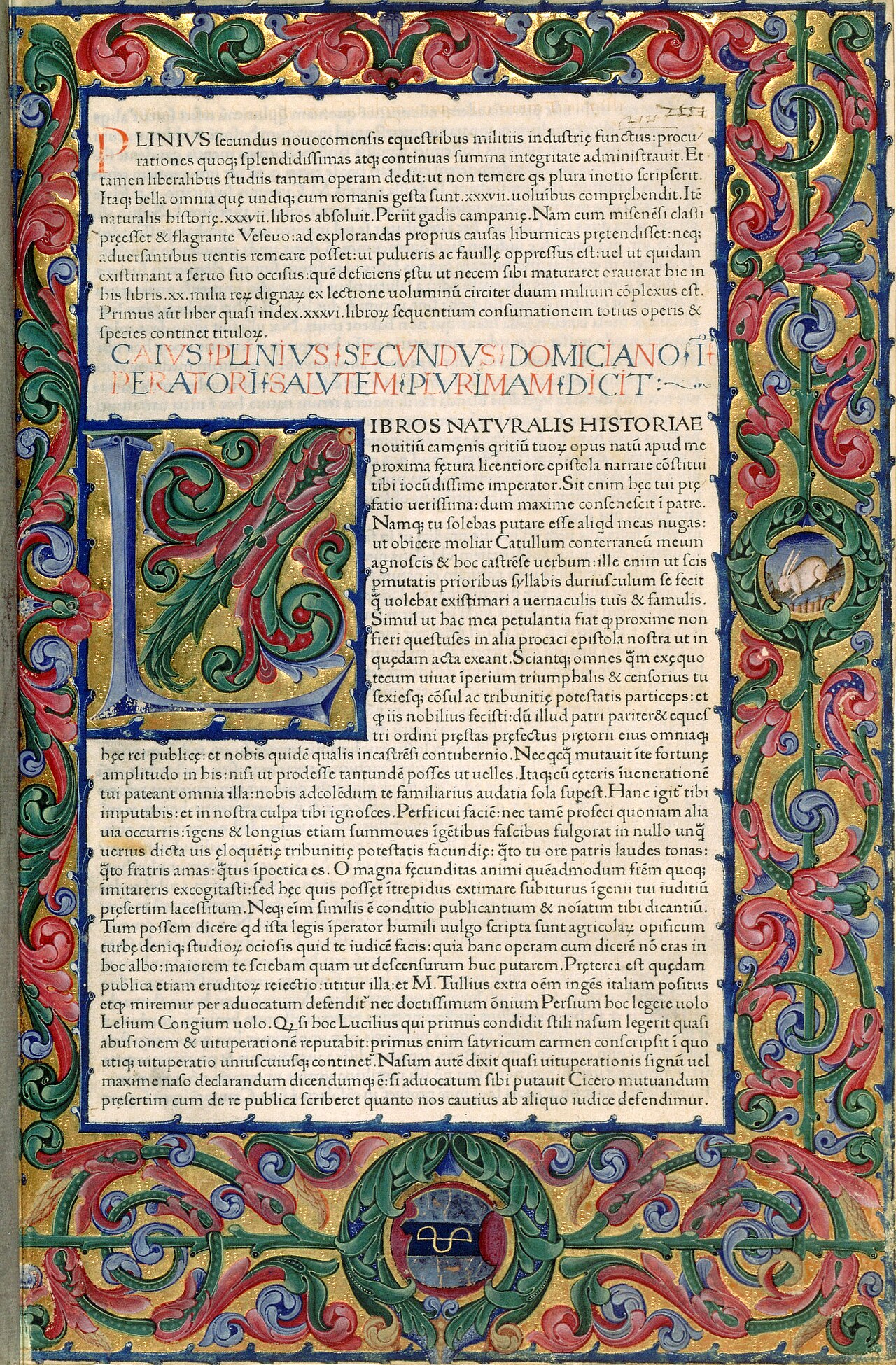 Book
Secondary source
Natural History
Pliny the Elder · 77-79 CE
 Sculpture
Secondary source
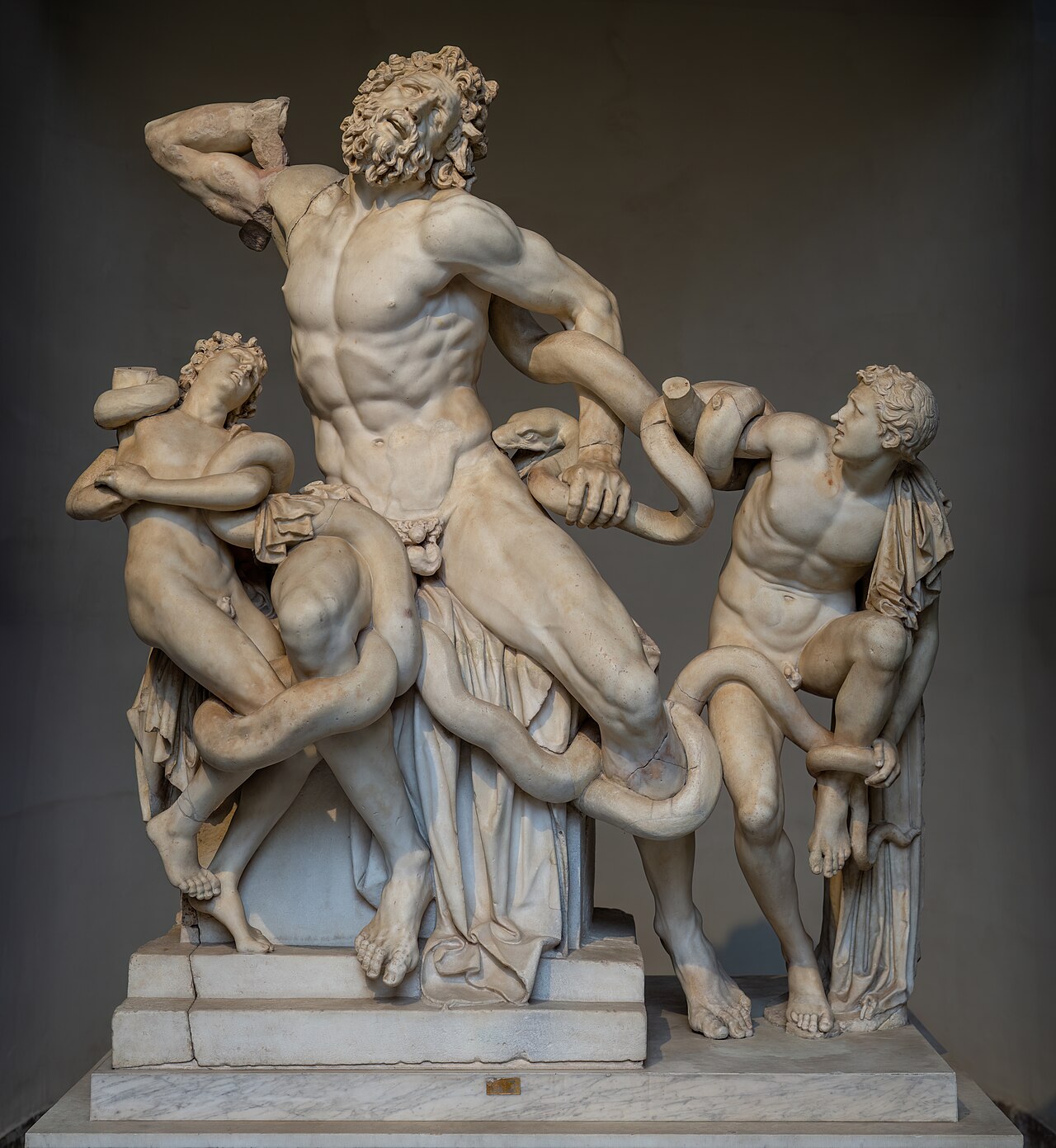
Laocoön and His Sons
Athanadoros · uncertain, Hellenistic to early Imperial period
 Book
Primary source
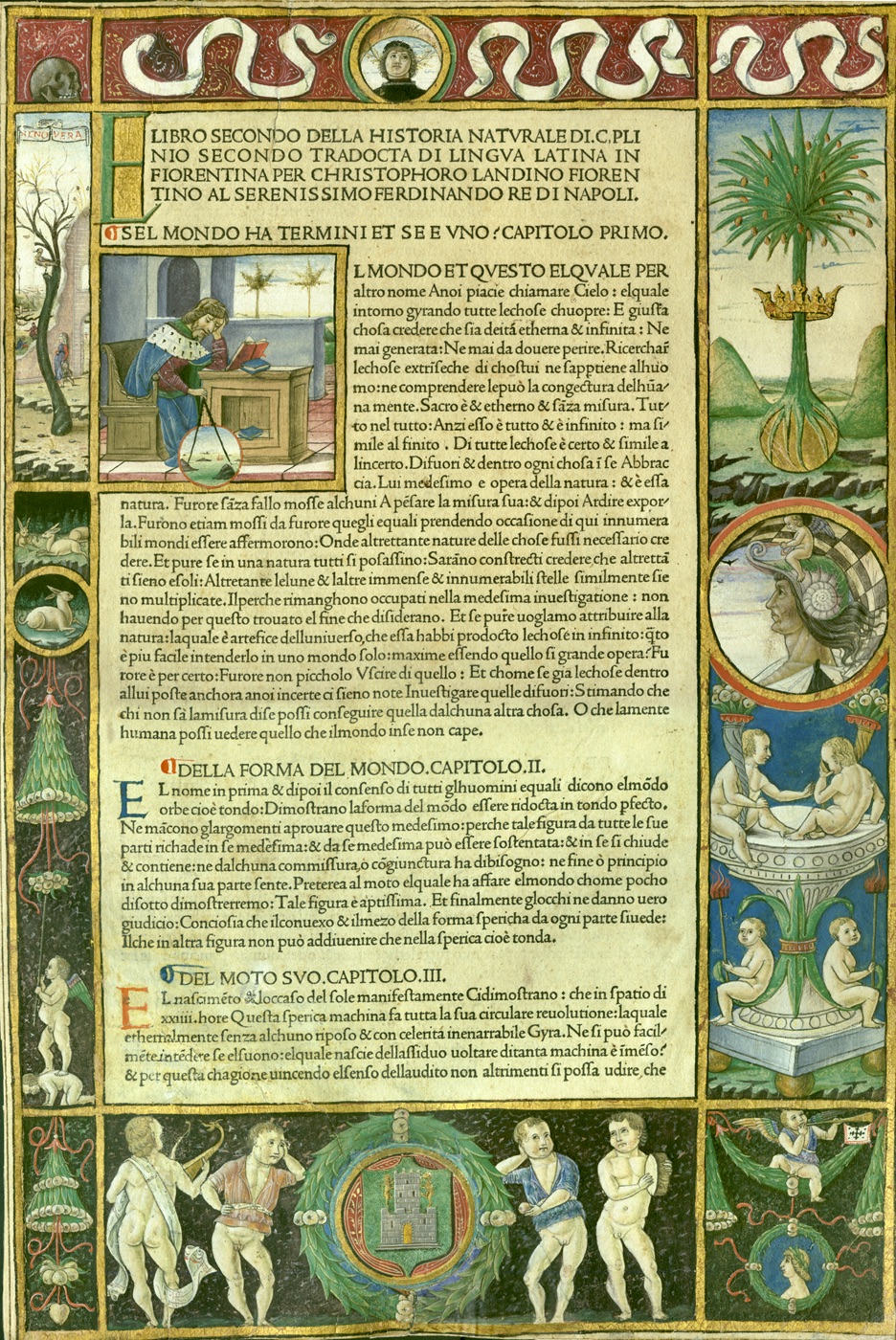
Naturalis historia Illuminated Initial Leaf
Pliny the Elder · c. 1476
 Book
Secondary source
The History of the World, Commonly Called the Naturall Historie of C. Plinius Secundus
Philemon Holland · 1601
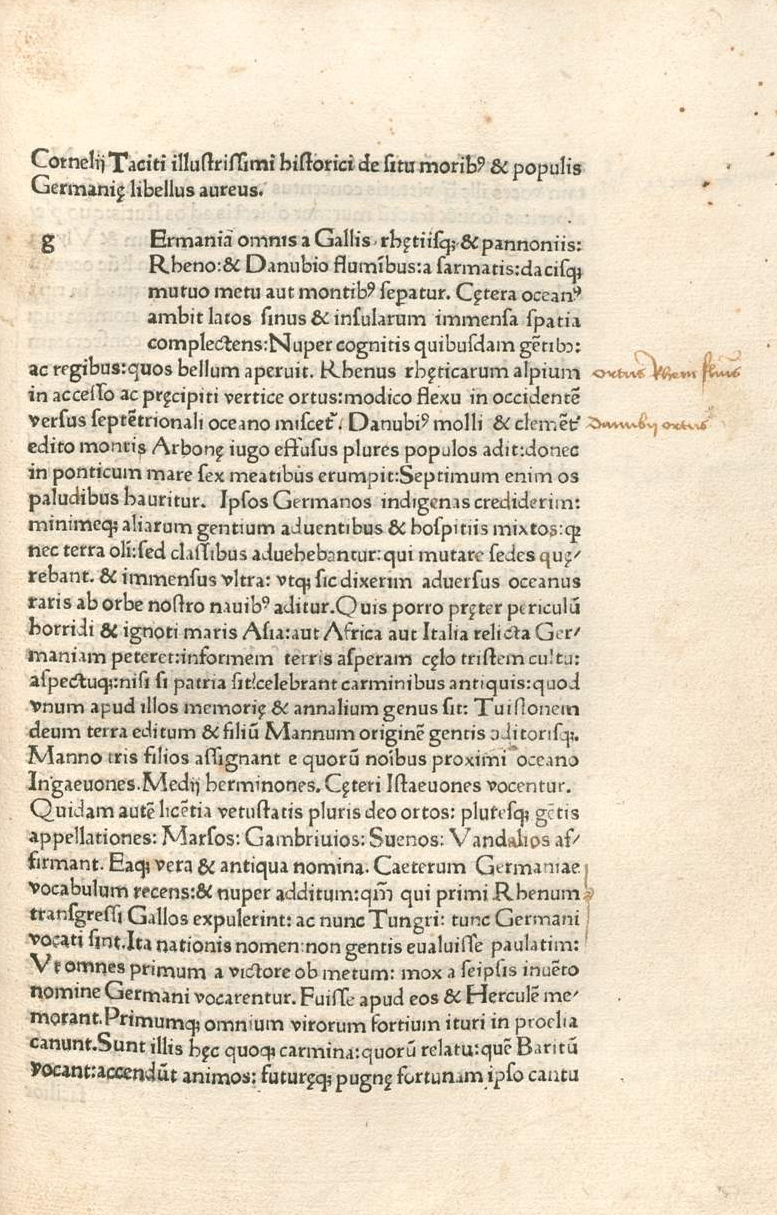
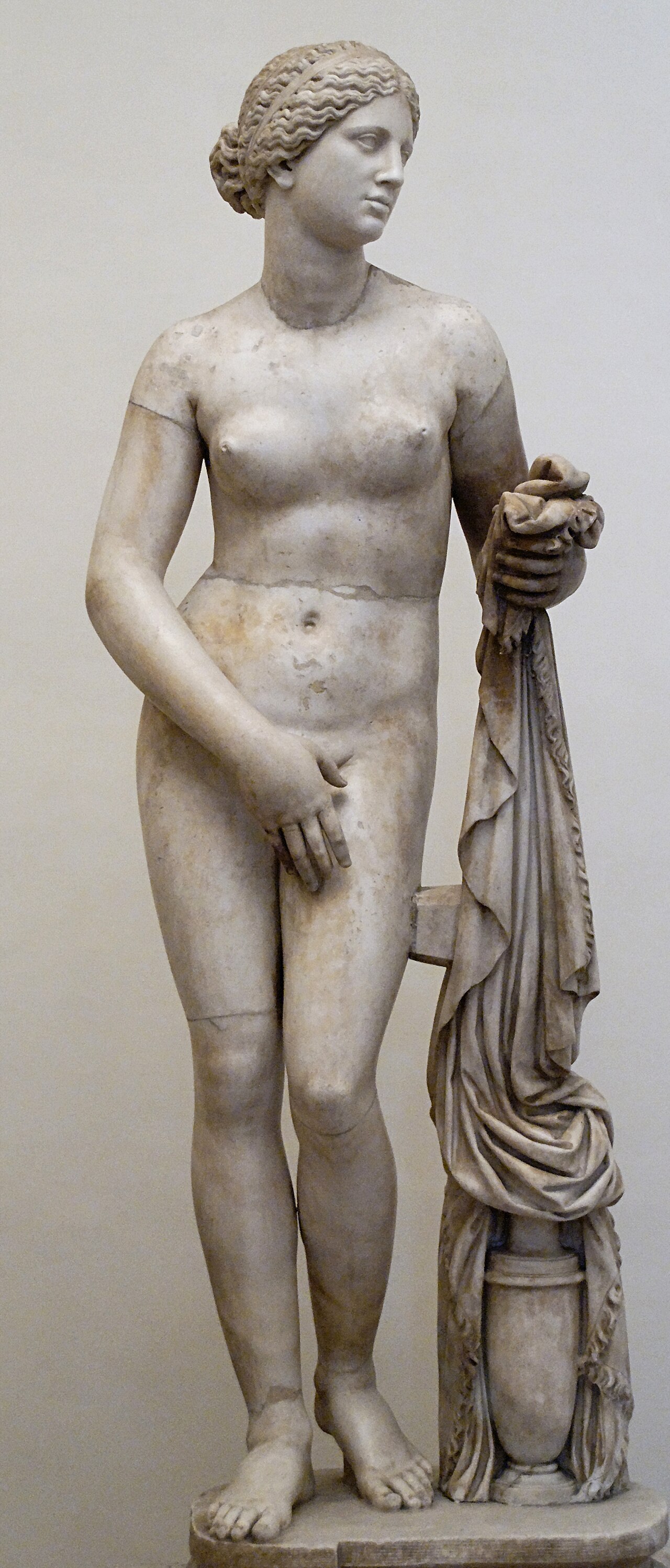
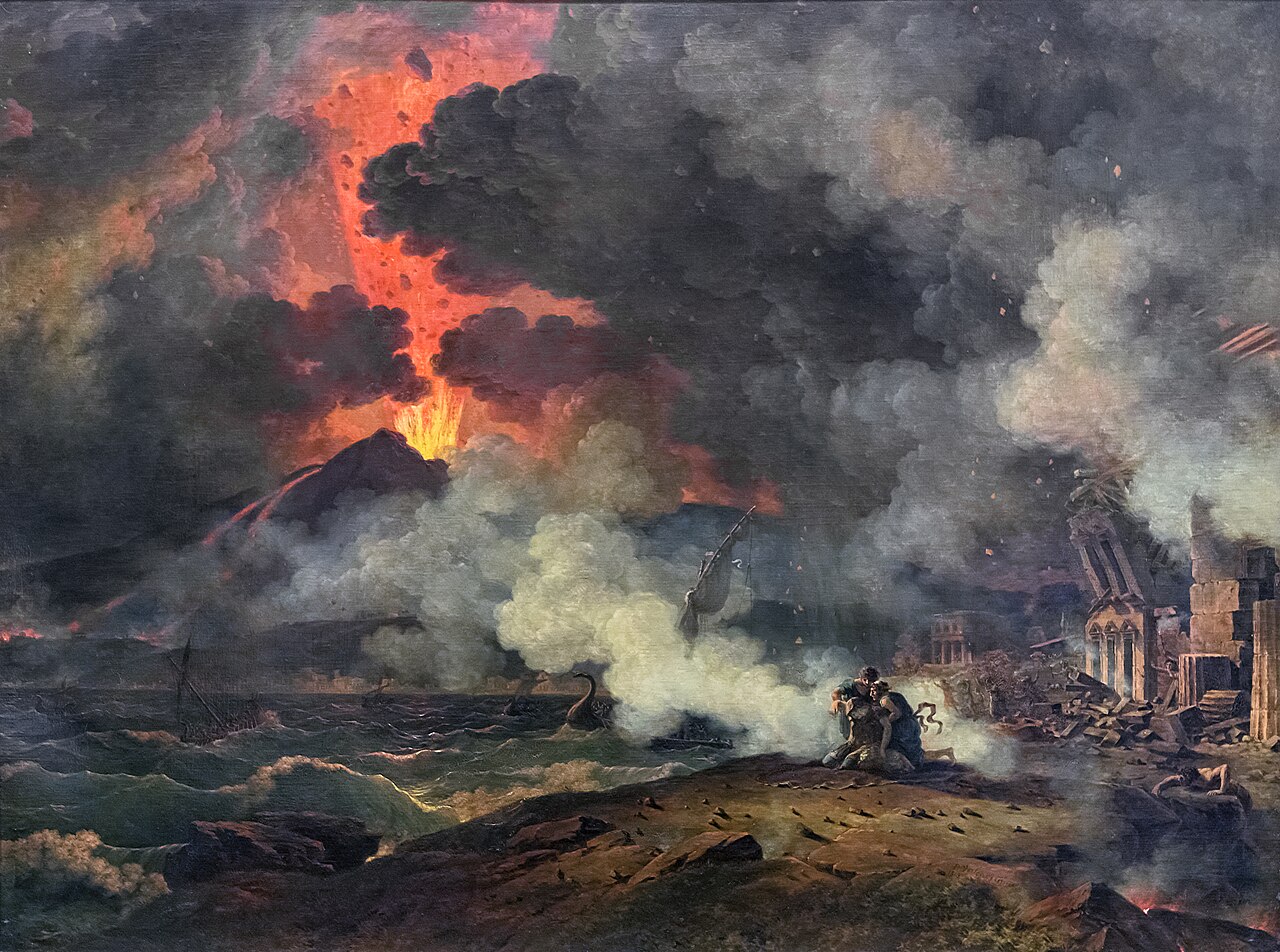
Free account
Read every Pliny the Elder source
Sign up free →
Ready when you are
Start chatting with Pliny the Elder now.
20 messages free · No credit card · Available in 50+ languages.