


Secondary sourceSculpture
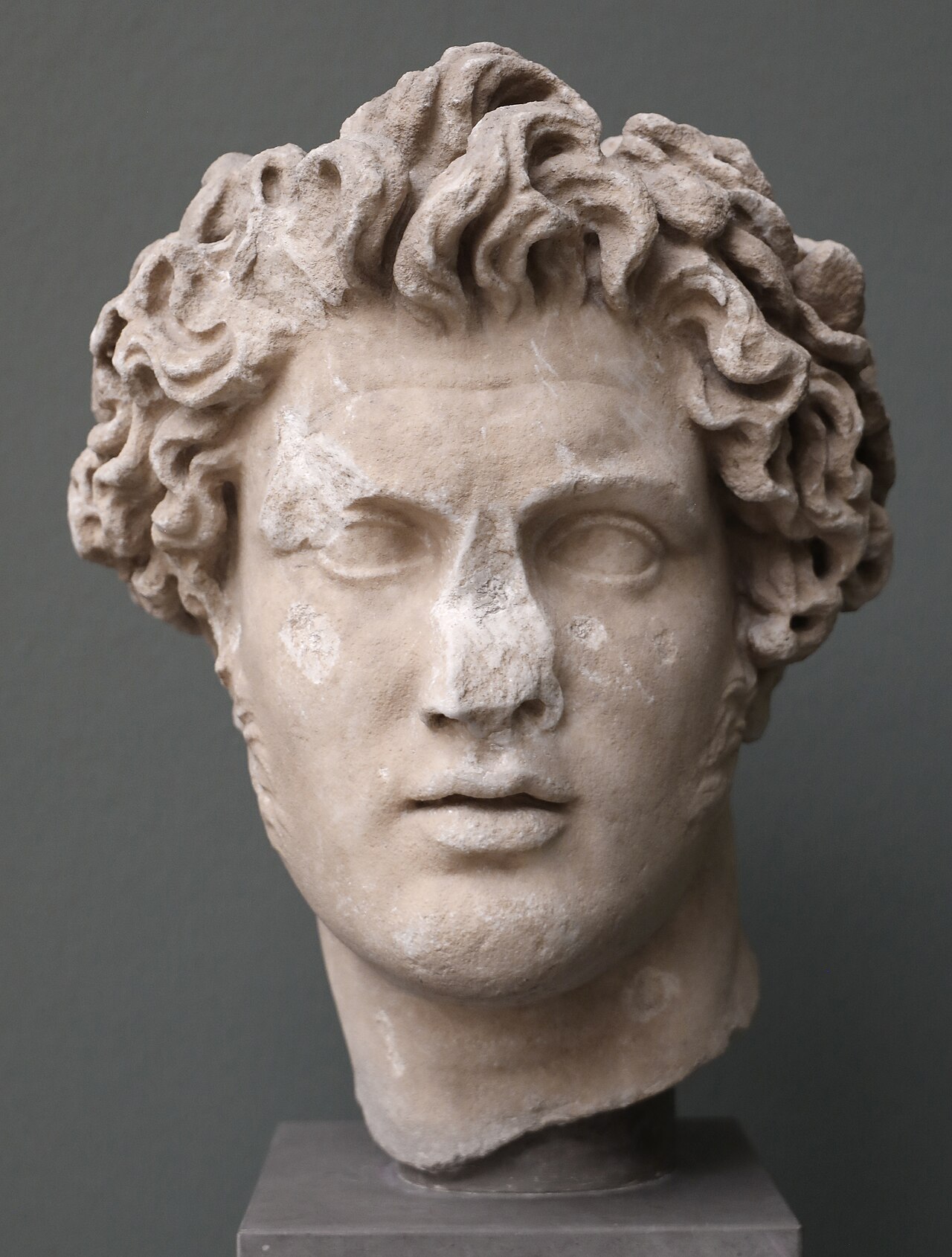
Roman marble bust of Pyrrhus
A Roman marble copy of a 3rd-century BC Greek bust believed to depict Pyrrhus, held in Copenhagen.
A Roman copy of an ancient Greek portrait identified as Pyrrhus, preserved in a museum collection.
About this source
What it is
This photograph shows a Roman marble bust copying a Greek original from the 3rd century BC, part of the ancient Roman bust collection at the Ny Carlsberg Glyptotek. It depicts a young man with short, wavy, tousled hair, a straight nose, and full lips.
Why it matters
This bust is another surviving copy of an ancient portrait tradition associated with Pyrrhus. Multiple Roman copies of such portraits suggest the image of the king was reproduced and valued long after his death, as Romans studied the history of their earlier enemies and rivals.
Look closer
- How does this bust compare to other busts identified as Pyrrhus?
- Why might Romans have wanted copies of portraits of a king they had fought against?
- What can and can't a bust like this tell us about a historical figure's true appearance?
This sculpture is part of the curated material that grounds the AI version of Pyrrhus of Epirus on Humy.ai — when students ask about related events, the AI can quote it and cite it.
More Pyrrhus of Epirus sources
Browse all 78 →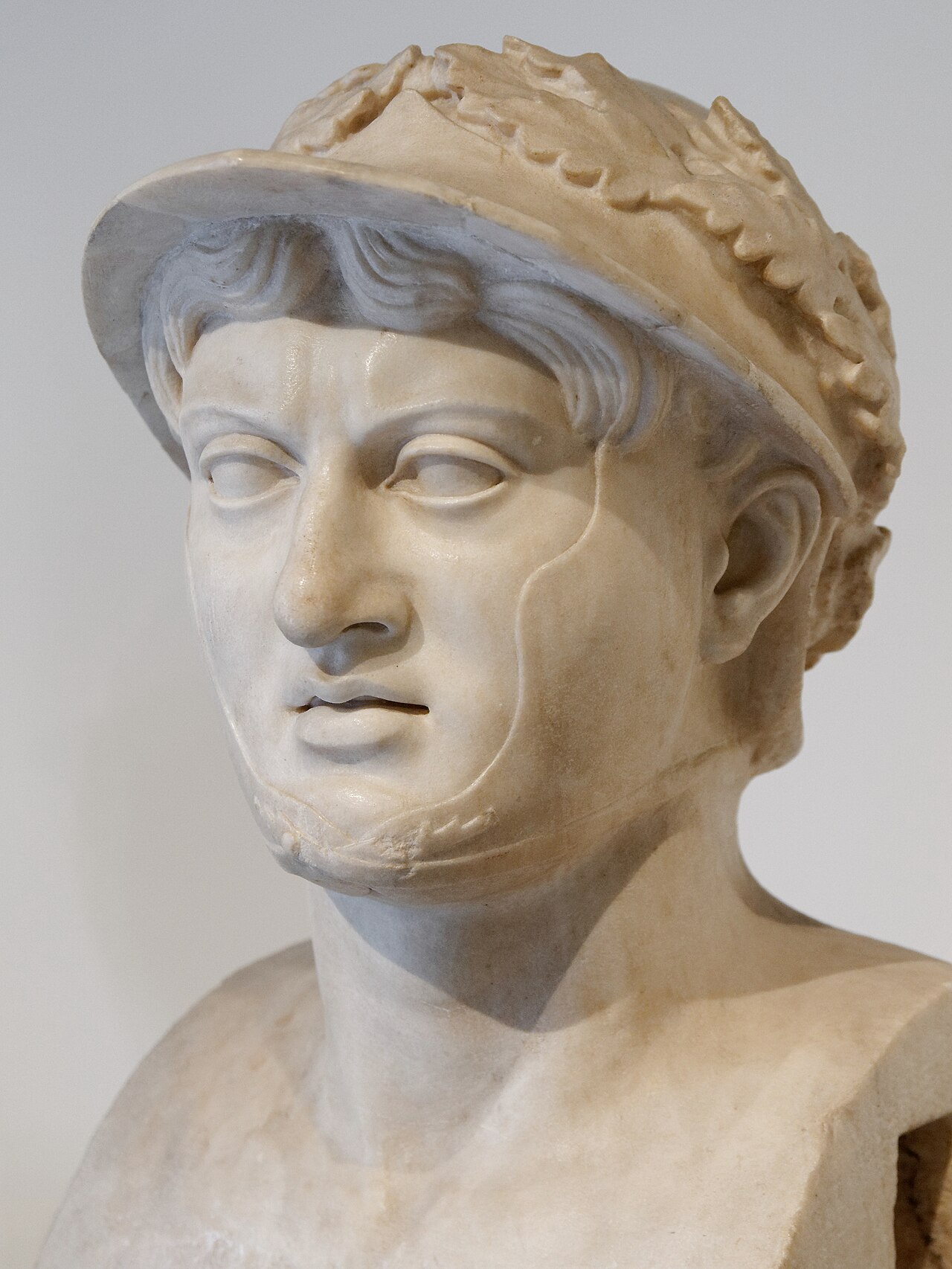
Ready when you are
Start chatting with Pyrrhus of Epirus now.
20 messages free · No credit card · Available in 50+ languages.