


Secondary sourceBook1905
Rome Becomes a Monarchy
Henry George Liddell · 1905
A chapter from a 1905 history book on the struggle for power after Julius Caesar's death. It describes the young Octavius forming a close friendship with Agrippa, a man of his own age with great abilities.
This later history names Agrippa as the close friend Octavius made during the years of civil conflict, placing him in the story of Rome's rise to monarchy.
Free Humy account · No credit card · 120,912 sources to read
About this source
What it is
This is a chapter from The Great Events by Famous Historians, published in 1905. The passage on the page is titled 'Rome Becomes a Monarchy' and covers the years 44 to 30 BCE. The opening text is credited to Henry George Liddell. It describes the confusion after Caesar's death, the rivalry between Antony and Octavius, and the triumvirate that divided power. The passage names Agrippa as a young man of Octavius's own age who had great abilities and became his close friend.
Why it matters
This is a later account, written more than nineteen centuries after the events, so it shows how a historian of the early 1900s understood this period. It connects Agrippa to Octavius, who later became the sole ruler of Rome. The chapter also names Antony, Lepidus and Caesar, showing how the alliances and rivalries of these men shaped the Roman state.
Look closer
- Which people does the author describe in most detail, and what does that choice suggest about what he thought mattered?
- How might a history written in 1905 differ from a source written during the events themselves?
- What does this short passage leave out about Agrippa's own words or actions?
This book is part of the curated material that grounds the AI version of Marcus Vipsanius Agrippa on Humy.ai — when students ask about related events, the AI can quote it and cite it.
More Marcus Vipsanius Agrippa sources
Browse all 97 → Document
Secondary source
CIL VI, 896 (Pantheon Dedication Inscription)
126 (copying text of 27 BC)
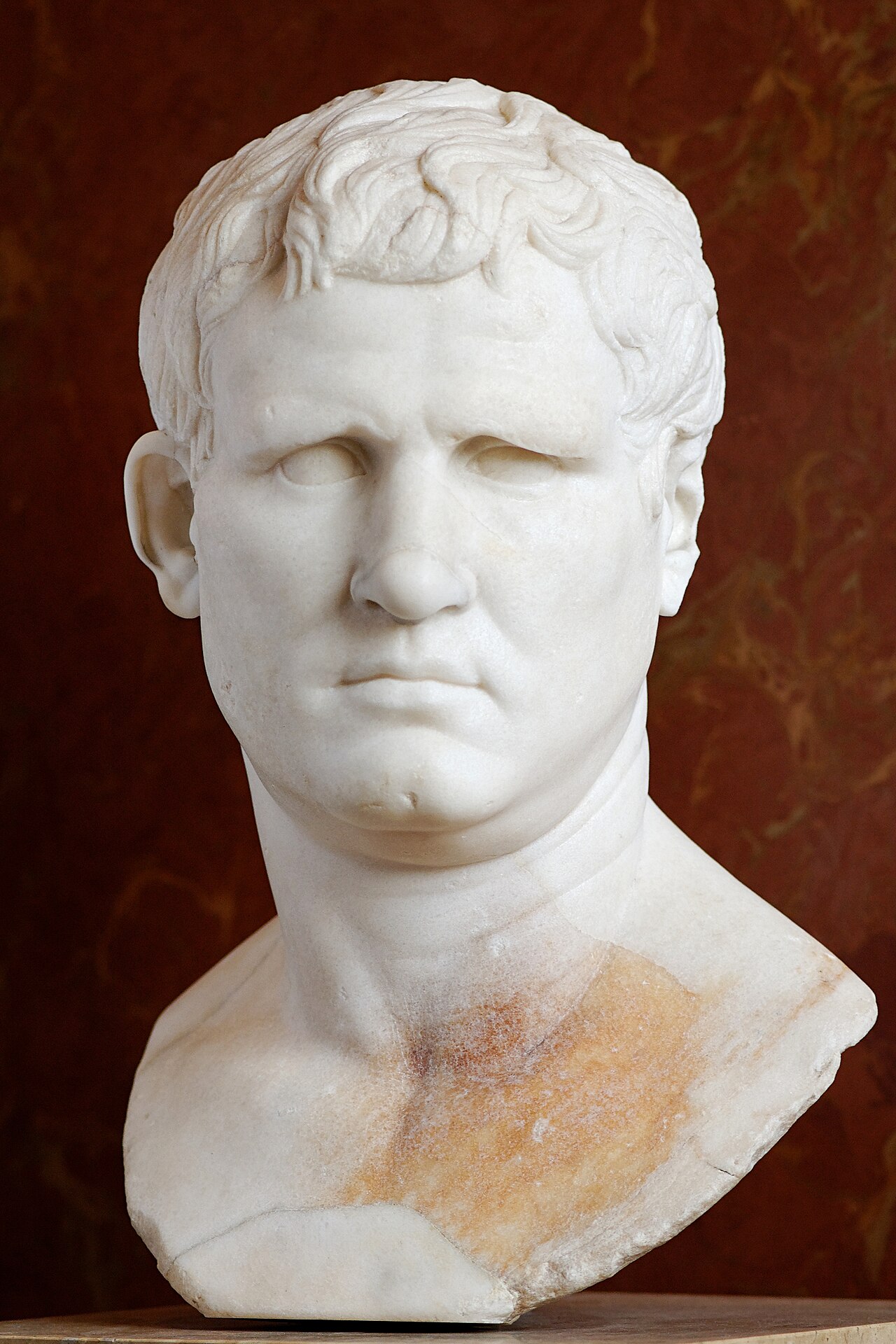 Sculpture
Primary source
Portrait of Marcus Vipsanius Agrippa (Gabii type)
c. 25–24 BC
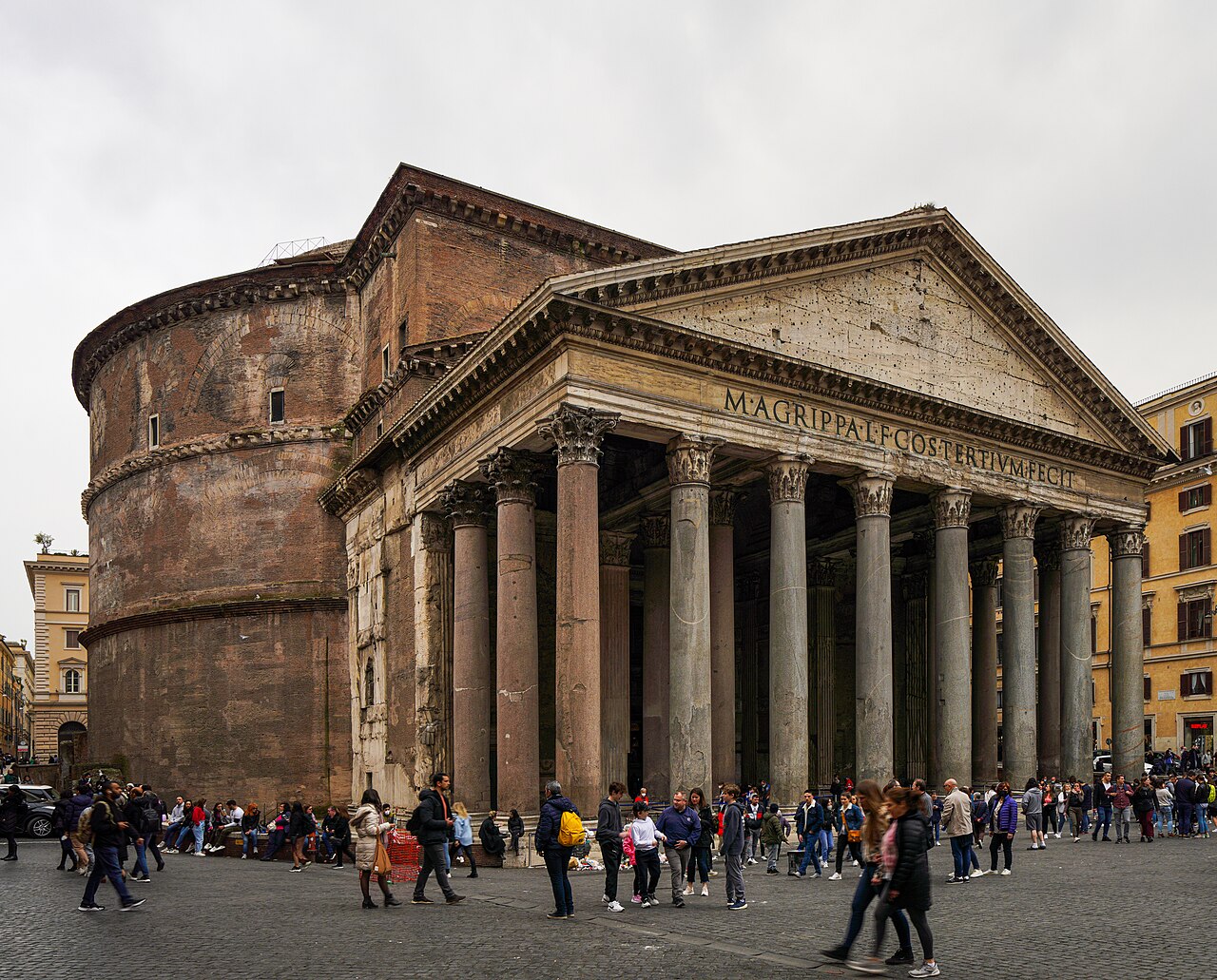 Artifact
Primary source
Pantheon
Hadrian · c. AD 126-128
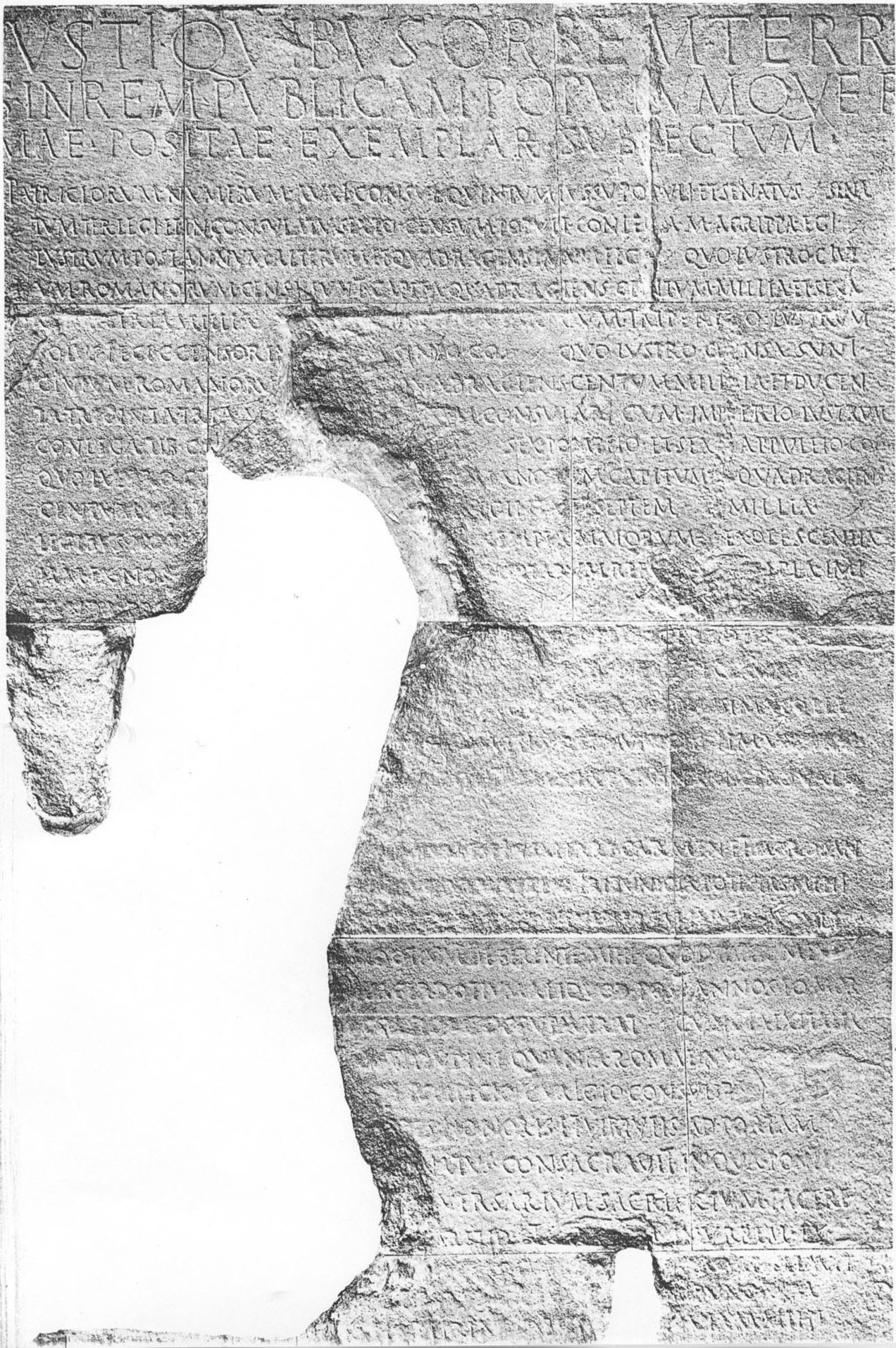 Document
Primary source
Res Gestae Divi Augusti
Augustus · 14 AD
Free account
Read every Marcus Vipsanius Agrippa source
Sign up free →
Ready when you are
Start chatting with Marcus Vipsanius Agrippa now.
20 messages free · No credit card · Available in 50+ languages.