


Primary sourcePainting1672
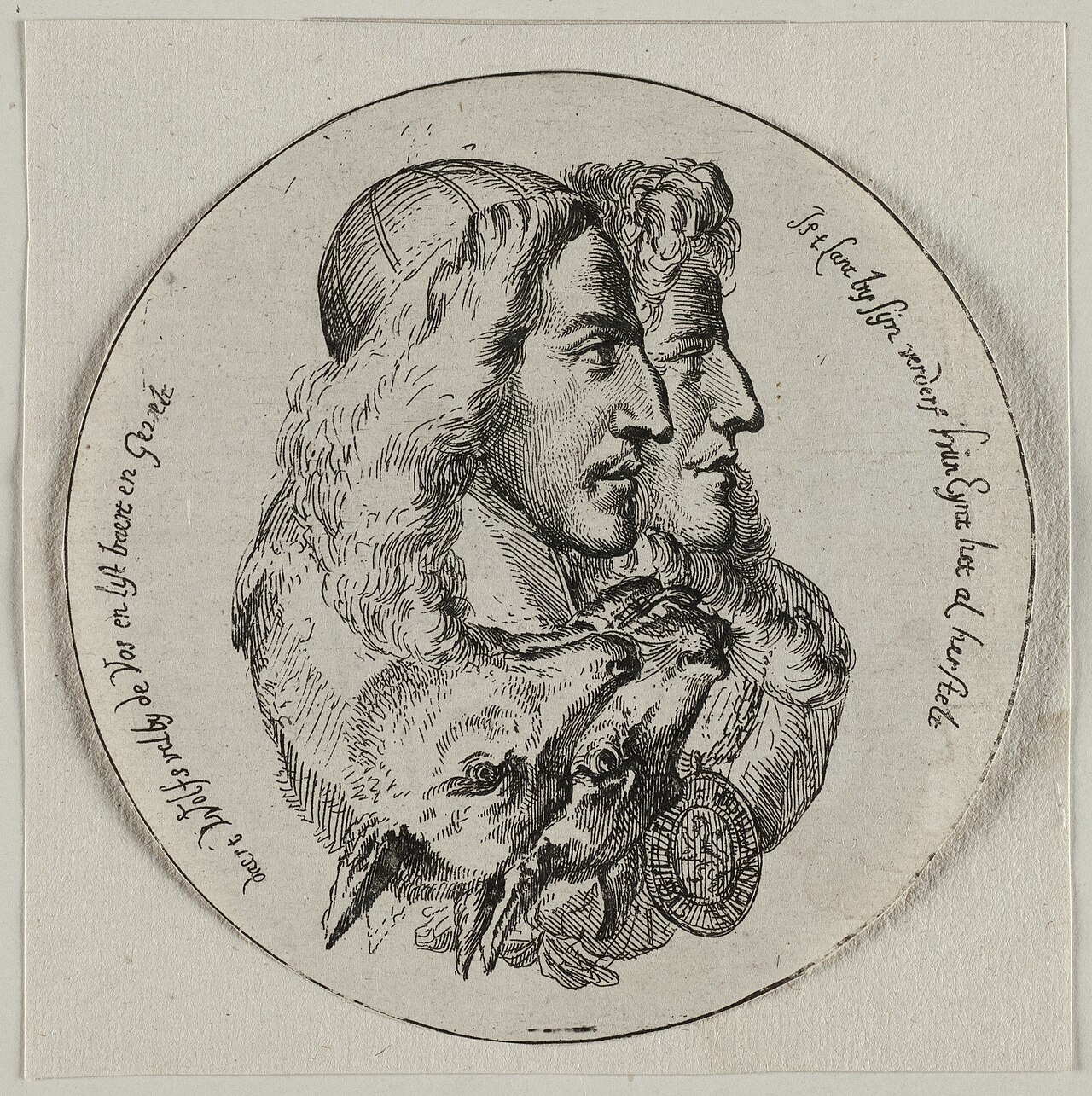
Round Portrait Print of the De Witt Brothers
Romeyn de Hooghe · 1672
A 1672 satirical print by Romeyn de Hooghe showing the De Witt brothers, part of a series on William III and his opponents, made in the year the brothers died.
A satirical portrait of Johan de Witt made the year he died, showing how he was mocked as an opponent of William III.
About this source
What it is
This round etching, made in 1672 by Romeyn de Hooghe, shows portraits of Johan and Cornelis de Witt. It is the fifth print in a series of six portraits of William III and his opponents from that year, each surrounded by a two-line verse. When turned upside down, the print reveals the heads of a fox and a wolf.
Why it matters
This print is a sharp piece of political satire from the year the De Witt brothers were killed. By hiding animal heads within the portrait, the artist mocked the brothers as cunning or dangerous, showing how propaganda was used to shape public opinion against fallen leaders.
Look closer
- Can you find the hidden animal shapes, and what might a fox and wolf symbolize?
- Why would an artist hide an insult inside a portrait instead of showing it openly?
- What does this print suggest about how the brothers were viewed after their deaths?
This painting is part of the curated material that grounds the AI version of Johan de Witt on Humy.ai — when students ask about related events, the AI can quote it and cite it.
More Johan de Witt sources
Browse all 70 →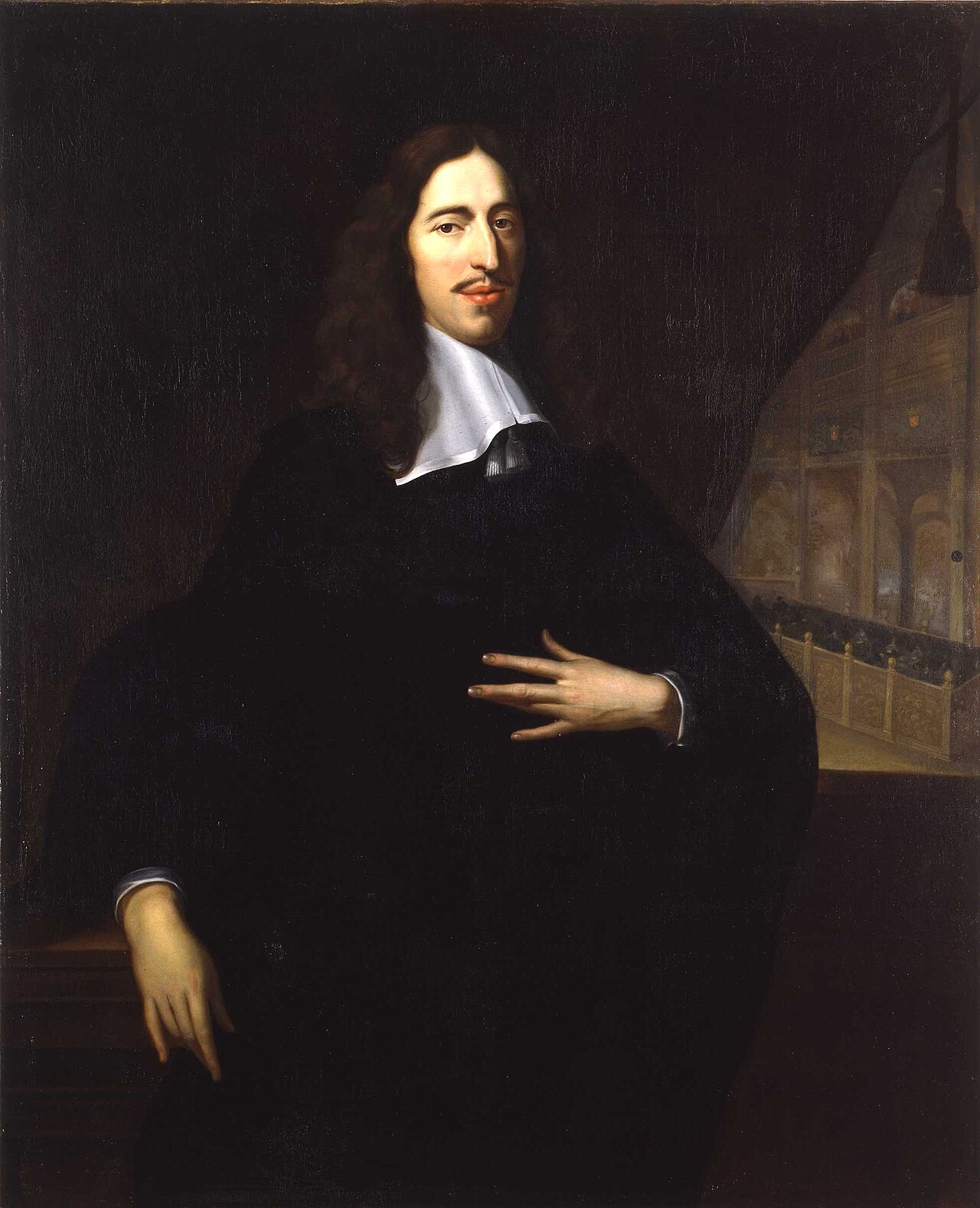 Painting
Primary source
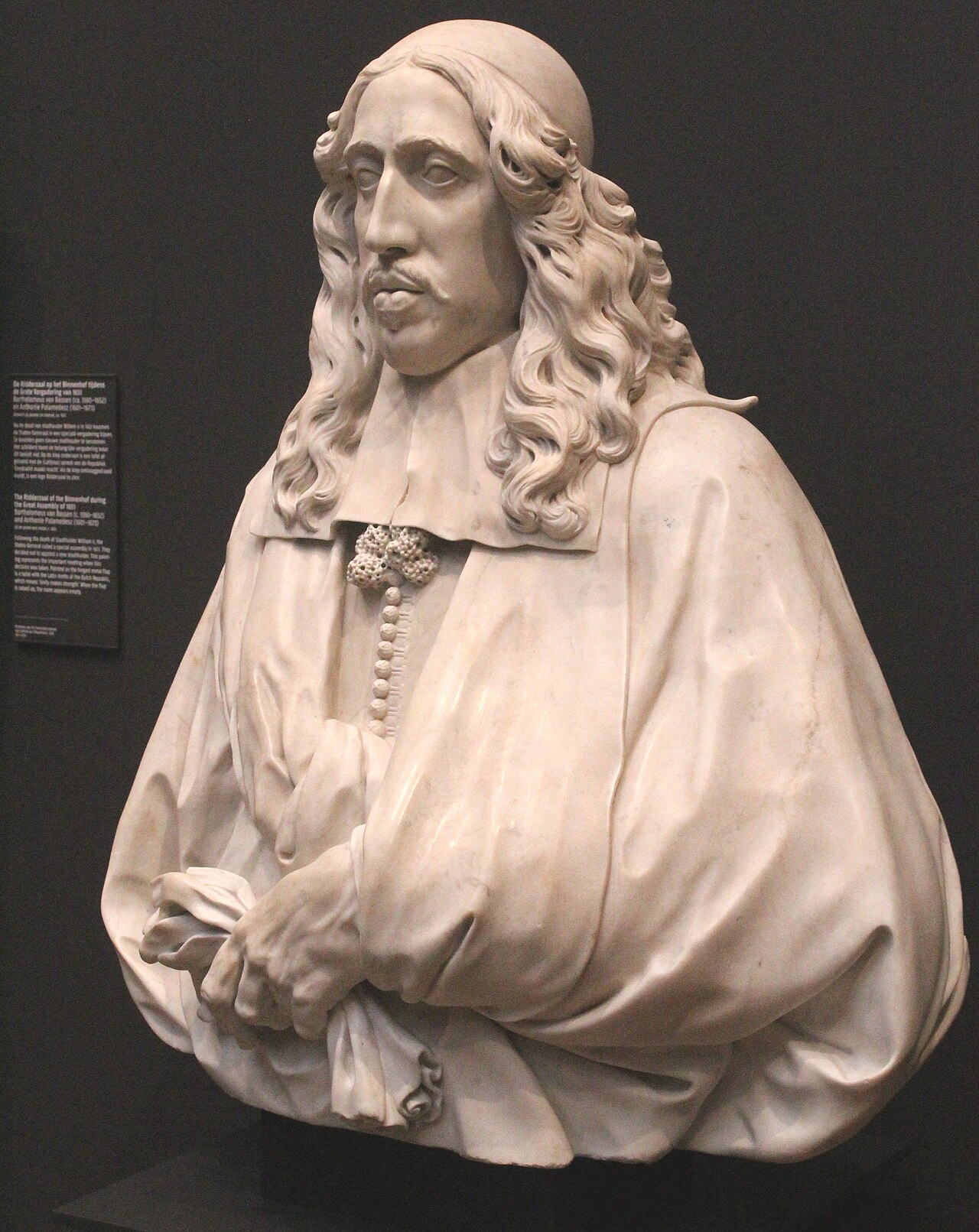
Portrait of Johan de Witt (Jan de Baen, 1669)
Jan de Baen · 1669
 Painting
Primary source
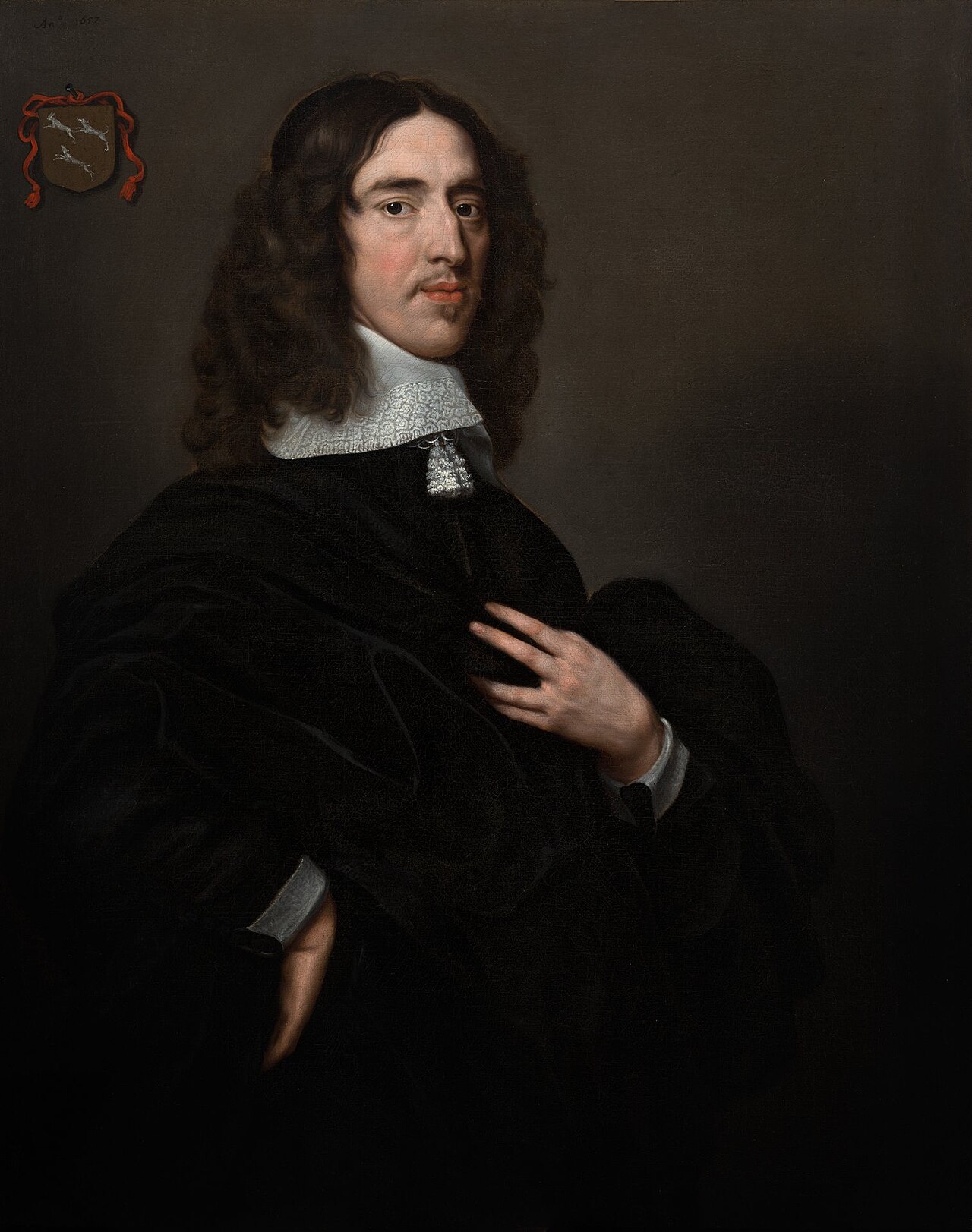
Portrait of Johan de Witt (Hanneman)
Adriaen Hanneman · c. 1652
 Book
Primary source
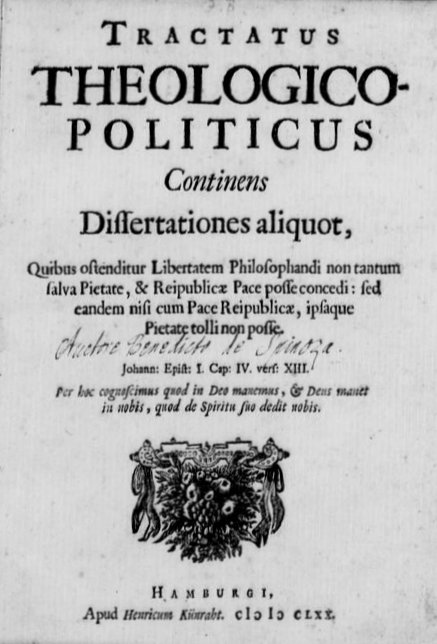
Tractatus Theologico-Politicus
Benedictus de Spinoza · 1670
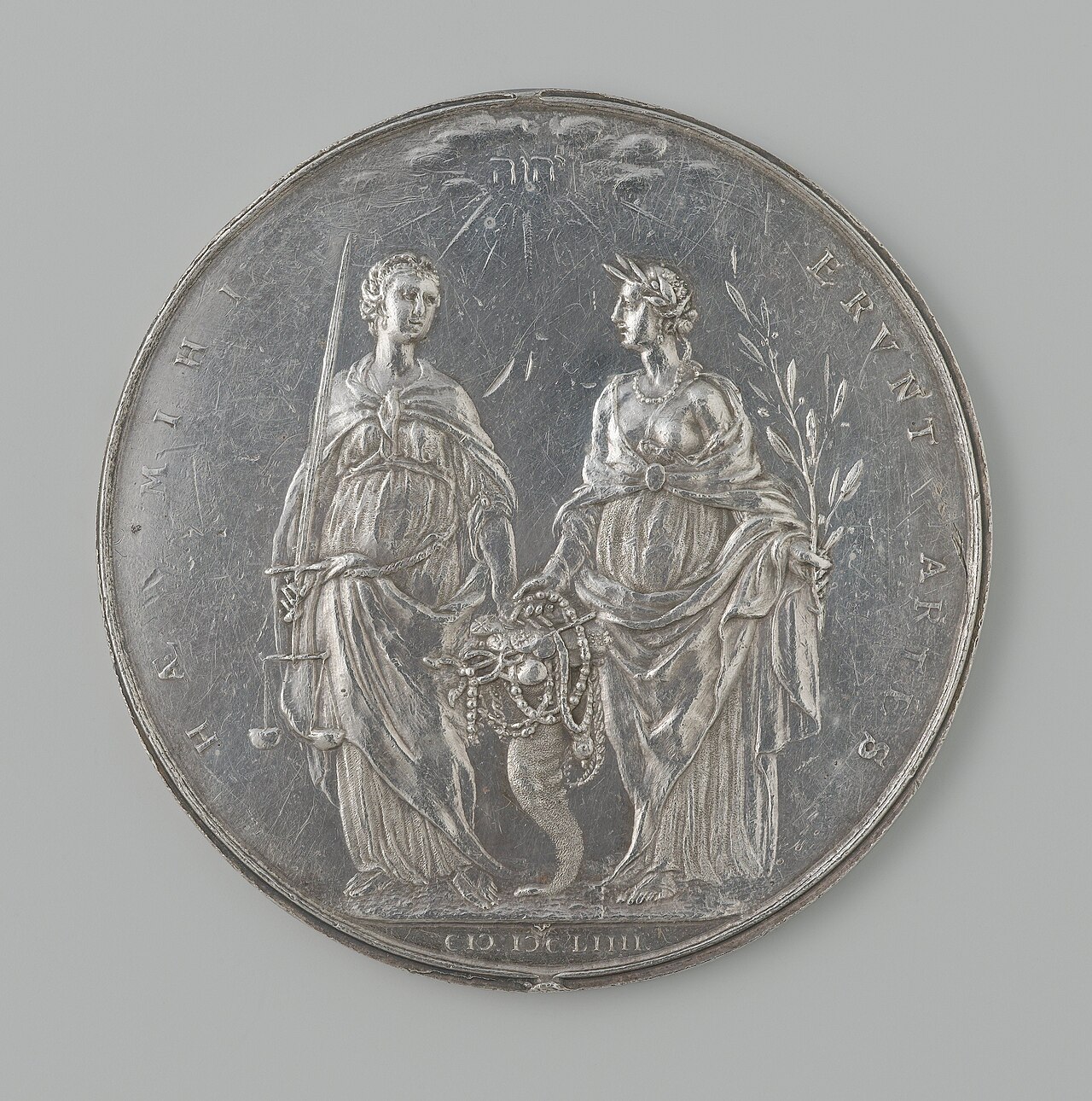 Document
Primary source
Treaty of Westminster
1654
Free account
Read every Johan de Witt source
Sign up free →
Ready when you are
Start chatting with Johan de Witt now.
20 messages free · No credit card · Available in 50+ languages.