


Primary sourceDocument1772
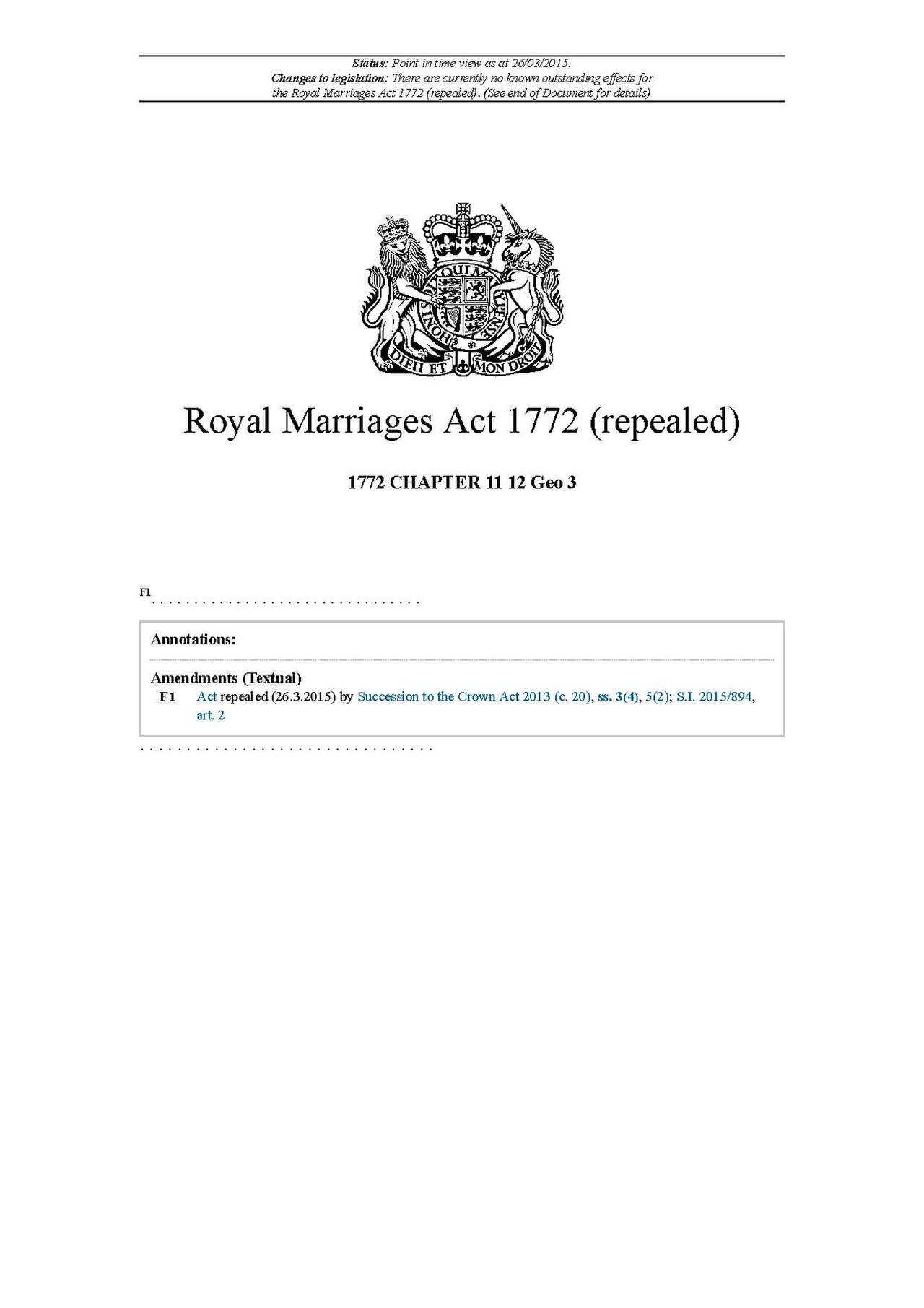
Royal Marriages Act 1772
1772
A law George III pushed through Parliament requiring royal family members to get the sovereign's consent before marrying.
George III personally proposed this act after his brothers' marriages, showing his direct use of royal authority over family life.
About this source
What it is
The Royal Marriages Act 1772 was a law passed by the Parliament of Great Britain. It required descendants of King George II to obtain the reigning monarch's consent before marrying, or the marriage would be legally invalid. It was repealed in 2015.
Why it matters
George III personally proposed this act after two of his brothers, Prince Henry and Prince William Henry, made marriages he considered highly unsuitable. The law shows how George III tried to control his family's choices to protect the status and reputation of the royal house, and it later caused serious problems, including affecting the marriages of his own sons, such as the Prince of Wales's invalid marriage to Maria Fitzherbert.
Look closer
- Why might a king want legal power over his family's marriages rather than just personal influence?
- What does this law reveal about the tension between personal choice and royal duty?
- Why do you think this law caused criticism when it was passed?
This document is part of the curated material that grounds the AI version of George III on Humy.ai — when students ask about related events, the AI can quote it and cite it.
More George III sources
Meet the AI George III →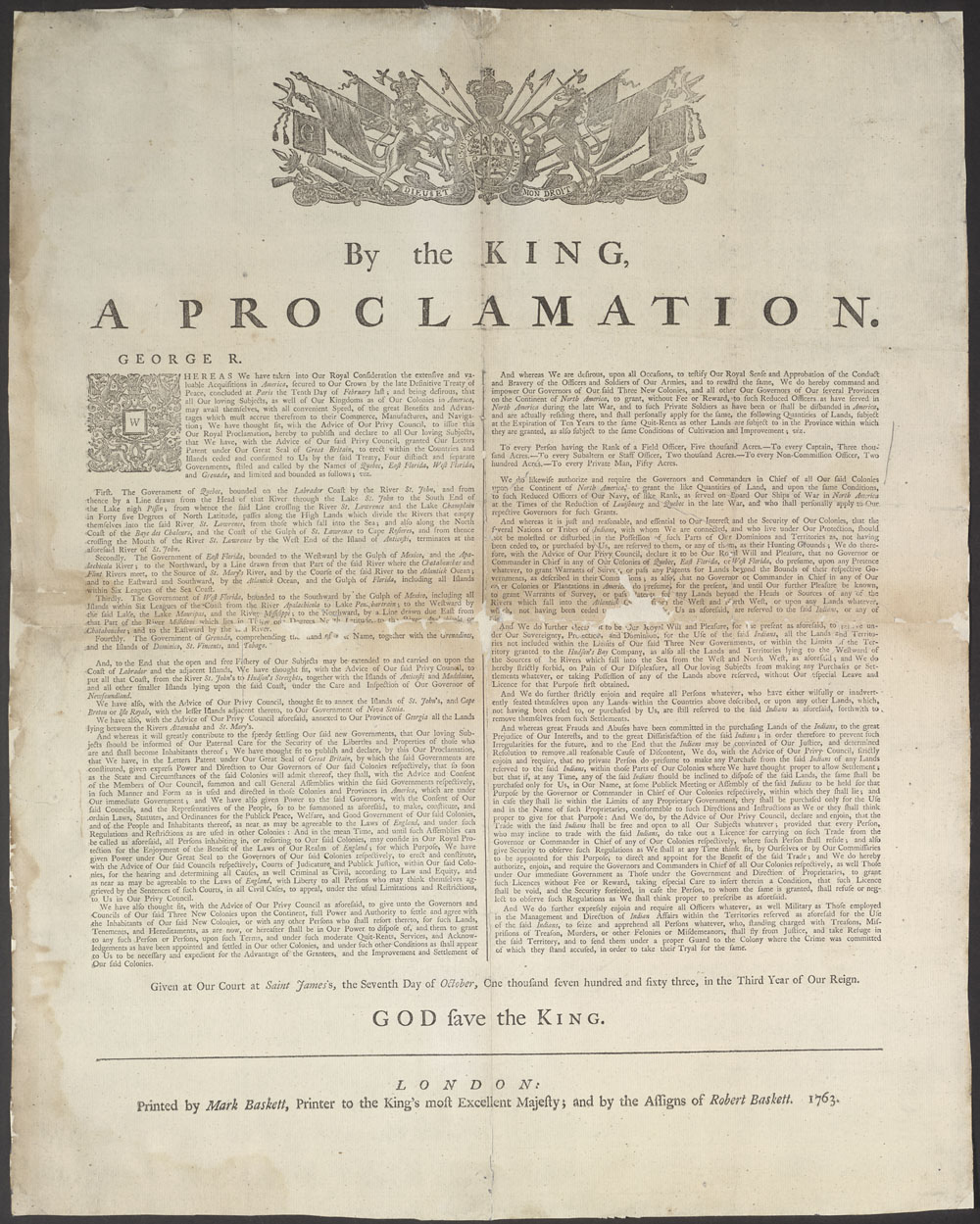 Document
Primary source
Royal Proclamation of 1763
7 October 1763
 Painting
Primary source
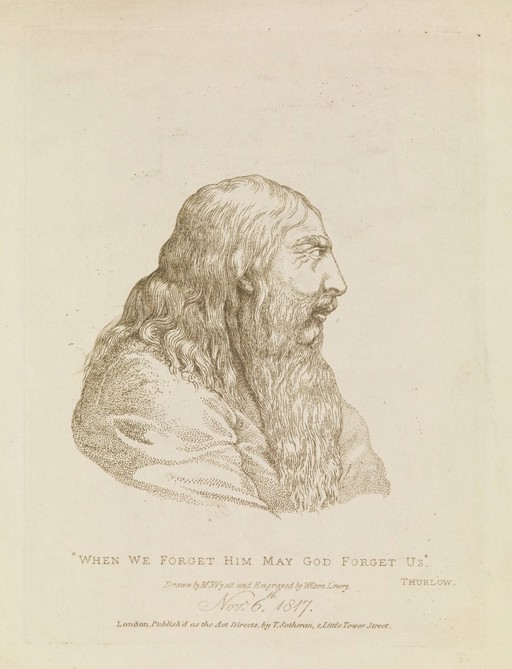
King George III, Etching by Wilson Lowry after M. C. Wyatt
Matthew Coates Wyatt · 6 November 1817
 Painting
Primary source
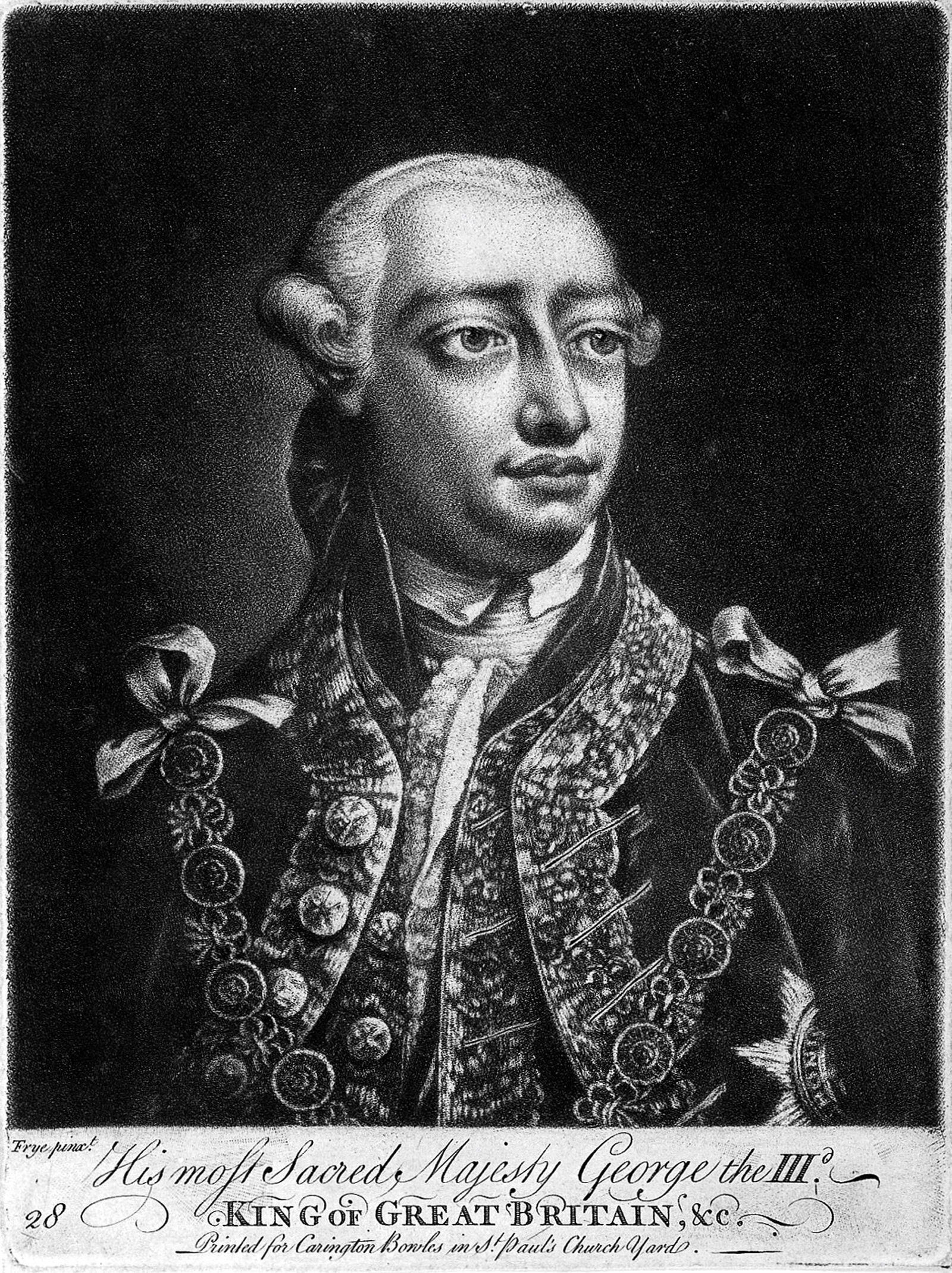
King George III, Mezzotint after Thomas Frye
Thomas Frye · not later than 1762
 Document
Primary source
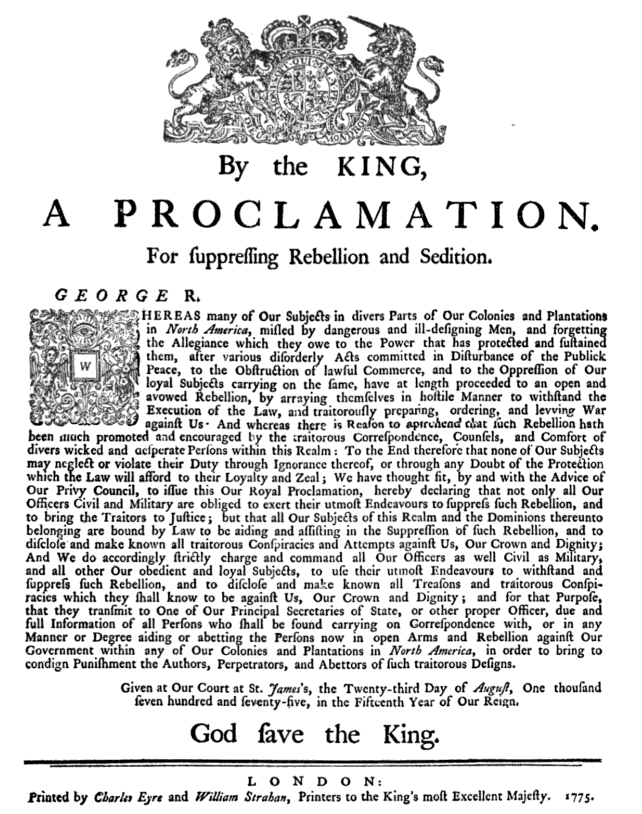
Proclamation of Rebellion
George III of Great Britain · 23 August 1775
 Document
Primary source
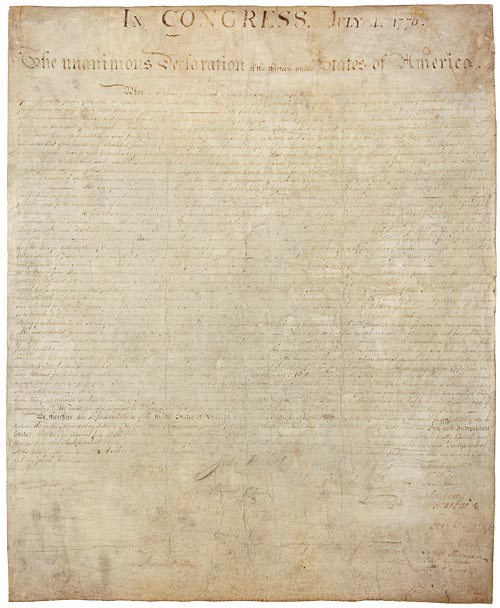
Declaration of Independence
Continental Congress (drafted by Thomas Jefferson) · 1776
Ready when you are
Start chatting with George III now.
20 messages free · No credit card · Available in 50+ languages.