


Secondary sourcePhotograph1758
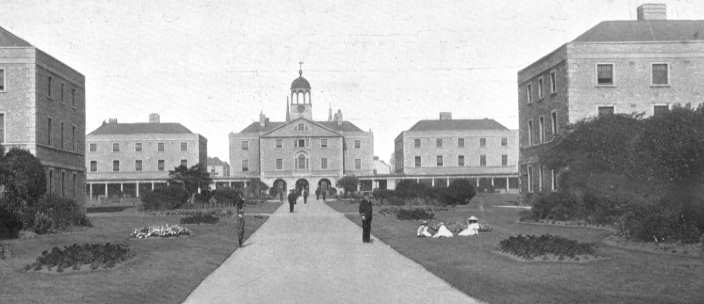
Royal Naval Hospital, Stonehouse
1758
A pioneering British naval hospital that Coulomb visited and praised in 1787 as a model for hospital design.
Coulomb visited and praised this hospital's design in 1787, recommending it to the French government.
About this source
What it is
This is the Royal Naval Hospital at Stonehouse, Plymouth, built from 1758 to a design by Alexander Rovehead. It housed patients in detached ward blocks arranged around a courtyard, a layout meant to improve ventilation and limit the spread of disease. The hospital closed in 1995 and the site is now a residential complex.
Why it matters
The hospital's 'pavilion' design was highly influential and was praised by visitors including John Howard, Jacques-René Tenon, and Charles-Augustin de Coulomb. After visiting in 1787, Coulomb and Tenon recommended its design to the French government, showing how scientific thinking was applied to practical social problems like public health.
Look closer
- Why would a physicist like Coulomb be asked to study a hospital building?
- What does the separation of ward blocks suggest about 18th-century ideas of disease?
- What might this old photograph leave out about daily life inside the hospital?
This photograph is part of the curated material that grounds the AI version of Charles-Augustin de Coulomb on Humy.ai — when students ask about related events, the AI can quote it and cite it.
More Charles-Augustin de Coulomb sources
Browse all 20 →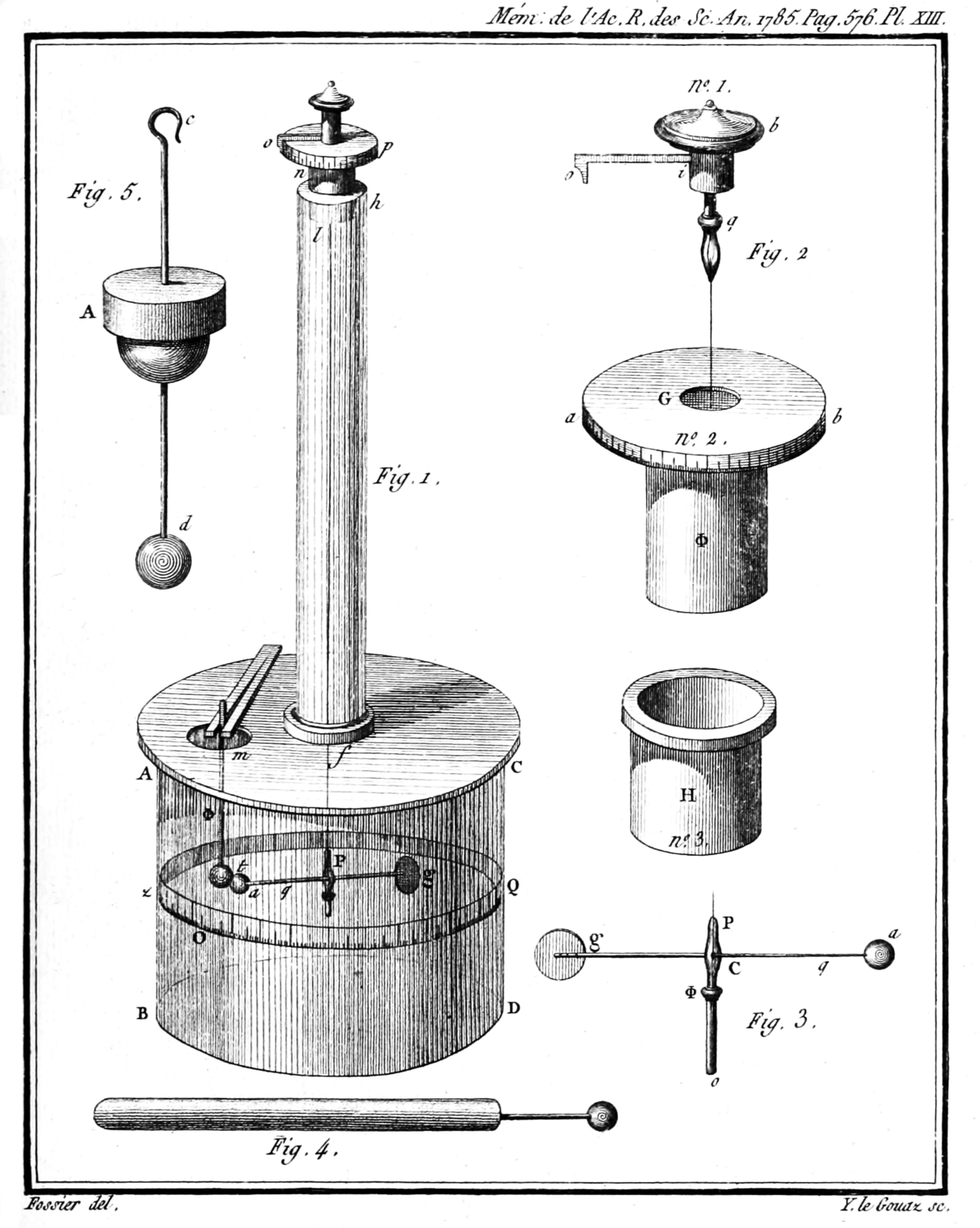 Artifact
Primary source
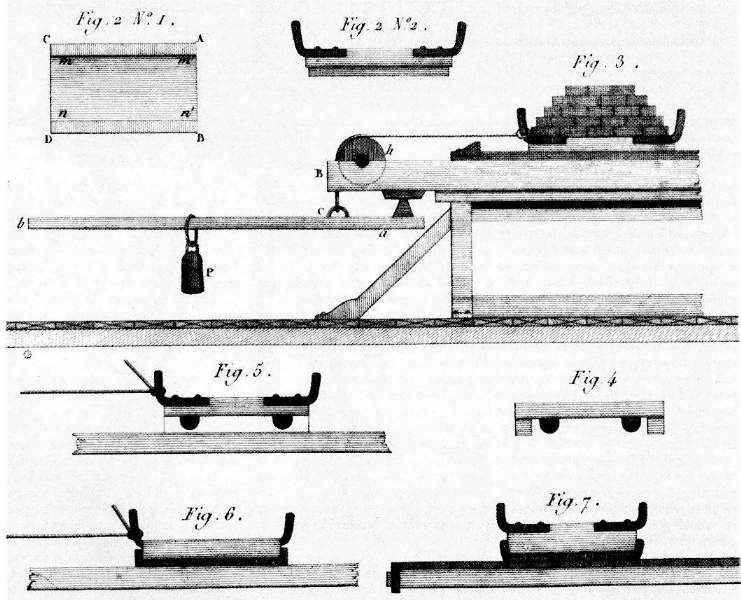
Balance de Coulomb Engraving
Charles-Augustin de Coulomb · 1785
 Document
Primary source
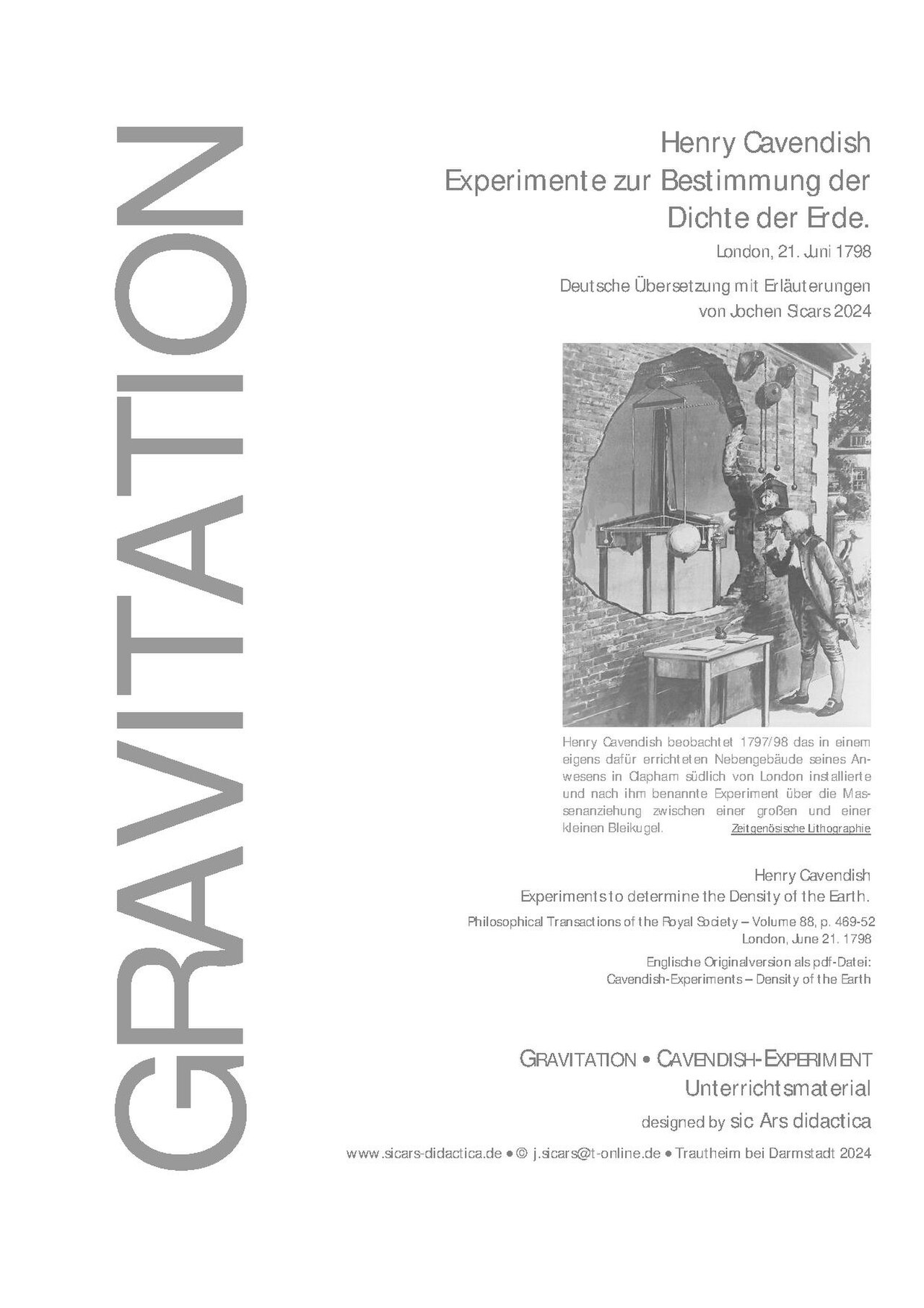
Experimente zur Bestimmung der Dichte der Erde
Henry Cavendish · 2024 (translation of 1798 original)
 Painting
Secondary source
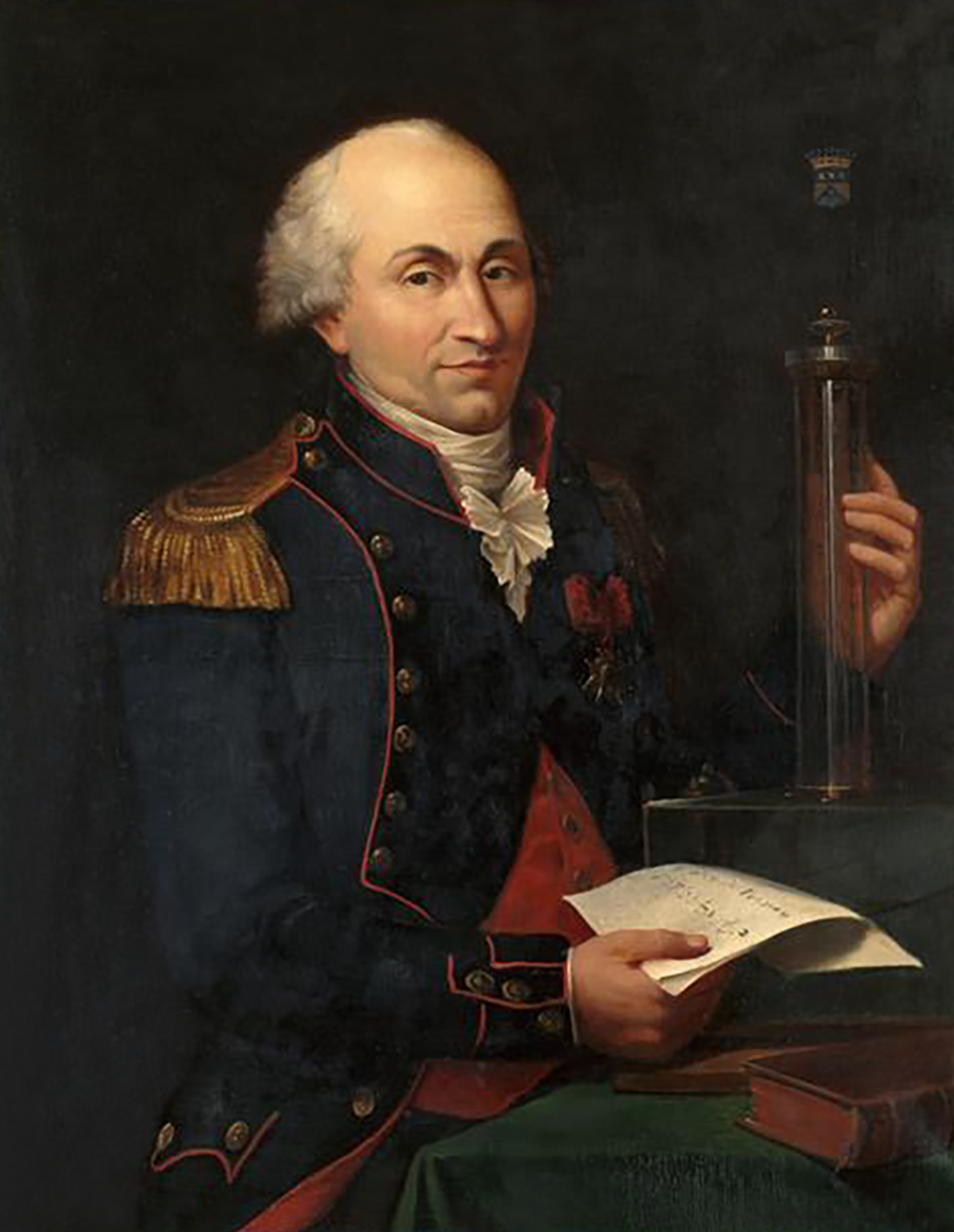
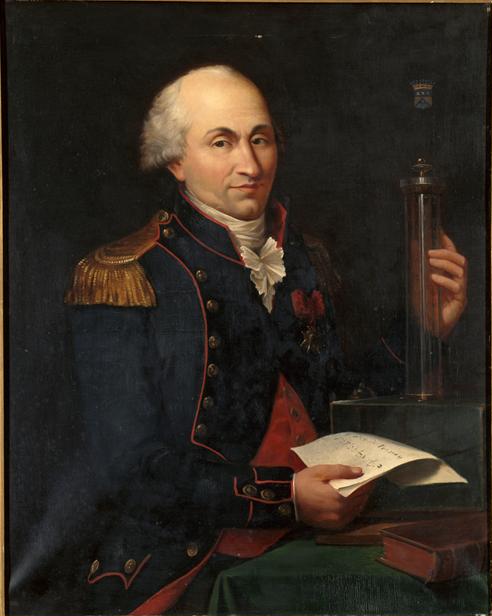
Portrait of Charles-Augustin de Coulomb
 Artifact
Secondary source
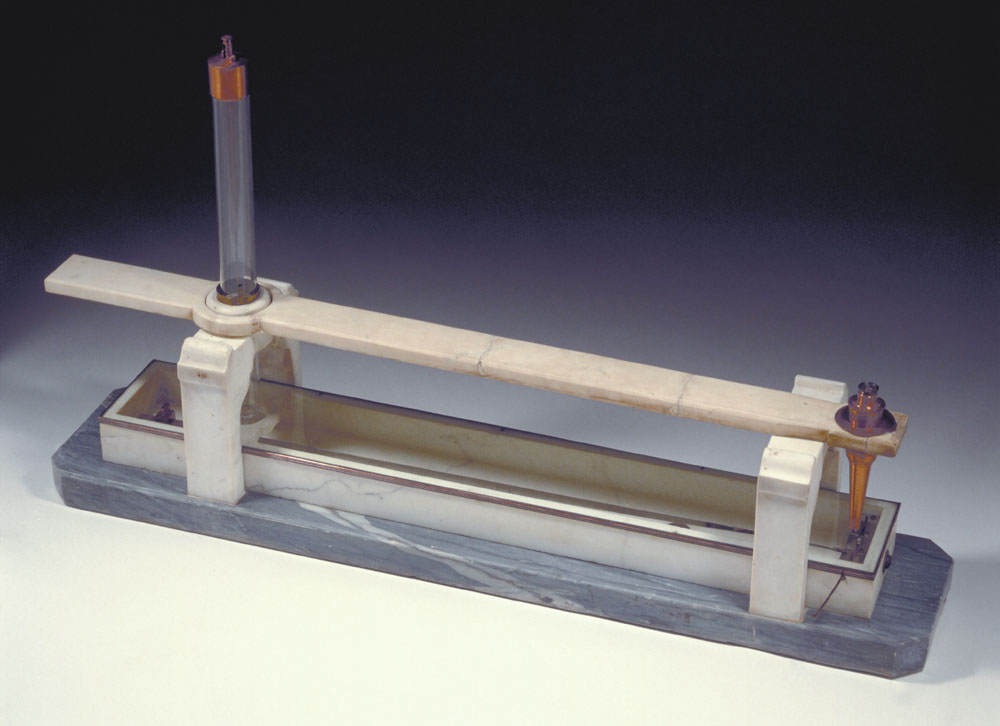
Coulomb-type Declinometer
Free account
Read every Charles-Augustin de Coulomb source
Sign up free →
Ready when you are
Start chatting with Charles-Augustin de Coulomb now.
20 messages free · No credit card · Available in 50+ languages.