


Primary sourceBook12th century AH
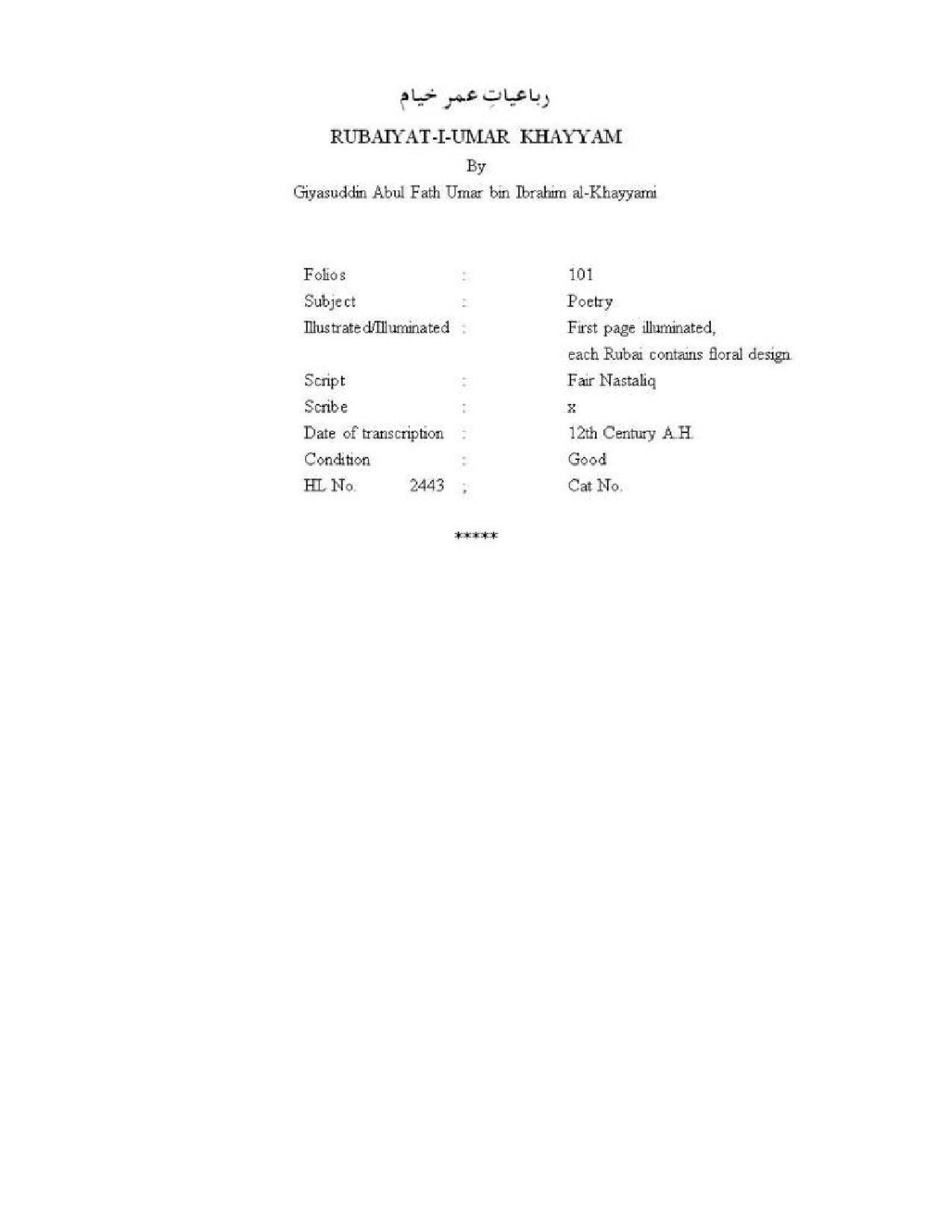
Rubaiyat of Khayyam, Persian Illustrated Manuscript
Omar Khayyám · 12th century AH
A catalogue record for a Persian manuscript of Khayyám's quatrains, showing his poetry in its original language and script.
This manuscript preserves Khayyám's quatrains in their original Persian, central to his identity as a poet.
About this source
What it is
This is a catalogue record describing a manuscript of the Rubáiyát attributed to Omar Khayyám, written in Persian. The record notes it has many folios of poetry, an illuminated first page, floral decoration beside each quatrain, and is written in Fair Nastaliq script, dated to the 12th Islamic century.
Why it matters
Manuscripts like this preserve Khayyám's poetry as it circulated for centuries among Persian readers, long before it was translated into English. The careful decoration and script show that his verses were valued as both literature and art.
Look closer
- Why might a manuscript of poetry include illumination and floral designs rather than plain text?
- What does the use of a specific calligraphic script tell us about who made and used this manuscript?
- How might reading Khayyám's poetry in the original Persian differ from reading an English translation?
This book is part of the curated material that grounds the AI version of Omar Khayyam on Humy.ai — when students ask about related events, the AI can quote it and cite it.
More Omar Khayyam sources
Meet the AI Omar Khayyam →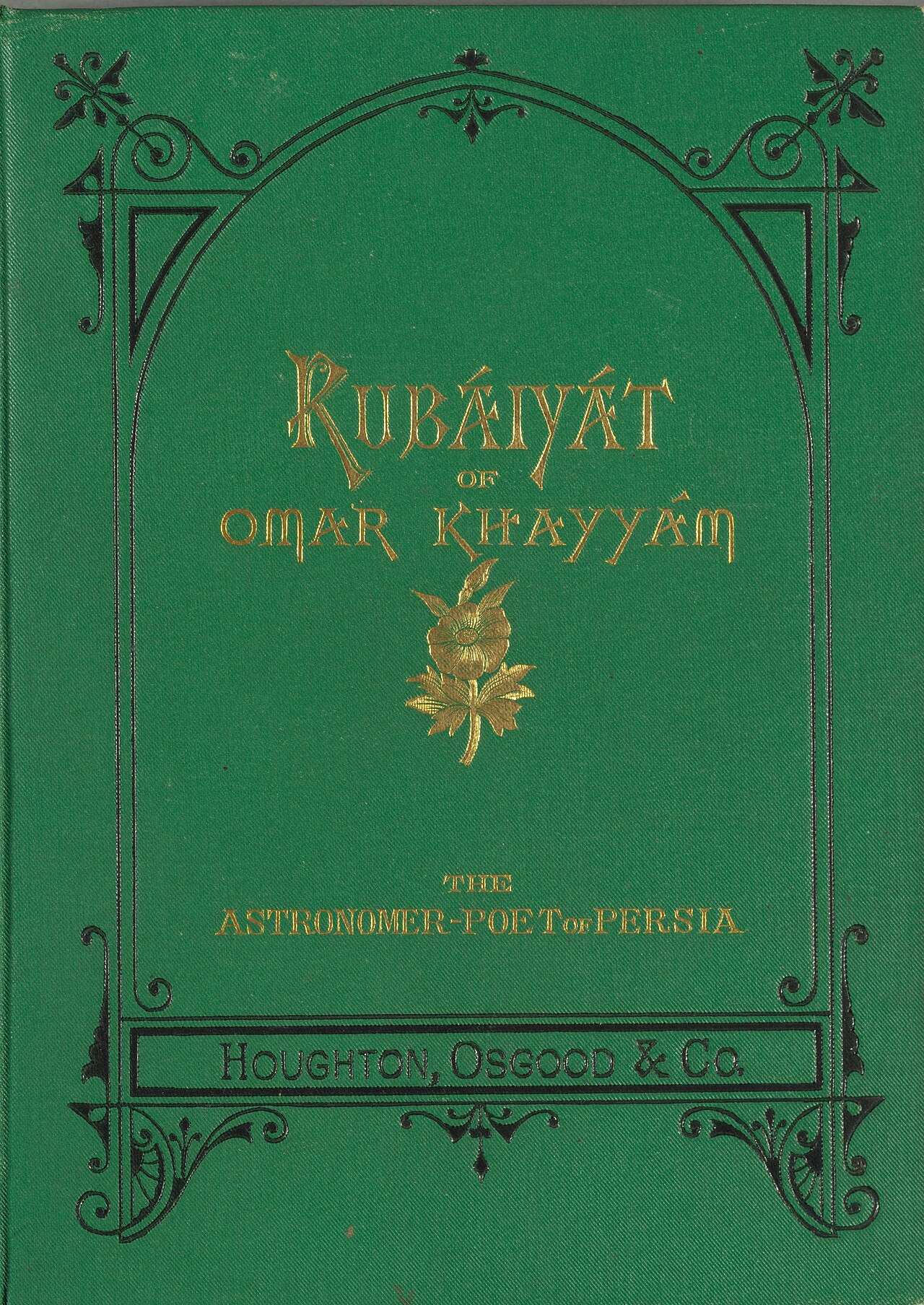 Book
Secondary source
Rubáiyát of Omar Khayyám
Edward FitzGerald · 1878
 Document
Primary source
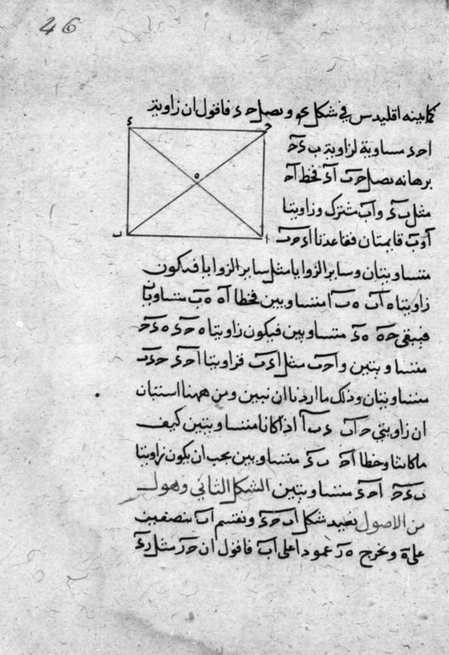
Khayyam Geometry Manuscript
Omar Khayyám
Secondary source
The Rubaiyat of Omar Khayyam (First Edition)
Edward FitzGerald · 1859
 Book
Secondary source
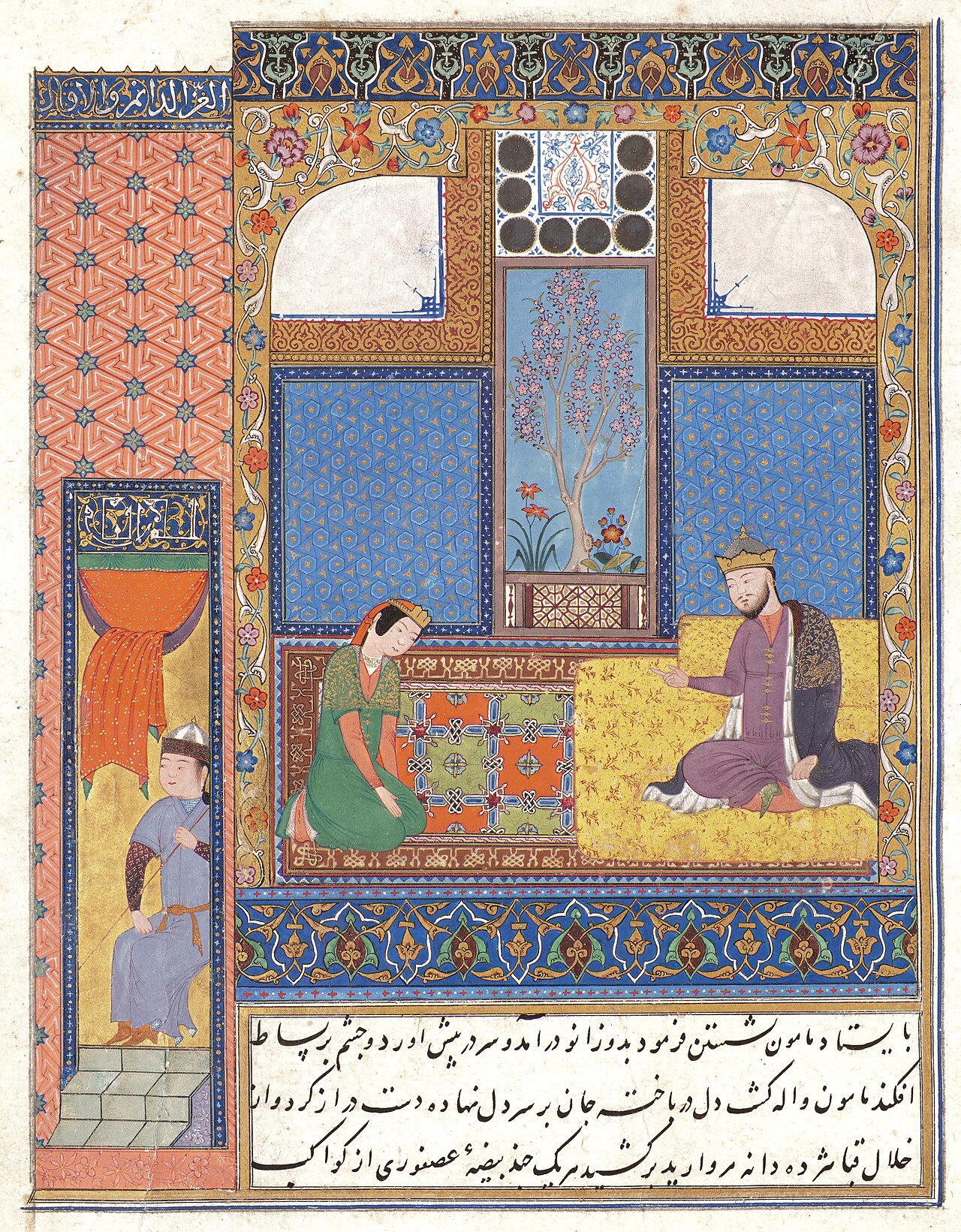
Chahar Maqala
Nizami Aruzi · 1155–1157
 Artifact
Secondary source
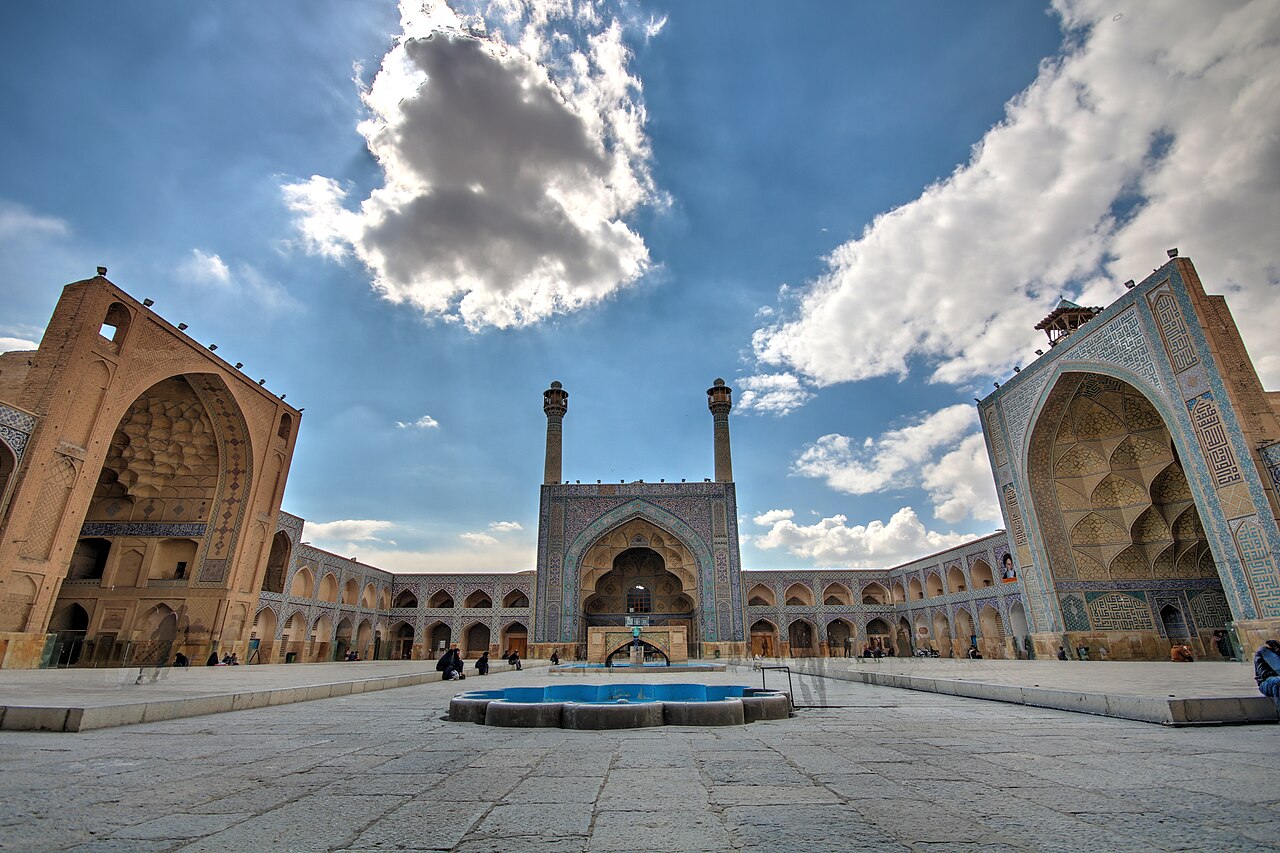
Jameh Mosque of Isfahan
841 (rebuilt 1086-1089 under Khayyám's patrons)
Ready when you are
Start chatting with Omar Khayyam now.
20 messages free · No credit card · Available in 50+ languages.